2026 How to Choose the Best Concrete Mixer for Your Construction Projects?
Choosing the right Concrete Mixer can significantly impact the success of your construction projects. According to industry expert John Smith, "A quality Concrete Mixer is crucial for efficiency and durability on site." His insights emphasize the importance of selecting the right equipment.
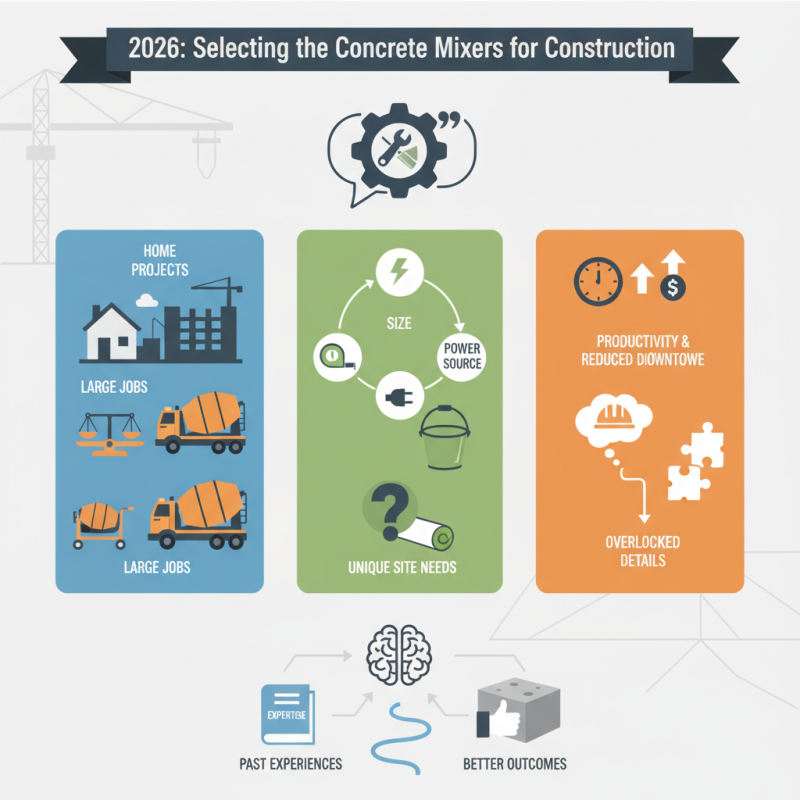
When considering a Concrete Mixer, factors like size, power source, and capacity are vital. A small mixer may suffice for home projects, while larger jobs require robust machinery. Every construction site is unique, and understanding specific needs is essential.
Investing in the right Concrete Mixer reduces downtime and enhances productivity. However, even experienced builders sometimes overlook details, leading to choices that may not fit their project perfectly. Reflecting on past experiences can help guide better decisions in the future. It is this balance of expertise and careful consideration that makes all the difference in construction outcomes.
Understanding the Different Types of Concrete Mixers Available
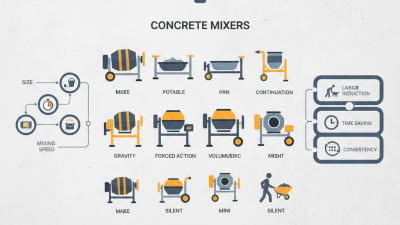
When choosing a concrete mixer, understanding the types available is crucial. Common mixers include drum mixers, pan mixers, and planetary mixers. Drum mixers are ideal for large projects. They offer high efficiency and a good mixing quality for high volume. However, they may struggle with small batches or certain mix designs. Reports suggest that for projects with a demand of over 20 cubic meters per hour, a drum mixer is beneficial.
Pan mixers provide uniform mixing and are suitable for rigid mixes. They are often used in precast concrete applications. Yet, they have limitations. With a mixing capacity of around 5 cubic meters, they may not meet the needs of larger projects. Their operational method requires careful calibration to ensure the best results.
Planetary mixers are another option. They excel in smaller batches and highly specialized mixes. Their three-dimensional mixing motion allows for more thorough blending. However, some users report longer mixing times. According to industry data, around 60% of contractors prefer mixers that match their specific project requirements, highlighting the importance of understanding these types to maximize efficiency.
2026 How to Choose the Best Concrete Mixer for Your Construction Projects?
| Type of Concrete Mixer |
Capacity (Cubic Feet) |
Mixing Method |
Power Source |
Best For |
| Batch Mixer |
1 - 2 |
Manual Mixing |
Electric |
Small Construction Projects |
| Drum Mixer |
2 - 12 |
Continuous Mixing |
Gasoline/Diesel |
Medium to Large Projects |
| Twin-Shaft Mixer |
3 - 20 |
High-Efficiency Mixing |
Electric |
Large Volumes |
| Portable Mixer |
0.5 - 1.5 |
Batch Mixing |
Electric/Battery |
Homeowners/Small Jobs |
| Self-Loading Mixer |
2 - 8 |
Automated Mixing |
Diesel |
Construction Sites |
Key Features to Consider When Selecting a Concrete Mixer
When selecting a concrete mixer for construction projects, several key features merit attention. One primary factor is capacity. Different projects require various amounts of concrete. Small job sites may only need a few cubic feet. In contrast, larger sites may demand several yards. Assessing your project's scale is crucial in determining the right mixer size.
Another important aspect is the type of mixer. Drum mixers are popular for their efficiency. They continuously mix and keep the concrete uniform. However, forced-action mixers can be more effective for specific applications. They mix materials more thoroughly, which can be essential for certain jobs. Evaluating your specific needs can guide you in choosing the correct type.
Power source is also a critical consideration. Electric mixers are typically quieter and easier to maintain, while gas-powered models offer higher mobility. If your site lacks power, a gas mixer may be more suitable. Keep in mind that ease of transportation is vital as well. A heavy or bulky mixer can slow down your operations. Testing different models in advance might reveal preferences you didn’t expect.
Assessing the Mixer Size and Capacity for Your Project Needs
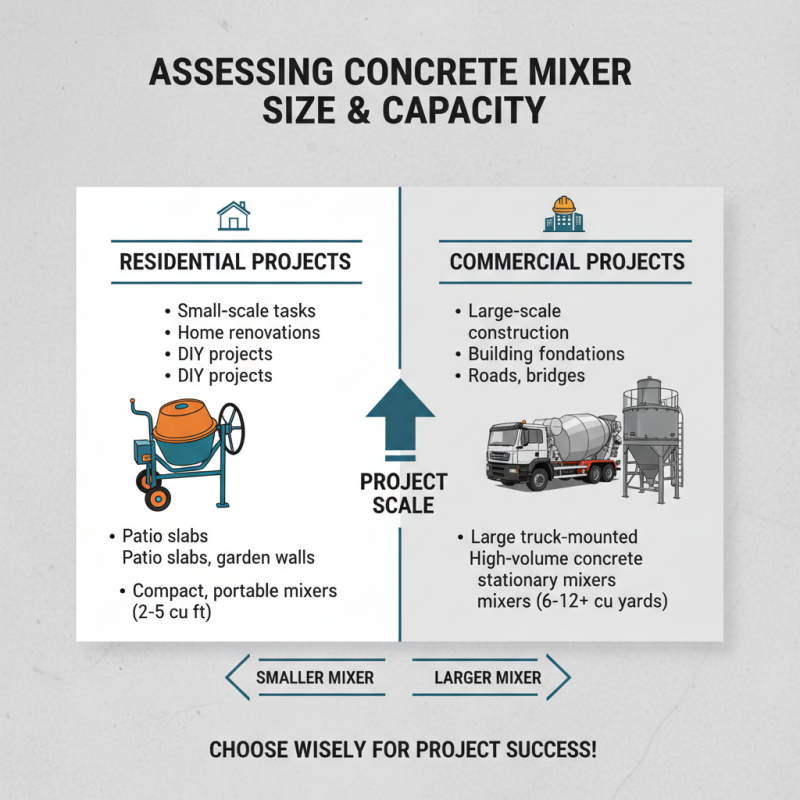
Choosing the right concrete mixer is crucial for the success of your construction projects. One of the first aspects to consider is the size and capacity of the mixer. A small mixer might be sufficient for a residential project, while a larger, more robust model is essential for commercial tasks. Understanding the scale of your project helps determine the optimal mixer size.
When assessing your project needs, think about the volume of concrete required. Will you be pouring a small slab or a large foundation? A 1-cubic foot mixer may suit minor repairs, but larger projects demand mixers capable of handling 3 to 6 cubic feet. However, don't just focus on capacity; also consider the nature of the work. For intricate designs or when working in tight spaces, a smaller, more maneuverable mixer could be advantageous.
Experience shows that not all projects unfold smoothly. You might overestimate your requirements, leading to wasted resources and time. On the flip side, an undersized mixer can cause delays. Balancing your specific needs with realistic expectations is essential. Sometimes, you may need to rethink your approach or reassess capabilities. Each choice impacts your workflow and overall project efficiency.
Evaluating the Durability and Build Quality of Concrete Mixers
When choosing a concrete mixer, durability and build quality are paramount. Mixers endure heavy use on construction sites. A robust design ensures longevity and consistent performance. Pay attention to the materials used in construction. Steel mixers often offer better durability compared to plastic ones.
Incorporating quality components is essential. Look for mixers with strong gears and reliable motors. These elements should withstand the rigorous demands of mixing concrete. While lightweight models may seem appealing, they often compromise on sturdiness. It’s crucial to find a balance between portability and durability.
Tips for evaluating concrete mixers include checking user reviews. Real-life experiences reveal much about a mixer’s reliability. Make sure to inspect the warranty offered. A longer warranty often signals confidence in the product’s durability. Consider the mixer’s maintenance requirements as well. A low-maintenance model can save time and money in the long run.
Budgeting for Your Concrete Mixer: Cost vs. Quality Considerations
When budgeting for a concrete mixer, understanding the balance between cost and quality is crucial. A recent industry report highlights that high-quality mixers can cost anywhere from $1,000 to $5,000, depending on features and capacity. Cheaper options may seem appealing, but they often compromise performance and durability. Low-cost mixers can lead to inefficient mixing, affecting the final concrete quality.
Investing in a reliable concrete mixer typically guarantees superior mixing. Reports indicate that high-quality mixers produce a more uniform mix, crucial for structural integrity in construction projects. The durability of quality models reduces long-term expense. They require fewer repairs and less frequent replacements. However, some buyers may overlook this, swayed by initial costs alone.
Many contractors express regret over choosing cheaper models, citing frequent maintenance issues. These problems can delay projects and increase labor costs, yielding lower overall productivity. Weighing short-term savings against long-term investment is key. Take time to assess potential return on quality versus the allure of low-priced equipment. These considerations will help ensure you choose a mixer that aligns with industry standards and project needs.

 Concrete Mixing Plant
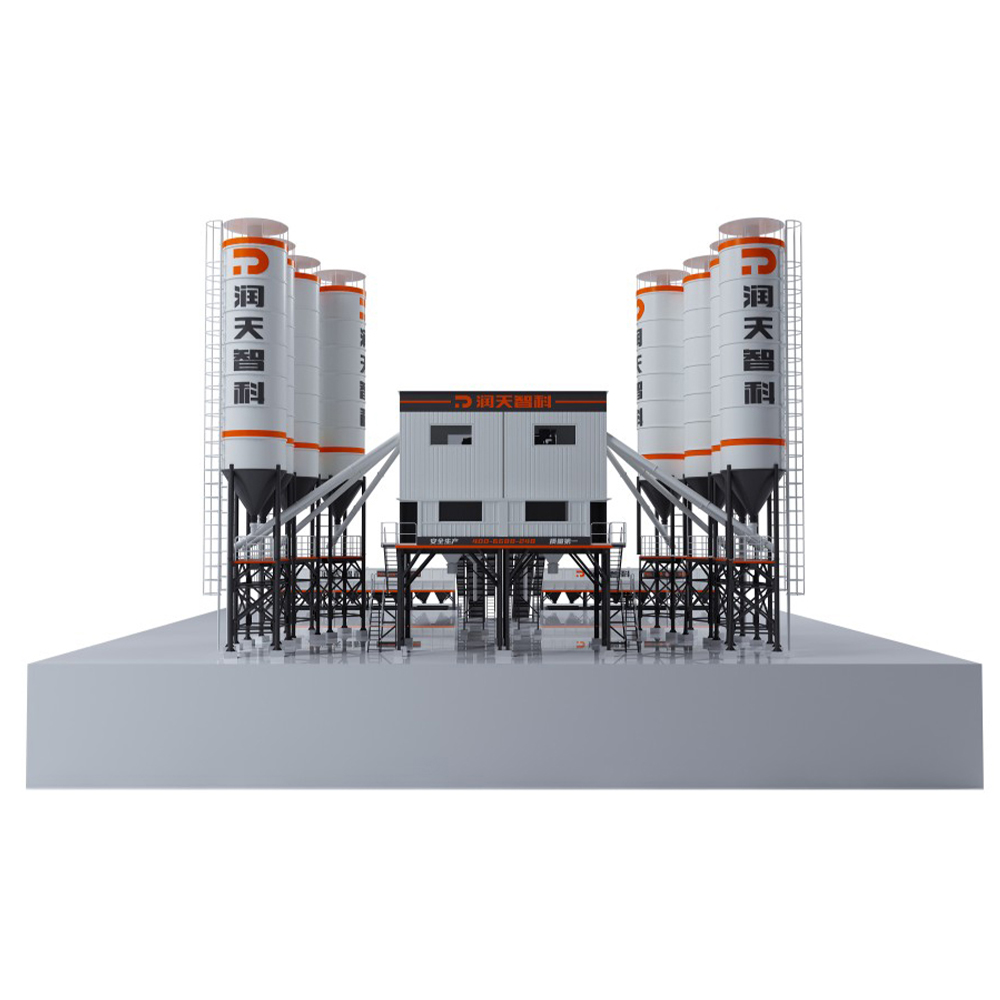 HZS Series Belt Concrete Mixing Plant
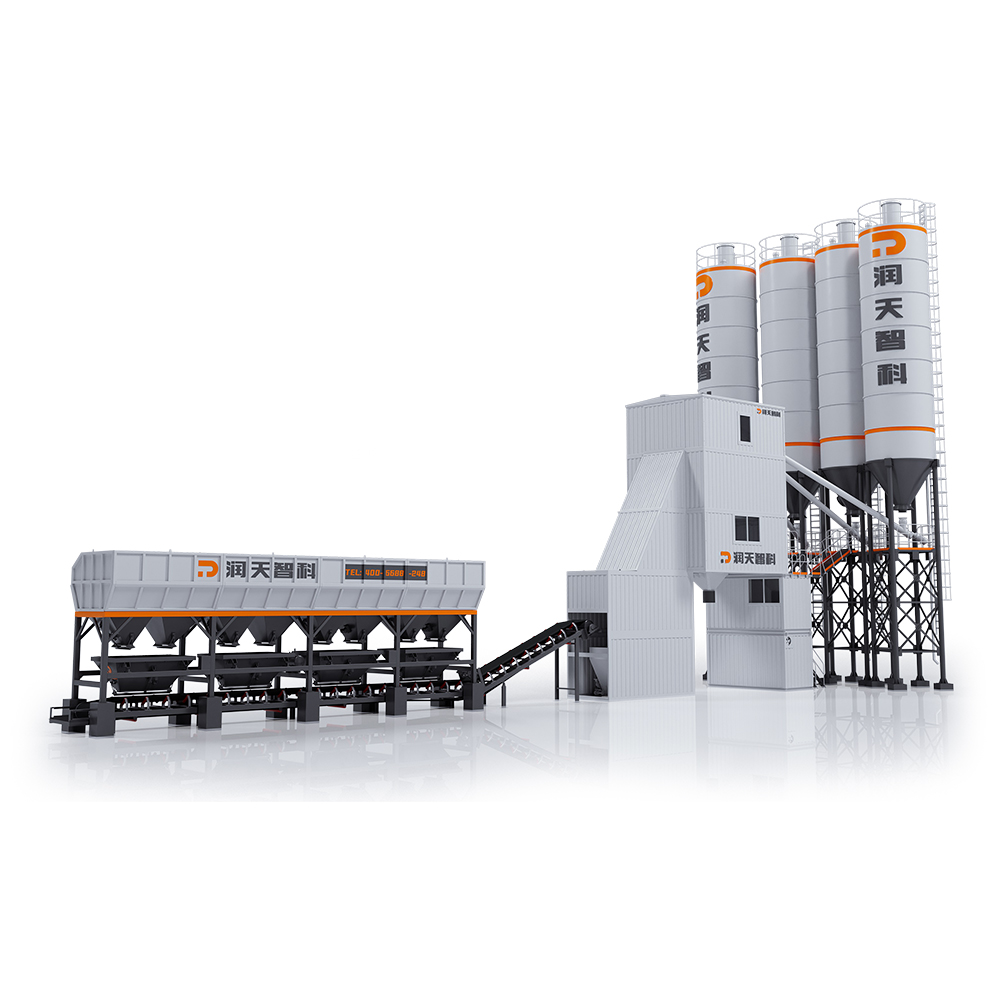 HZS Series Bucket-Lifting Type Container Concrete Mixing Plant
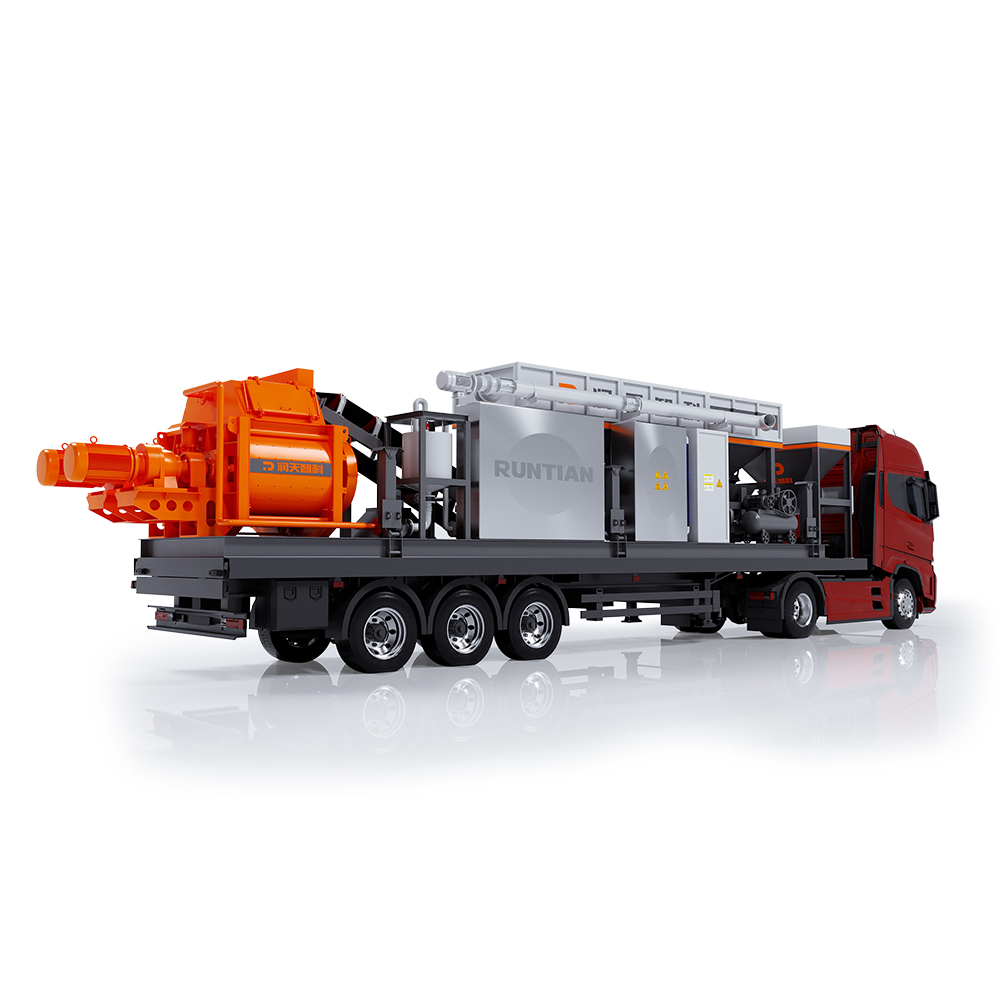 HZS60 Mobile Concrete Mixing Plant
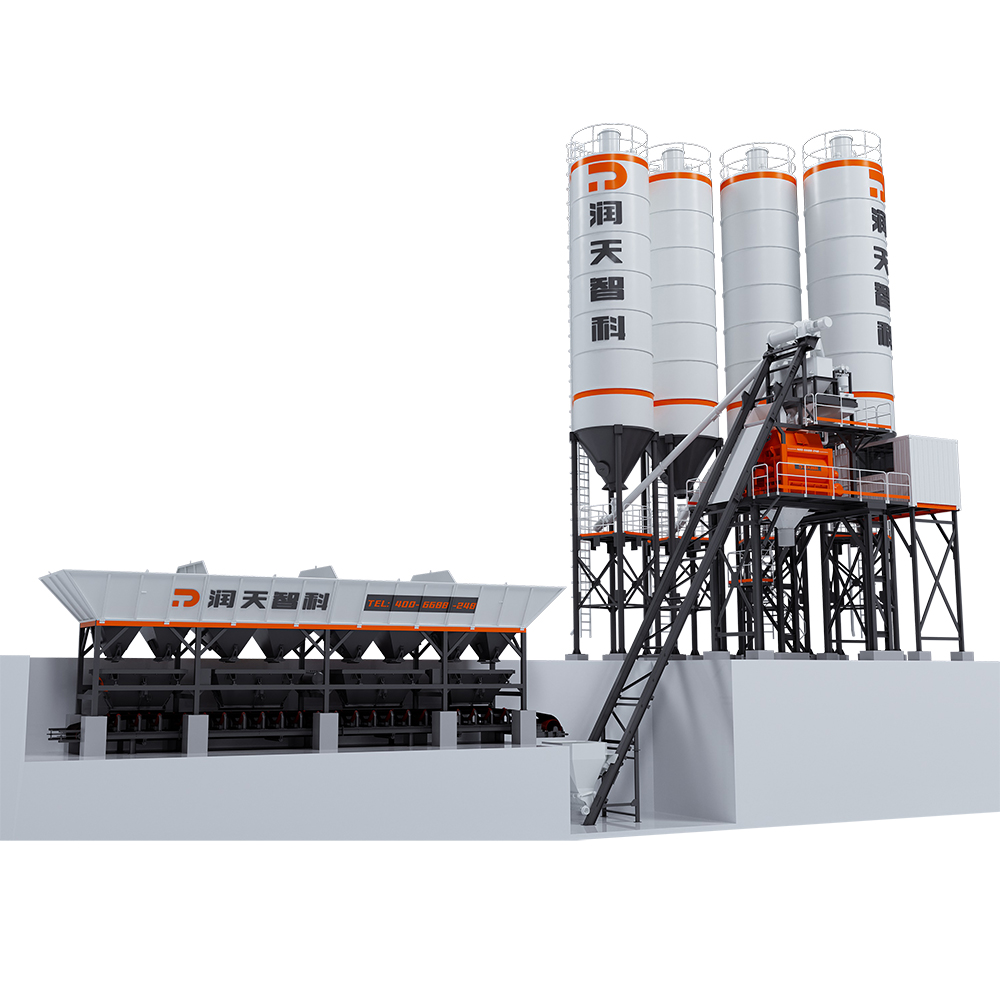 HZS Series Bucket-Lifting Type Concrete Mixing Plant
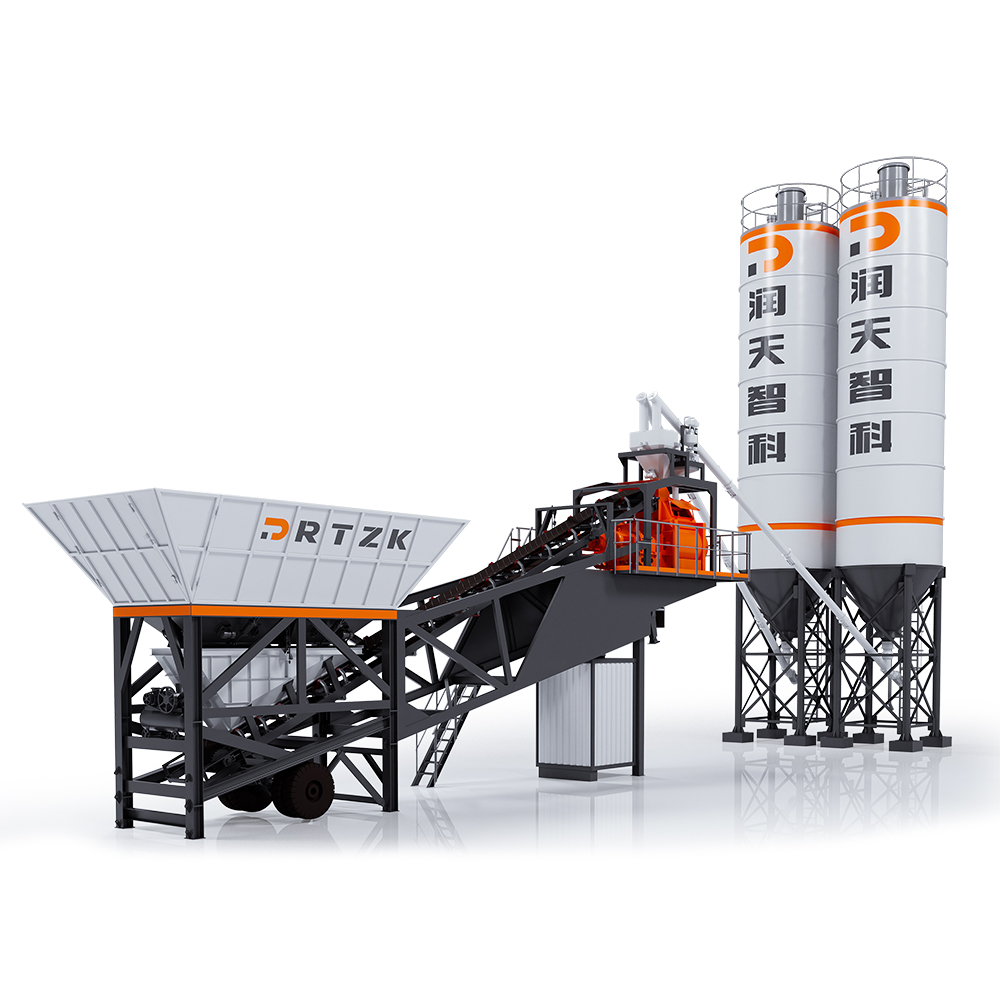 HZS Series Mobile Concrete Mixing Plant
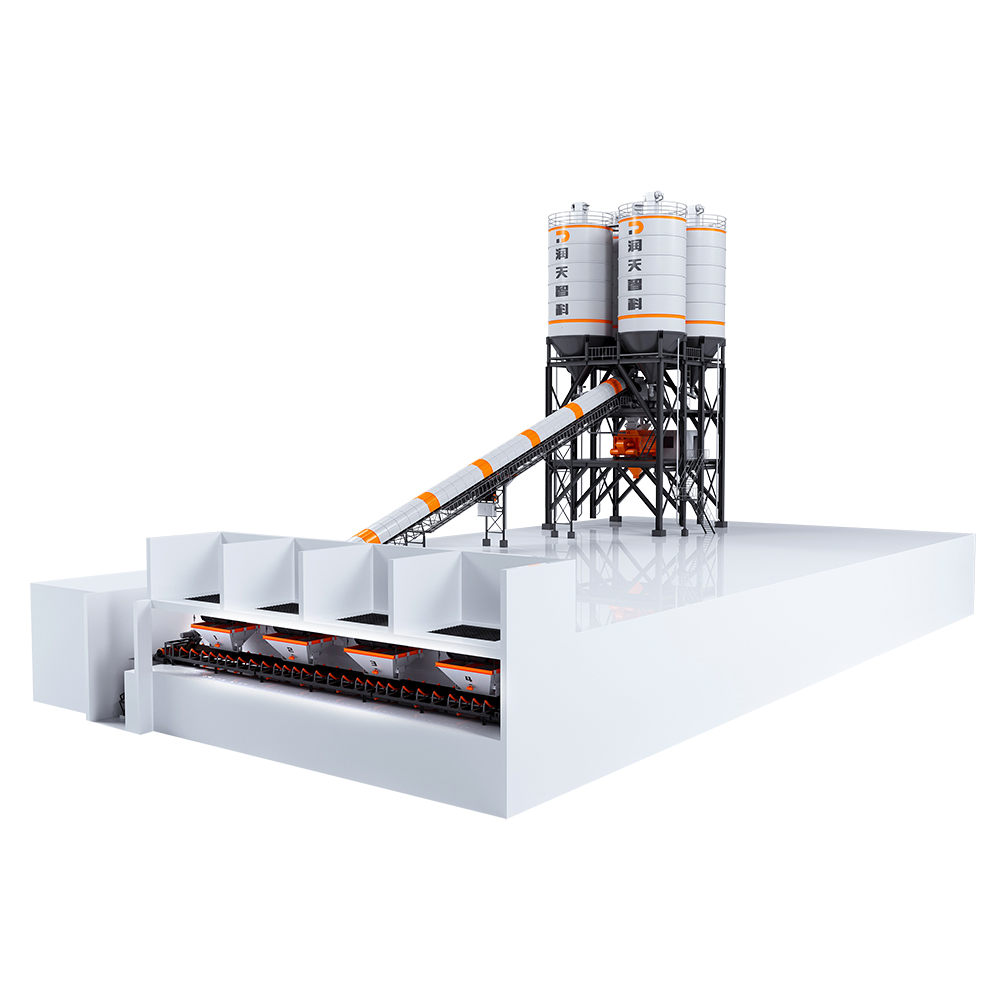 HZS Series Top-Mounted Concrete Mixing plant
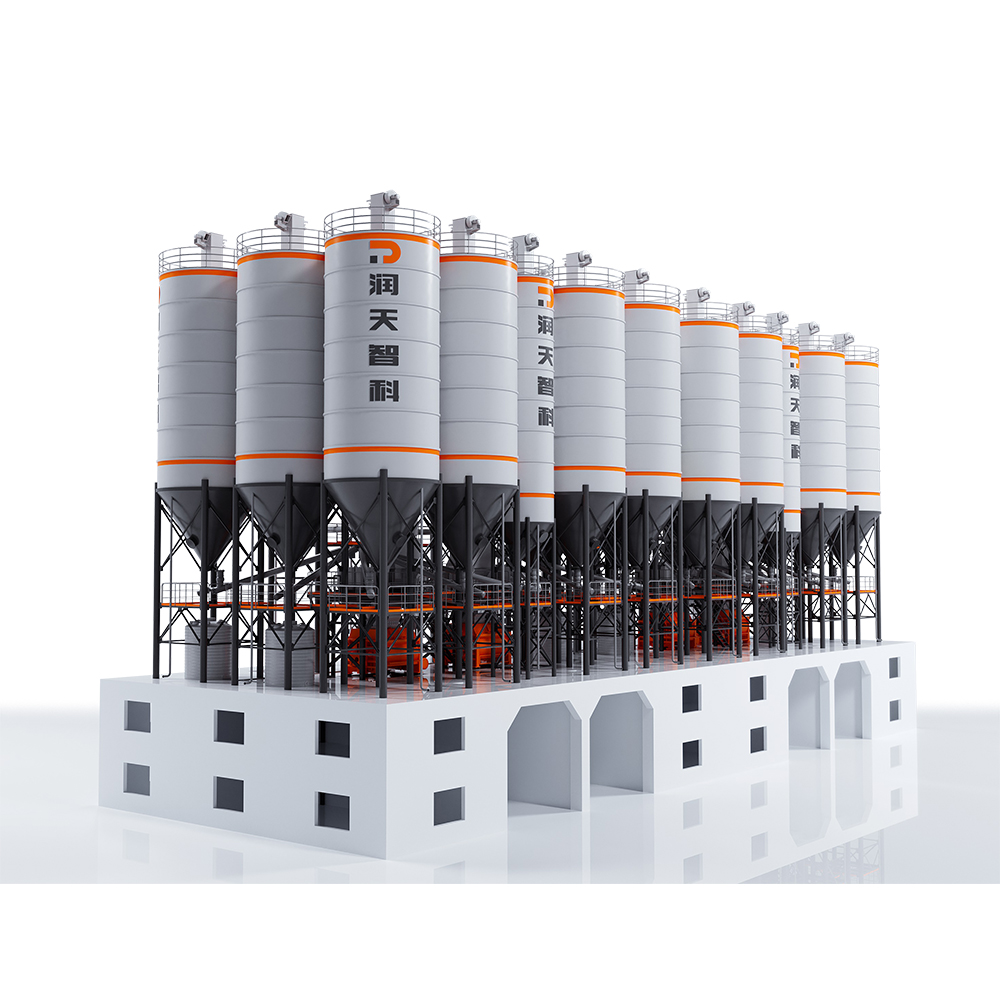 HZS Series Semi-Top Mounted Concrete Mixing Plant
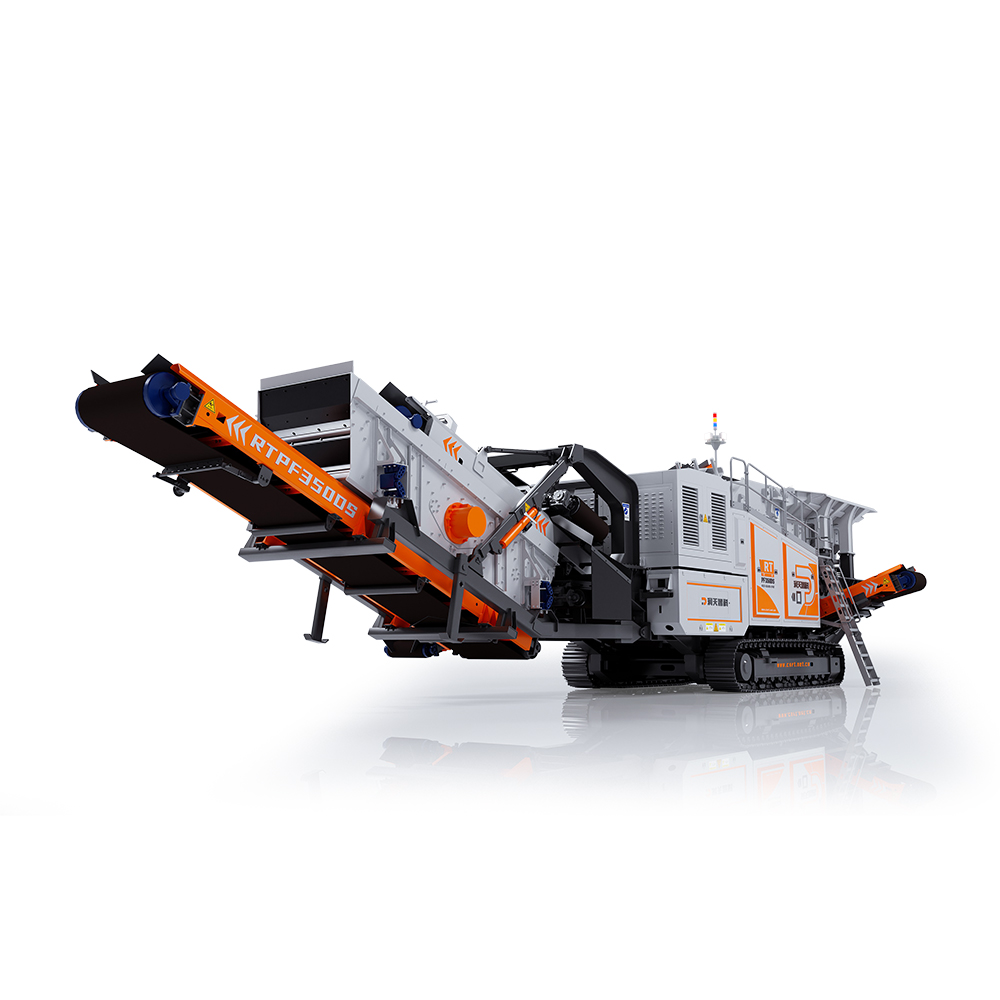 RTPF350DS Crawler Mobile Impact Crushing Plant
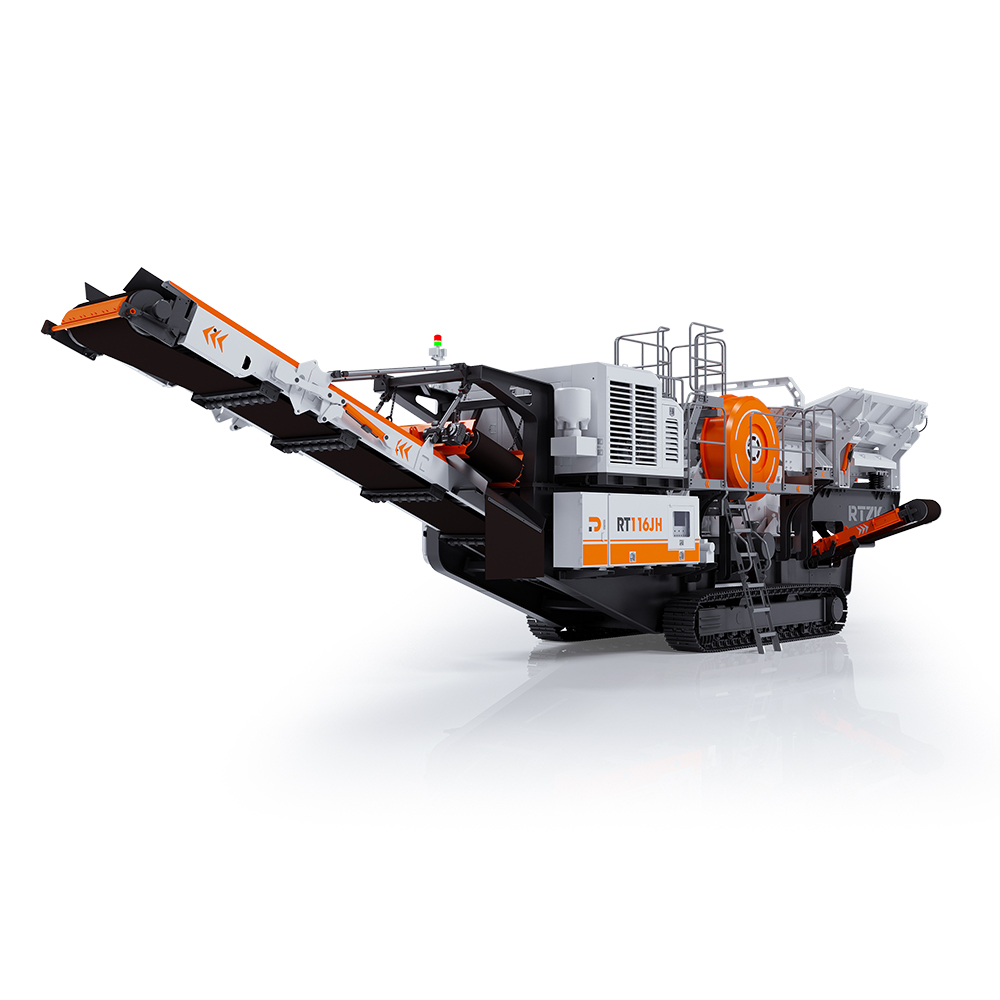 RT116JH Crawler Mobile Jaw Crushing Plant
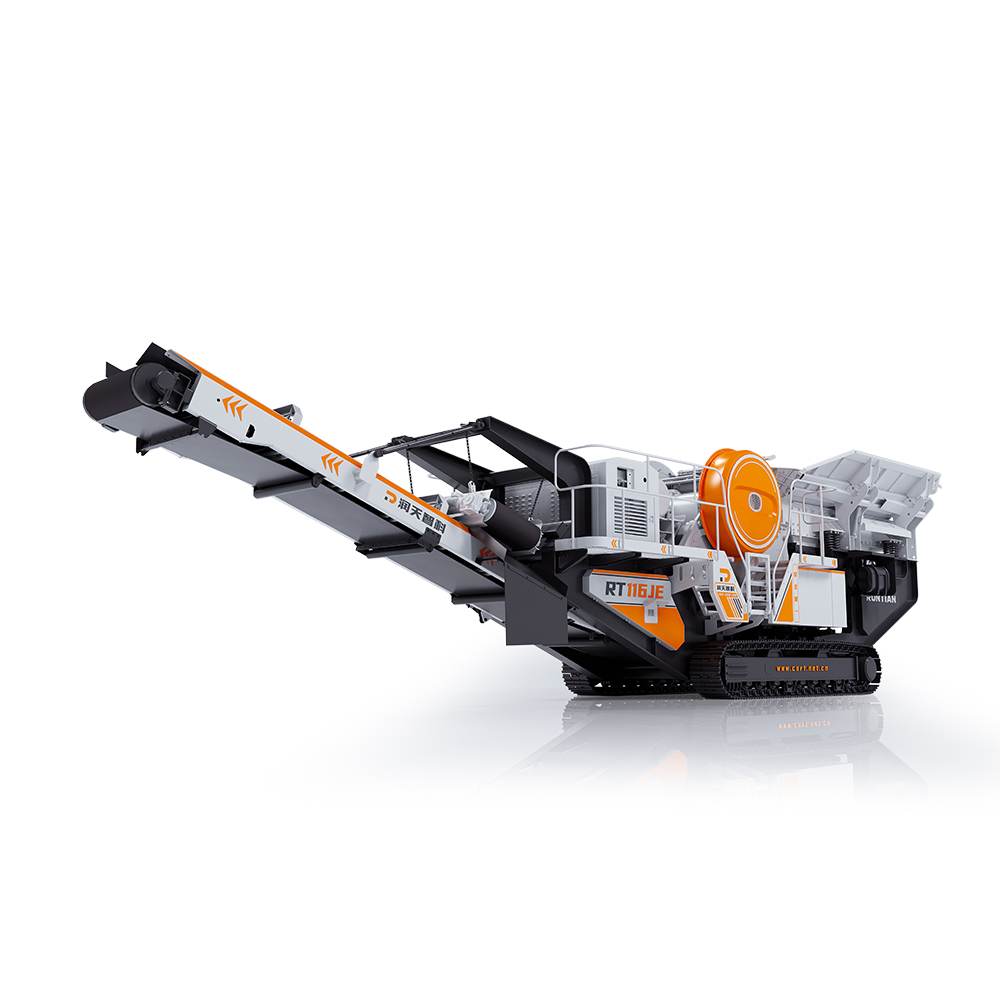 RT116JE Crawler Mobile Jaw Crushing Plant
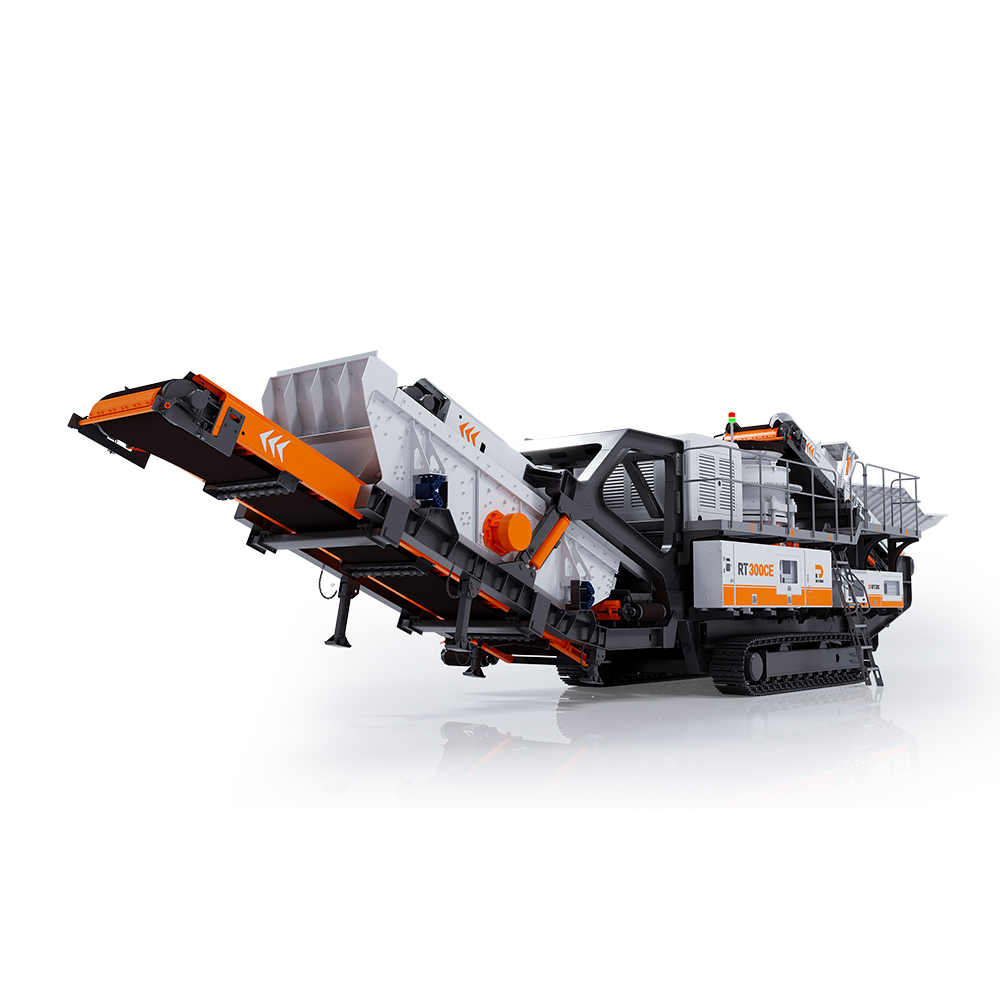 RT300CE Crawler Mobile Cone Crushing Plant
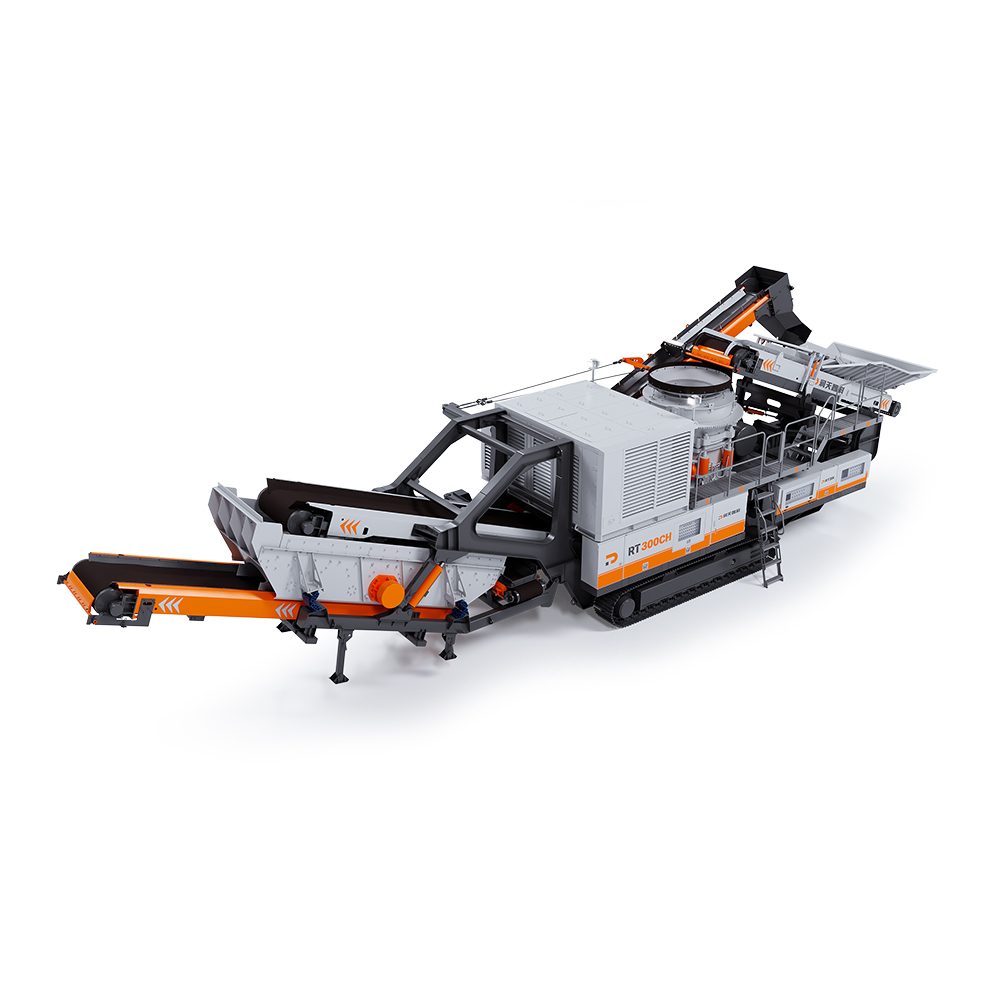 RT300CH Crawler Mobile Cone Crushing Plant
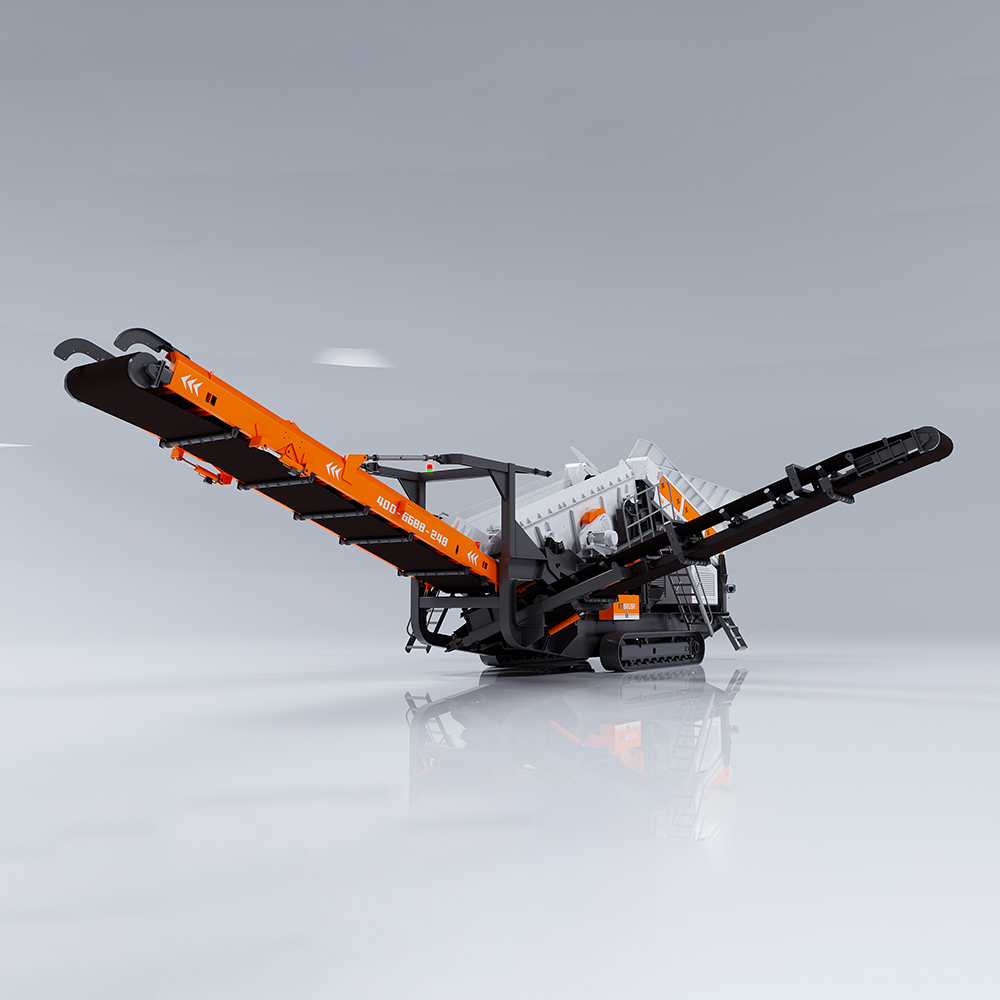 RT5015H Mobile Scalping Screen
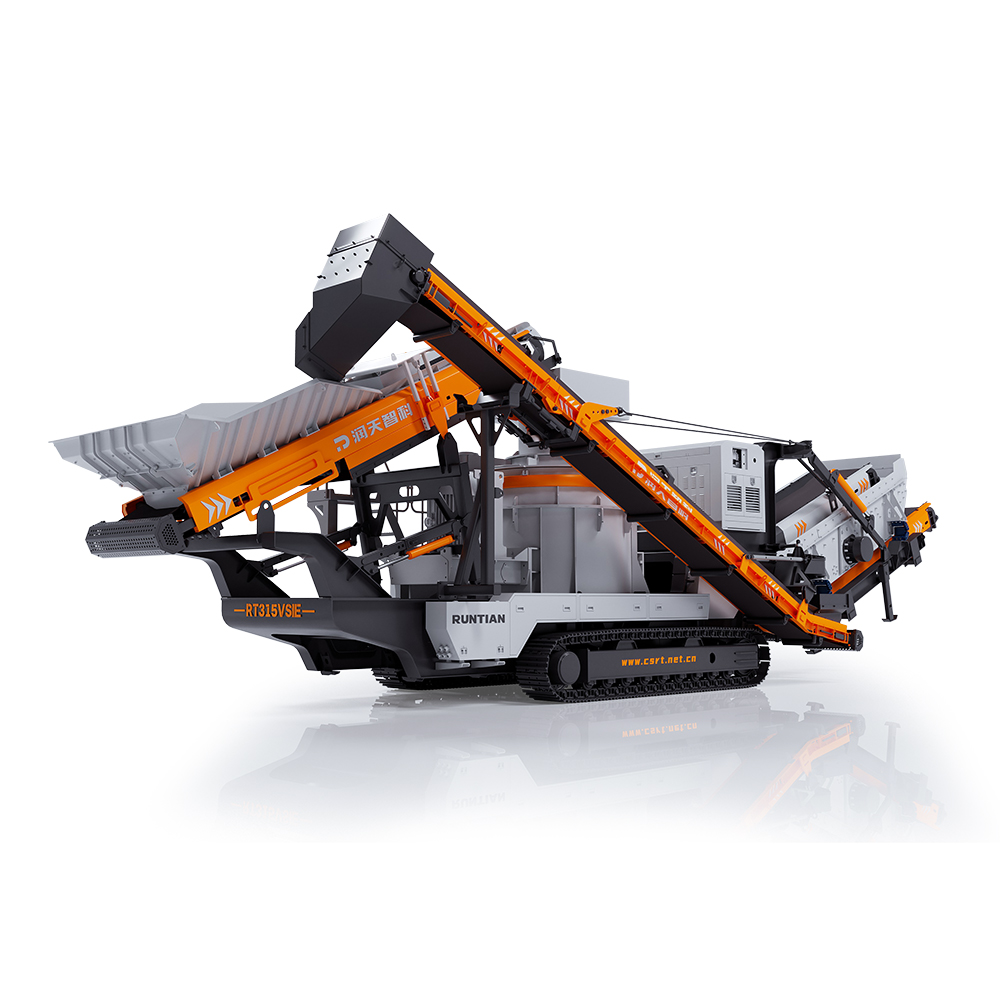 RT315VSIE Crawler Mobile Sand Maker
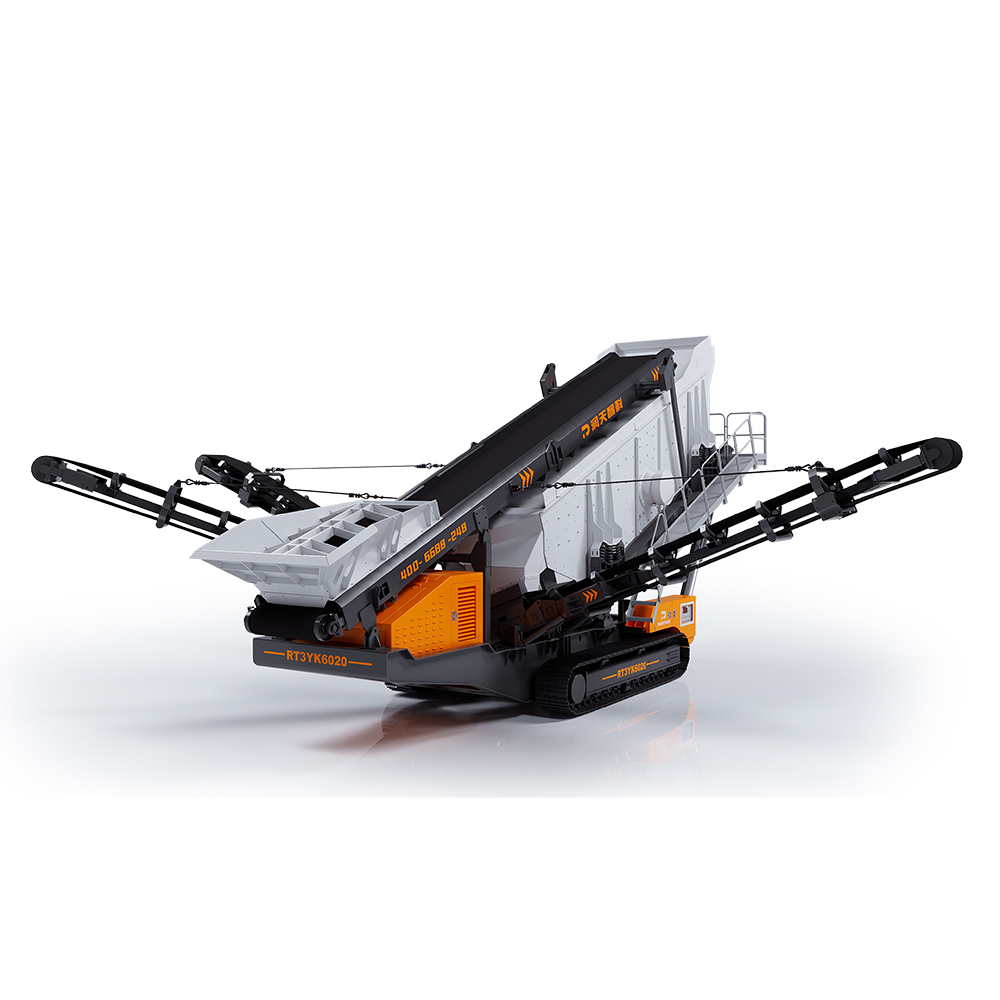 RT3YK6020 Crawler Mobile Screening Plant
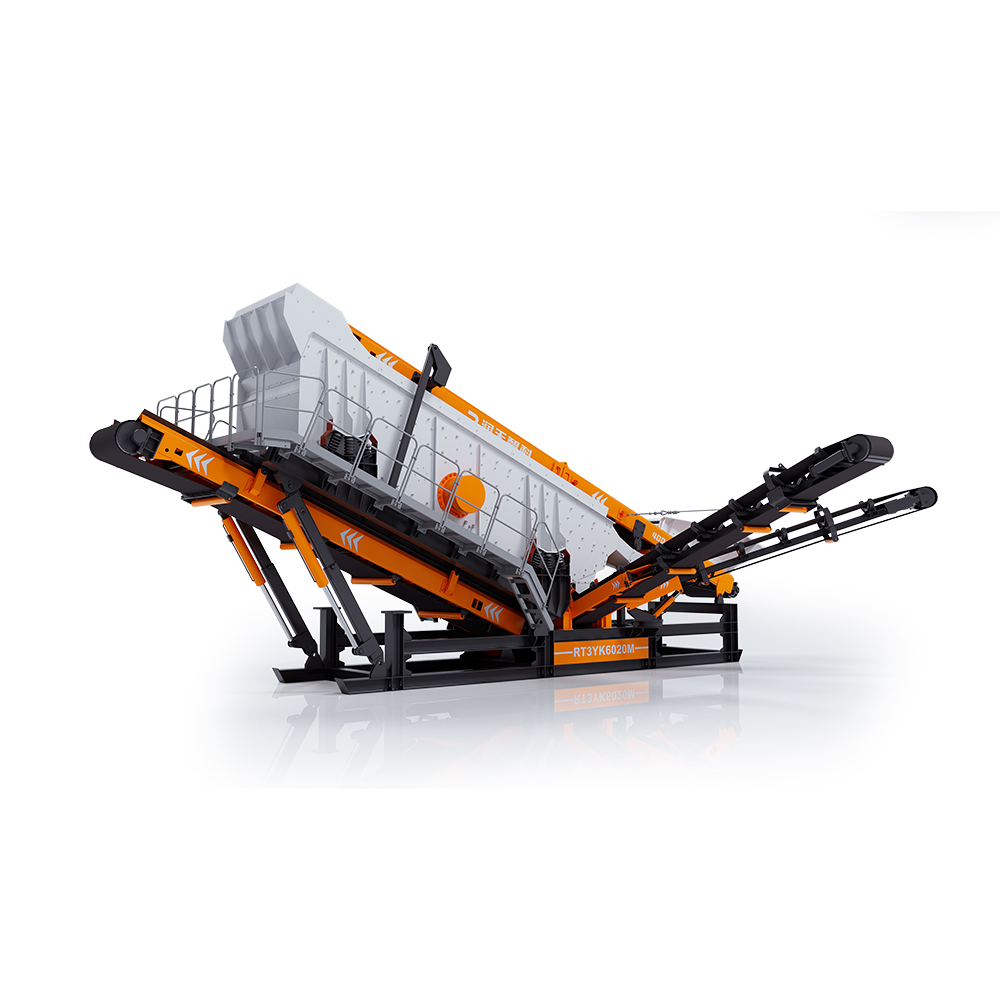 RT3YK6020M Modular Screening Plant
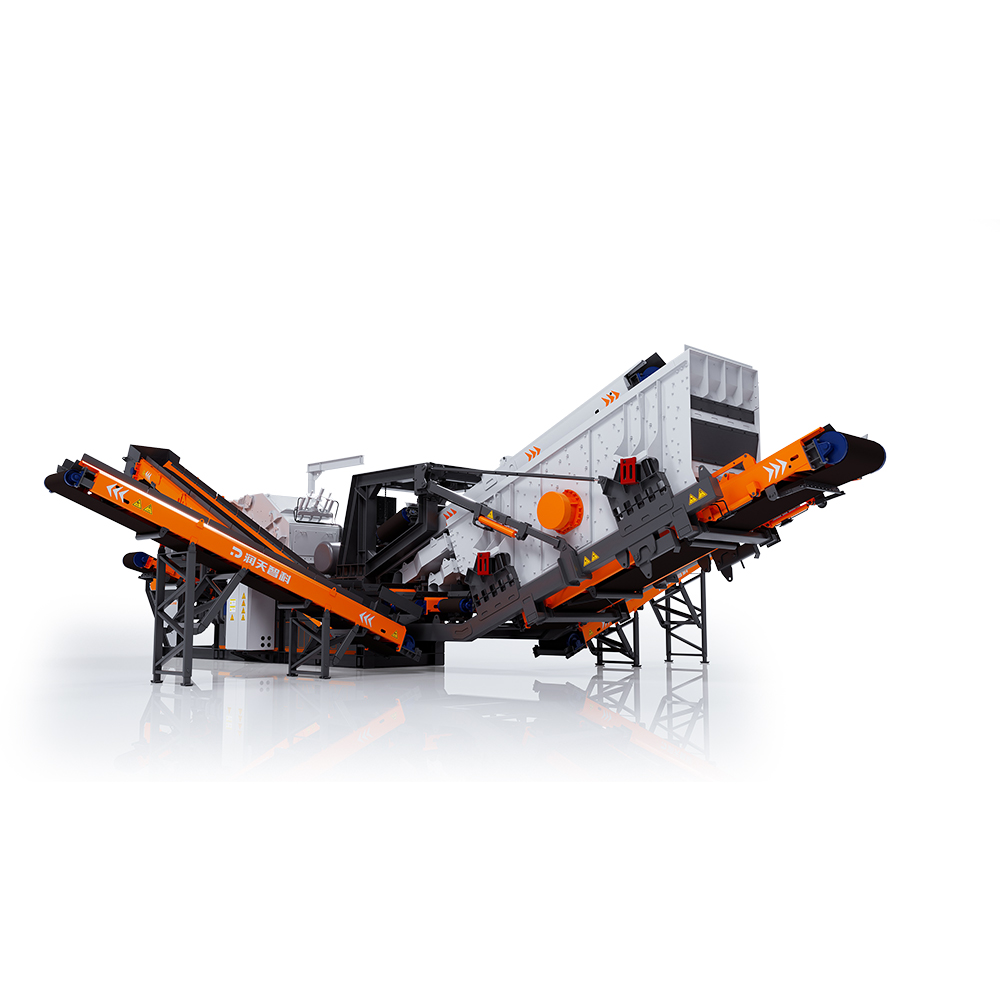 RTF260M Modular Counterattack Crushing and Screening Integrated Machine
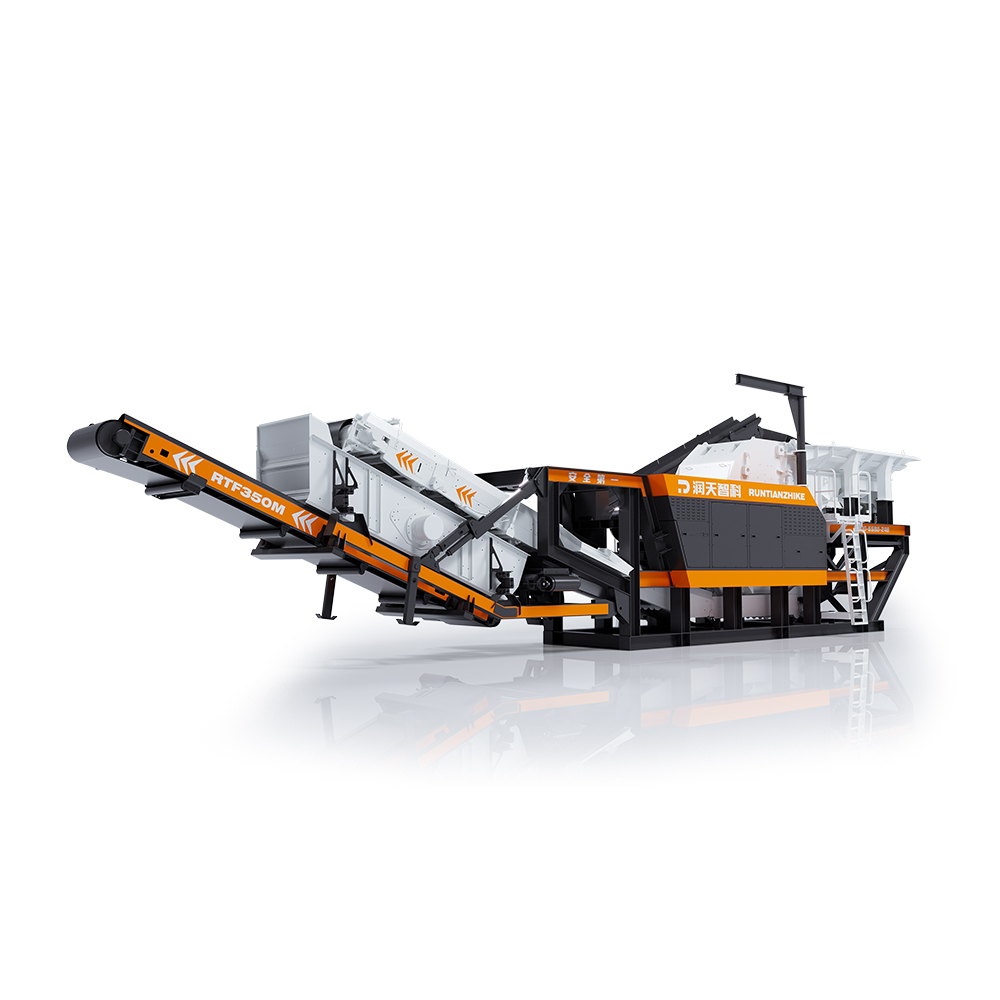 RTF350M Modular Impact Crushing Plant
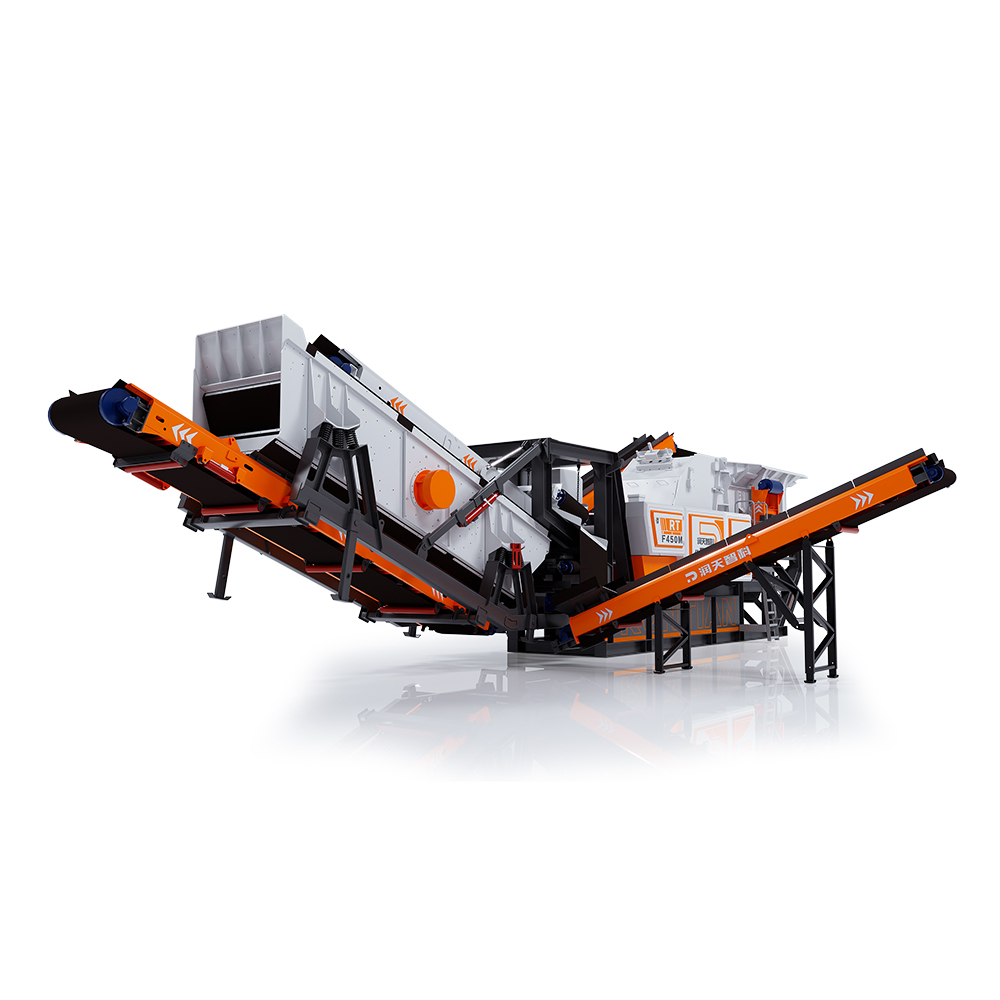 RTF450M Modular Impact Crushing Plant
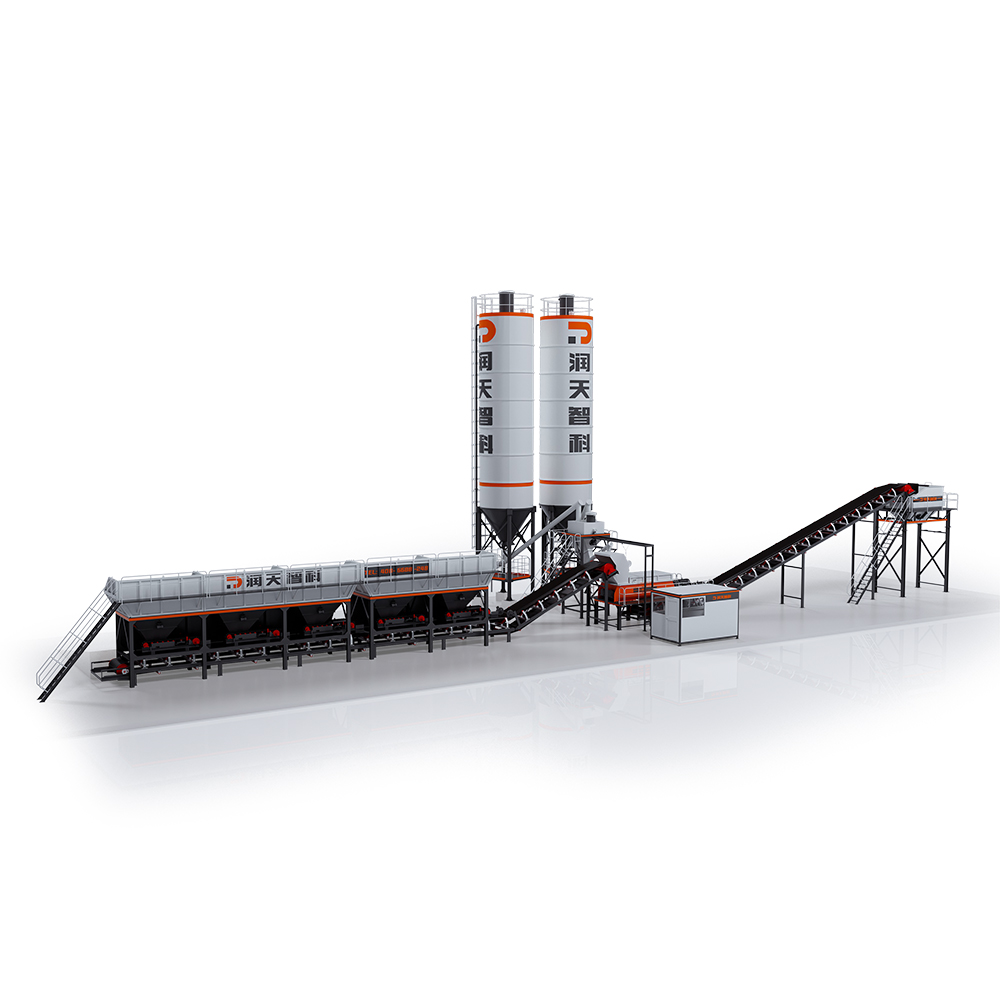 WDB Series Foundation-Free Stability Soil Mixing Plant
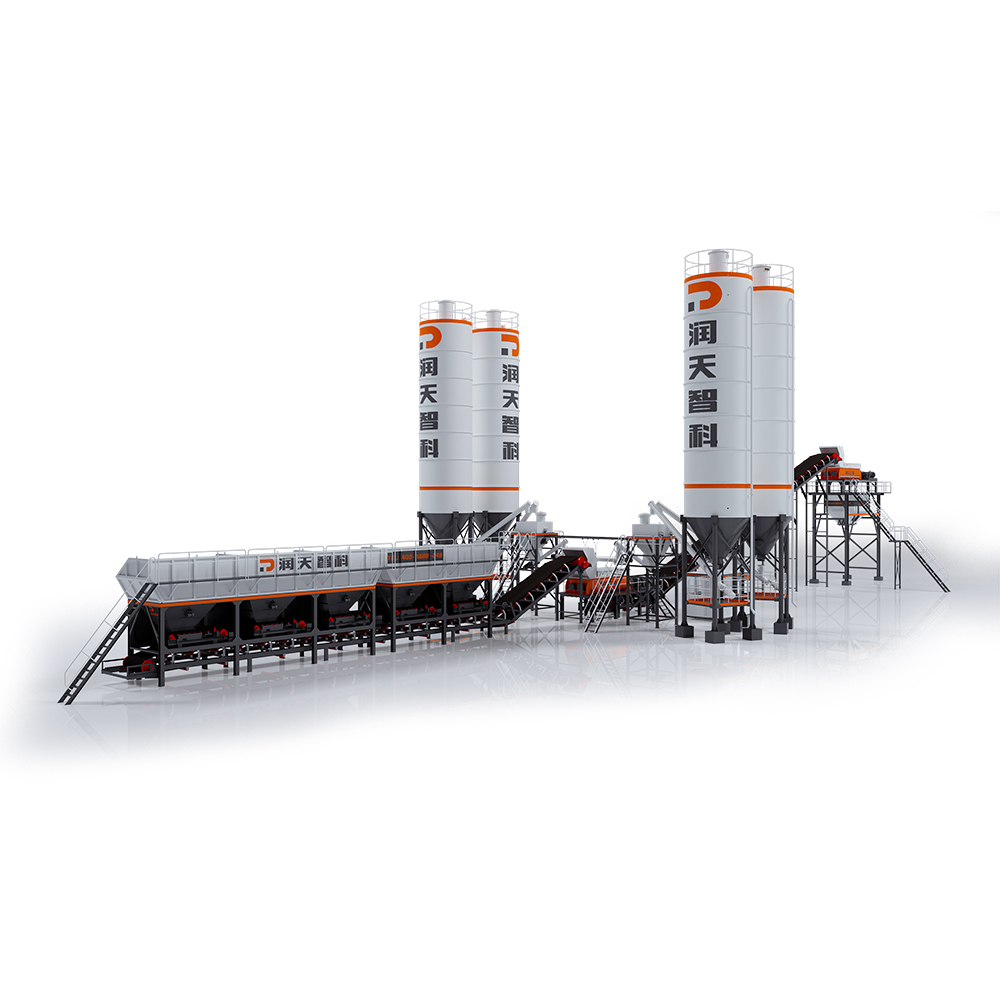 LCB Series Emulsified Asphalt Cold Regeneration Secondary Mixing Plant
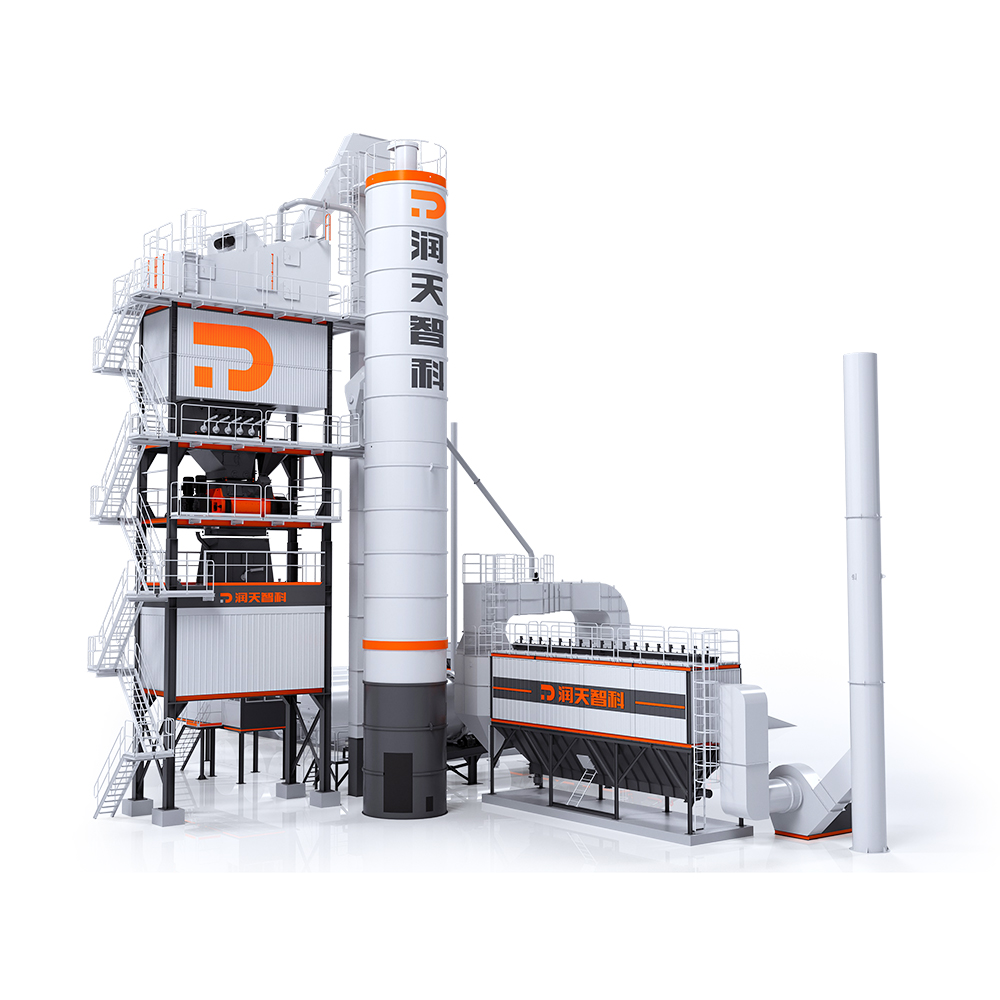 LB Series Asphalt Mixing Plant
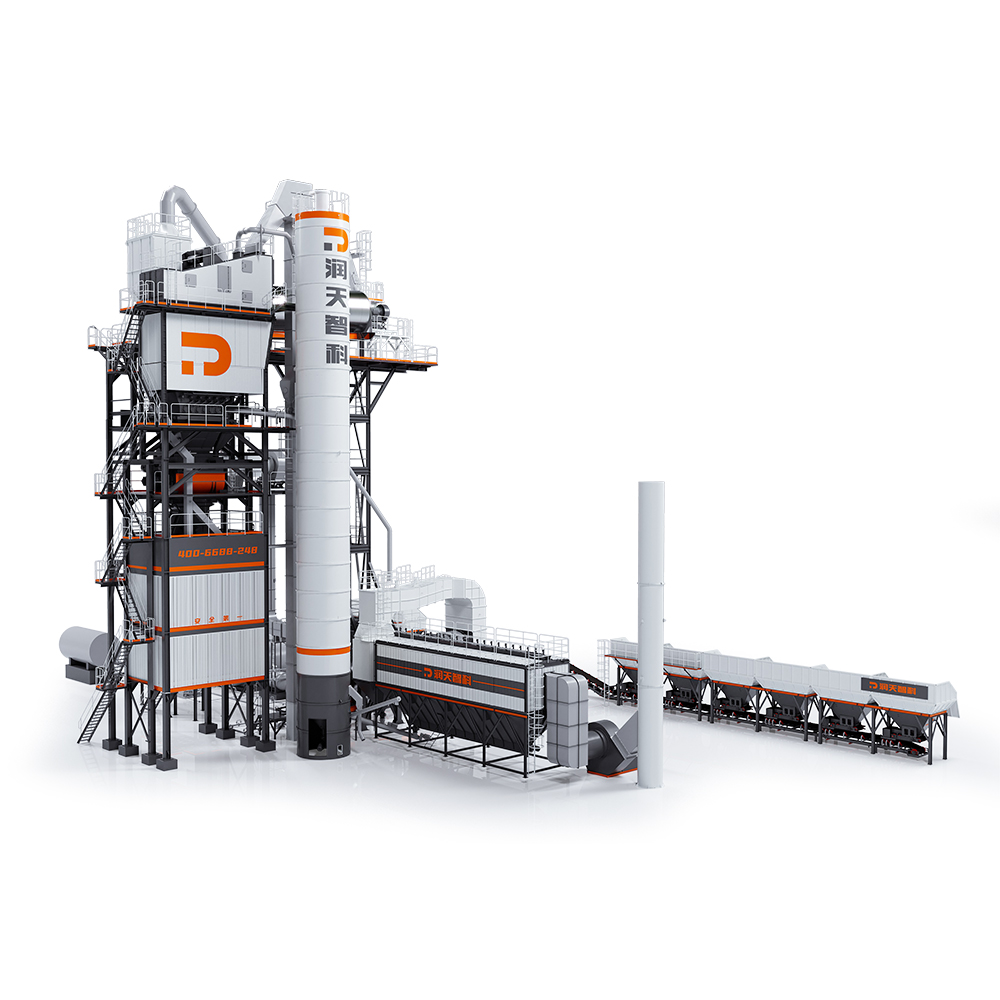 LBR Series Integrated Asphalt Mixing Plant
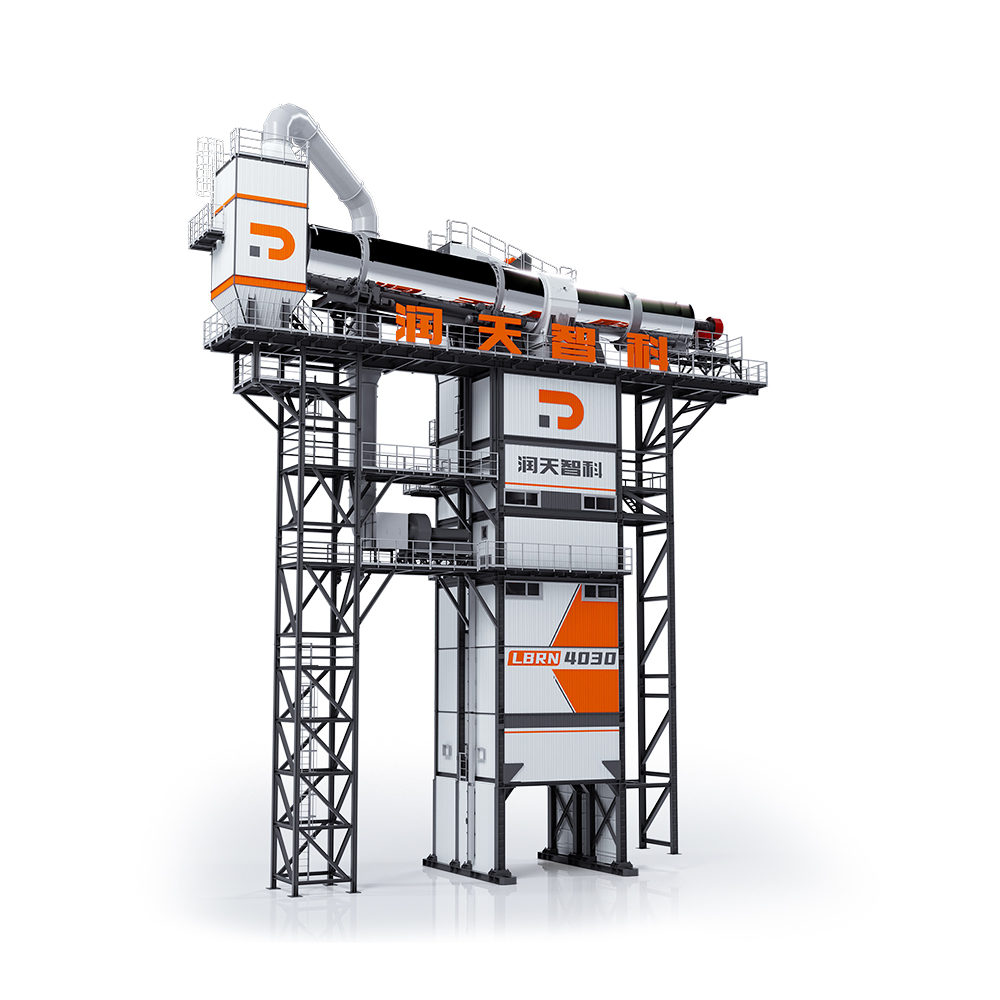 LBRN Series Counterflow Integral Asphalt Mixing Plant
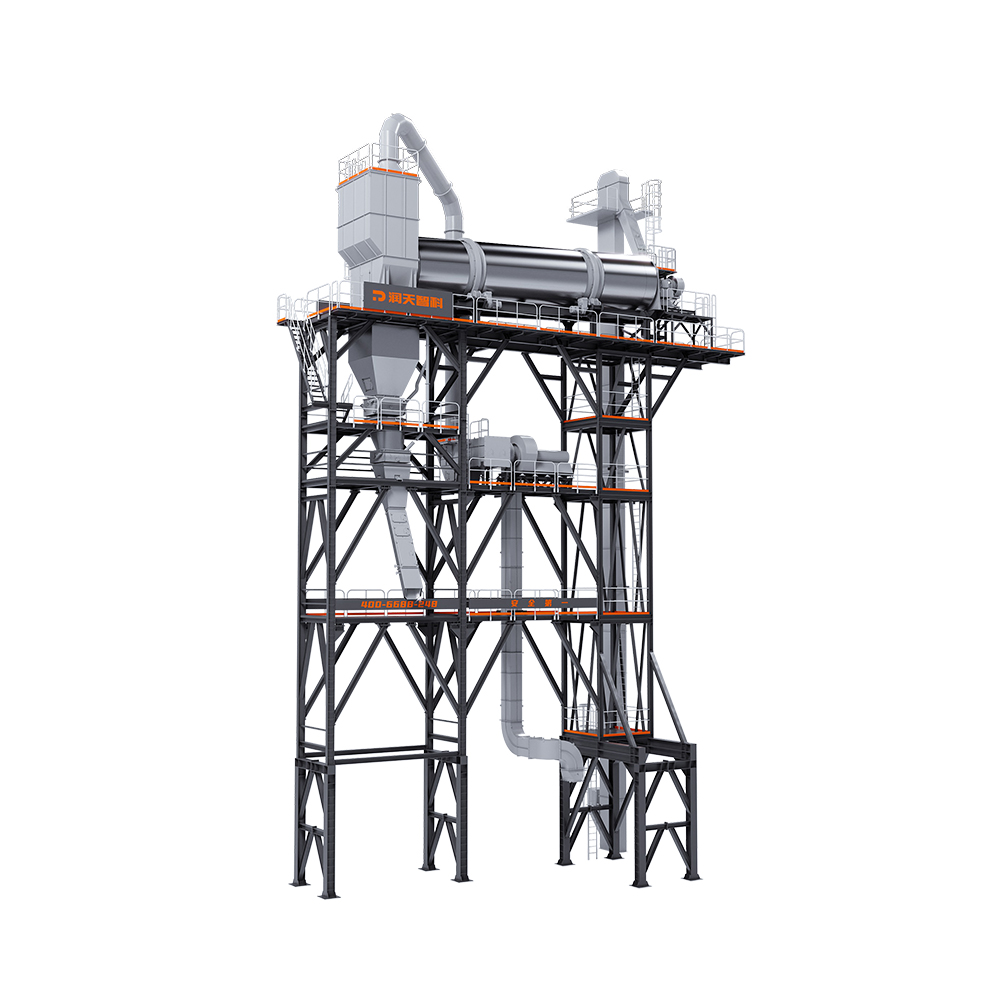 RZS Series Asphalt Mixing Plant
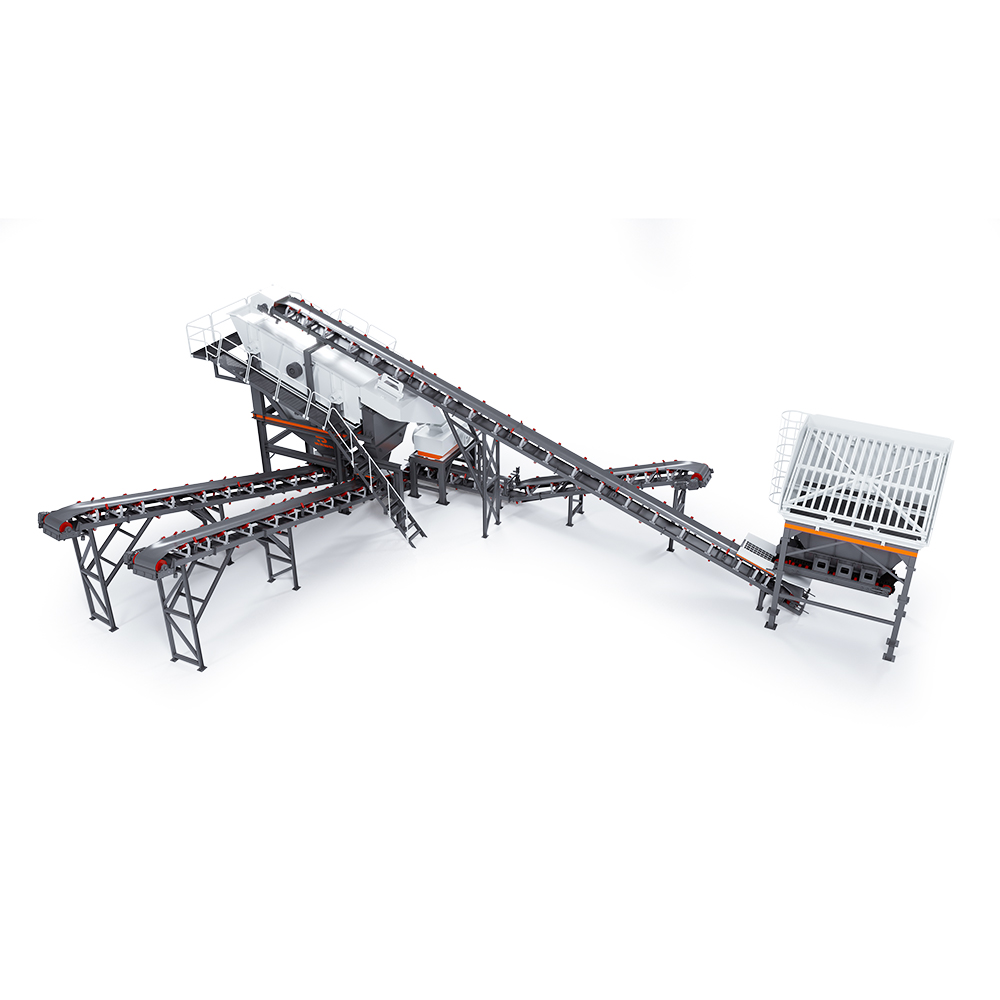 RTZS120 Series RAP Crushing & Screening Plant
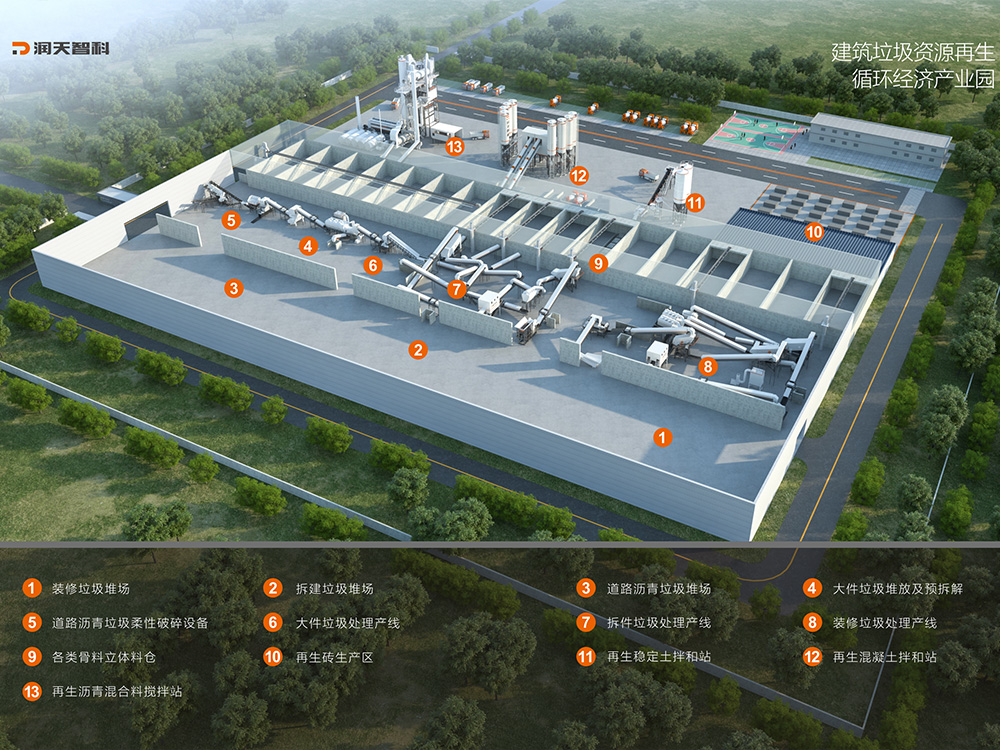 Construction Waste Resourceful Treatment Line