How to Choose the Best Portable Rock Crusher for Your Needs?
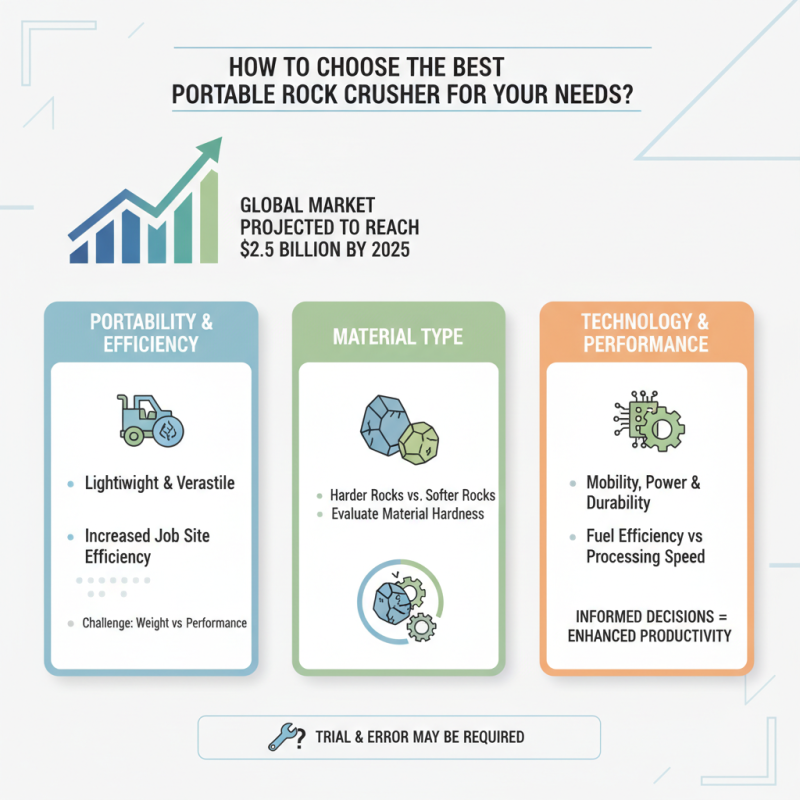
When selecting a Portable Rock Crusher, understanding your specific needs is crucial. The global market for portable crushers is projected to grow significantly. According to a recent report by Research and Markets, the portable crusher market will reach USD 2.5 billion by 2025. This growth reflects a rising demand from construction and mining sectors.
Several factors influence your choice of a Portable Rock Crusher. Portability is vital for contractors and miners. A versatile and lightweight model can increase efficiency on job sites. However, many users report challenges in balancing weight and performance. It's essential to evaluate the material types you'll be crushing. Some models handle harder rocks better than others.
Moreover, understanding the technology behind portable crushers is important. Features like mobility, power, and durability can vary widely. Some may offer better fuel efficiency, while others prioritize processing speed. Knowing these differences can lead to more informed decisions. Remember, choosing the right equipment enhances productivity but may require trial and error.
Understanding Your Crushing Needs and Objectives
When selecting a portable rock crusher, it's vital to understand your specific crushing needs and objectives. What type of material will you be processing? Are you focusing on gold ore, granite, or river rock? Each material has its own characteristics, requiring different crushing strategies. Knowing this helps narrow down your choices.
Consider the size of the material you need to crush. Will the crusher handle large boulders or smaller pieces? An ideal crusher meets your size specifications while maximizing efficiency. Look for features like adjustable settings that allow for various sizes. Sometimes, operators overlook the importance of these adjustments. This can lead to inefficient processing.
A portable rock crusher’s mobility is another factor to reflect on. Will you use it at multiple job sites? Is transport convenient for your operation? An easily transportable model can save time and effort. Not all crushers are designed for regular movement. Assess this feature against your workflow.
Understanding your crushing needs is a thoughtful process. Mistakes can be costly, so take your time. Each decision impacts your overall performance and productivity. Quality information leads to informed choices. Keep your objectives aligned with each selection.
Evaluating Different Types of Portable Rock Crushers
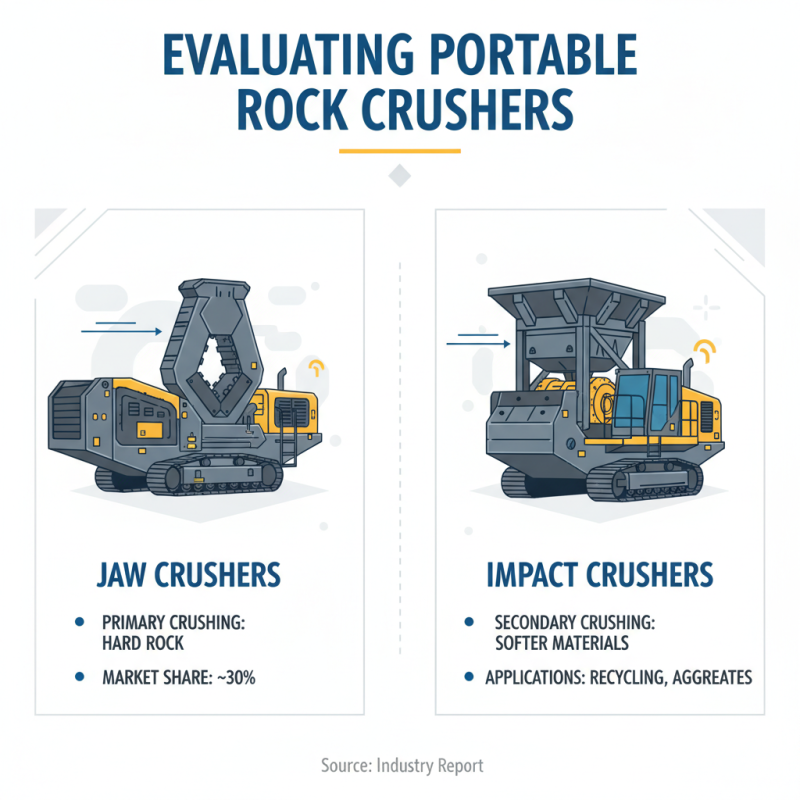
When evaluating portable rock crushers, consider the type of materials you will process. Different crushers excel in various applications. For instance, jaw crushers are ideal for primary crushing of hard rock, while impact crushers work well for softer materials. According to a recent industry report, the demand for jaw crushers remains steady, comprising about 30% of the market share.
It's essential to assess the size and weight of a portable crusher. Some models are compact and lightweight, perfect for mobility. Others are larger and offer higher output but may be less portable. The right balance between size and capacity is crucial, depending on your operational needs. Reports indicate that portability remains a key factor for contractors, with about 70% prioritizing transportability in their buying decisions.
Additionally, consider the power sources available. Diesel-powered crushers typically offer greater efficiency but can be heavier. Electric models reduce emissions and are quieter. This trade-off is important, especially for use in urban areas. Some surveys suggest that 40% of users are increasingly leaning towards eco-friendly options, reflecting a shift in industry standards.
Key Features to Consider in a Portable Rock Crusher
When selecting a portable rock crusher, knowing the key features is essential. The weight of the unit is crucial. A lightweight crusher is easier to transport. However, it may sacrifice durability. Ensure that you balance portability with robustness.
Another important feature is the crushing capacity. This refers to how much material the crusher can process in a given time. A unit with high capacity may be suitable for large projects. On the flip side, a smaller capacity might be perfect for home use or smaller jobs.
Pay attention to the power source as well. Some crushers run on electricity, while others use gasoline or diesel. Electric models tend to be quieter and cleaner. However, fuel-powered options offer greater mobility in remote areas. Consider your specific needs and where you will operate the machine. Each option has its pros and cons that you must weigh carefully.
Assessing Durability and Maintenance Requirements
When selecting a portable rock crusher, assessing durability and maintenance requirements is crucial. The longevity of your equipment can significantly impact your operations. According to industry reports, well-maintained crushers can last up to 10 years, while neglect may reduce this to just a few years. Aim for models built with high-quality materials. Steel components tend to offer improved strength and resistance to wear.
Regular maintenance is key. Performing routine checks and using the right lubricants can prolong the life of your machinery. Dust and debris can damage moving parts, so consider models with easy access for cleaning. A 2021 study indicated that proper care could save operators up to 30% in repair costs annually.
Tips: Look for crushers with robust warranties. This can be a sign of manufacturer confidence in their durability. Also, consider the availability of spare parts. Some models are easier to maintain than others due to their design. Reliable access to parts can minimize downtime.
How to Choose the Best Portable Rock Crusher for Your Needs? - Assessing Durability and Maintenance Requirements
| Feature |
Description |
Maintenance Requirement |
Durability Rating |
| Weight |
Lightweight design for easy transport |
Low; periodic cleaning |
High |
| Size |
Compact and convenient dimensions for limited spaces |
Moderate; regular checks on parts |
Medium |
| Crushing Capacity |
High capacity for crushing various materials |
High; detailed inspections required |
Very High |
| Power Source |
Gasoline, diesel or electric options available |
Moderate; fuel checks and oil maintenance |
High |
| Material Type |
Suitable for rocks, minerals, and other materials |
Low; simple material inspections |
High |
Comparing Costs and Budget Considerations for Selection
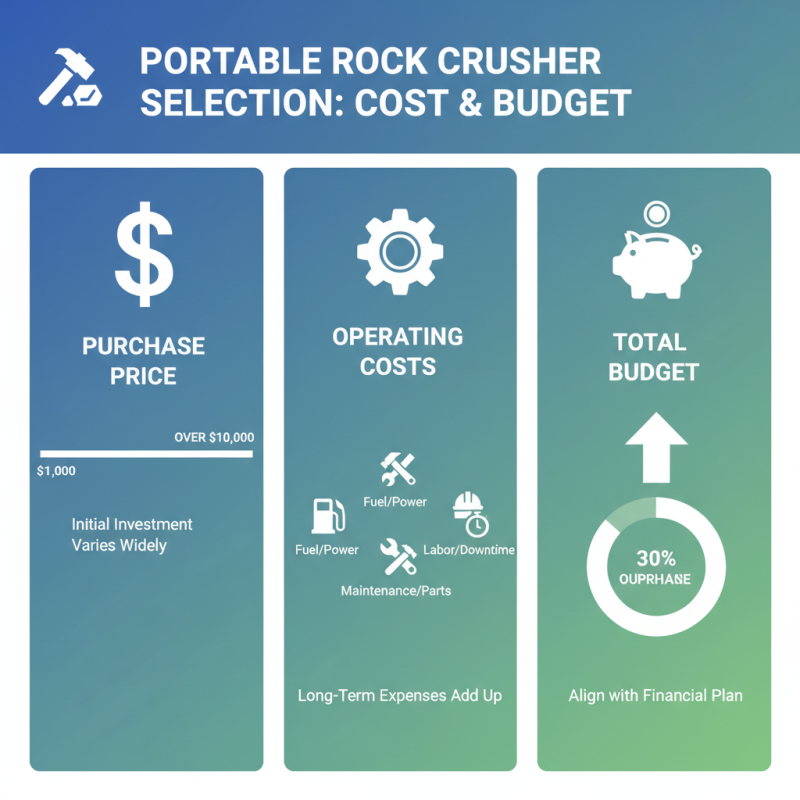
When selecting a portable rock crusher, cost is a critical factor. Industry data shows that the price range for these machines varies significantly. On average, they can cost from $1,000 to over $10,000. The initial purchase price must align with your budget, but it’s vital to also consider long-term operating costs.
Maintenance and parts replacement can add to the total expense. An in-depth report by the Mining Equipment Association highlighted that operational costs may consume up to 35% of the initial investment over five years. This figure underscores the importance of choosing a model with readily available parts and easy maintenance procedures. Therefore, evaluating different options based on their reliability and support is essential for cost-effective operations.
Furthermore, the size and capacity of the crusher directly impact its price. A smaller, compact model may have a lower cost but could limit your productivity. Conversely, larger models typically offer better performance but with higher upfront costs. It's crucial to balance initial investments against expected output to determine the best value for your needs. Investing in a more efficient machine may save money over time, despite a pricier upfront cost.

 Concrete Mixing Plant
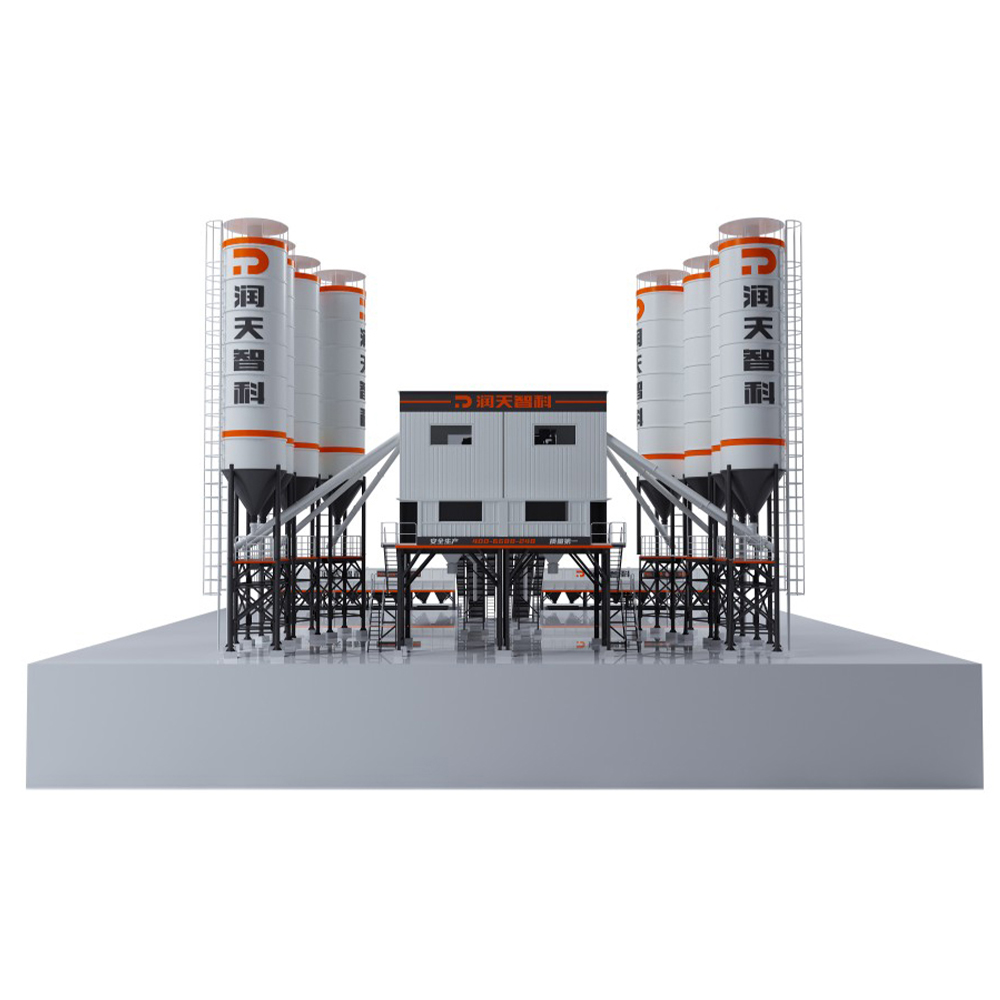 HZS Series Belt Concrete Mixing Plant
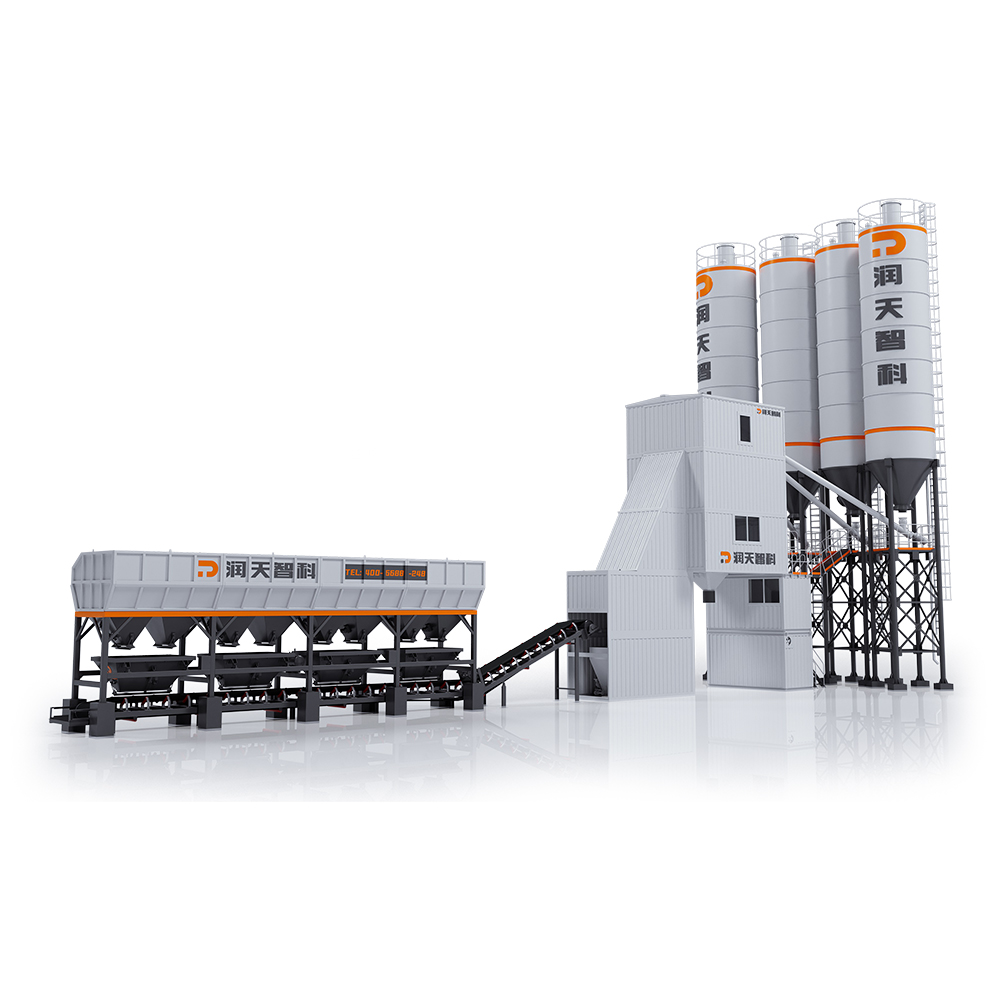 HZS Series Bucket-Lifting Type Container Concrete Mixing Plant
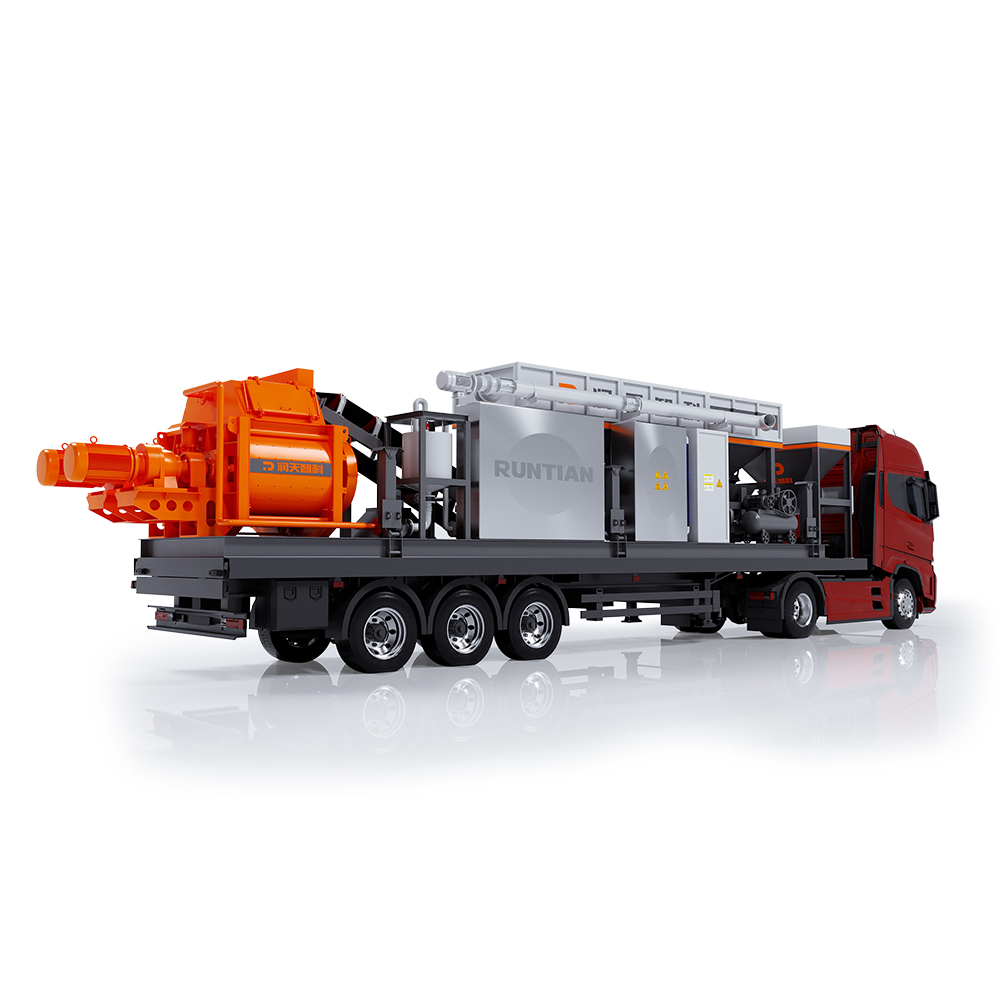 HZS60 Mobile Concrete Mixing Plant
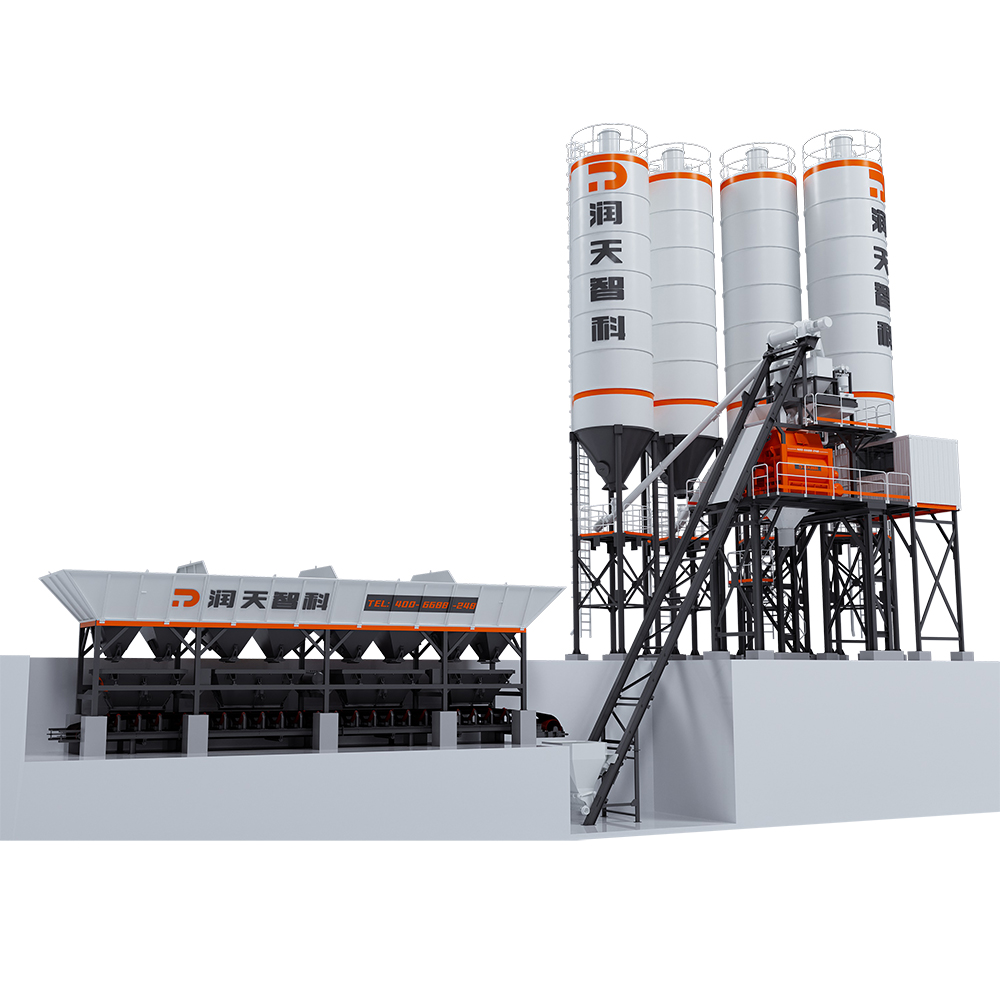 HZS Series Bucket-Lifting Type Concrete Mixing Plant
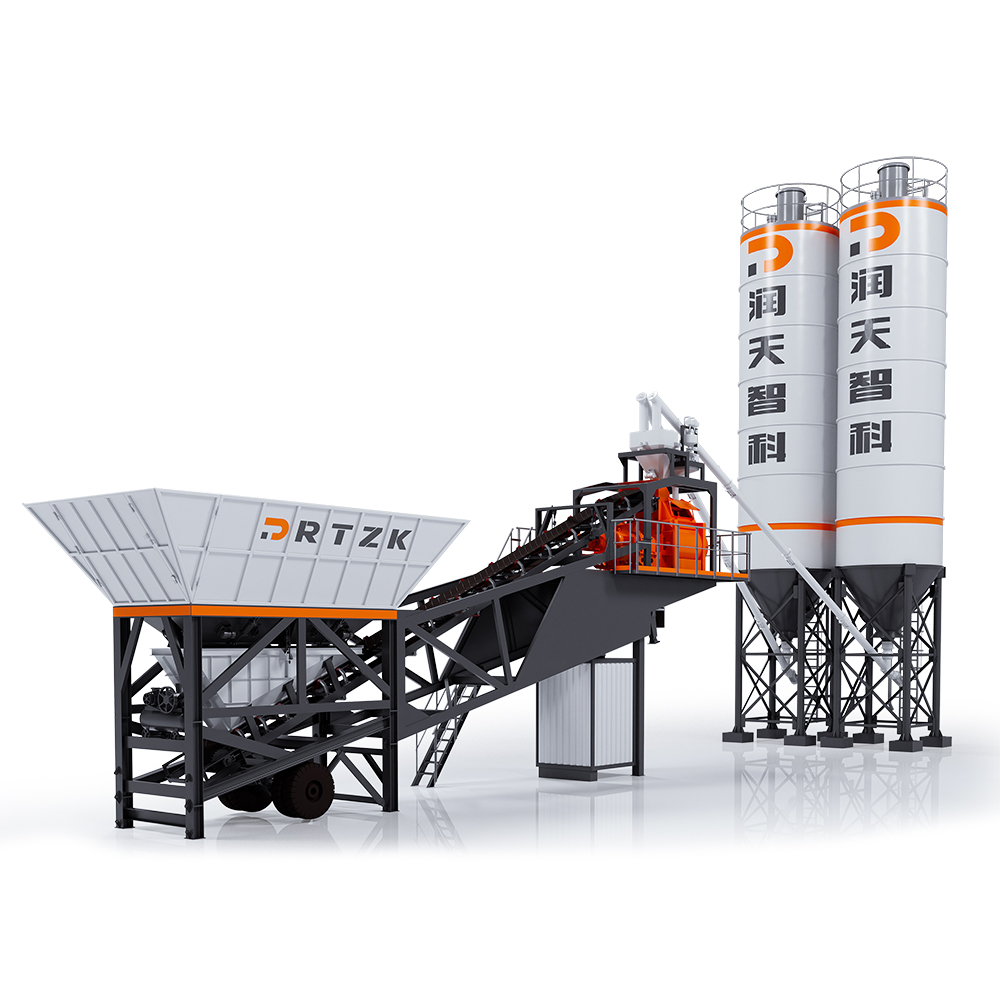 HZS Series Mobile Concrete Mixing Plant
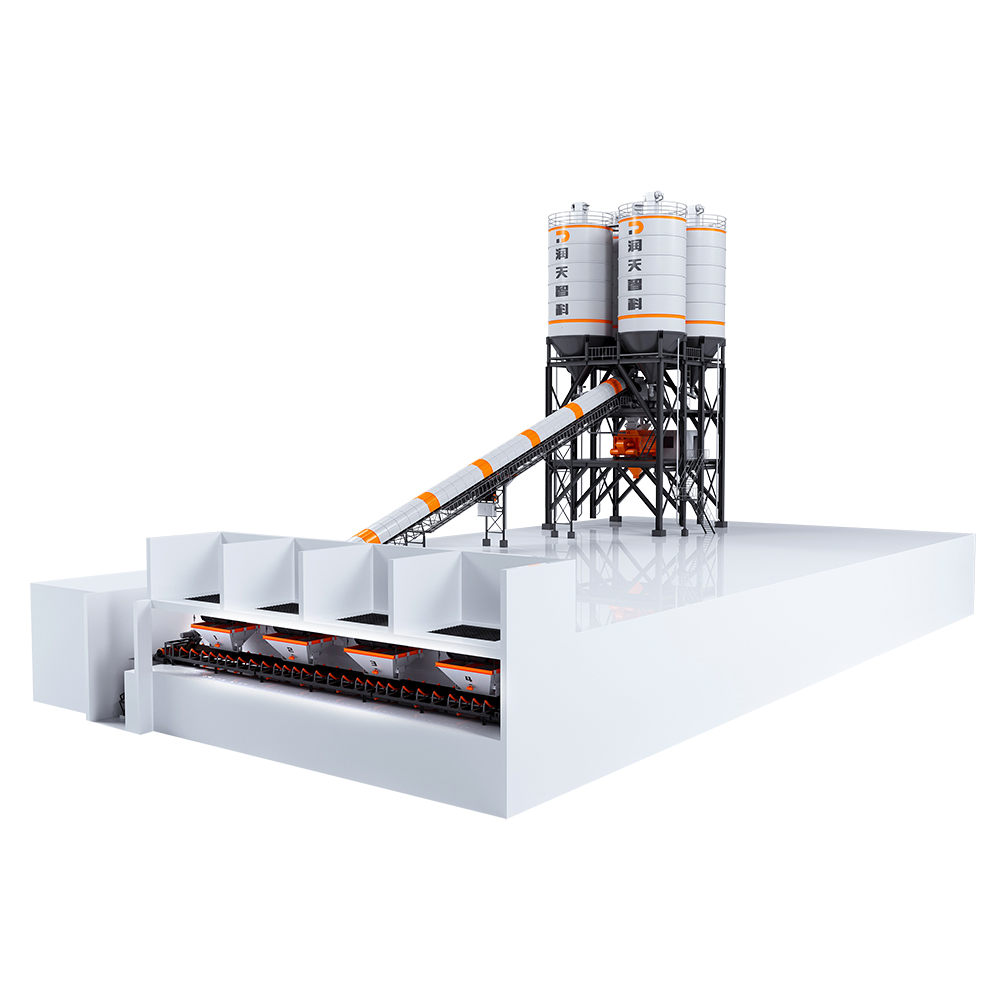 HZS Series Top-Mounted Concrete Mixing plant
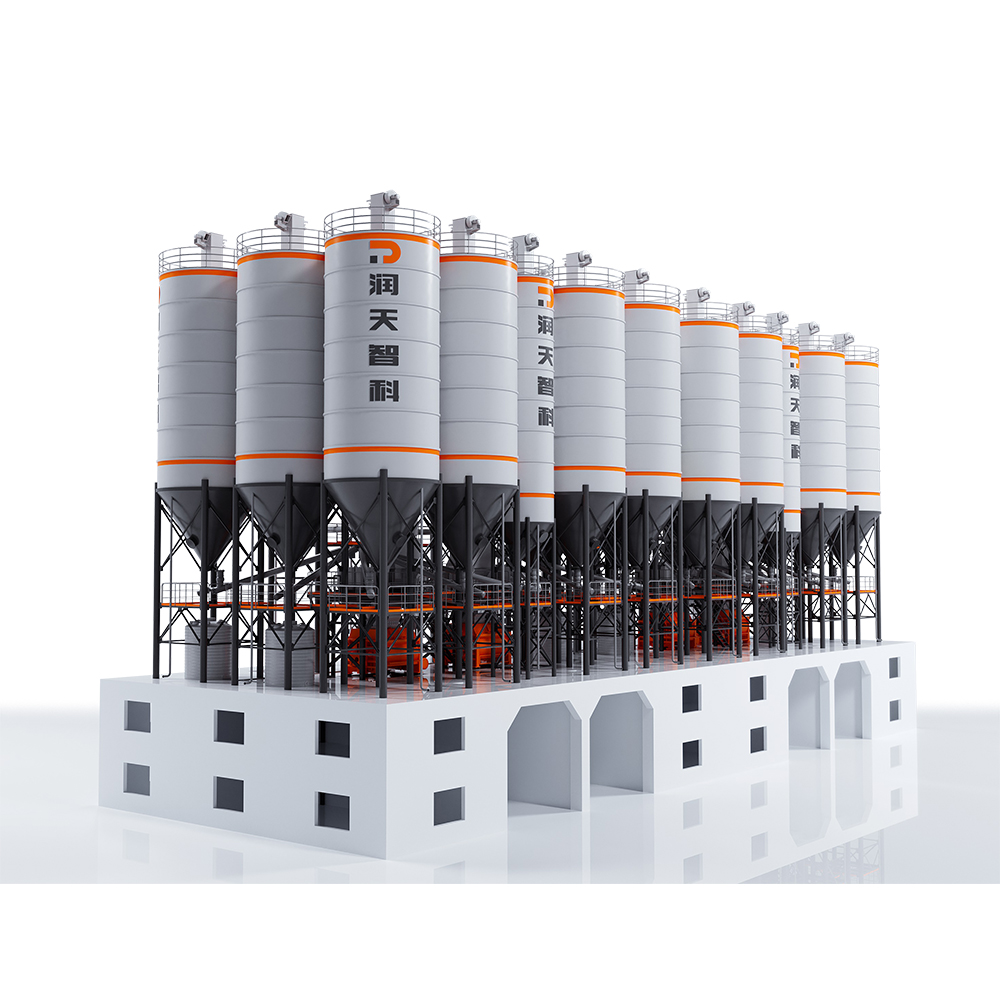 HZS Series Semi-Top Mounted Concrete Mixing Plant
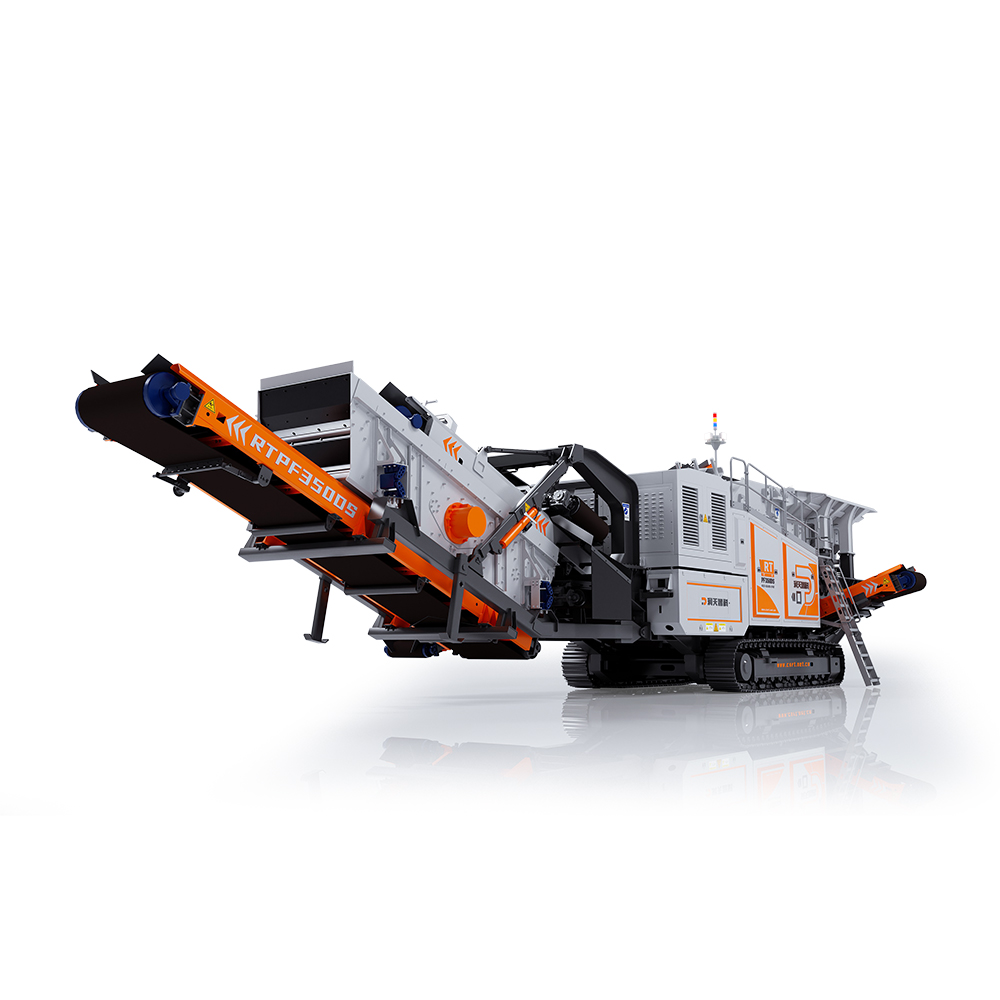 RTPF350DS Crawler Mobile Impact Crushing Plant
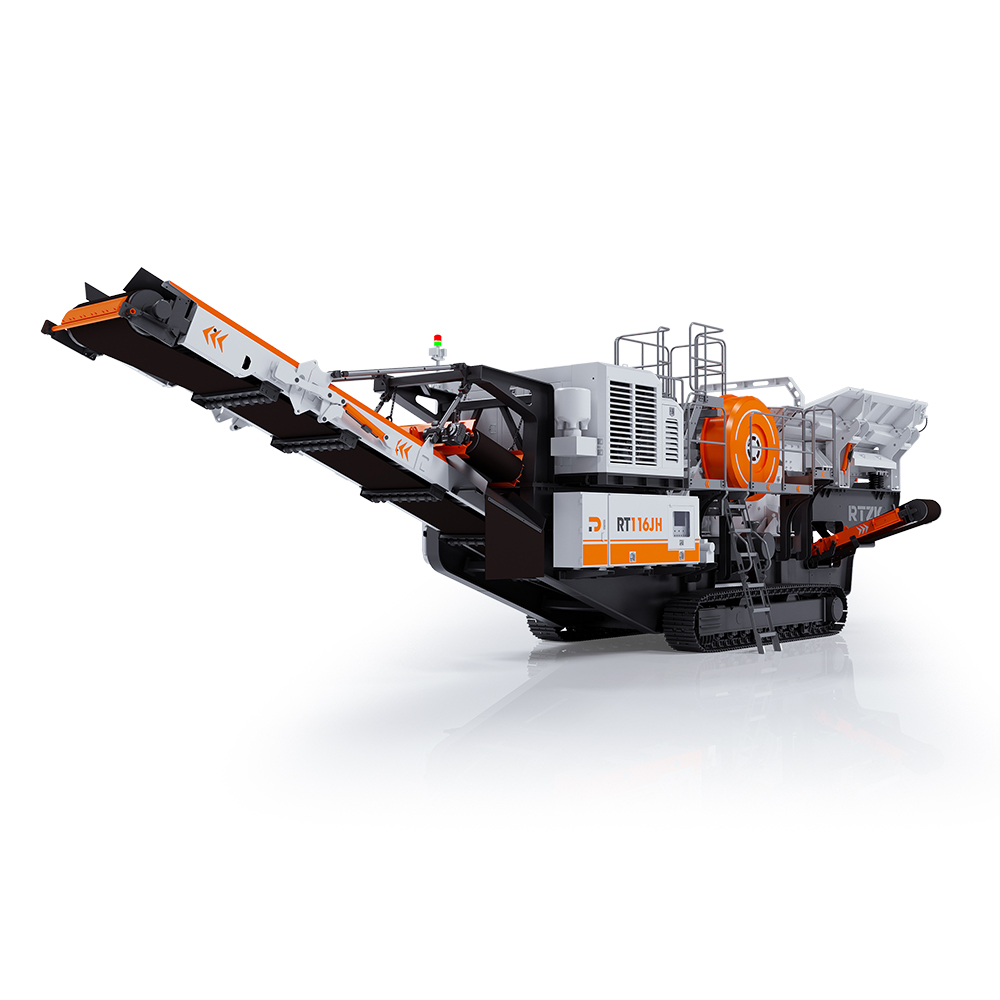 RT116JH Crawler Mobile Jaw Crushing Plant
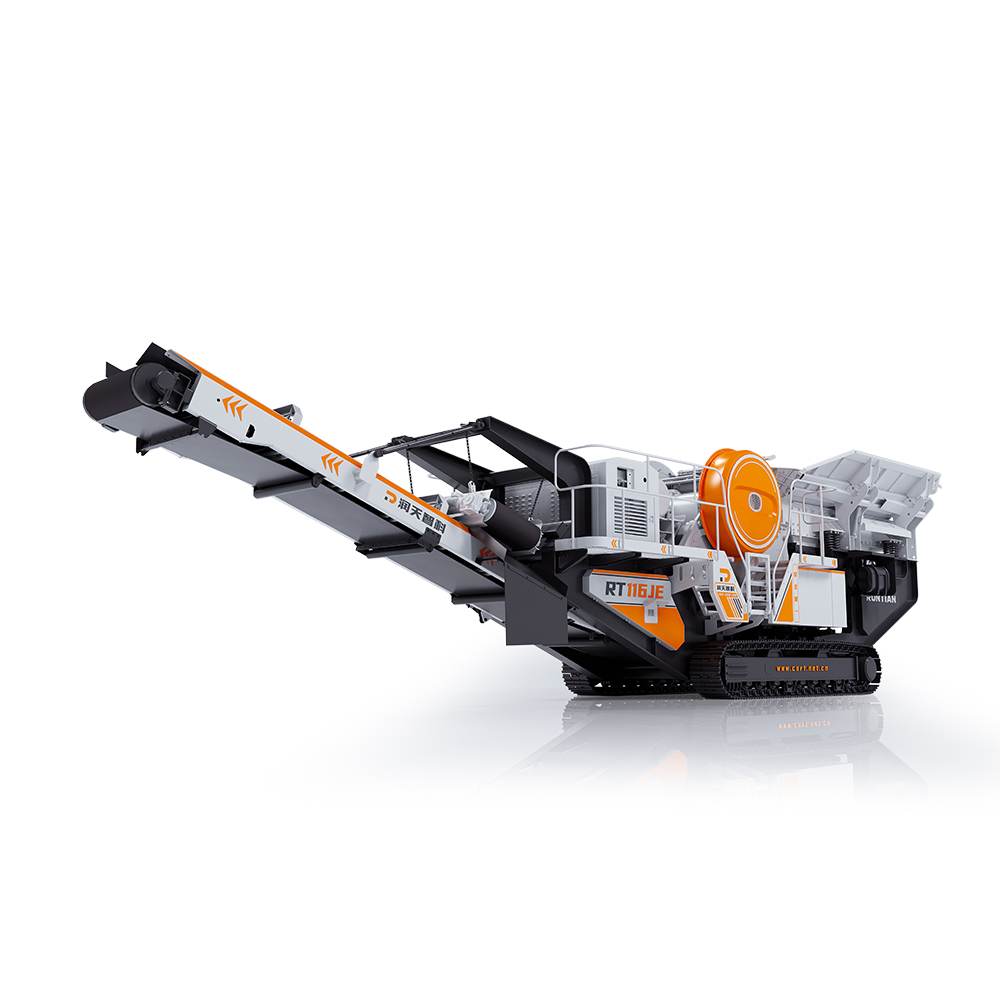 RT116JE Crawler Mobile Jaw Crushing Plant
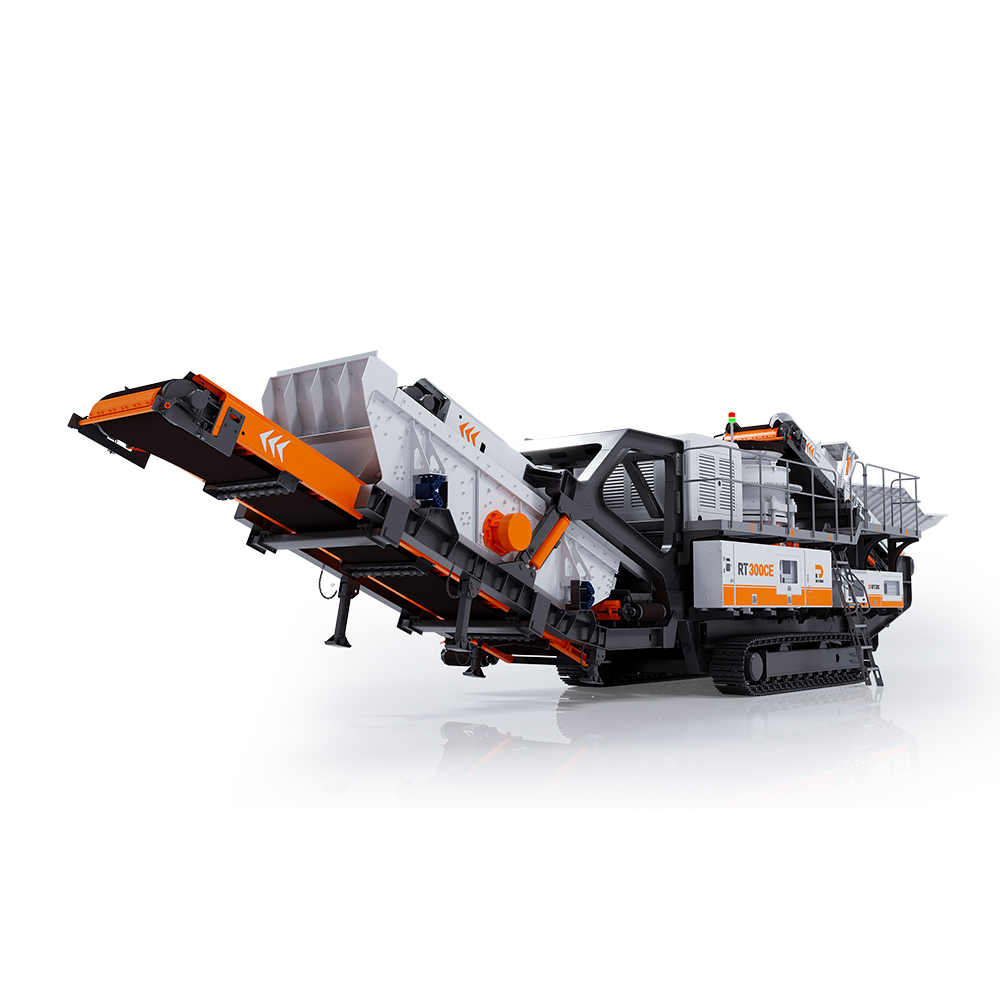 RT300CE Crawler Mobile Cone Crushing Plant
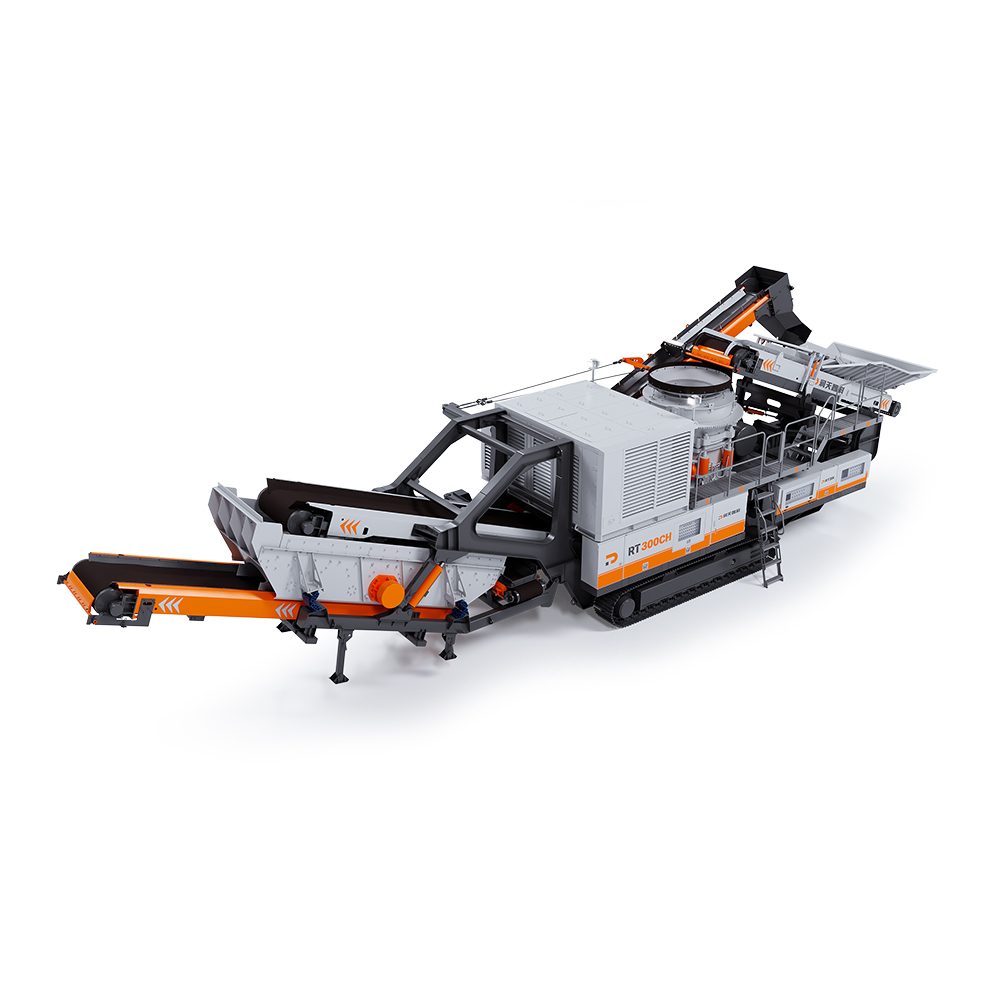 RT300CH Crawler Mobile Cone Crushing Plant
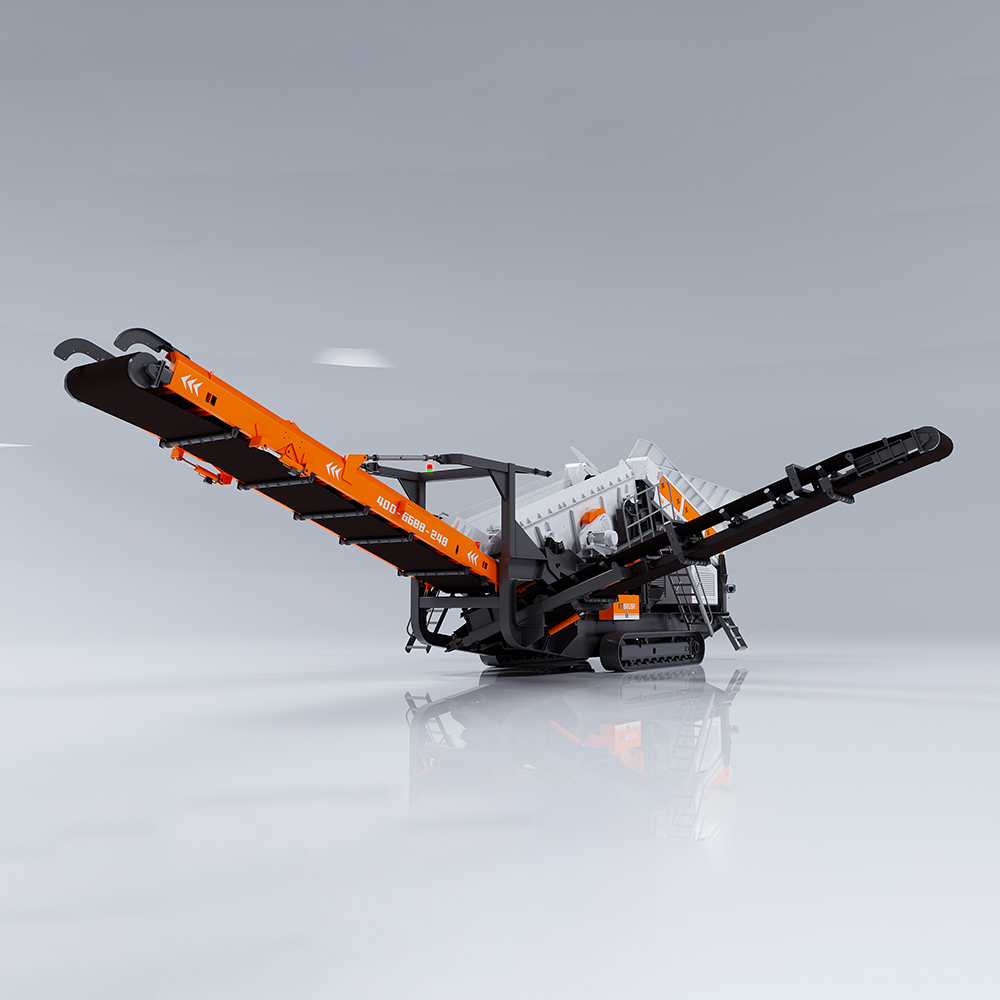 RT5015H Mobile Scalping Screen
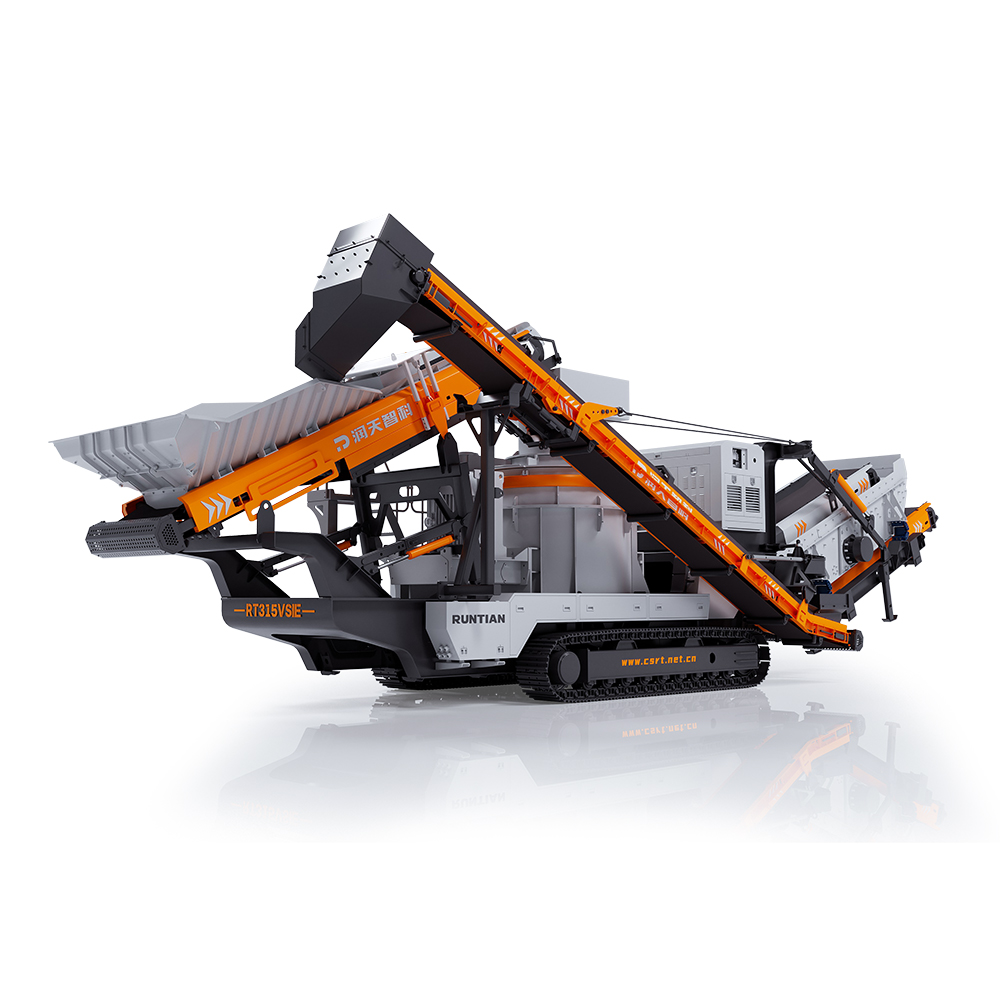 RT315VSIE Crawler Mobile Sand Maker
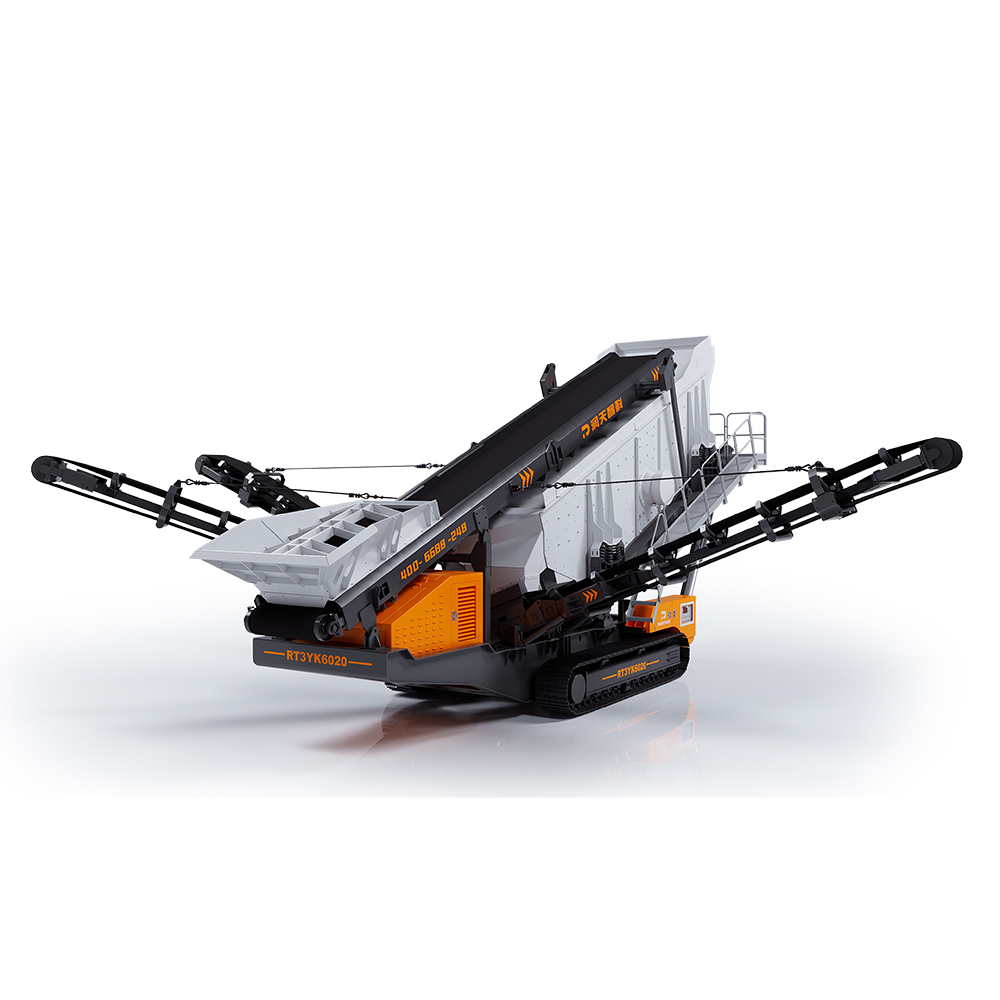 RT3YK6020 Crawler Mobile Screening Plant
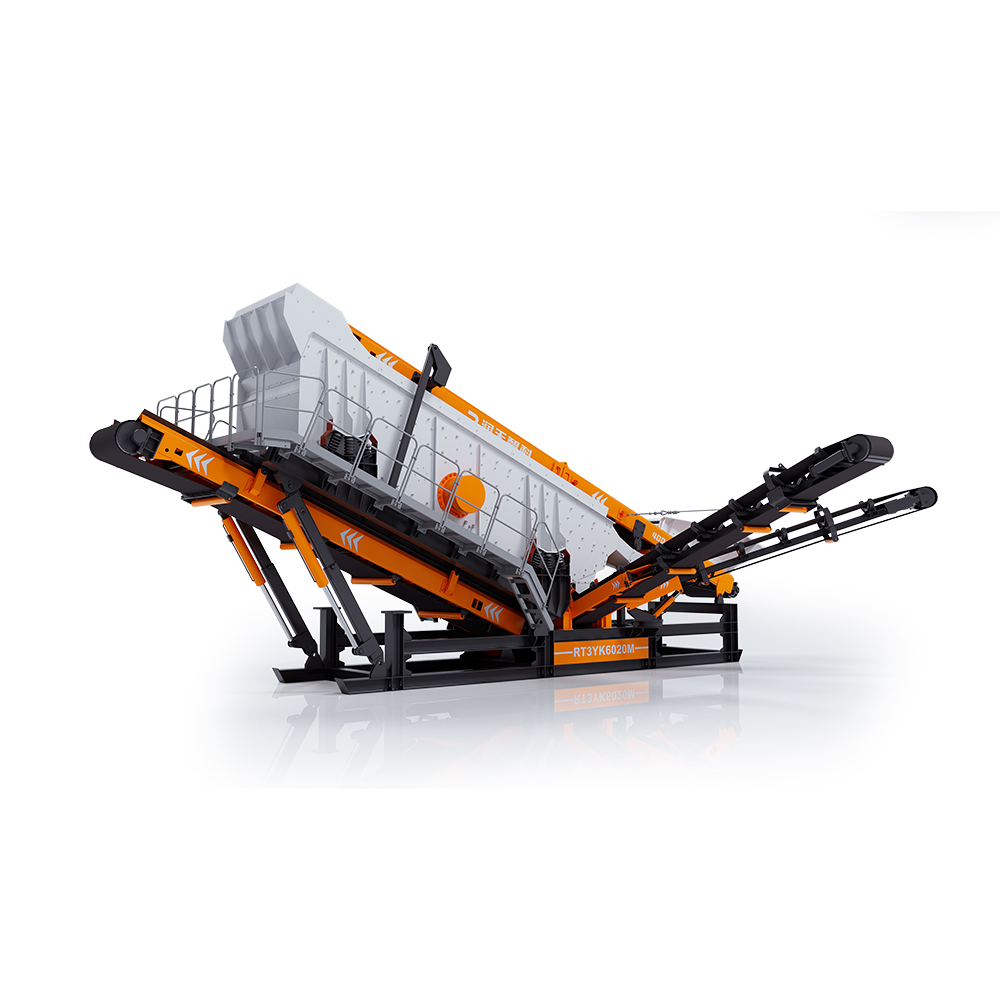 RT3YK6020M Modular Screening Plant
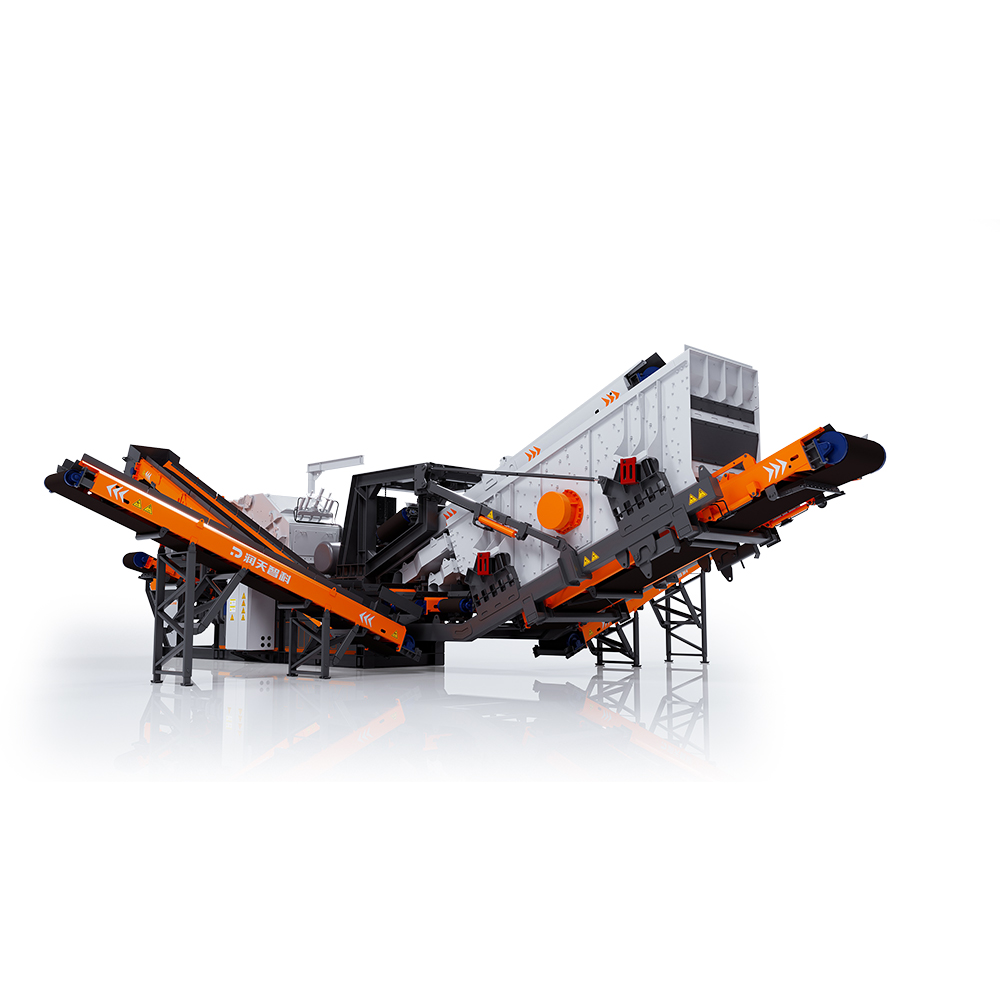 RTF260M Modular Counterattack Crushing and Screening Integrated Machine
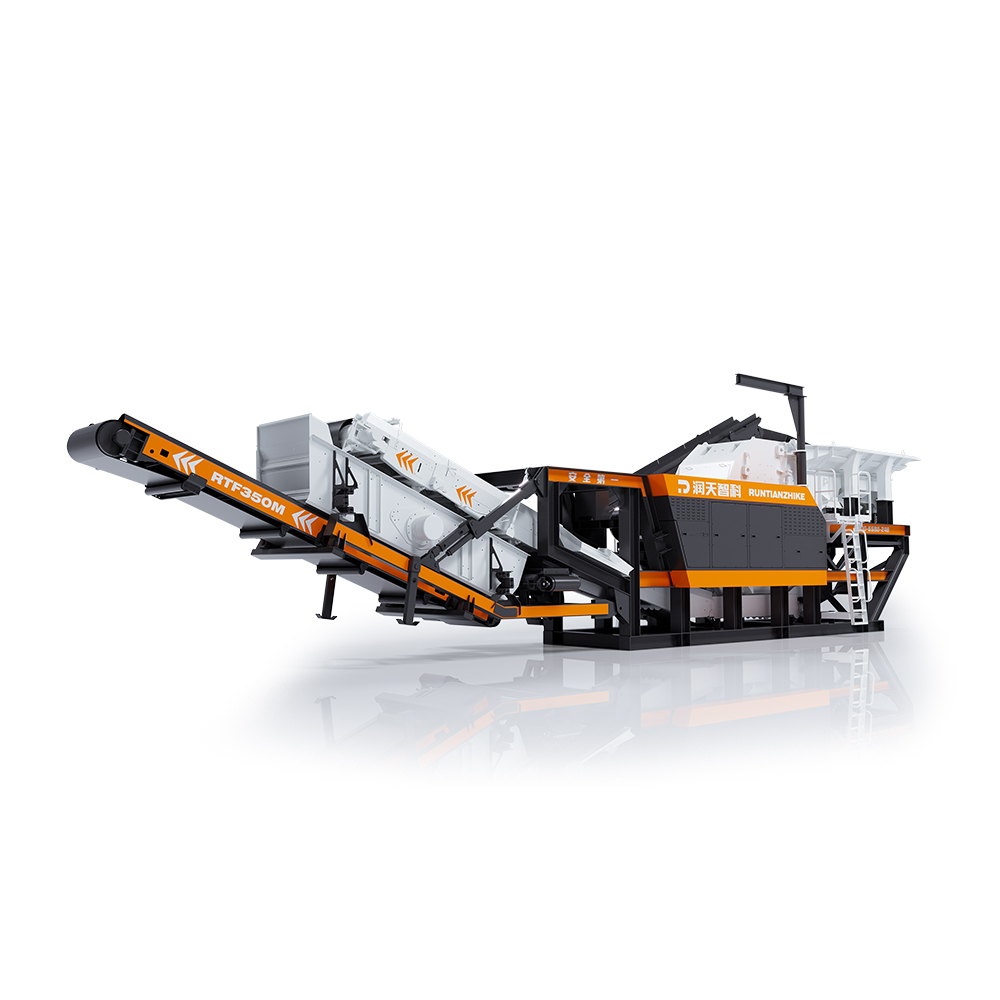 RTF350M Modular Impact Crushing Plant
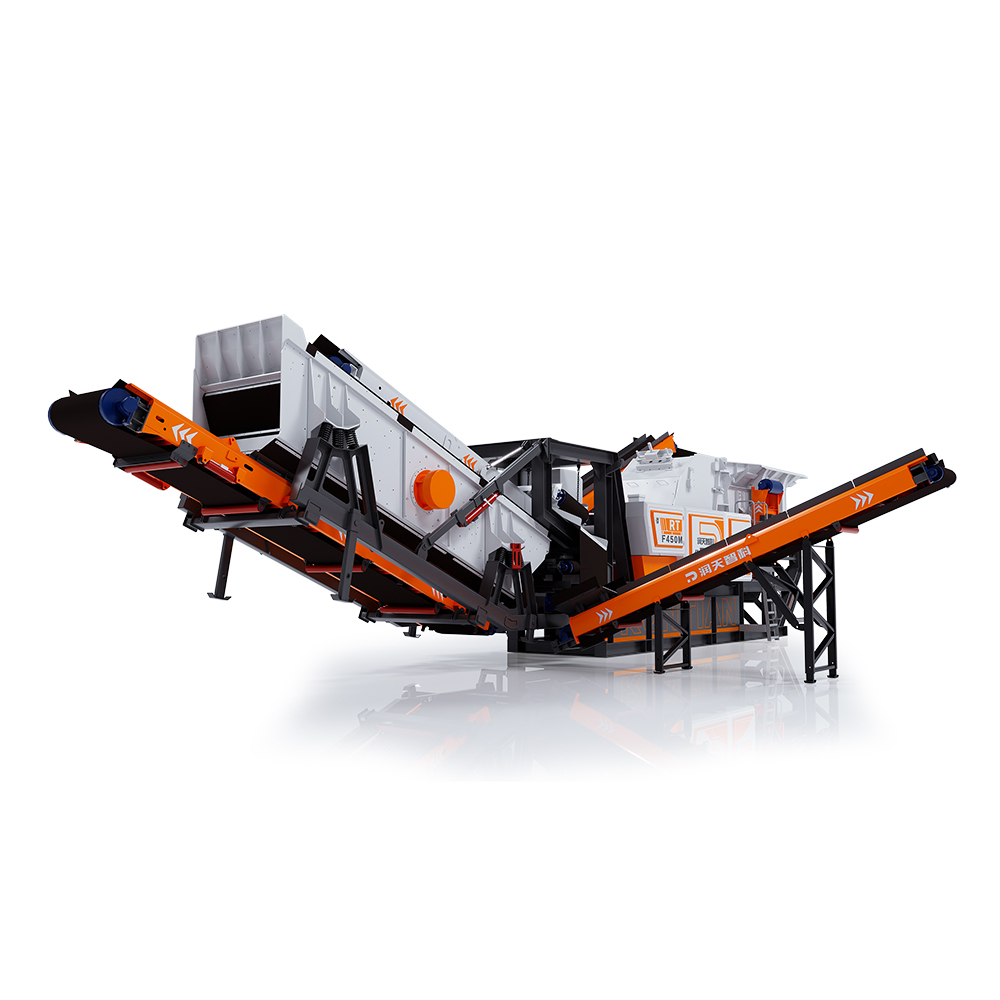 RTF450M Modular Impact Crushing Plant
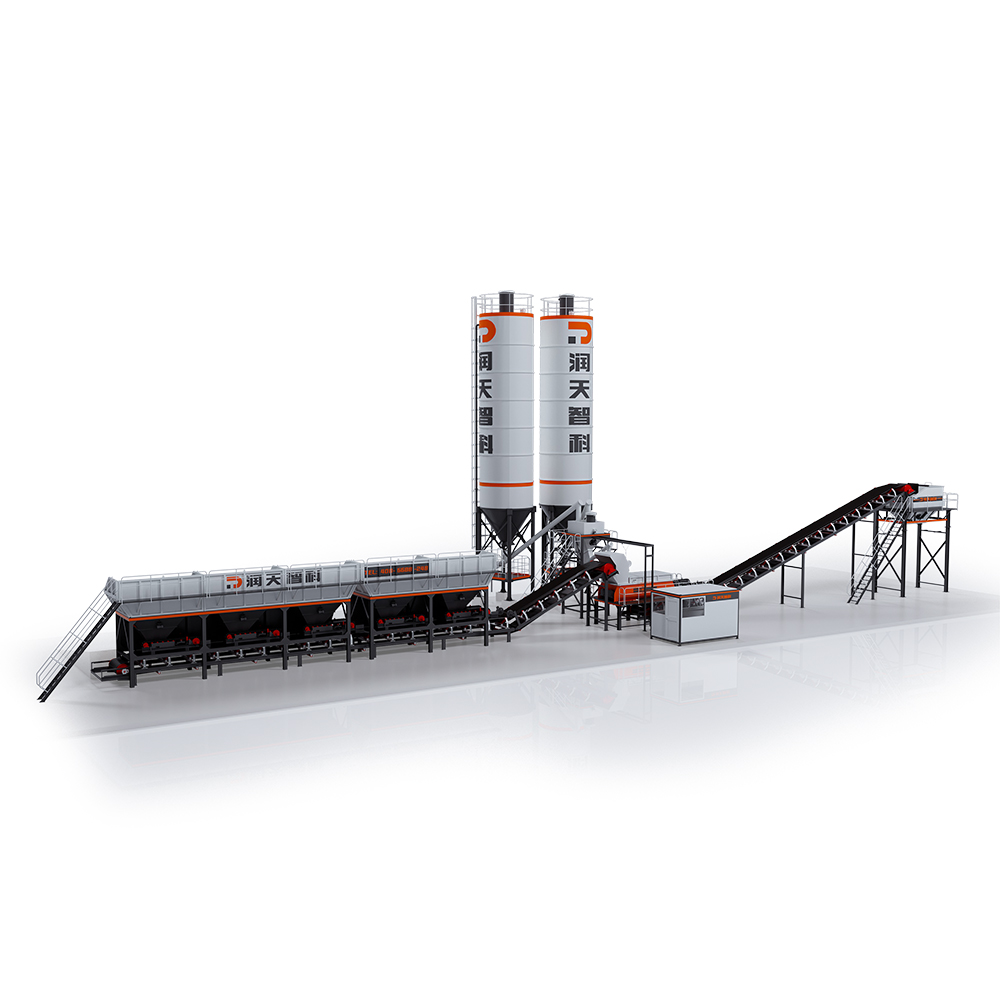 WDB Series Foundation-Free Stability Soil Mixing Plant
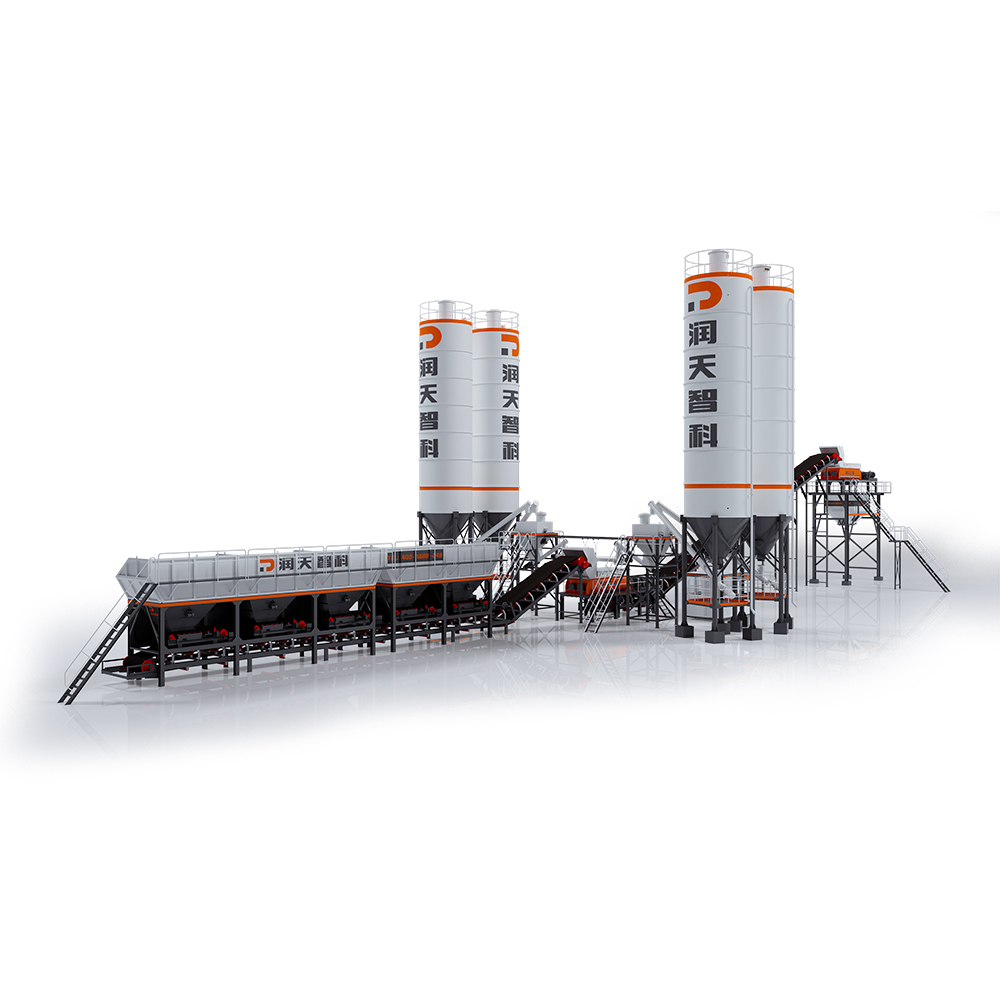 LCB Series Emulsified Asphalt Cold Regeneration Secondary Mixing Plant
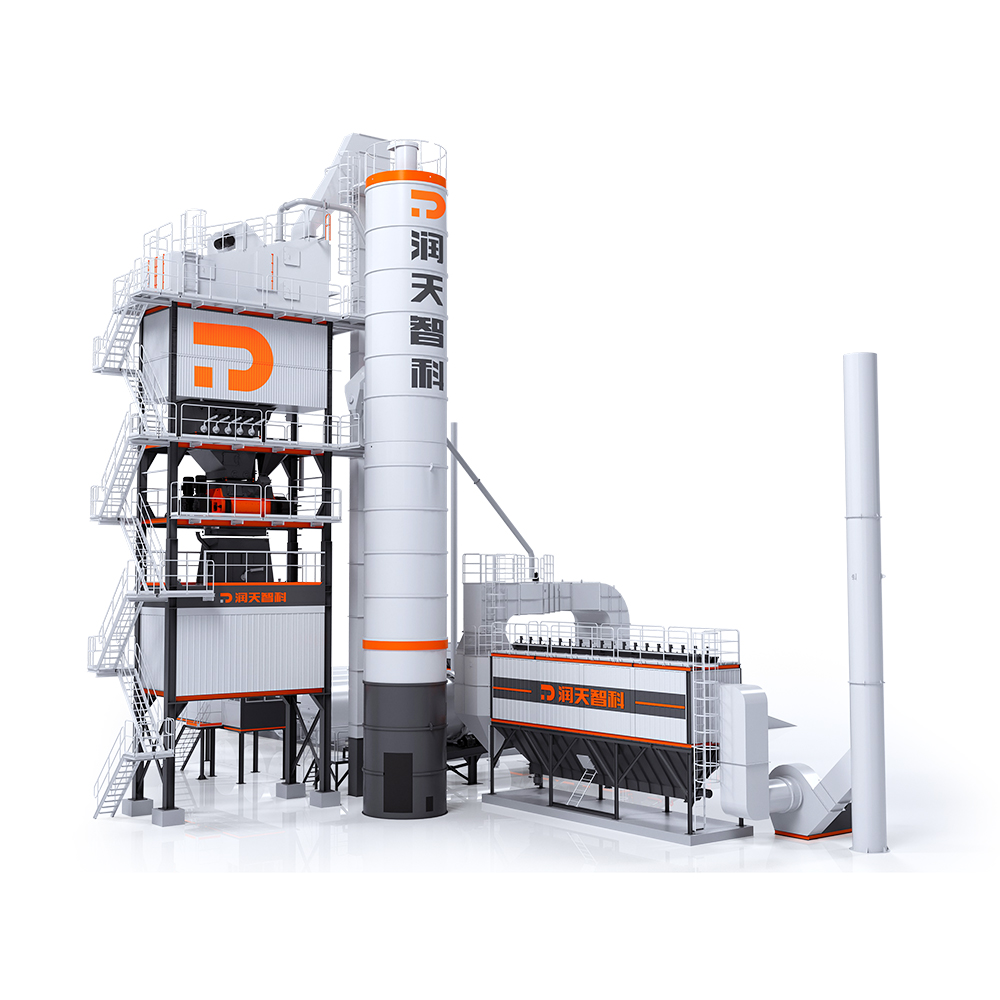 LB Series Asphalt Mixing Plant
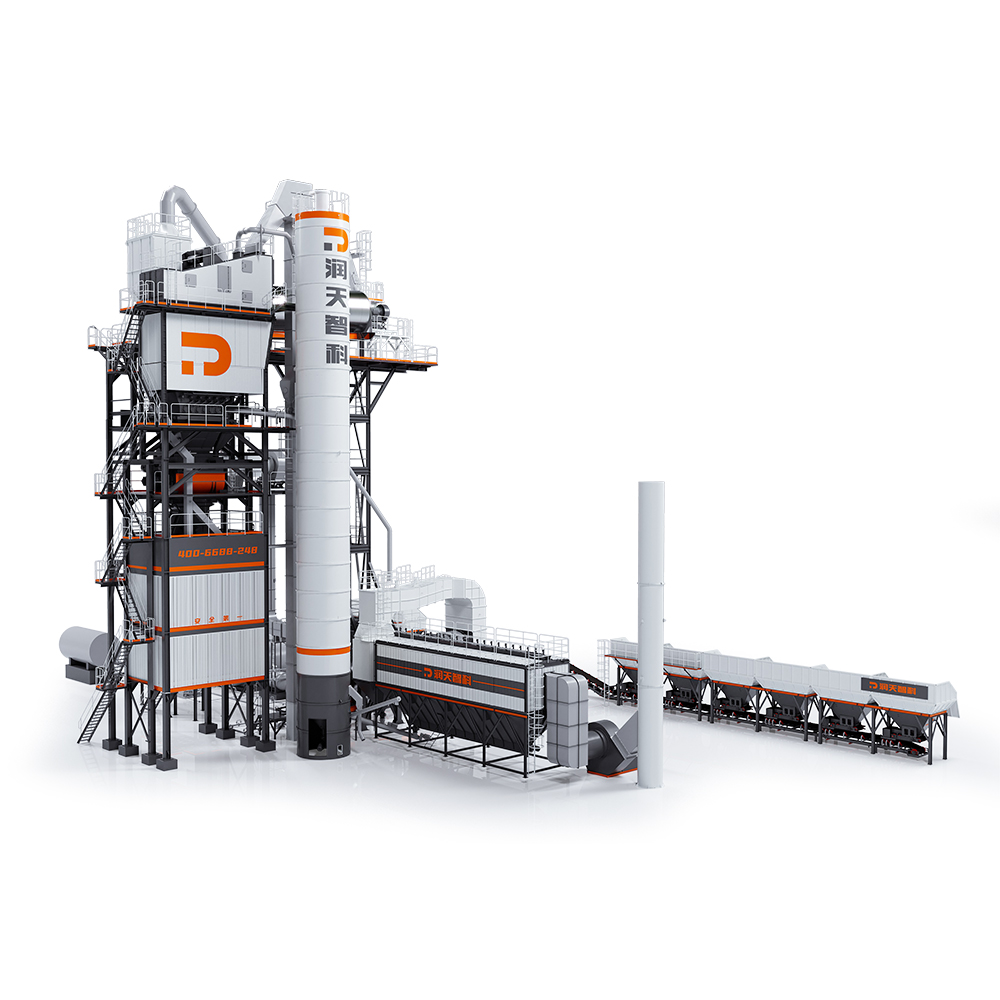 LBR Series Integrated Asphalt Mixing Plant
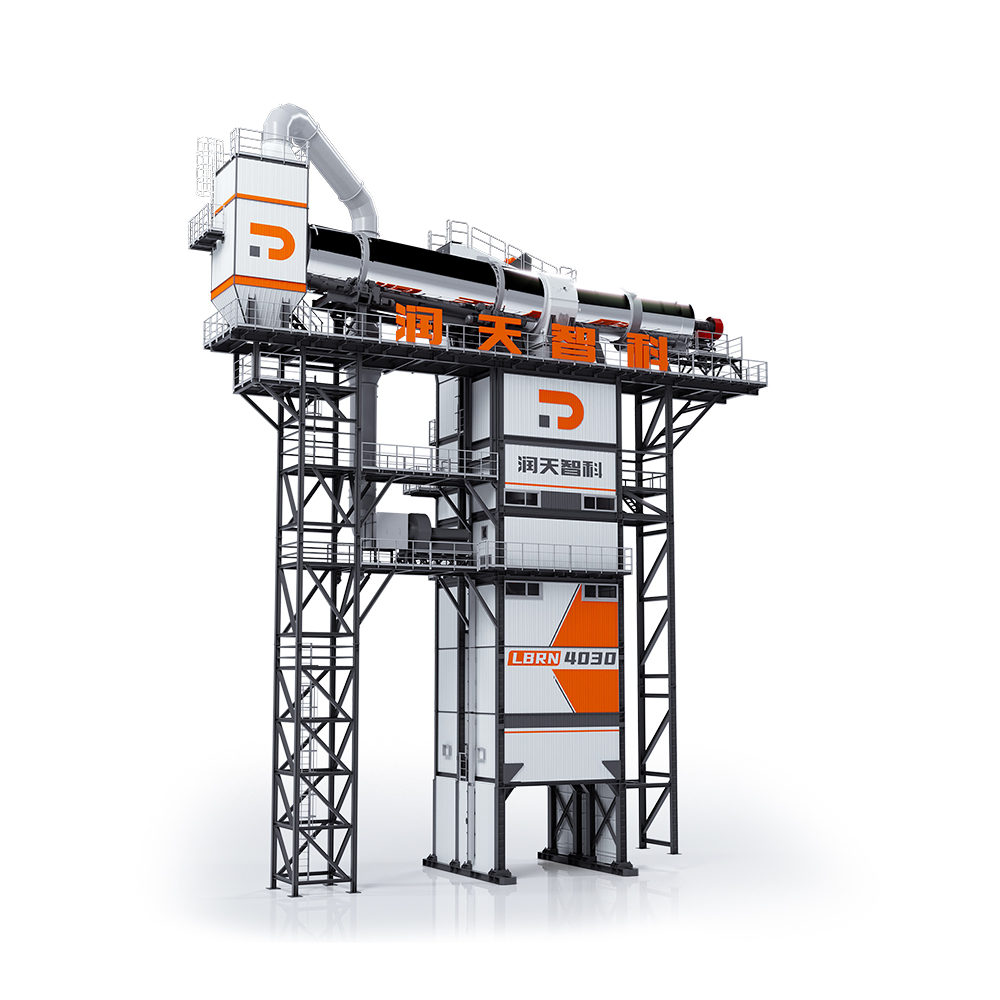 LBRN Series Counterflow Integral Asphalt Mixing Plant
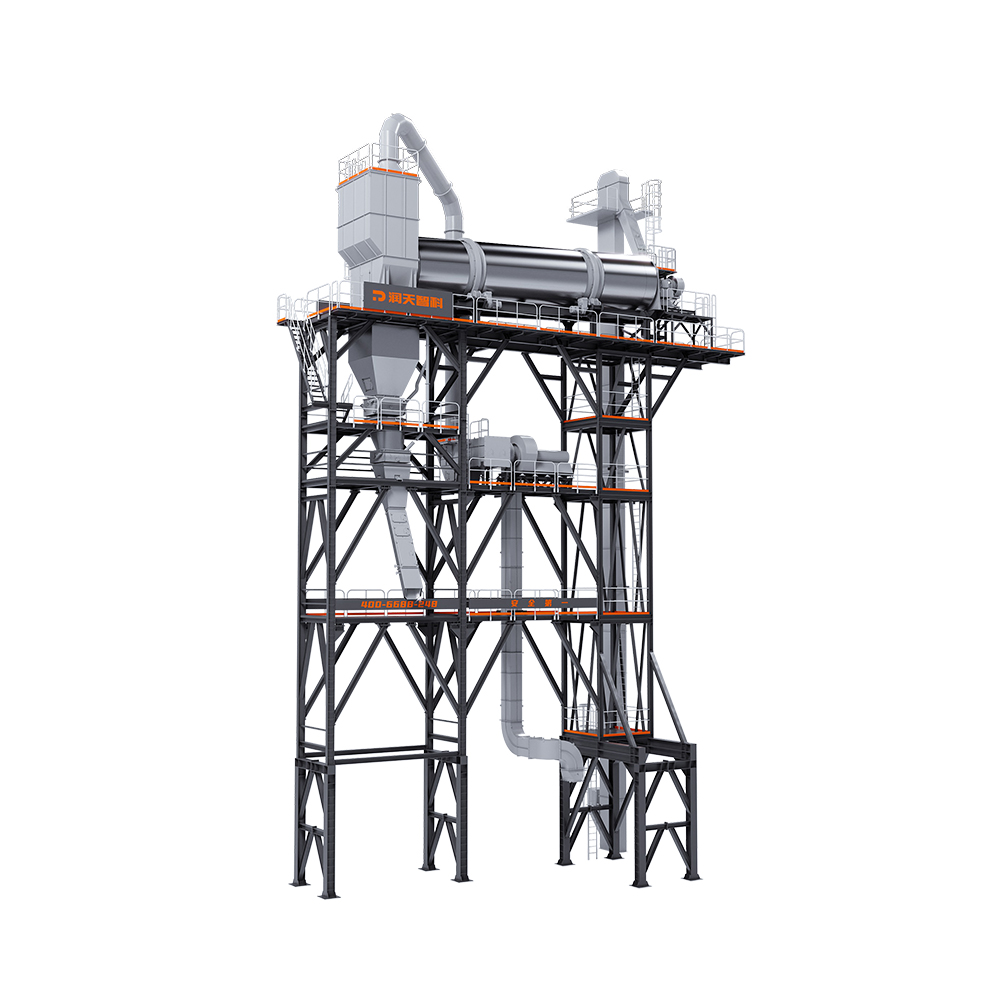 RZS Series Asphalt Mixing Plant
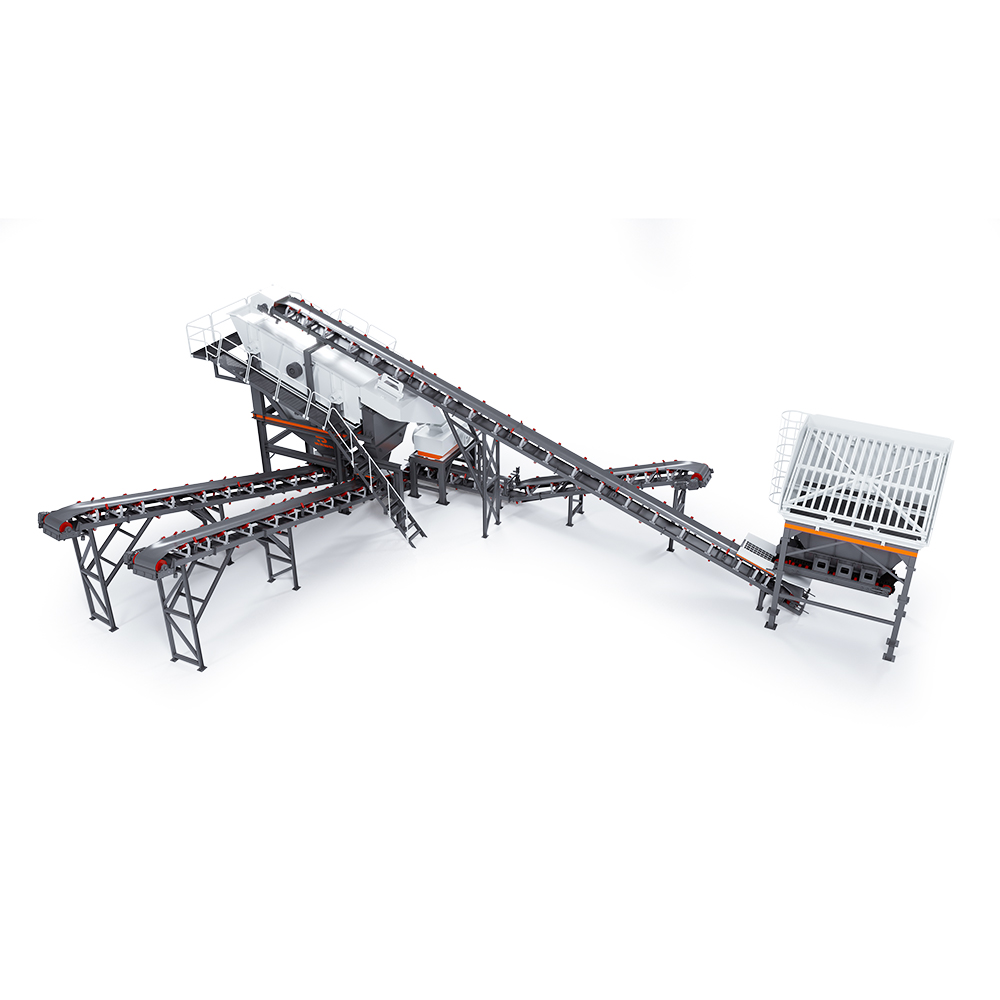 RTZS120 Series RAP Crushing & Screening Plant
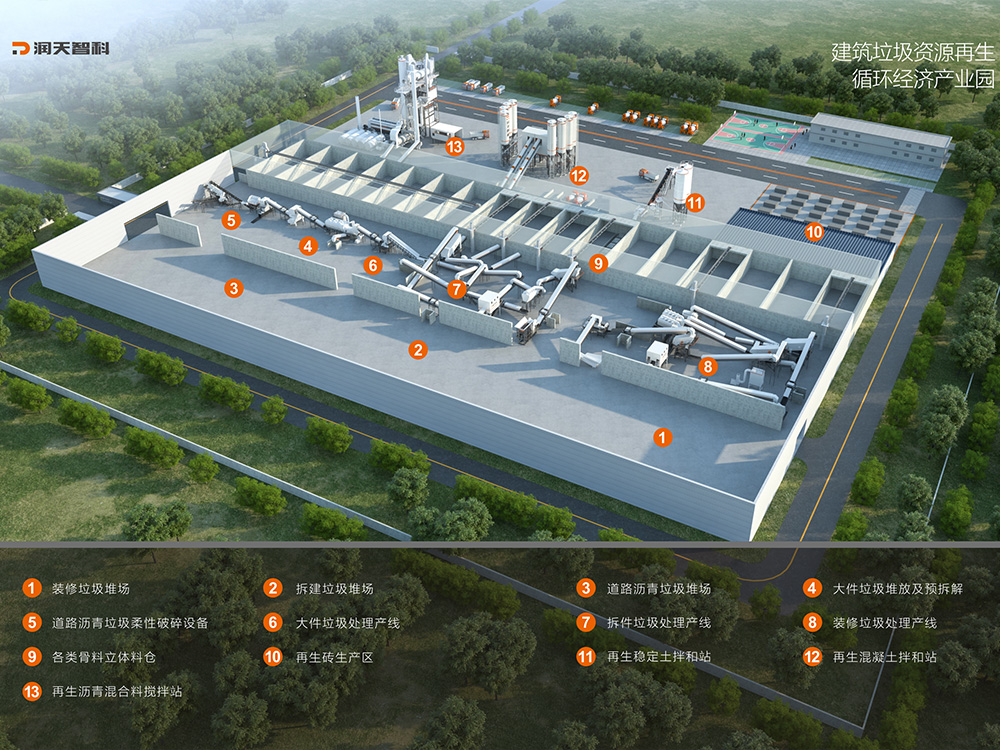 Construction Waste Resourceful Treatment Line