2026 How to Choose the Right Asphalt Plant for Your Project?
Choosing the right Asphalt Plant for your project is crucial. The asphalt industry plays a vital role in infrastructure development. According to IBISWorld, the global asphalt market is projected to reach $35 billion by 2026. This growth highlights the importance of selecting the right equipment.
Expert John Smith, a leading figure in the asphalt sector, stated, "The right Asphalt Plant can significantly enhance project efficiency." It’s essential to assess your specific needs, whether it's production capacity or environmental impact. Every project is different, and one-size-fits-all solutions often fall short.
Many project managers overlook critical factors like equipment maintenance and technology. These can affect overall output and sustainability. Reflecting on previous projects can reveal gaps in understanding. Choosing an Asphalt Plant is a complex decision. It requires careful consideration of various elements to avoid costly mistakes.
Factors to Consider When Selecting an Asphalt Plant for Your Project
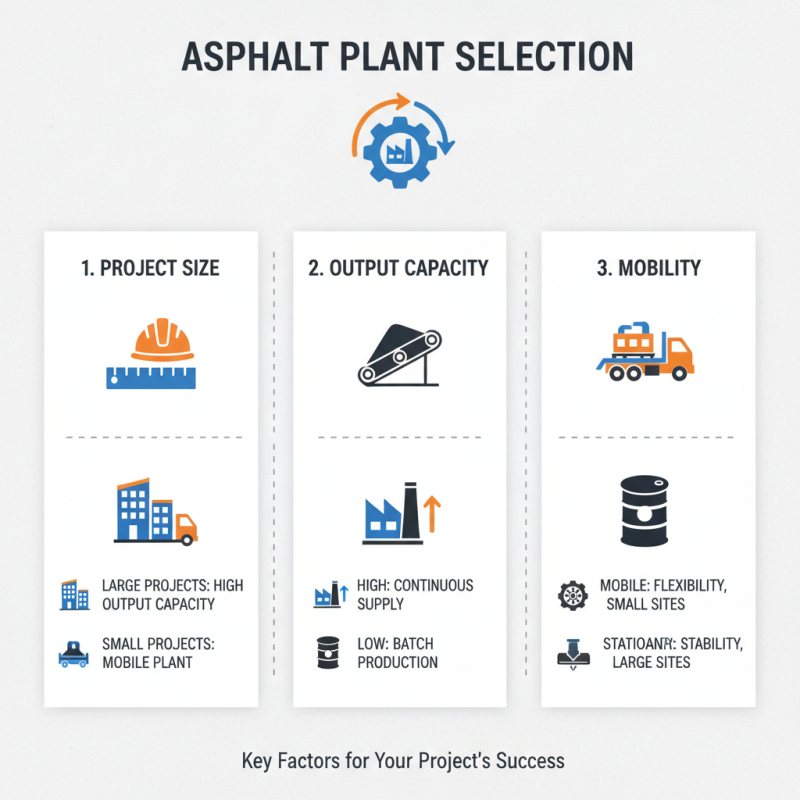
Selecting the right asphalt plant for your project is essential. Various factors can impact your decision. Understanding project size is crucial. Larger projects may need more output capacity. Smaller sites might manage with a mobile plant.
Consider the location of your project. Proximity to raw materials can save costs. Transporting materials over long distances is often inefficient. Think about the local regulations, too. Compliance can influence your plant choice.
Tips: Always assess your budget and operational costs. Unexpected expenses can arise. Reflect on your team’s experience with different plant types. Their familiarity can affect project efficiency. Lastly, survey previous projects to identify what worked best. This can provide insights into your current needs.
Different Types of Asphalt Plants and Their Applications
When choosing an asphalt plant, it's crucial to understand the different types available. There are batch plants and continuous plants, each serving unique needs. Batch plants mix asphalt in batches. They offer quality control and flexibility for various projects. However, they may be slower in production.
Continuous plants operate non-stop. They produce asphalt consistently, ideal for larger projects. Though they are faster, quality may vary between batches. These plants usually supply high volumes, which might not suit every project. The choice between them depends on scale and specific requirements.
Mobile asphalt plants are another option. They are portable and can be moved to different locations. This flexibility suits smaller projects or remote areas. However, they might not meet the volume needs of larger operations. Understanding the specific applications of each plant type is essential for successful project planning. It’s vital to assess capacity, quality, and location when making your choice.
2026 How to Choose the Right Asphalt Plant for Your Project?
This bar chart represents the monthly production capacities of different types of asphalt plants. Understanding these capacities is crucial for selecting the right plant for your asphalt project. The Batch Plant and Drum Plant have higher production capabilities compared to Mobile and Recycling Plants, making them suitable for larger projects.
Evaluating Production Capacity and Efficiency for Your Needs
When selecting an asphalt plant, production capacity and efficiency are key factors. The production capacity of an asphalt plant directly impacts project timelines. According to a recent industry report, a plant with a capacity of 240 tons per hour is typically suited for larger projects. However, smaller operations may benefit from plants with a lower capacity.
Efficiency is another crucial element. Many plants have an efficiency rating defined by the ability to produce quality mixes while minimizing energy consumption. A plant that runs at 85% efficiency could save a significant amount on operational costs, leading to better project budgets. Ensure that the chosen plant aligns with your project’s requirements.
**Tips:**
- Assess the specific needs of your project. Are you handling large-scale jobs or smaller tasks?
- Don't overlook maintenance records. A poorly maintained plant can lead to inefficiencies.
- Always consider the logistical aspects, such as transportation of materials and accessibility to the site.
2026 How to Choose the Right Asphalt Plant for Your Project? - Evaluating Production Capacity and Efficiency for Your Needs
| Plant Type |
Production Capacity (tons/hour) |
Fuel Efficiency (BTU/ton) |
Power Requirement (kW) |
Emissions (mg/m³) |
| Batch Plant |
100 |
400,000 |
200 |
50 |
| Drum Mix Plant |
150 |
350,000 |
250 |
40 |
| Continuous Mix Plant |
200 |
330,000 |
300 |
30 |
| Mobile Plant |
70 |
420,000 |
180 |
60 |
Key Features and Technology to Look for in Asphalt Plants
When selecting the right asphalt plant for your project, focus on key features and technology.
Efficiency is crucial. Look for plants with advanced heating technologies.
These enhance fuel efficiency and reduce energy costs. A good plant should have the ability to produce different asphalt mixtures.
Flexibility can adapt to project needs.
Tip: Assess the plant’s environmental impact. Opt for equipment that minimizes emissions and waste.
This will not only comply with regulations but also appeal to eco-conscious clients.
Maintenance is another important aspect. Choose a plant with accessible parts and user-friendly controls.
Regular maintenance reduces downtime and ensures quality output. Remember, not every model suits every project.
Consider your specific needs before making a decision.
Tip: Don’t overlook the support services offered.
Having access to technical support can make a big difference in operations. Look for manufacturers who provide reliable training and assistance.
This investment can save time and money in the long run.
Budgeting and Cost Analysis for Asphalt Plant Procurement
When budgeting for an asphalt plant, take various costs into account. The initial purchase price is only part of the equation. You must also consider installation, operational expenses, and maintenance. Compare quotes from different suppliers. However, don’t just look for the lowest price. Quality and reliability are crucial.
Tips: Keep an eye on hidden costs that can arise. Transport fees, site preparation, and training for staff add up. Understand the financial implications of these extras before making a decision.
Another aspect is potential financing options. Research different financing models that can ease the burden of your upfront costs. Sometimes a lower initial expense may lead to higher long-term costs. Balance your needs and budget carefully.
Tips: Always plan for unexpected expenses. Emergencies can happen, and your asphalt plant must be ready. It's essential to set aside a contingency fund. Reflect on past projects to help guide your decision-making.

 Concrete Mixing Plant
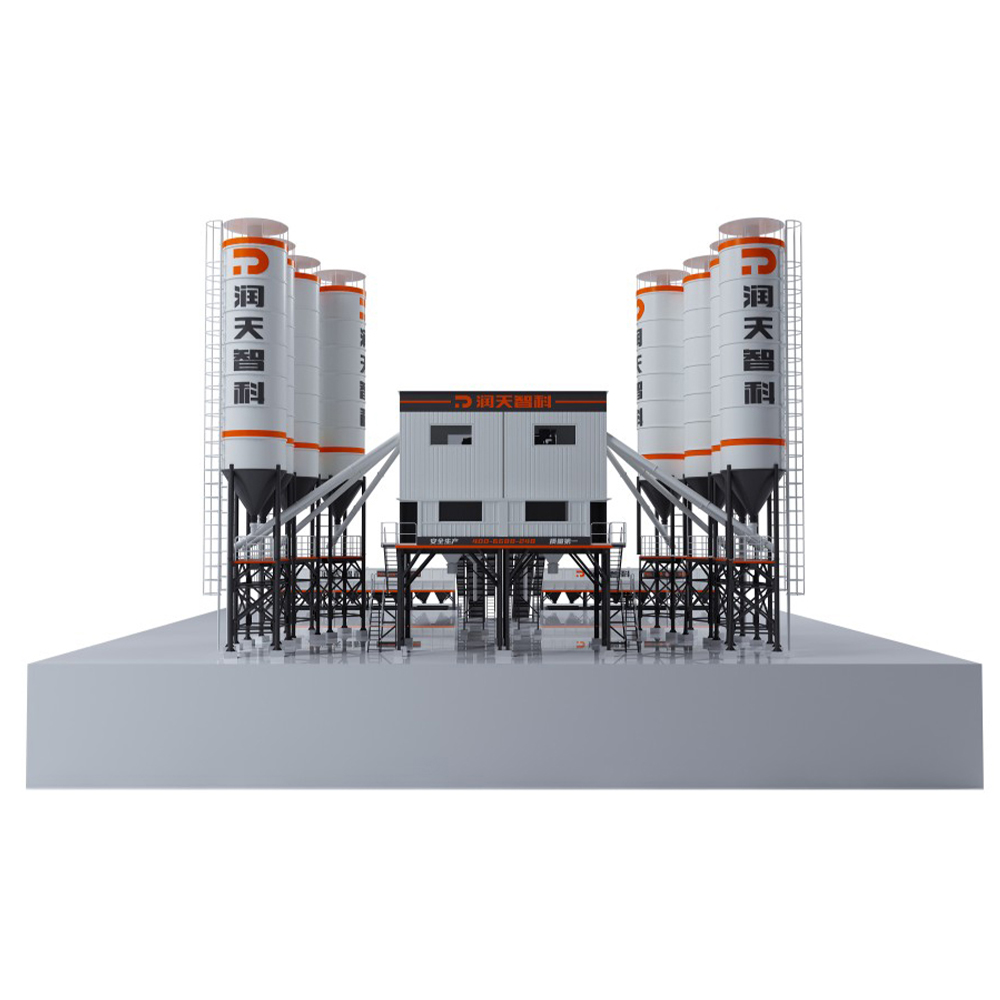 HZS Series Belt Concrete Mixing Plant
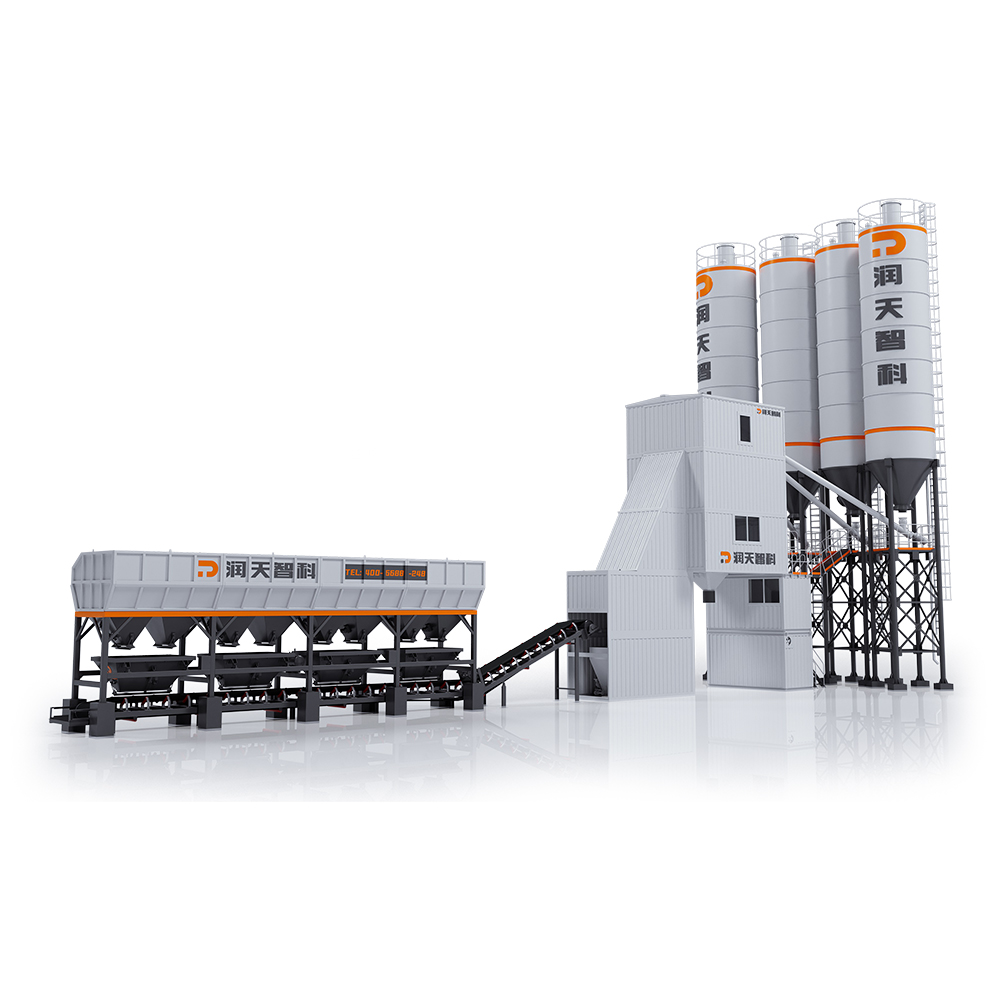 HZS Series Bucket-Lifting Type Container Concrete Mixing Plant
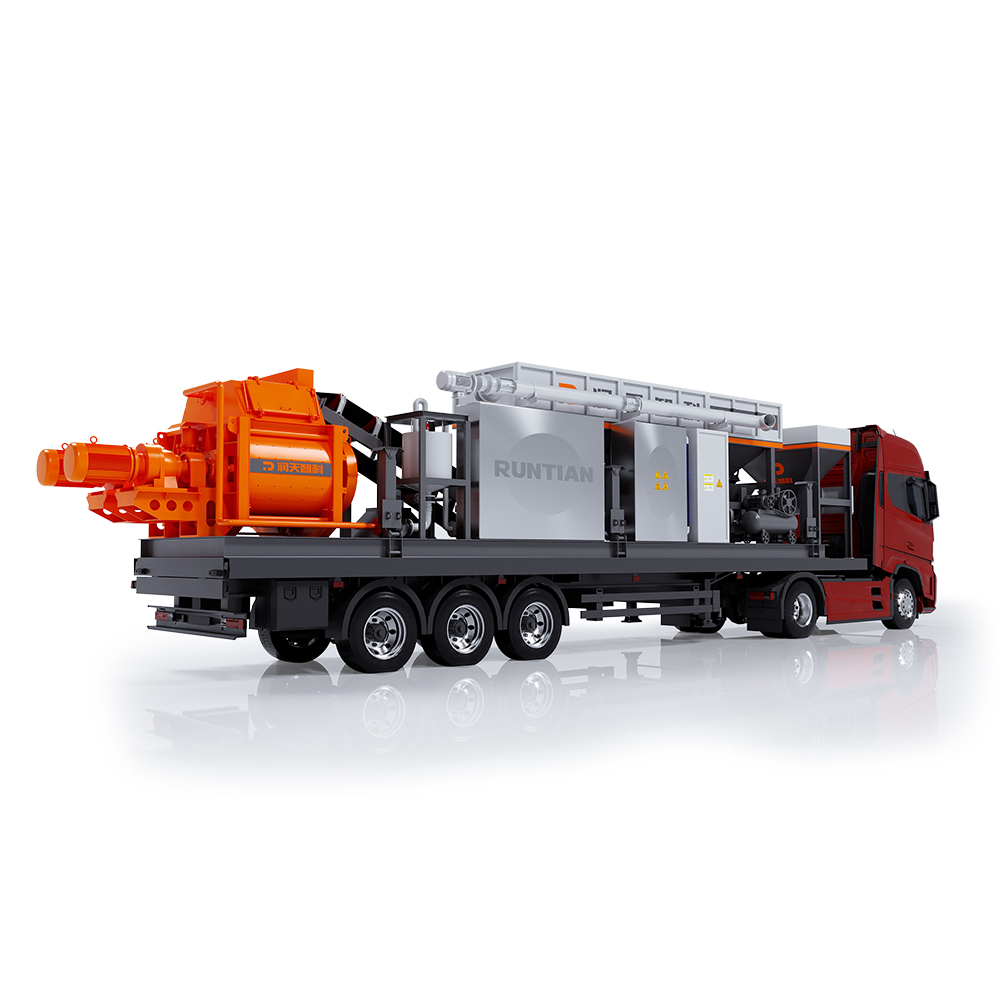 HZS60 Mobile Concrete Mixing Plant
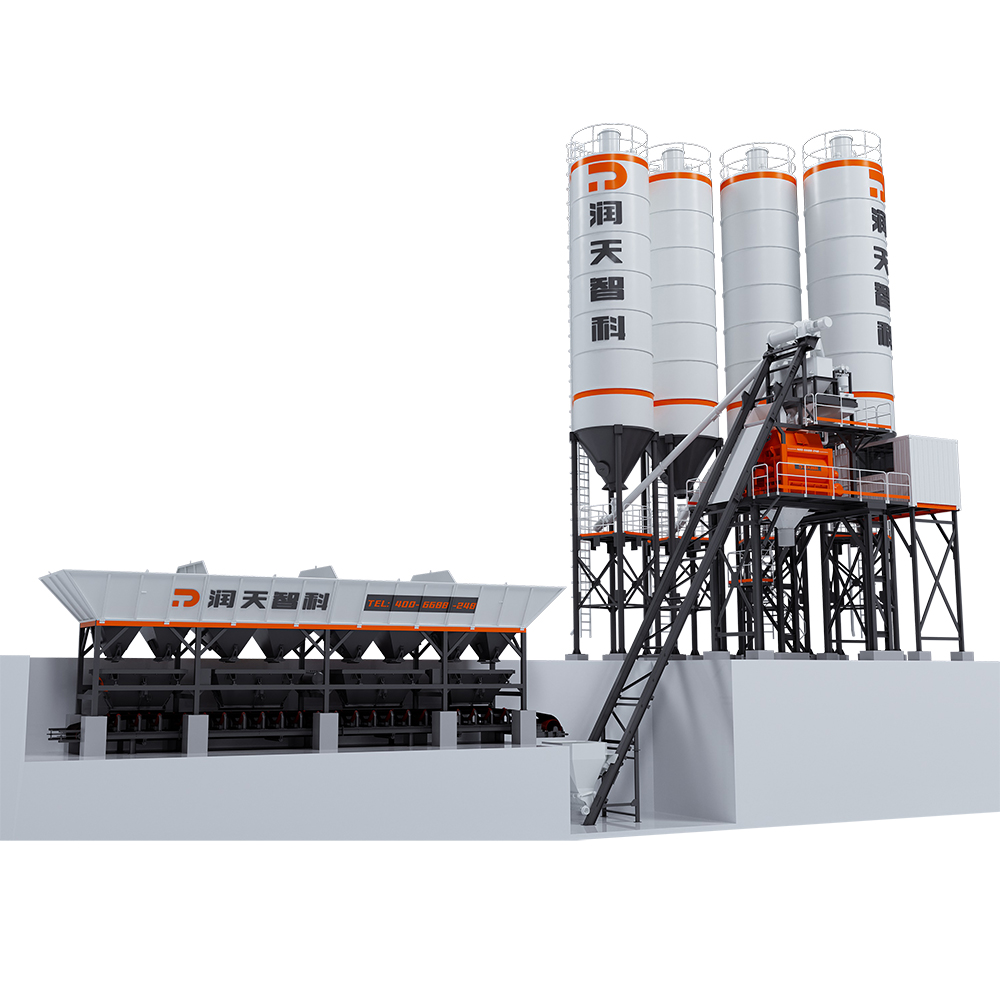 HZS Series Bucket-Lifting Type Concrete Mixing Plant
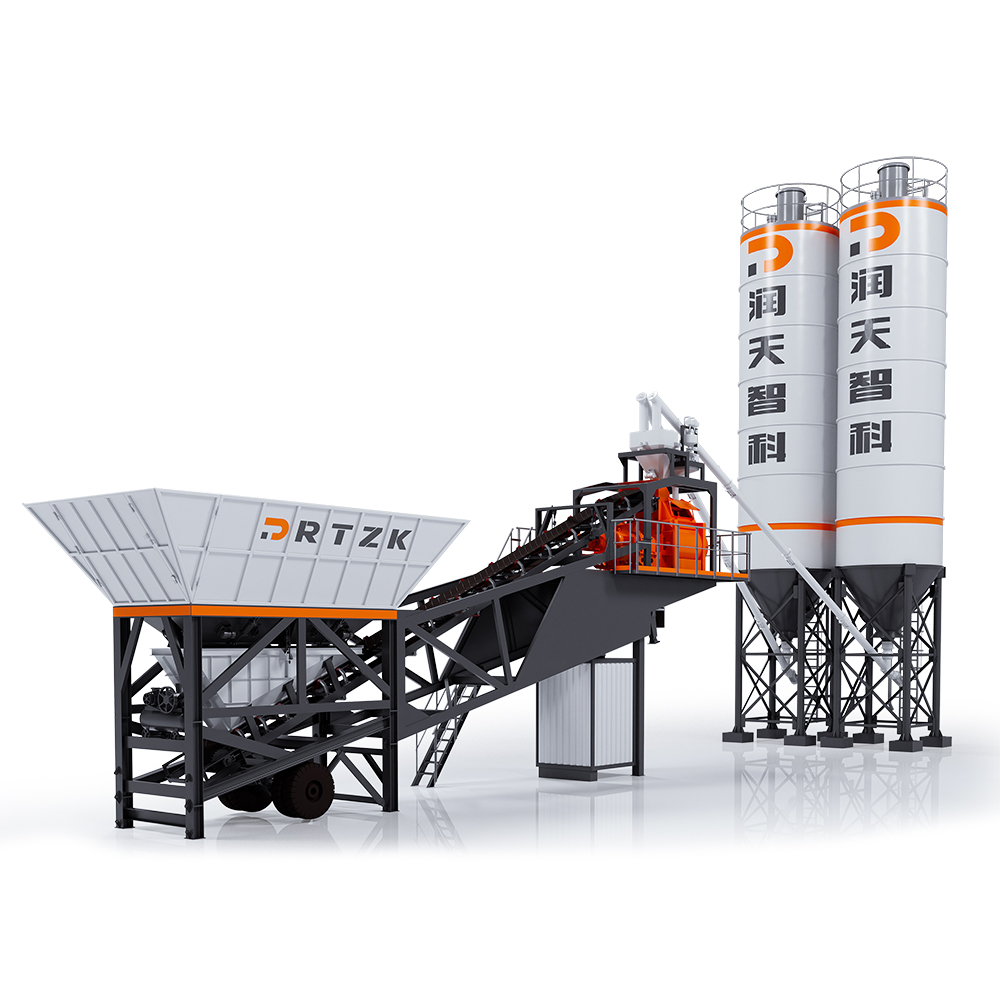 HZS Series Mobile Concrete Mixing Plant
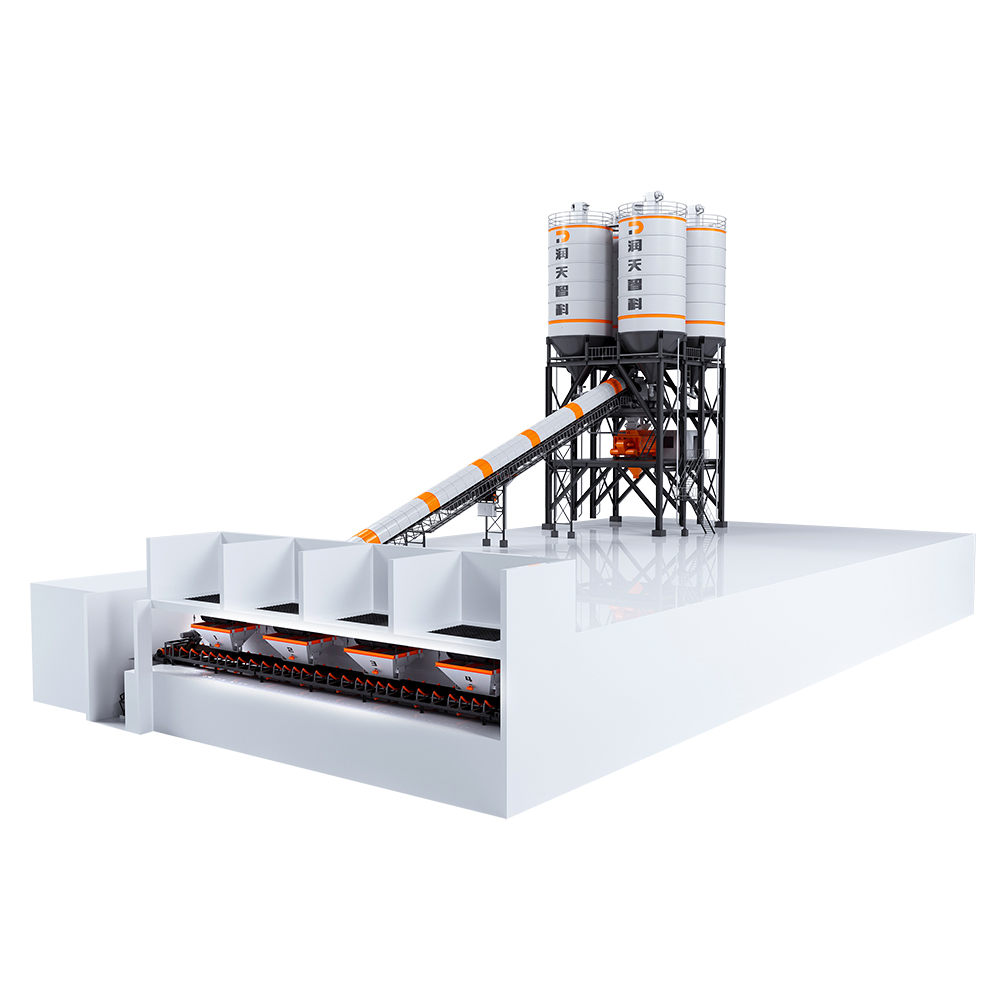 HZS Series Top-Mounted Concrete Mixing plant
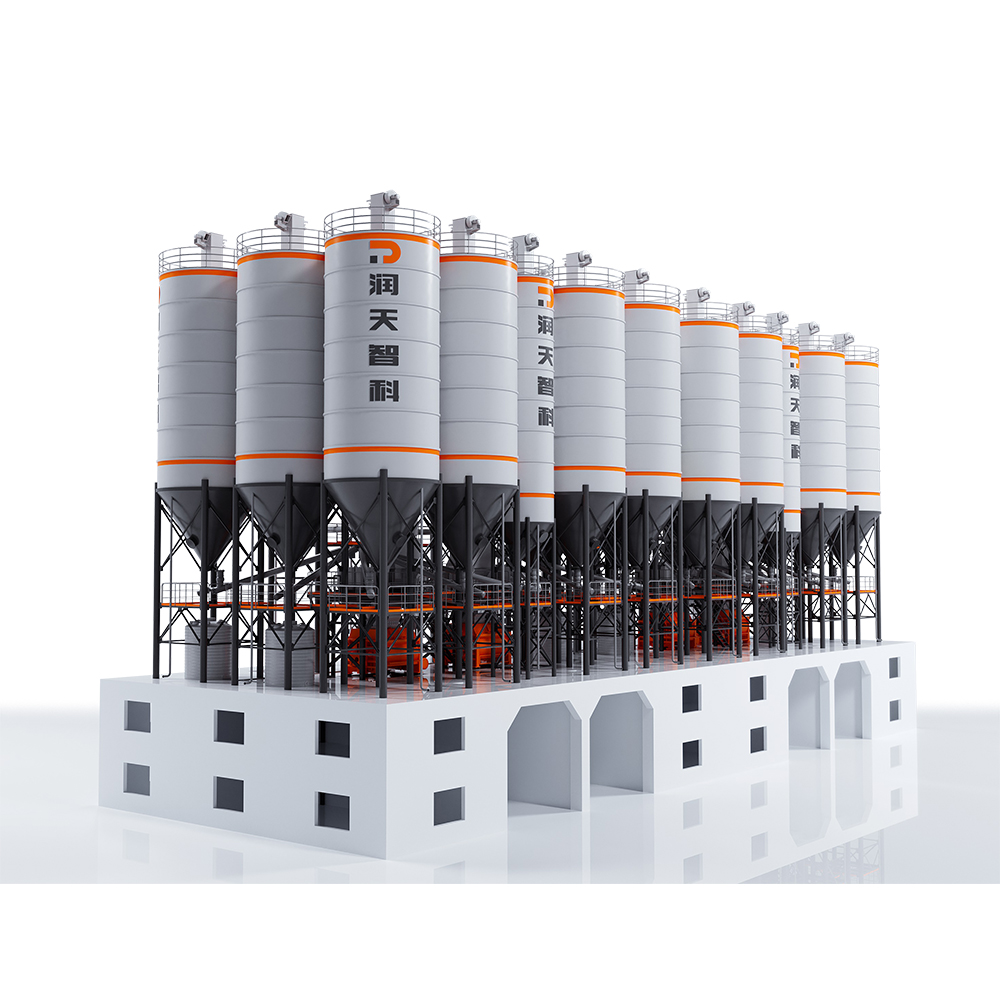 HZS Series Semi-Top Mounted Concrete Mixing Plant
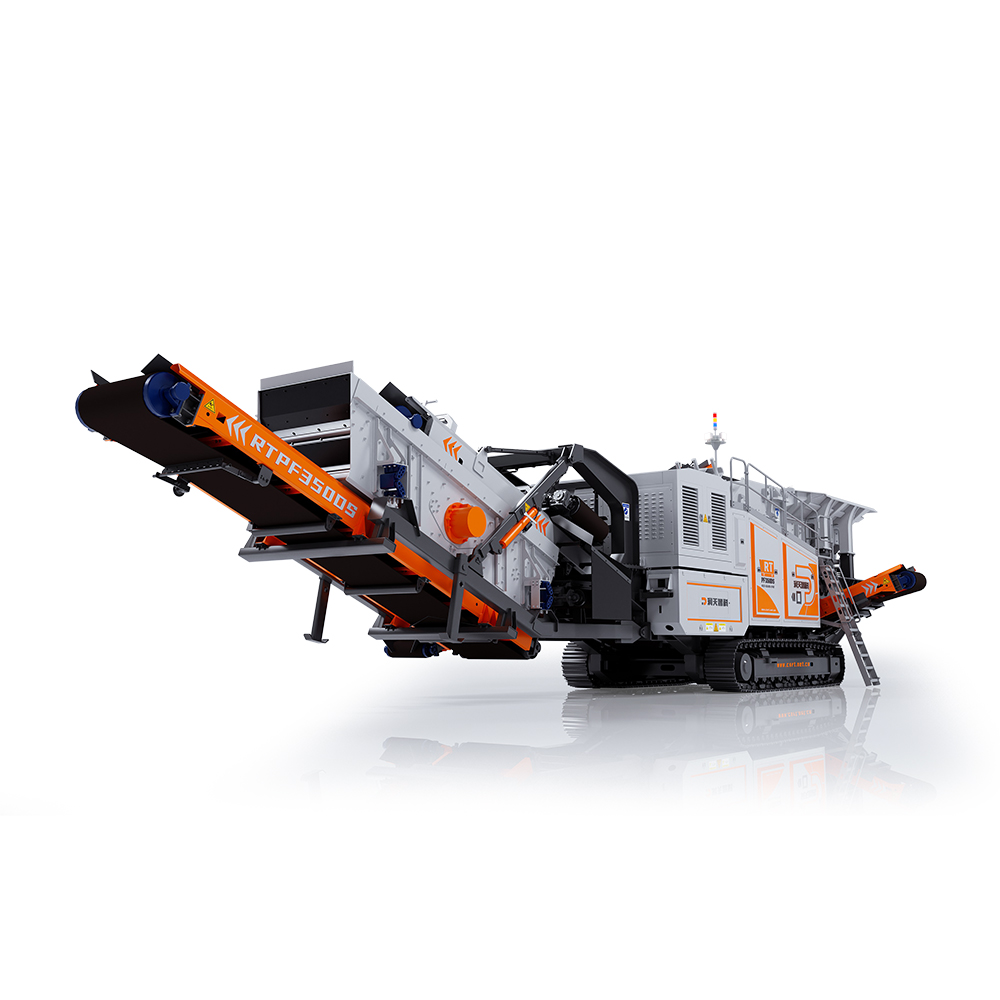 RTPF350DS Crawler Mobile Impact Crushing Plant
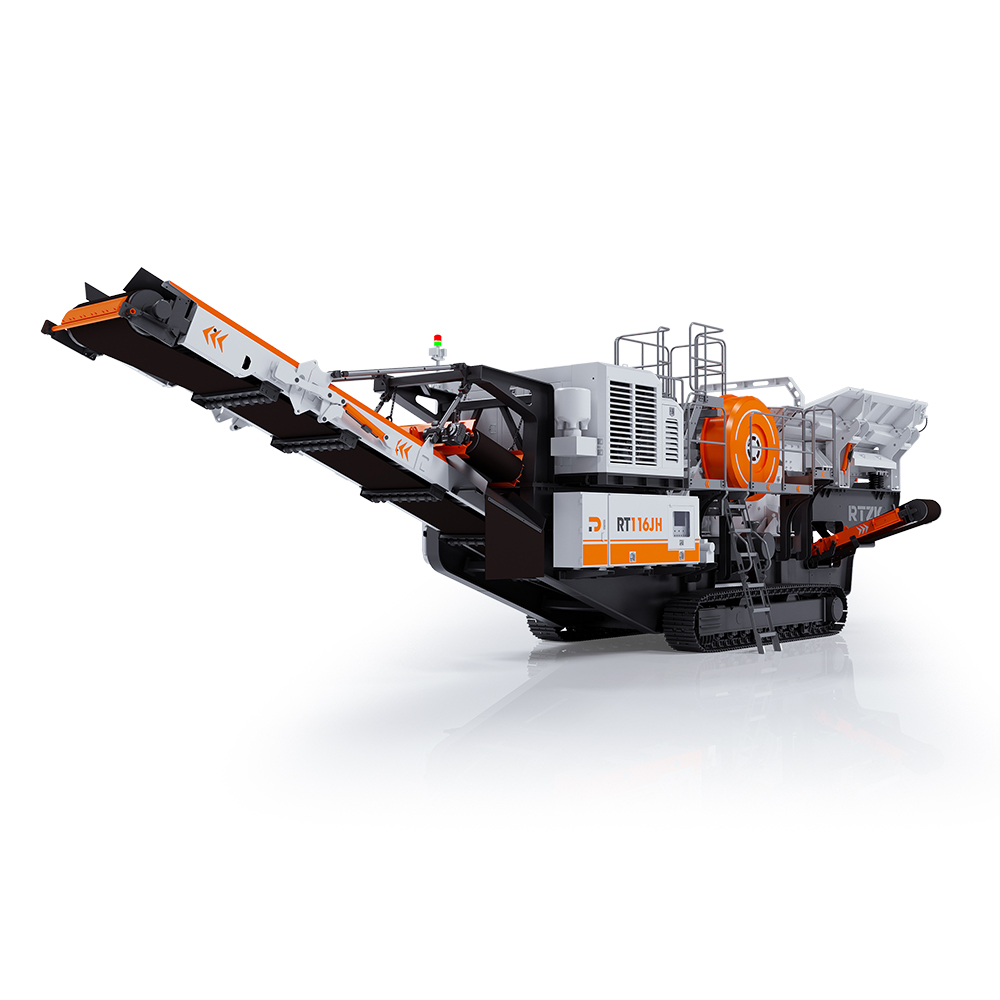 RT116JH Crawler Mobile Jaw Crushing Plant
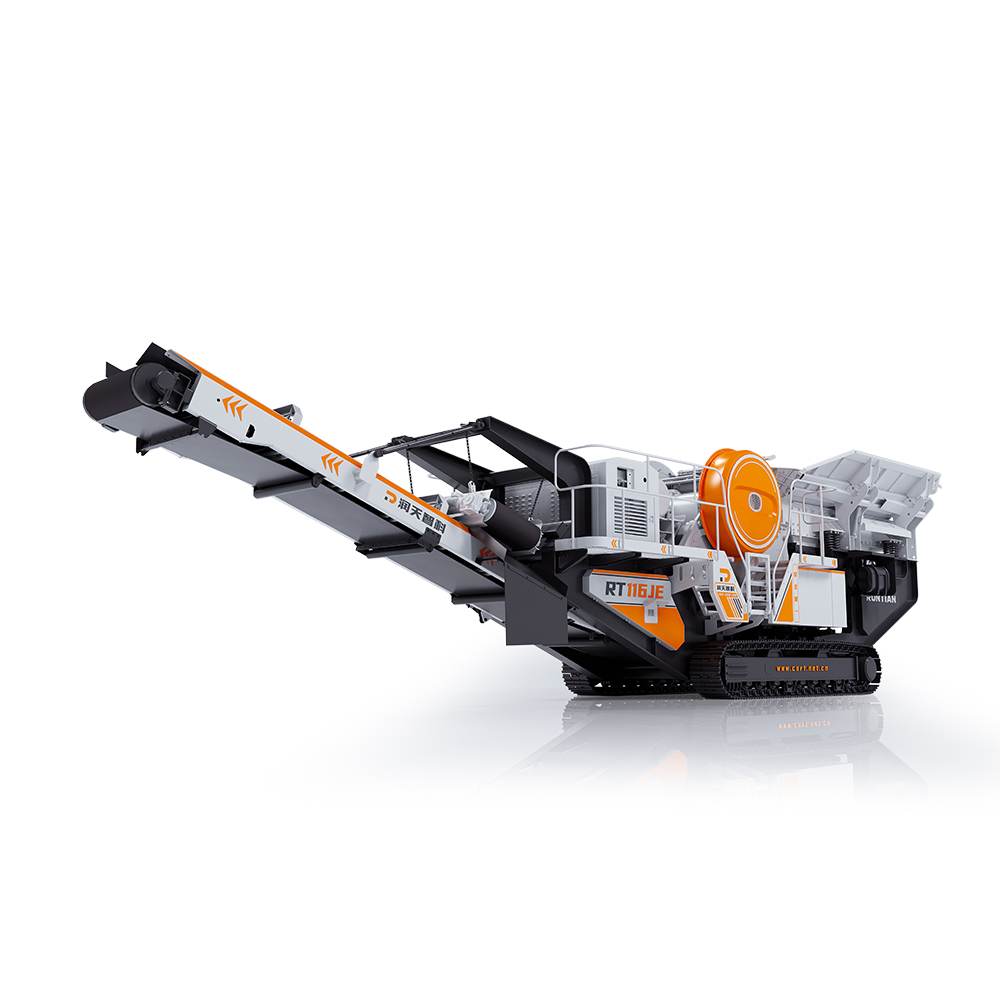 RT116JE Crawler Mobile Jaw Crushing Plant
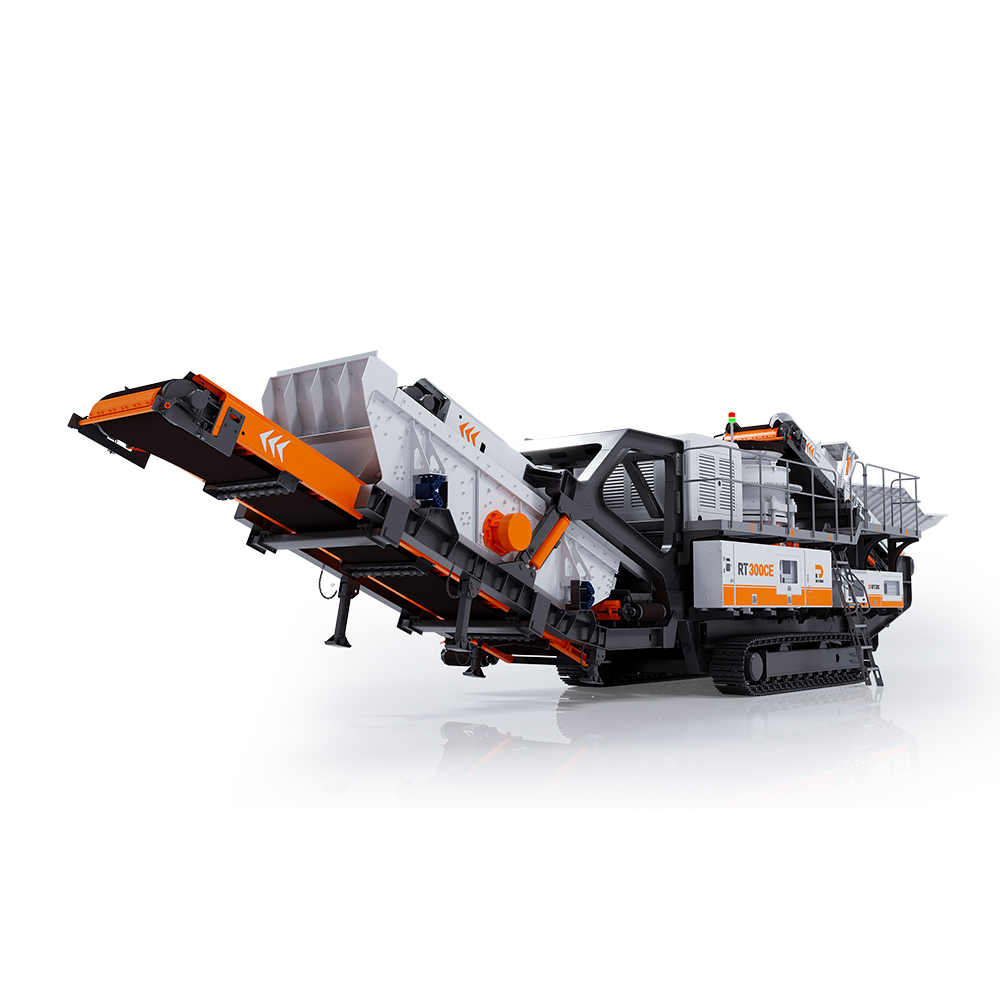 RT300CE Crawler Mobile Cone Crushing Plant
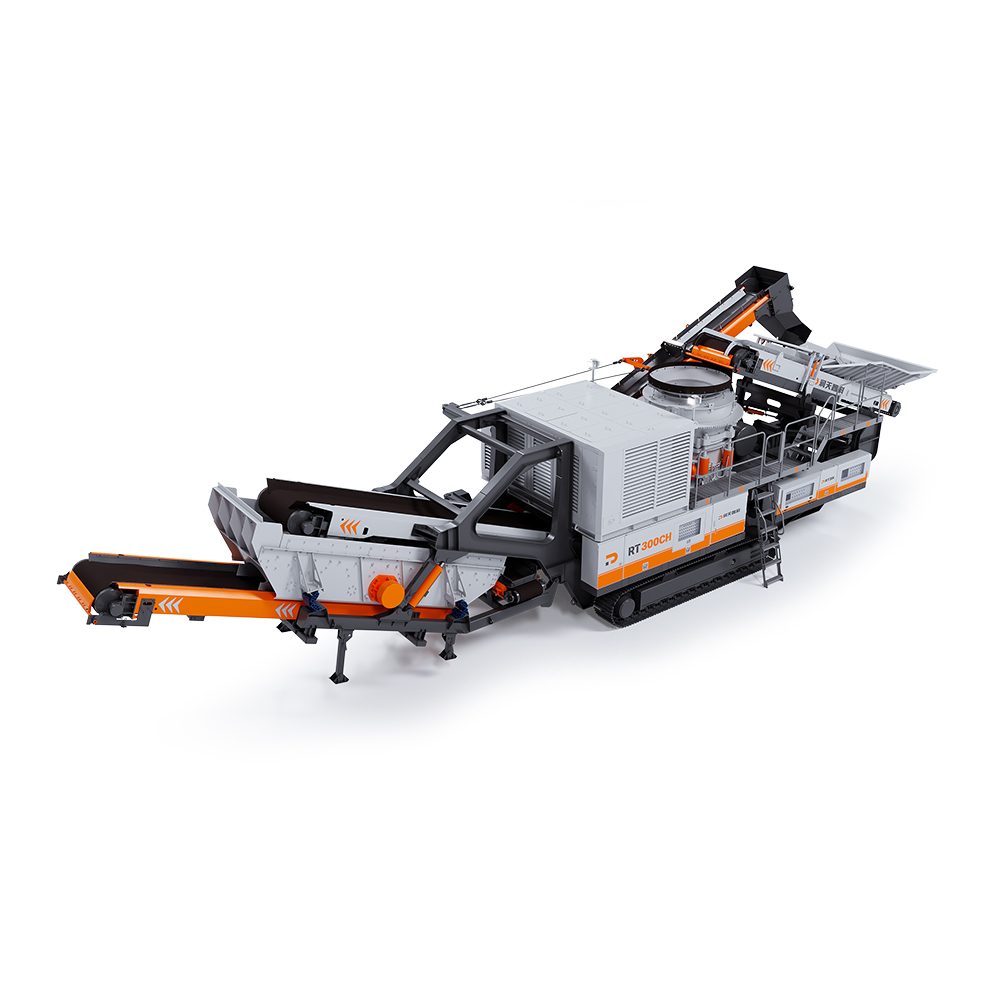 RT300CH Crawler Mobile Cone Crushing Plant
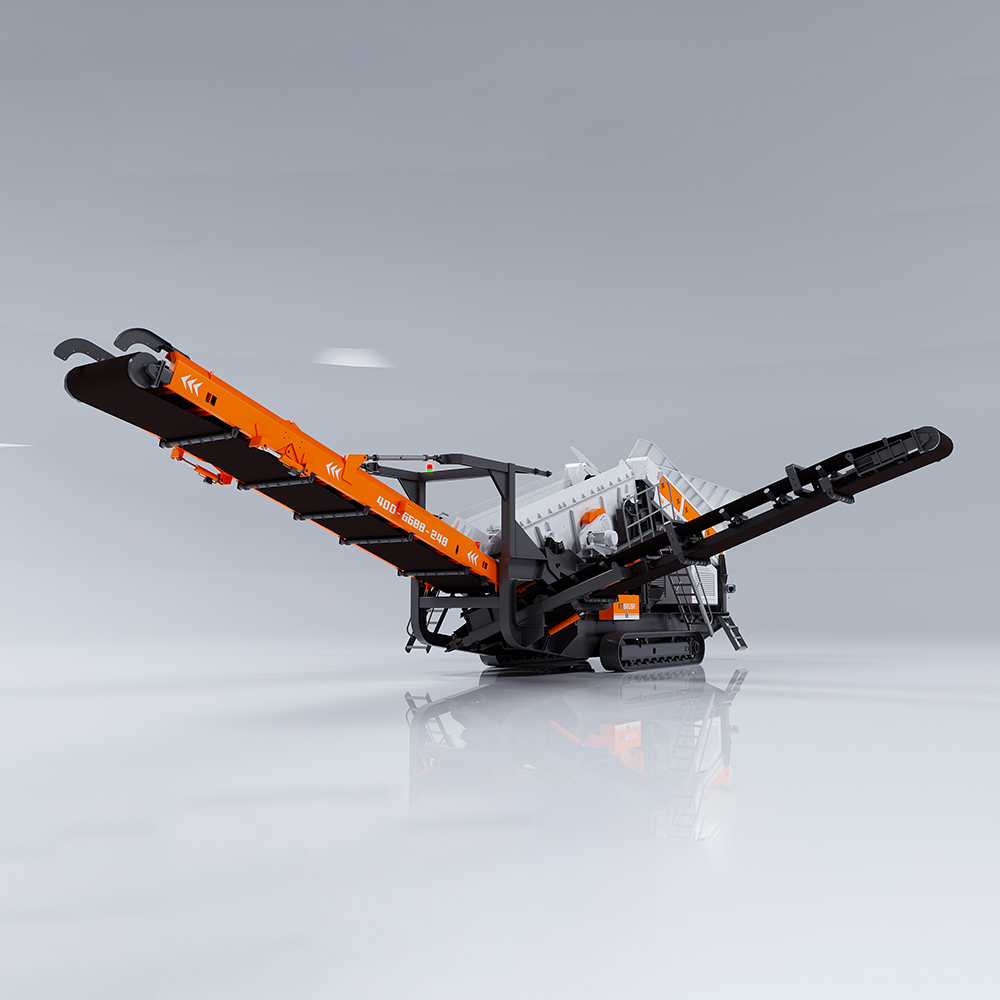 RT5015H Mobile Scalping Screen
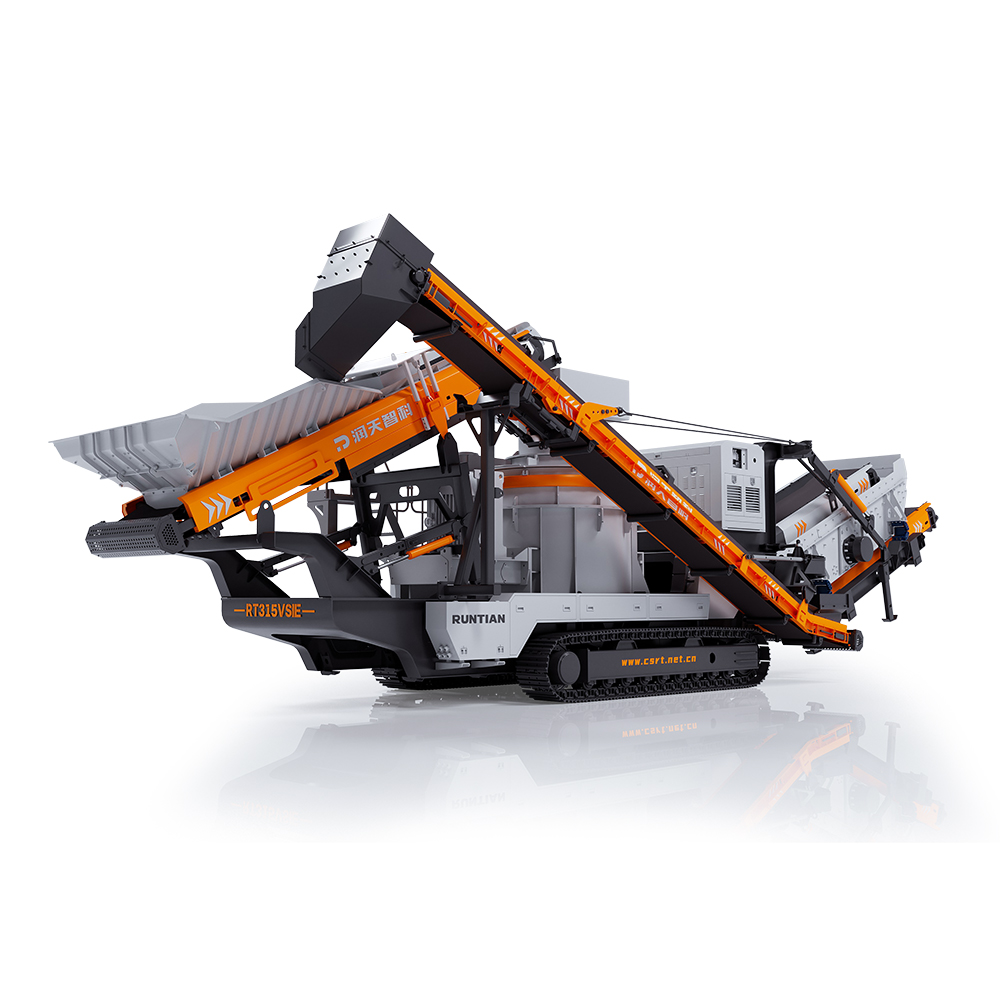 RT315VSIE Crawler Mobile Sand Maker
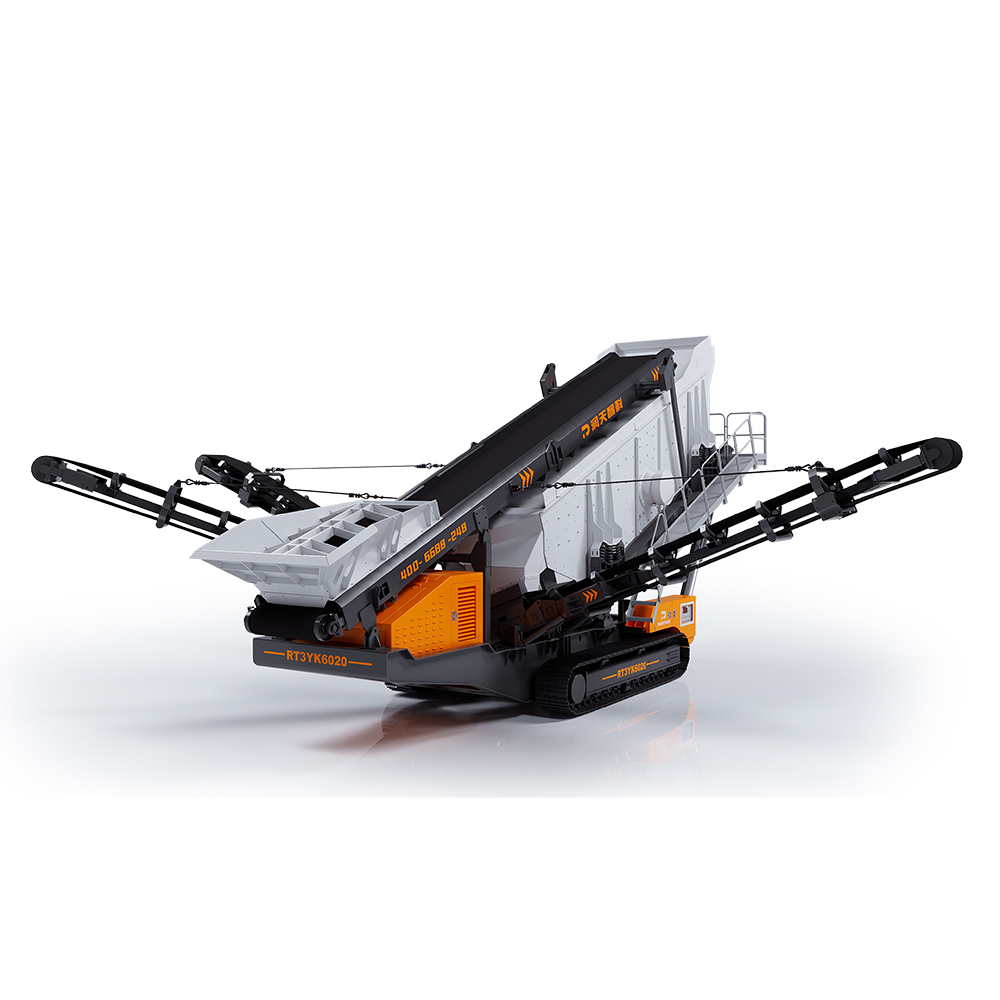 RT3YK6020 Crawler Mobile Screening Plant
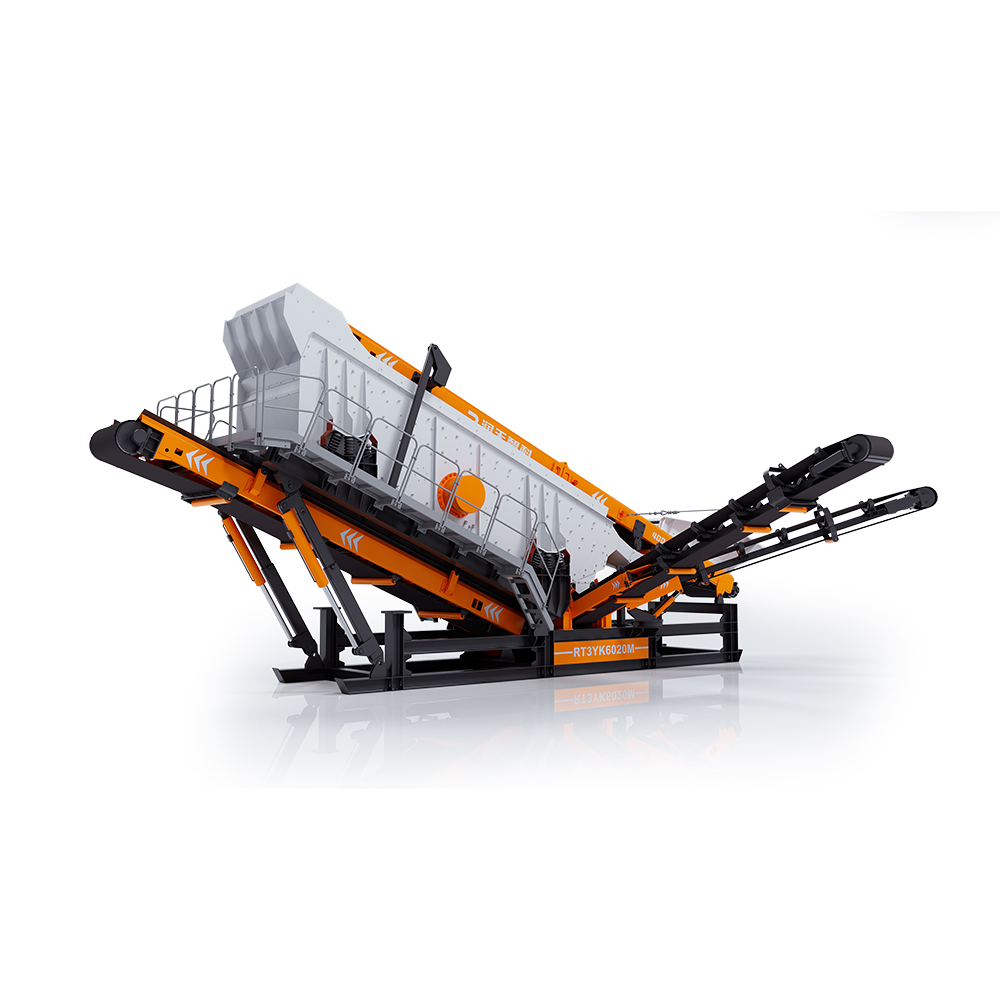 RT3YK6020M Modular Screening Plant
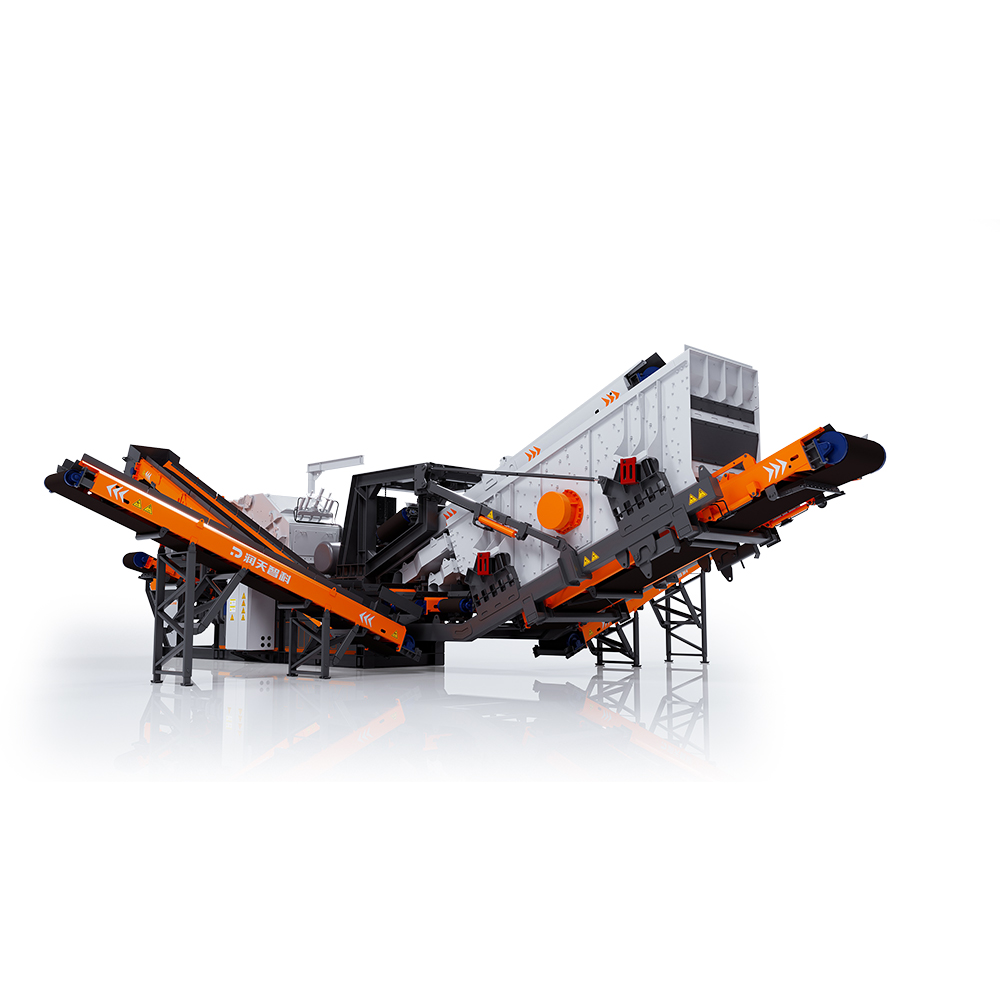 RTF260M Modular Counterattack Crushing and Screening Integrated Machine
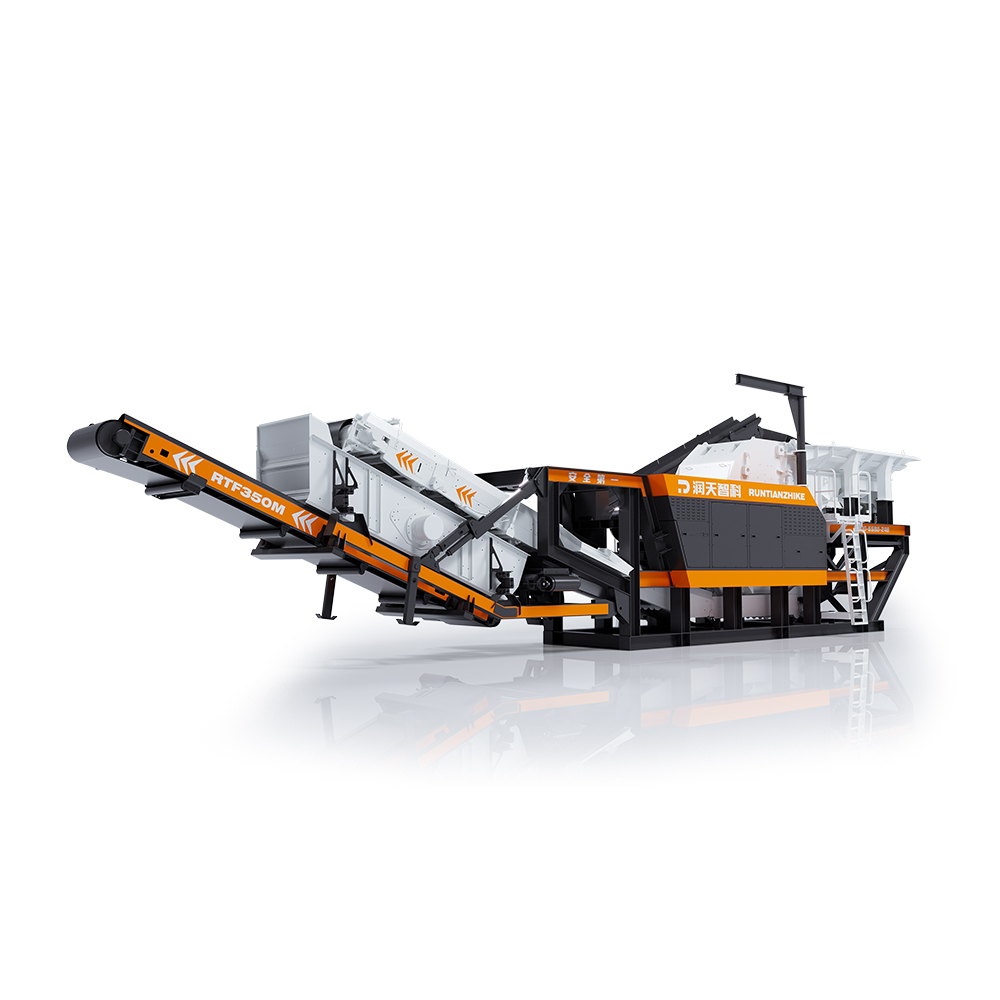 RTF350M Modular Impact Crushing Plant
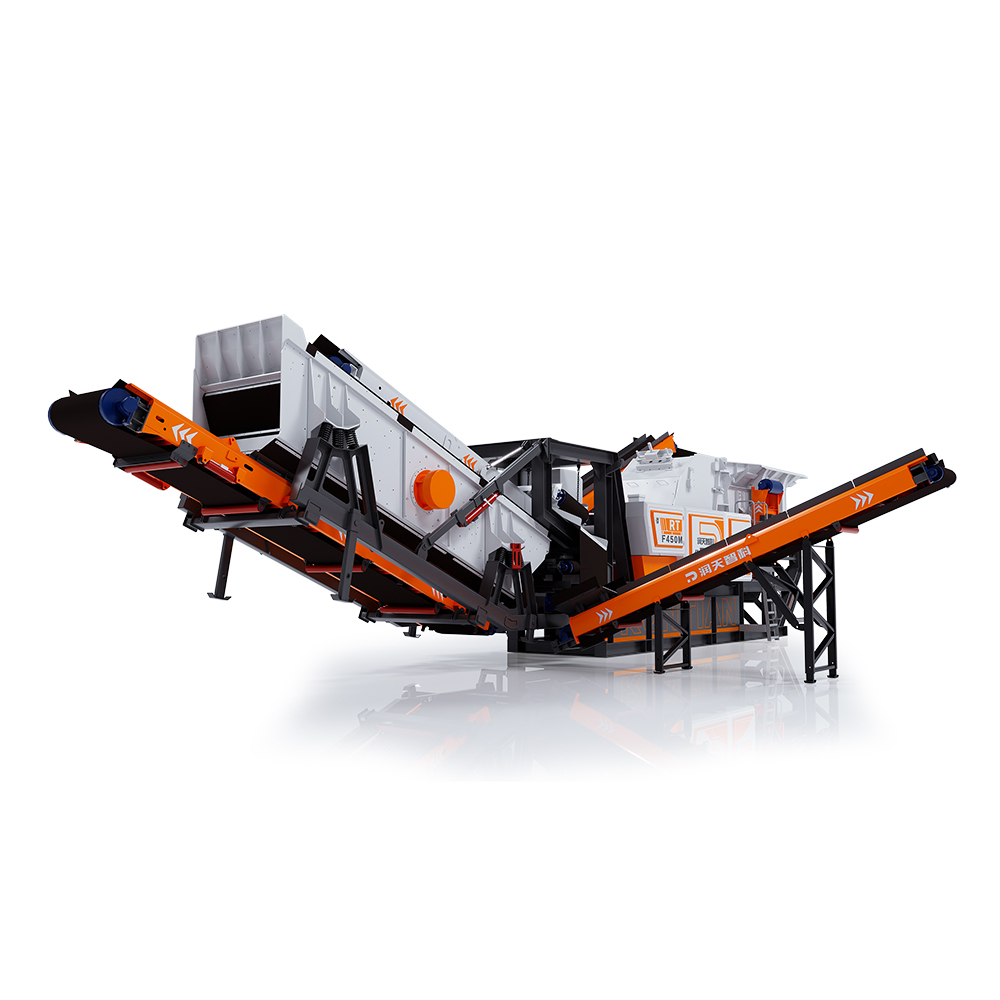 RTF450M Modular Impact Crushing Plant
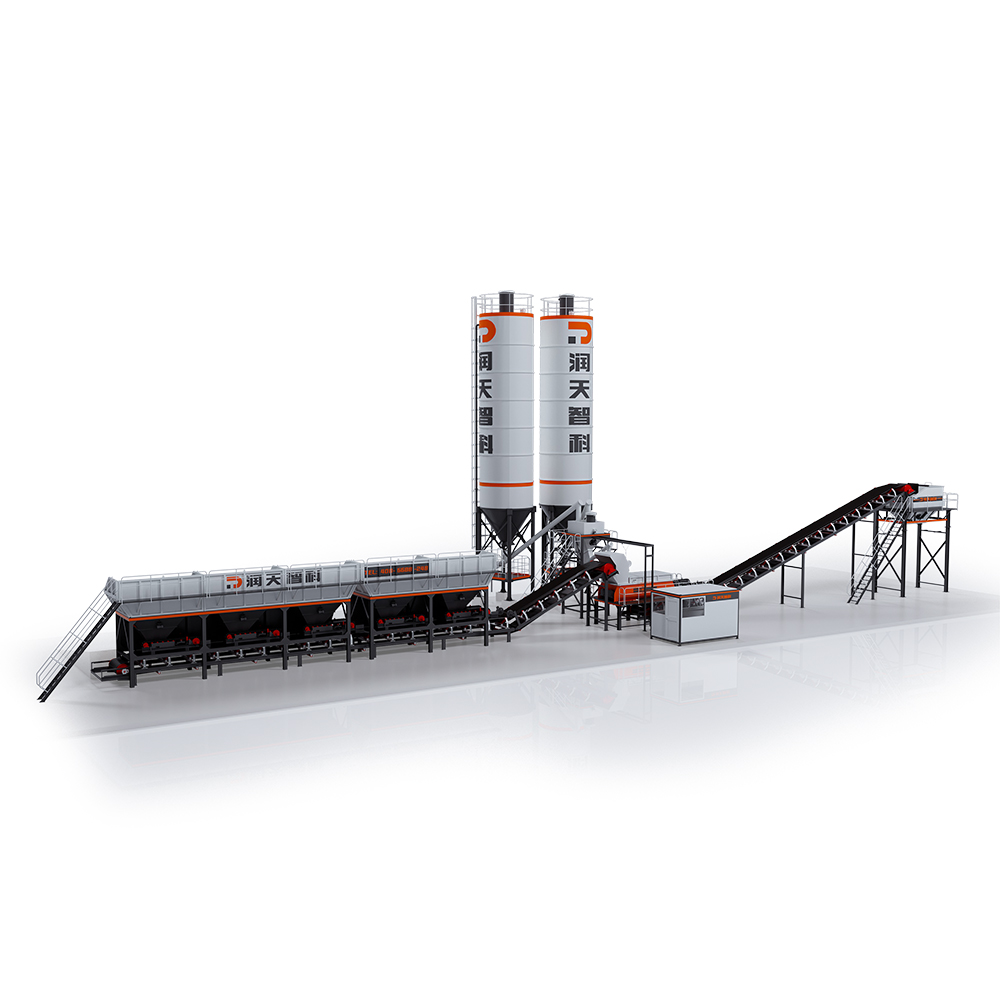 WDB Series Foundation-Free Stability Soil Mixing Plant
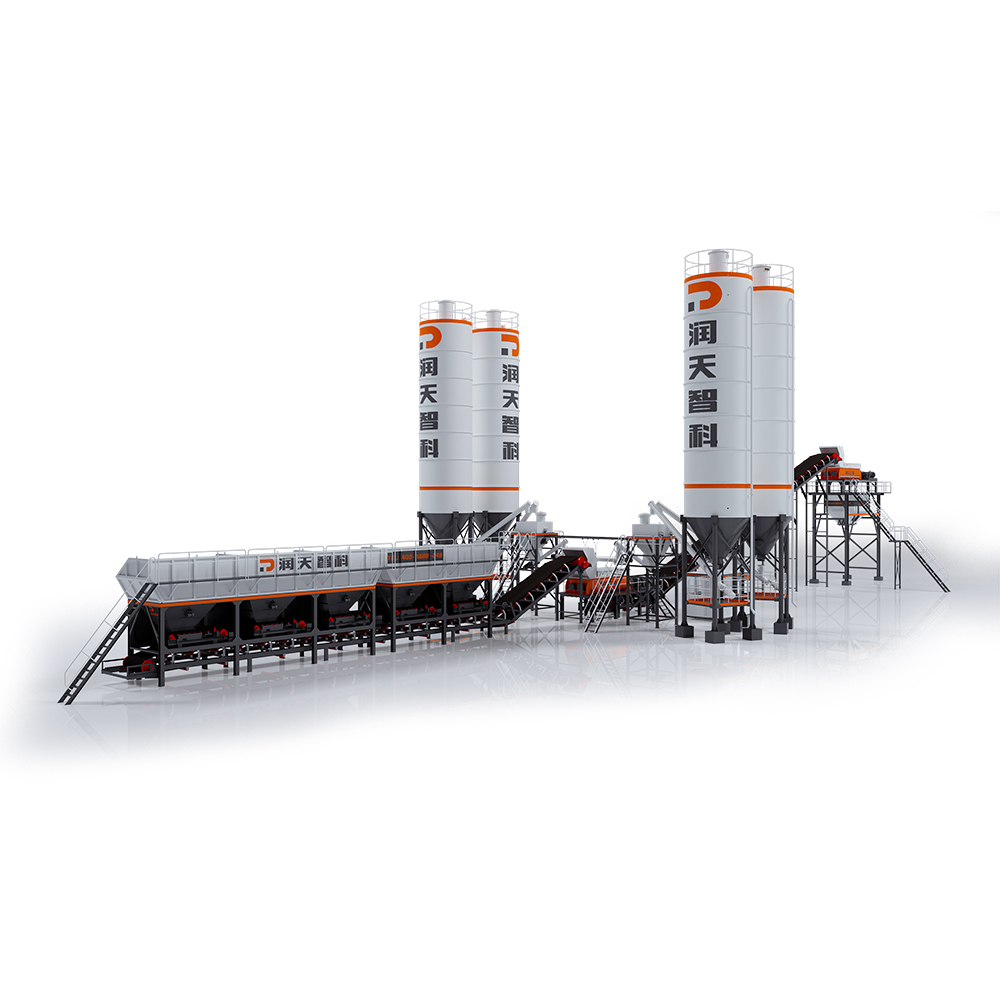 LCB Series Emulsified Asphalt Cold Regeneration Secondary Mixing Plant
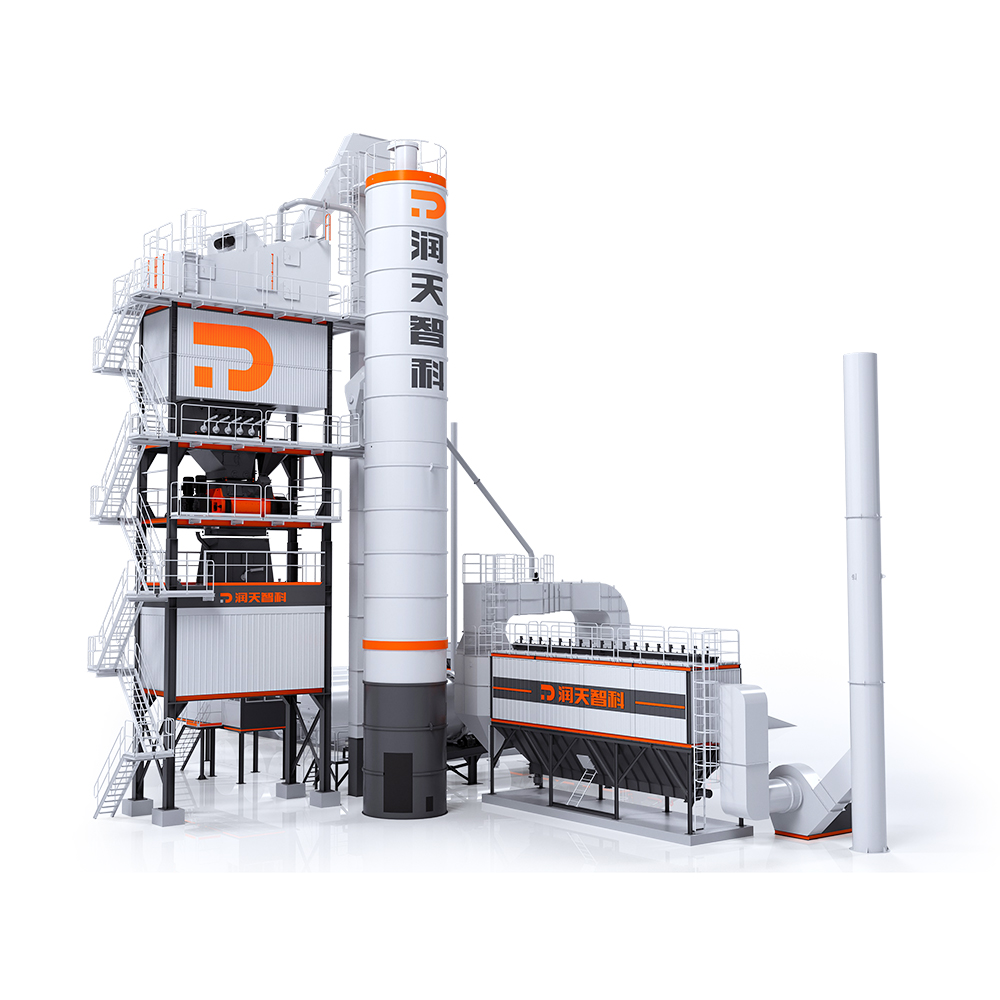 LB Series Asphalt Mixing Plant
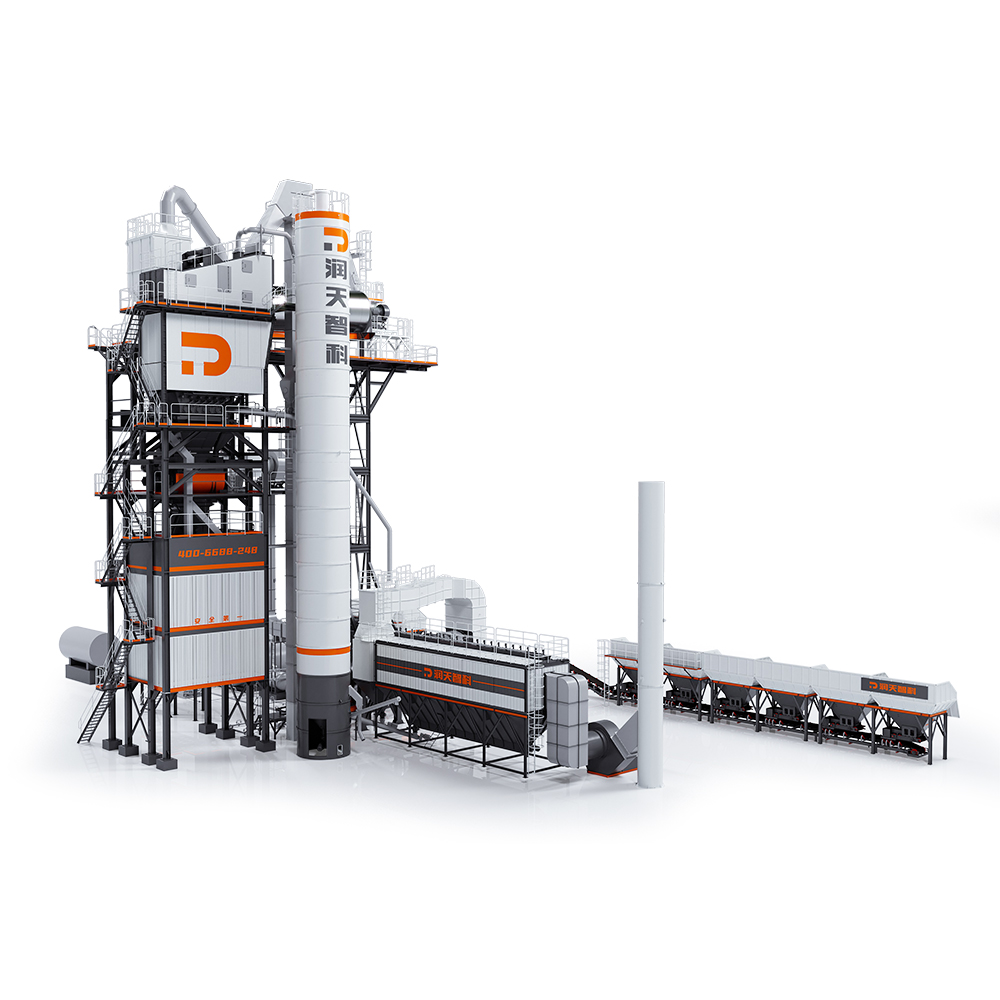 LBR Series Integrated Asphalt Mixing Plant
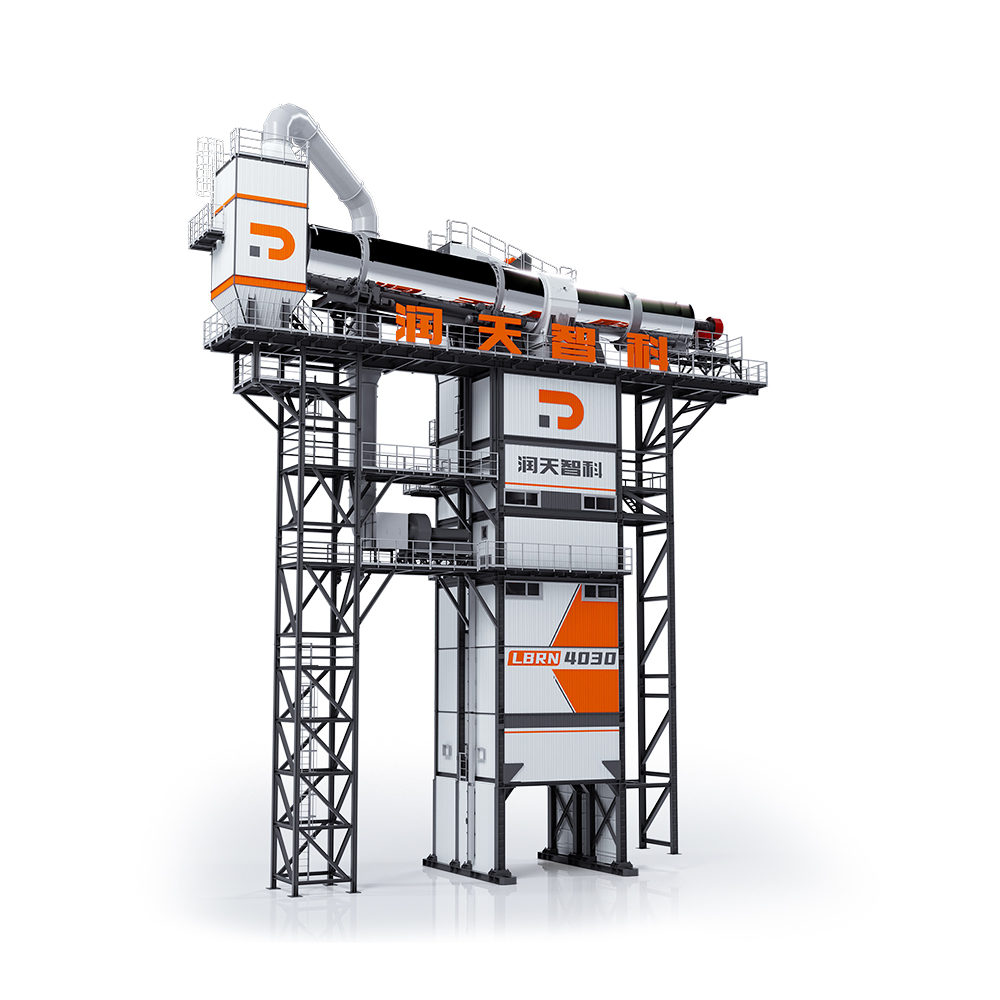 LBRN Series Counterflow Integral Asphalt Mixing Plant
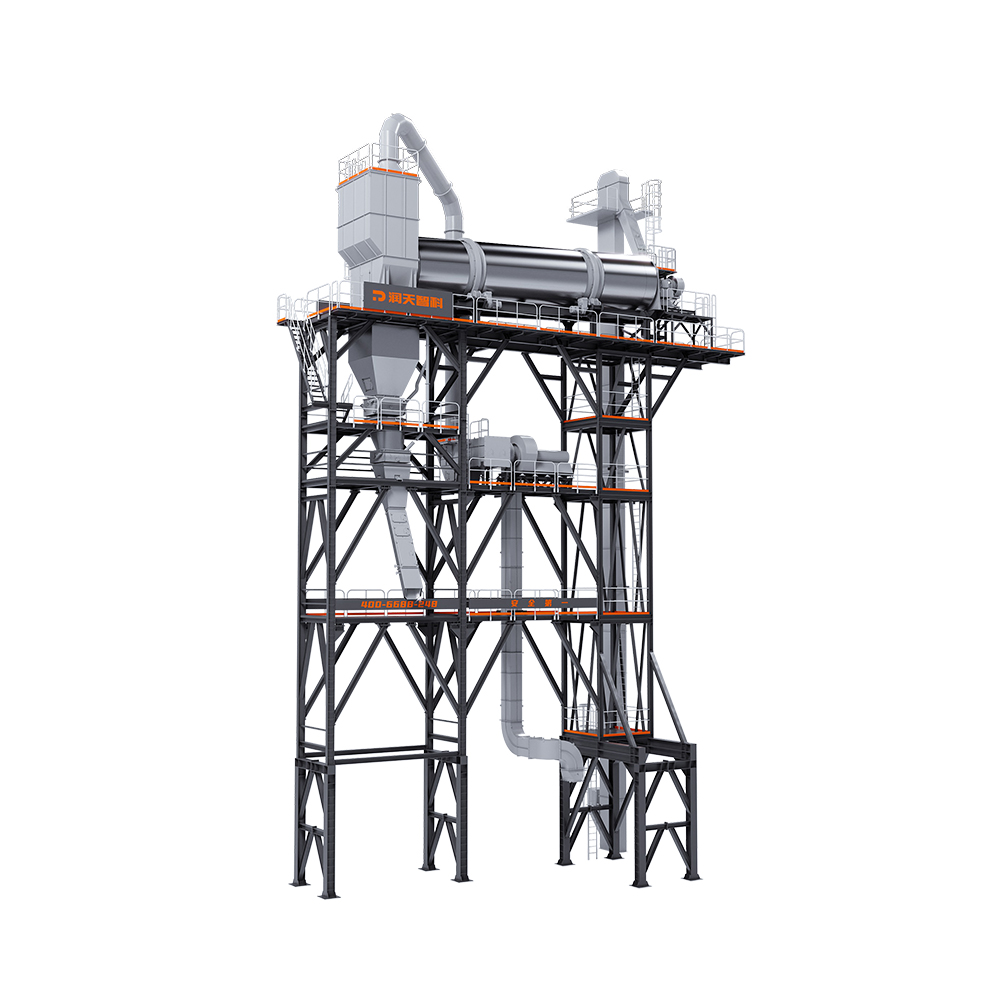 RZS Series Asphalt Mixing Plant
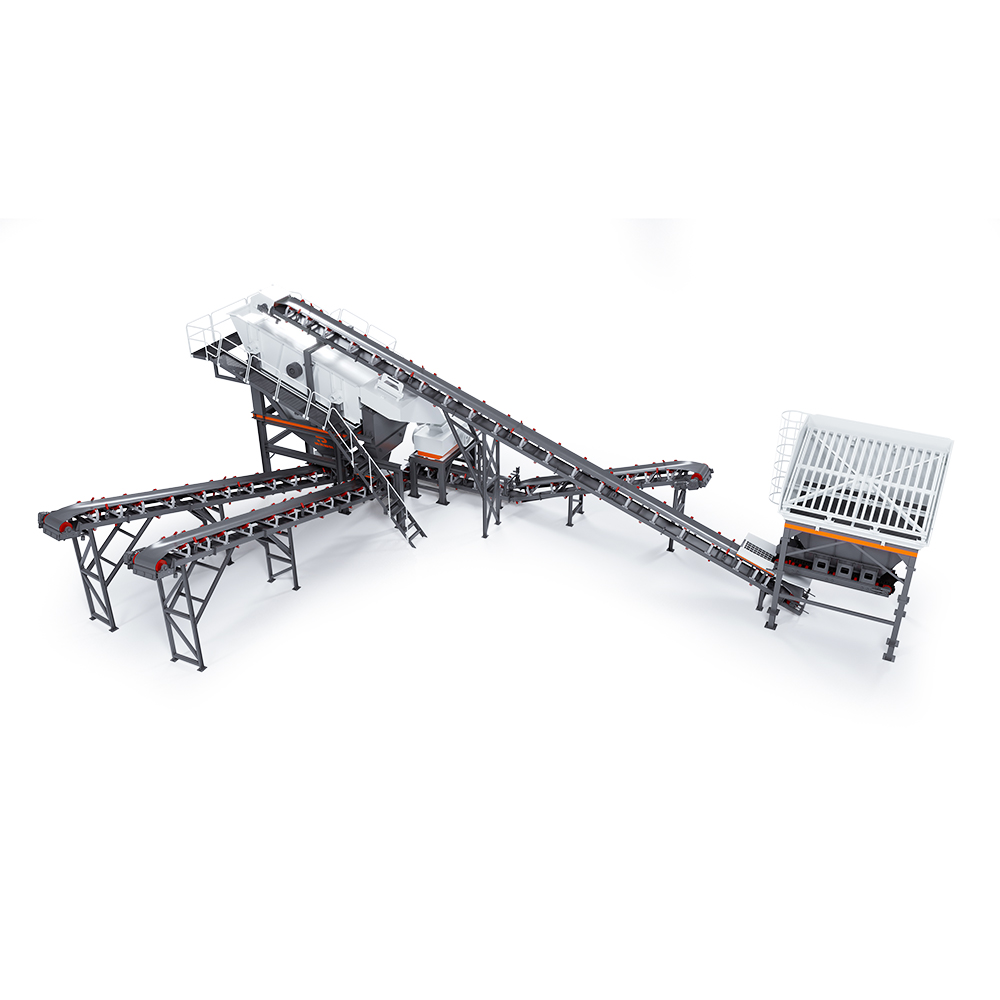 RTZS120 Series RAP Crushing & Screening Plant
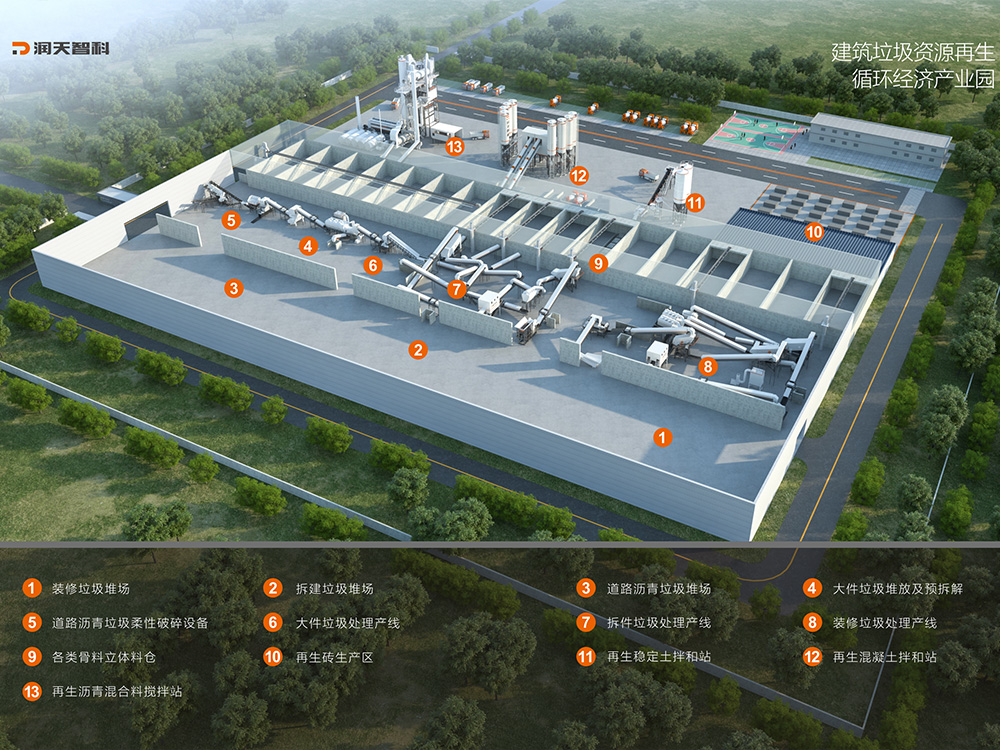 Construction Waste Resourceful Treatment Line