Why Choose a Concrete Mixer for Your Construction Projects?
In the world of construction, efficiency is key. A Concrete Mixer is an essential tool that enhances productivity on job sites. This equipment saves time and ensures consistent mix quality. Consequently, it plays a vital role in creating durable structures.
When considering a Concrete Mixer, it is important to think about your project needs. Different types of mixers are available, each designed for specific tasks. An inexperienced choice can lead to material waste or project delays. Reflecting on past experiences may help improve future decisions regarding mixer selection.
Investing in the right Concrete Mixer can significantly enhance the quality of your construction projects. Proper maintenance and operation also ensure its longevity. Ultimately, making informed decisions is critical. Your construction project's success may depend on it.
Benefits of Using a Concrete Mixer in Construction Projects
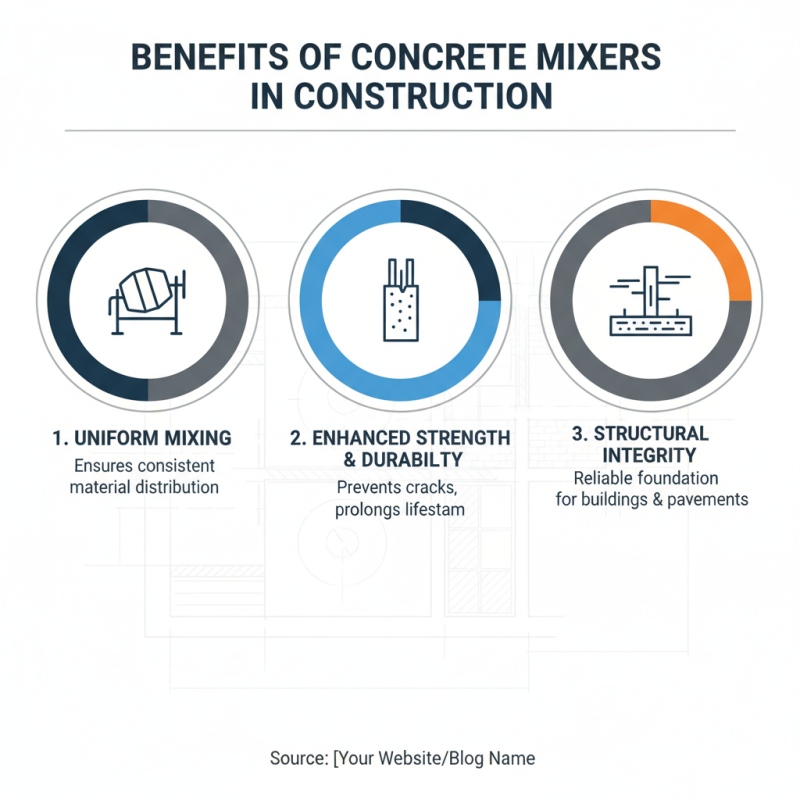
Using a concrete mixer in construction projects offers several significant benefits. For starters, it allows for uniform mixing of materials. Properly mixed concrete achieves higher strength and durability. This is crucial for ensuring structural integrity in buildings and pavements. A consistent mixture can prevent issues like cracking or weakening over time.
Another advantage is the increased efficiency in project timelines. Mixing concrete manually can be time-consuming and labor-intensive. A concrete mixer not only speeds up the mixing process but also reduces physical strain on workers. This improved productivity often leads to project completion ahead of schedule.
However, using a concrete mixer is not without challenges. Maintenance and operation require skilled personnel to ensure safety and effectiveness. Mismanagement can lead to improper mixtures, causing potential delays. Continuous education on equipment handling is essential to mitigate these risks. Investing time in training enhances overall project quality and worker safety.
Types of Concrete Mixers Available for Different Needs
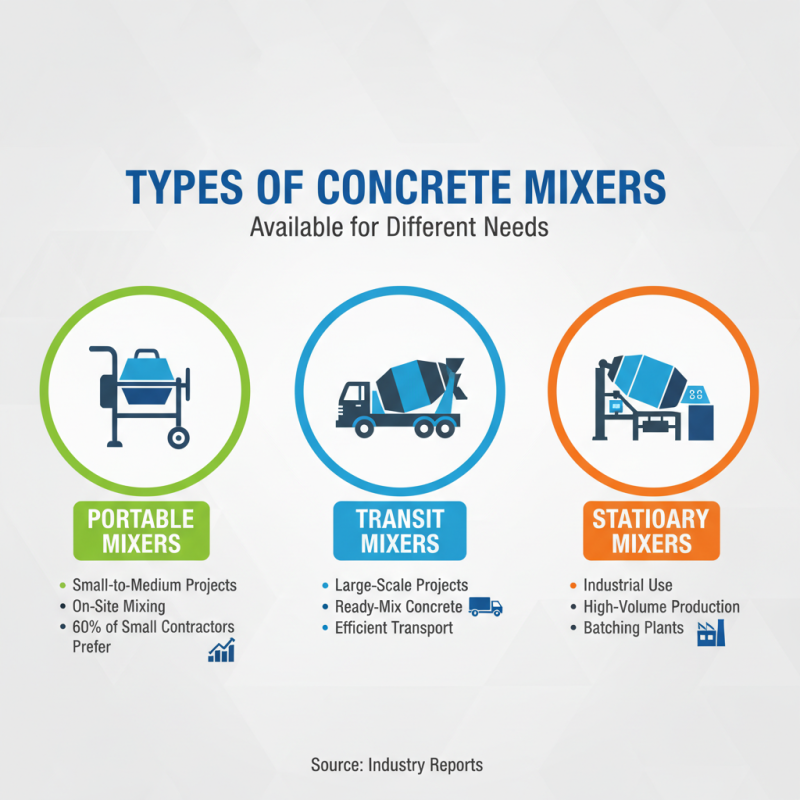
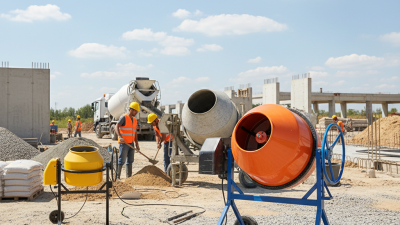
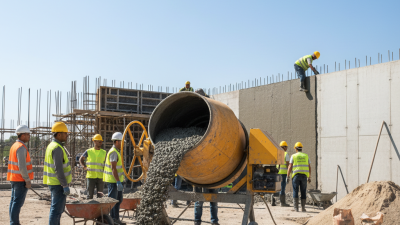
When selecting a concrete mixer, understanding the types available can greatly enhance project efficiency. Concrete mixers fall into several categories, each designed with specific tasks in mind. For instance, portable mixers are widely used for small to medium-sized projects. They can effortlessly mix concrete on-site. According to industry reports, about 60% of small contractors prefer portable mixers due to their convenience.
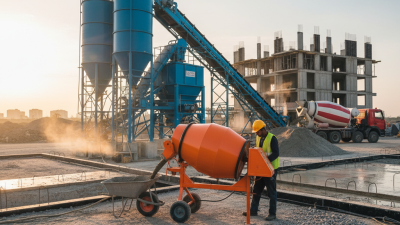
Stationary concrete mixers serve larger projects. They provide continuous mixing capabilities, which is crucial for high-volume requirements. Research indicates that these mixers can increase productivity by up to 20% in commercial applications. However, a potential drawback is their installation cost and space requirements, which may not suit every construction site.
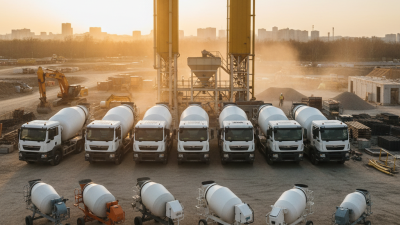
Transit mixers are another viable option. They are mounted on trucks and ensure the concrete remains fresh during transit. A 2022 survey noted that around 40% of construction managers favored transit mixers for their ability to supply concrete to remote locations. Yet, the reliability of this transport method can fluctuate depending on traffic conditions, which is a critical consideration. Understanding these options helps in making informed decisions tailored to specific construction needs.
Factors to Consider When Choosing a Concrete Mixer
When selecting a concrete mixer, several factors come into play. The size of the project often dictates the type of mixer required. For smaller jobs, a portable mixer can provide flexibility. Larger projects may necessitate more robust, industrial-grade mixers. It’s crucial to match the mixer’s capacity with your project’s concrete volume.
Power source is another essential consideration. Electric mixers are generally quieter and easier to maintain. However, gas-powered mixers may be more efficient on remote sites. Assess your work environment to determine the best option.
Tips: Always check the mixer’s speed settings. A slower speed can enhance quality for mix designs that need special attention. Consider the materials you’ll use and ensure the mixer is appropriate for those. Finally, read user reviews to understand real-world performance and reliability issues with specific models. These insights can guide you in making an informed choice.
Concrete Mixer Selection Factors
This chart illustrates the key factors to consider when selecting a concrete mixer for construction projects. Each factor is rated on an importance scale from 1 to 10, reflecting how crucial they are in making an informed decision.
Cost-Effectiveness of Concrete Mixers for Construction Sites
Concrete mixers play a vital role in construction projects, particularly when it comes to cost-effectiveness. They provide a dependable solution for creating the right mix of concrete on-site. This reduces the need for transporting ready-mixed concrete, which can be expensive. By prepping materials at the construction site, businesses can cut down on transportation costs significantly.
Using a concrete mixer allows for better budgeting. You're buying raw materials, not prepared mixes, which can be pricier. Control over the mixing process means there's less waste. You can make smaller batches tailored to specific tasks, preventing excess. However, there is a learning curve. Some workers may not be familiar with using these machines, which could lead to mistakes initially.
On a construction site, time is money. A concrete mixer speeds up the production process. However, if improperly managed, it can cause delays. Misestimating the mix needed can lead to under or over-preparing, causing disruptions. It's essential to train staff properly and understand your project’s needs. Proper planning is crucial to reap the full benefits while avoiding pitfalls.
Why Choose a Concrete Mixer for Your Construction Projects? - Cost-Effectiveness of Concrete Mixers for Construction Sites
| Feature |
Benefit |
Cost-Saving Potential (%) |
| Increased Efficiency |
Faster mixing times lead to quicker project completion. |
20% |
| Quality Control |
Consistent mix quality reduces material waste. |
15% |
| Reduction in Labor Costs |
Less manual labor required for mixing. |
25% |
| Versatility |
Can handle various types of concrete mixes for different projects. |
10% |
| Durability |
Built to withstand heavy usage, reducing maintenance costs. |
18% |
Maintenance and Care Tips for Optimal Mixer Performance
Concrete mixers are essential in construction, providing efficiency and uniformity. However, to achieve optimal performance, regular maintenance and care are crucial. One study indicates that improper mixer care can reduce lifespan by up to 30%. Such statistics highlight the importance of preventive measures.
Routine checks should include inspection of the drum, belts, and paddles. Lubrication of moving parts prevents wear and tear. Researchers suggest greasing these components every 500 hours of operation. Additionally, cleaning the mixer after every use prevents residual concrete buildup. Neglecting this task can lead to clogs and operational inefficiencies.
Environmental factors also affect mixer performance. Humidity and temperature changes can alter concrete consistency. Regular calibration of the mixer helps maintain desired mix ratios. According to industry reports, calibrating machinery can improve mix quality by 15%. However, many operators overlook this. Ultimately, comprehensive care is essential for longevity and efficiency in construction projects.

 Concrete Mixing Plant
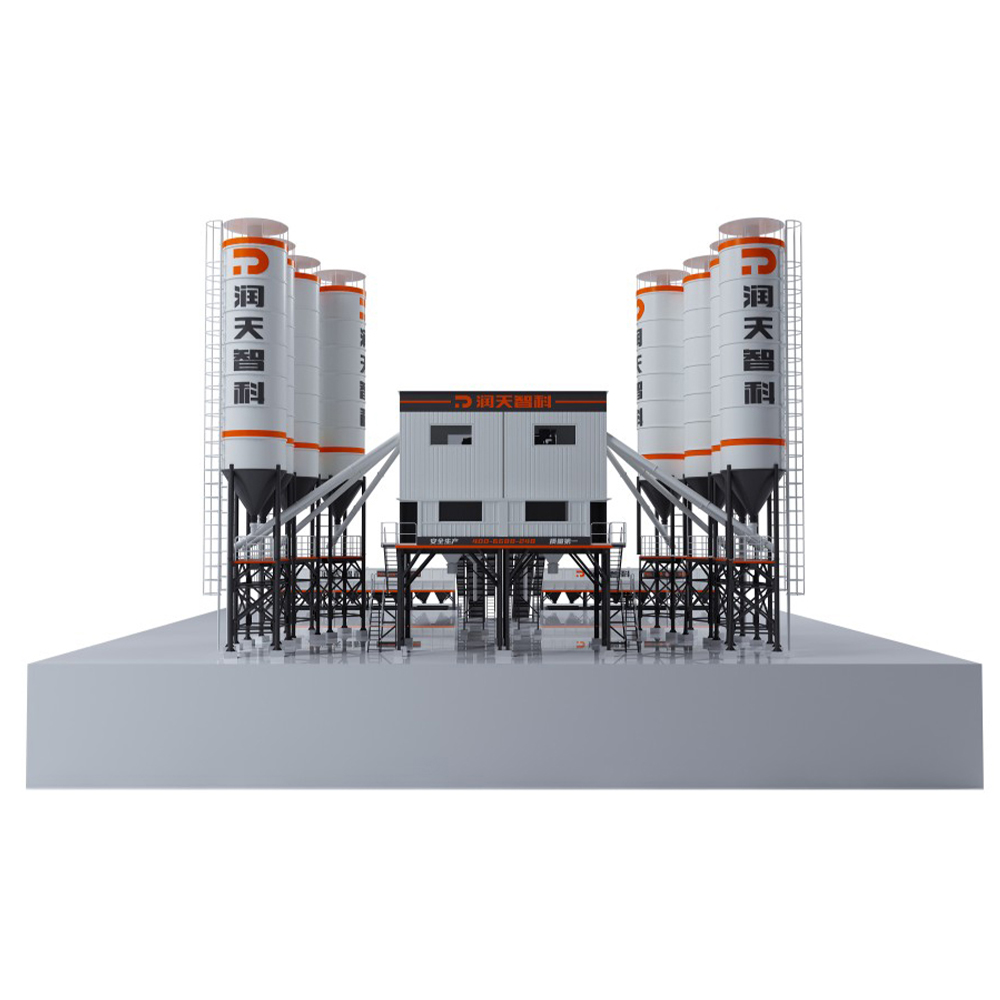 HZS Series Belt Concrete Mixing Plant
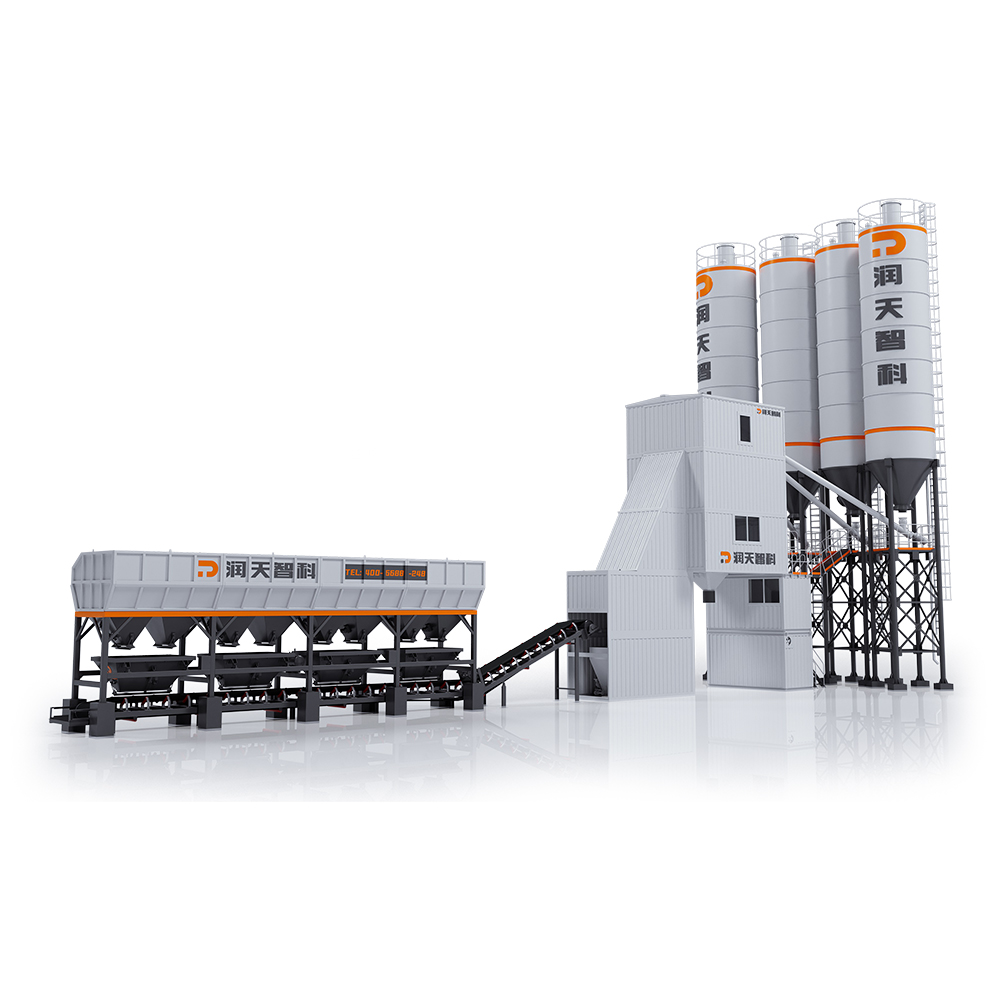 HZS Series Bucket-Lifting Type Container Concrete Mixing Plant
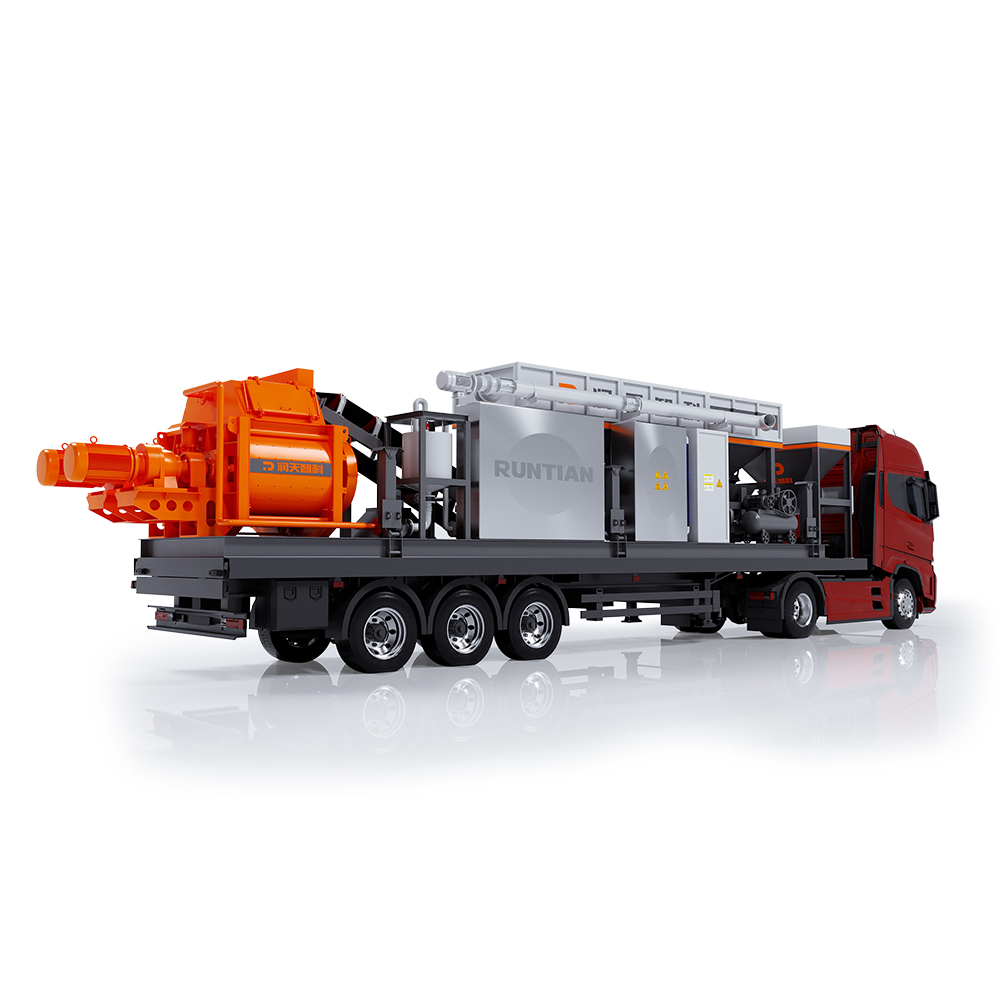 HZS60 Mobile Concrete Mixing Plant
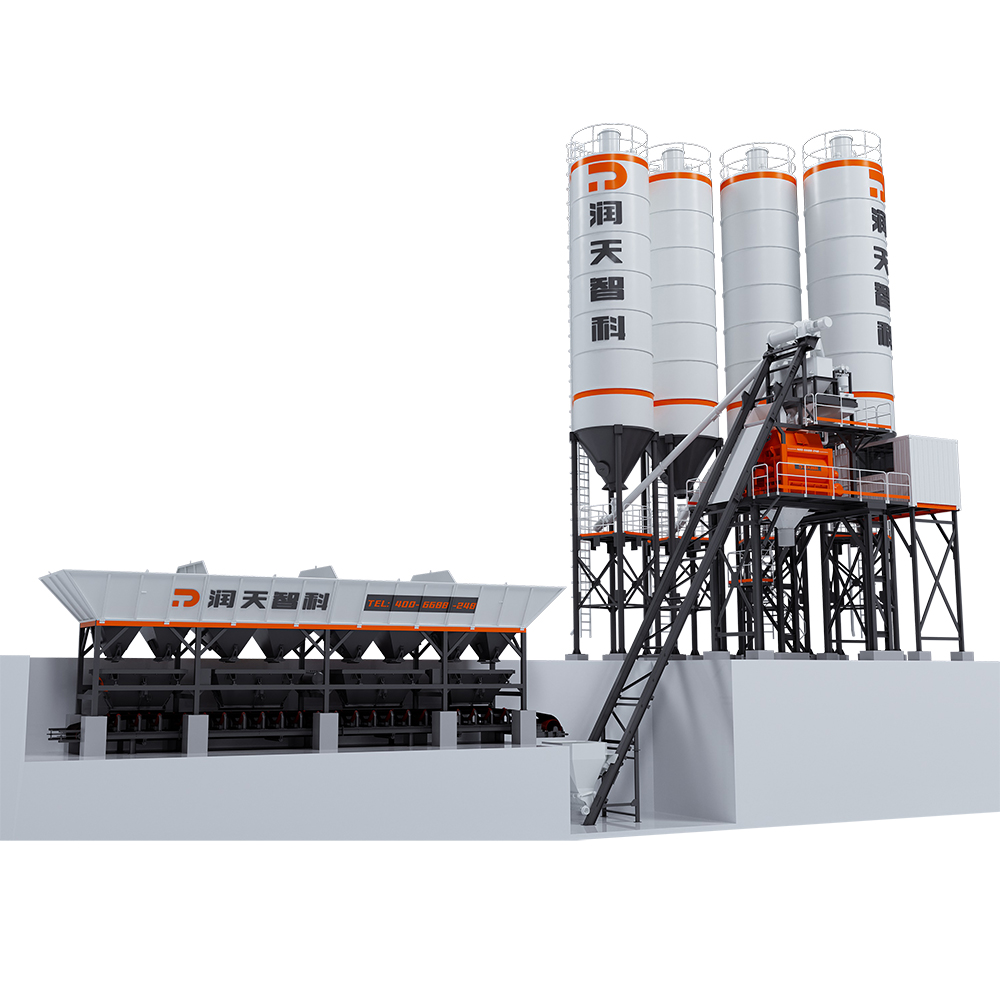 HZS Series Bucket-Lifting Type Concrete Mixing Plant
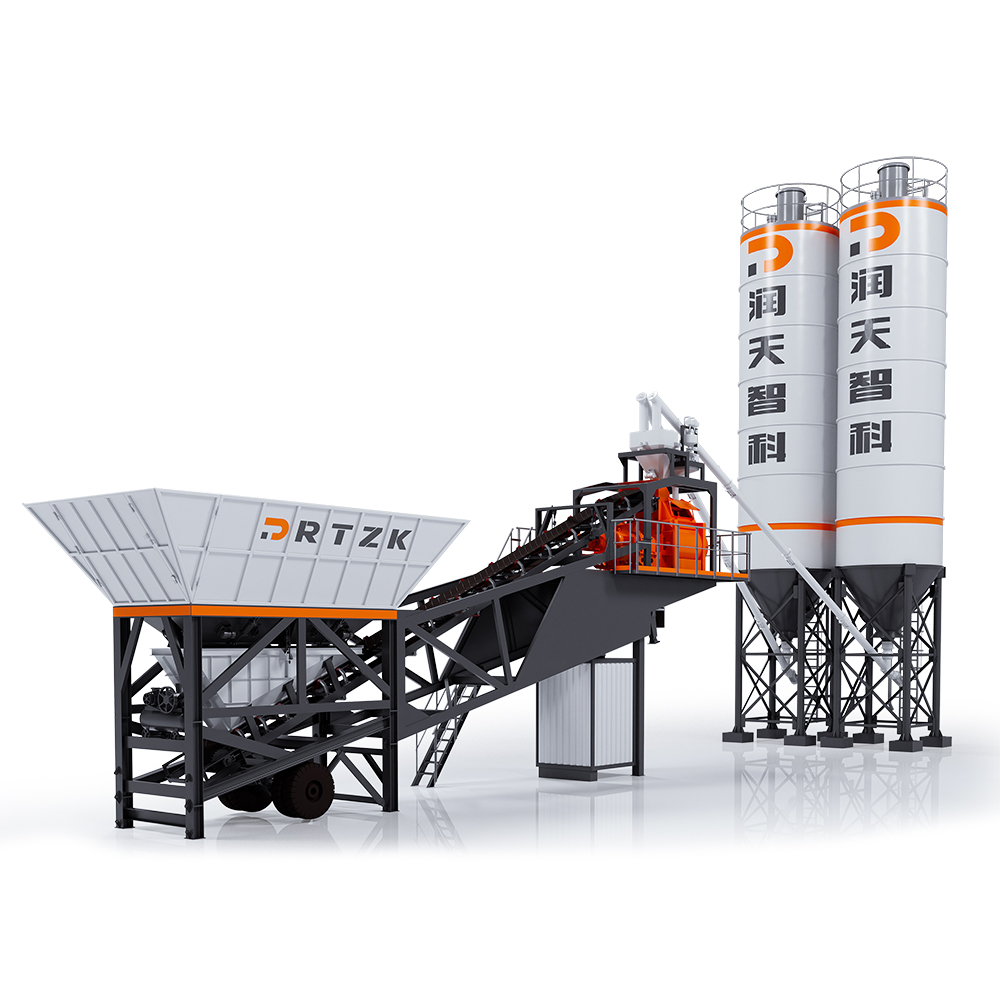 HZS Series Mobile Concrete Mixing Plant
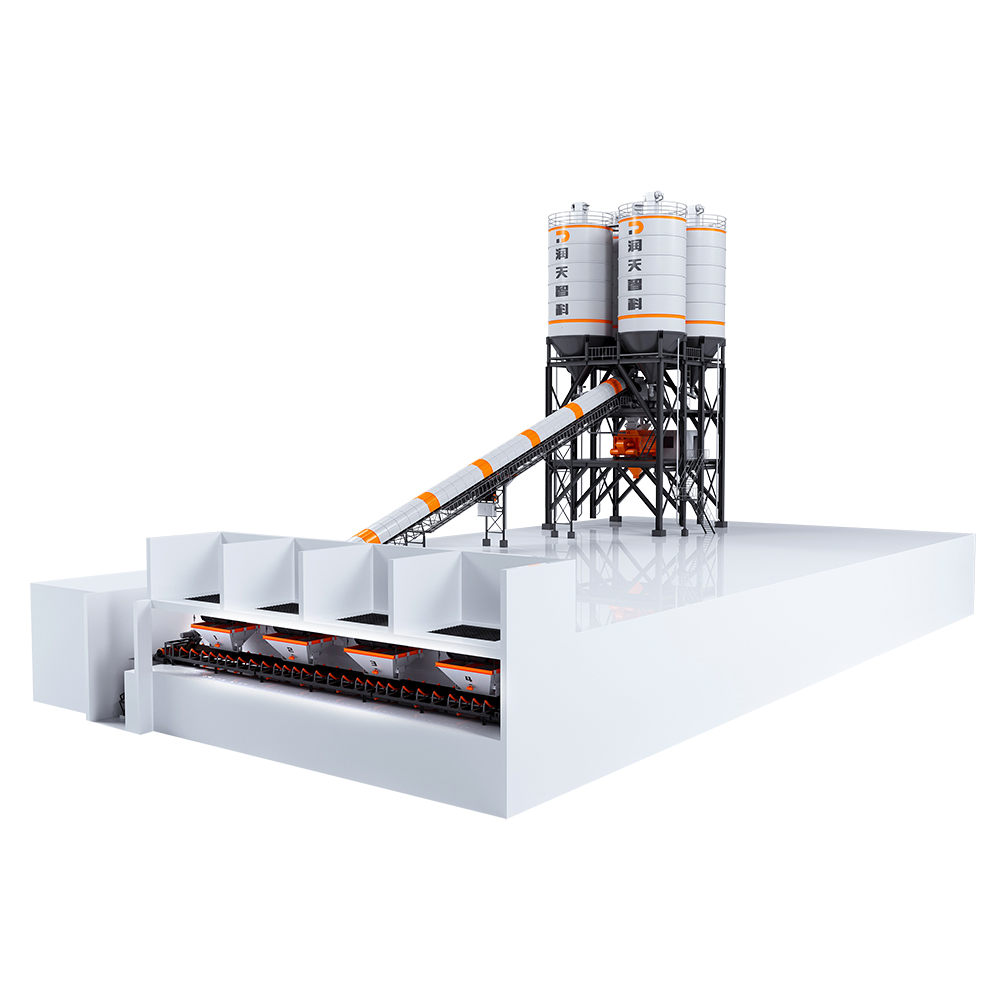 HZS Series Top-Mounted Concrete Mixing plant
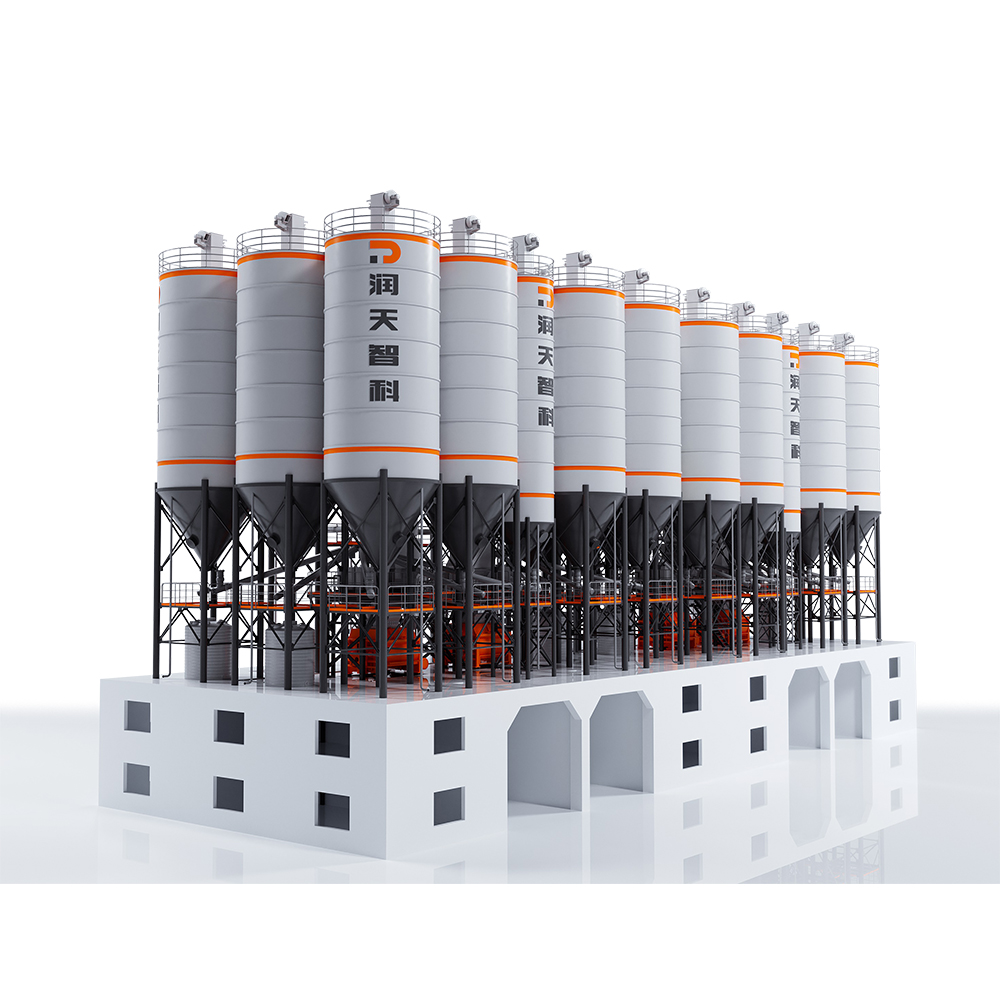 HZS Series Semi-Top Mounted Concrete Mixing Plant
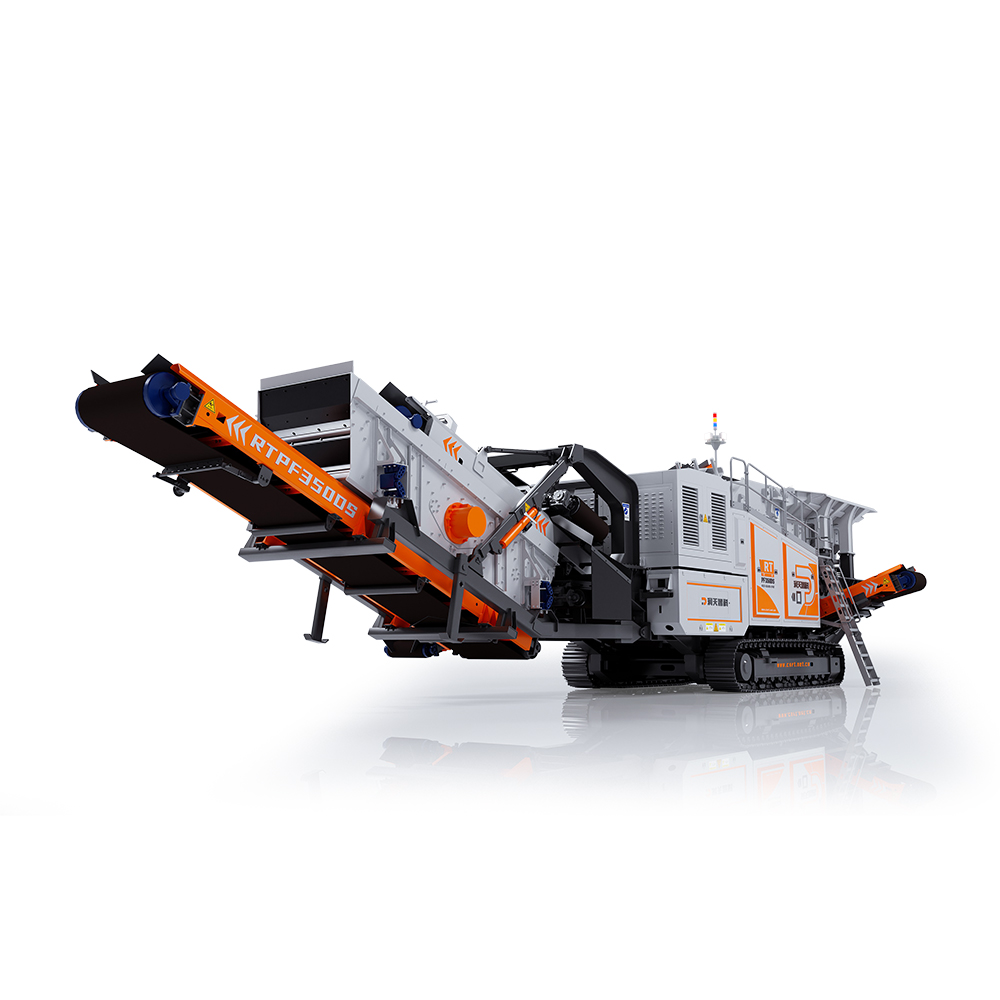 RTPF350DS Crawler Mobile Impact Crushing Plant
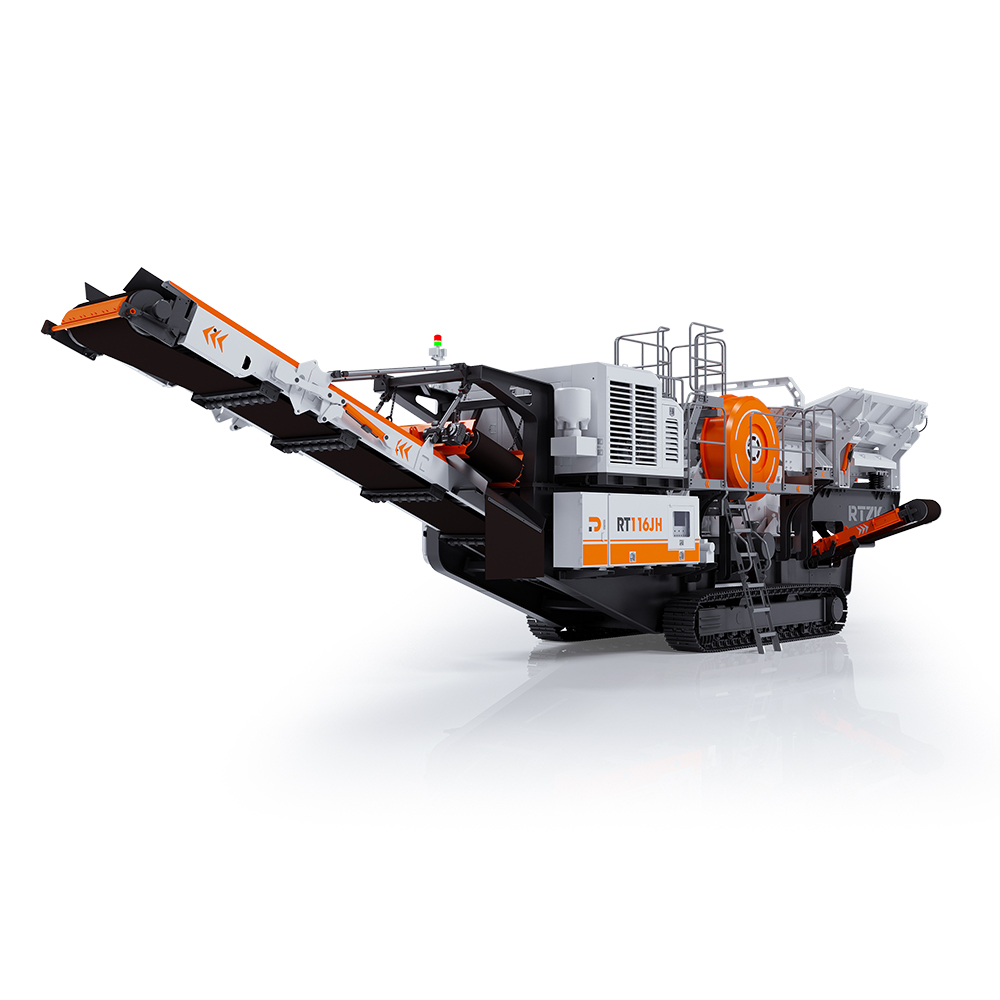 RT116JH Crawler Mobile Jaw Crushing Plant
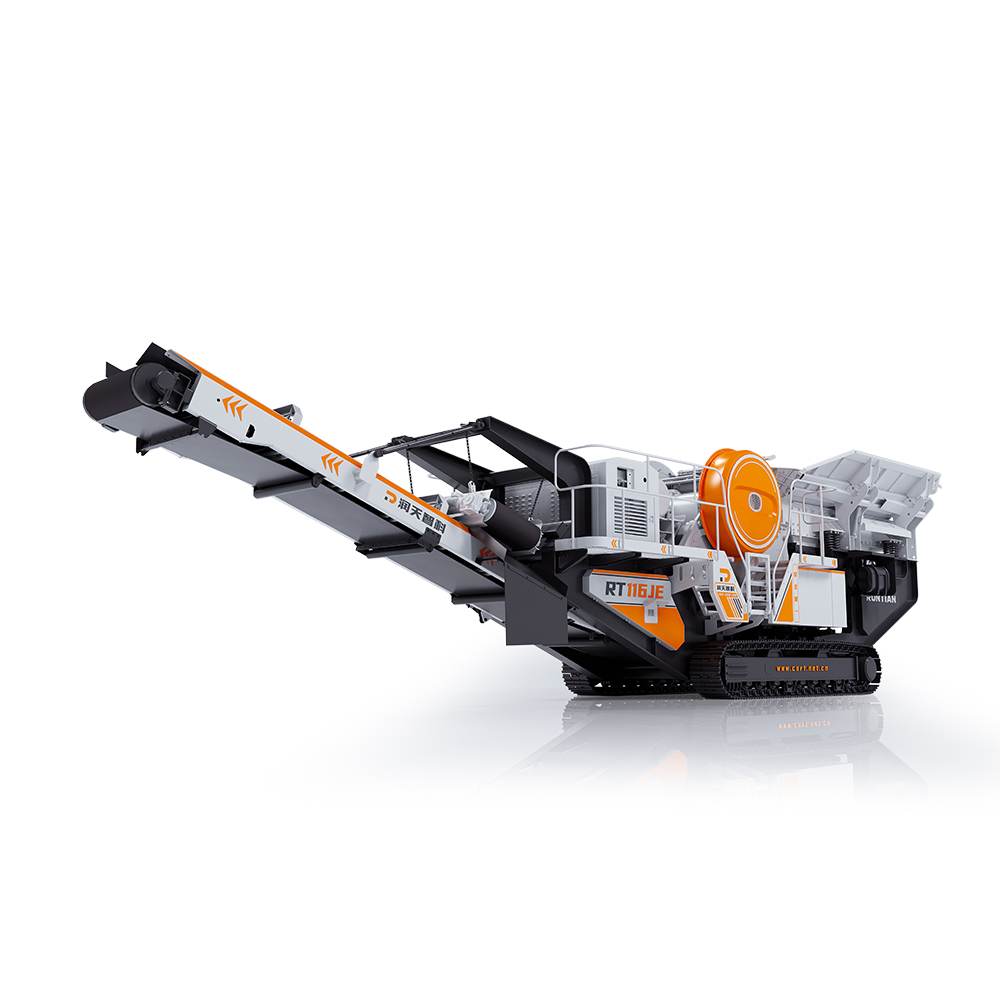 RT116JE Crawler Mobile Jaw Crushing Plant
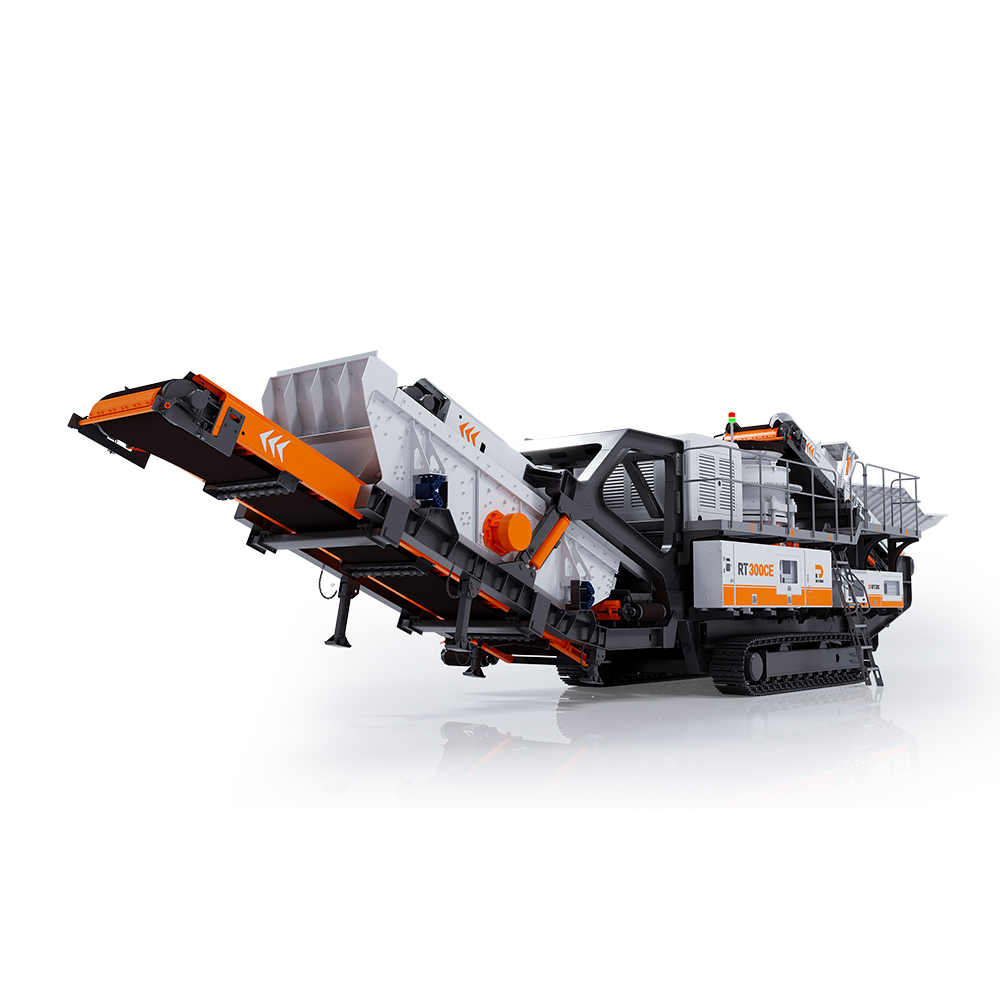 RT300CE Crawler Mobile Cone Crushing Plant
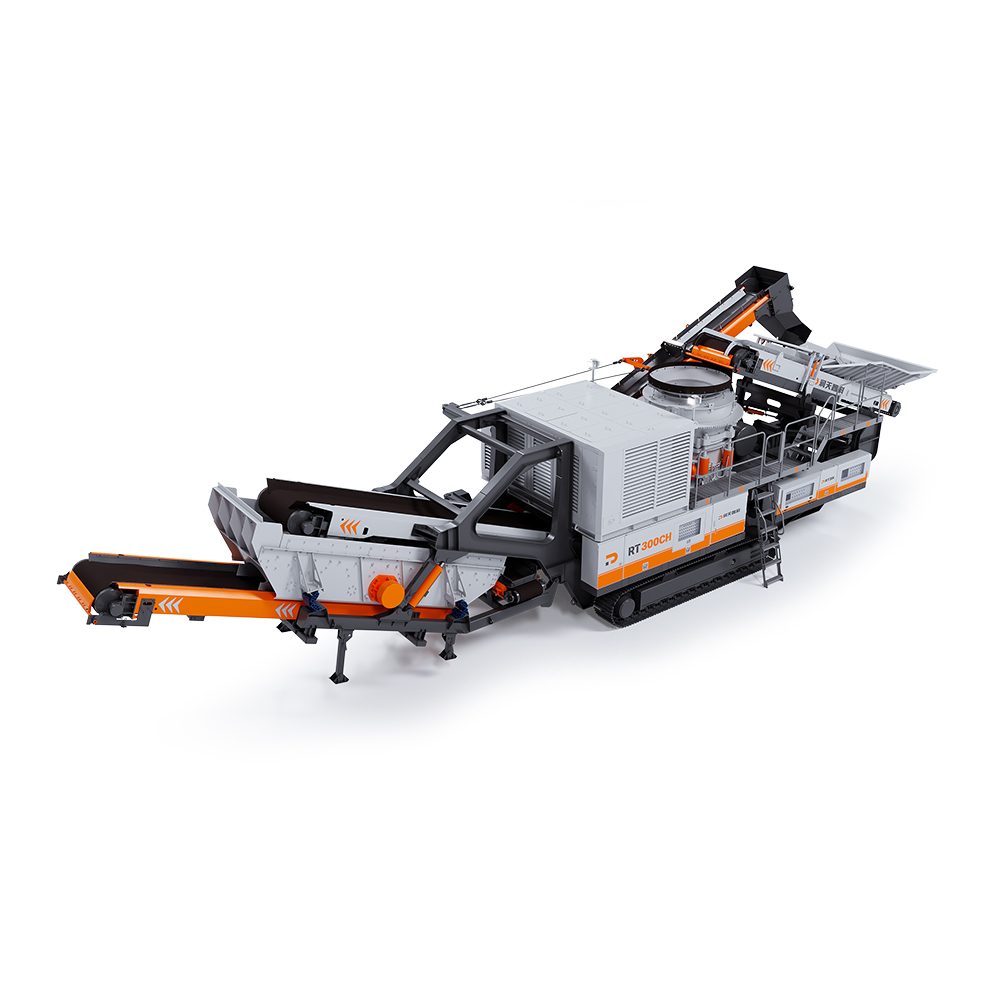 RT300CH Crawler Mobile Cone Crushing Plant
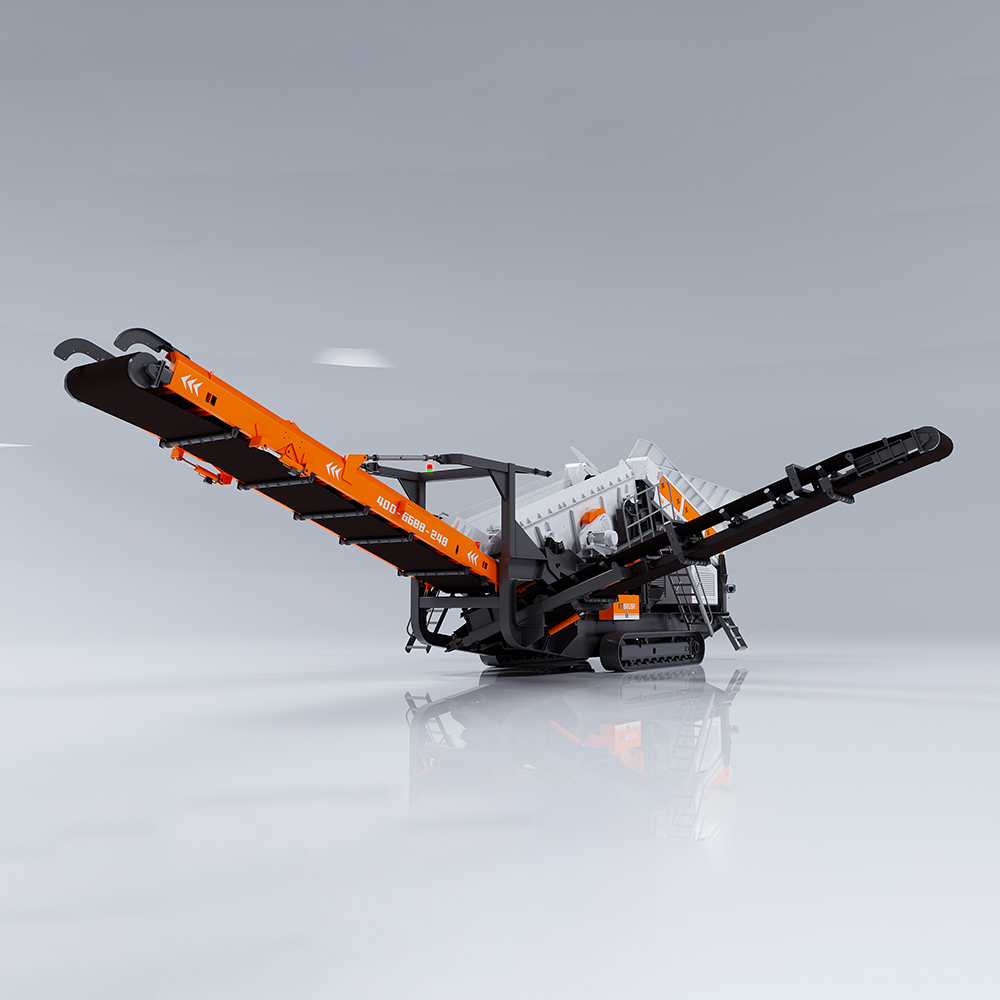 RT5015H Mobile Scalping Screen
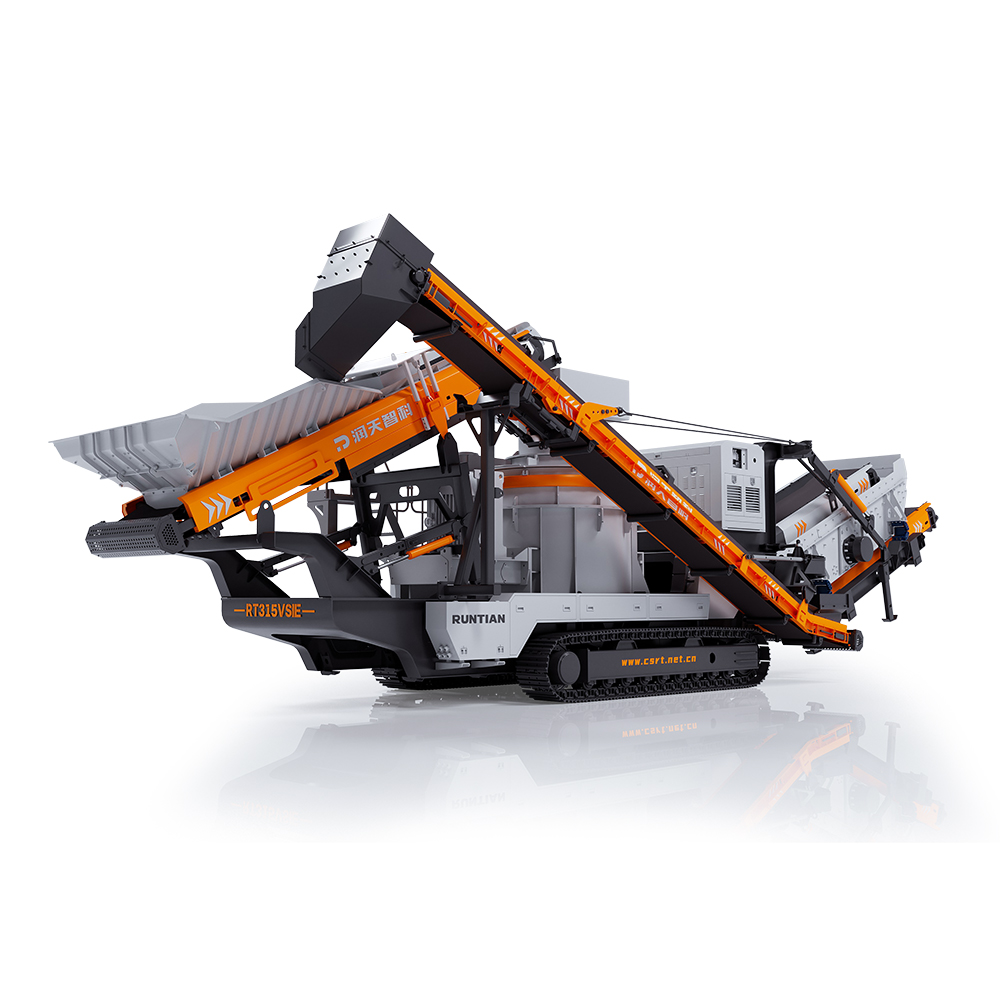 RT315VSIE Crawler Mobile Sand Maker
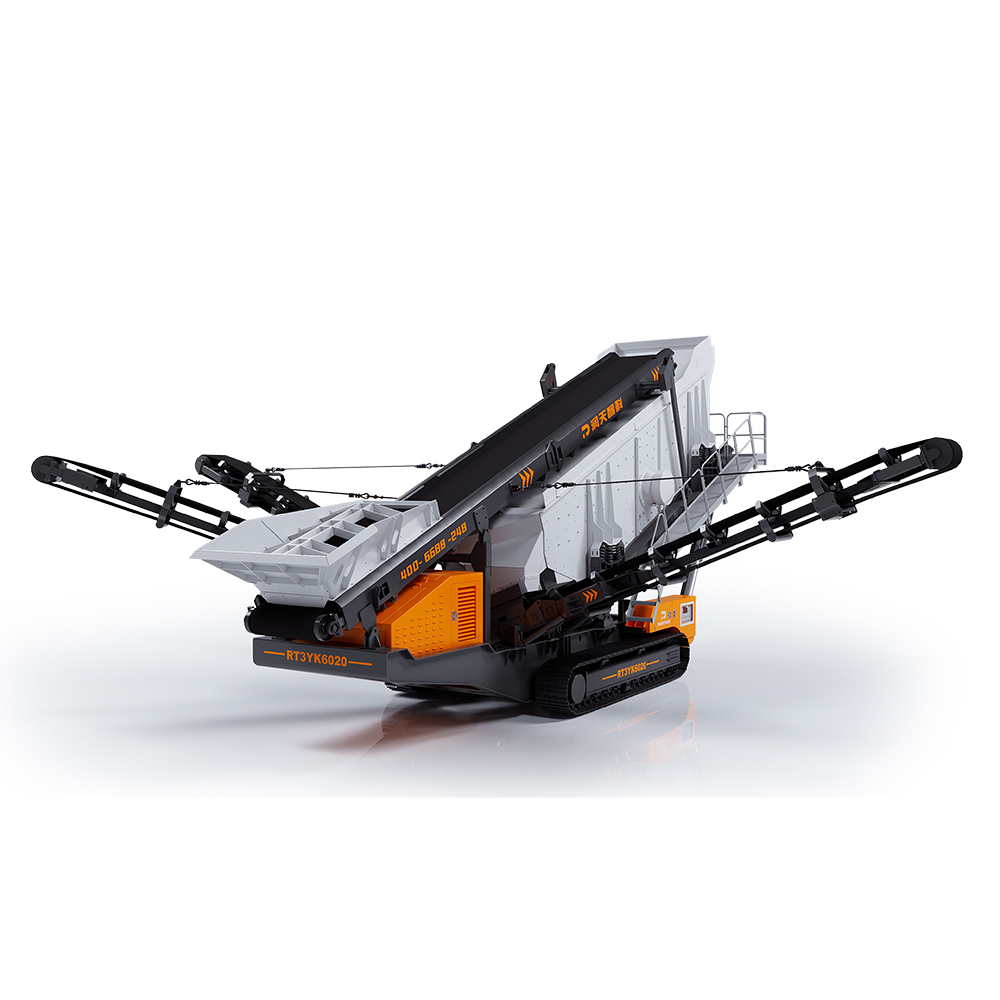 RT3YK6020 Crawler Mobile Screening Plant
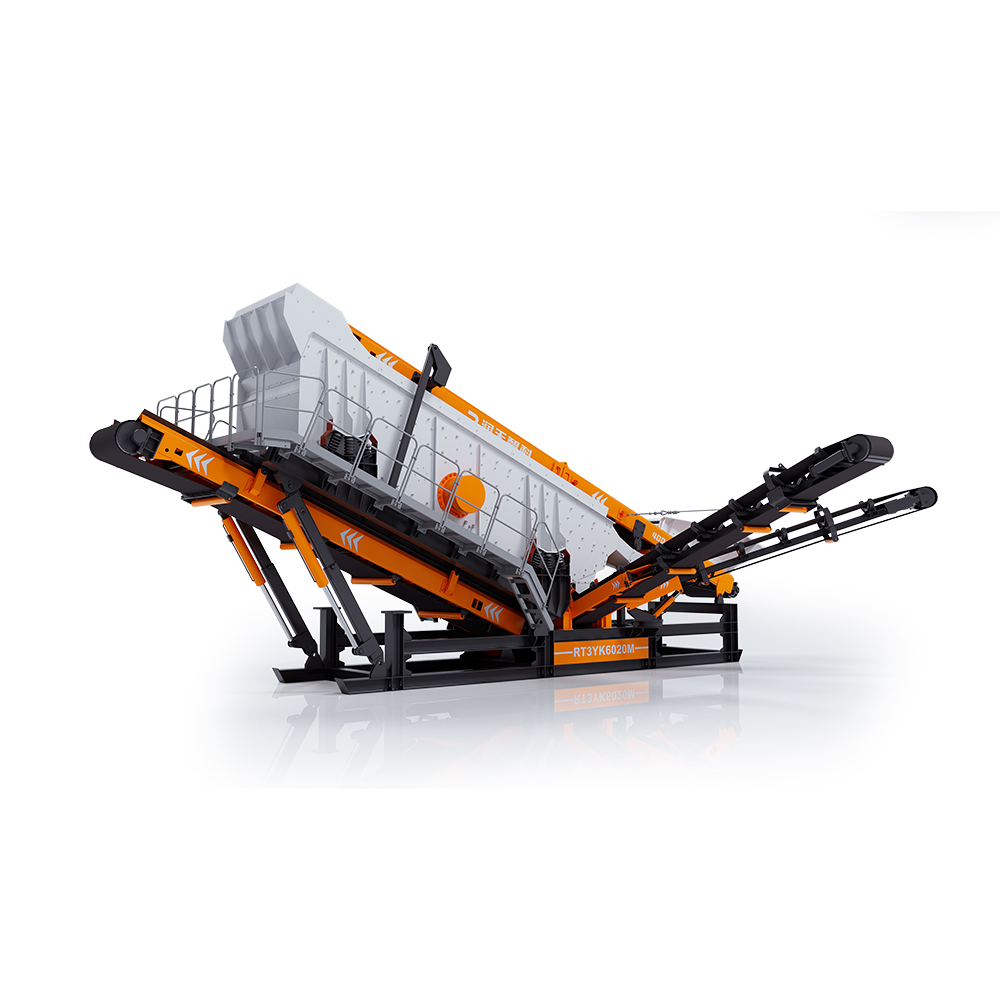 RT3YK6020M Modular Screening Plant
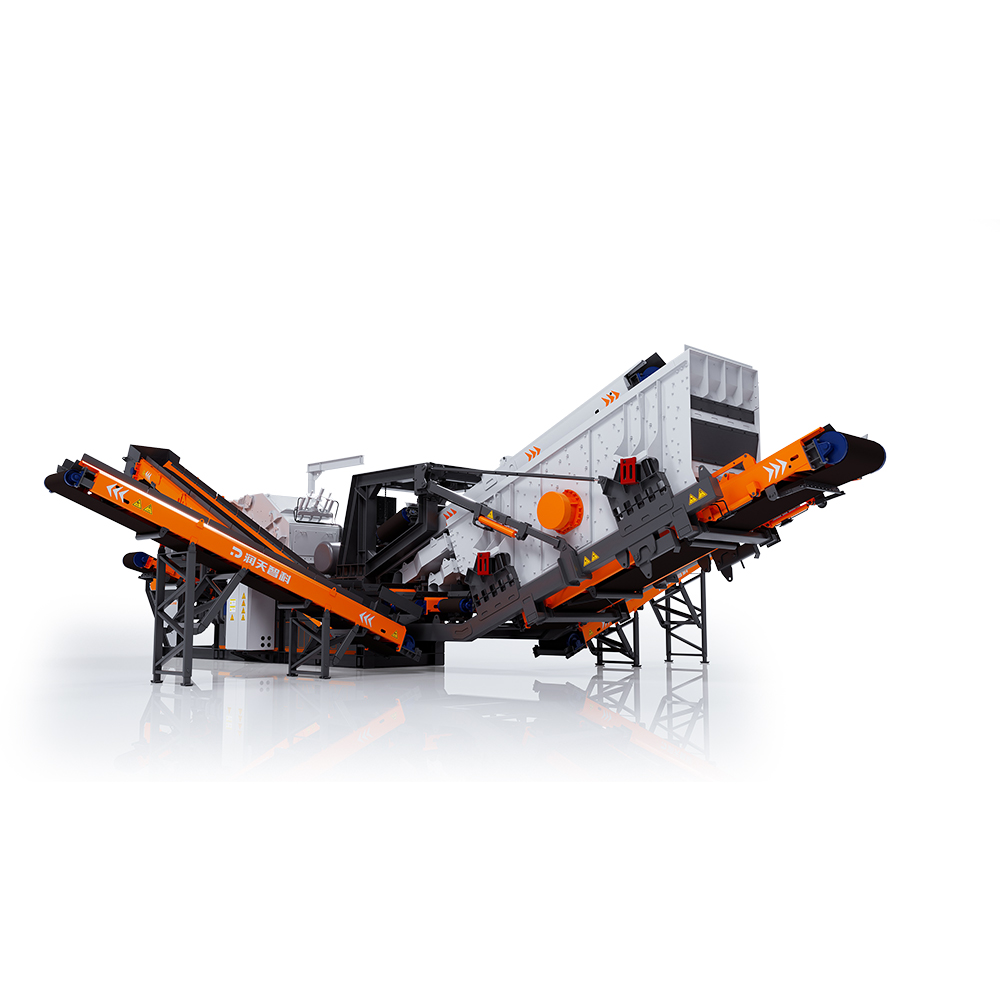 RTF260M Modular Counterattack Crushing and Screening Integrated Machine
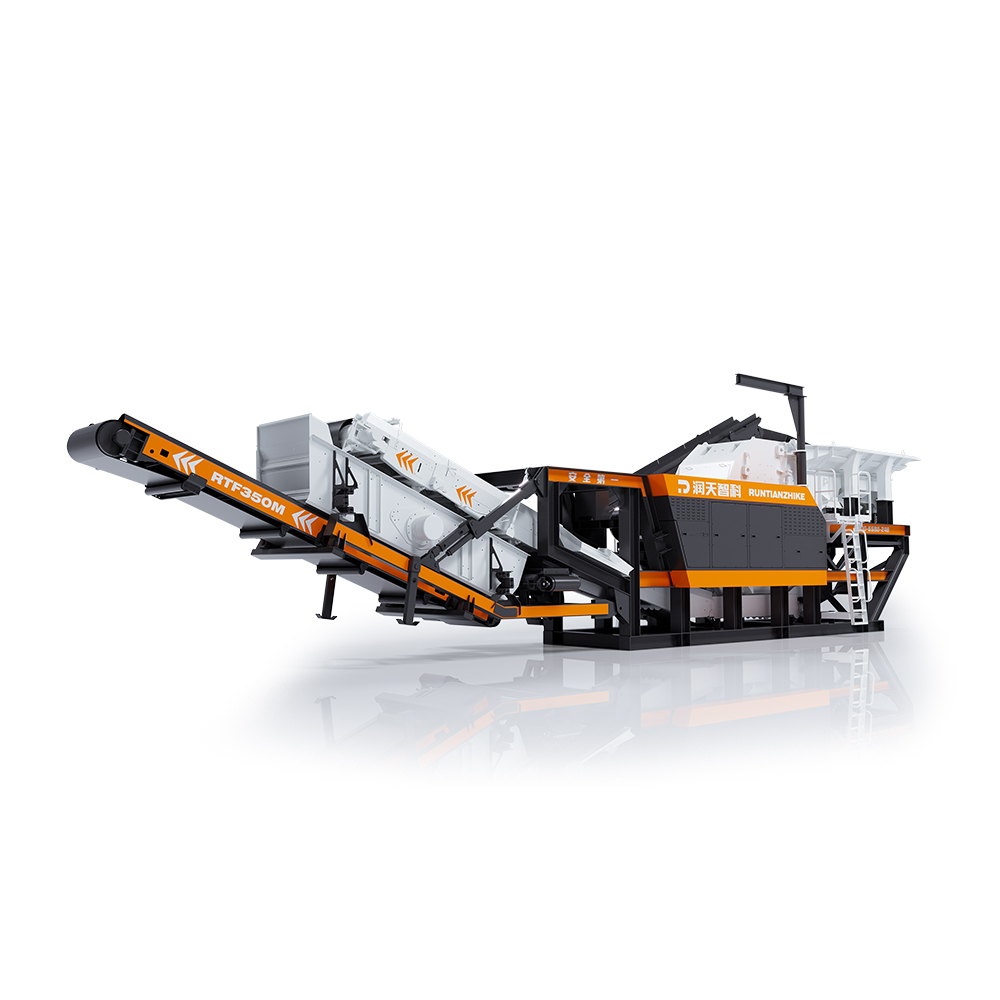 RTF350M Modular Impact Crushing Plant
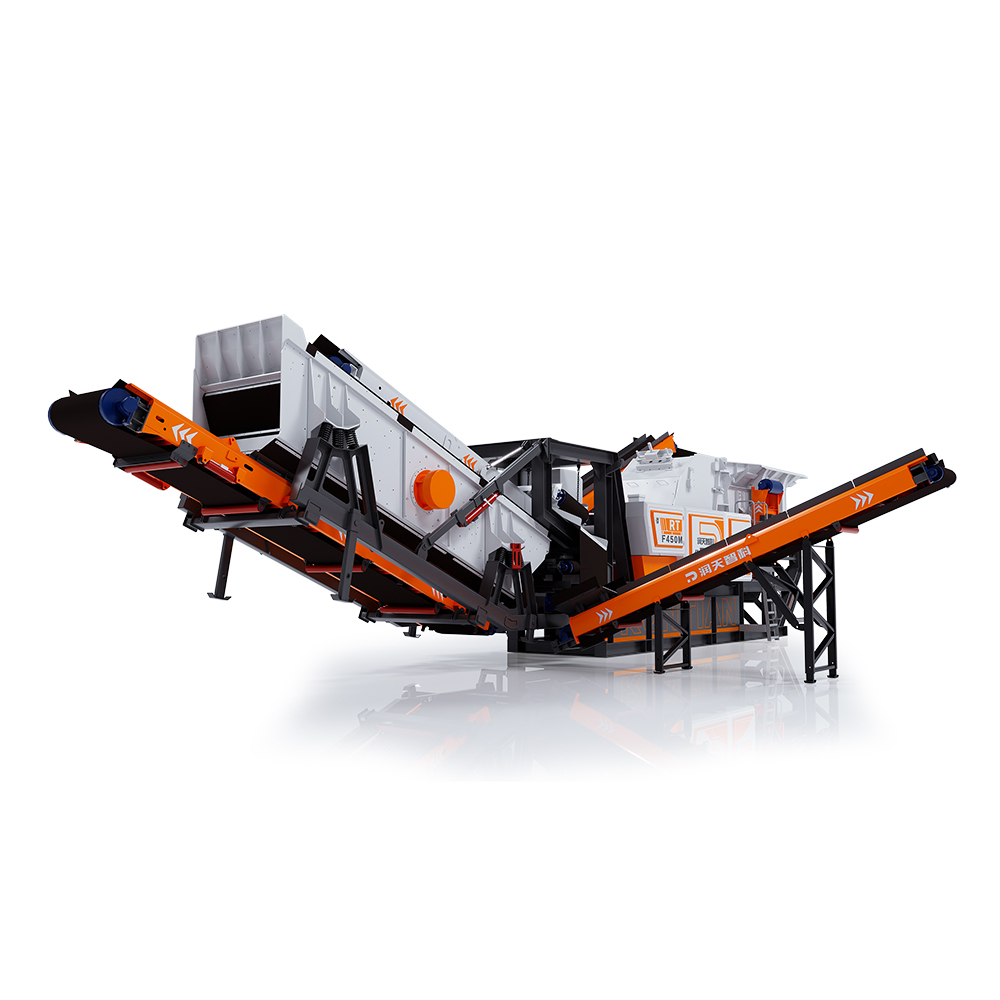 RTF450M Modular Impact Crushing Plant
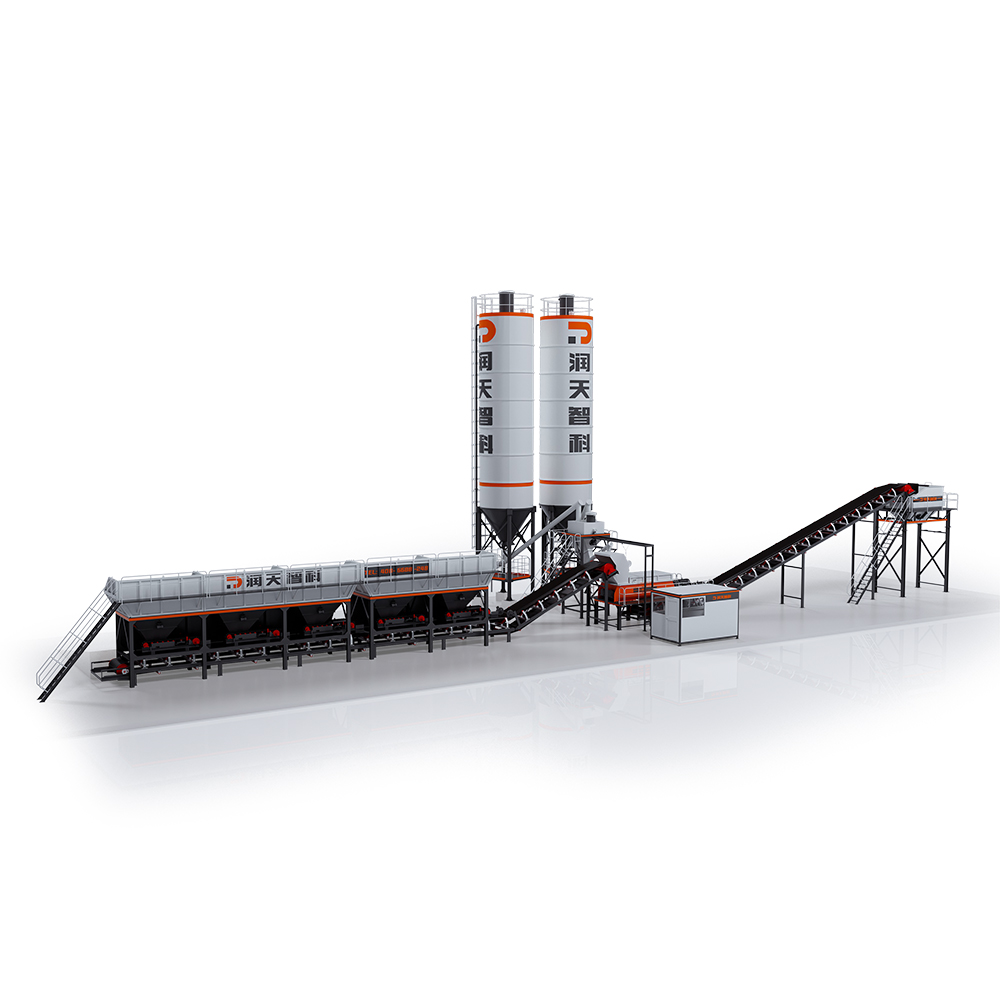 WDB Series Foundation-Free Stability Soil Mixing Plant
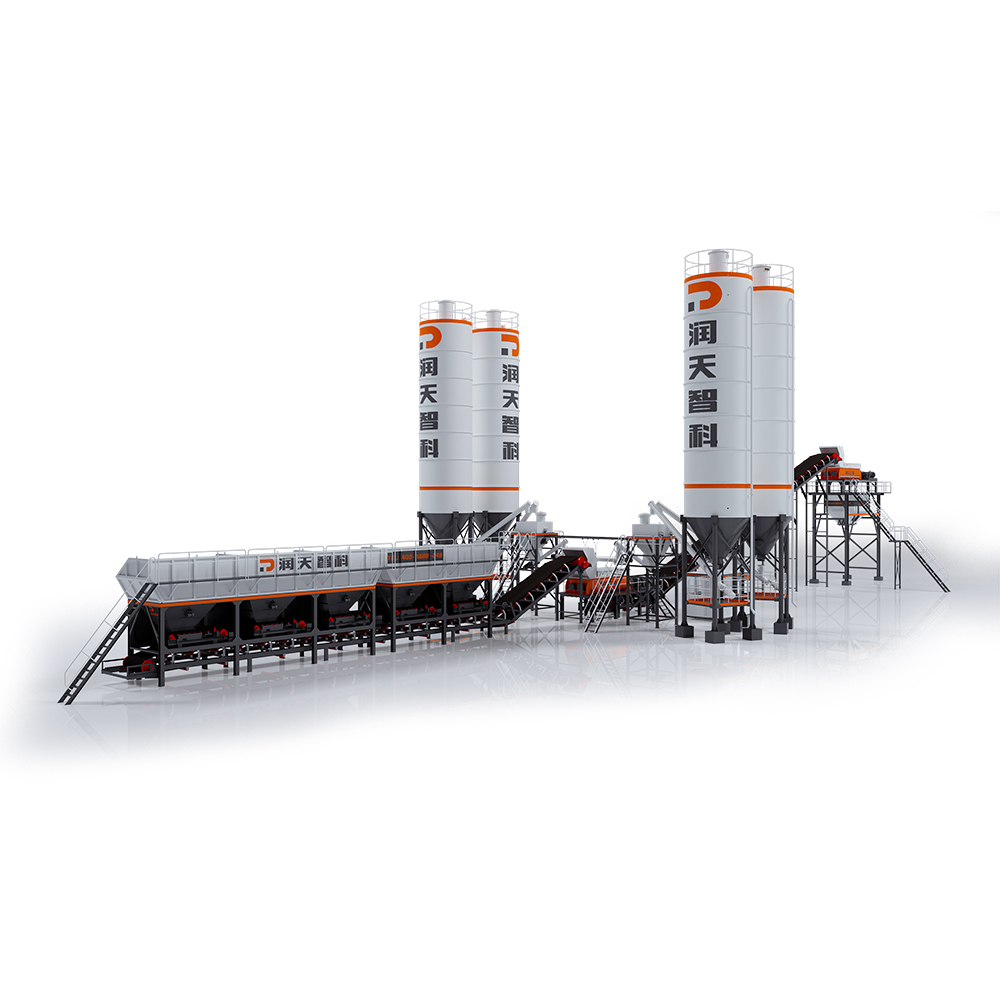 LCB Series Emulsified Asphalt Cold Regeneration Secondary Mixing Plant
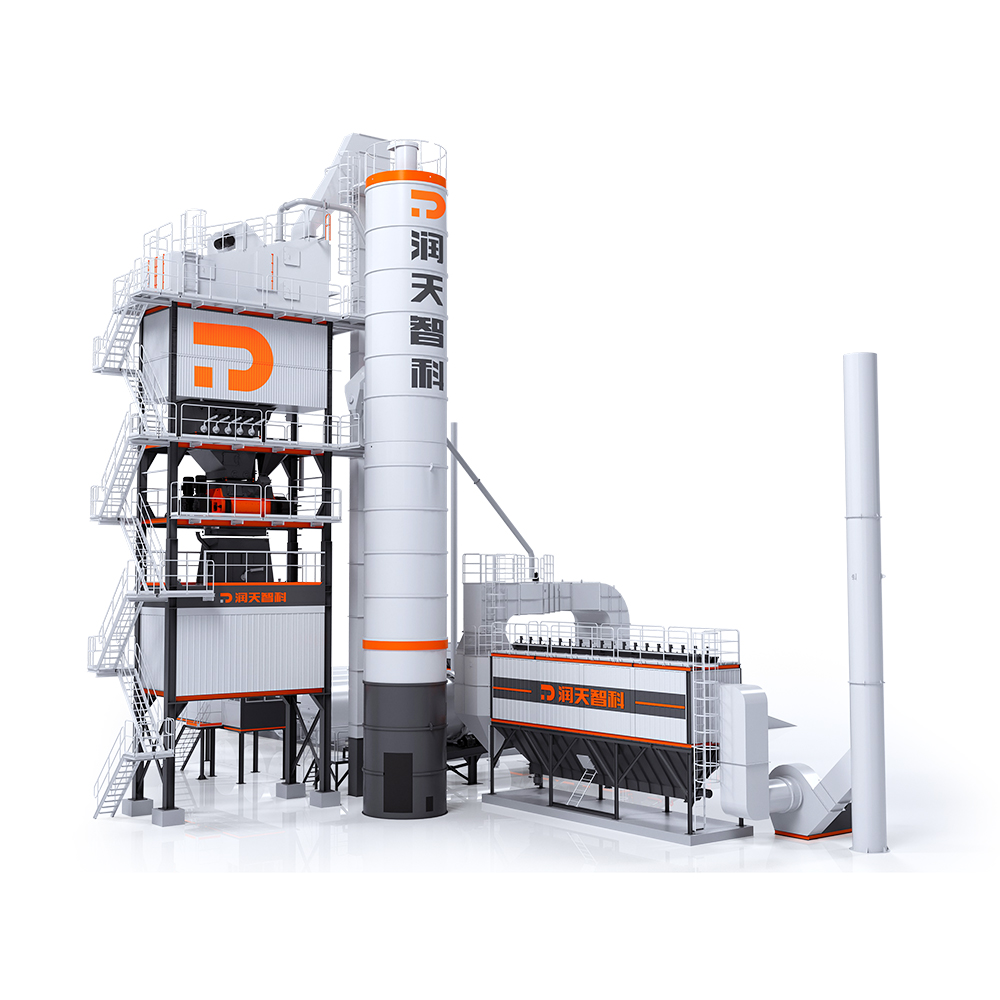 LB Series Asphalt Mixing Plant
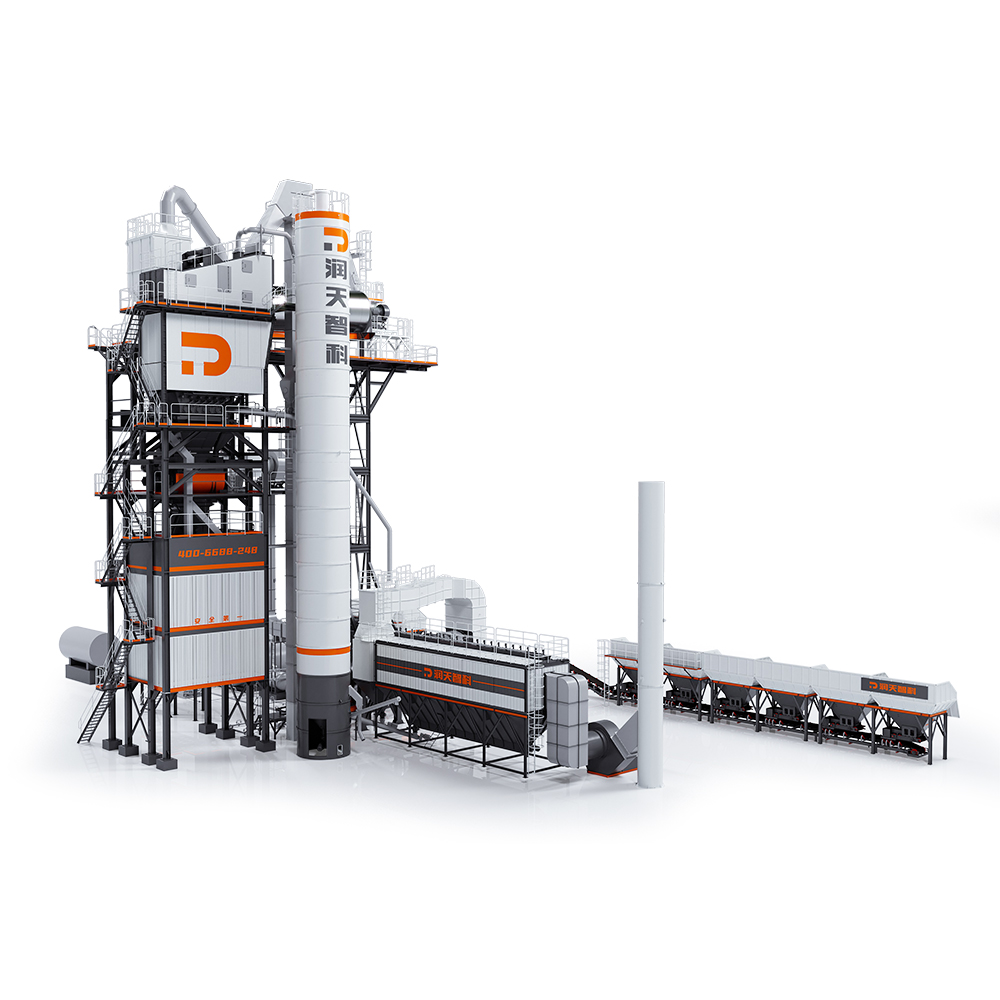 LBR Series Integrated Asphalt Mixing Plant
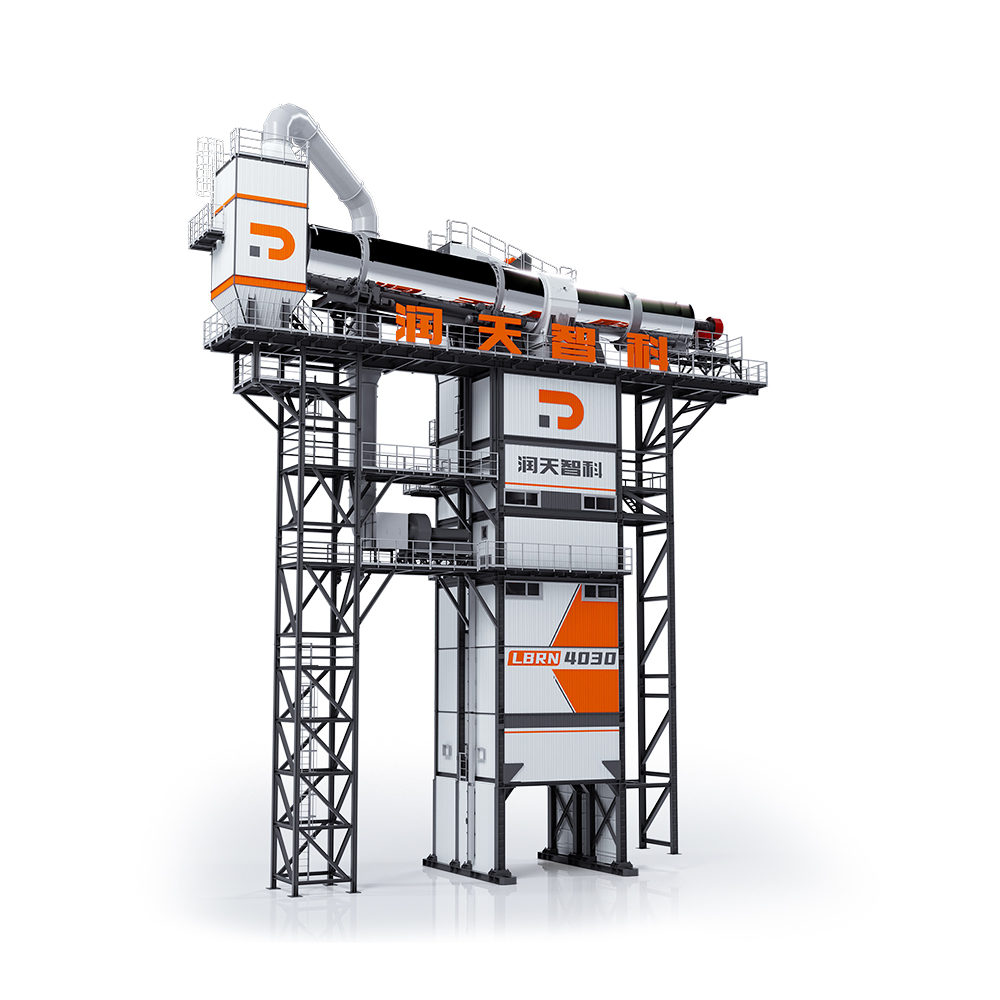 LBRN Series Counterflow Integral Asphalt Mixing Plant
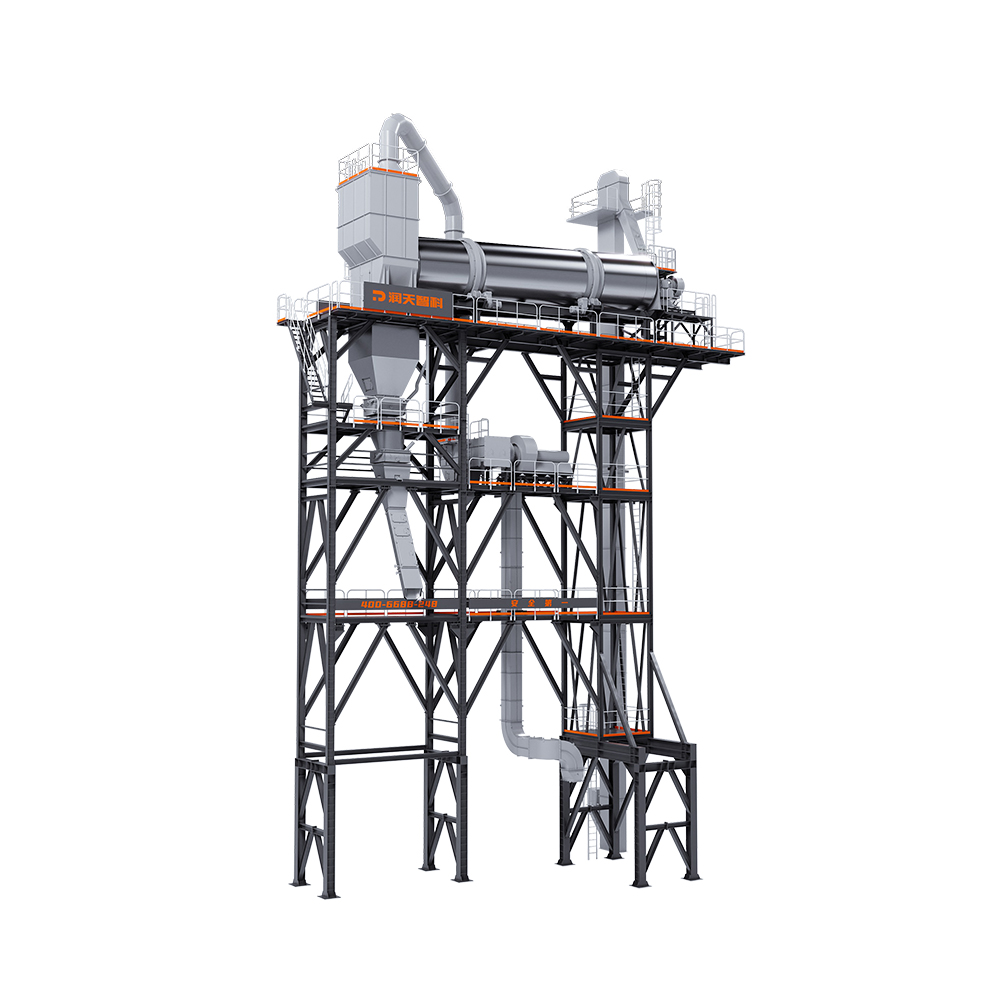 RZS Series Asphalt Mixing Plant
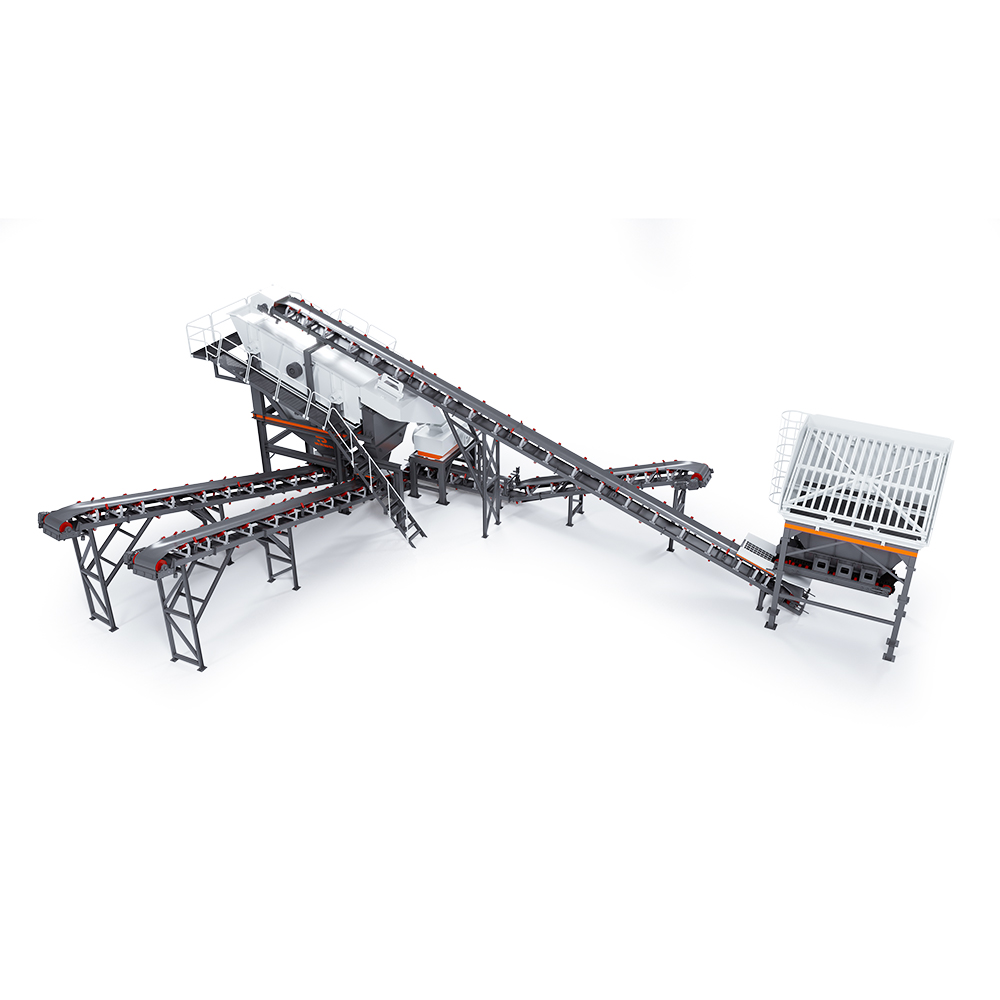 RTZS120 Series RAP Crushing & Screening Plant
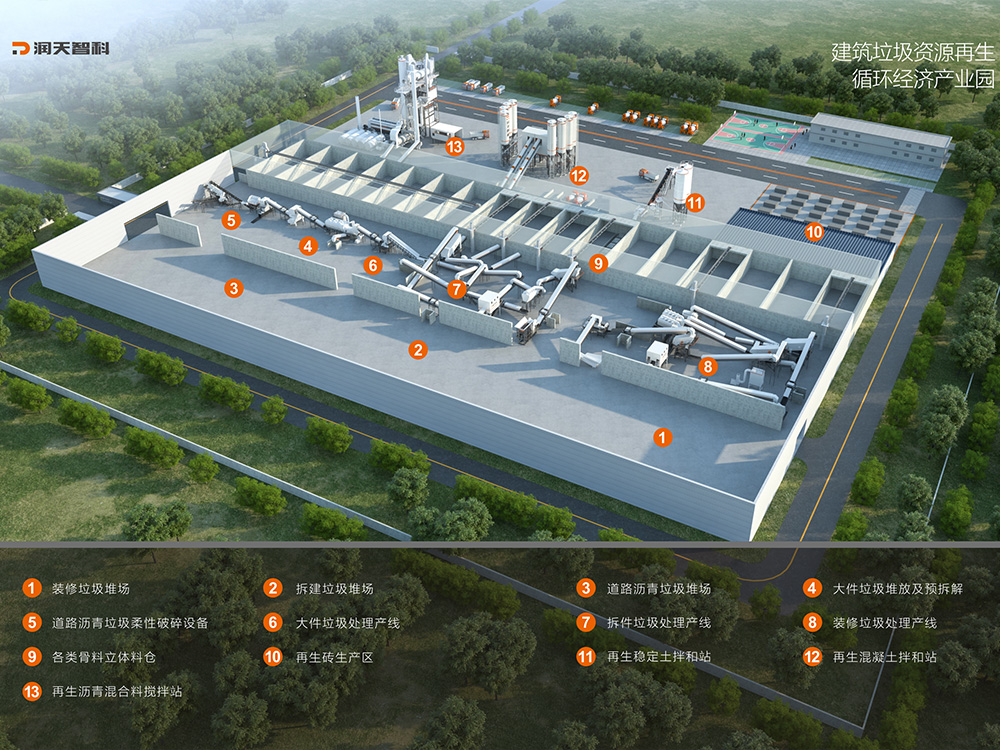 Construction Waste Resourceful Treatment Line