2026 Best Concrete Mixer Options for Your Construction Needs?
When it comes to construction projects, selecting the right tools is vital. A reliable concrete mixer is essential for achieving high-quality results. Renowned industry expert John Anderson emphasizes, “The right concrete mixer can make or break your project.” His insight reflects the importance of having trustworthy equipment in construction.
Concrete mixers come in various sizes and designs. Choosing the right one can be overwhelming. Some mixers are portable, while others are stationary. The options available cater to diverse project needs. As a contractor, understanding these differences helps prevent potential setbacks.
Being aware of the limitations and benefits of each concrete mixer type is crucial. Some mixers may lack the capacity for large jobs. Others might not be efficient for smaller tasks. Weighing these factors can avoid costly mistakes. Selecting the best concrete mixer enhances productivity and quality in construction efforts.

Overview of Concrete Mixers and Their Importance in Construction
Concrete mixers play a crucial role in construction. They ensure uniform mixing of materials, which is essential for strong concrete. A good mix affects the durability and strength of structures. Without proper mixing, projects can face delays and increased costs. Contractors often rely on reliable mixers to maintain quality control.
The importance of concrete mixers extends beyond just mixing. These machines improve efficiency on job sites. They save time by allowing workers to focus on other tasks. Inadequate equipment can lead to dissatisfaction and missed deadlines. Workers must also understand how to operate mixers safely. Training is essential to avoid accidents.
Even with modern technology, challenges remain. Not all mixers suit every project. Factors like size, power, and mobility matter. Finding the right balance is vital for success. Reflection on past projects can guide future choices. This careful consideration helps minimize errors and maximize productivity.
2026 Best Concrete Mixer Options for Your Construction Needs
| Mixer Type |
Capacity (Cubic Feet) |
Power Source |
Weight (lbs) |
Features |
| Drum Mixer |
6 |
Electric |
150 |
Portable, Easy to Clean |
| Batch Mixer |
3 |
Gasoline |
200 |
Fast Mixing, Greater Efficiency |
| Planetary Mixer |
5 |
Electric |
180 |
Uniform Mixing, Heavy Duty |
| High-Efficiency Mixer |
8 |
Electric |
220 |
Low Noise, High Capacity |
| Tilt Mixer |
4 |
Gasoline |
160 |
Versatile, Easy Discharge |
Key Features to Consider When Selecting a Concrete Mixer
When selecting a concrete mixer for construction, it's essential to evaluate several key features.
Size and capacity are paramount. Most professionals recommend mixers with a capacity of at least 2 cubic feet for small jobs.
For larger projects, 10 cubic feet or more is ideal. According to the National Ready Mixed Concrete Association,
these capacities can significantly influence efficiency and productivity on-site.
Another crucial aspect is the type of mixer. There are portable models for residential work and larger drum mixers for commercial use.
It's vital to choose a model that aligns with your project requirements. Also, consider the power source.
Electric mixers are quieter and cleaner, while gas-powered options typically offer more mobility.
Tips: Think about durability.
A robust mixer can withstand heavy use, reducing the need for frequent repairs. Also, factor in ease of cleaning, as this can affect your workflow.
Weight can also impact usability. In some reports, heavy models may deter operators from using them for smaller jobs.
It's wise to assess the weight-to-capacity ratio. Remember, not every feature serves every purpose; assess your unique needs to avoid overspending on unnecessary features.
Types of Concrete Mixers Available in the Market
When exploring concrete mixers, understanding the types available is crucial for effective construction. Different configurations cater to varied project sizes and requirements. Stationary mixers are ideal for large-scale operations. They offer superior capacity but lack mobility. On the other hand, portable mixers provide flexibility for smaller jobs. They are easier to transport and operate on-site. Both options have their unique advantages.
Tip: Always assess the scope of your project. Choosing the right mixer can save time and labor costs.
A continuous mixer is another great option. It blends materials consistently, making it suitable for high-demand applications. Batch mixers, meanwhile, work in cycles, offering precision for smaller projects. Both types have their place in construction. However, understanding their limitations is equally important.
Tip: Review your project timeline. Some mixers are faster but might compromise on mixture quality. Choose what aligns best with your goals.
Lastly, consider the environment. Electric mixers are quieter and more eco-friendly. Gas-powered mixers can be more powerful but produce emissions. Your choice should reflect your project’s values and requirements. Balancing power and environmental impact can be challenging but necessary.
Comparative Analysis of Top Concrete Mixer Brands for 2026
In the construction industry, selecting the right concrete mixer is essential for project efficiency and quality. A comparative analysis of top brands in 2026 shows varied features and specifications. Industry data indicates that the demand for electric mixers has surged by 30% due to their eco-friendliness and reduced operating costs. This shift highlights a growing trend towards sustainable construction practices.
When choosing a mixer, consider capacity and durability. A larger drum capacity can save time, but it may require more storage space. Research suggests that mixers with improved insulation maintain temperature better, which can be critical for specific projects. Always review customer feedback, as real-world experiences provide valuable insights into the equipment's reliability.
Tips for buyers: Assess your project's specific needs. If working in tight urban areas, a compact mixer might be necessary. Also, don’t overlook maintenance costs. Investing in high-quality components can save money in the long run. Lastly, always compare performance metrics; even small differences can impact your project’s outcome significantly.
Maintenance Tips for Longevity and Efficiency of Concrete Mixers
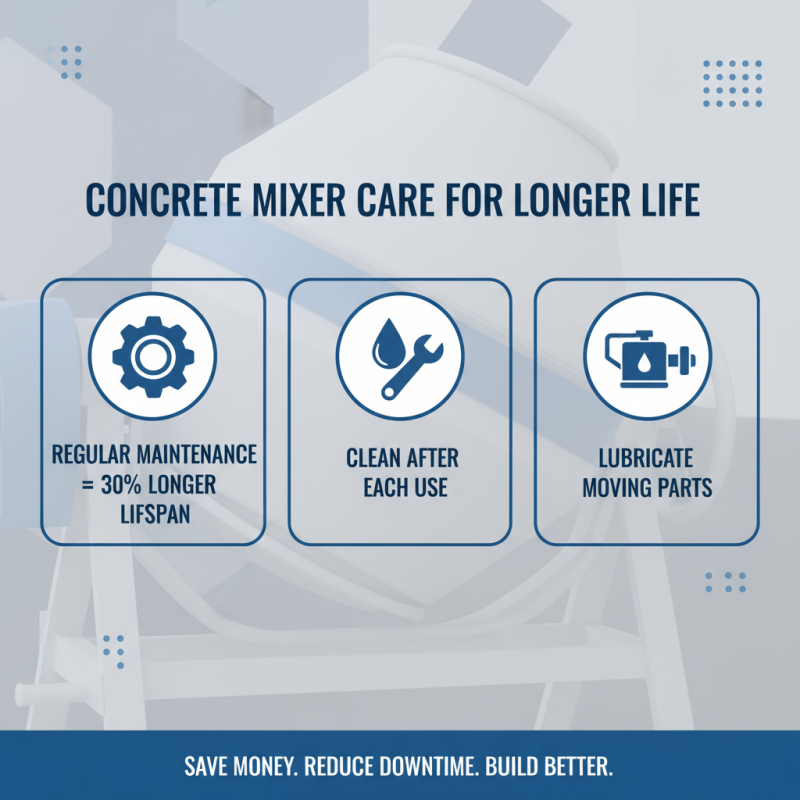
Concrete mixers are crucial for any construction project. However, just owning one isn't enough. Regular maintenance is essential for longevity and efficiency. A study by the Concrete Industry Association highlighted that proper maintenance can extend the lifespan of a mixer by up to 30%. This means fewer expenses over time.
Cleaning your concrete mixer promptly after use can prevent the buildup of hardened concrete. Residue can dangerously affect performance. It’s advised to rinse the mixer with water immediately. Moreover, inspecting wear parts, like paddles and blades, should be routine. These elements experience significant stress. Failure to replace worn components can lead to inefficiency and poor mixing quality.
Additionally, regular oil changes and lubrication are critical. According to industry experts, almost 25% of mixer failures stem from inadequate lubrication. It's vital to follow the manufacturer’s recommendations on oil types and intervals. Neglecting maintenance can lead to larger issues that are costly to fix. While it might feel tedious, routine checks are necessary for effective operations. Ignoring this can impact your project timelines.

 Concrete Mixing Plant
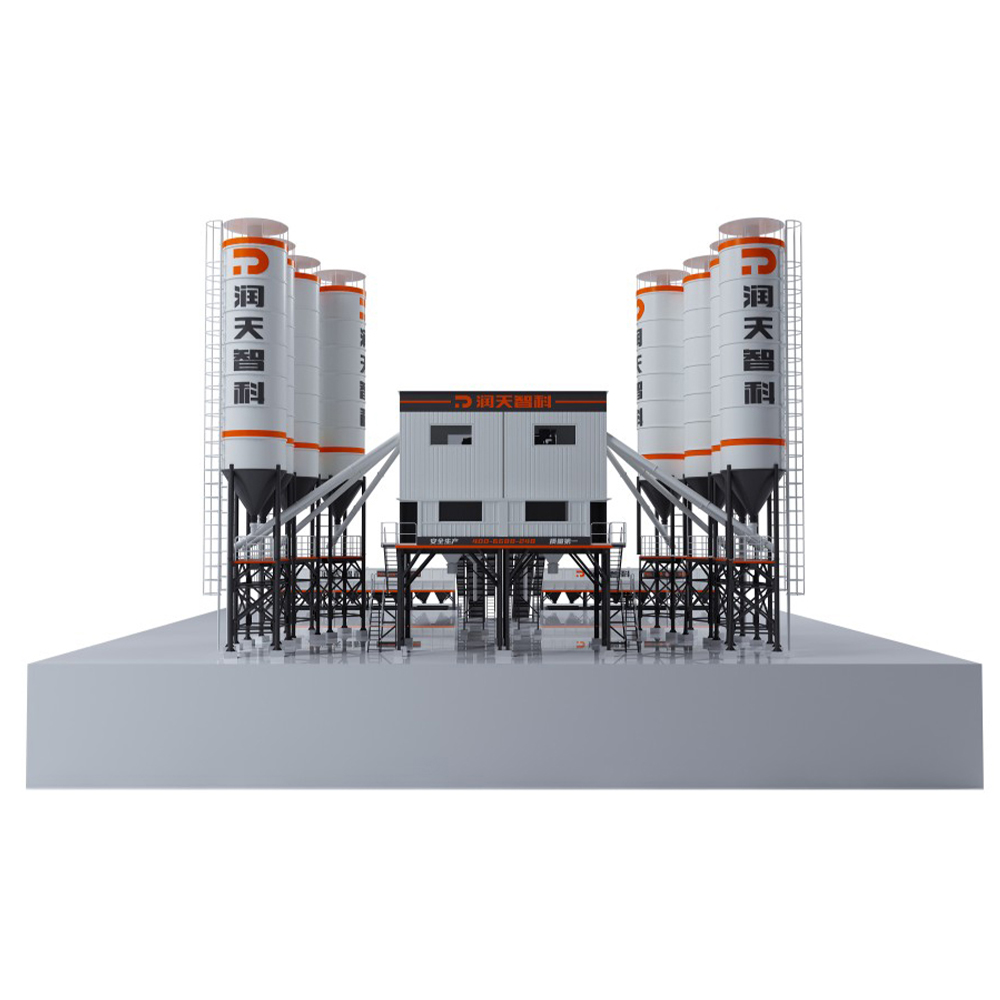 HZS Series Belt Concrete Mixing Plant
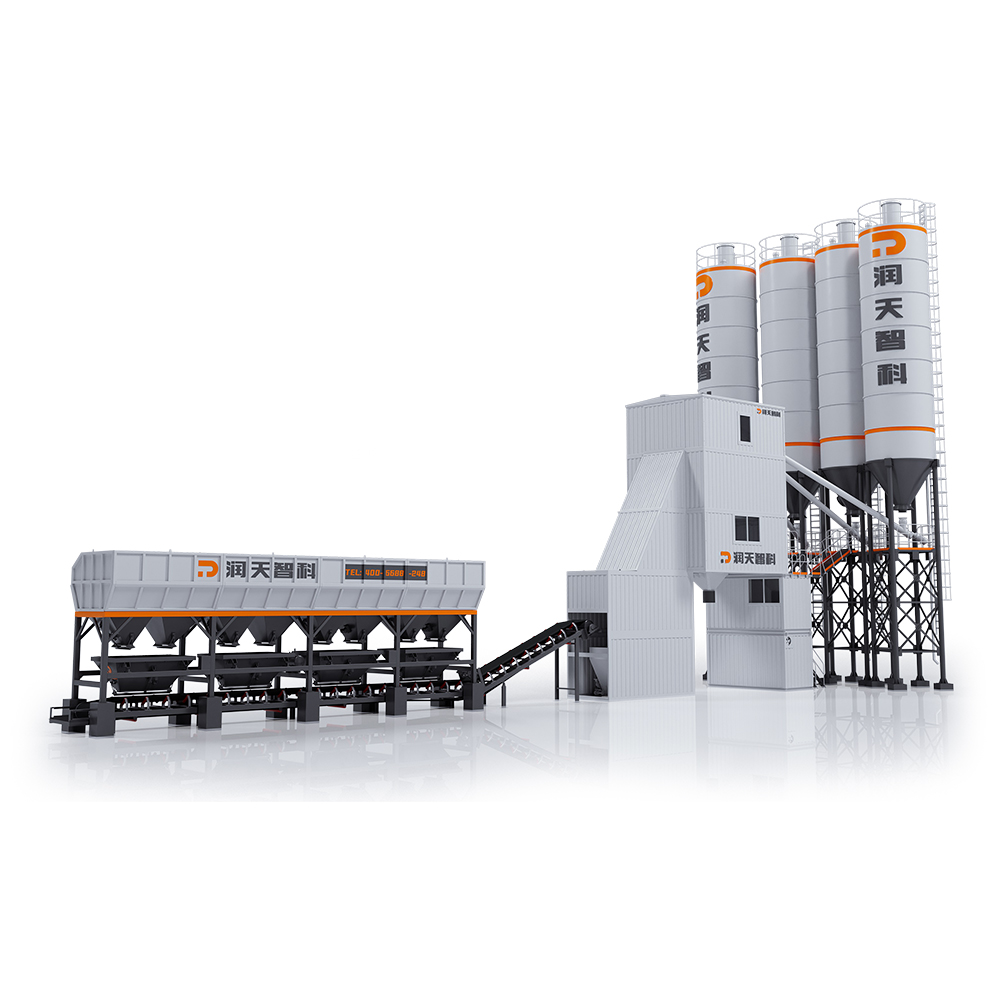 HZS Series Bucket-Lifting Type Container Concrete Mixing Plant
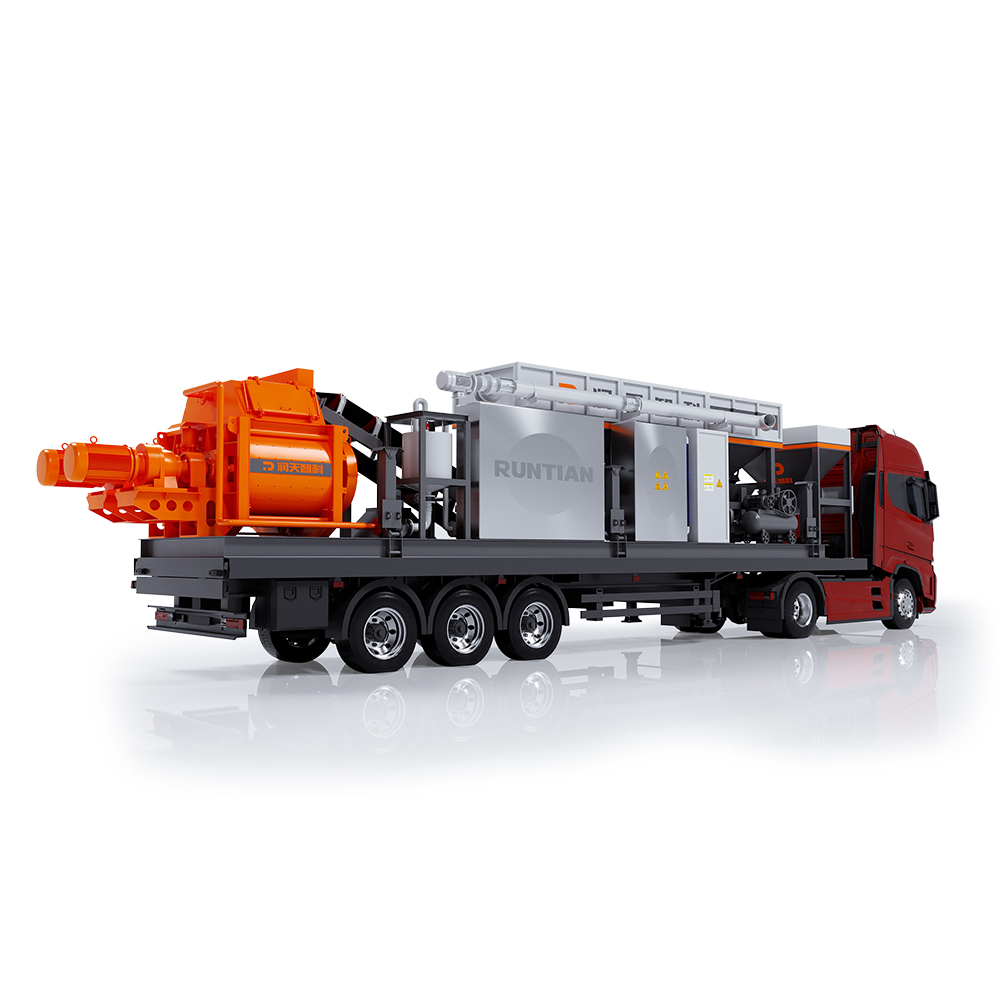 HZS60 Mobile Concrete Mixing Plant
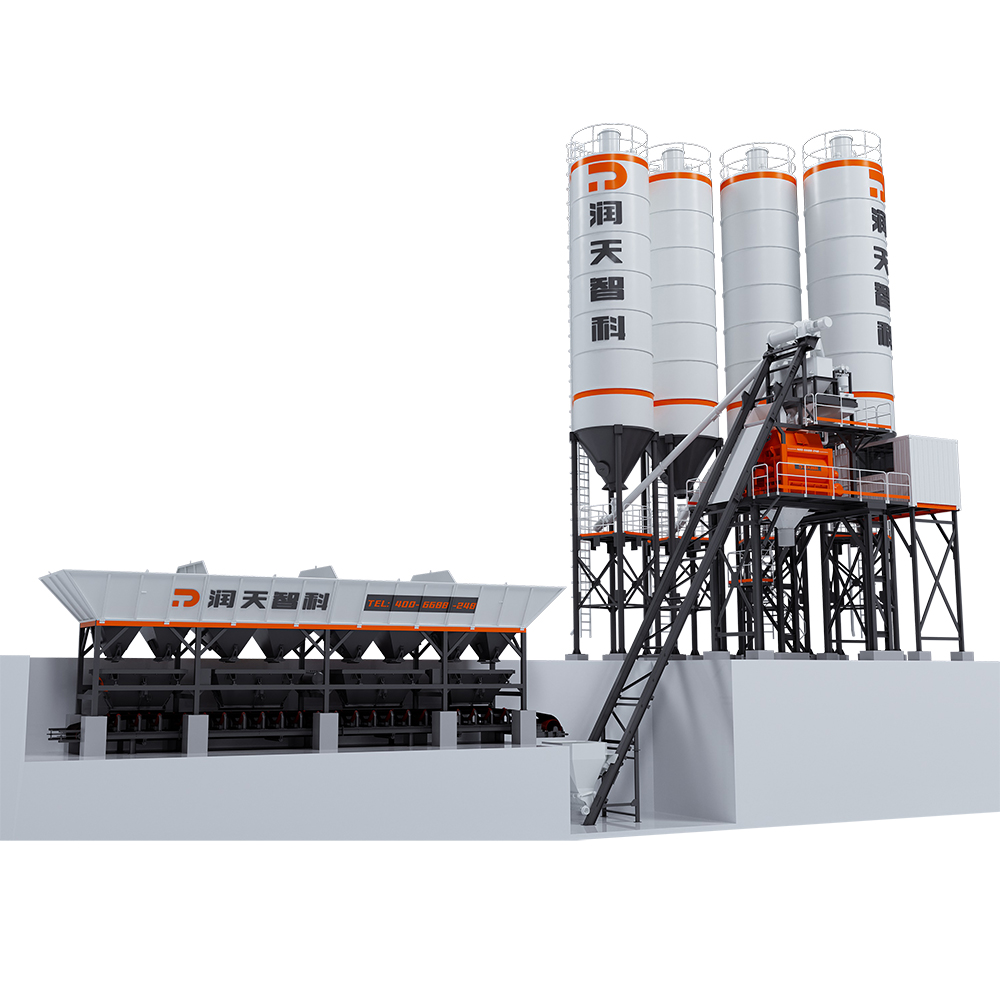 HZS Series Bucket-Lifting Type Concrete Mixing Plant
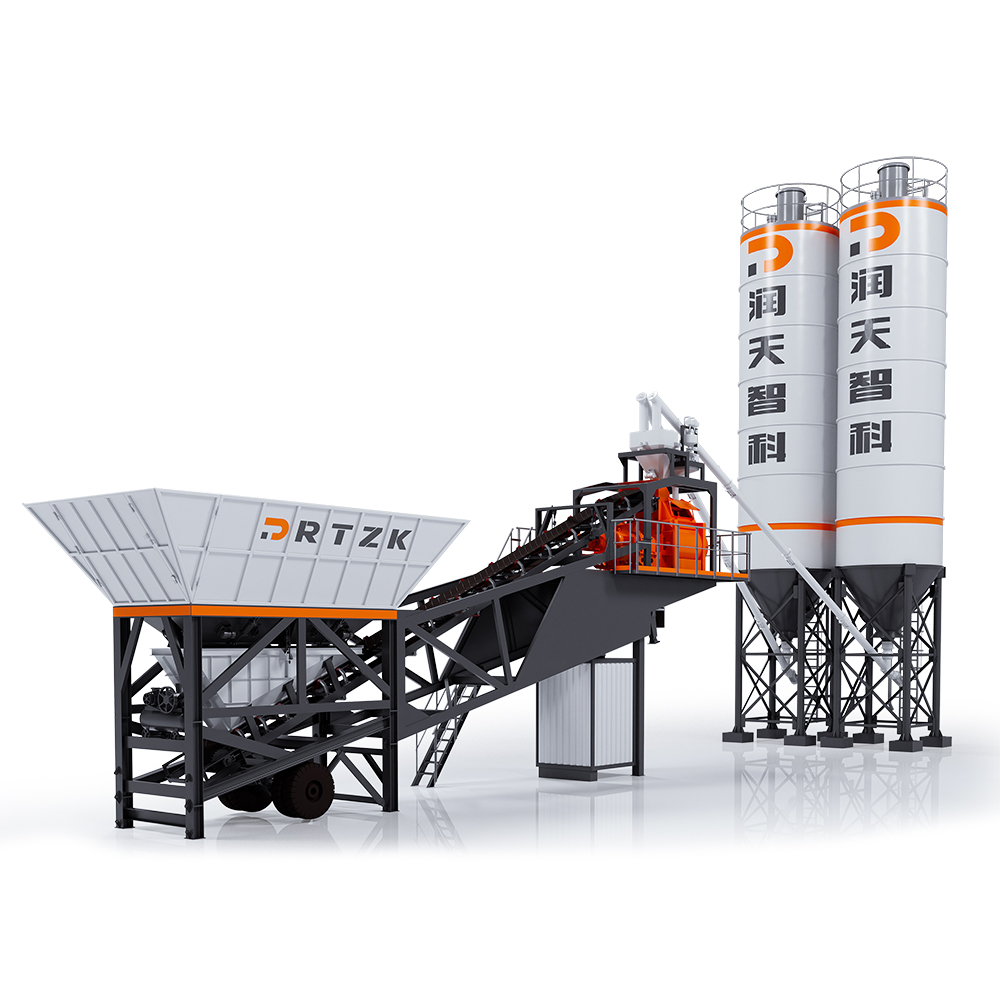 HZS Series Mobile Concrete Mixing Plant
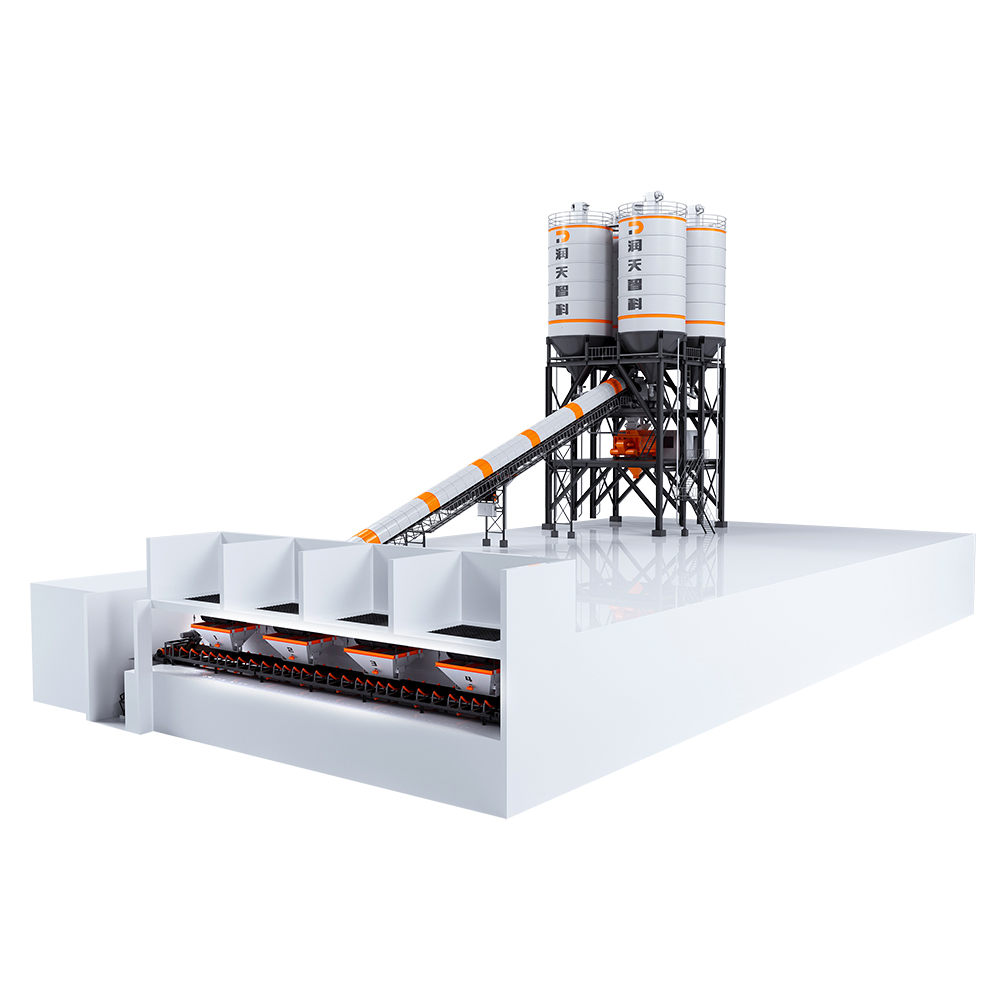 HZS Series Top-Mounted Concrete Mixing plant
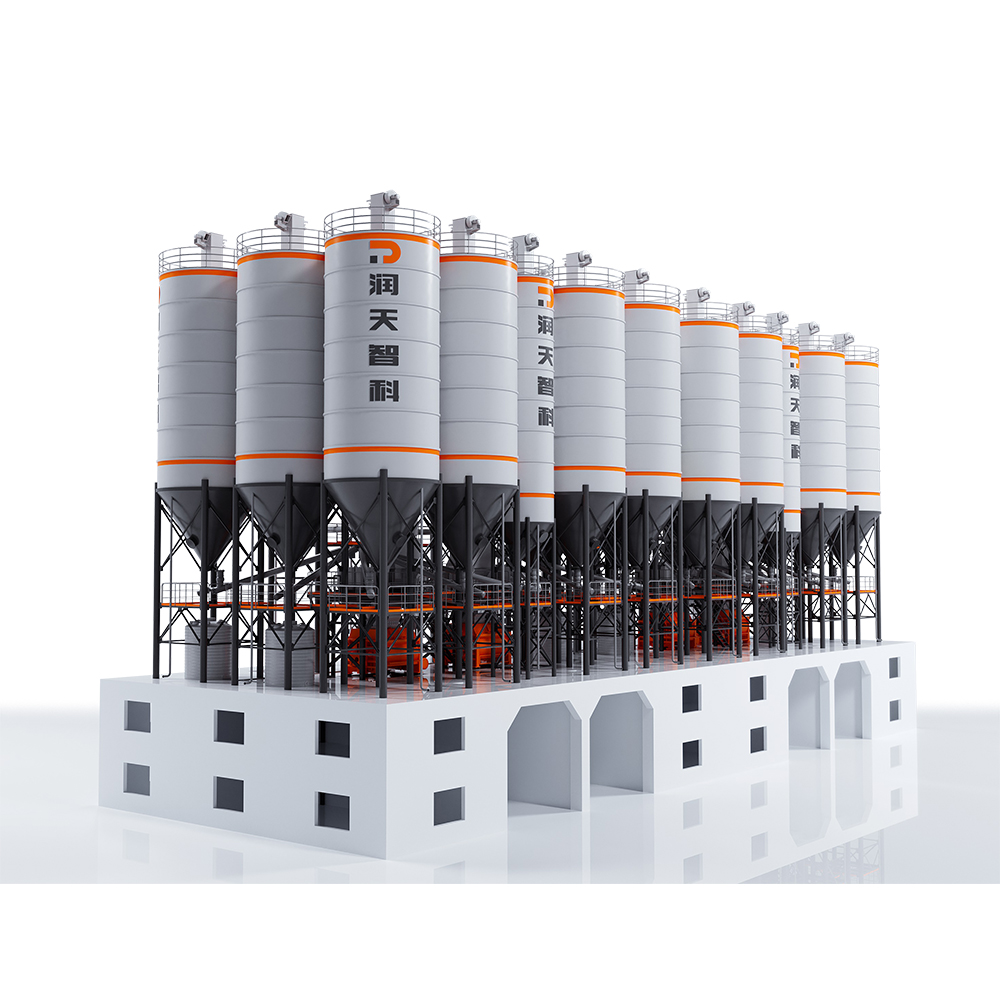 HZS Series Semi-Top Mounted Concrete Mixing Plant
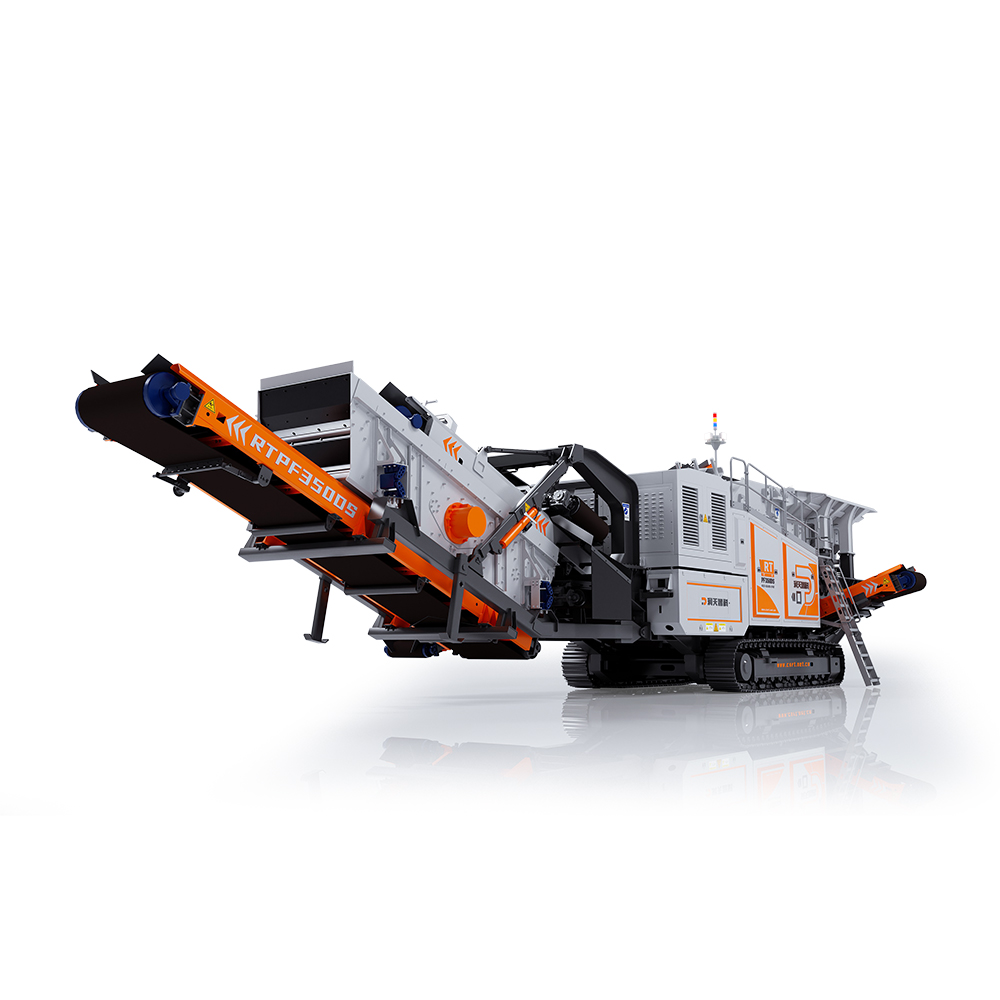 RTPF350DS Crawler Mobile Impact Crushing Plant
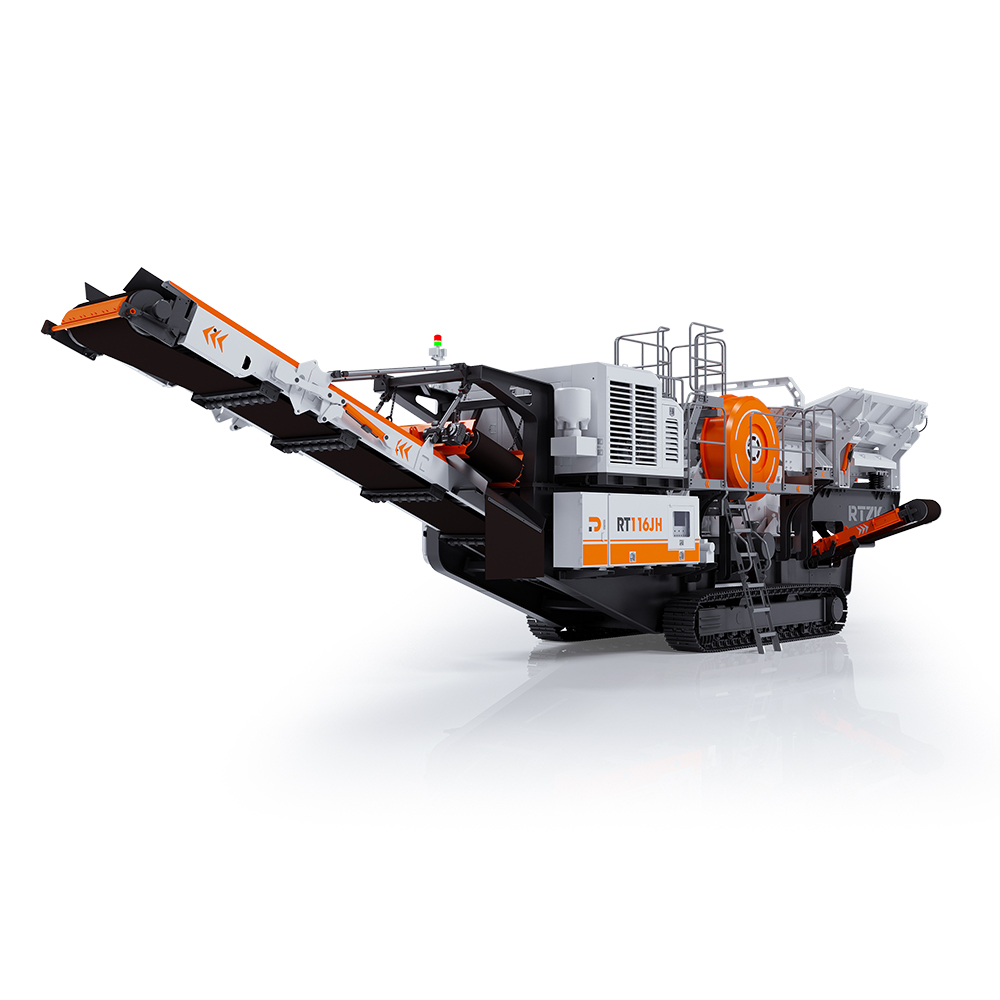 RT116JH Crawler Mobile Jaw Crushing Plant
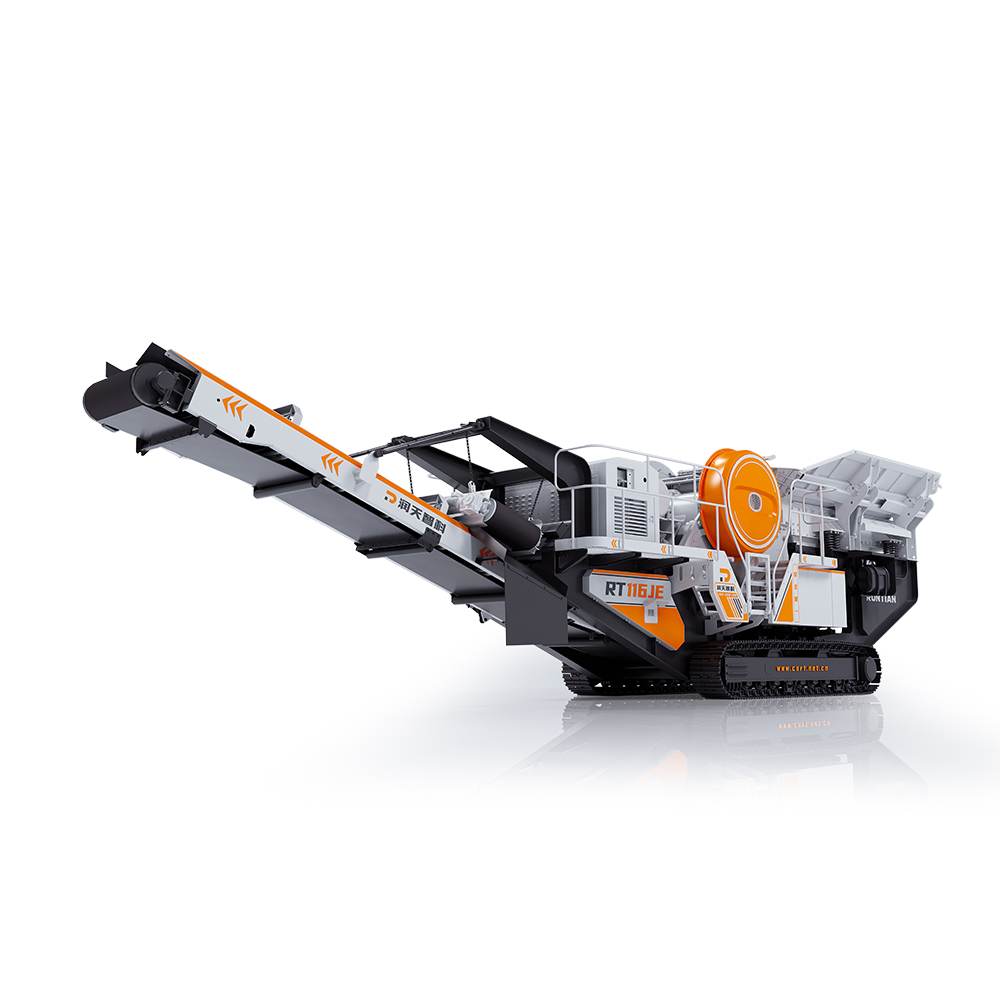 RT116JE Crawler Mobile Jaw Crushing Plant
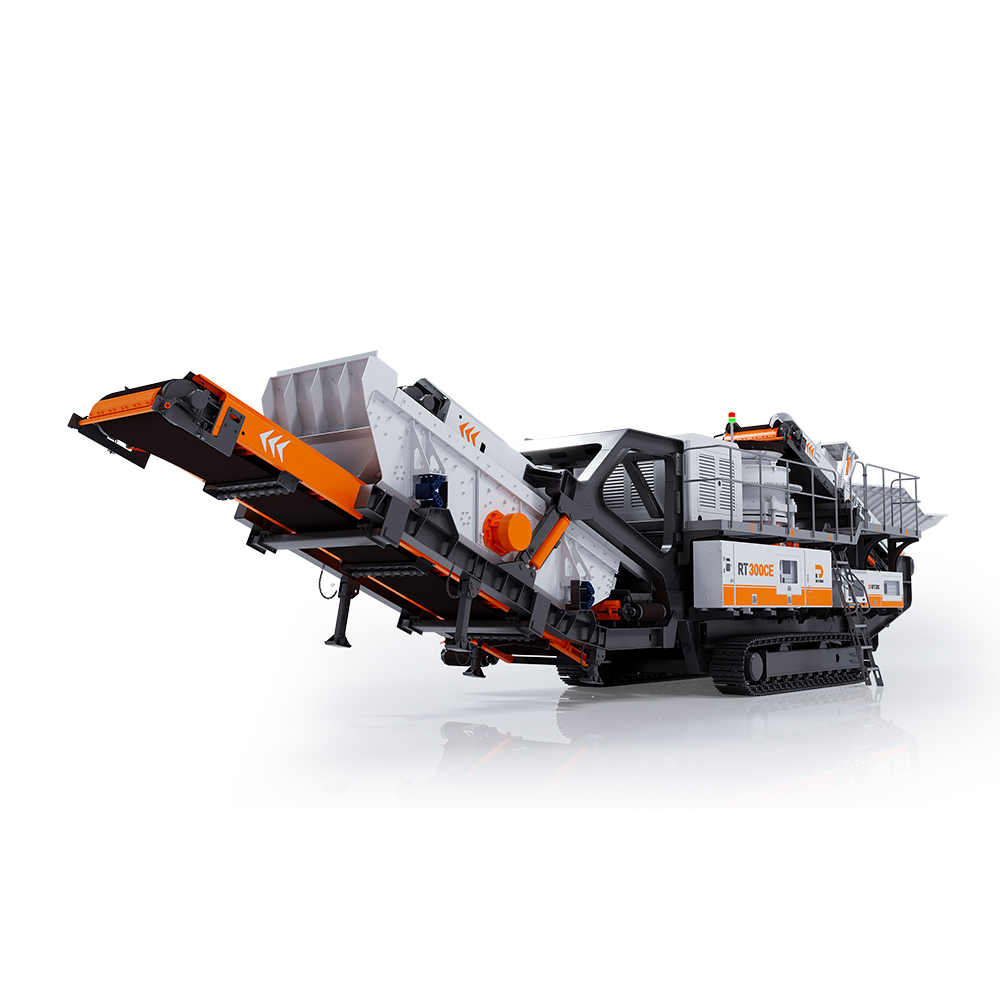 RT300CE Crawler Mobile Cone Crushing Plant
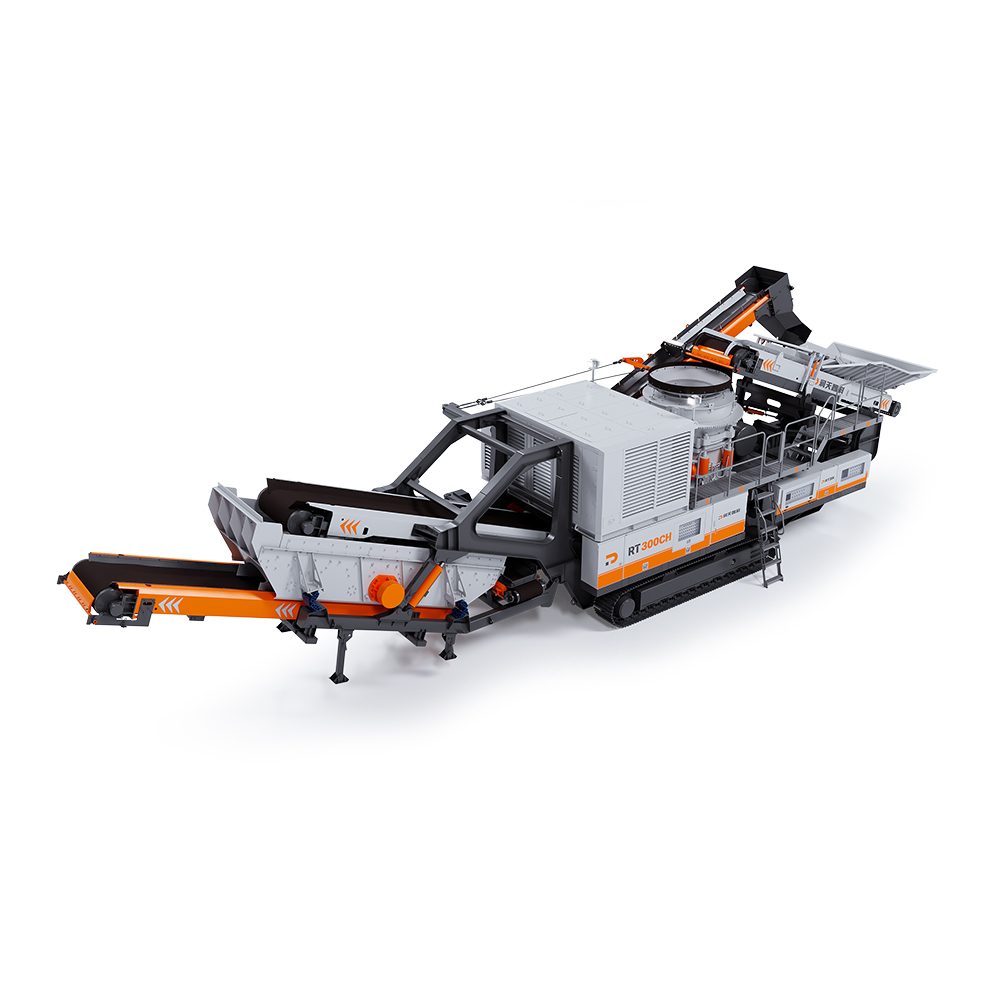 RT300CH Crawler Mobile Cone Crushing Plant
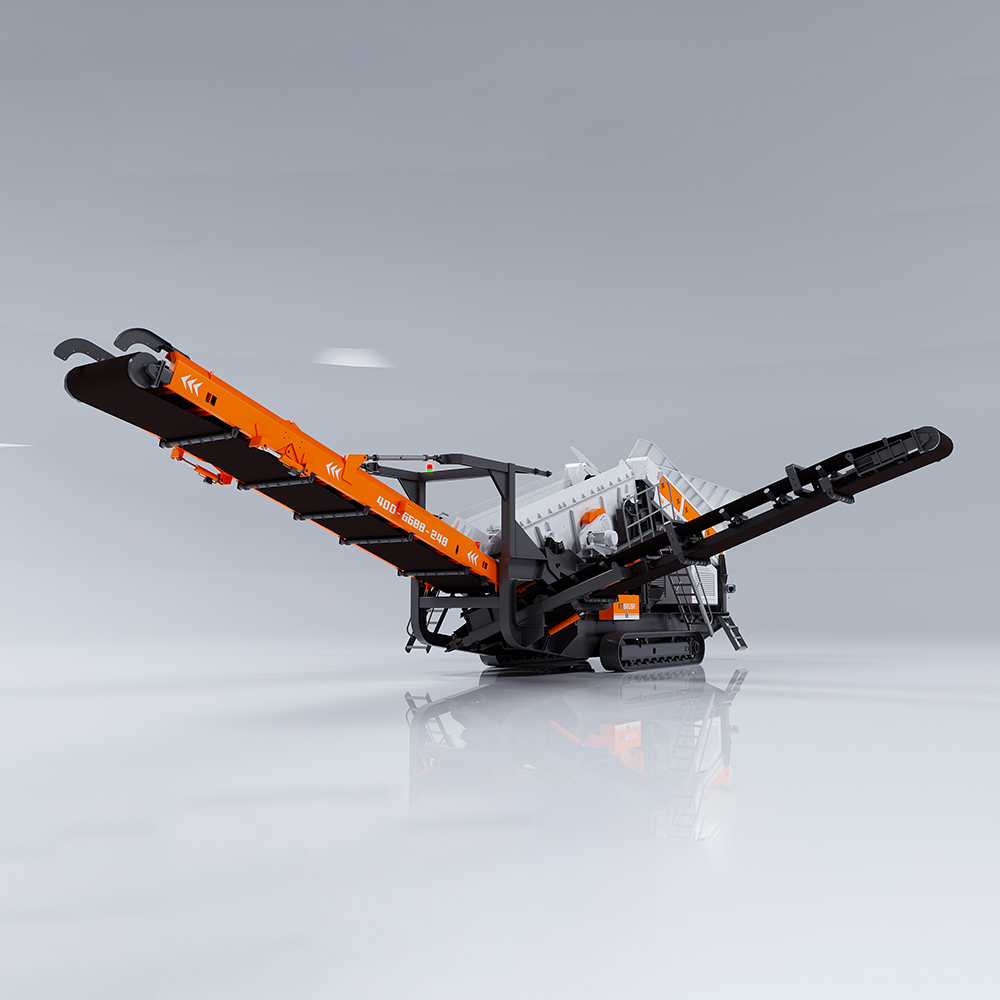 RT5015H Mobile Scalping Screen
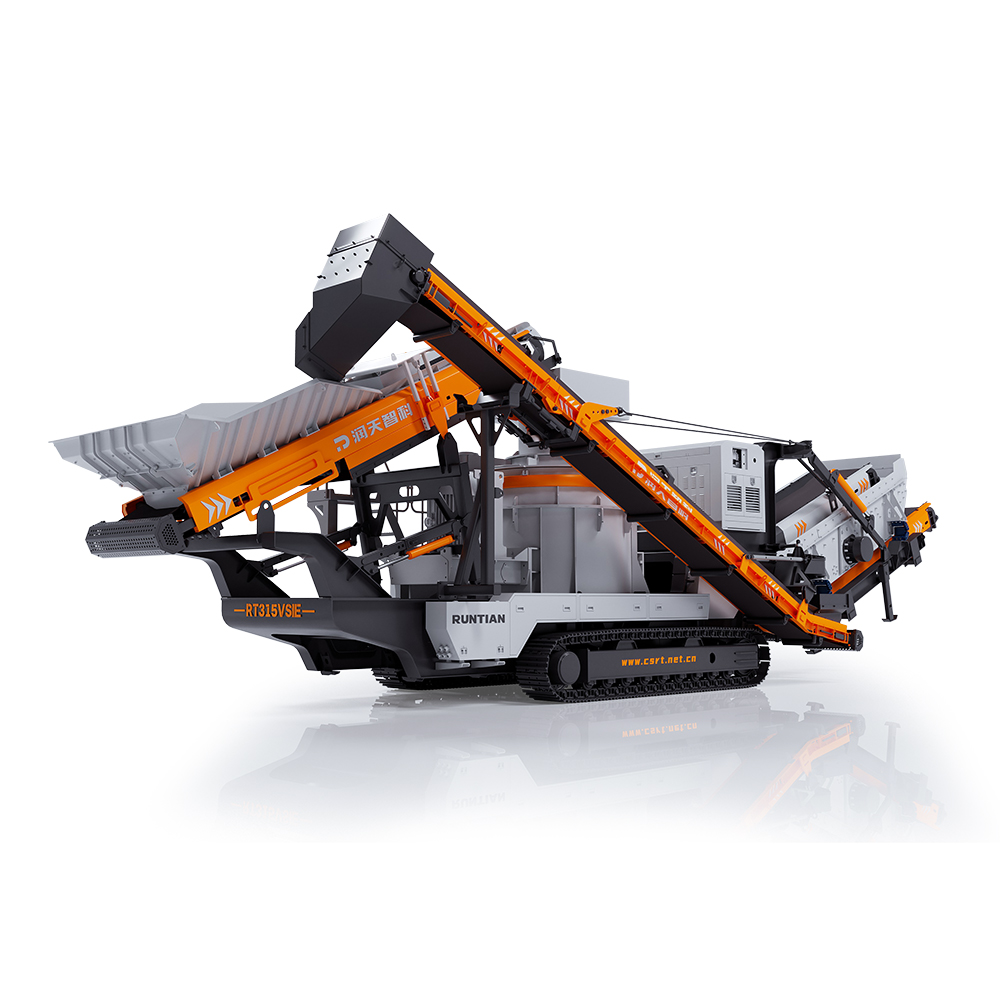 RT315VSIE Crawler Mobile Sand Maker
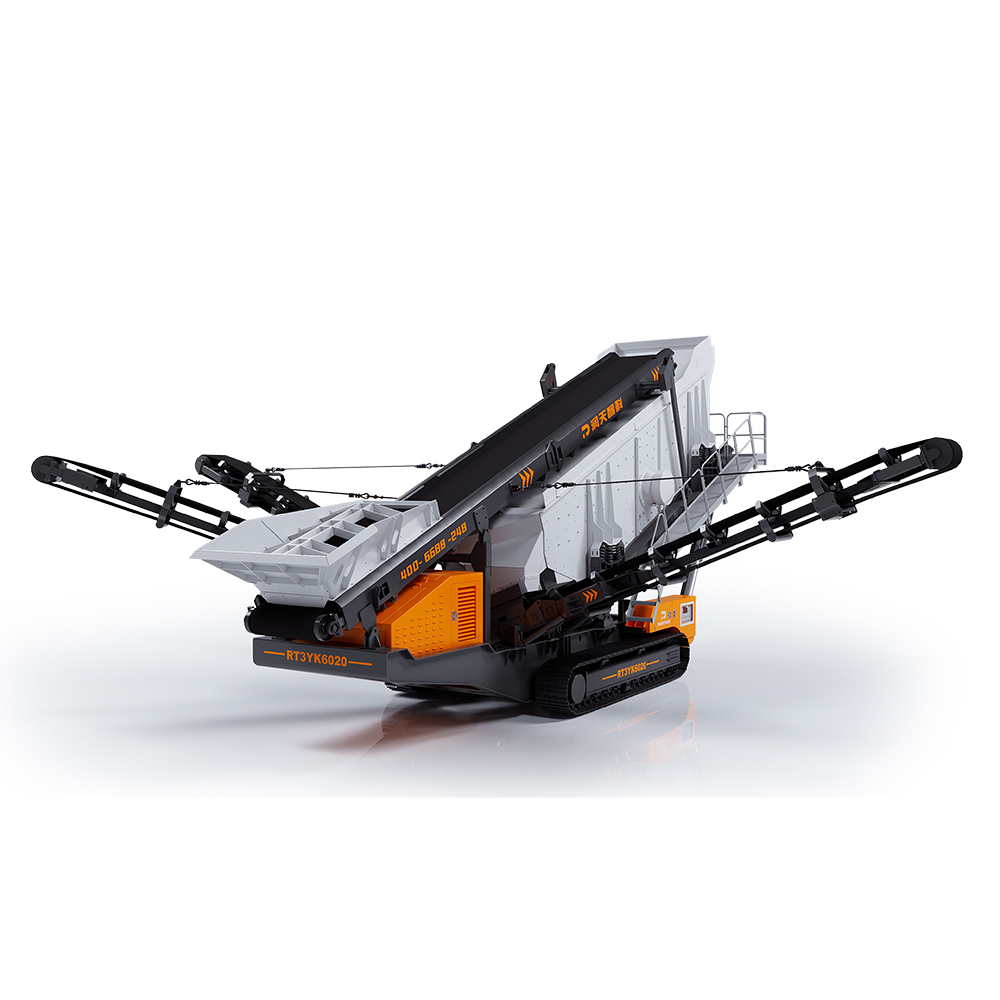 RT3YK6020 Crawler Mobile Screening Plant
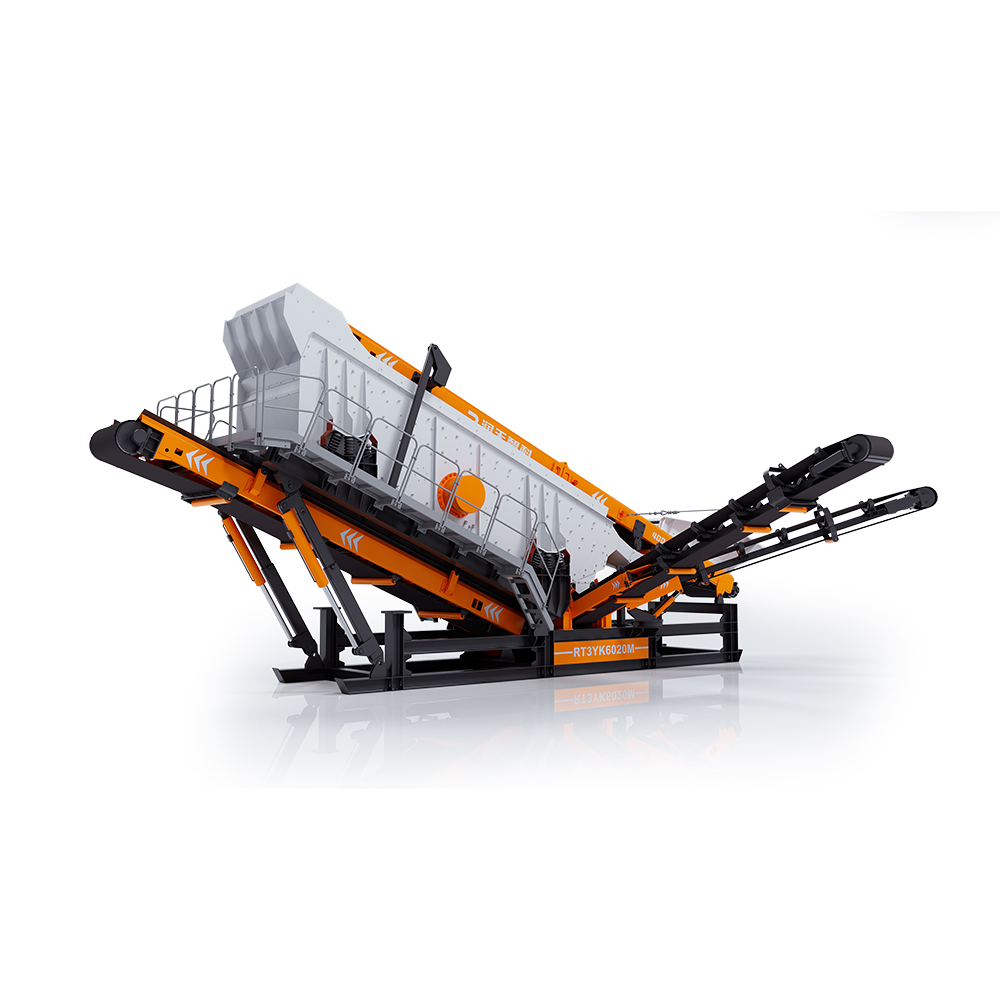 RT3YK6020M Modular Screening Plant
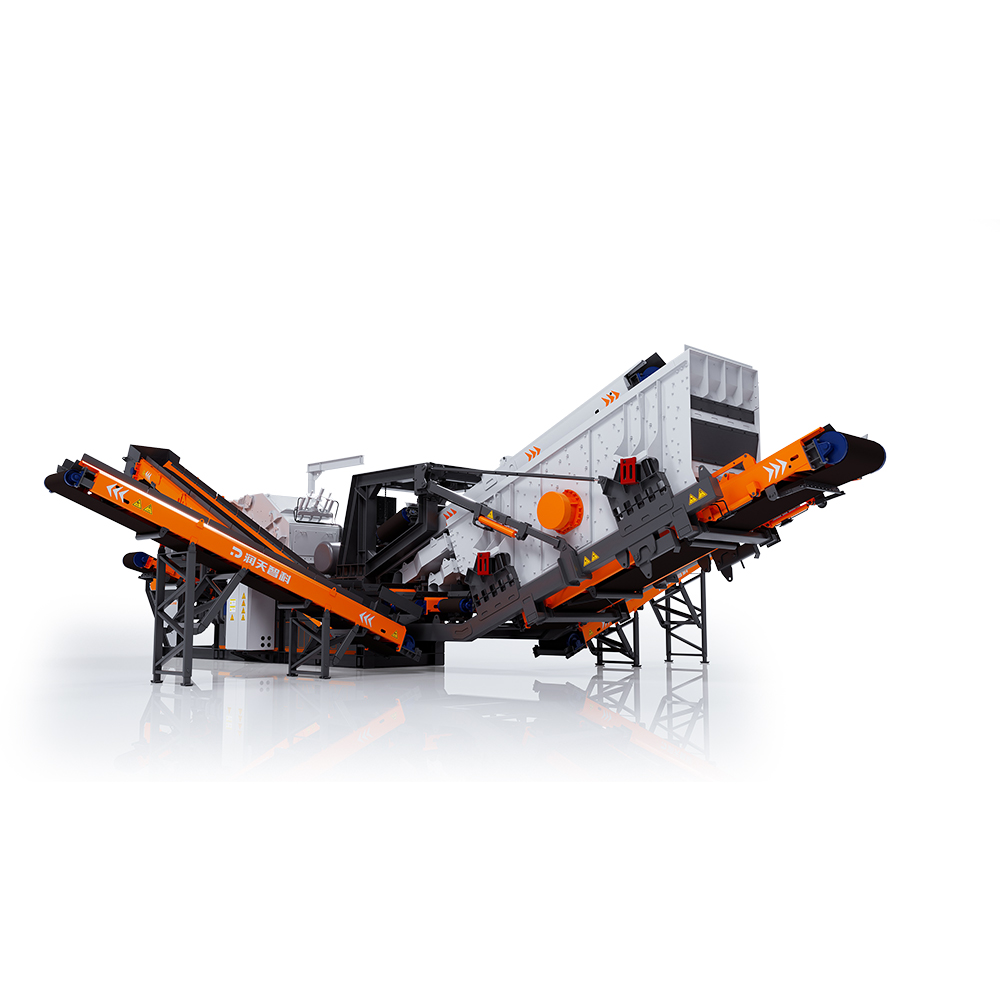 RTF260M Modular Counterattack Crushing and Screening Integrated Machine
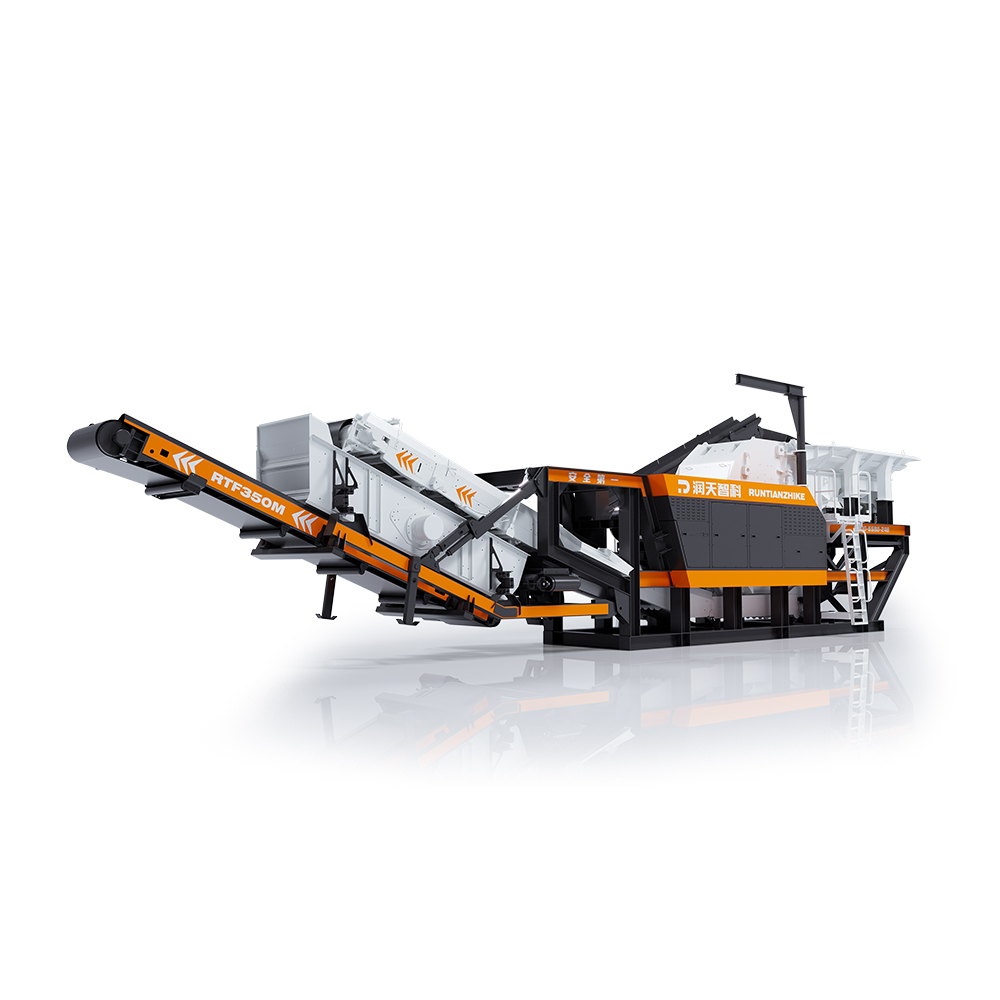 RTF350M Modular Impact Crushing Plant
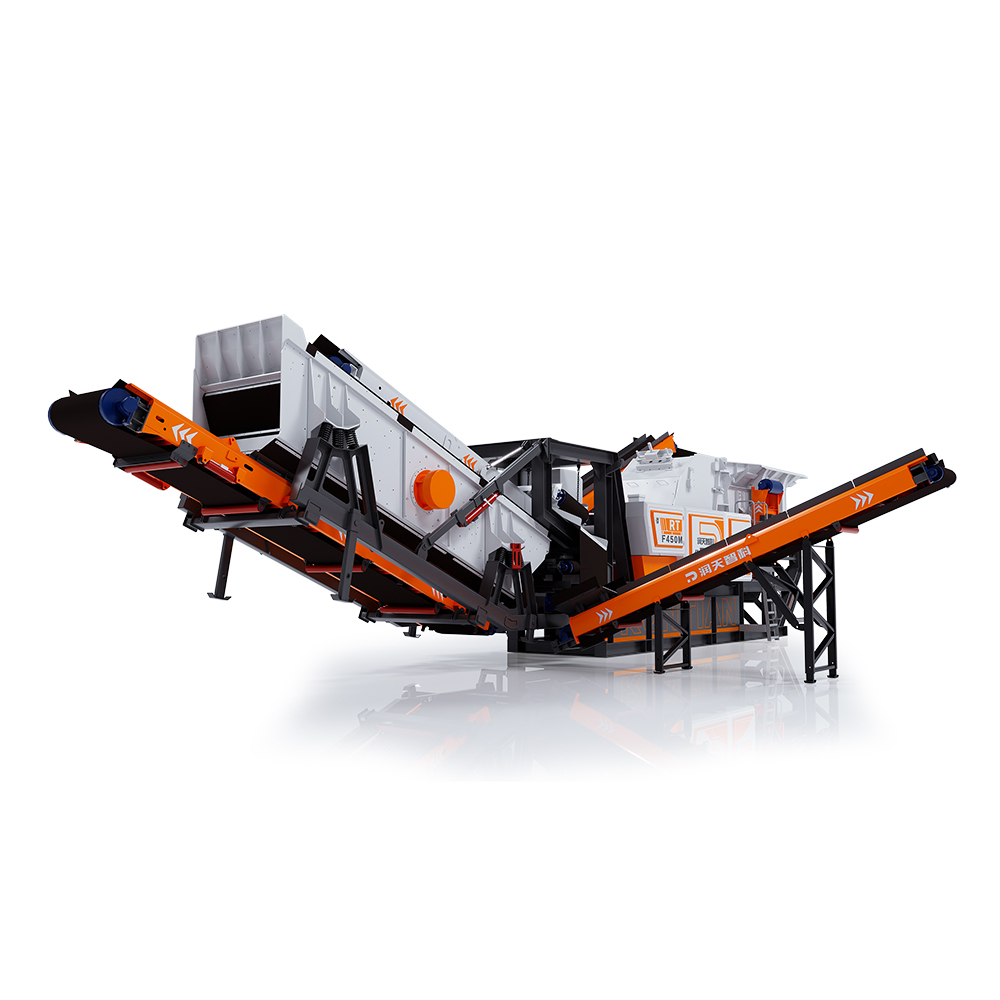 RTF450M Modular Impact Crushing Plant
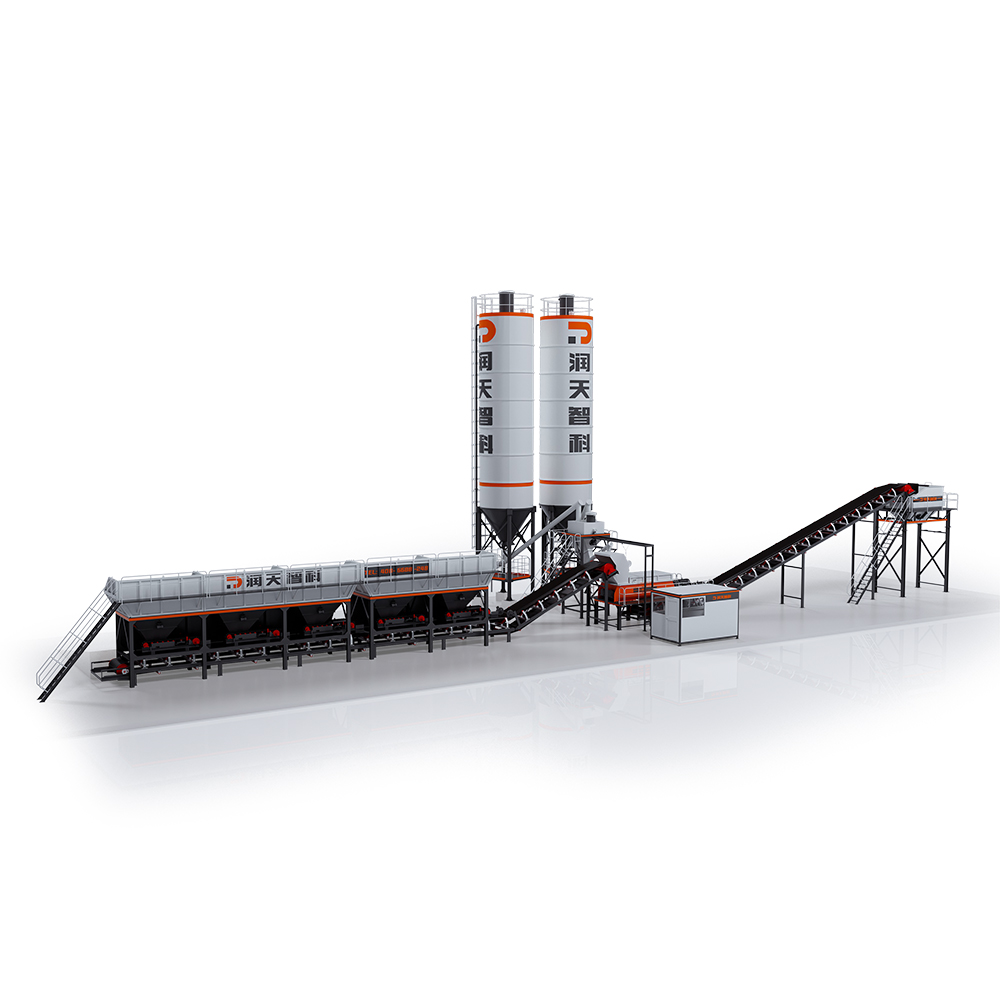 WDB Series Foundation-Free Stability Soil Mixing Plant
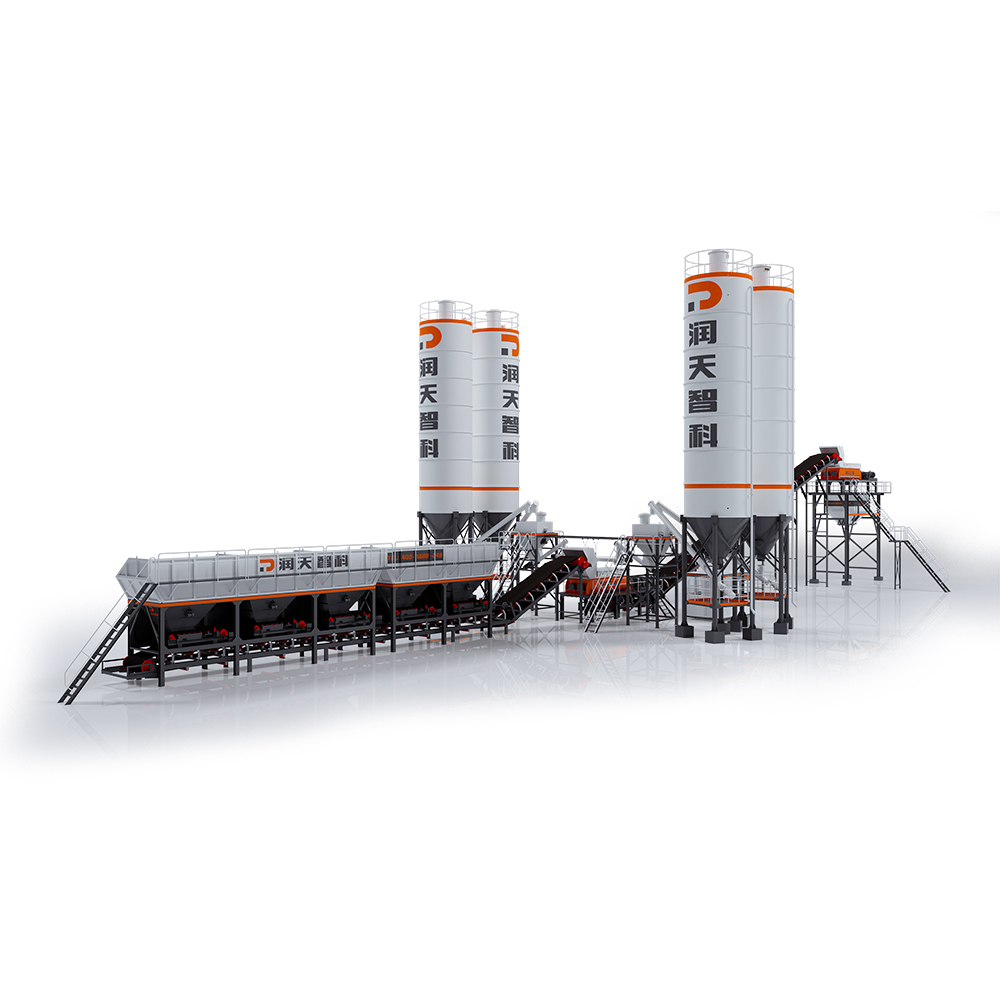 LCB Series Emulsified Asphalt Cold Regeneration Secondary Mixing Plant
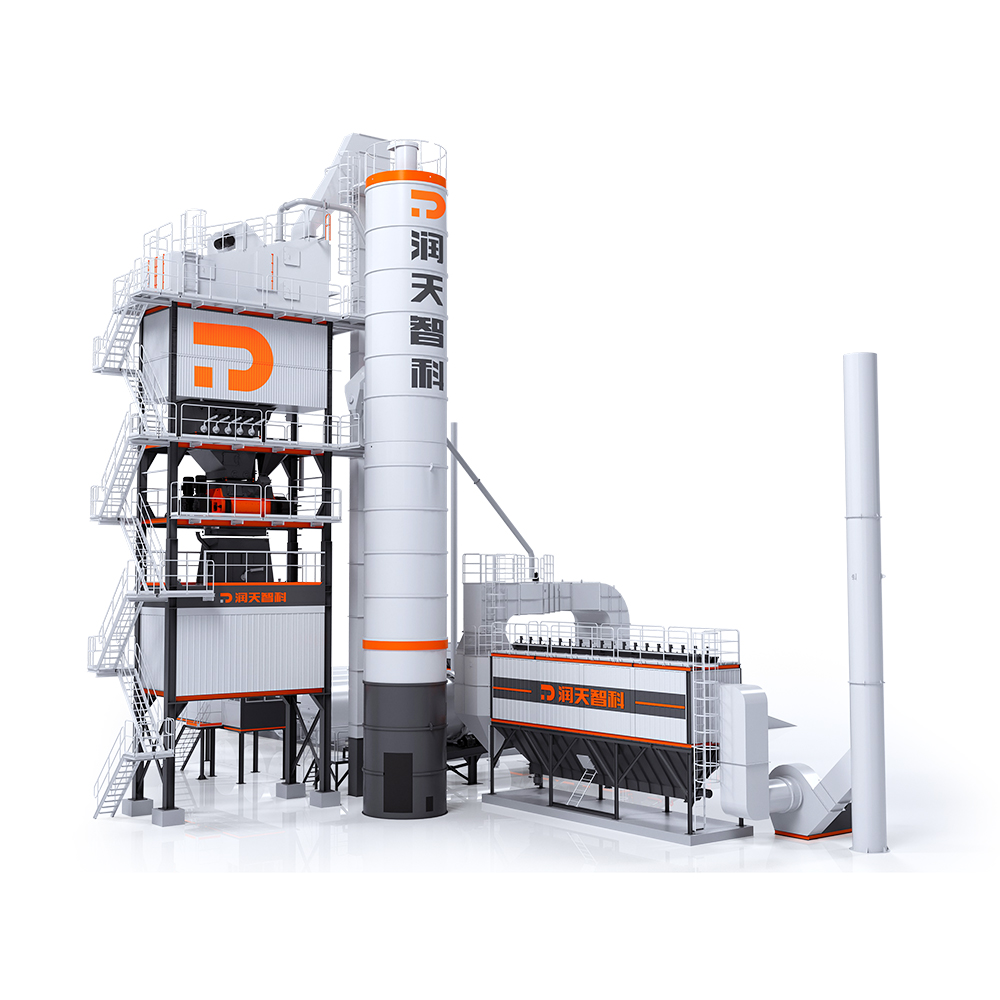 LB Series Asphalt Mixing Plant
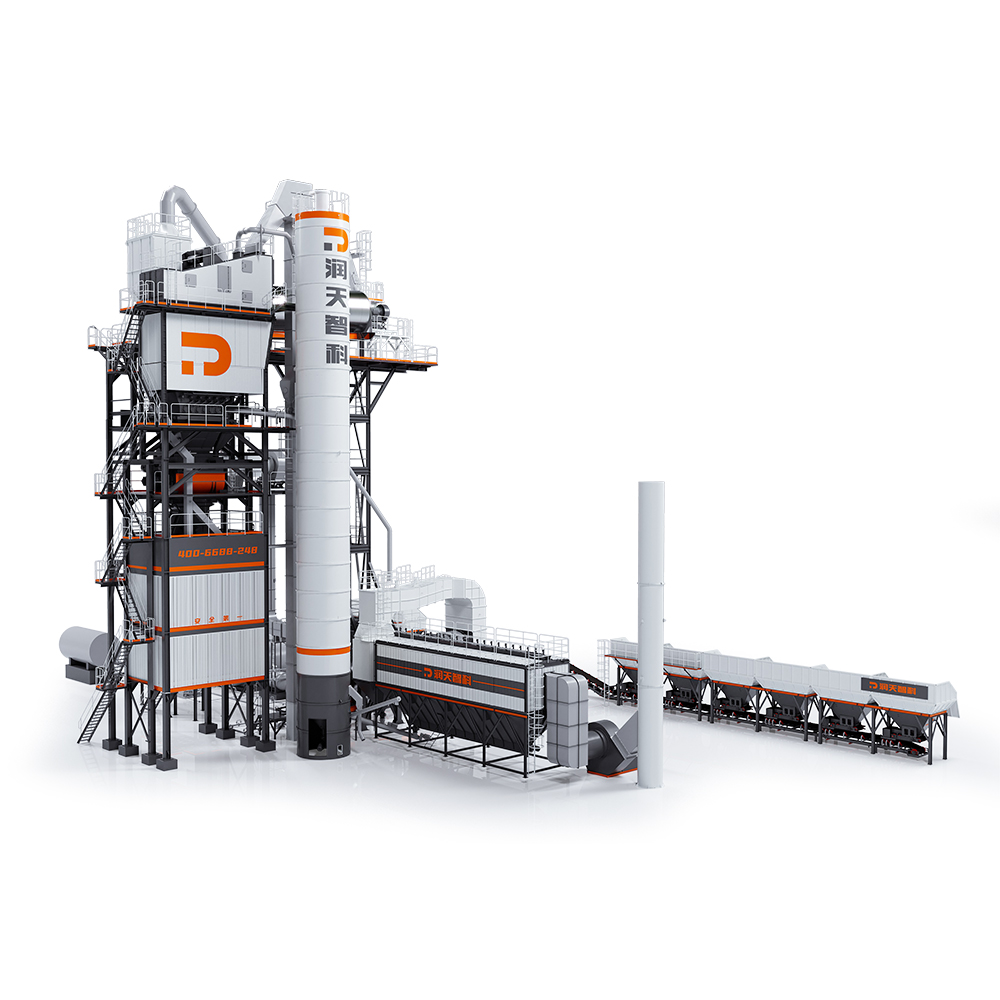 LBR Series Integrated Asphalt Mixing Plant
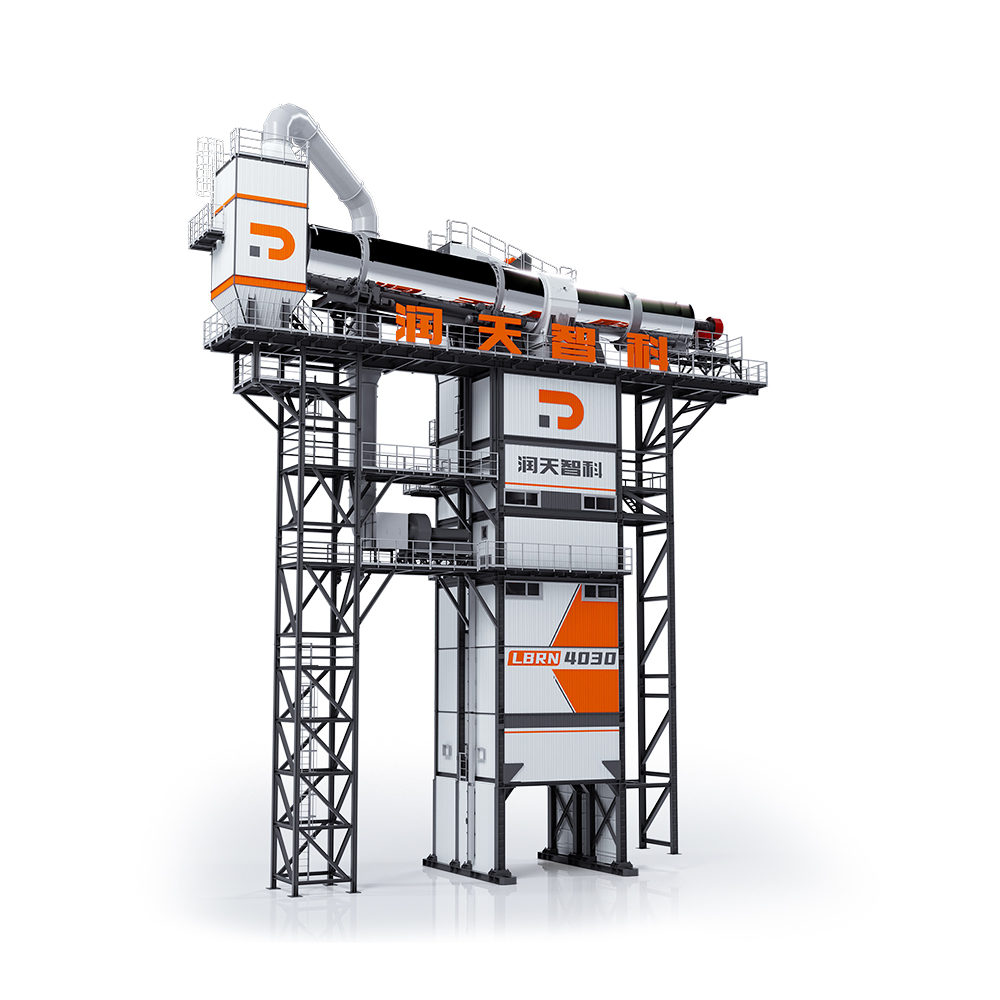 LBRN Series Counterflow Integral Asphalt Mixing Plant
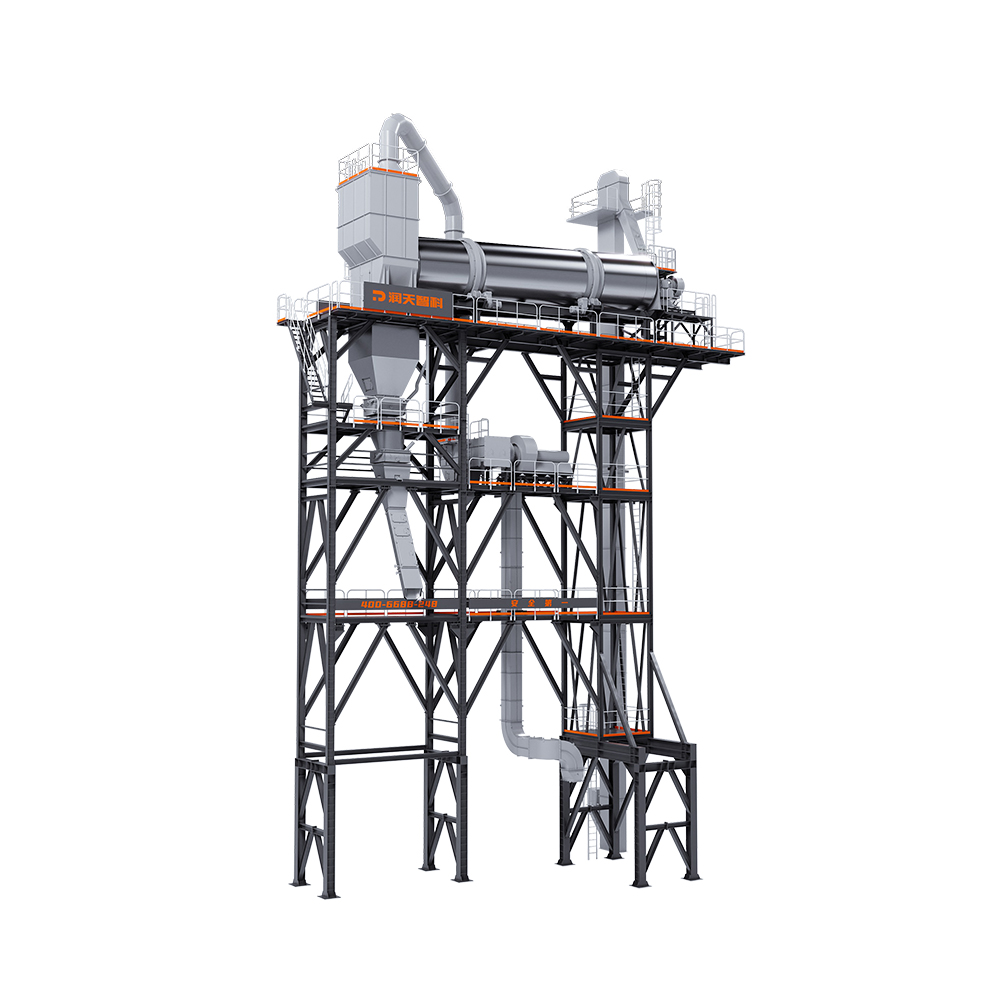 RZS Series Asphalt Mixing Plant
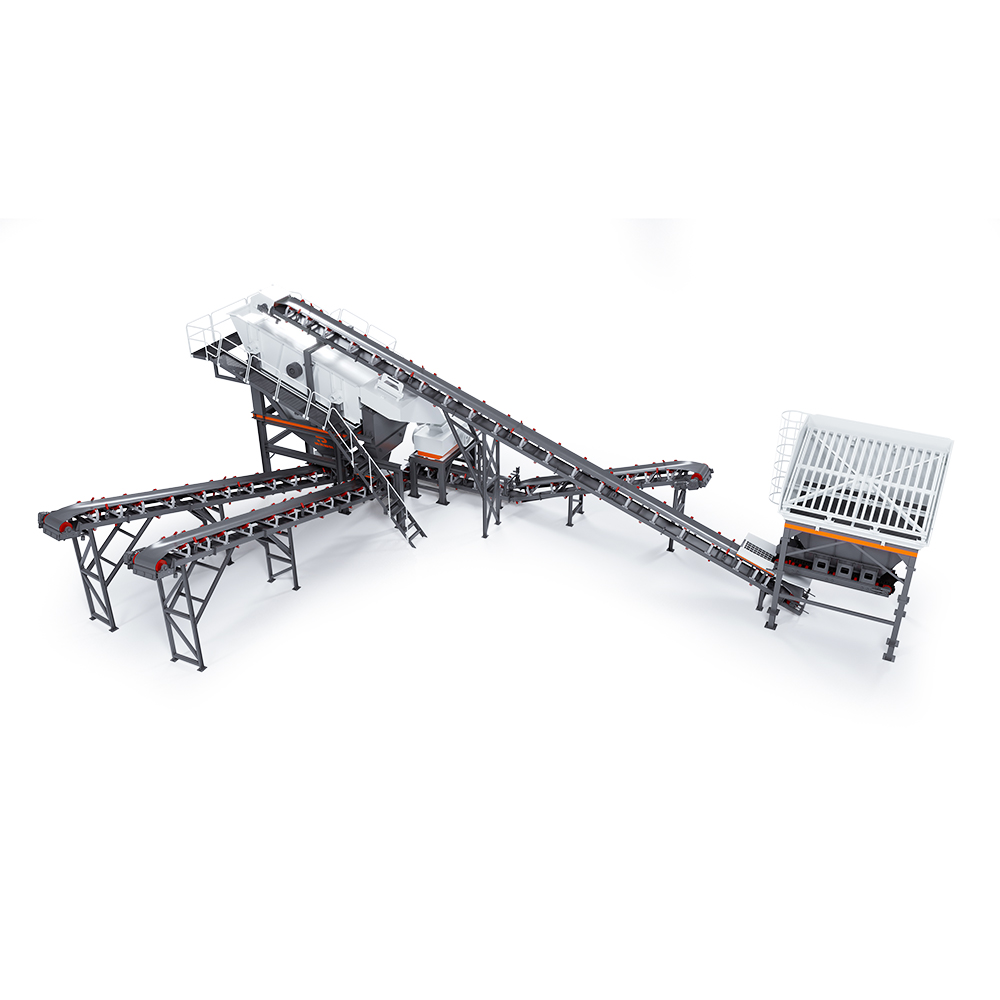 RTZS120 Series RAP Crushing & Screening Plant
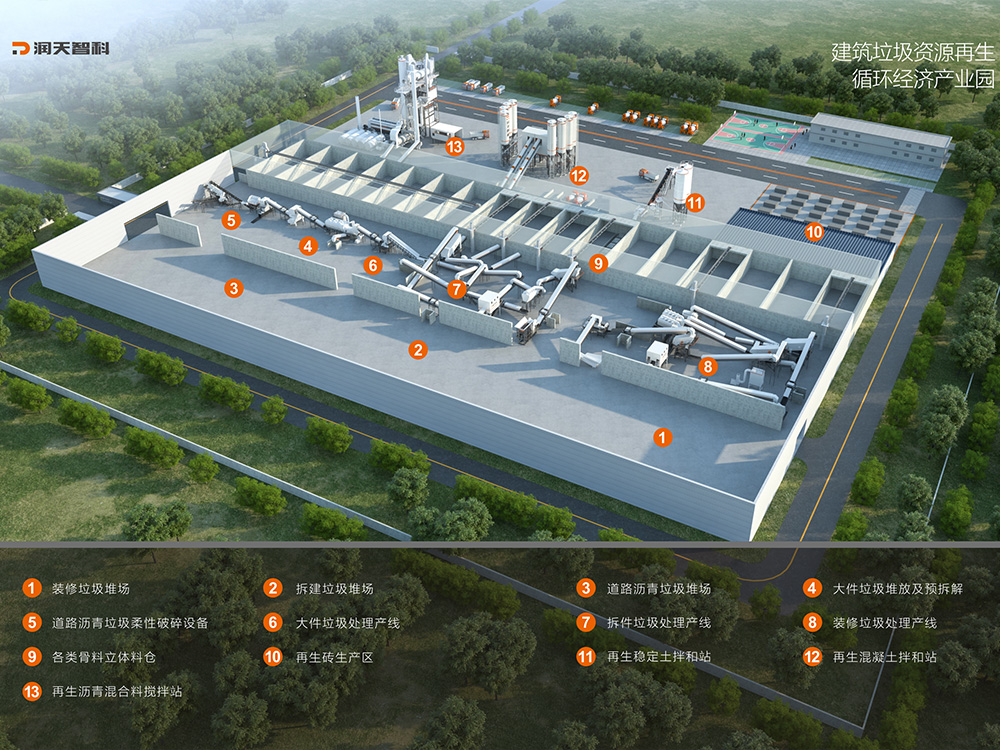 Construction Waste Resourceful Treatment Line