What Are the Best Building Materials in China?
In recent years, China has emerged as a powerhouse in the building materials industry, shaping infrastructure worldwide. The demand for sustainable and high-quality building materials continues to rise. A report by Global Industry Analysts indicates that the Chinese building materials market is expected to reach $1 trillion by 2026.
Experts in the field, such as David Lu from Building Mate, emphasize the importance of innovation. He states, "Sustainability and technology will drive the future of building materials in China." This highlights a crucial shift toward eco-friendly options and digital solutions. Yet, it is important to recognize the challenges faced by this sector, such as environmental impacts and resource scarcity. The focus must be on balancing growth with responsible practices.
Overall, as we explore the best building materials in China, it is vital to consider both advancements and shortcomings. Understanding these dynamics can inform better decisions in future construction projects.
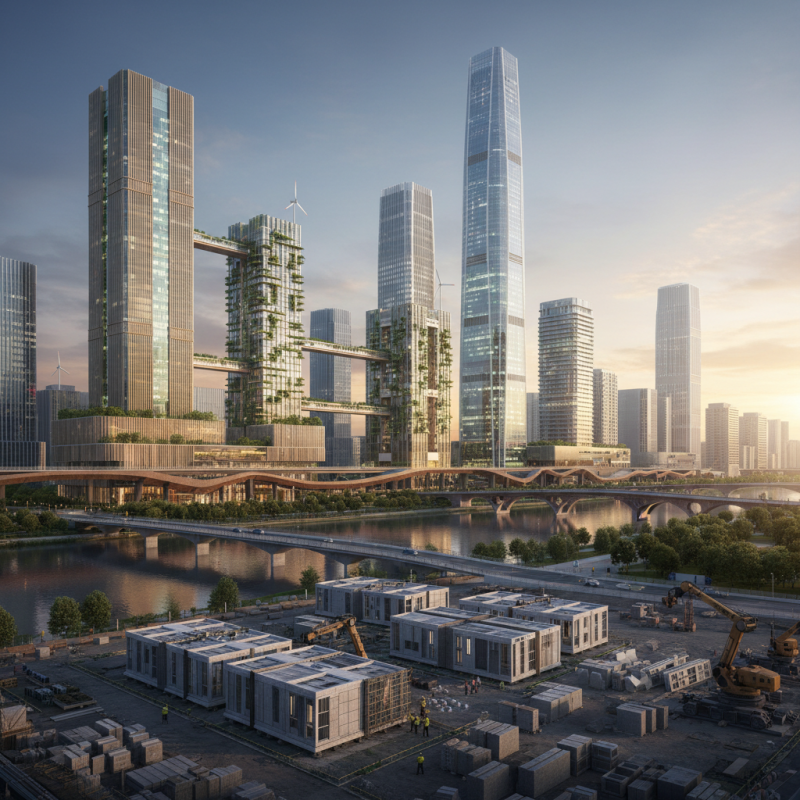
Types of Building Materials Commonly Used in China
In China, building materials vary widely, reflecting regional availability and construction needs. Concrete remains the dominant choice, accounting for over 60% of construction material use. Its durability and versatility are unmatched, yet its environmental impact raises concerns. The production of cement contributes significantly to CO2 emissions. Alternatives to traditional materials are being explored.
Steel ranks second among materials used in construction. It accounts for about 20% of the total, preferred for structural integrity. However, sourcing raw materials can be an issue. China faces challenges in maintaining sustainable steel production. The shift towards recycled steel has not been rapid enough to meet increasing demand.
Wood and bamboo are gaining traction as eco-friendly options. Wood is favored for residential buildings, offering aesthetic warmth. Bamboo, with its rapid growth rate, provides a renewable resource. But, supply chain inconsistencies often hinder widespread use. This requires further reflection on sourcing practices and sustainability measures. As construction evolves, balancing traditional and modern materials is essential for a sustainable future.
Common Building Materials Used in China
This chart displays the various types of building materials commonly used in China's construction industry, along with their estimated percentage usage.
Sustainable and Eco-Friendly Building Materials in China
Sustainable building materials are gaining traction in China. The demand for eco-friendly options is growing. Reports from the World Green Building Council indicate a significant rise in green building projects, with 25% more constructions adopting sustainable materials in recent years.
Popular eco-friendly materials include bamboo and recycled steel. Bamboo is a fast-growing resource, requiring less energy to process. Recycled steel reduces waste while maintaining structural integrity. According to industry metrics, using these materials can reduce carbon footprints by over 30%. Many developers are now prioritizing performance and environmental impact over traditional choices.
Tip: When choosing materials, consider their lifecycle. Think about sourcing, processing, and disposal. A material might seem eco-friendly but can have hidden costs.
Wood from sustainable forests is also valuable. It offers thermal insulation and carbon sequestration benefits. However, not all wood is created equal. Overharvesting remains a concern. Ensure certifications for sustainability before making a decision.
Tip: Always ask for documentation regarding the source of your materials. Transparency in supply chains is crucial for true sustainability.
Quality Standards and Regulations for Building Materials in China
In China, building materials must meet strict quality standards and regulations. These guidelines ensure safety and durability in construction. The government has instituted norms for various materials, including concrete, steel, and insulation products. Compliance with these standards is crucial for any construction project.
Project managers should stay informed about local regulations. Each region may have different requirements, which can affect material choices. Using non-compliant materials can lead to severe consequences, such as building failures or legal penalties. It's essential to conduct regular audits and inspections.
Tips: Always check certification labels before purchasing materials. Seek guidance from local authorities regarding updates on regulations. Collaborating with suppliers who understand these standards can save time and effort. Maintaining an open communication line with regulatory bodies can help clarify any uncertainties.
What Are the Best Building Materials in China? - Quality Standards and Regulations for Building Materials in China
| Material Type |
Common Uses |
Quality Standards |
Regulatory Body |
| Steel |
Construction frames, bridges |
GB/T 4990-2017 |
National Technical Committee 180 on Steel |
| Concrete |
Foundations, walls |
GB 50164-2011 |
Ministry of Housing and Urban-Rural Development |
| Bricks |
Walls, pavements |
GB 5101-2014 |
State Administration for Market Regulation |
| Wood |
Decking, framing |
GB/T 5007-2017 |
National Technical Committee 193 on Timber |
| Glass |
Windows, facades |
GB 15763.2-2005 |
National Standardization Administration |
Innovations in Building Material Technology in China
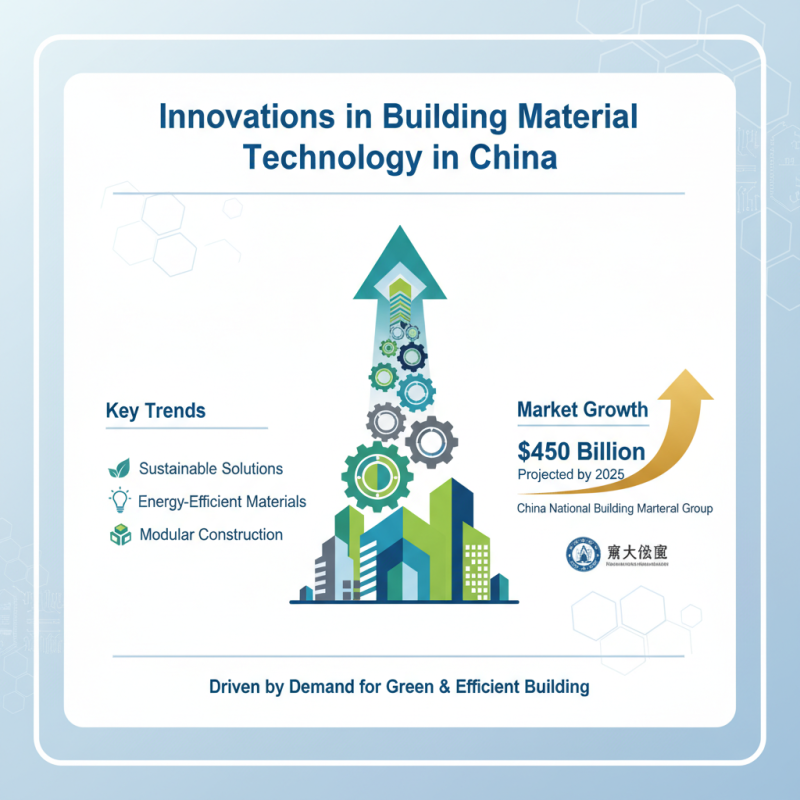
In recent years, China has seen significant advancements in building material technology. This transformation is driven by a growing demand for sustainable and efficient construction solutions. Data from the China National Building Material Group indicates that the market for innovative materials is projected to reach $450 billion by 2025.
One notable area of innovation is the development of eco-friendly concrete. This concrete not only reduces carbon emissions but also enhances durability. Reports suggest that these materials can cut production costs by 20%, making them a financially viable choice. However, challenges persist. Many construction companies still rely on traditional materials, citing concerns about the performance of newer technologies.
Additionally, the use of recycled materials in construction has gained traction. A report from the Chinese Academy of Engineering reveals that using recycled aggregates can diminish waste by up to 30%. Yet, not all projects are ready to embrace this shift. Some developers question the quality and reliability of recycled options. This hesitance highlights a gap in education and resources within the industry. Finding a balance between innovation and established practices remains a task for many professionals.
Regional Variations in Building Material Usage Across China
Regional variations in building materials across China reflect the diverse geography and climate. For example, northern regions often rely on concrete and steel due to harsh winters. The demand for insulation is high, leading to a greater use of energy-efficient materials. Additionally, many northern cities are undergoing rapid urbanization, increasing the consumption of these materials.
In contrast, southern areas, with their warmer climate and abundant rainfall, see a different trend. Here, materials like bamboo and stone are popular. These materials are more suited for humid conditions. In fact, a report by the China Building Materials Federation indicated that bamboo usage has increased by 30% in southern construction over the past five years. Yet, reliance on traditional materials can hinder modernization efforts in some regions.
Eastern coastal cities often showcase a mix of advanced materials. With rising environmental concerns, sustainable options like recycled metals are gaining momentum. However, there is still a noticeable gap. Many projects continue to prioritize speed over sustainability, which raises questions about long-term impacts. Balancing tradition and innovation remains a challenge for the industry.

 Concrete Mixing Plant
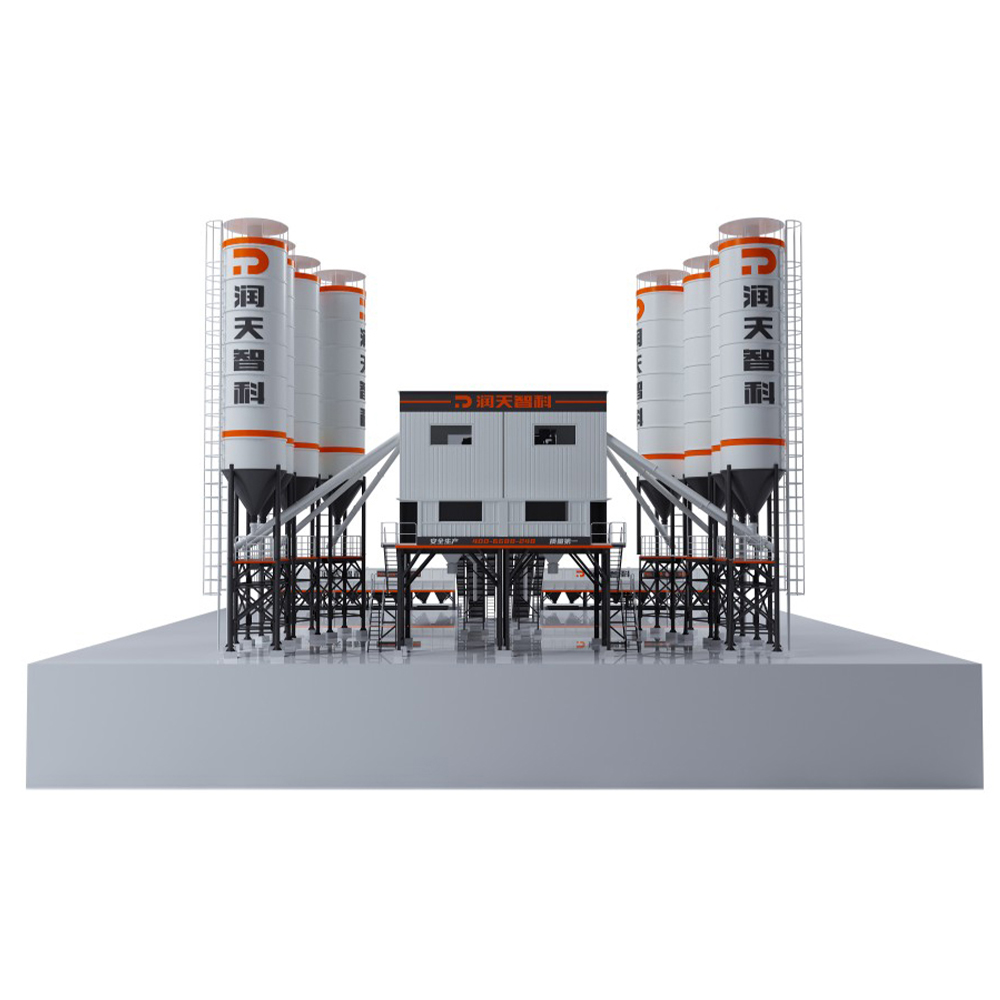 HZS Series Belt Concrete Mixing Plant
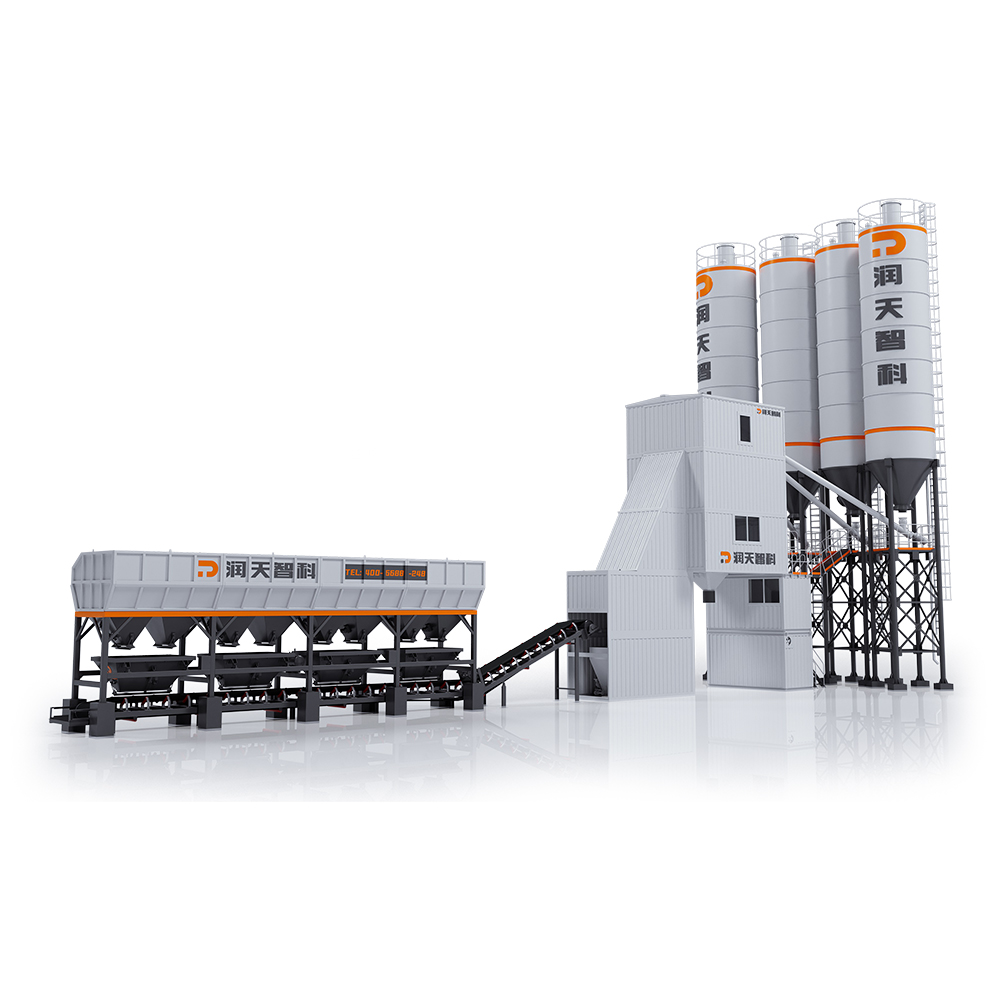 HZS Series Bucket-Lifting Type Container Concrete Mixing Plant
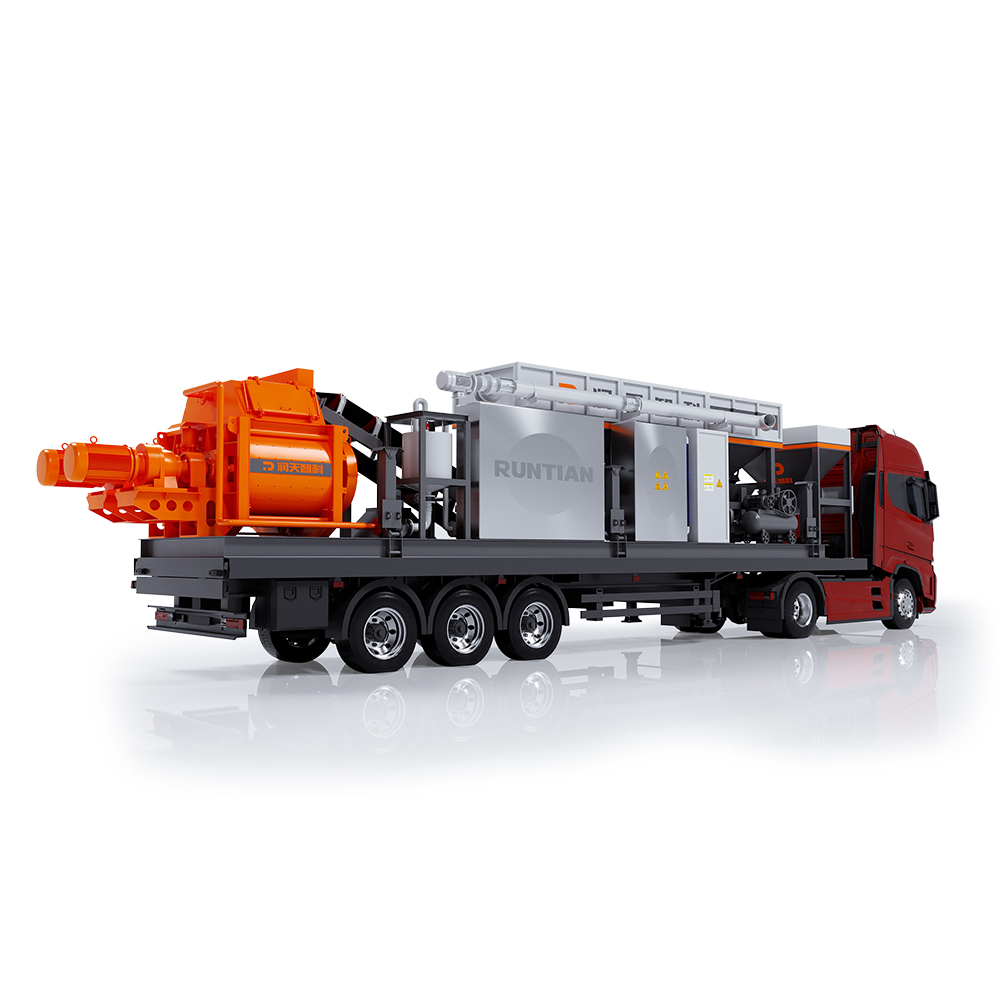 HZS60 Mobile Concrete Mixing Plant
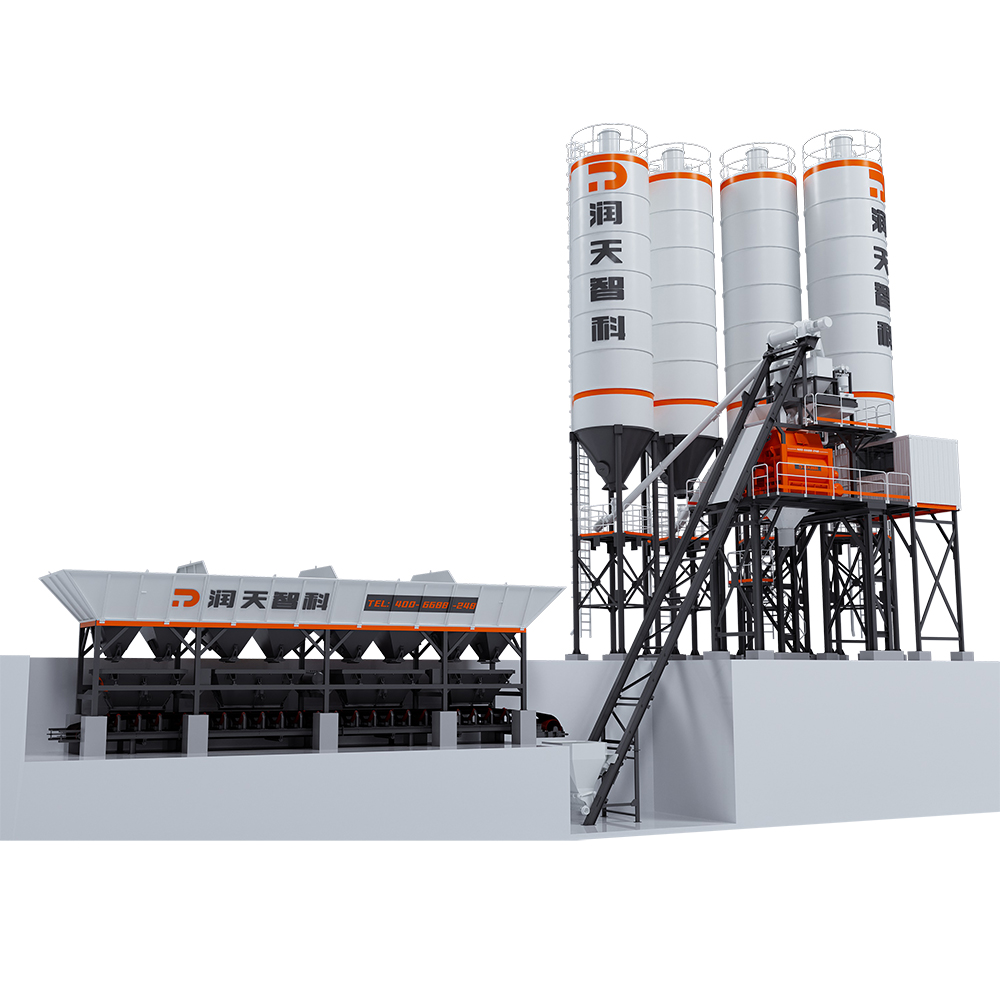 HZS Series Bucket-Lifting Type Concrete Mixing Plant
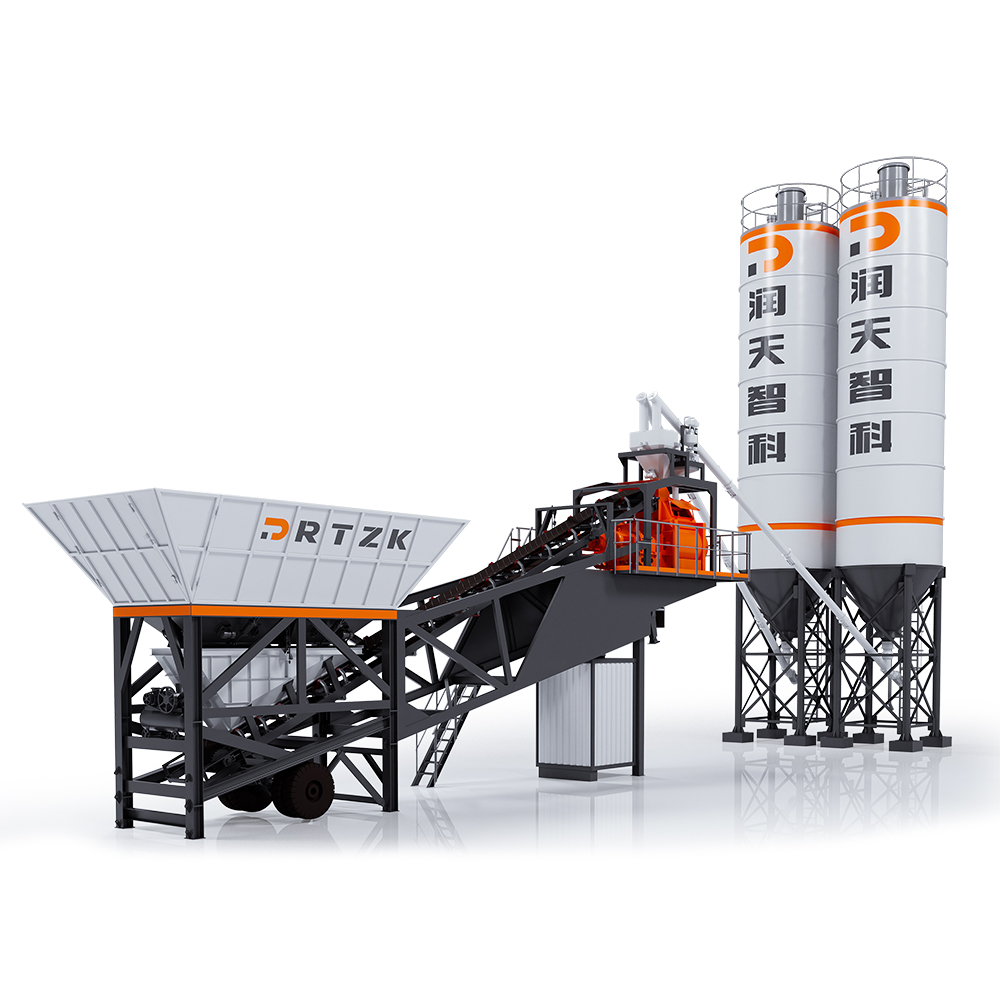 HZS Series Mobile Concrete Mixing Plant
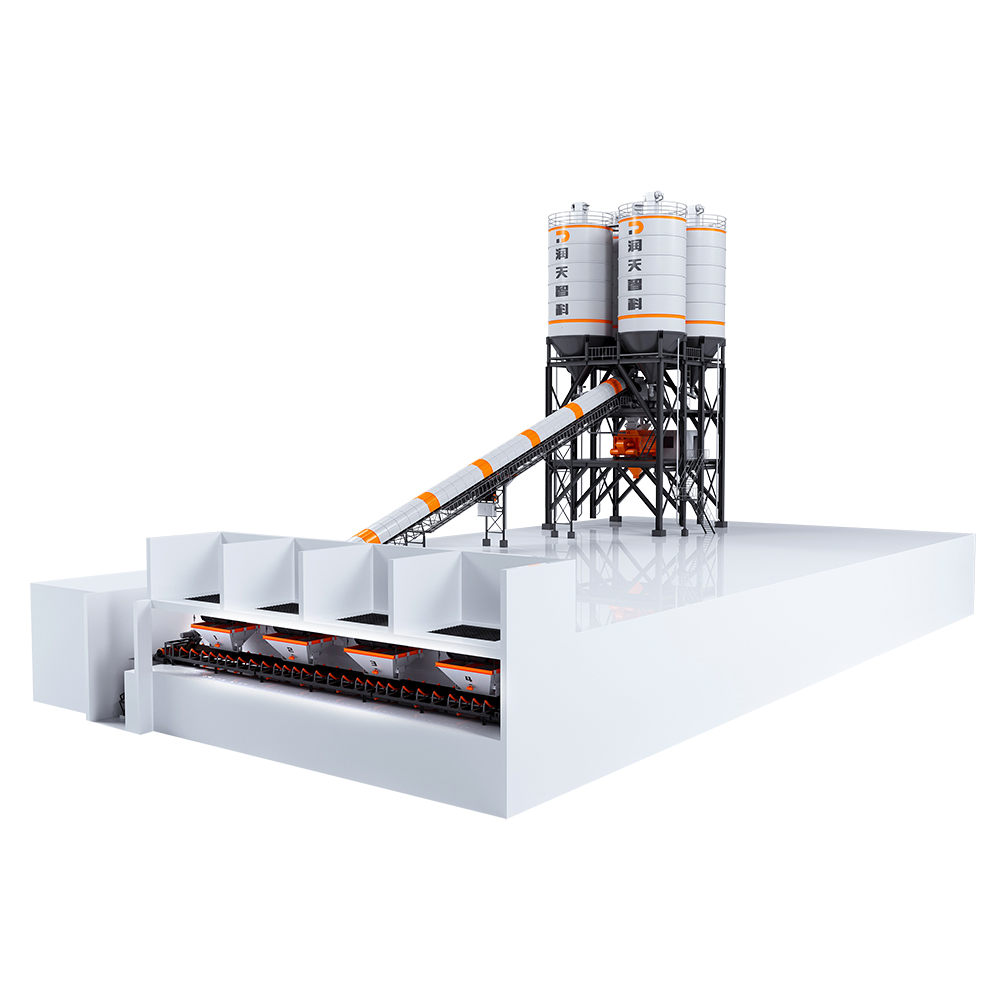 HZS Series Top-Mounted Concrete Mixing plant
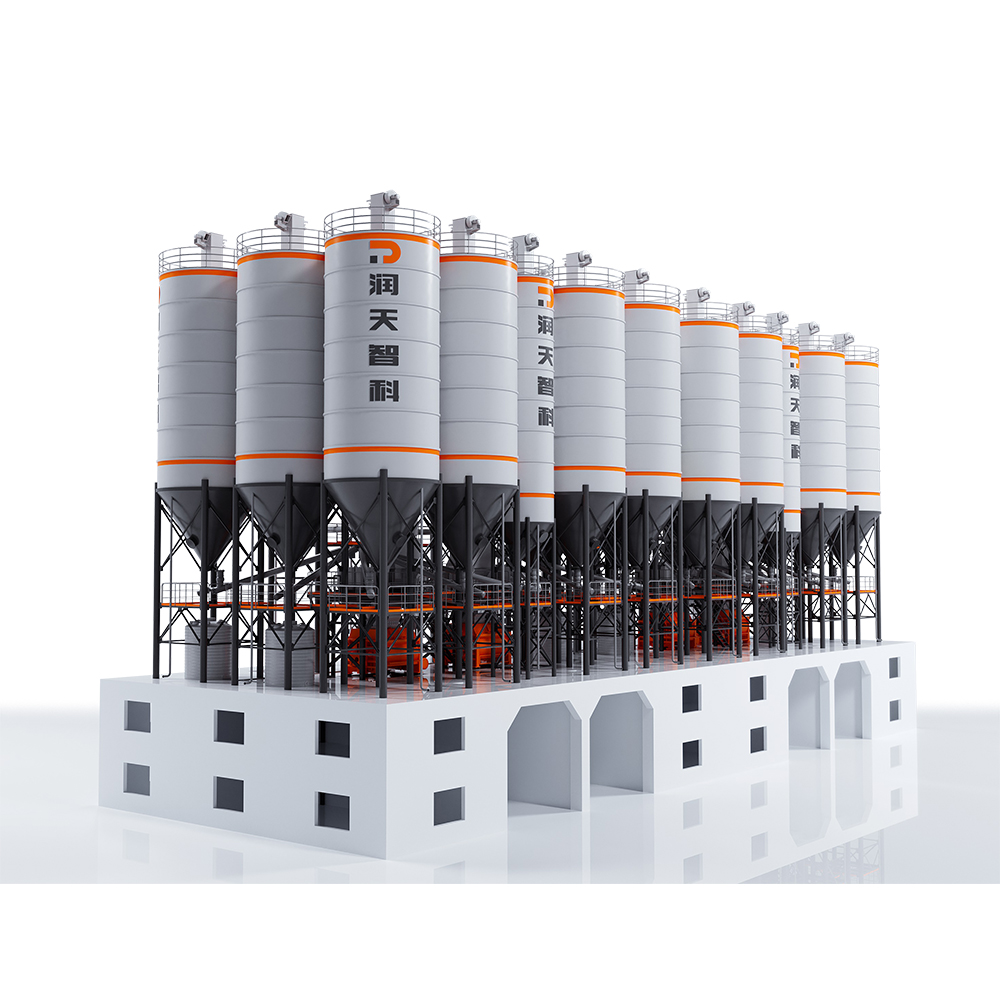 HZS Series Semi-Top Mounted Concrete Mixing Plant
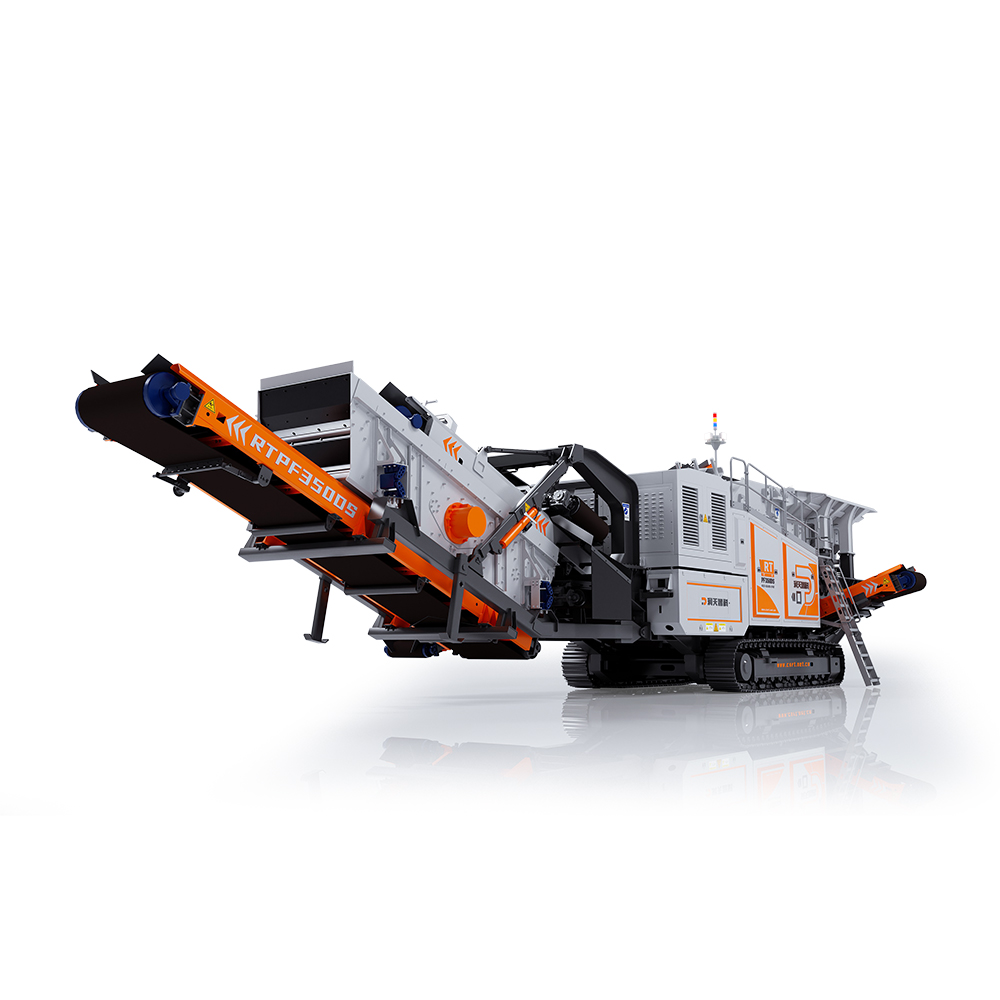 RTPF350DS Crawler Mobile Impact Crushing Plant
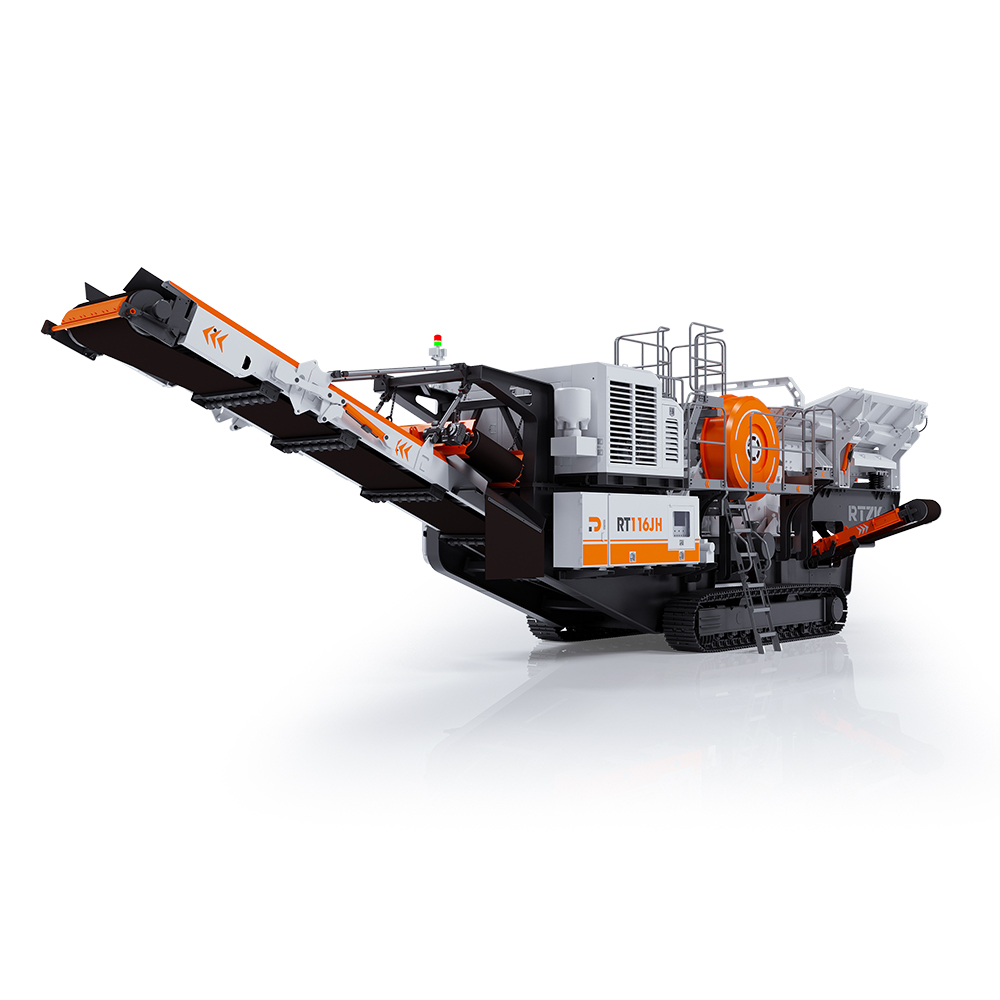 RT116JH Crawler Mobile Jaw Crushing Plant
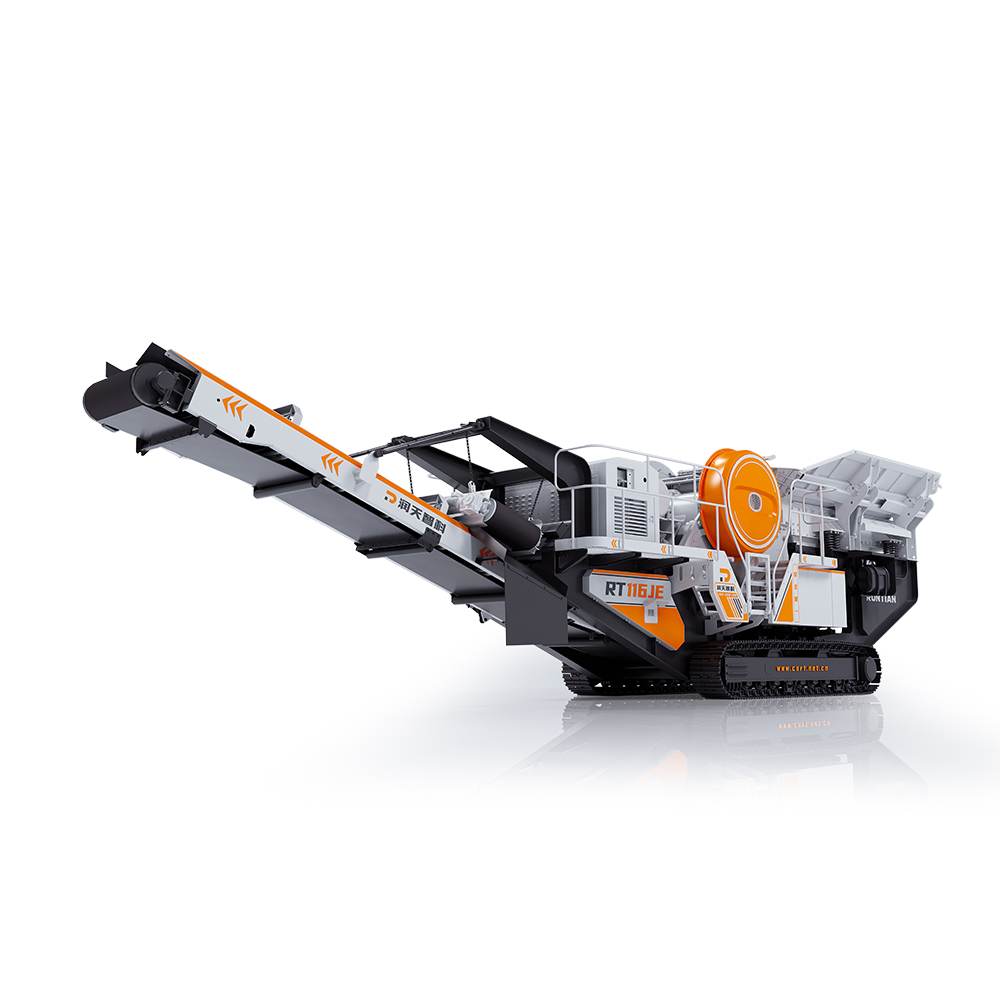 RT116JE Crawler Mobile Jaw Crushing Plant
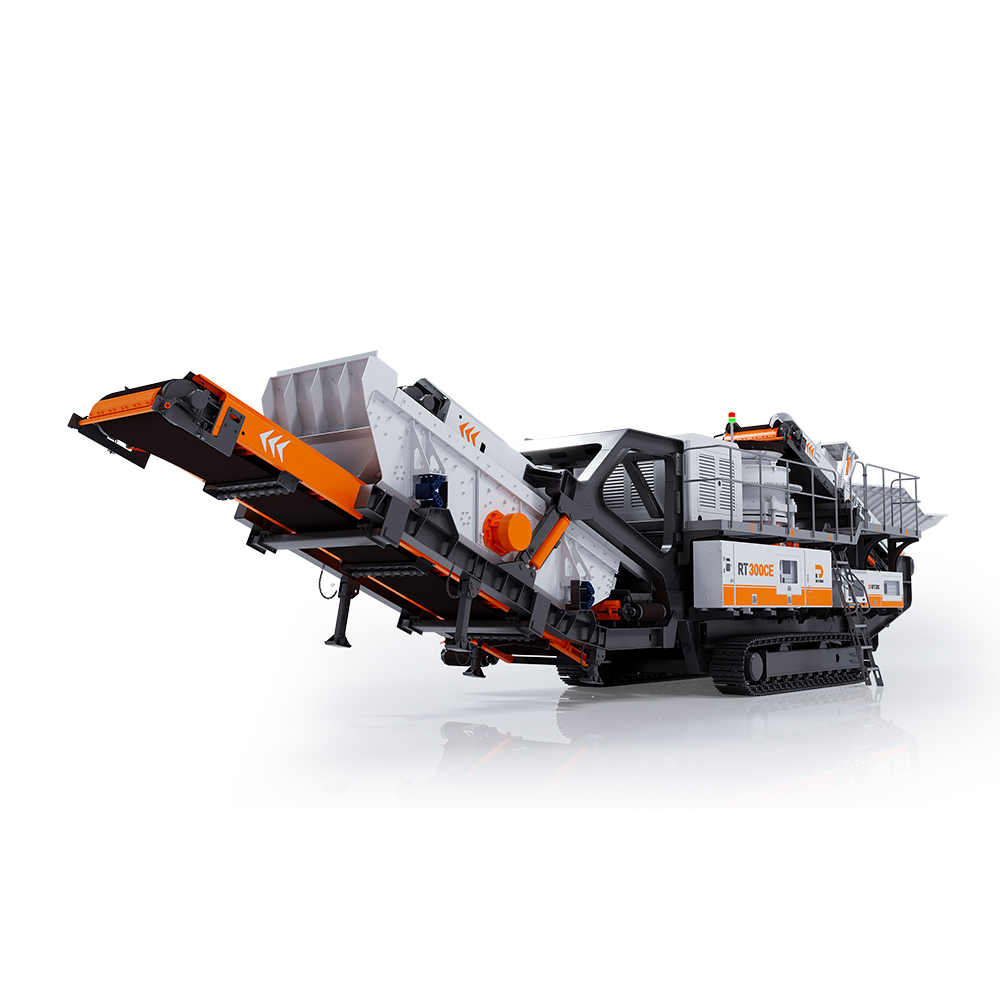 RT300CE Crawler Mobile Cone Crushing Plant
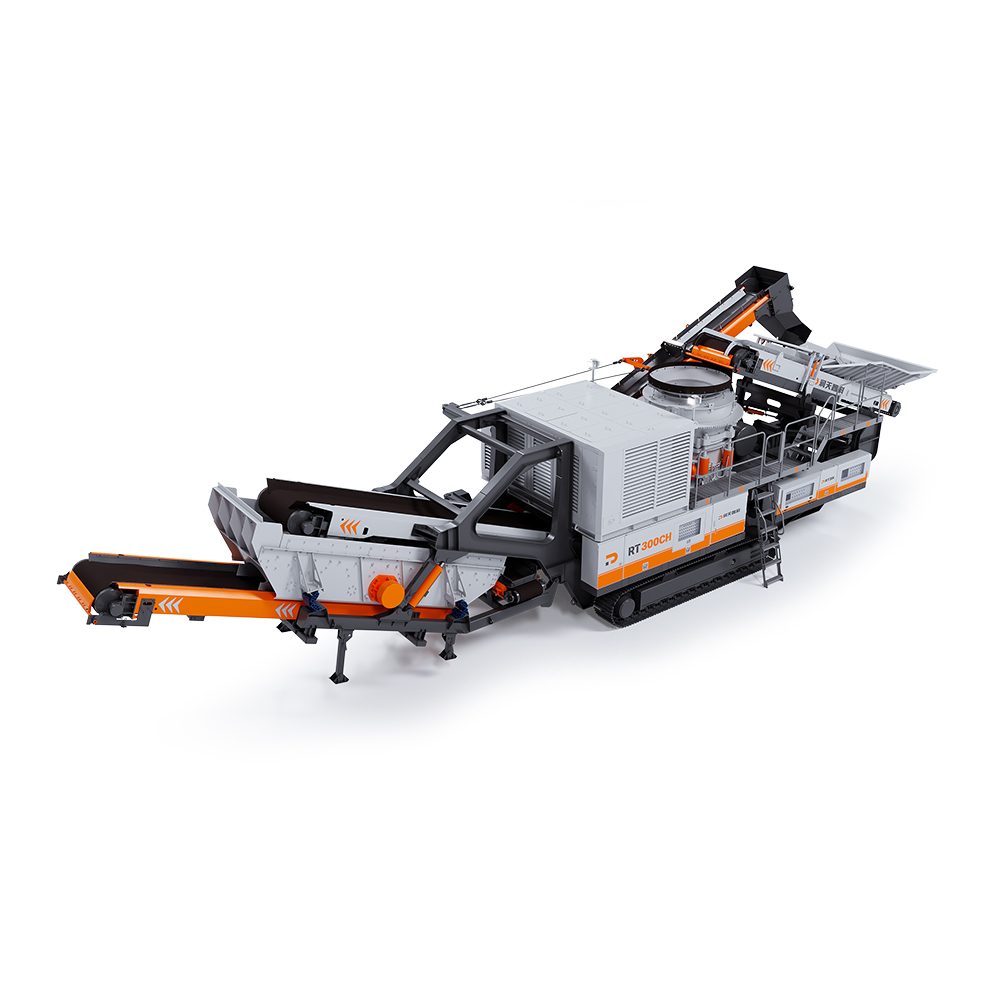 RT300CH Crawler Mobile Cone Crushing Plant
 RT5015H Mobile Scalping Screen
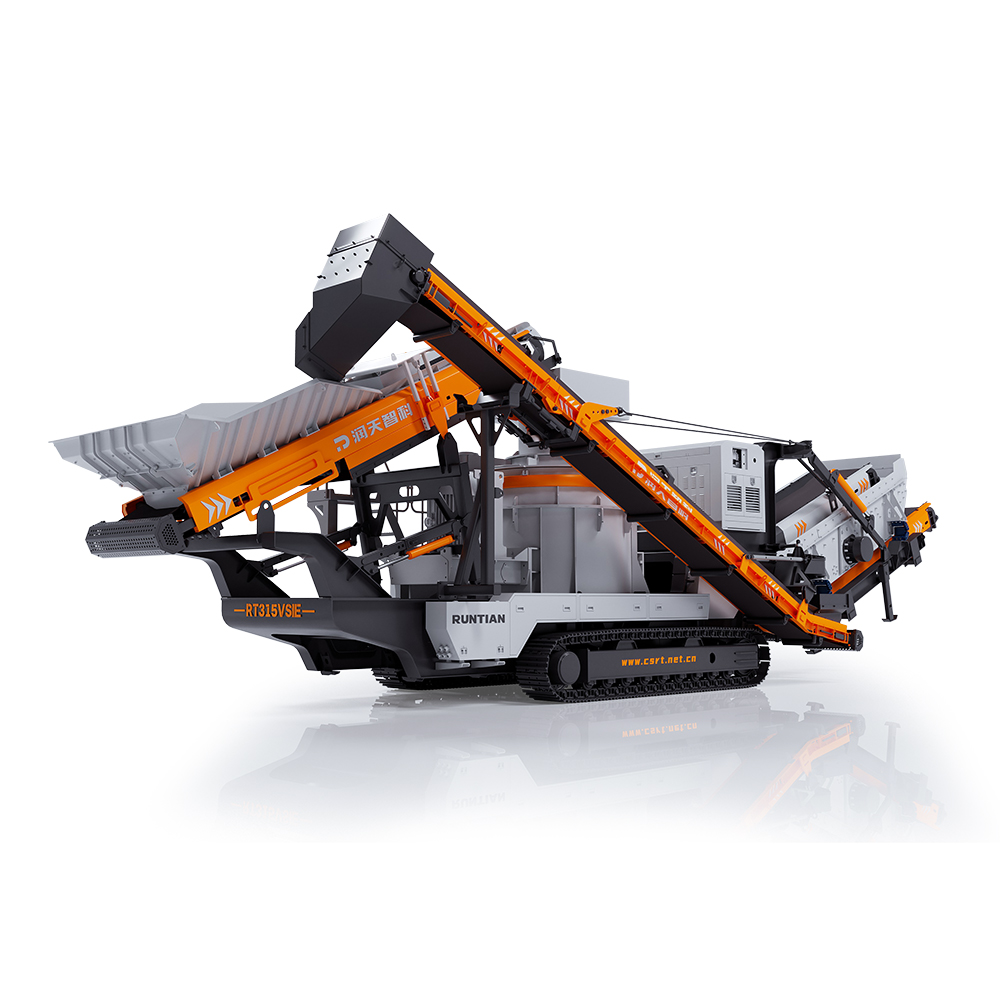 RT315VSIE Crawler Mobile Sand Maker
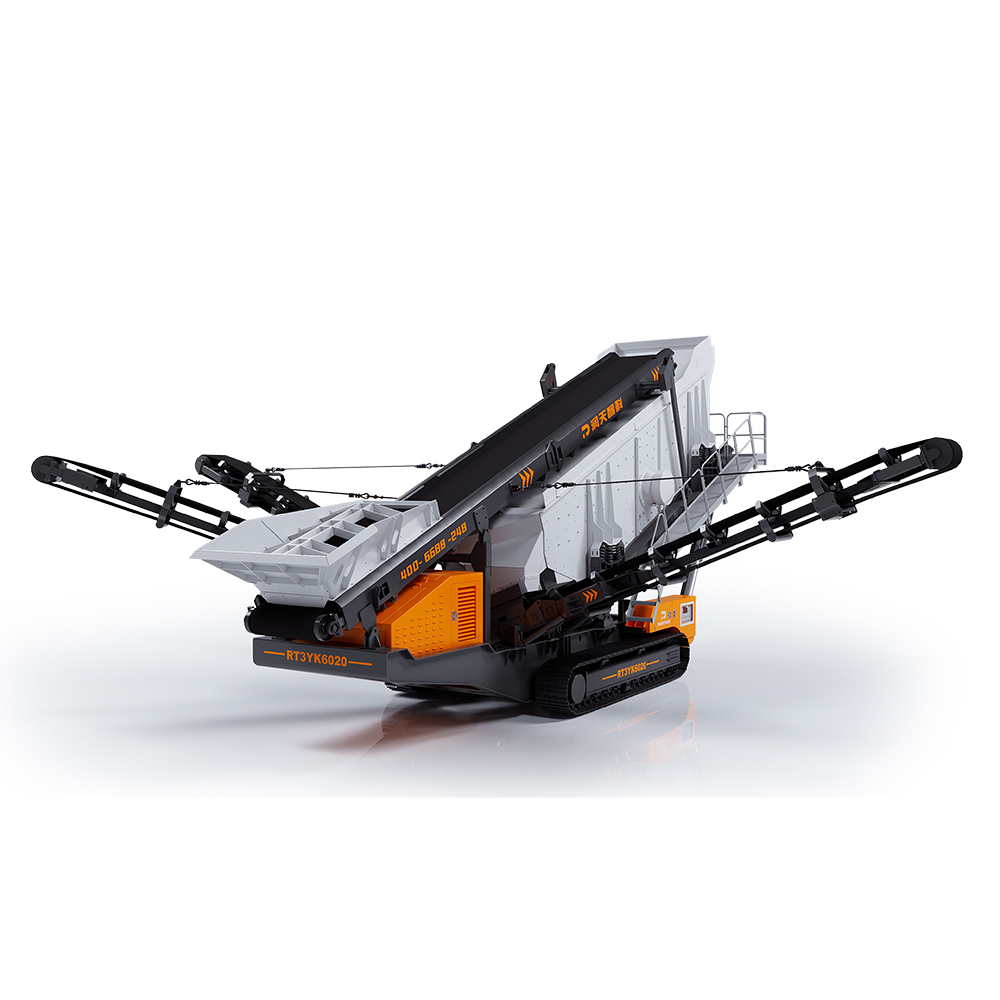 RT3YK6020 Crawler Mobile Screening Plant
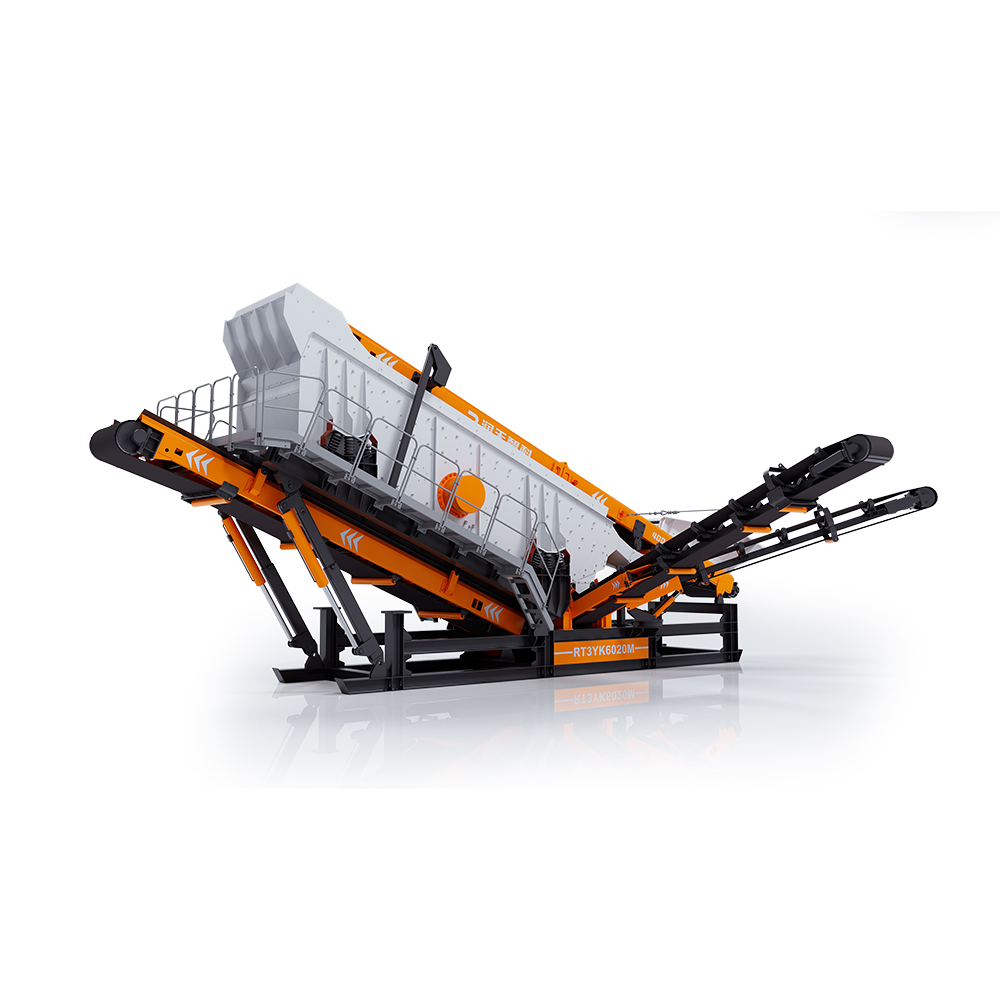 RT3YK6020M Modular Screening Plant
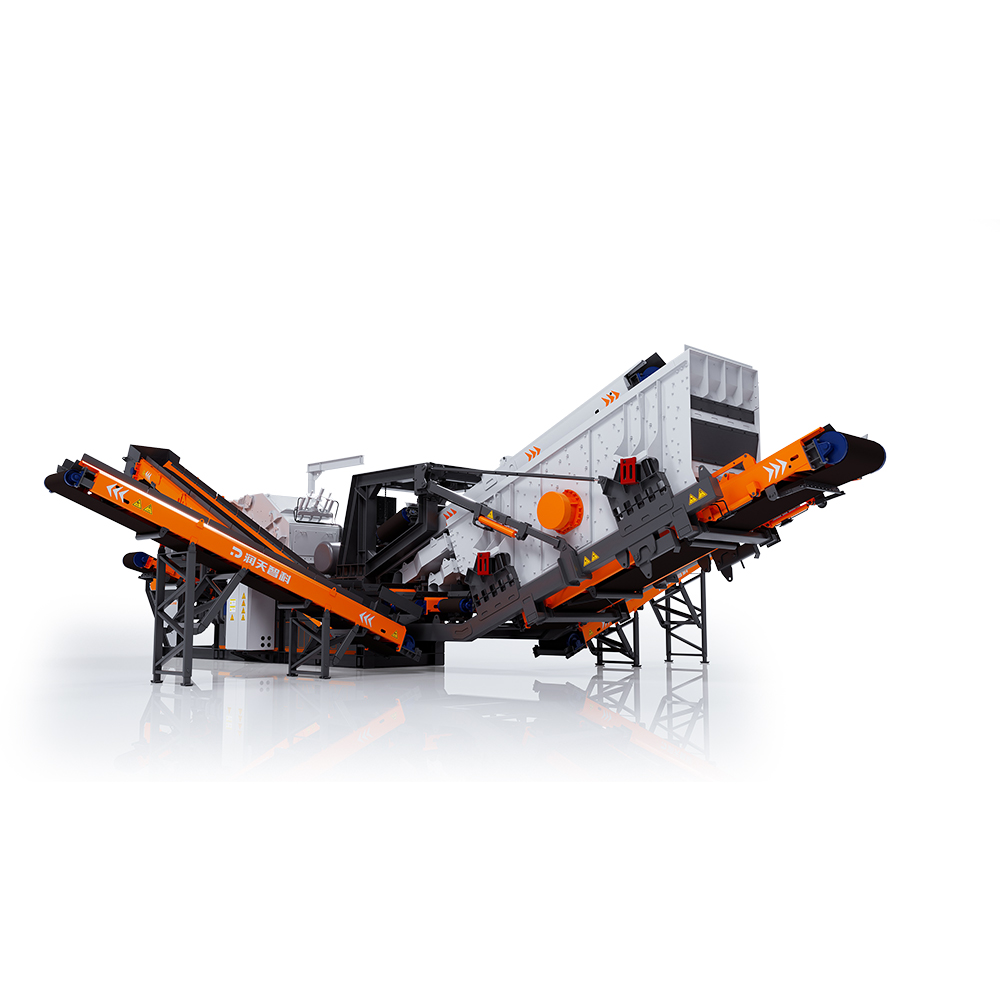 RTF260M Modular Counterattack Crushing and Screening Integrated Machine
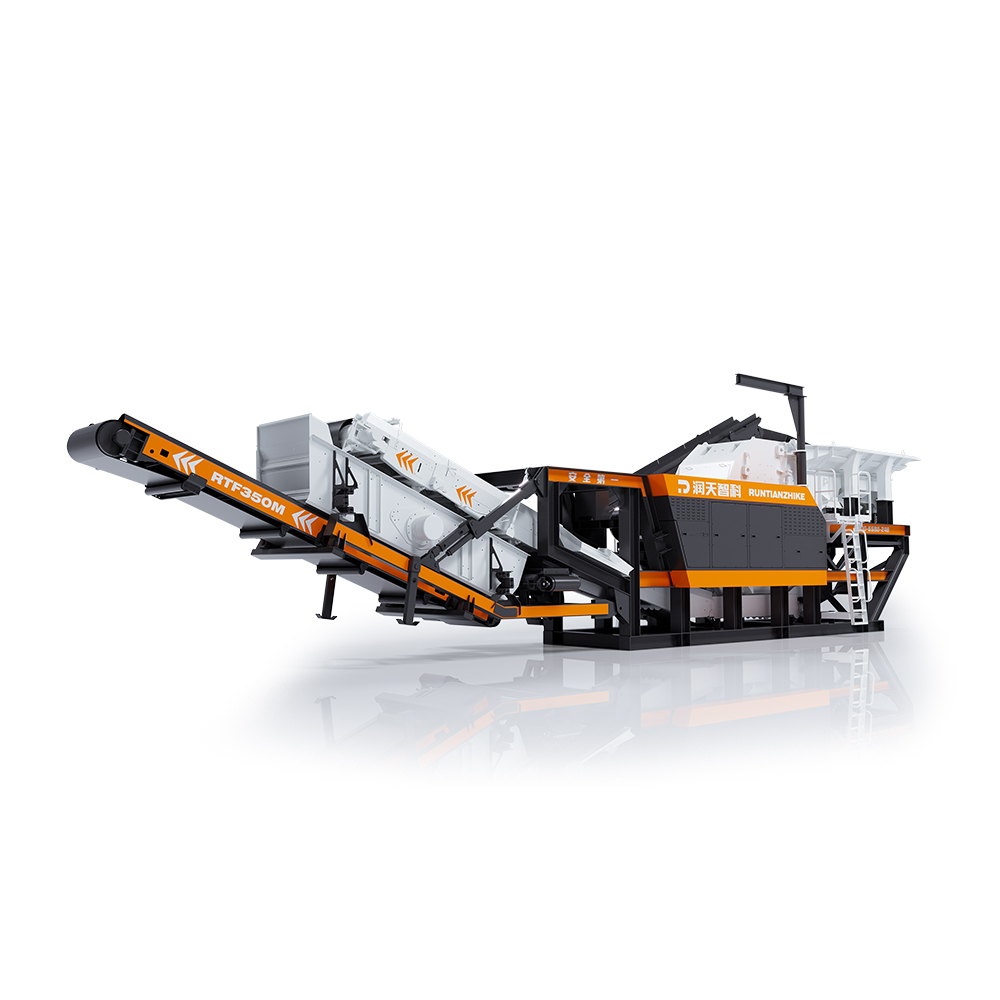 RTF350M Modular Impact Crushing Plant
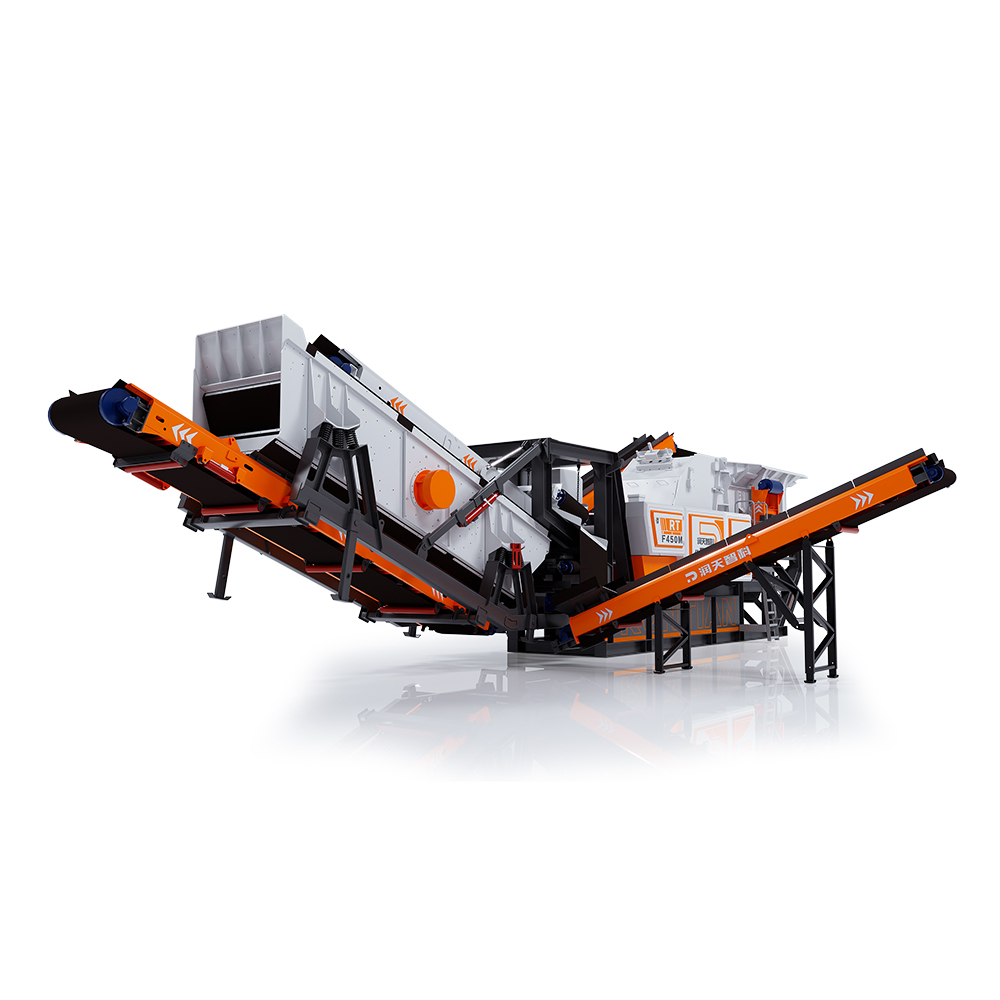 RTF450M Modular Impact Crushing Plant
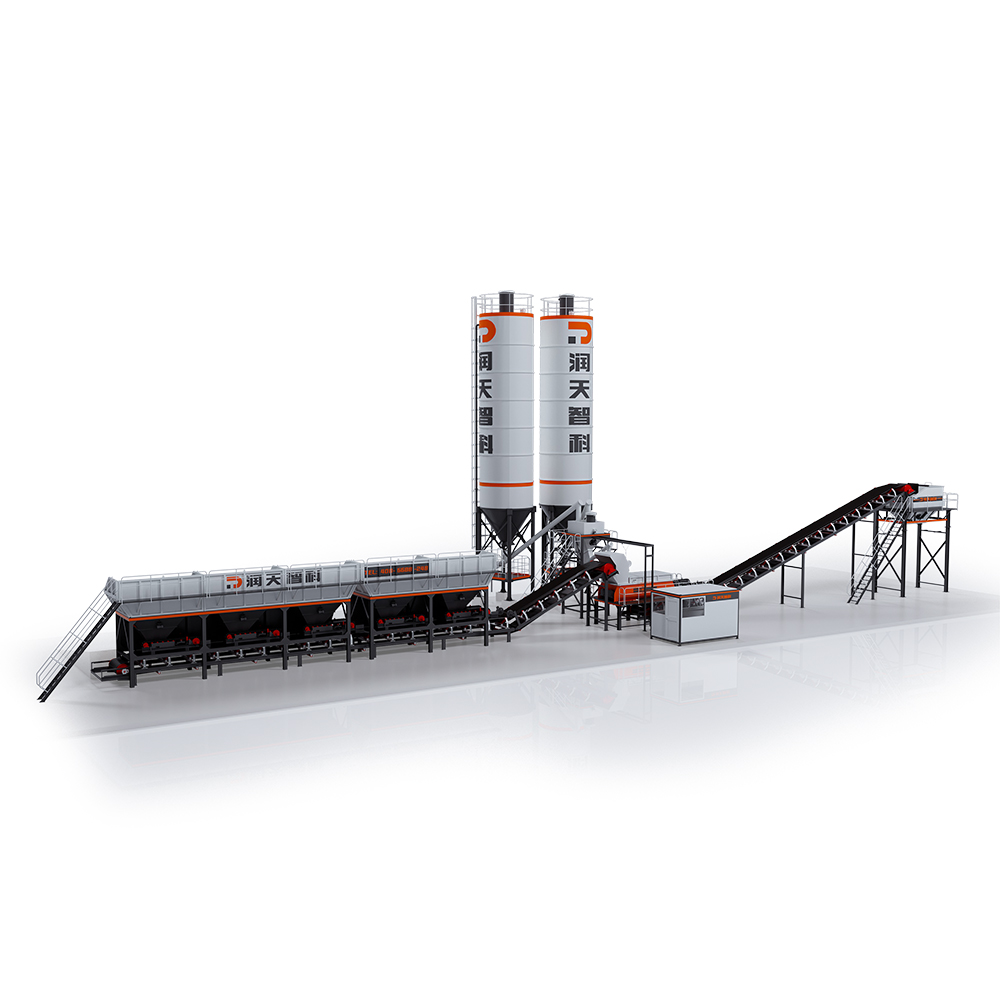 WDB Series Foundation-Free Stability Soil Mixing Plant
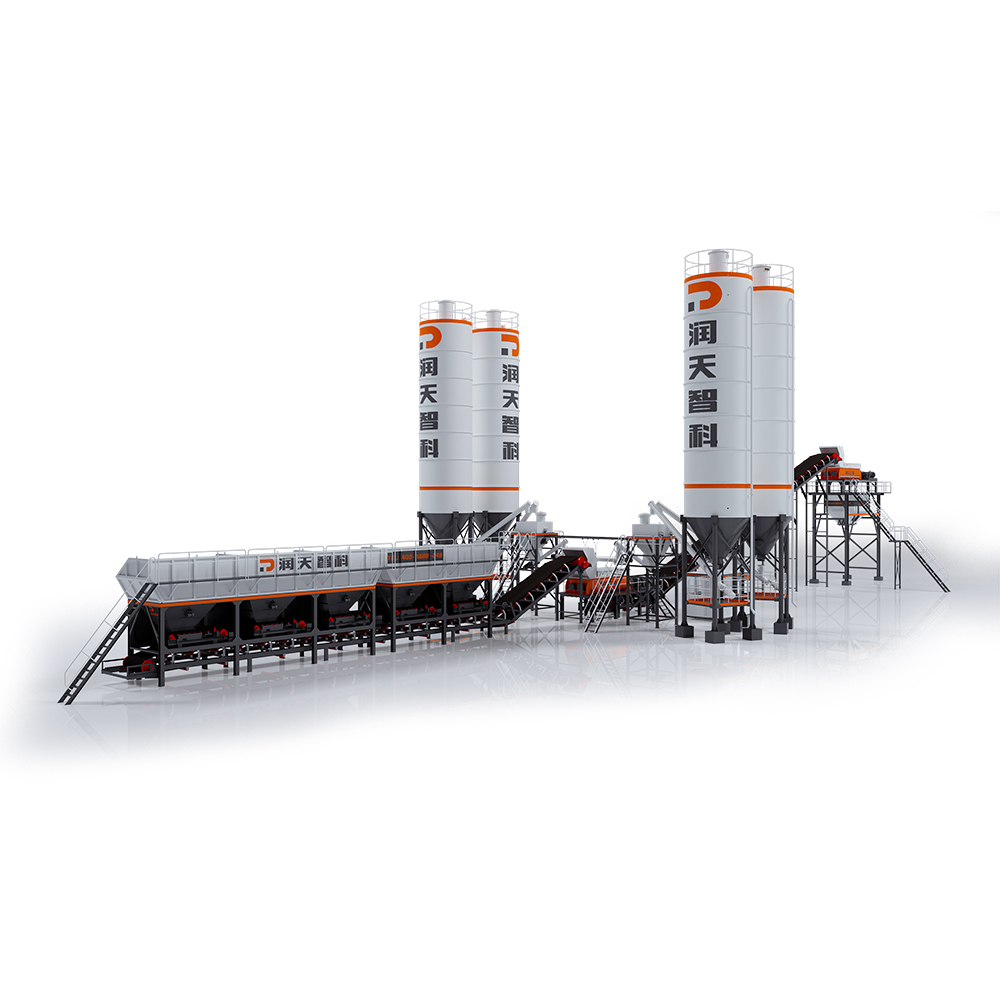 LCB Series Emulsified Asphalt Cold Regeneration Secondary Mixing Plant
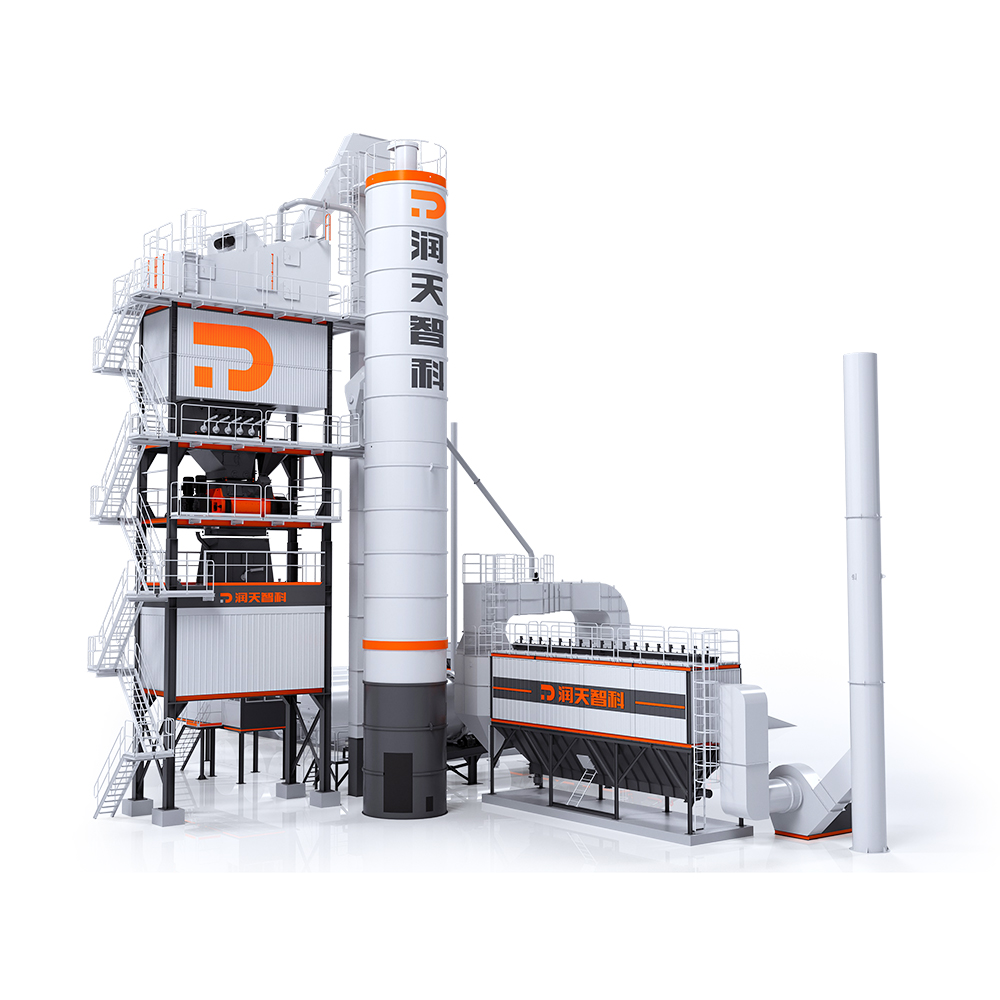 LB Series Asphalt Mixing Plant
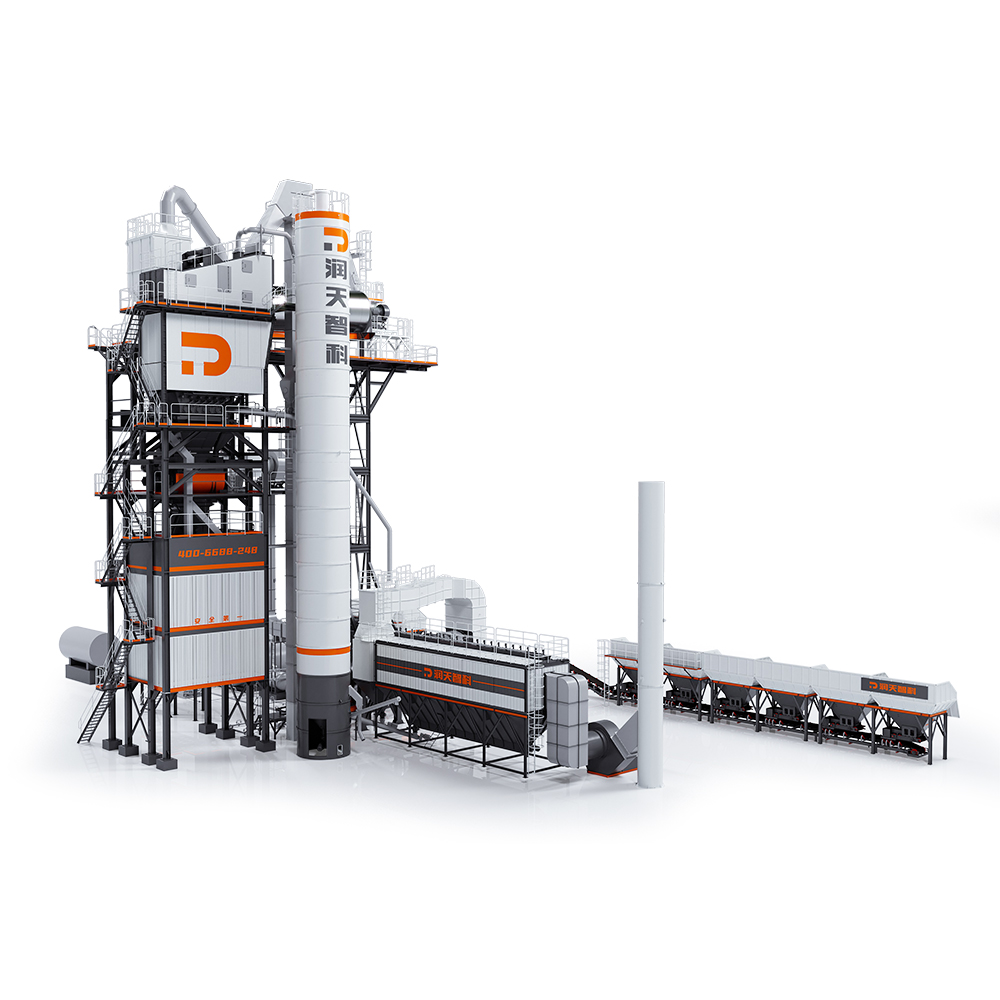 LBR Series Integrated Asphalt Mixing Plant
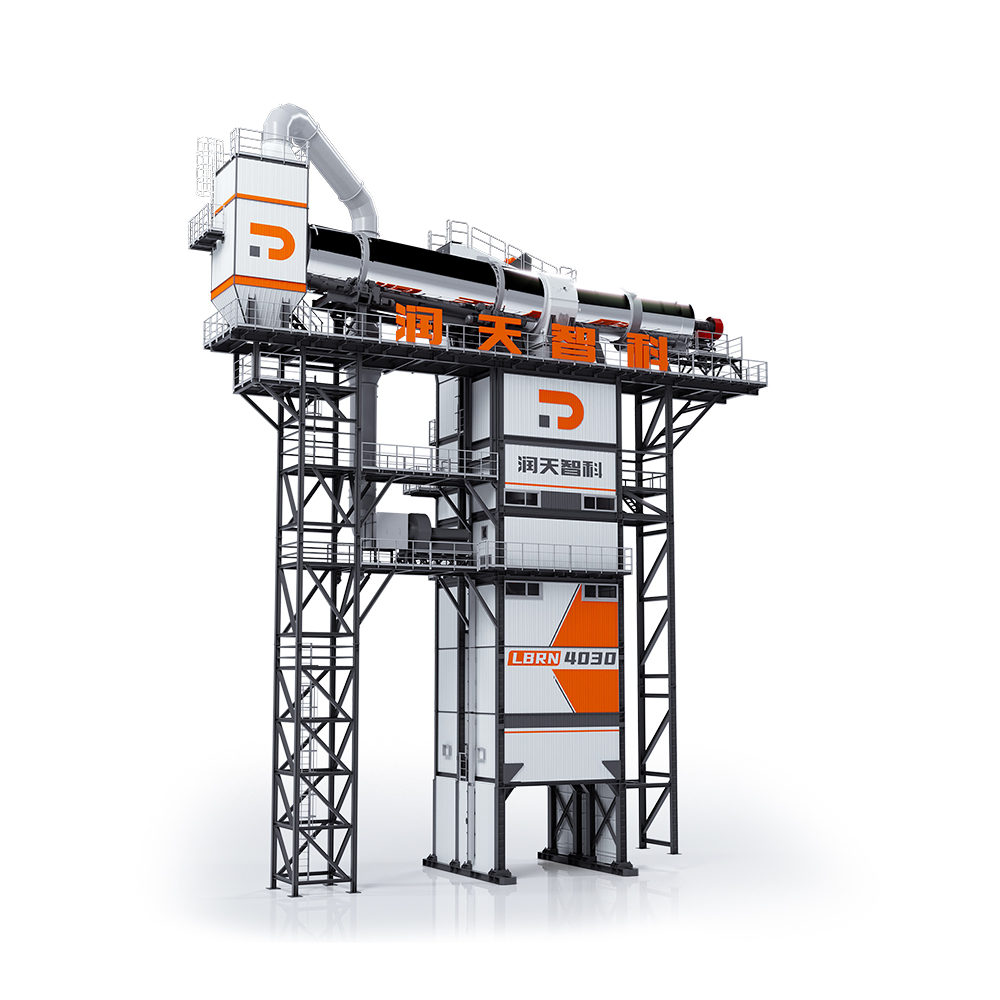 LBRN Series Counterflow Integral Asphalt Mixing Plant
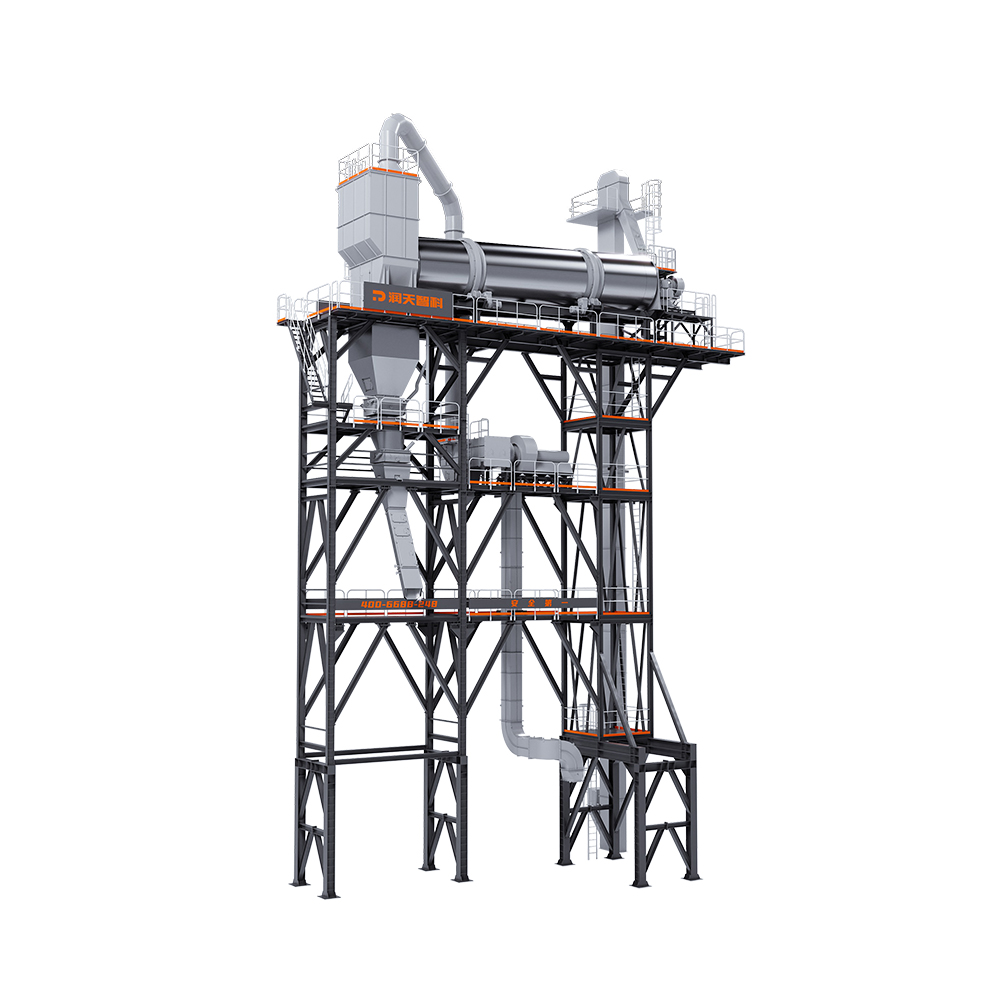 RZS Series Asphalt Mixing Plant
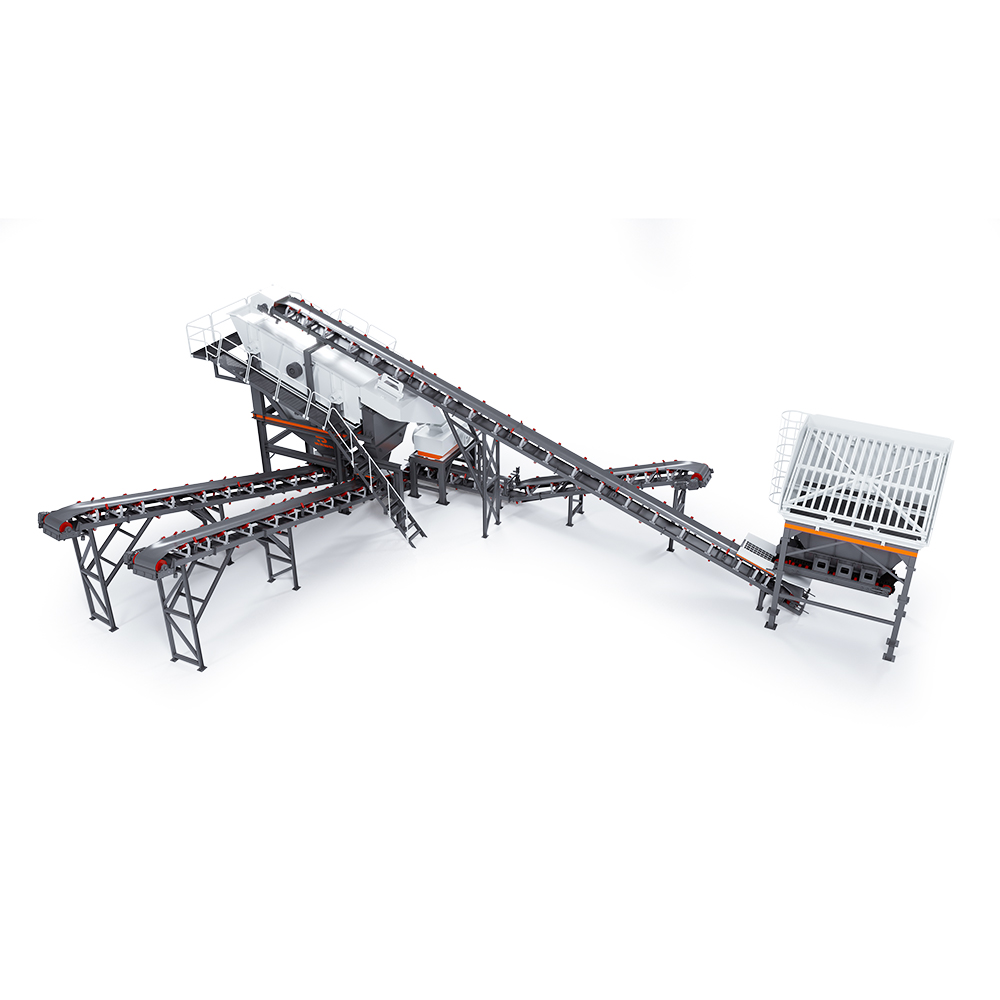 RTZS120 Series RAP Crushing & Screening Plant
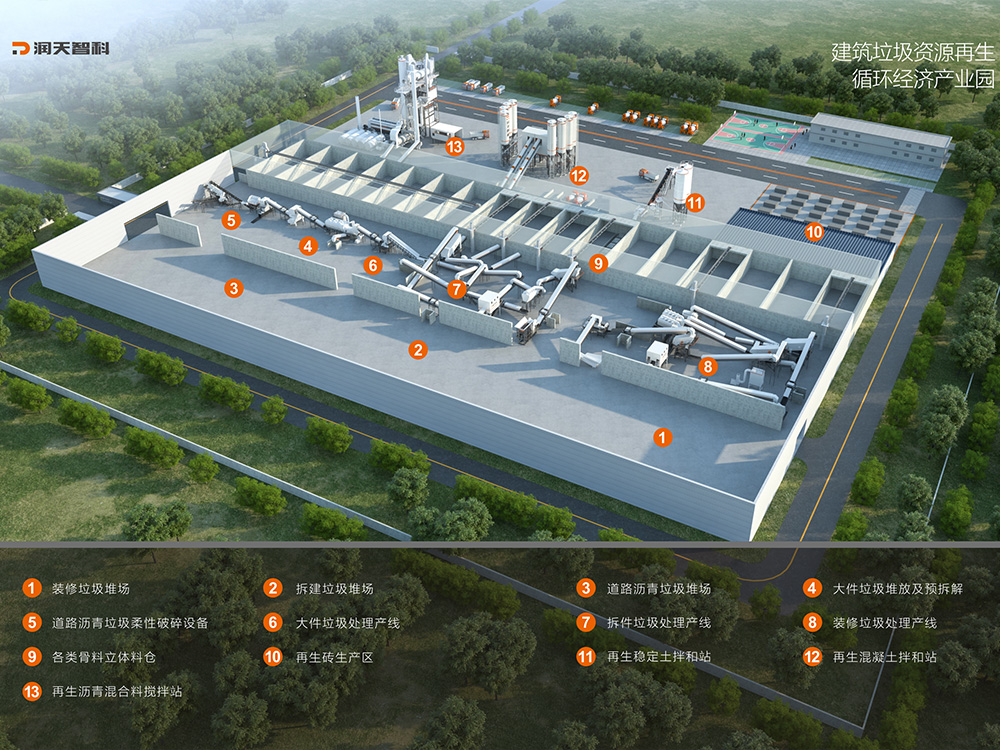 Construction Waste Resourceful Treatment Line