2026 Best Asphalt Batching Plant Options for Efficient Construction
In the fast-paced world of construction, choosing the right equipment is crucial. An Asphalt Batching Plant plays a vital role in this process. These plants are essential for producing quality asphalt. High efficiency leads to better project outcomes. However, not all plants are created equal. Each model offers unique features, which can be overwhelming.
When considering options for 2026, we must reflect on our choices. The market is filled with innovations, yet some plants may not meet expectations. Reliability is key. A poor choice can delay projects and increase costs. Features like output capacity and energy efficiency matter.
Asphalt Batching Plants should be evaluated based on specific needs. What works for one project may not fit another. Understanding these differences is important for success. As we explore the best options, we should remain critical. There’s always room for improvement, and our decisions should be informed and thoughtful.
Overview of Asphalt Batching Plants and Their Importance in Construction
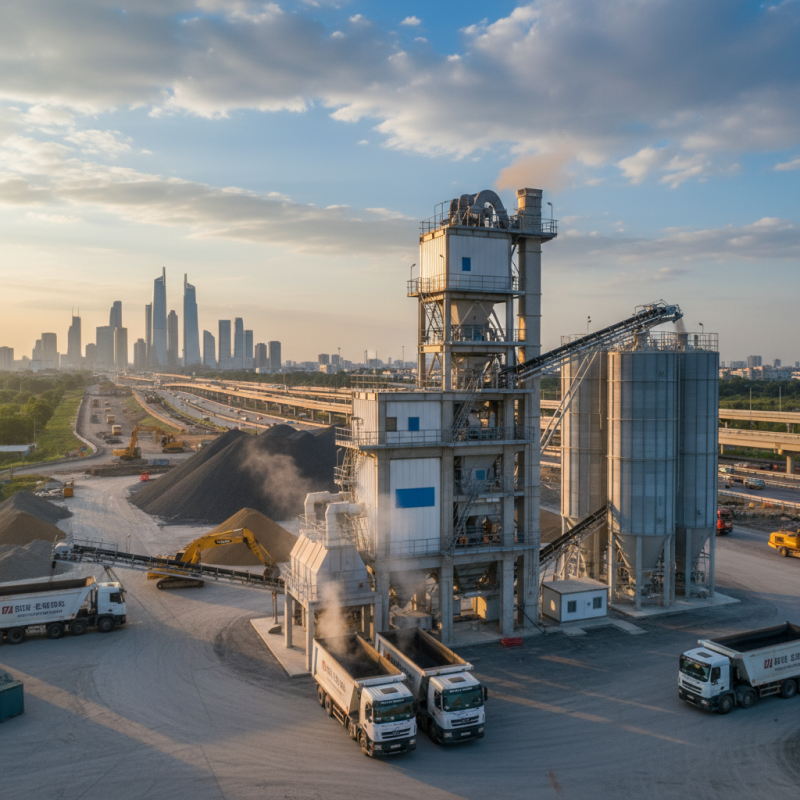
Asphalt batching plants play a critical role in modern construction. They provide the necessary materials for road paving, roofing, and other infrastructure projects. Efficient mixing of asphalt ensures that projects meet required standards and timelines.
These plants are designed to produce high-quality asphalt quickly. They mix aggregate, binder, and additives in precise ratios. This process enhances the durability of the finished product. However, managing a batching plant requires attention. Often, operators face challenges in quality control. Fluctuating material availability can impact output.
Moreover, environmental considerations should not be overlooked. Emissions from asphalt plants can affect air quality. Operators are encouraged to adopt cleaner technologies. This not only benefits the environment but also improves public perception. Balancing efficiency and sustainability in asphalt production remains an ongoing challenge.
2026 Best Asphalt Batching Plant Options for Efficient Construction
| Model |
Production Capacity (ton/h) |
Batching Method |
Mobile Options |
Energy Source |
Key Features |
| ABP 240 |
240 |
Continuous |
Yes |
Diesel |
High output, advanced automation |
| ABM 75 |
75 |
Batch |
No |
Electric |
Cost-effective, compact design |
| ABP 140 |
140 |
Continuous |
Yes |
Hybrid |
Eco-friendly, high efficiency |
| ABM 120 |
120 |
Batch |
No |
Natural Gas |
Compact, easy maintenance |
| ABP 200 |
200 |
Continuous |
Yes |
Electric |
High technology, user-friendly interface |
Key Features to Look for in an Asphalt Batching Plant
When choosing an asphalt batching plant, several key features stand out. A reliable plant should have a robust mixing system. The mixing quality directly affects the final product. Efficient plants often incorporate advanced technology. This improves both speed and accuracy. Pay attention to the heating system as well. Uniform heating ensures better asphalt quality. A plant with a good heating system minimizes waste.
Another aspect is the control system. A user-friendly interface can save time and reduce errors. Look for automated features that simplify the operation. Having an effective dust collection system is crucial. It helps improve air quality on-site. A powerful system can also enhance compliance with regulations.
Consider the plant's mobility as well. Some projects require on-the-move capabilities. A portable plant can be a game changer. However, make sure it does not compromise performance. Reflect on the balance between flexibility and efficiency. Choosing the right asphalt batching plant requires careful thought. Each feature contributes to overall productivity and quality.
Comparison of Top Asphalt Batching Plant Brands for 2026
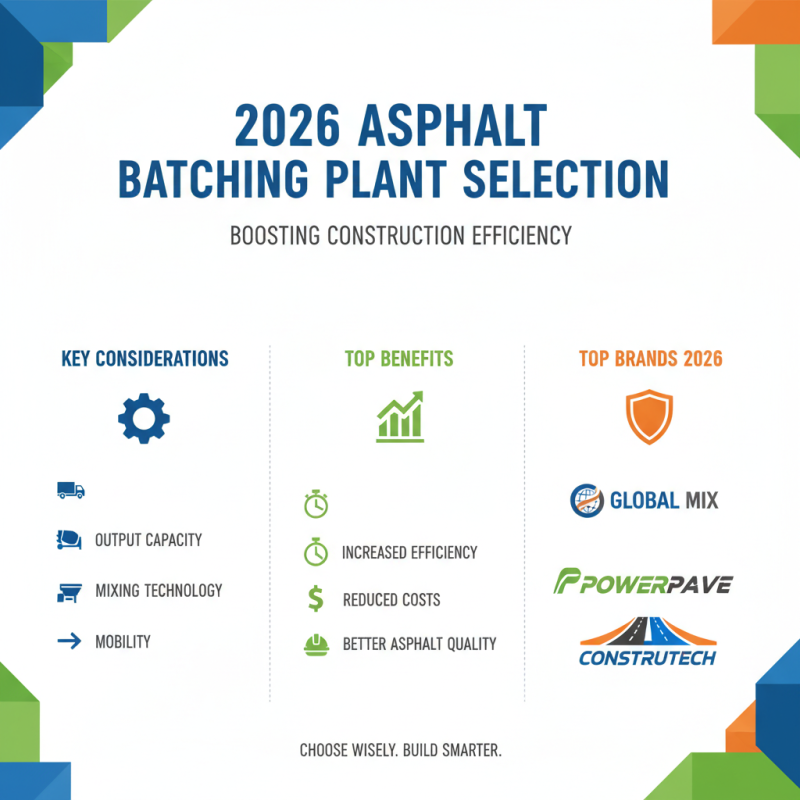
In 2026, selecting the right asphalt batching plant can greatly enhance construction efficiency. Many options exist in the market, but evaluating top brands is essential. Each plant offers unique features tailored to different project needs. Whether it's output capacity or mixing technology, understanding these aspects can make a difference.
Factors like fuel efficiency and maintenance ease are also essential. Some plants might require frequent upkeep, affecting productivity. Speed of setup is another consideration. Projects can face delays if the equipment isn't easy to install. Balancing price with quality is tricky. Sometimes, the cheapest option leads to long-term costs.
Innovation is vital in this space. New technologies may promise better performance. However, relying solely on them can backfire. You might end up with a complex machine that’s hard to operate. The right plant should combine user-friendliness with advanced features. Understanding the balance is key in making an informed choice.
Environmental Considerations and Sustainability in Asphalt Production
As asphalt production grows, environmental concerns become more pressing. Emissions from plants can significantly impact air quality.
Efficient systems must integrate filters and scrubbers to minimize harmful outputs.
Furthermore, the energy-intensive nature of asphalt production often relies on non-renewable resources.
Sustainability in asphalt production is not just an afterthought. Using recycled materials can lower the demand for new resources.
However, many facilities still overlook this. It’s crucial to re-evaluate current practices.
Some plants may not maintain effective recycling processes, leading to wasted materials. Addressing these inefficiencies requires commitment and innovation.
Water usage poses another challenge. The process often consumes large amounts of water for cooling and mixing.
Reducing this usage is essential. Some plants struggle to adopt water-saving technologies.
This is an area that demands change and investment. Overall, the path to sustainable asphalt production is filled with obstacles, yet the potential for progress is substantial.
Maintenance Tips for Maximizing Efficiency of Asphalt Batching Plants
Maintaining your asphalt batching plant is crucial for efficiency. Regular inspections should be a routine part of your operation. Check the mixing units for wear and tear. Replacing worn parts promptly can save costs in the long run.
Ensure that the plant is clean. Remove any accumulated dust, asphalt, or debris. A clean plant not only runs better but also prevents damage. Pay attention to the conveyor belts; they should be well-lubricated and aligned. Misalignment can lead to increased wear.
Keep track of your equipment's performance. Regularly monitor output levels and quality. If you notice inconsistencies, investigate the cause. Sometimes, it’s a simple fix, like adjusting the temperature settings. Other times, it may require deeper analysis. Pay attention to these details to avoid downtimes. Little things matter, and reflection on past problems can lead to better decisions.

 Concrete Mixing Plant
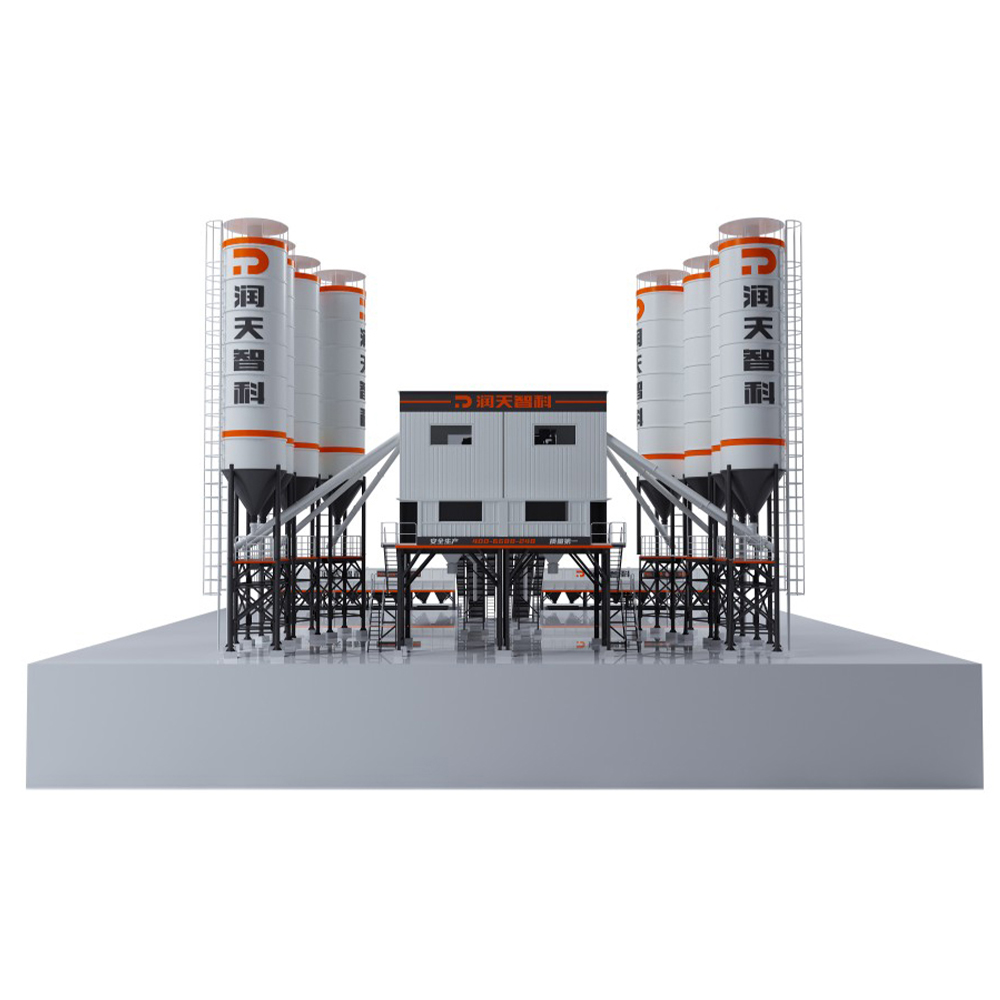 HZS Series Belt Concrete Mixing Plant
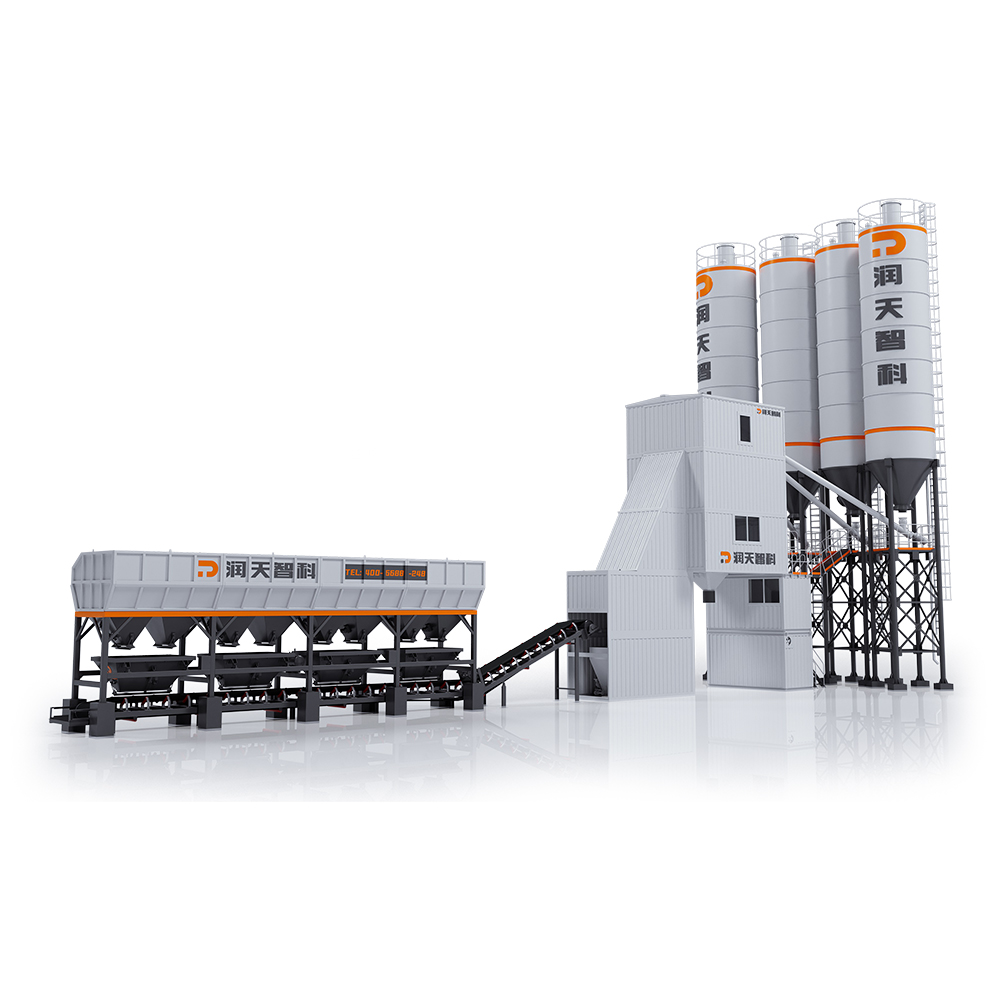 HZS Series Bucket-Lifting Type Container Concrete Mixing Plant
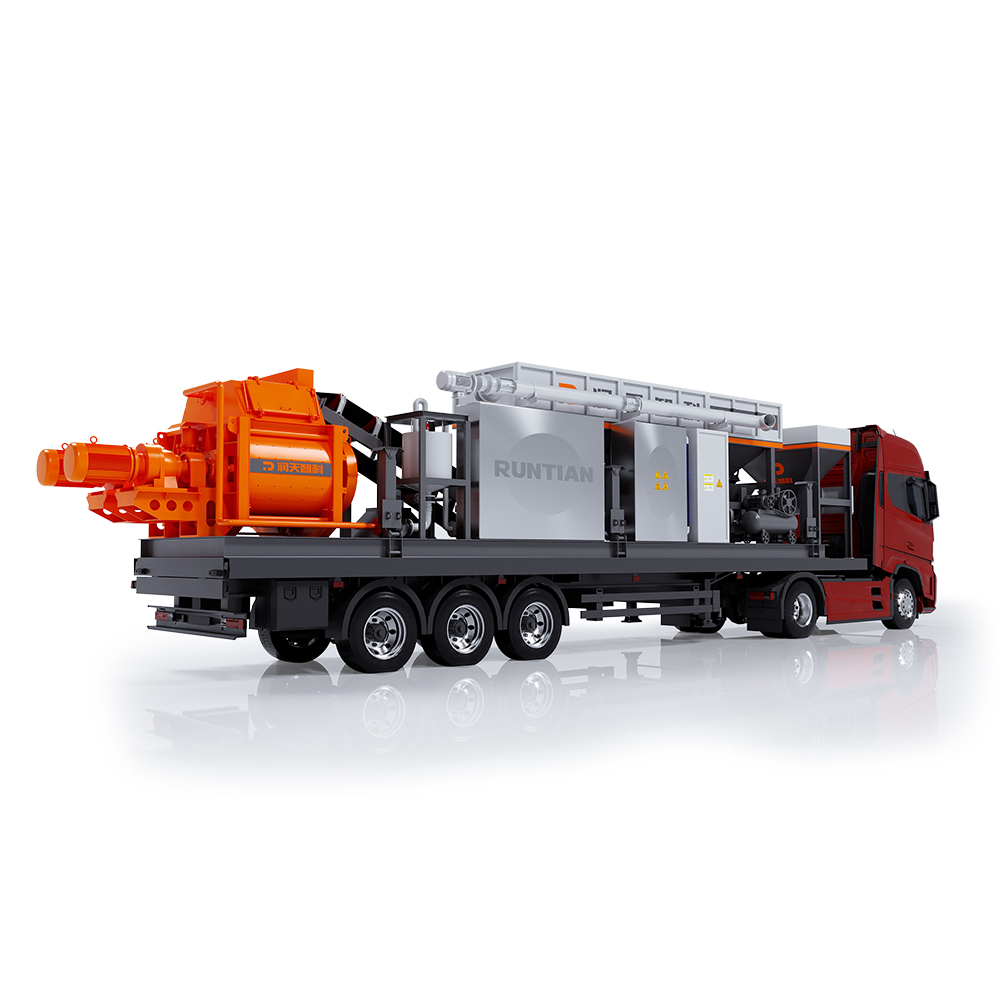 HZS60 Mobile Concrete Mixing Plant
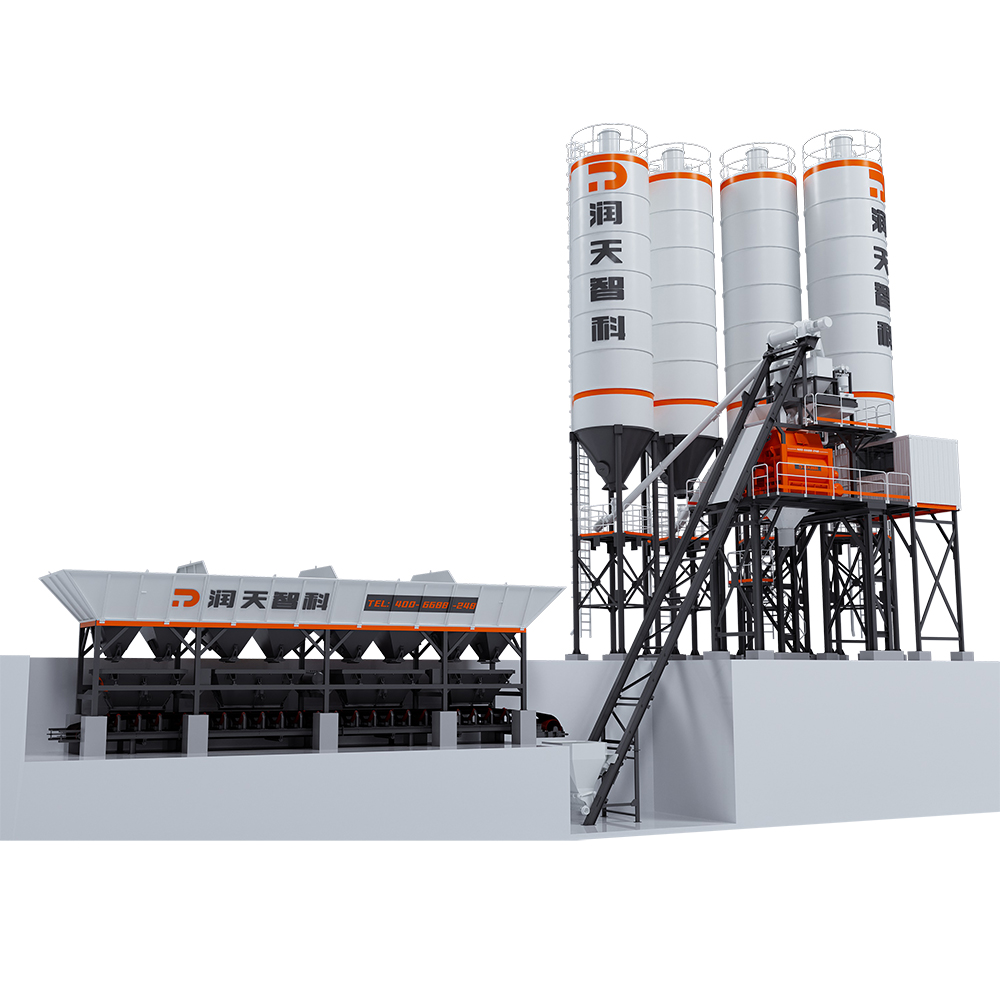 HZS Series Bucket-Lifting Type Concrete Mixing Plant
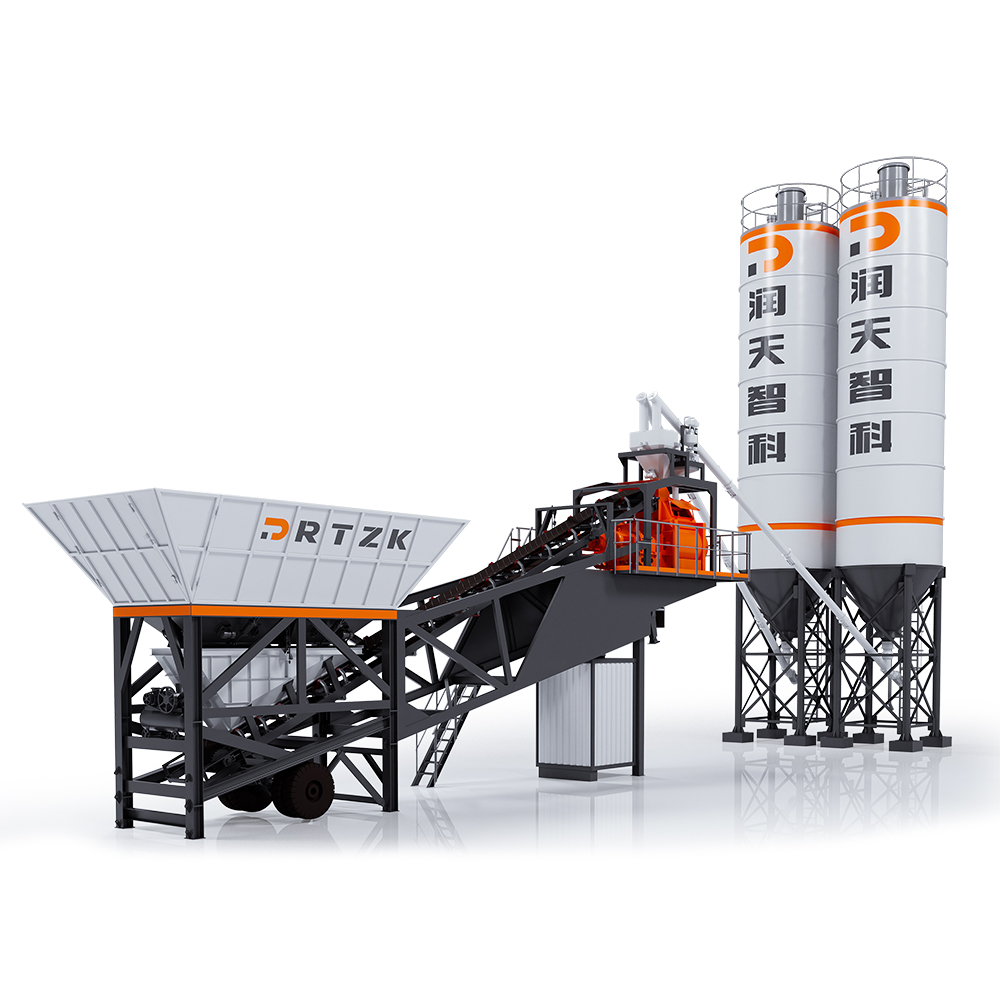 HZS Series Mobile Concrete Mixing Plant
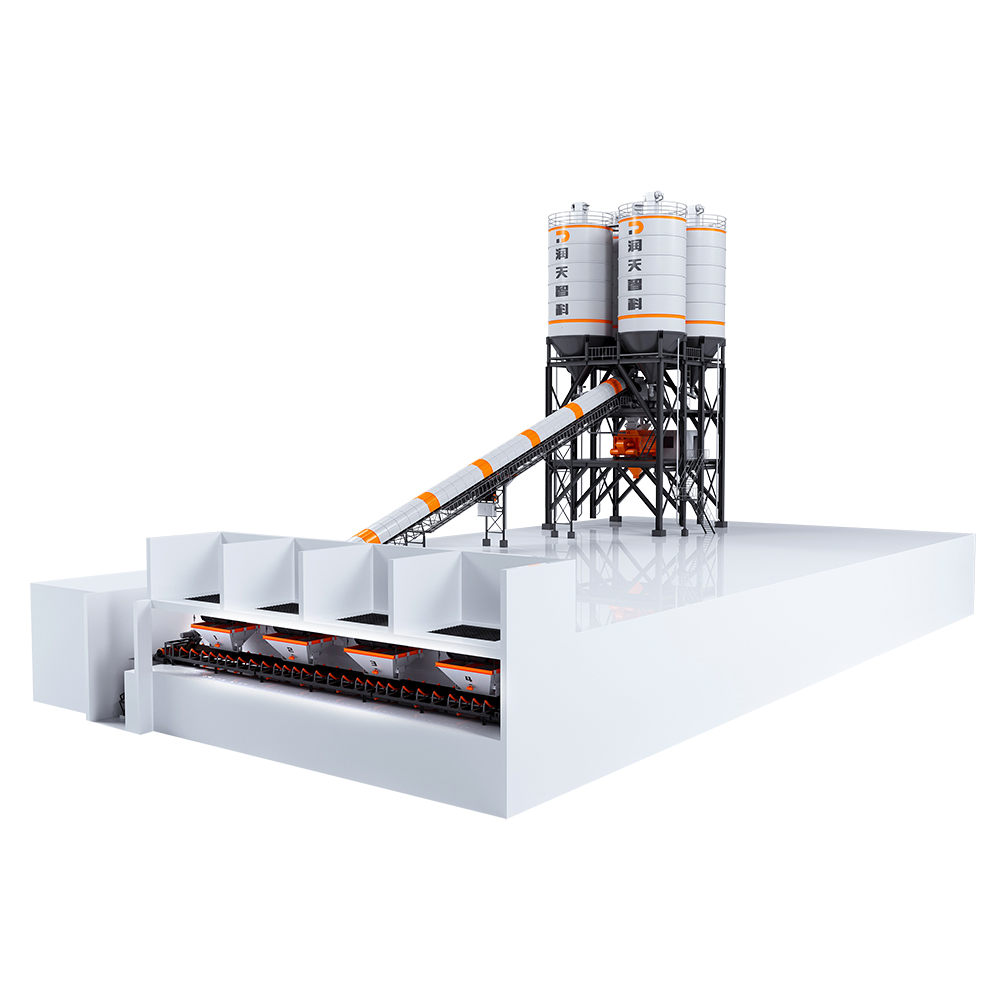 HZS Series Top-Mounted Concrete Mixing plant
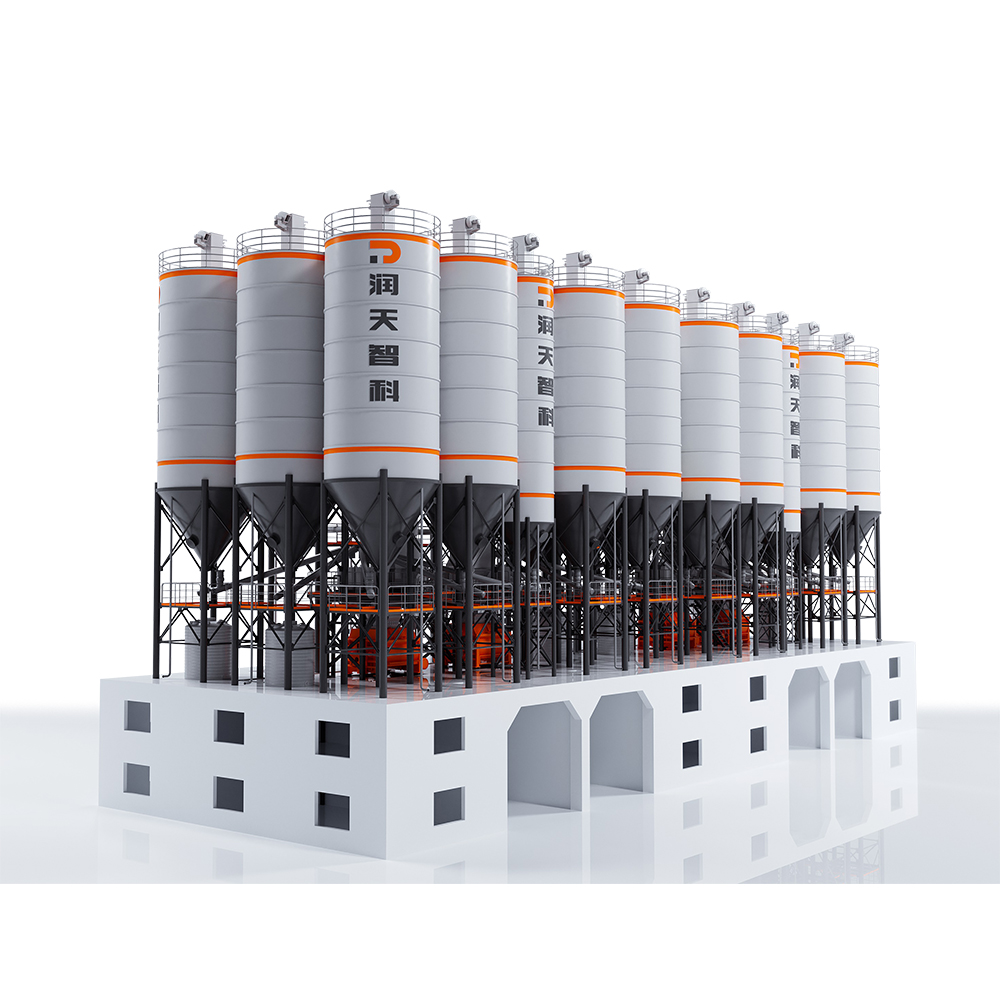 HZS Series Semi-Top Mounted Concrete Mixing Plant
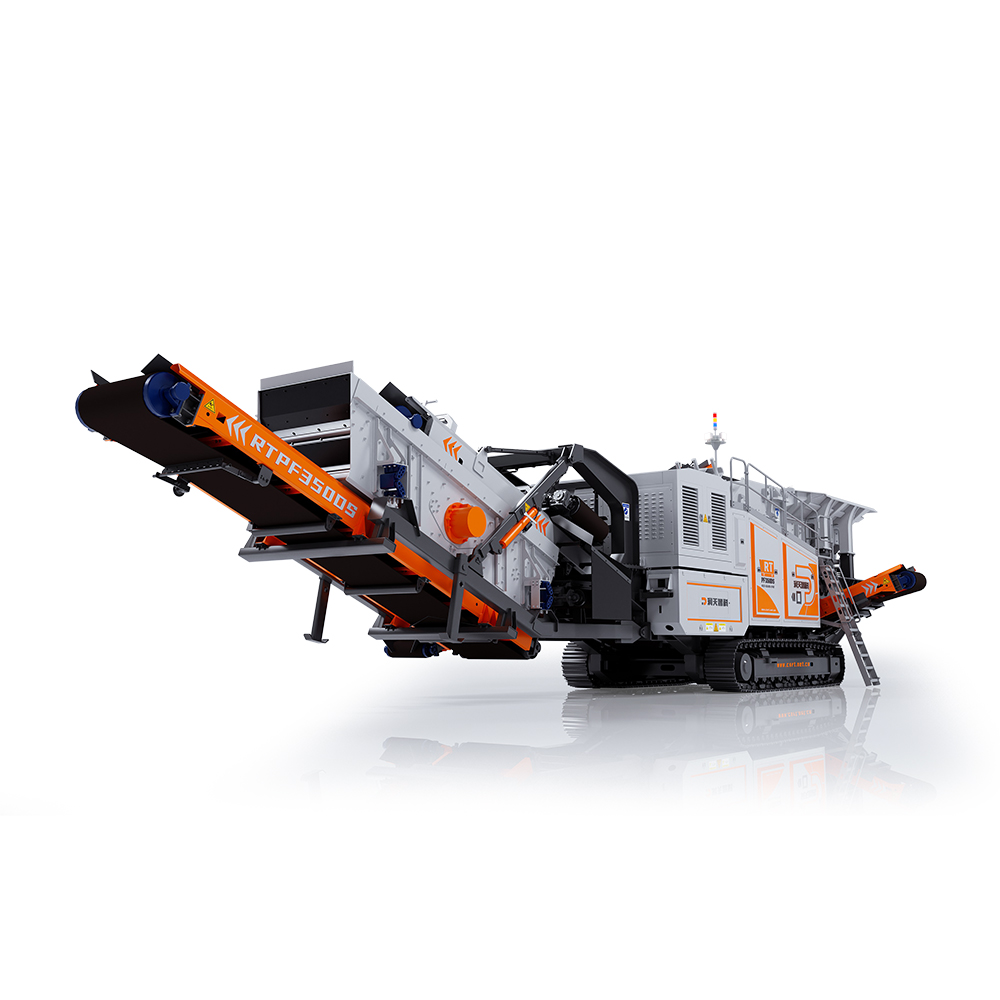 RTPF350DS Crawler Mobile Impact Crushing Plant
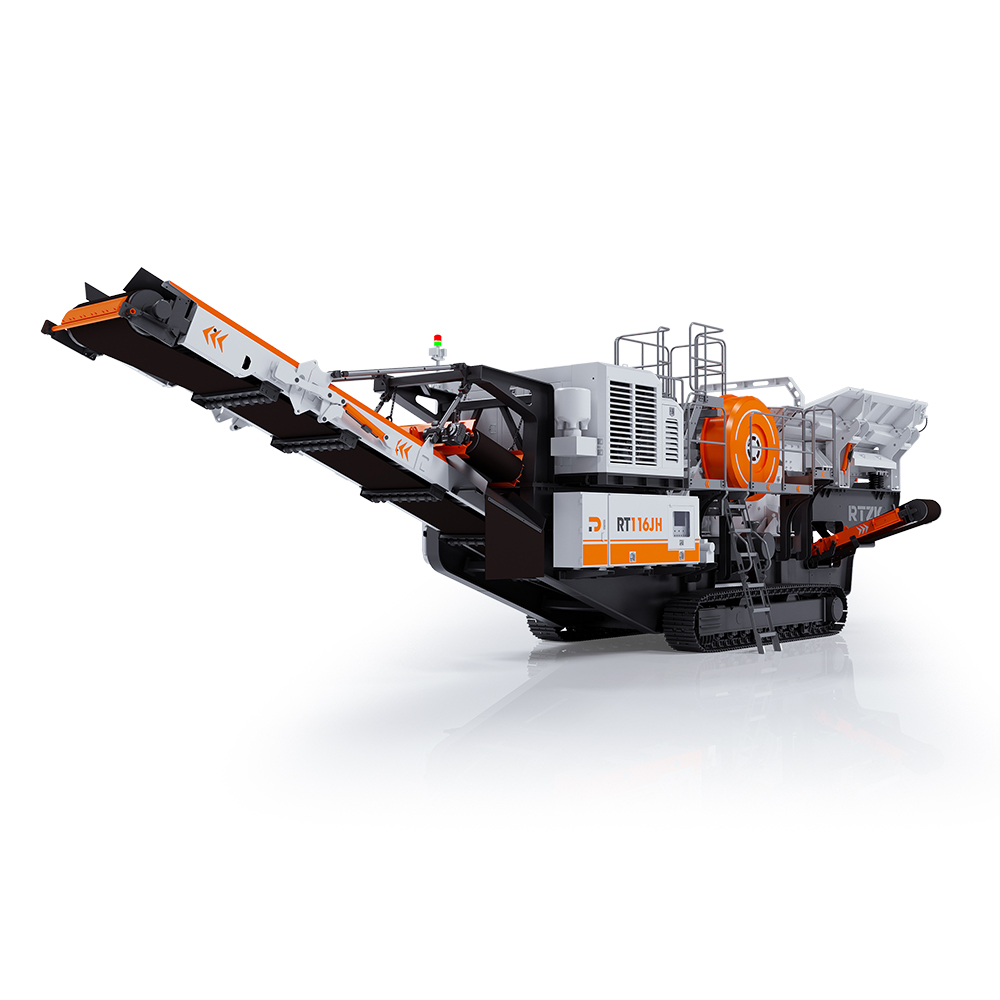 RT116JH Crawler Mobile Jaw Crushing Plant
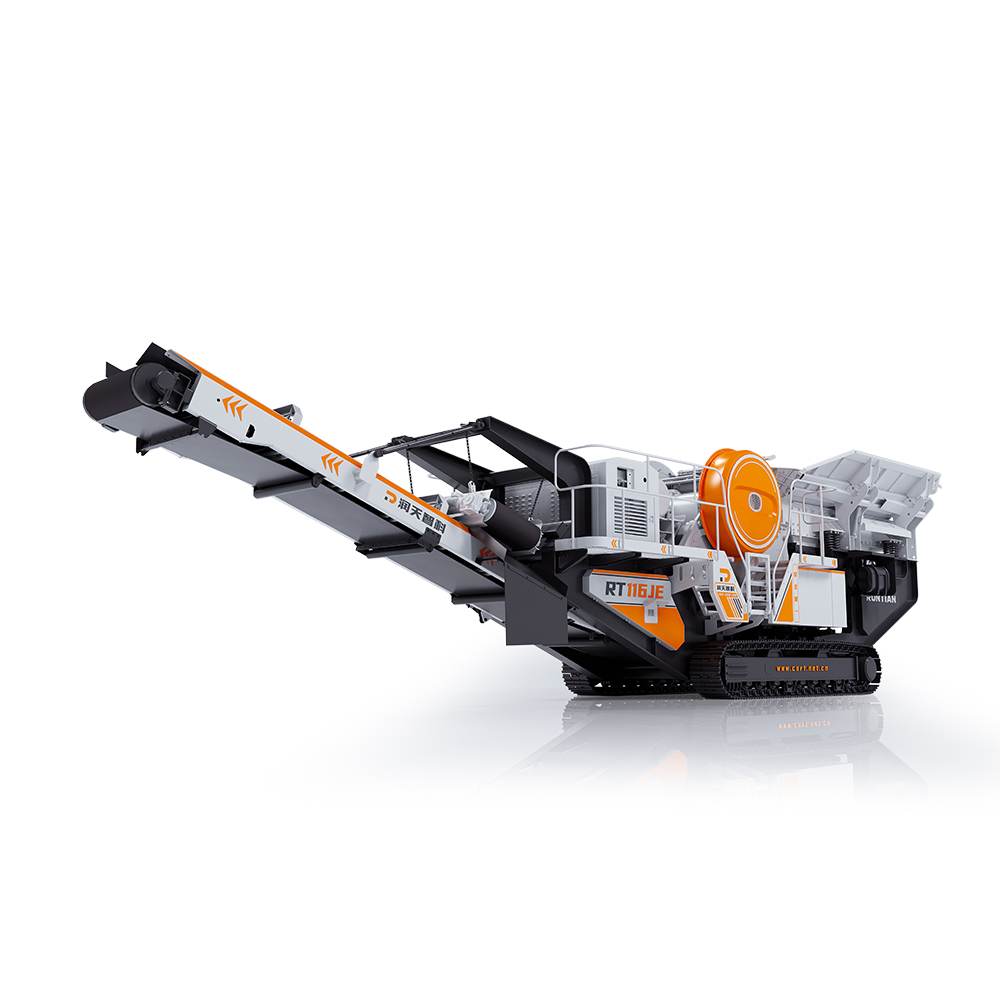 RT116JE Crawler Mobile Jaw Crushing Plant
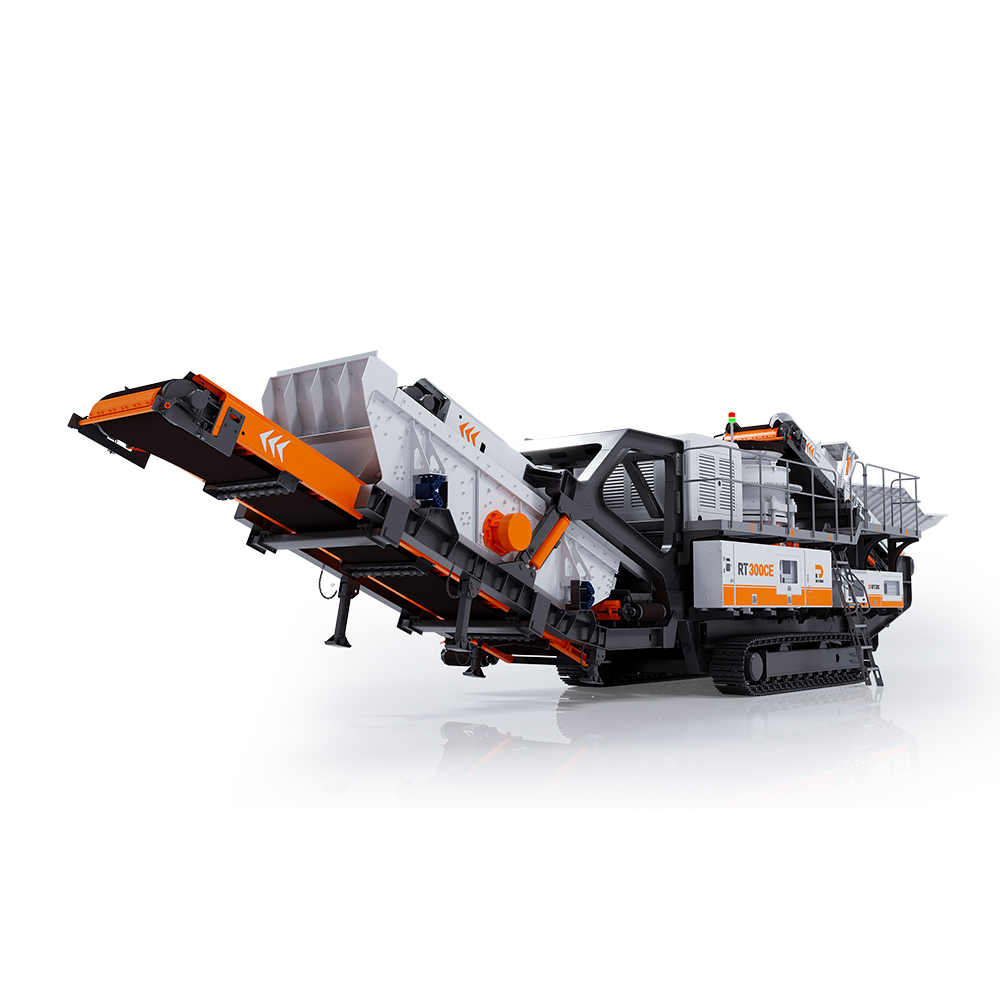 RT300CE Crawler Mobile Cone Crushing Plant
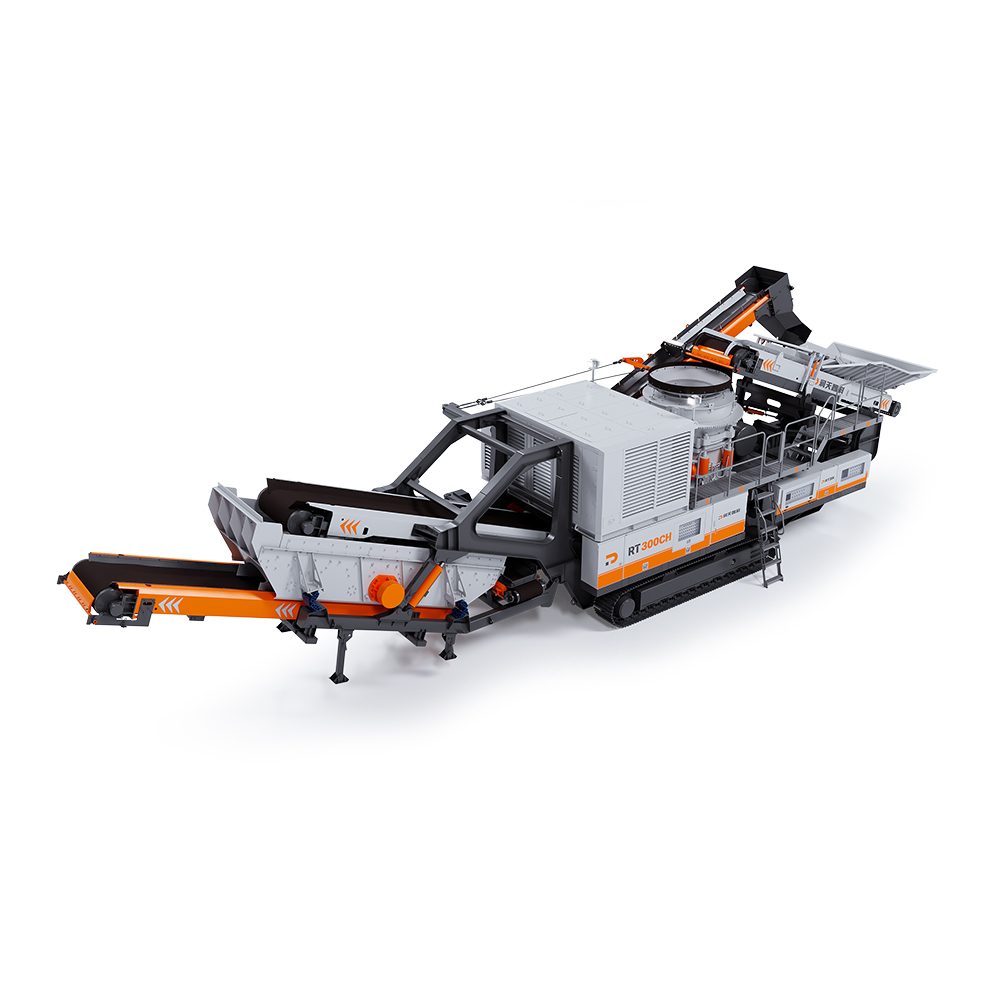 RT300CH Crawler Mobile Cone Crushing Plant
 RT5015H Mobile Scalping Screen
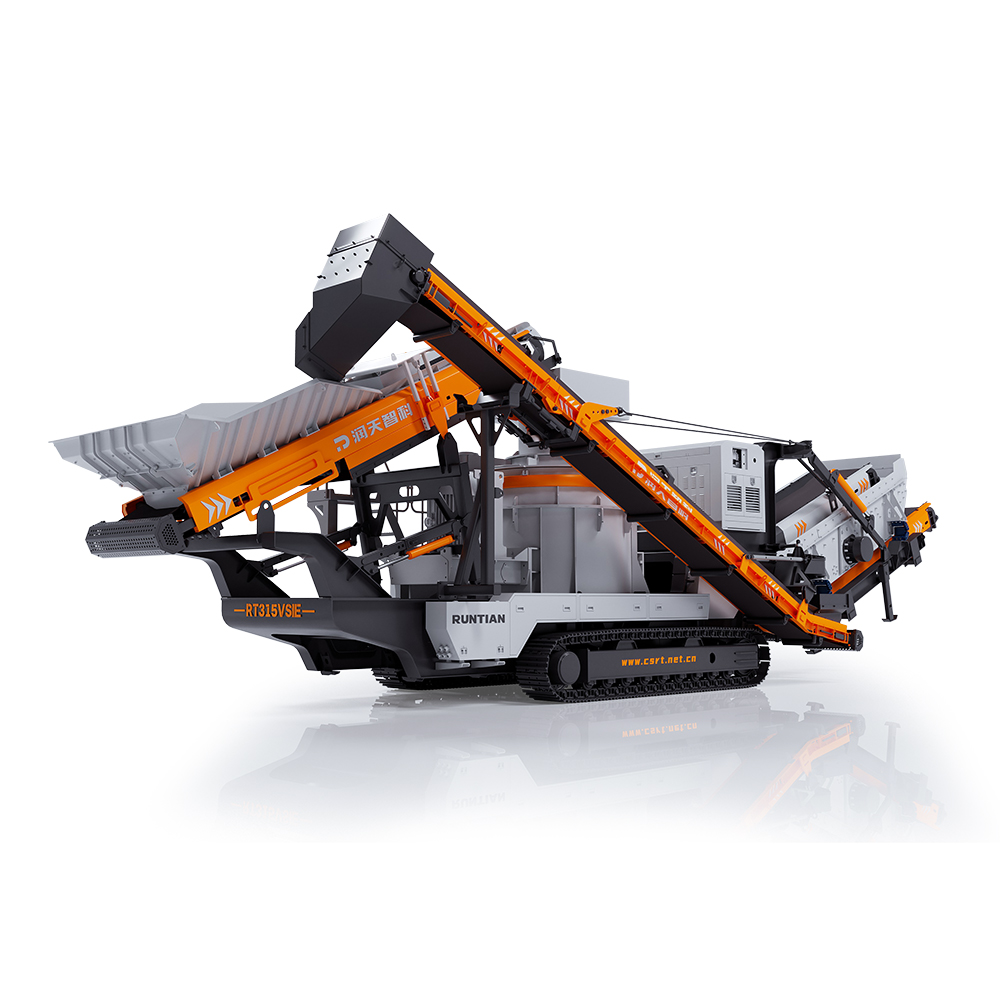 RT315VSIE Crawler Mobile Sand Maker
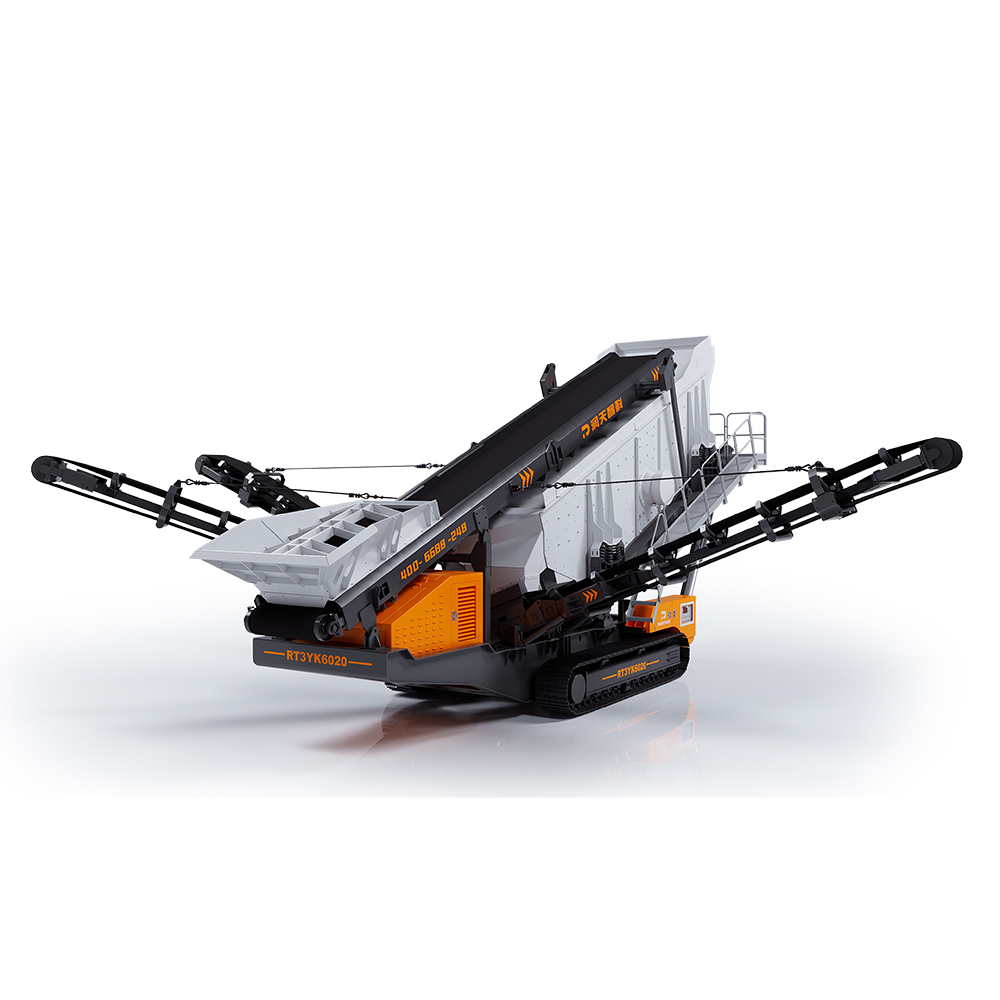 RT3YK6020 Crawler Mobile Screening Plant
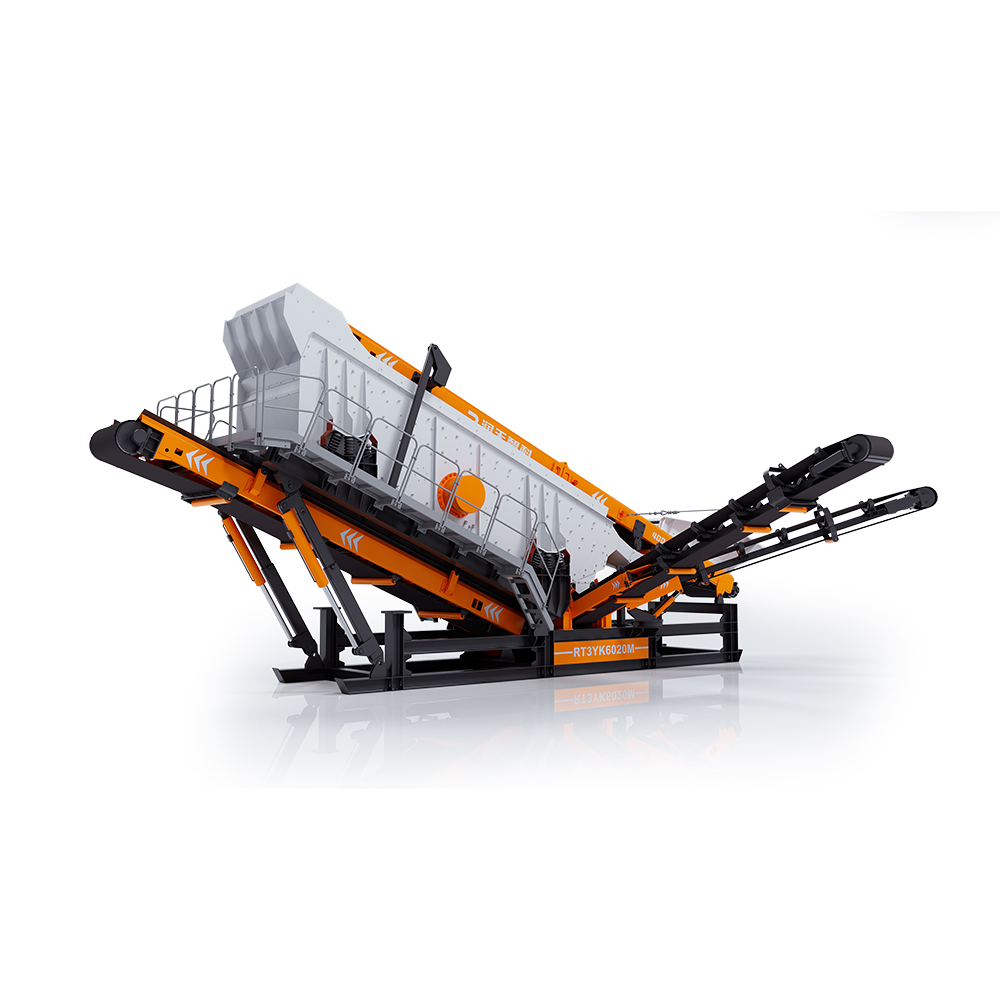 RT3YK6020M Modular Screening Plant
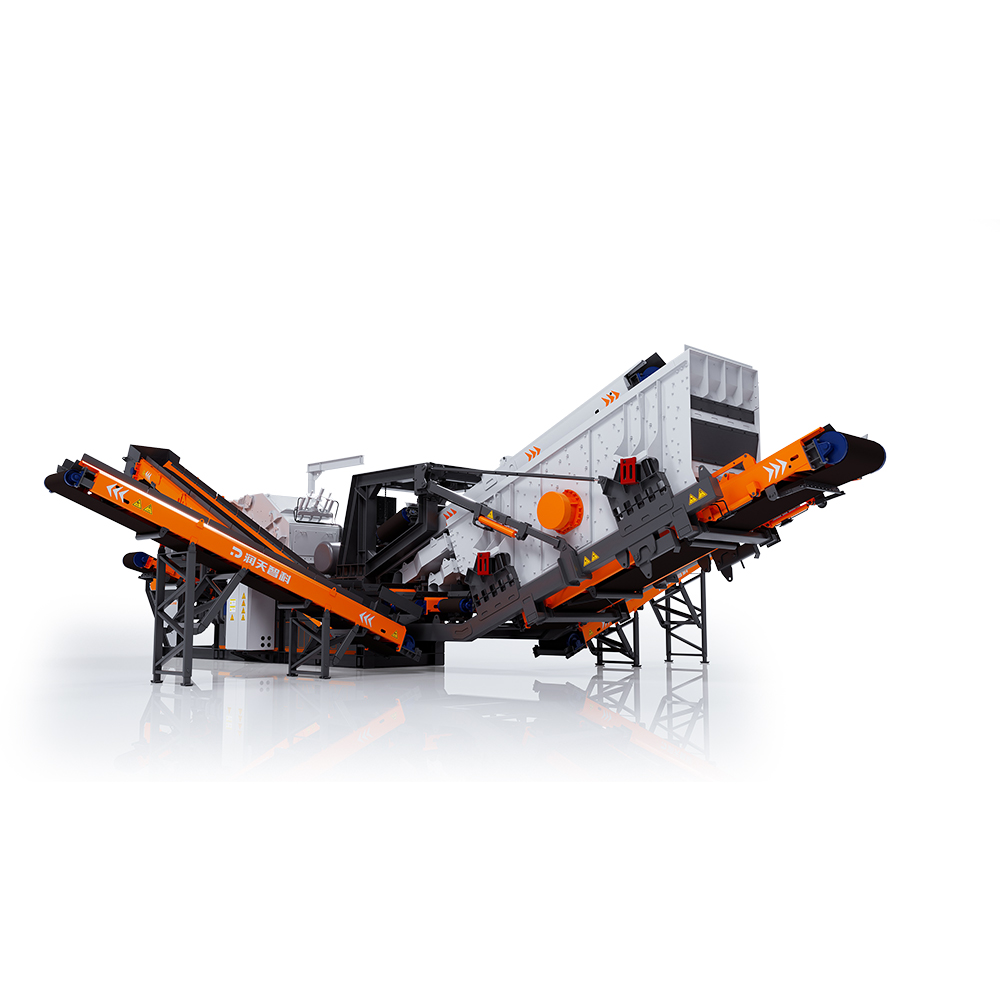 RTF260M Modular Counterattack Crushing and Screening Integrated Machine
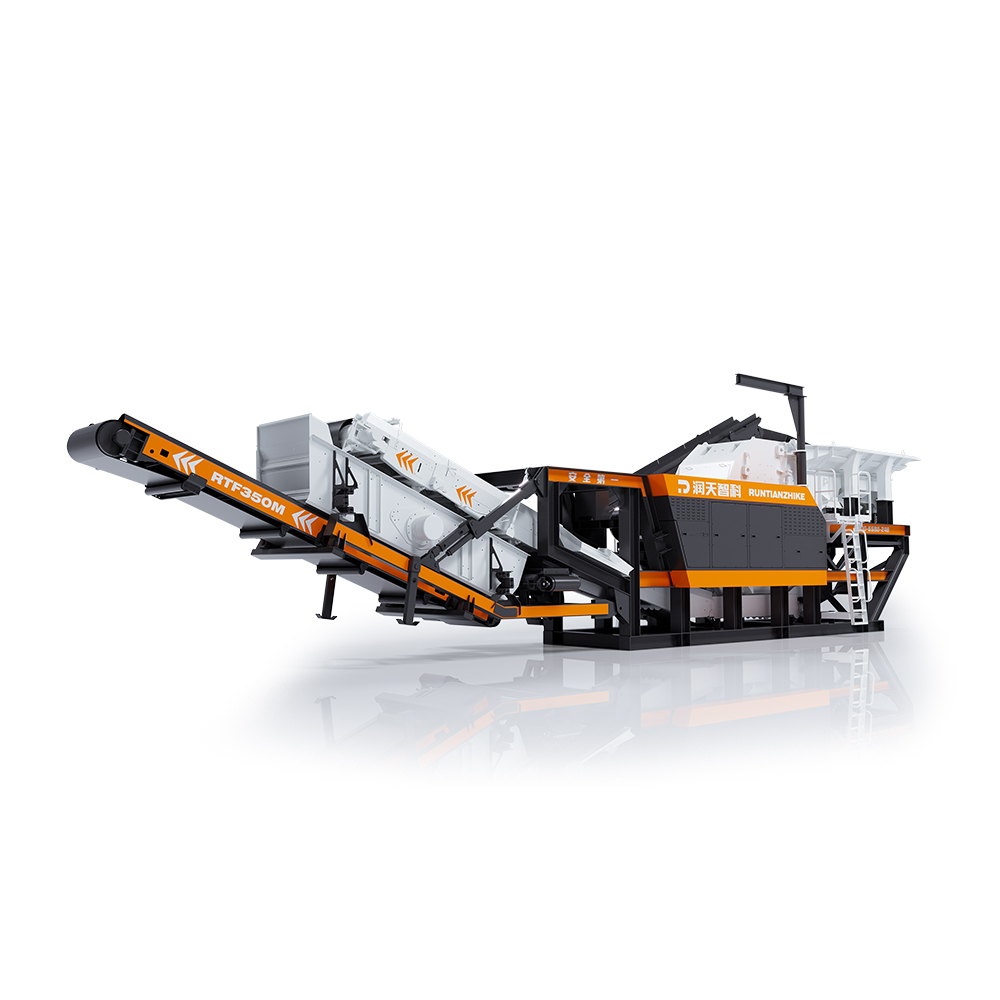 RTF350M Modular Impact Crushing Plant
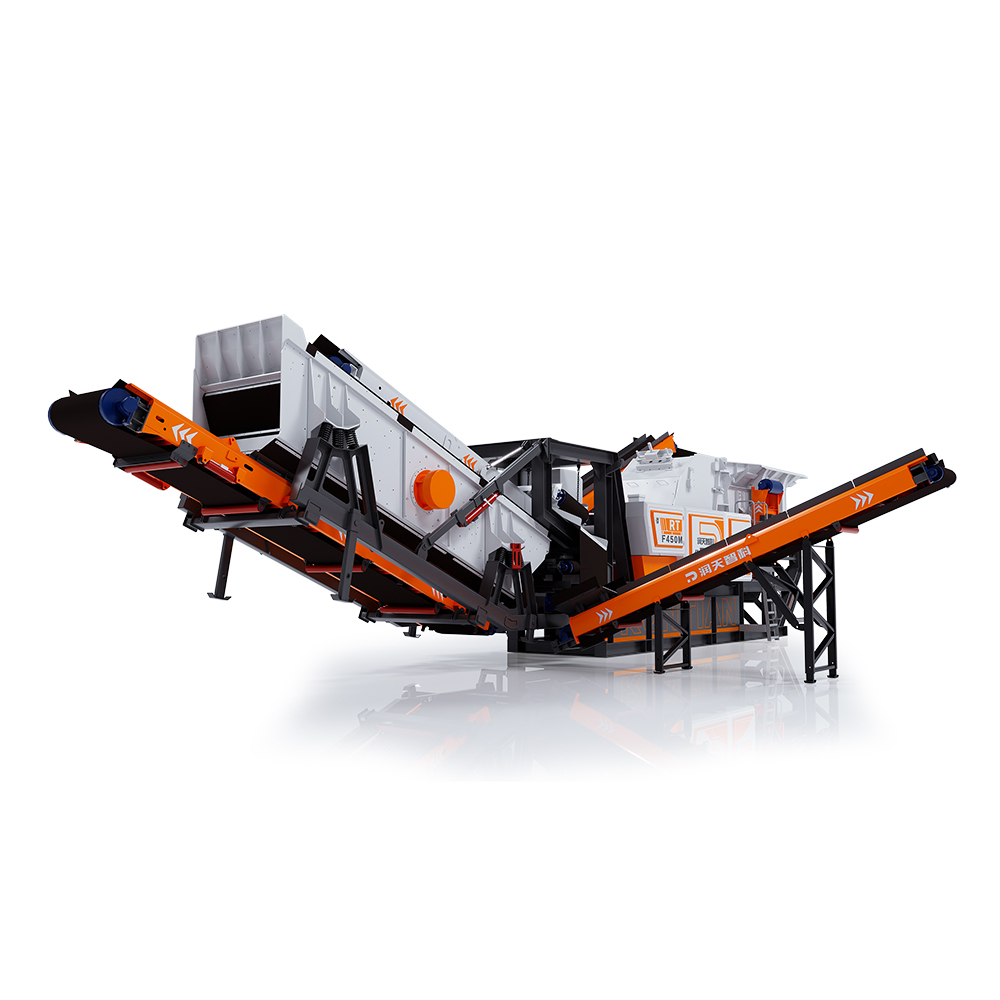 RTF450M Modular Impact Crushing Plant
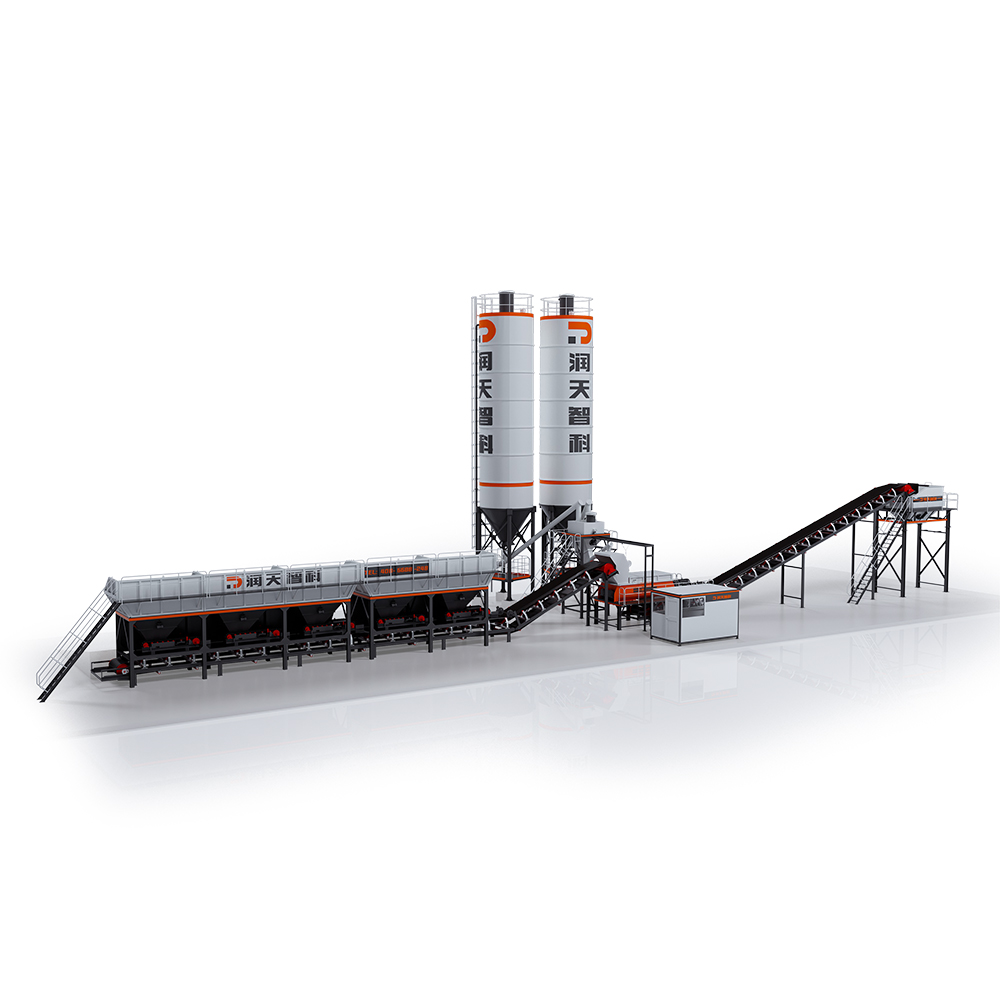 WDB Series Foundation-Free Stability Soil Mixing Plant
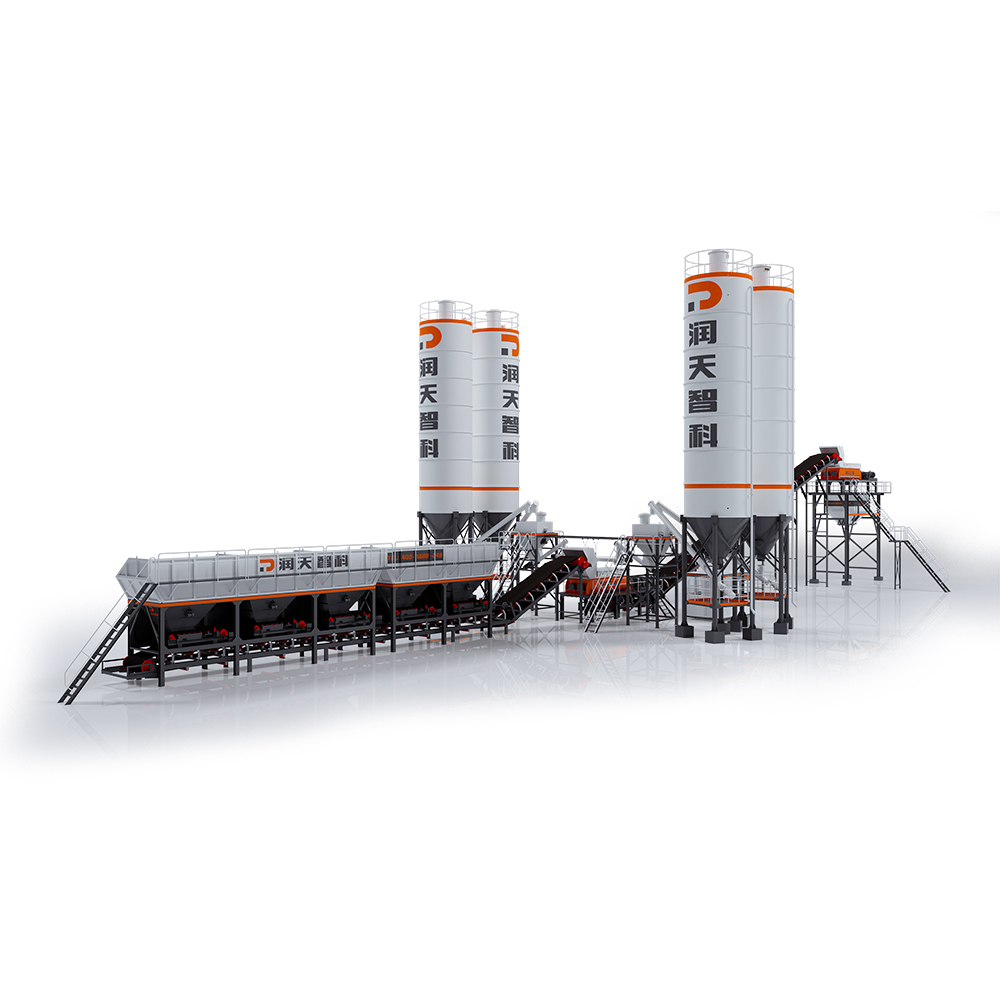 LCB Series Emulsified Asphalt Cold Regeneration Secondary Mixing Plant
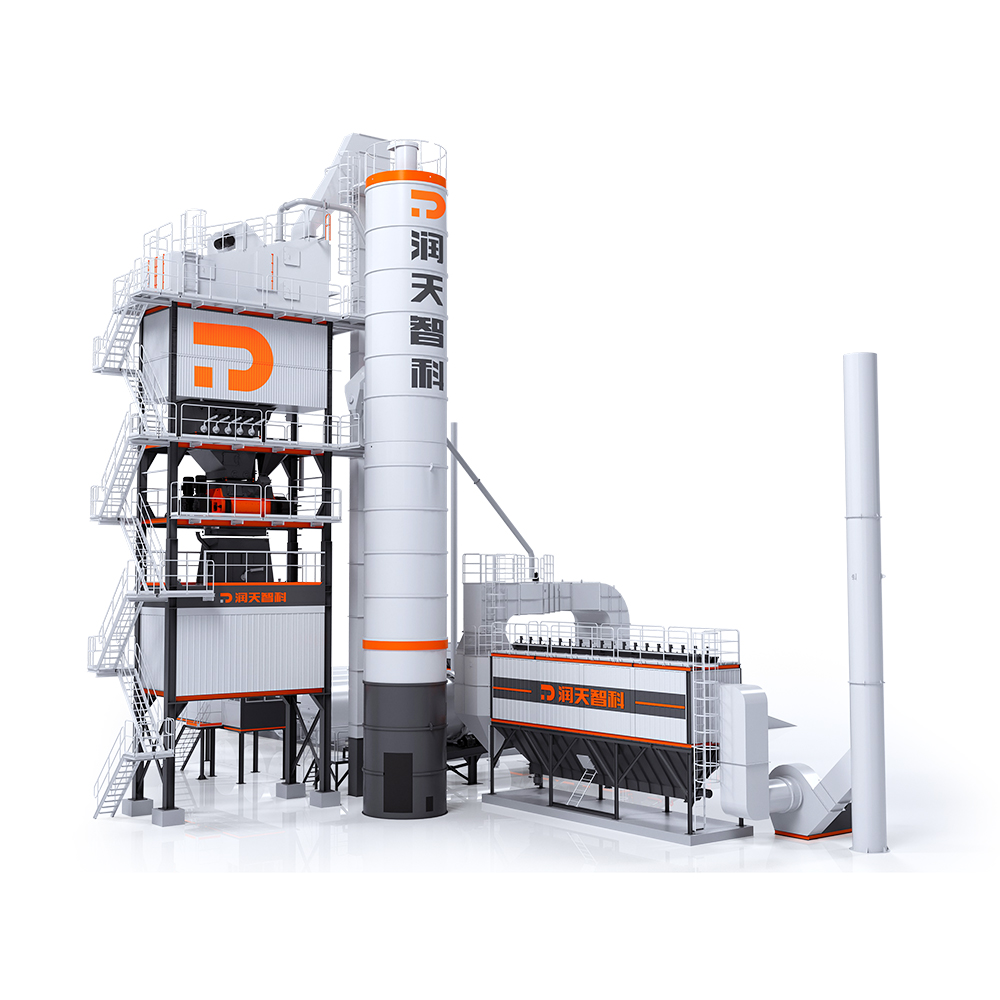 LB Series Asphalt Mixing Plant
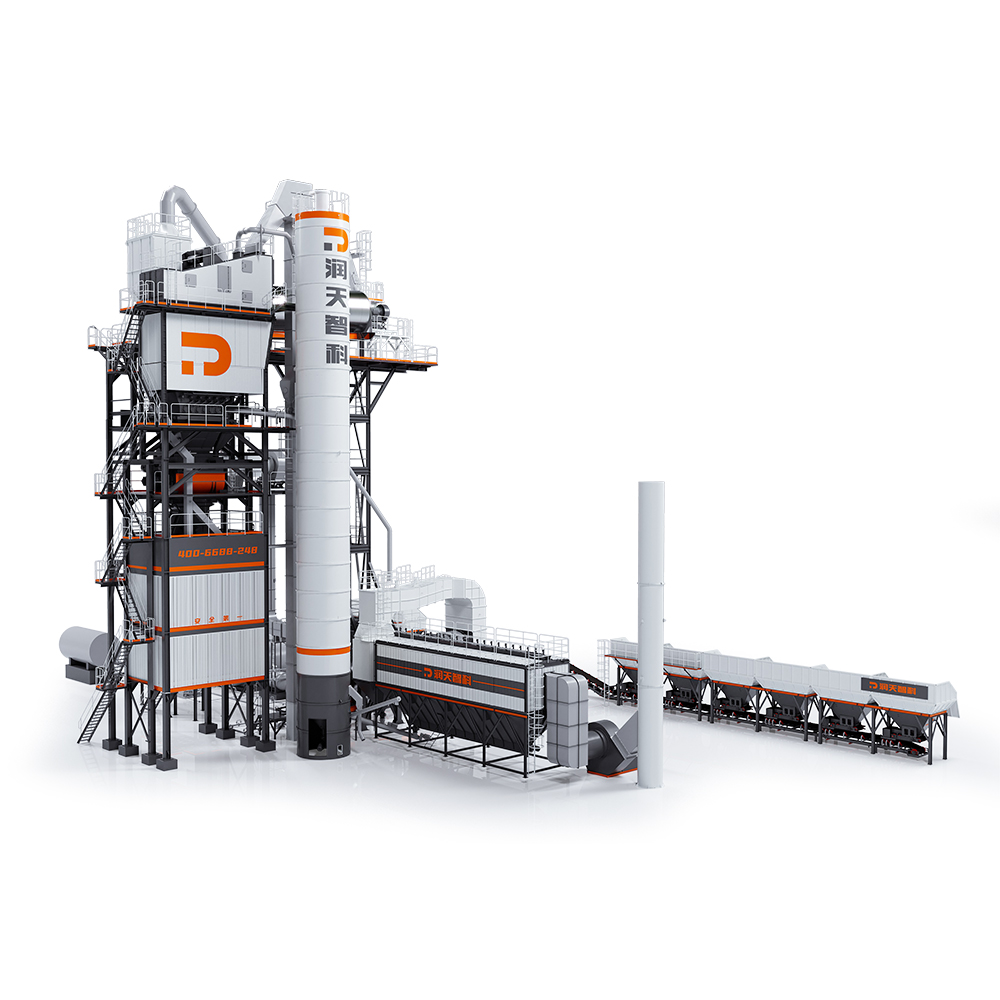 LBR Series Integrated Asphalt Mixing Plant
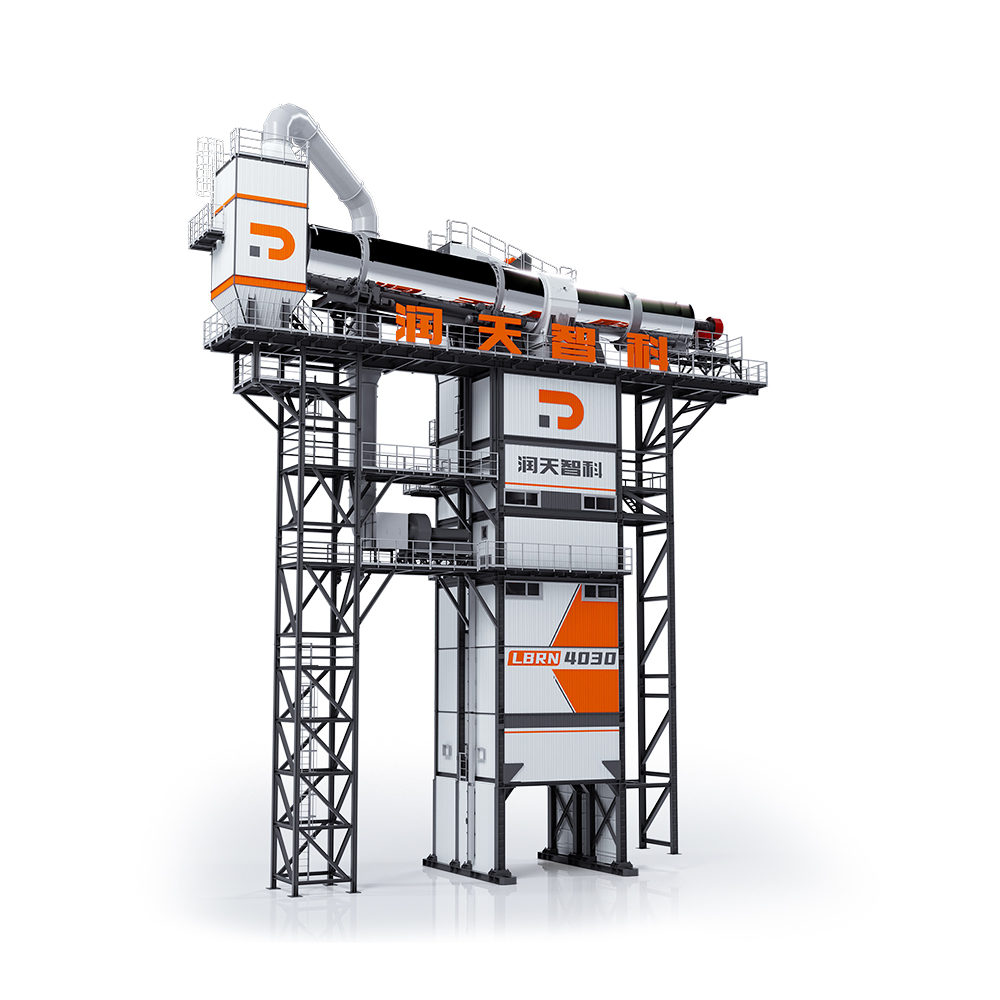 LBRN Series Counterflow Integral Asphalt Mixing Plant
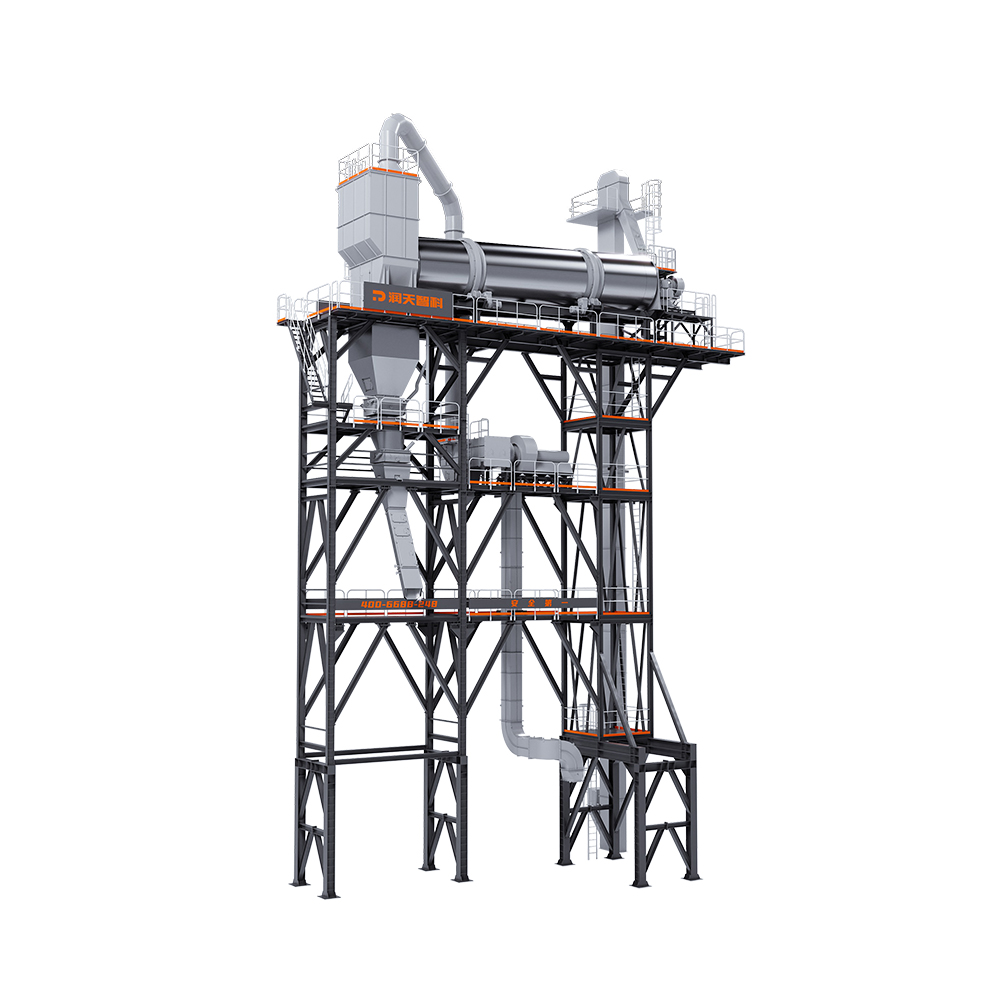 RZS Series Asphalt Mixing Plant
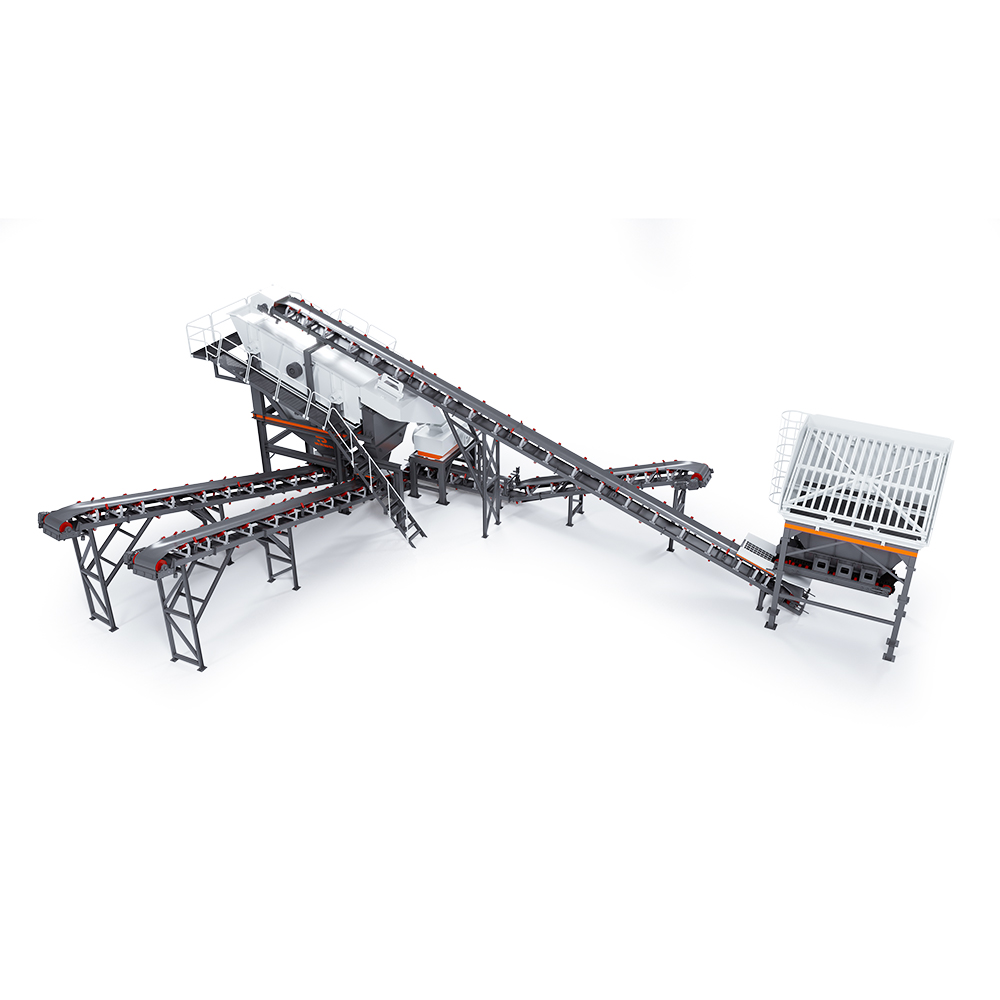 RTZS120 Series RAP Crushing & Screening Plant
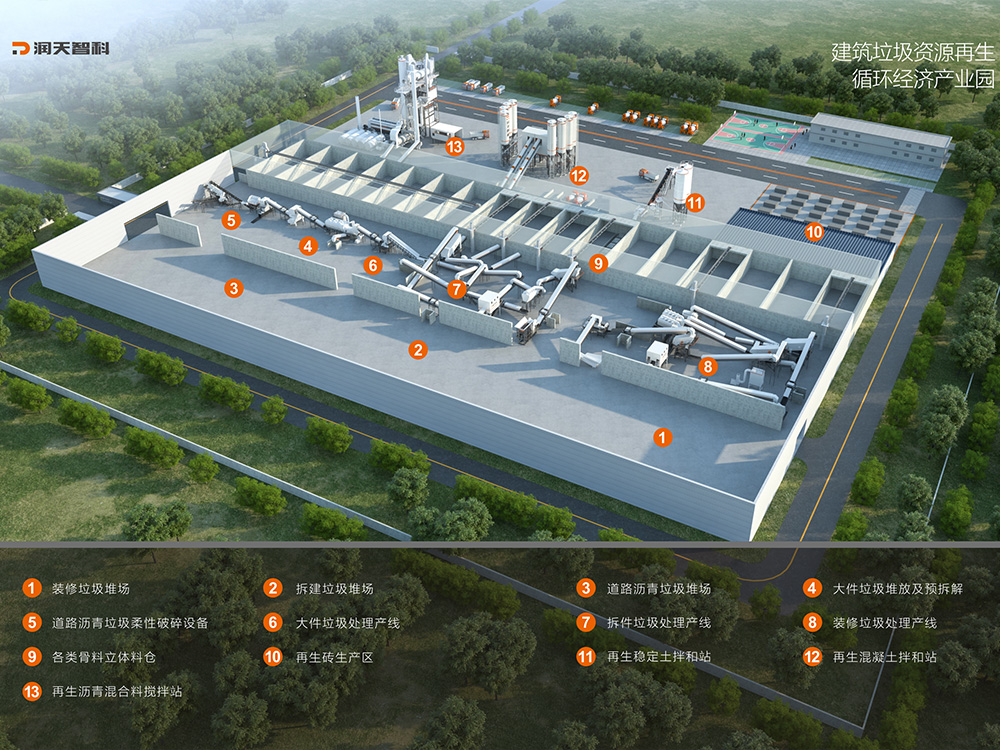 Construction Waste Resourceful Treatment Line