Why You Should Consider a Concrete Mixer for Your Construction Projects?
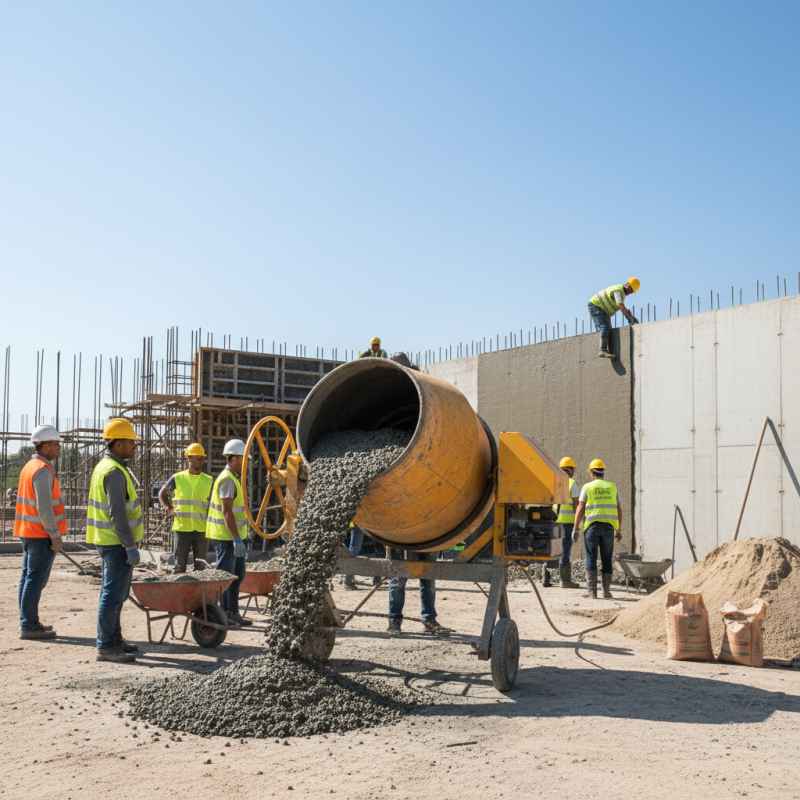
Concrete Mixers play a vital role in construction projects. They help ensure consistent and high-quality concrete mixtures. This equipment efficiently combines cement, water, and aggregates. Using a Concrete Mixer can save time. It reduces the need for manual mixing, which can be labor-intensive.
Many construction sites face challenges with large-scale concrete work. A Concrete Mixer can address these issues by delivering the needed materials quickly. This reduces delays and increases productivity. When working with heavy materials, having reliable equipment is crucial.
However, some may underestimate the importance of investing in a Concrete Mixer. It may seem like an additional cost. But the long-term benefits often outweigh initial expenses. Reflecting on your construction needs will reveal the true value of this tool. A Concrete Mixer might be the difference between a successful project and a delayed one.
Importance of Efficient Mixing in Construction Projects
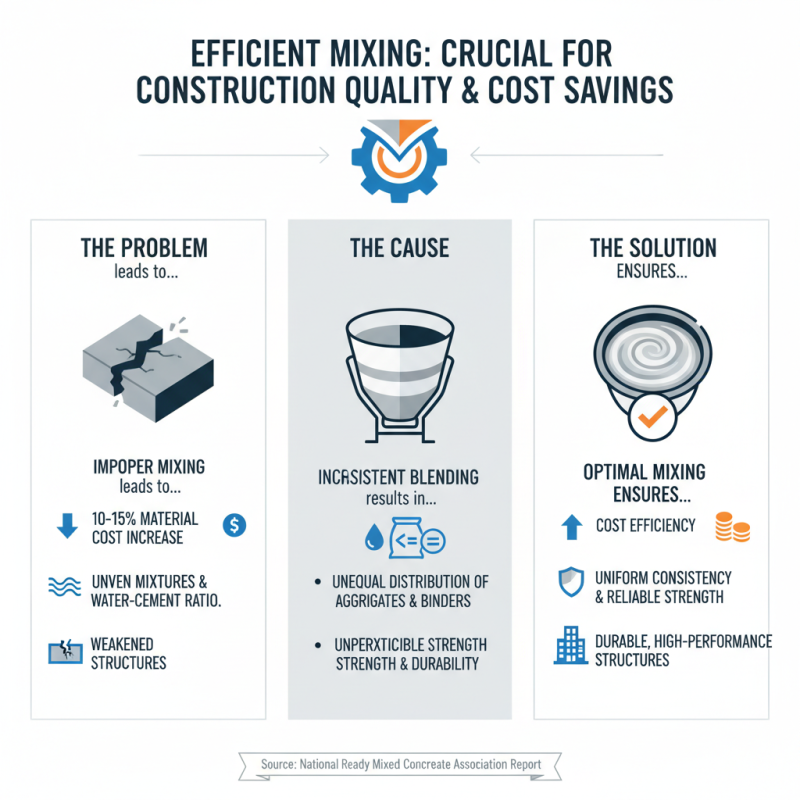
Efficient mixing is crucial in construction projects. According to a report by the National Ready Mixed Concrete Association, improper mixing can lead to a 10-15% increase in material costs. This inefficiency often arises from uneven mixtures and variations in the water-cement ratio. When concrete is not mixed thoroughly, it results in weakened structures.
Poorly mixed concrete can cause significant delays. Research shows that 30% of project delays stem from material issues, including subpar concrete. Using a concrete mixer ensures a uniform mixture, which enhances durability and strength. Construction teams often struggle with manual mixing, which is time-consuming.
Investing in a concrete mixer can change project dynamics. Consider the precision it offers. A mixer can consistently maintain the water-cement ratio, ensuring high-quality results. However, it requires proper handling and maintenance. Neglecting these aspects can lead to operational failures. This is a reflection point for teams relying solely on traditional mixing methods.
Overview of Concrete Mixers and Their Types
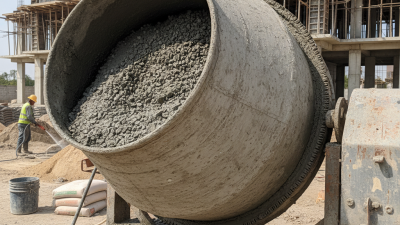
Concrete mixers play a vital role in construction projects. They mix cement, sand, gravel, and water to create concrete. This process ensures that the mixture is uniform and ready for use. There are various types of concrete mixers available today. Each type serves specific needs, depending on the size and scale of the project.
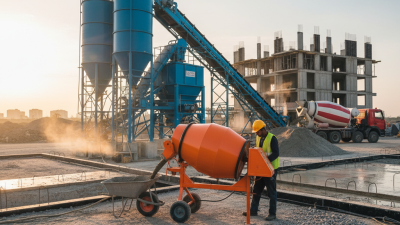
Batch mixers are common in smaller projects. They allow for precise mixing and are easy to use. On the other hand, drum mixers are better for larger tasks. They provide continuous mixing and can handle bigger batches. However, some users may find them difficult to clean afterward. Other options include stationary and mobile mixers. Stationary types are more suited for fixed sites, while mobile mixers offer flexibility.
Choosing the right mixer can be challenging. Each option has its advantages and drawbacks. Not every construction site may need a large drum mixer. Sometimes, the smaller batch mixers are sufficient. Reflecting on project requirements is crucial before making a choice. Think about the scale and frequency of use.
Benefits of Using a Concrete Mixer for Large-Scale Projects
Using a concrete mixer can greatly enhance the efficiency of large-scale construction projects. One of the main benefits is the uniformity it provides in mixing concrete. A well-mixed batch ensures the structural integrity of buildings. If the concrete is unevenly mixed, it may lead to weak points. Such flaws could cause significant issues over time.
Another advantage is the speed of operation. A concrete mixer can produce large volumes of concrete in a short time. This can drastically reduce labor costs. However, rushing can lead to mistakes, such as miscalculating the amount needed. It's crucial to plan ahead. Having too little or too much concrete can disrupt timelines and budgets.
Moreover, using a concrete mixer minimizes manual labor. Workers are less likely to suffer from fatigue. However, this does not eliminate the need for skilled labor to oversee operations. Balancing efficiency with safety is essential. Sometimes, construction projects overlook safety measures in pursuit of speed. Proper training and oversight are vital for achieving the best results.
Why You Should Consider a Concrete Mixer for Your Construction Projects? - Benefits of Using a Concrete Mixer for Large-Scale Projects
| Benefit |
Description |
Impact on Projects |
| Improved Efficiency |
Concrete mixers enable quick mixing and delivery of concrete on site. |
Reduces project completion time, leading to cost savings. |
| Consistent Quality |
Ensures uniform mixing which leads to higher quality concrete. |
Enhances durability and performance of structures. |
| Versatility |
Suitable for various types of concrete mixes suitable for different projects. |
Allows for flexible application in diverse construction scenarios. |
| Labor Savings |
Reduces the number of workers needed for mixing and transporting concrete. |
Lowers labor costs, thereby improving project profitability. |
| Enhanced Safety |
Minimizes the manual handling of heavy materials. |
Decreases the risk of workplace accidents and injuries. |
Cost-Effectiveness of Concrete Mixers in Construction
Concrete mixers play a pivotal role in construction projects. They offer significant cost-effectiveness that can greatly benefit contractors. By mixing concrete on-site, you reduce transportation costs. This is particularly useful for larger projects that require substantial amounts of concrete. You only pay for the exact amount you need, minimizing wastage.
Not all projects benefit equally from concrete mixers. Smaller jobs might not see the same savings. In these cases, the cost of renting or operating a mixer can outweigh the benefits. It's essential to evaluate the scope of each project. Consider the logistical challenges as well. Mixing concrete at the site can lead to delays if not managed properly.
Investing in a concrete mixer can enhance efficiency, yet it demands proper planning. Onsite mixing means you need skilled workers to use the equipment. Training might be necessary, which incurs additional costs. Keeping these factors in mind is crucial. Ultimately, a clear assessment of your project's needs will help you decide if a concrete mixer is the right choice.
Cost-Effectiveness of Concrete Mixers in Construction
Concrete mixers can significantly reduce costs associated with various aspects of construction projects. The chart above illustrates the estimated percentage of cost reduction achieved when utilizing concrete mixers, particularly in labor, material, transport, and overhead costs. This cost-effectiveness makes concrete mixers a valuable investment for construction projects.
Key Features to Look for When Choosing a Concrete Mixer
When choosing a concrete mixer for construction projects, several key features should be considered. The mixer’s capacity is crucial. A unit with a capacity of 1 to 2 cubic meters is often ideal for medium-sized jobs. Larger projects may require models that mix up to 4 cubic meters. According to industry reports, mixers with higher capacity significantly reduce mixing time, thus increasing efficiency on-site.
Portability is another essential feature. Many construction sites have space constraints. A lightweight mixer can be moved easily. Some models offer wheels, which improve mobility. Moreover, it's vital to check the mixer’s power source. Gas-powered mixers can deliver consistent performance, but electric options are quieter and more environmentally friendly. The durability of materials used in the mixer’s construction should also be evaluated, as cheaper materials may lead to frequent breakdowns.
Additionally, user-friendly controls make a difference. Operators can work faster with intuitive designs. However, not all mixers come with easy-to-use interfaces. Maintenance is often overlooked. A complicated design can result in higher repair costs over time. Regular updates in technology mean that some mixers might fall short in adaptability, leading to missed benefits in efficiency or new features. Keeping these aspects in mind is vital for making a well-informed decision.

 Concrete Mixing Plant
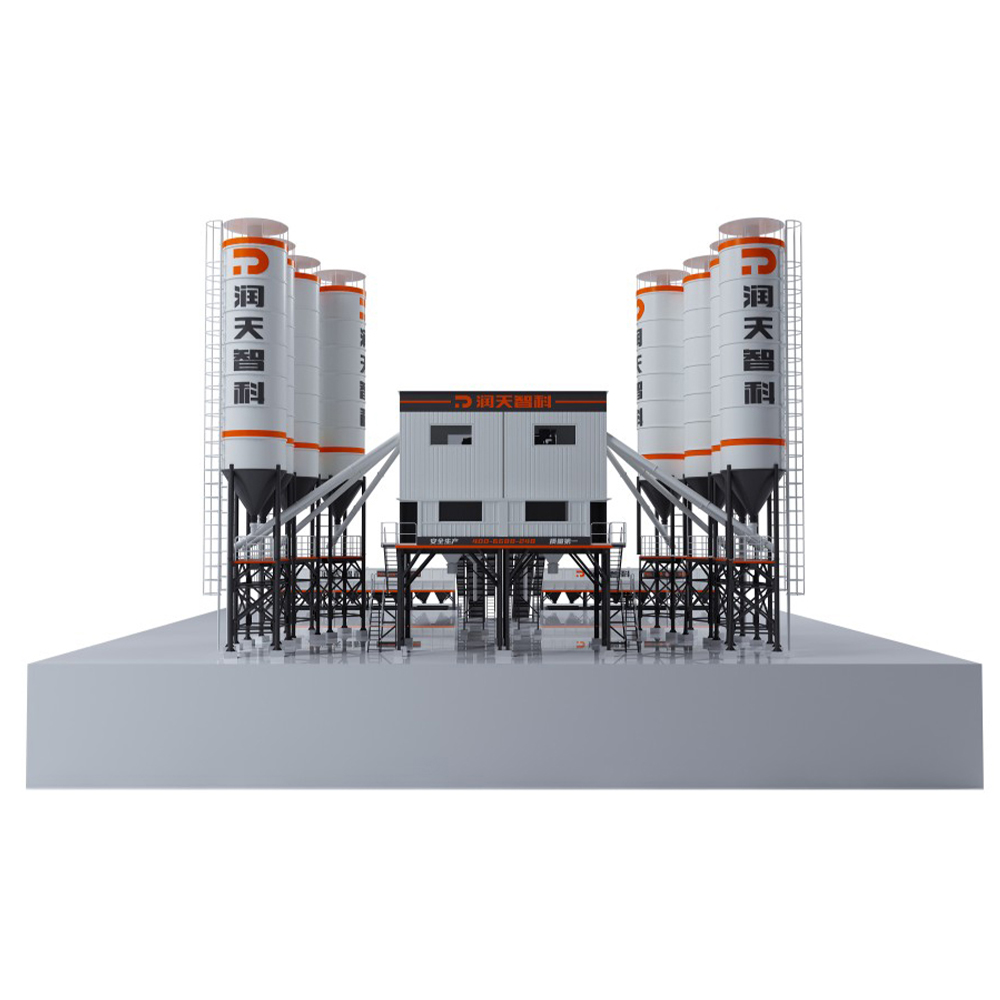 HZS Series Belt Concrete Mixing Plant
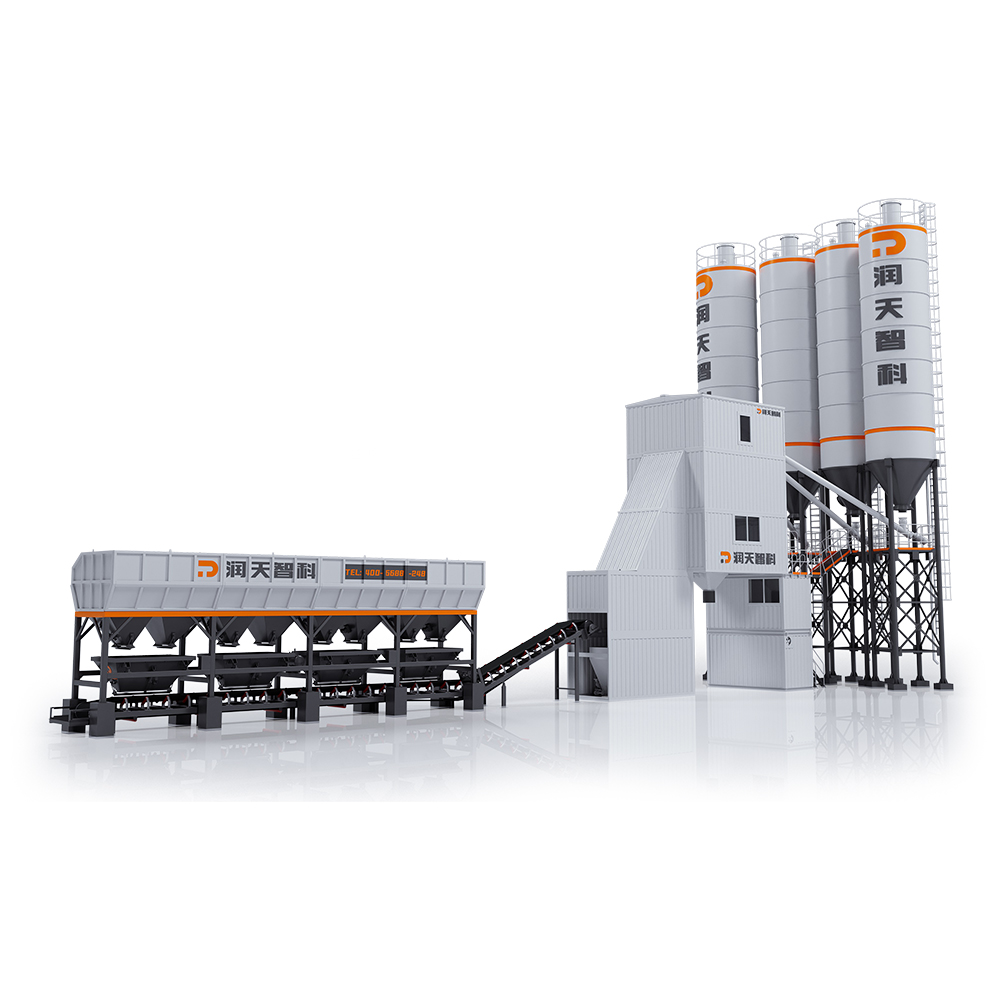 HZS Series Bucket-Lifting Type Container Concrete Mixing Plant
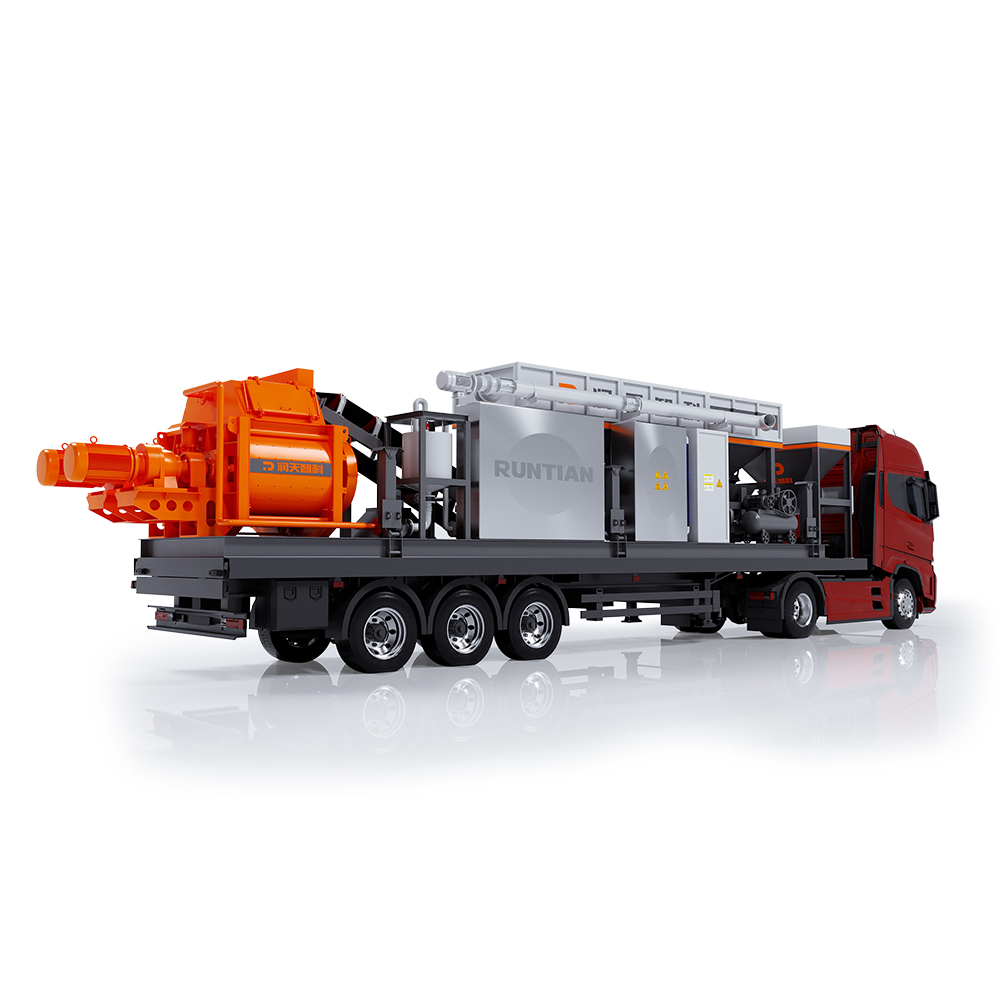 HZS60 Mobile Concrete Mixing Plant
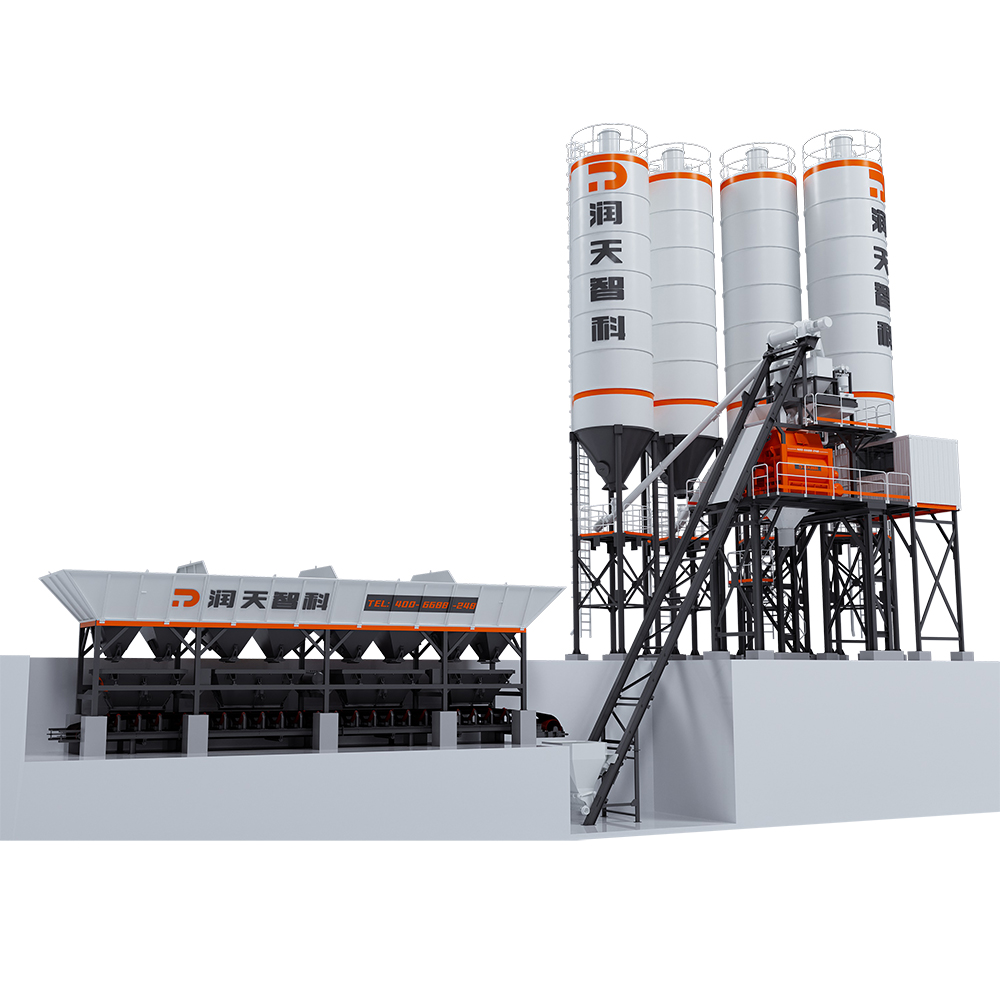 HZS Series Bucket-Lifting Type Concrete Mixing Plant
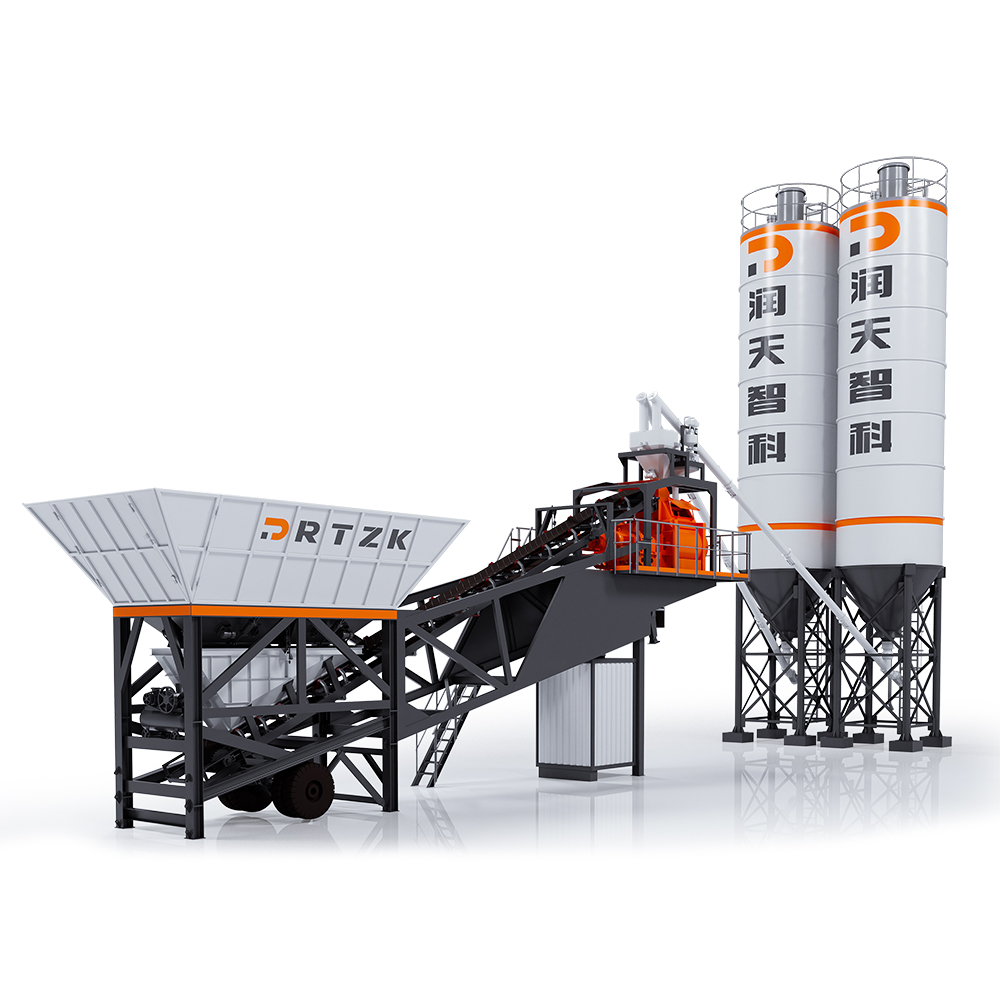 HZS Series Mobile Concrete Mixing Plant
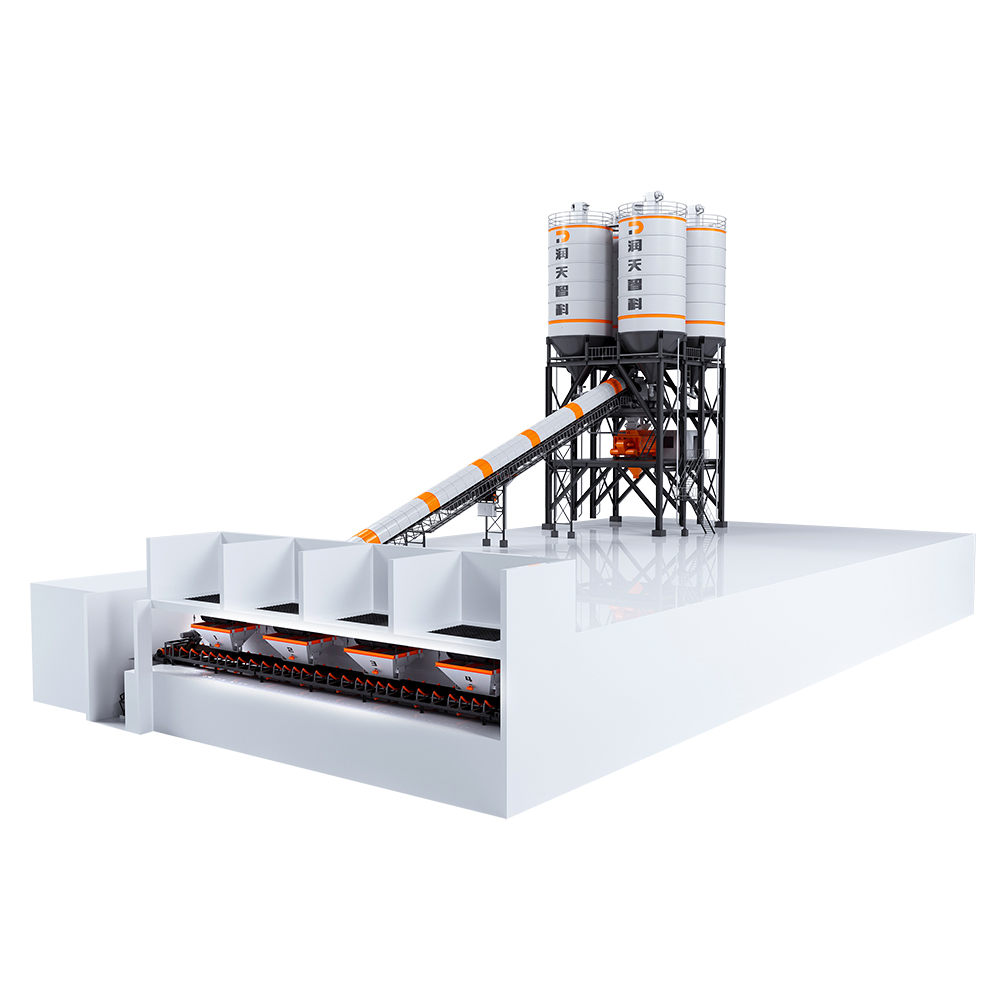 HZS Series Top-Mounted Concrete Mixing plant
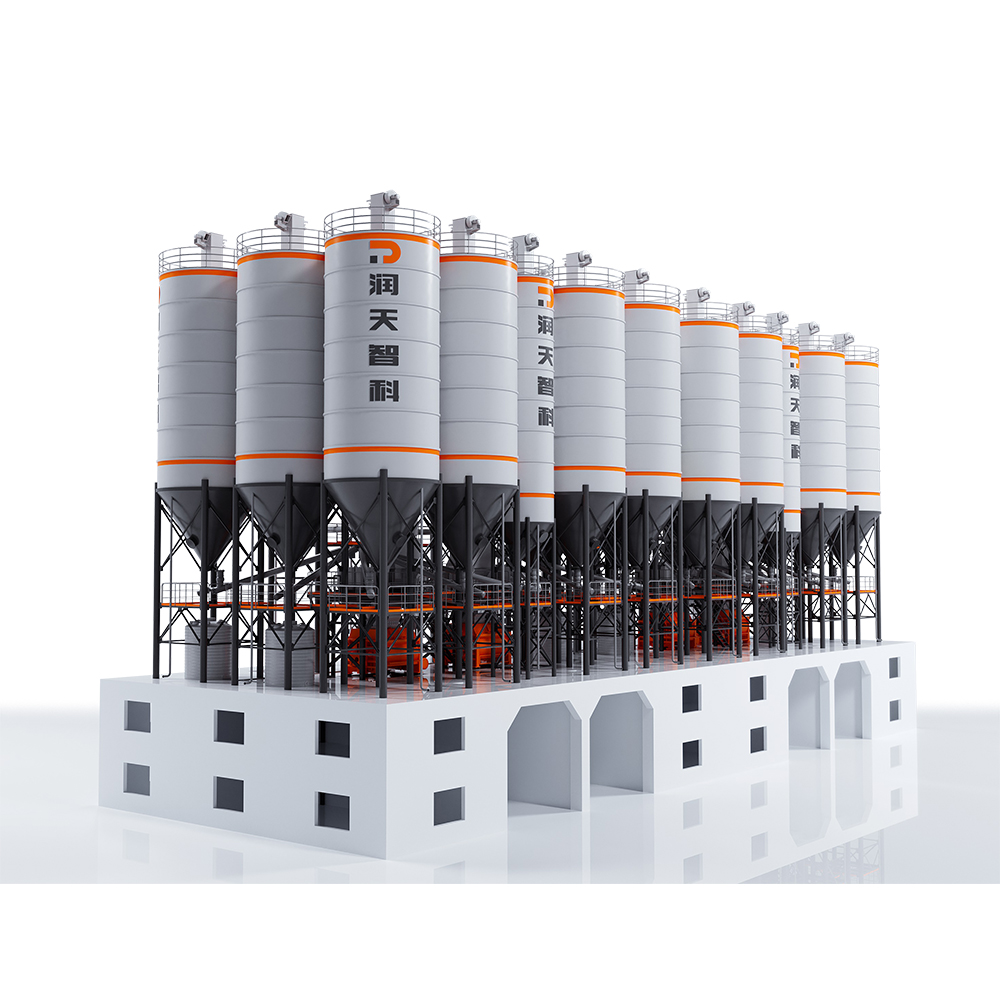 HZS Series Semi-Top Mounted Concrete Mixing Plant
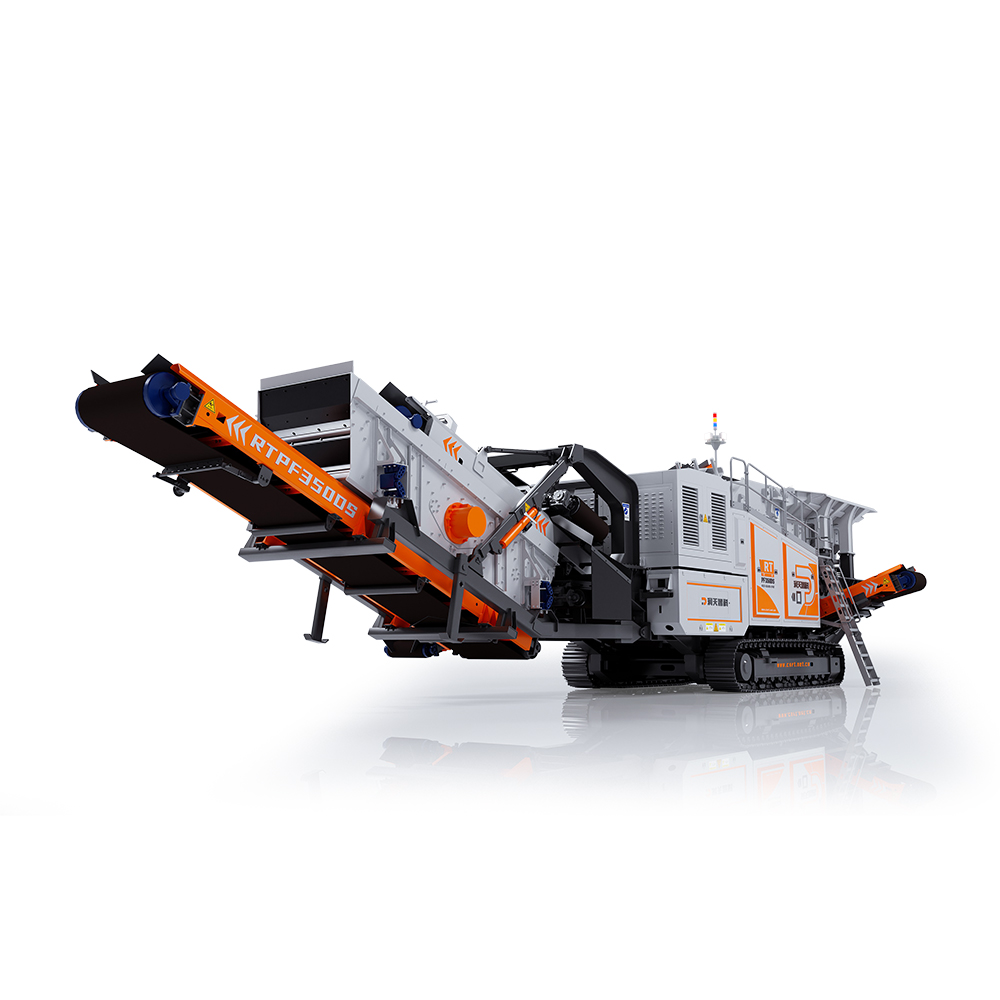 RTPF350DS Crawler Mobile Impact Crushing Plant
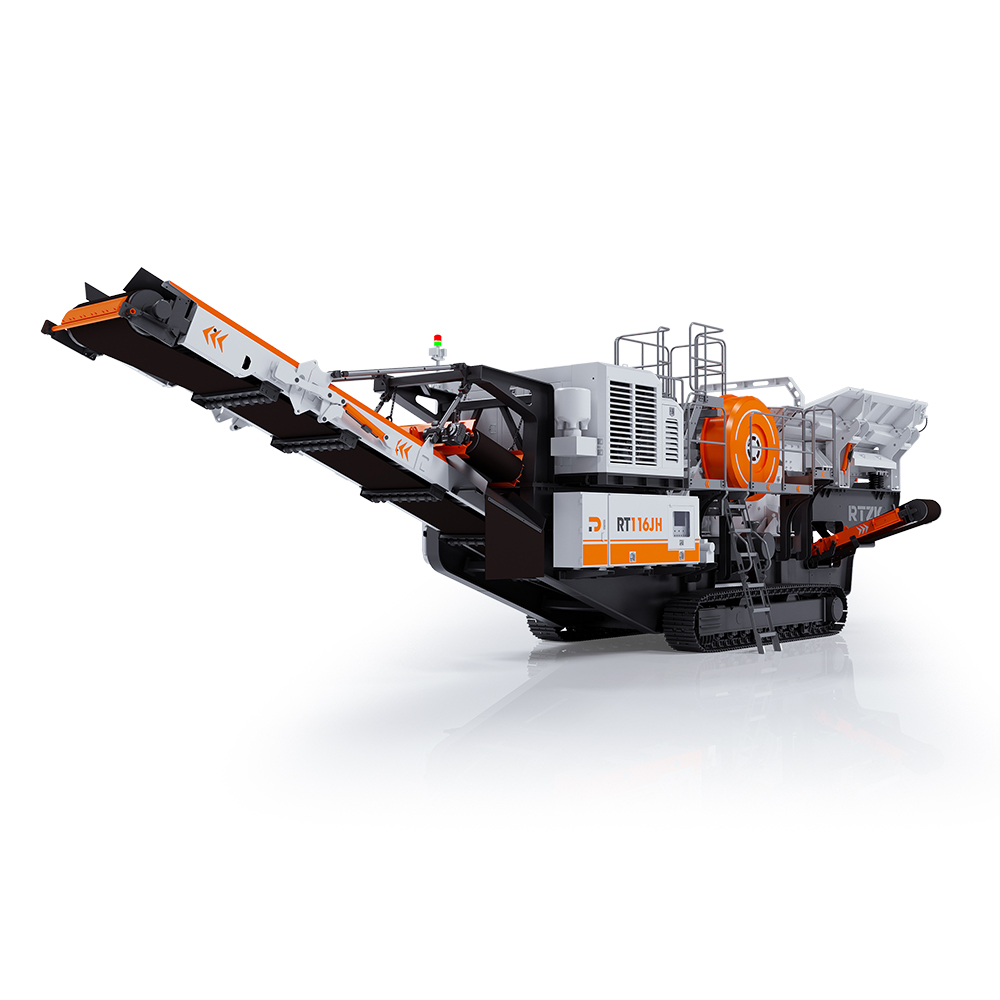 RT116JH Crawler Mobile Jaw Crushing Plant
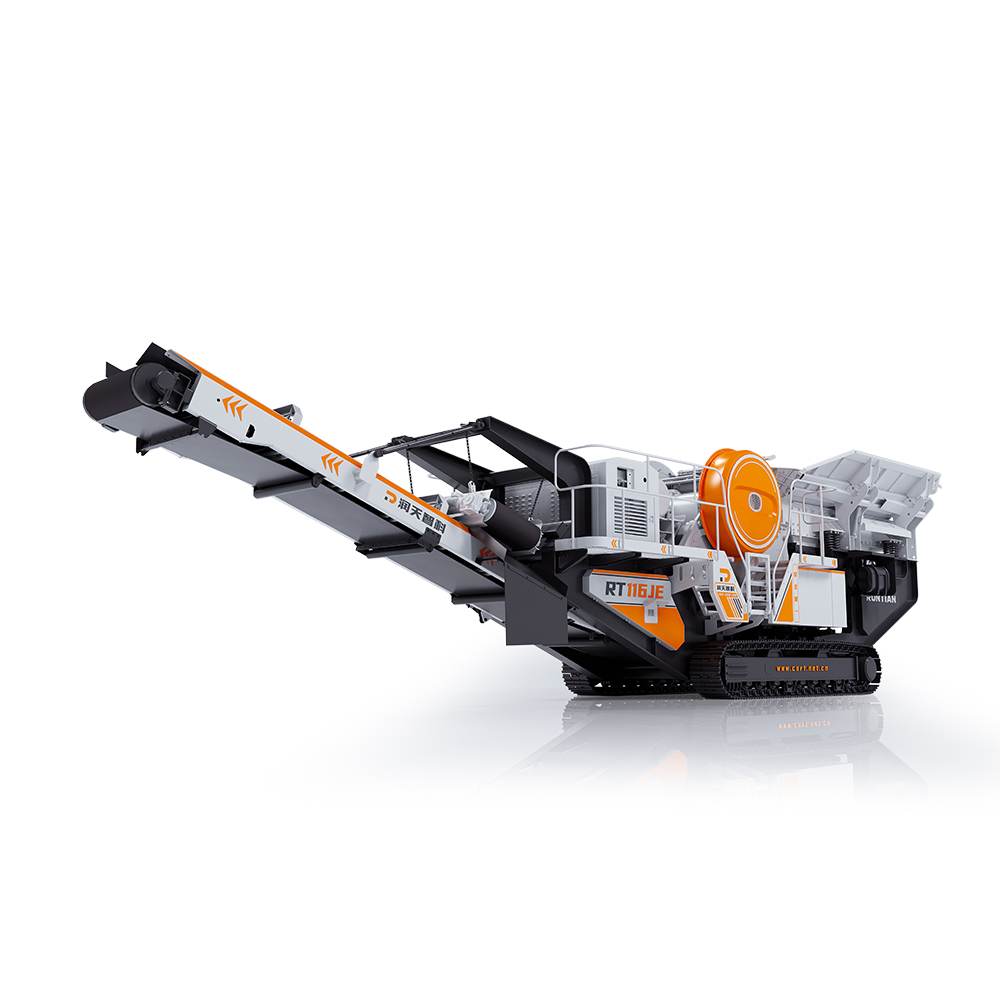 RT116JE Crawler Mobile Jaw Crushing Plant
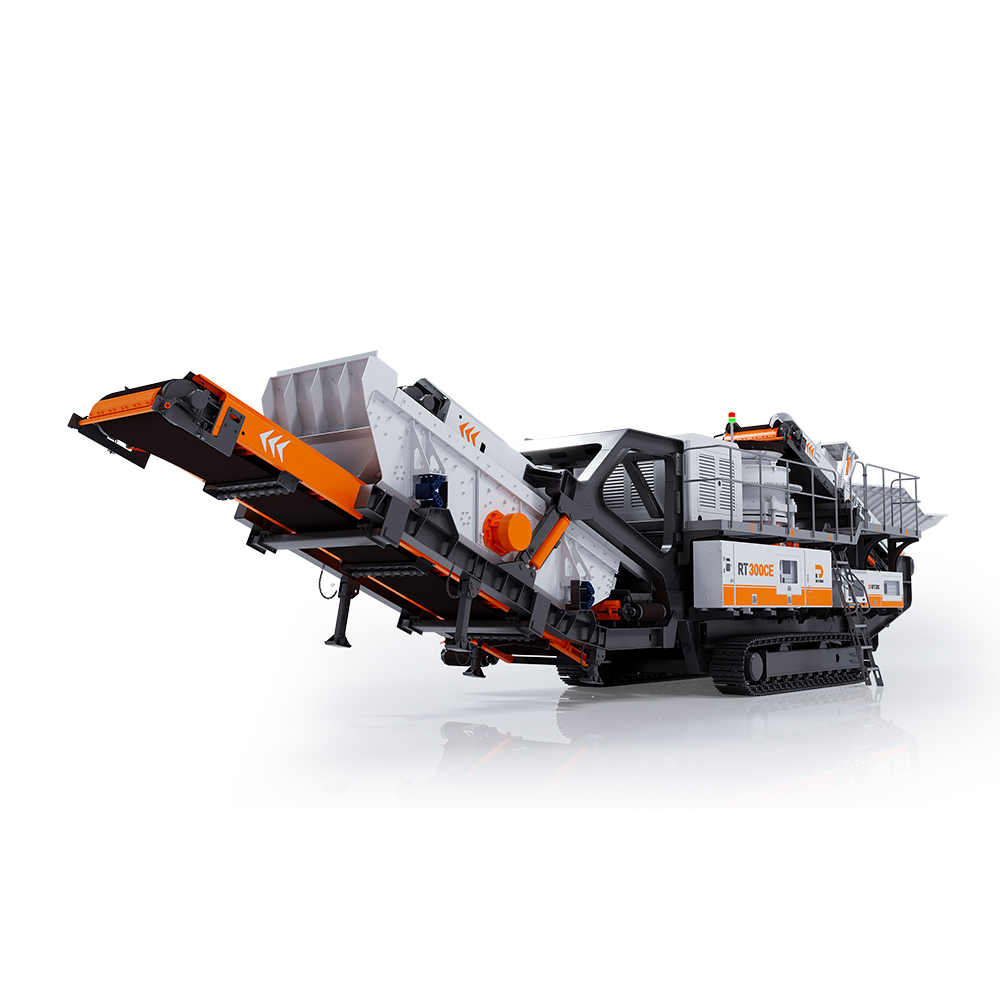 RT300CE Crawler Mobile Cone Crushing Plant
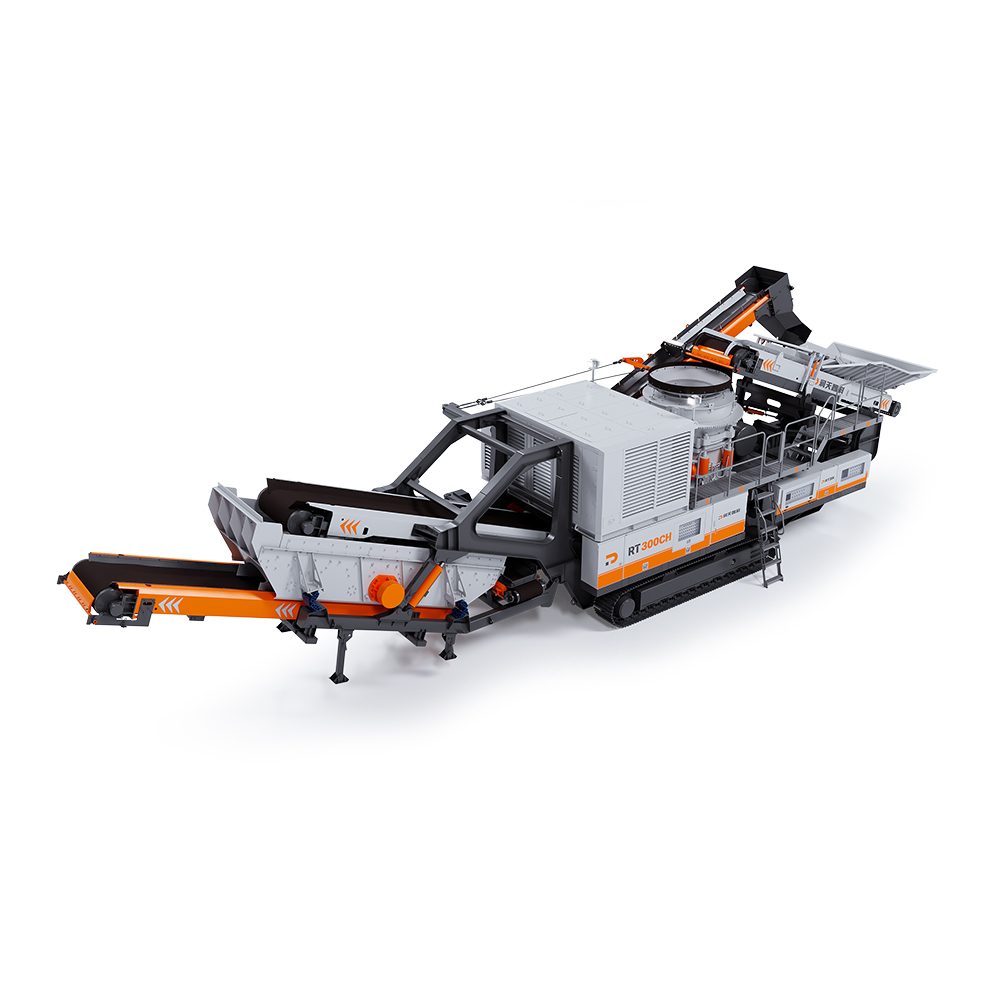 RT300CH Crawler Mobile Cone Crushing Plant
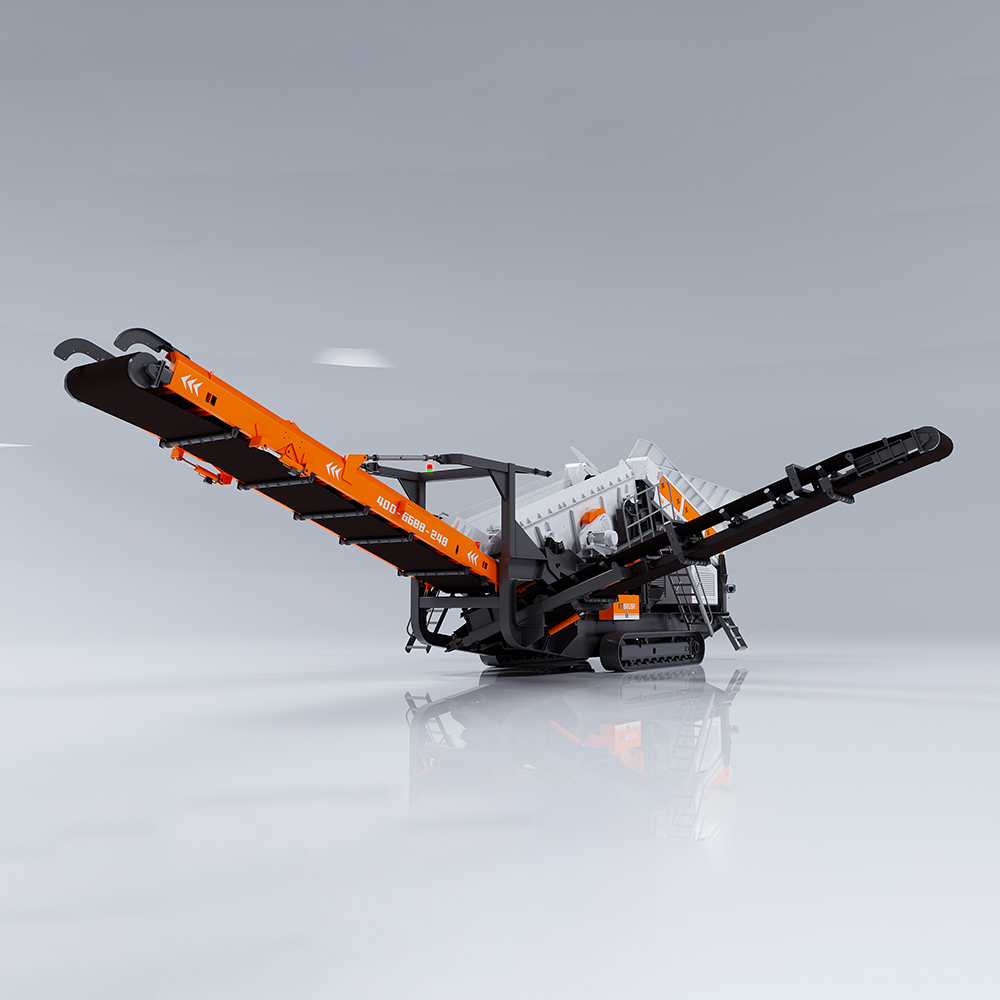 RT5015H Mobile Scalping Screen
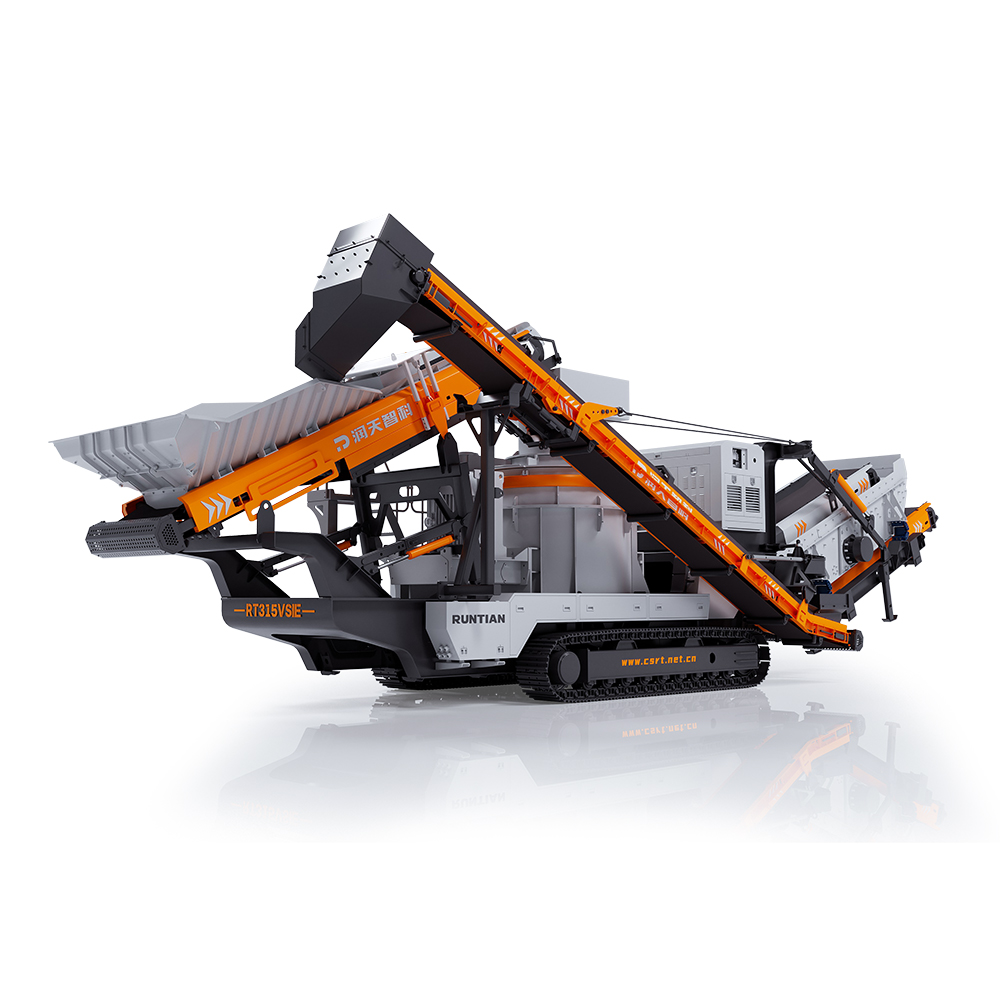 RT315VSIE Crawler Mobile Sand Maker
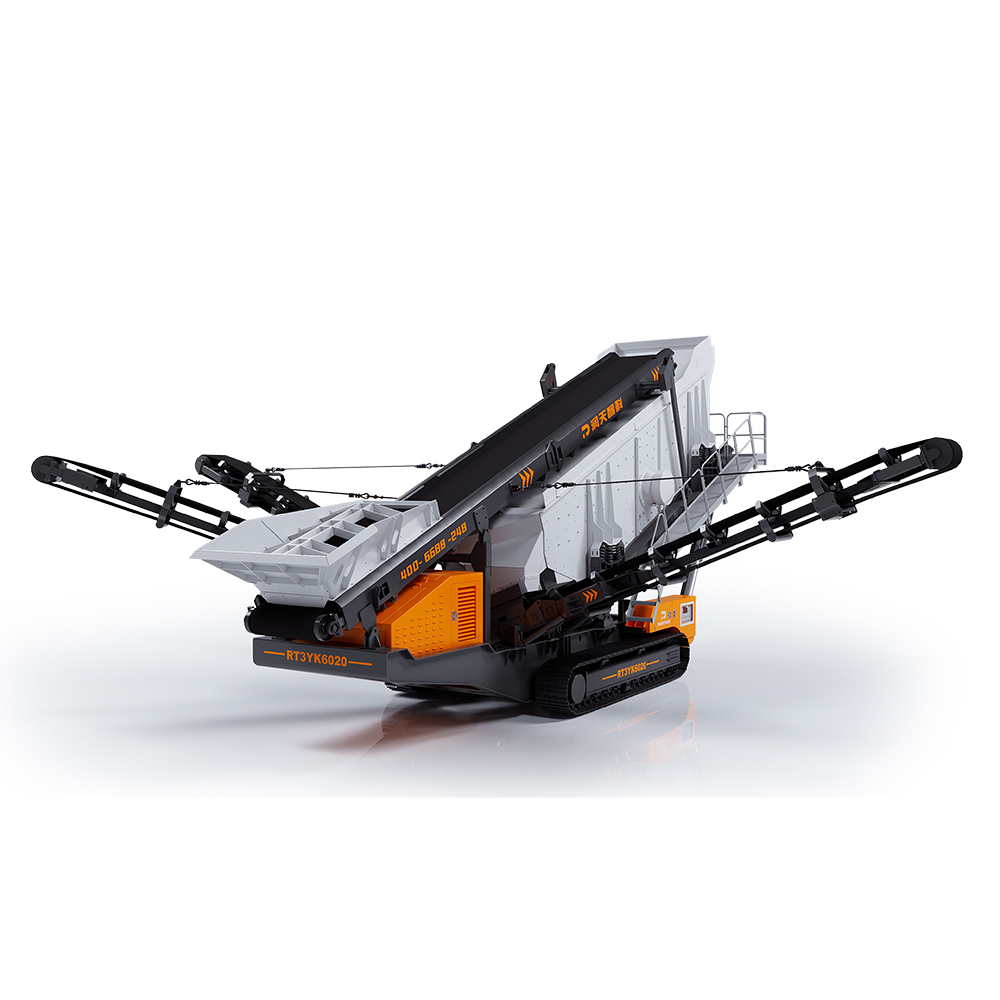 RT3YK6020 Crawler Mobile Screening Plant
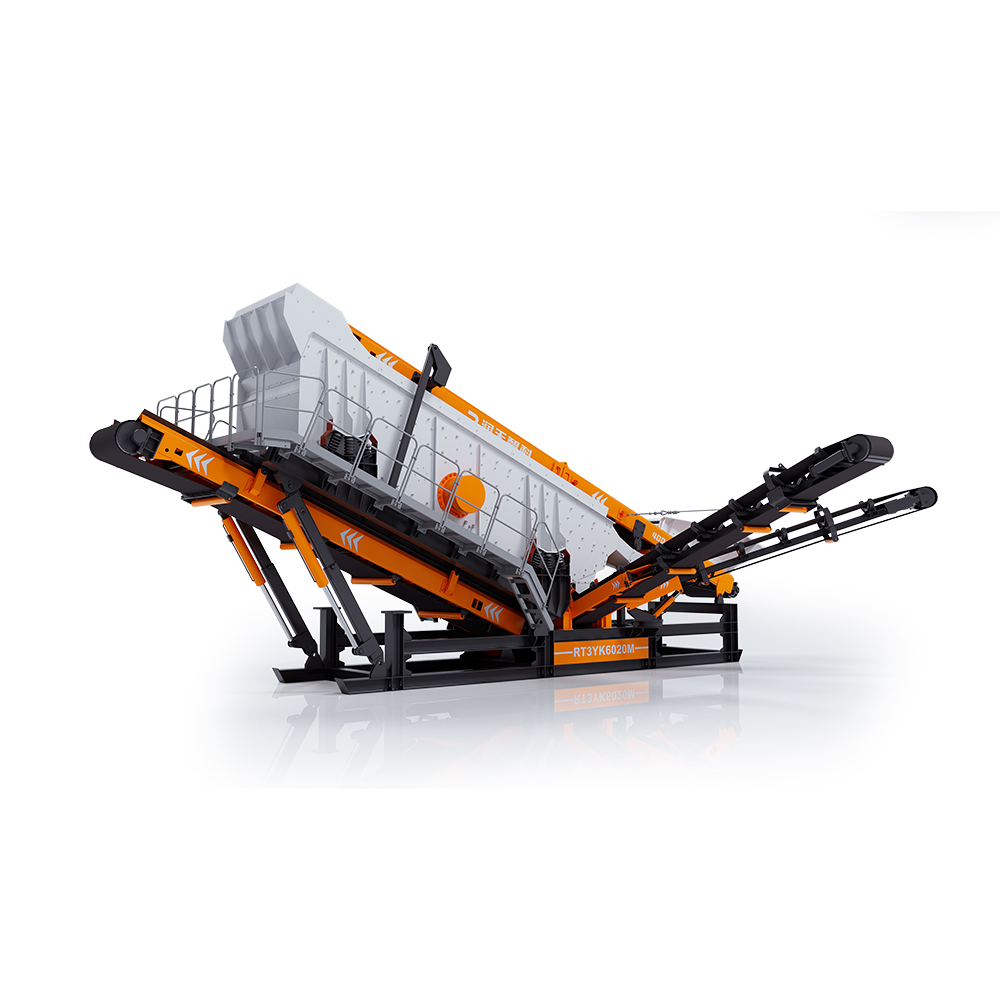 RT3YK6020M Modular Screening Plant
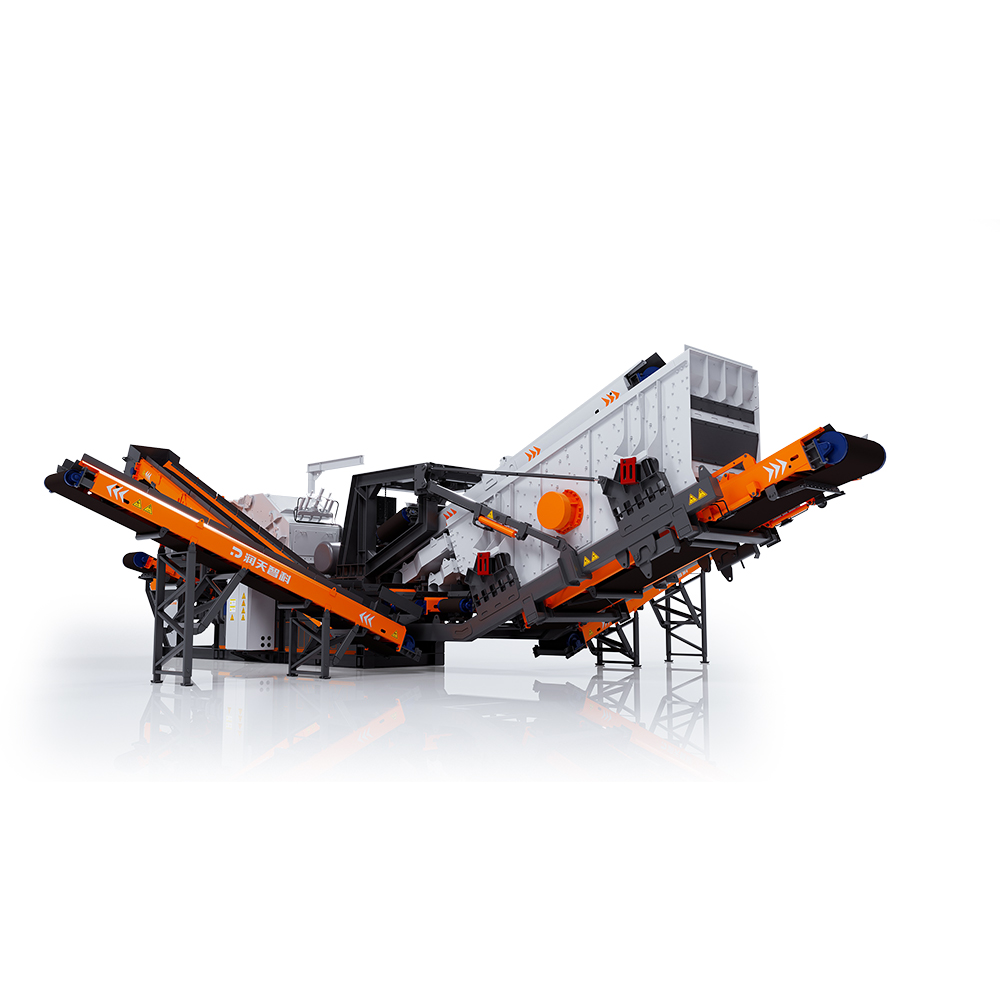 RTF260M Modular Counterattack Crushing and Screening Integrated Machine
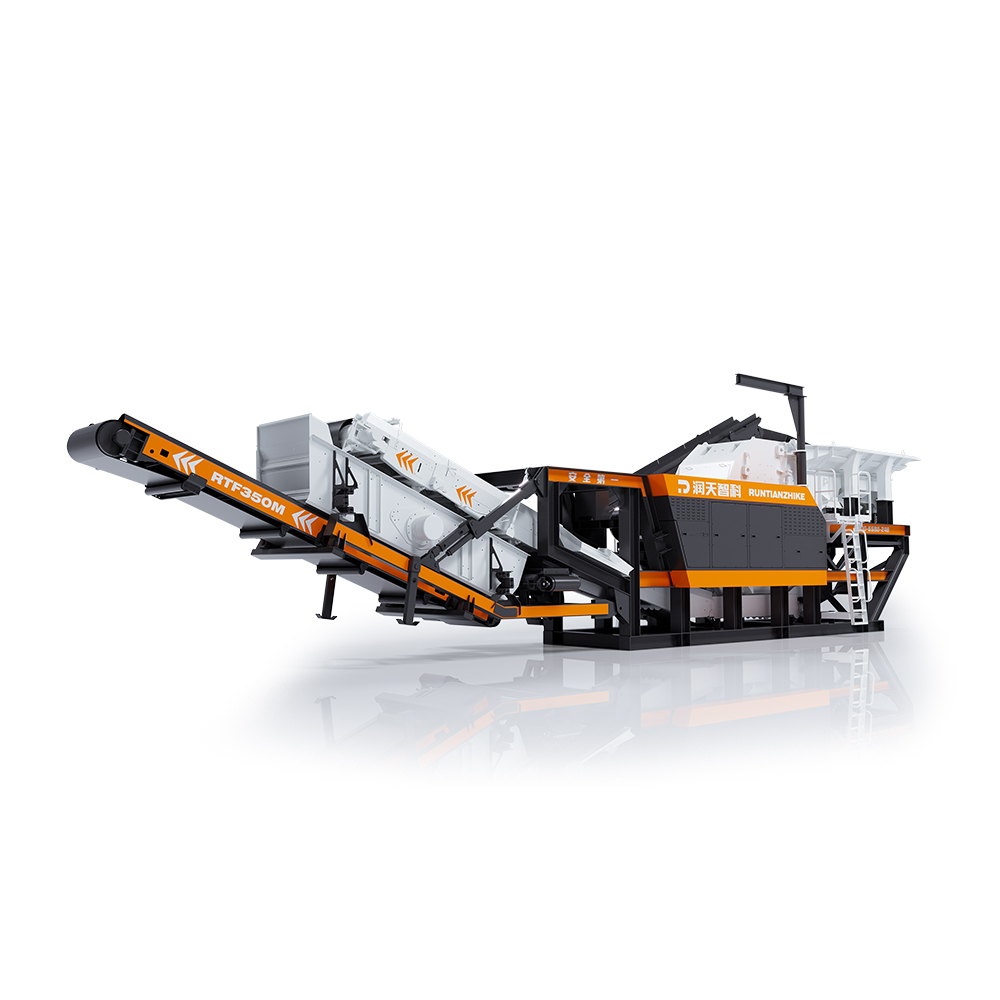 RTF350M Modular Impact Crushing Plant
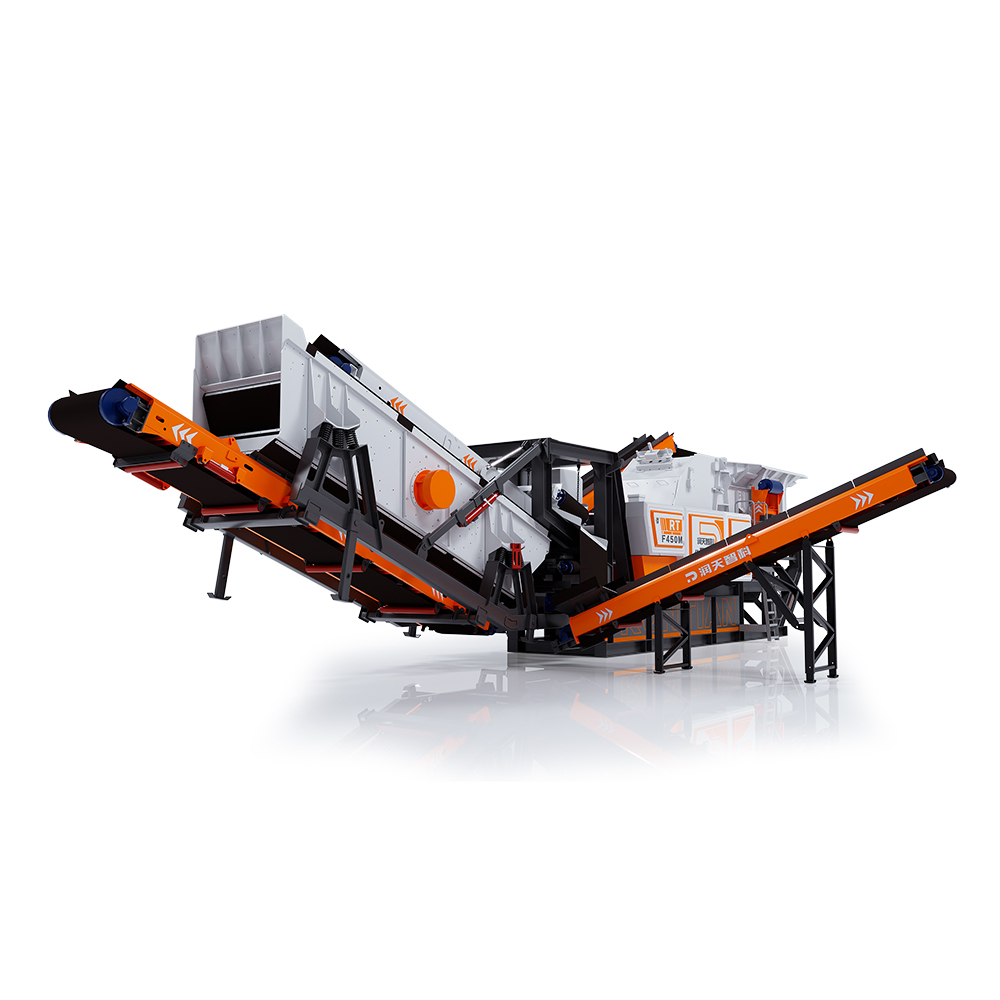 RTF450M Modular Impact Crushing Plant
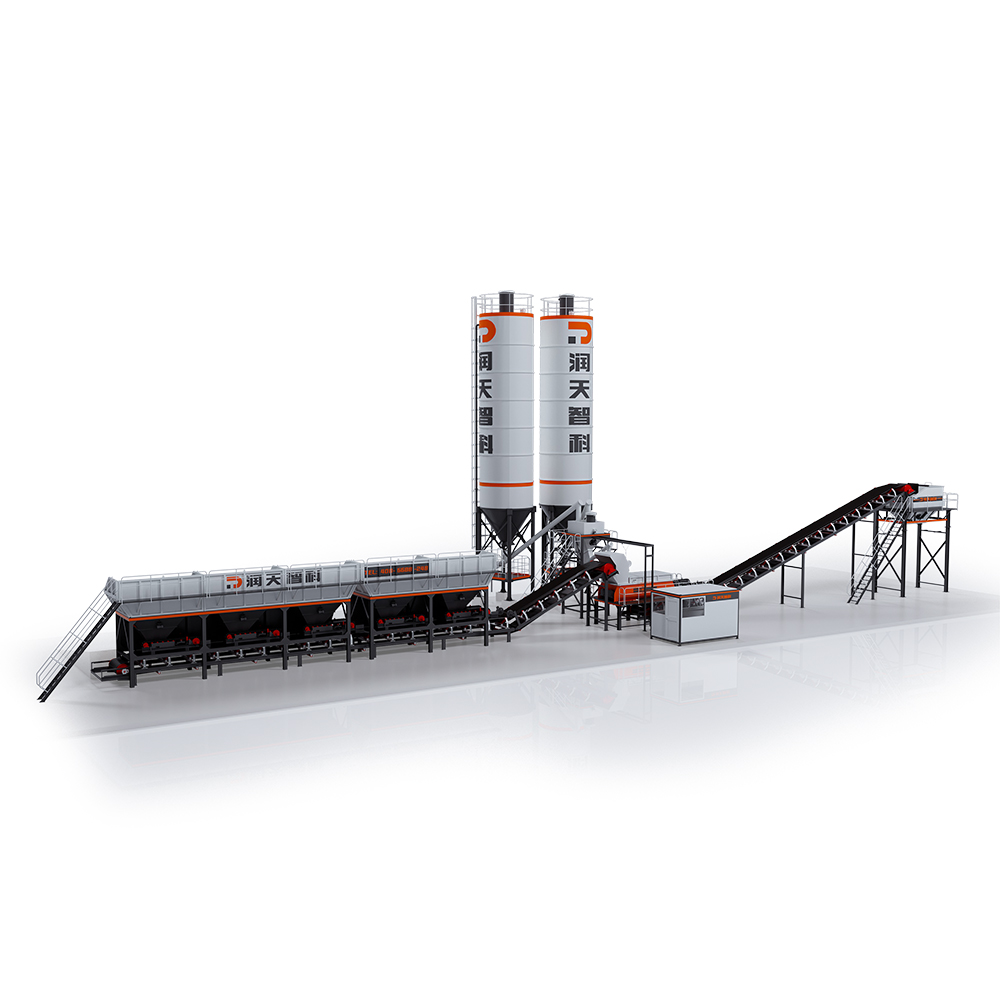 WDB Series Foundation-Free Stability Soil Mixing Plant
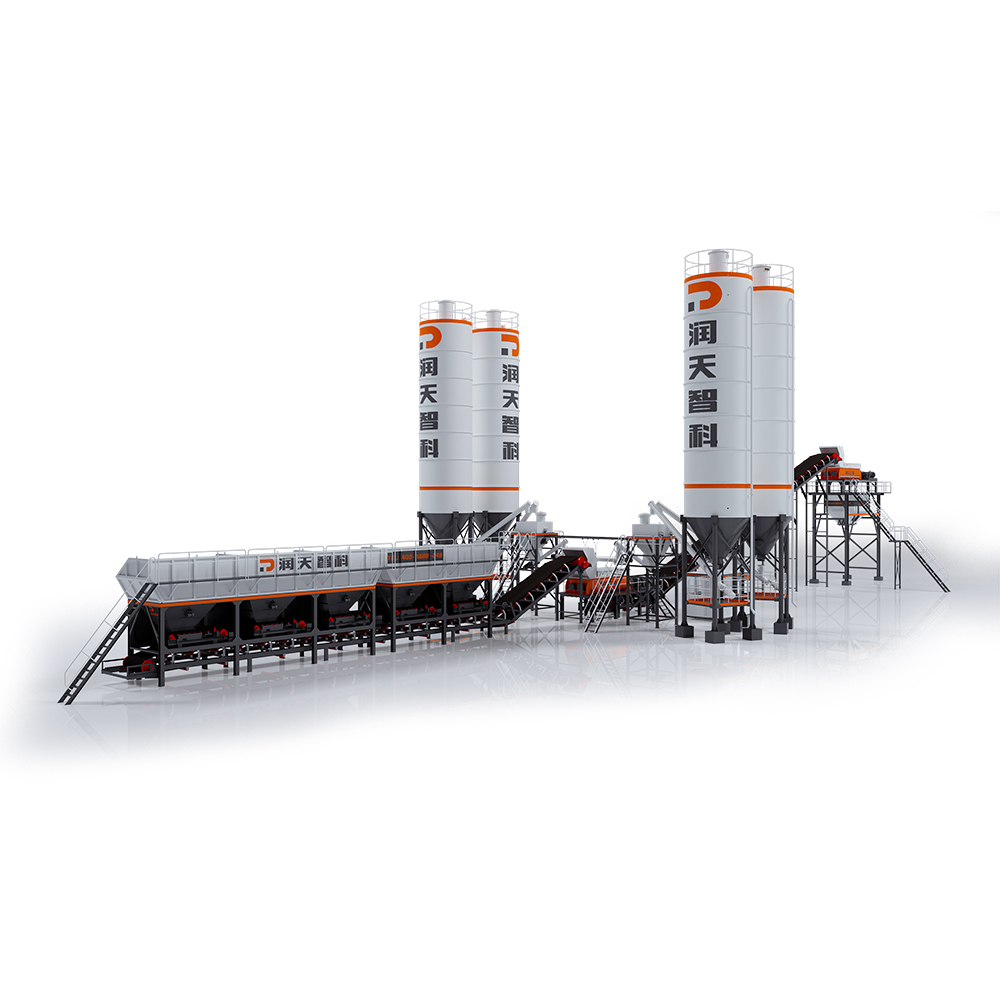 LCB Series Emulsified Asphalt Cold Regeneration Secondary Mixing Plant
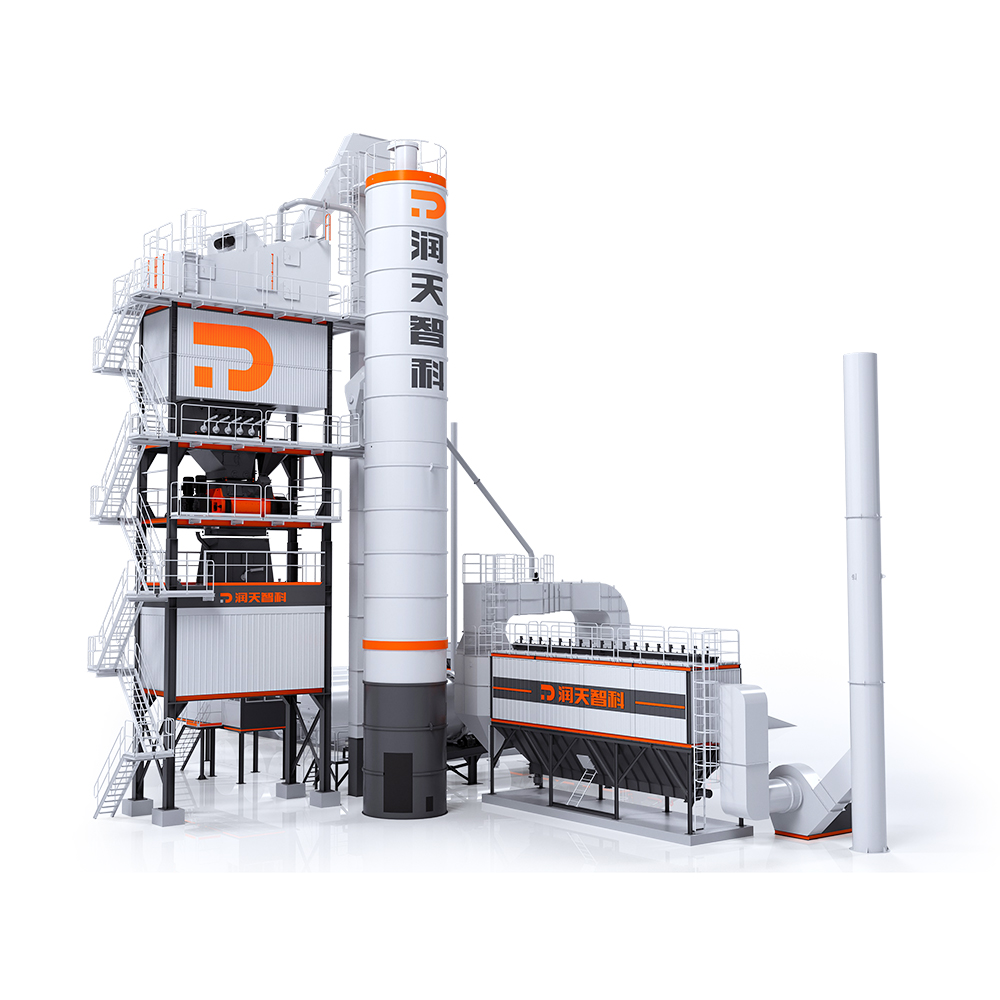 LB Series Asphalt Mixing Plant
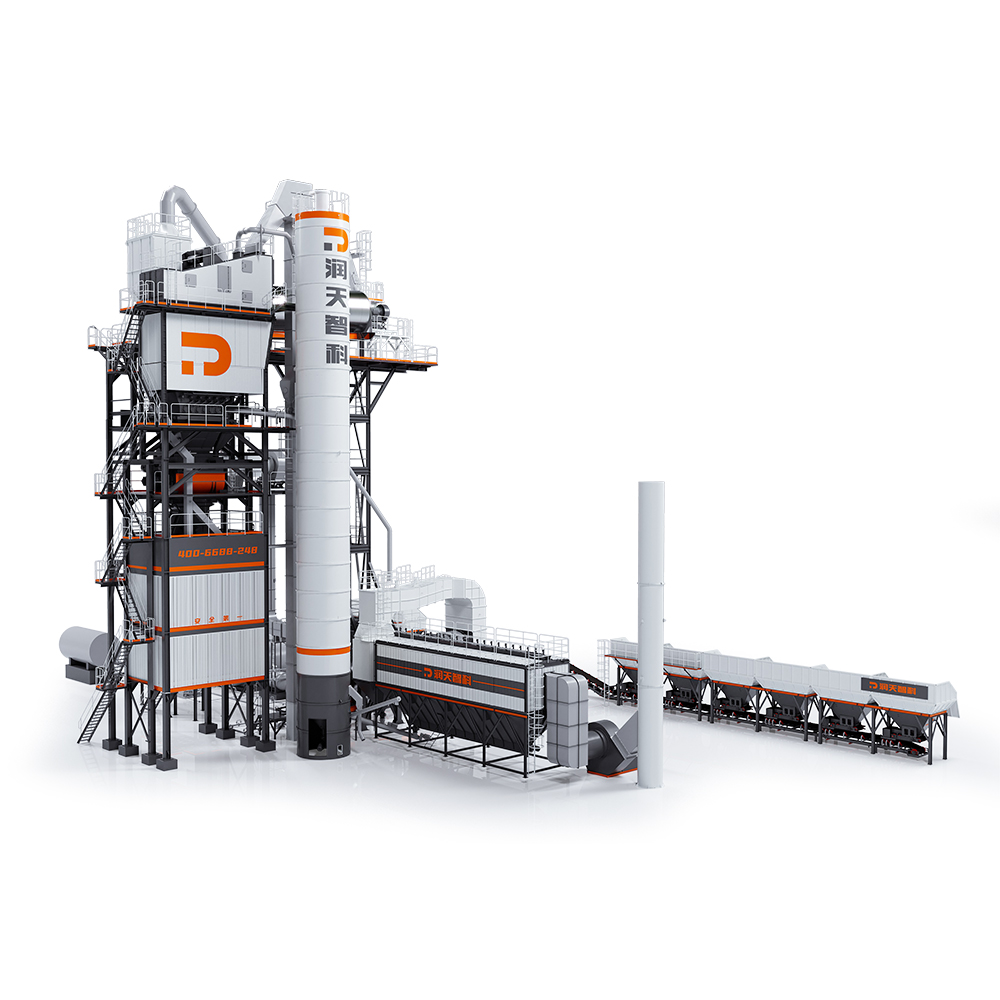 LBR Series Integrated Asphalt Mixing Plant
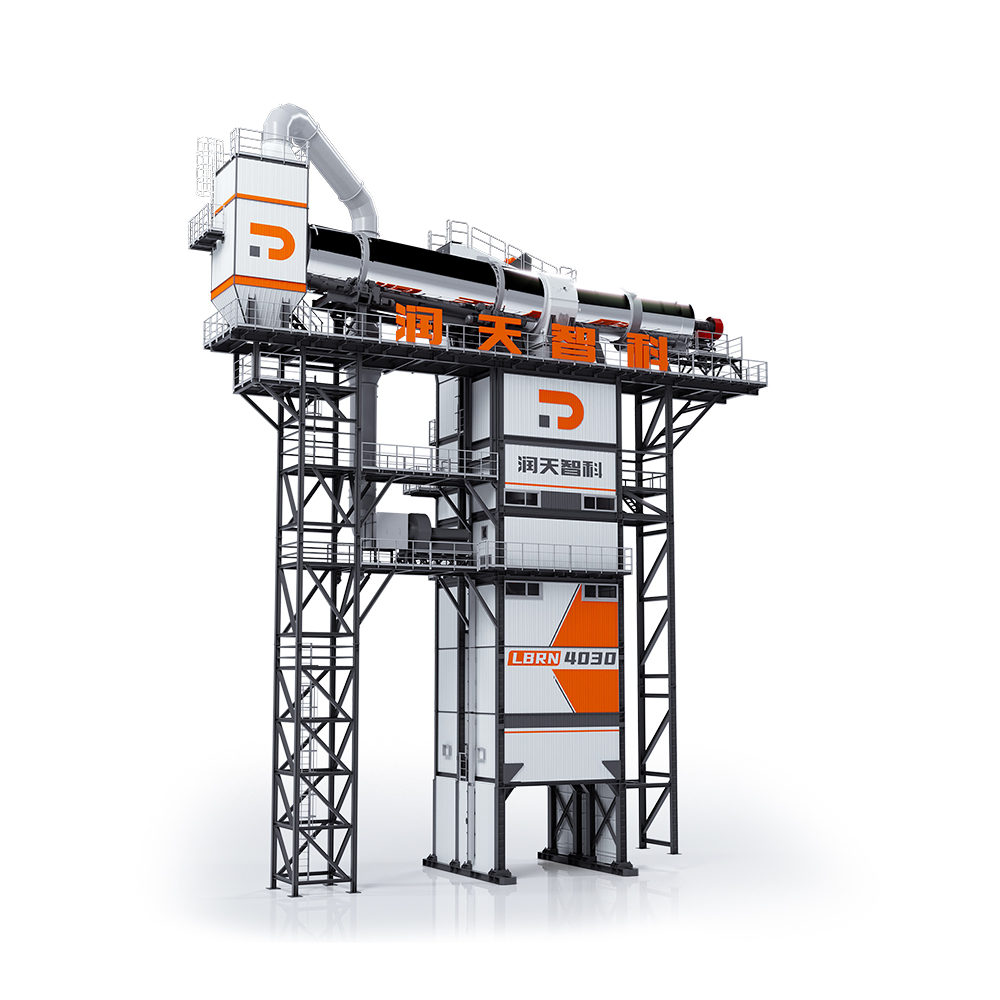 LBRN Series Counterflow Integral Asphalt Mixing Plant
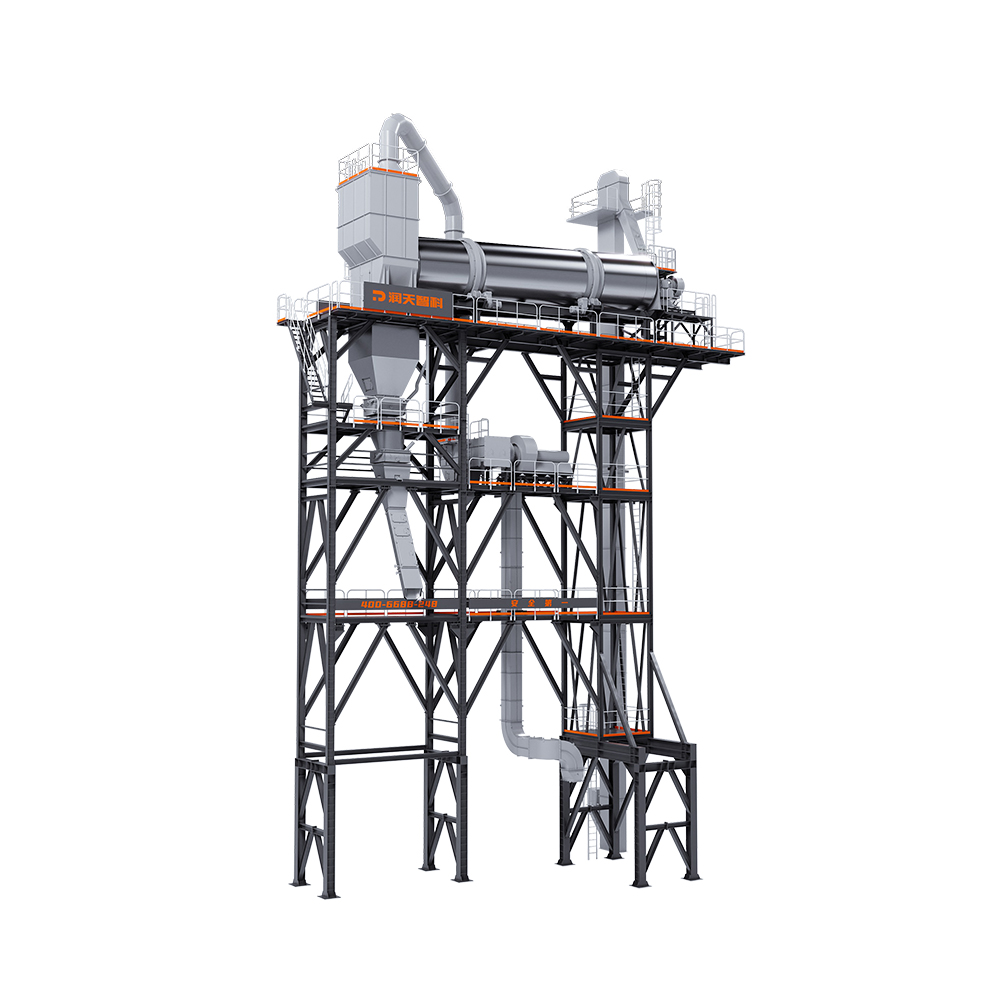 RZS Series Asphalt Mixing Plant
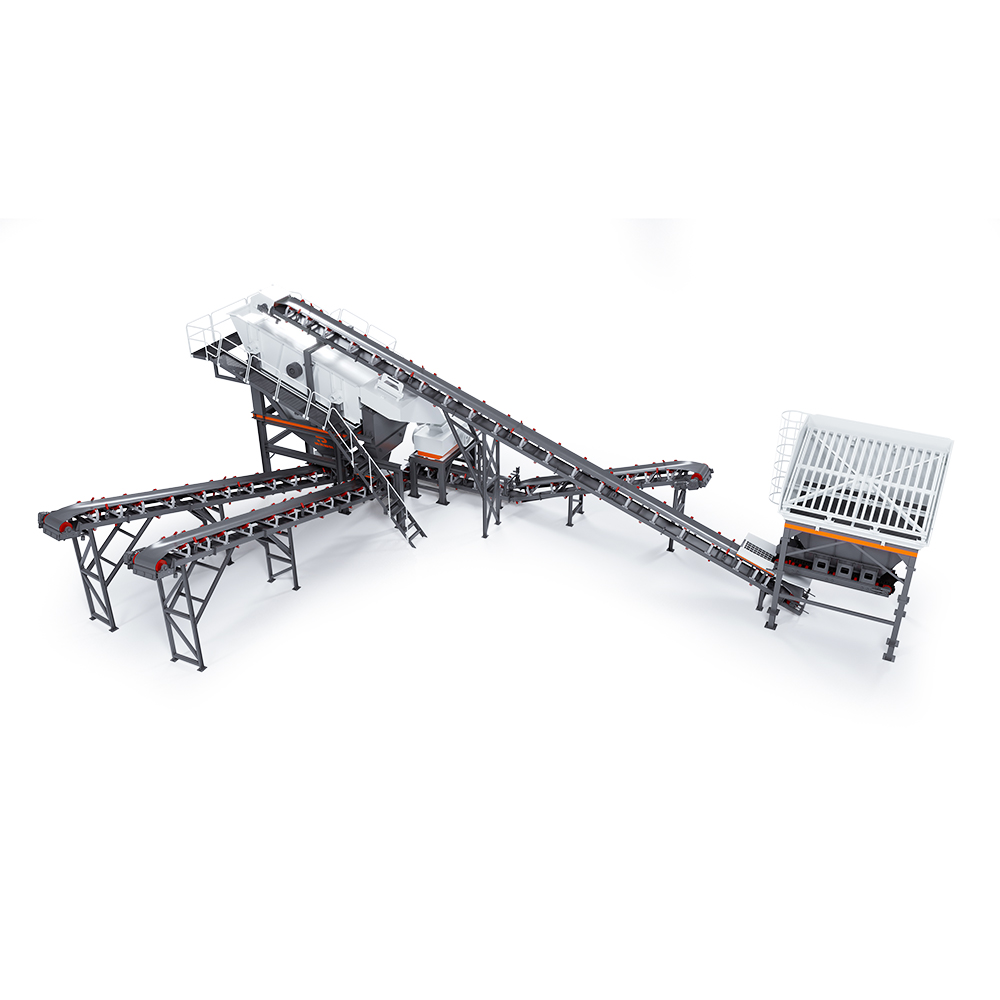 RTZS120 Series RAP Crushing & Screening Plant
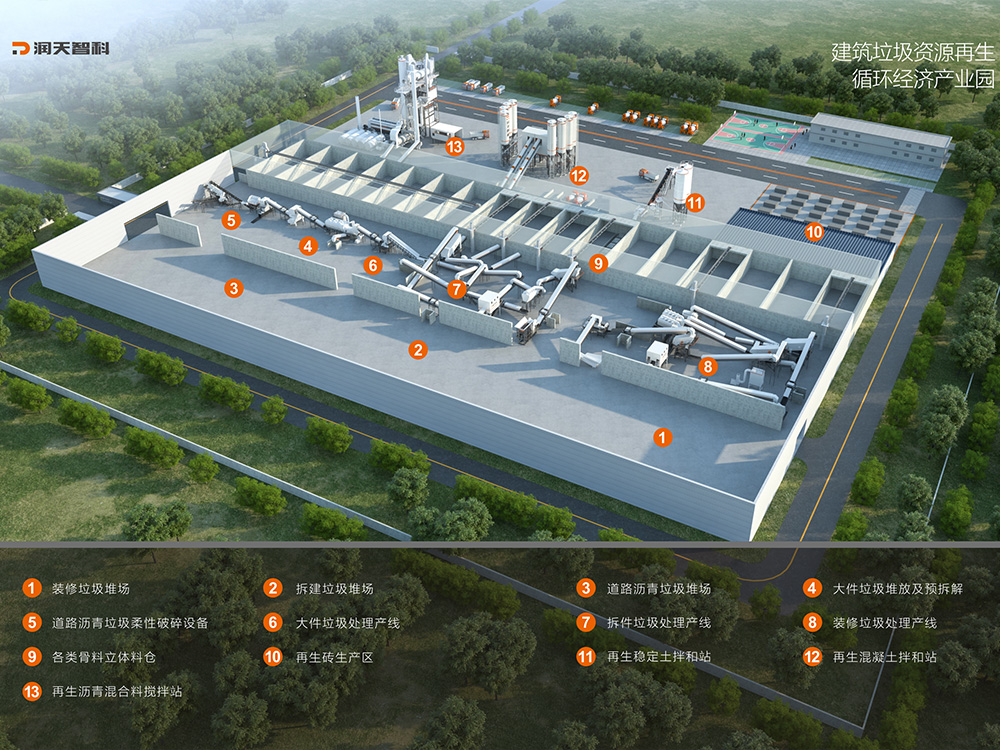 Construction Waste Resourceful Treatment Line