What is an Asphalt Mixing Plant and How Does it Work?
Asphalt mixing plants are essential for the construction industry. They produce asphalt by blending aggregates, bitumen, and additives. These plants ensure that the asphalt meets quality standards. "Asphalt is the backbone of our roads," says John Smith, a renowned expert in asphalt technology.
In recent years, there has been a push for sustainability in the asphalt industry. The processes in an asphalt mixing plant can be improved to minimize environmental impact. However, many facilities still rely on outdated techniques. This raises concerns about efficiency and emissions.
Understanding how an asphalt mixing plant operates reveals its complexity. From the heating of materials to their mixing and storage, each stage must be precise. Many facilities struggle to maintain this precision, leading to variations in asphalt quality. Reflecting on these challenges helps the industry move forward.
Definition of Asphalt Mixing Plant and Its Purpose
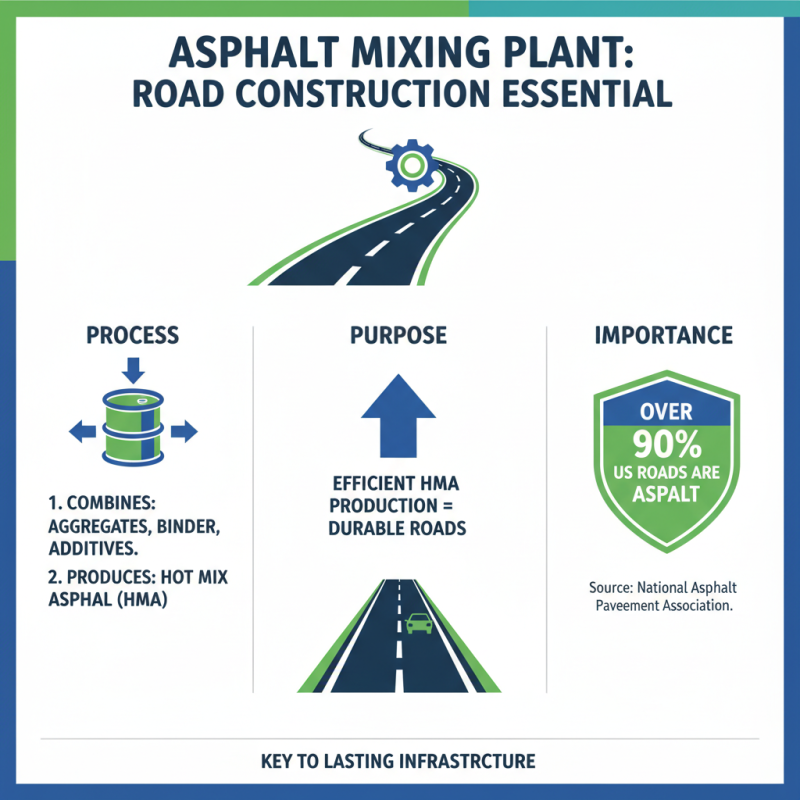
An asphalt mixing plant is essential for road construction. It combines various ingredients, including aggregates, asphalt binder, and additives. The main purpose is to produce hot mix asphalt (HMA) efficiently. HMA is crucial for creating durable road surfaces that can withstand traffic and weathering. According to the National Asphalt Pavement Association, over 90% of the roads in the United States are paved with asphalt.
The operation of an asphalt mixing plant involves several stages. The aggregate is heated and then mixed with liquid asphalt. Proper temperature control is vital. If the temperature is too low, the mix may not bind properly. Conversely, excessive heat can degrade the materials, reducing the mixture's lifespan. Research shows that temperature control inconsistencies can lead to significant quality issues.
There’s a growing scrutiny on emissions from these plants. Asphalt production is often associated with air pollution. According to the EPA, these plants can emit volatile organic compounds (VOCs) and particulates. Addressing these environmental concerns is crucial. Plant operators must balance production efficiency with environmental responsibility. It's a challenge that requires ongoing innovation and reflection in the industry.
Components of an Asphalt Mixing Plant
An asphalt mixing plant is crucial for producing asphalt mixtures used in road construction. It contains several key components, each playing an essential role in the process. The main parts include a cold feed system, a dryer, a mixing tower, and a baghouse. Together, these elements ensure efficient mixing and quality control.
The cold feed system holds the aggregate materials. It typically includes bins that separate various sizes of aggregates. This separation is important. It allows for precise control over the mixture. The dryer heats the aggregates to remove moisture. This step is vital for ensuring the asphalt adheres correctly. However, it can sometimes lead to over-drying, which may require adjustments during operation.
In the mixing tower, the heated aggregates meet the binder. This mixing occurs at high temperatures. It's important to achieve a homogenous mixture. Yet, some operators may overlook the need for proper timing here, leading to inconsistencies. The baghouse collects dust and particulates, ensuring a cleaner process. However, if it malfunctions, it could result in environmental concerns. Balancing efficiency and compliance is always a challenge in this setting.
Asphalt Mixing Plant Production Statistics
This chart illustrates the production volume of different types of asphalt mixes utilized in various projects, highlighting the comparative output of Cold Mix, Hot Mix, and Warm Mix asphalt production.
The Process of Asphalt Production in Mixing Plants
Asphalt production begins with the careful selection of raw materials. Crushed stone, sand, and asphalt cement are the primary components. Each ingredient must meet specific quality standards. This ensures the final asphalt mix is durable and long-lasting. In many mixing plants, cold aggregates are stored in silos, waiting for use.
Once the materials are ready, the mixing process begins. The aggregates are heated in a drum, which helps to enhance the quality of the final product. The temperature is crucial; too hot can cause issues, while too cold affects binding. After heating, the aggregates go through a mixing unit. Here, they blend with asphalt cement, creating a cohesive mix.
Quality control is critical. Samples are taken throughout the process. These help determine if the mix meets the required specifications. However, even with all precautions, inconsistencies can arise. Not every batch comes out perfect. Monitoring systems overlook details that could improve efficiency. Observing these processes can provide insights into refining the operations.
Types of Asphalt Mixing Plants and Their Applications
Asphalt mixing plants come in various types, each designed for specific applications. The most common types include batch plants, continuous plants, and drum mix plants.
Batch plants produce asphalt in batches, allowing for precise control over the mix. This flexibility is valuable for projects needing different asphalt grades. However, the process can be time-consuming and might slow down high-demand projects.
Continuous plants, on the other hand, offer a steady flow of asphalt. They operate without interruption, making them ideal for large-scale projects. The challenge here is maintaining quality control, as the continuous process can lead to inconsistencies if not monitored closely.
Drum mix plants combine drying and mixing into one unit, maximizing efficiency. This type usually produces a uniform product swiftly, yet it may not accommodate varied grades well.
In practical applications, each type has strengths and weaknesses. Choosing the right one depends on project needs, budget, and desired output quality. Sometimes, contractors might realize too late that the chosen plant isn't suitable.
Planning and understanding the specific requirements is critical. Balancing efficiency with quality control is an ongoing challenge in asphalt mixing.
Maintenance and Operational Considerations for Asphalt Mixing Plants
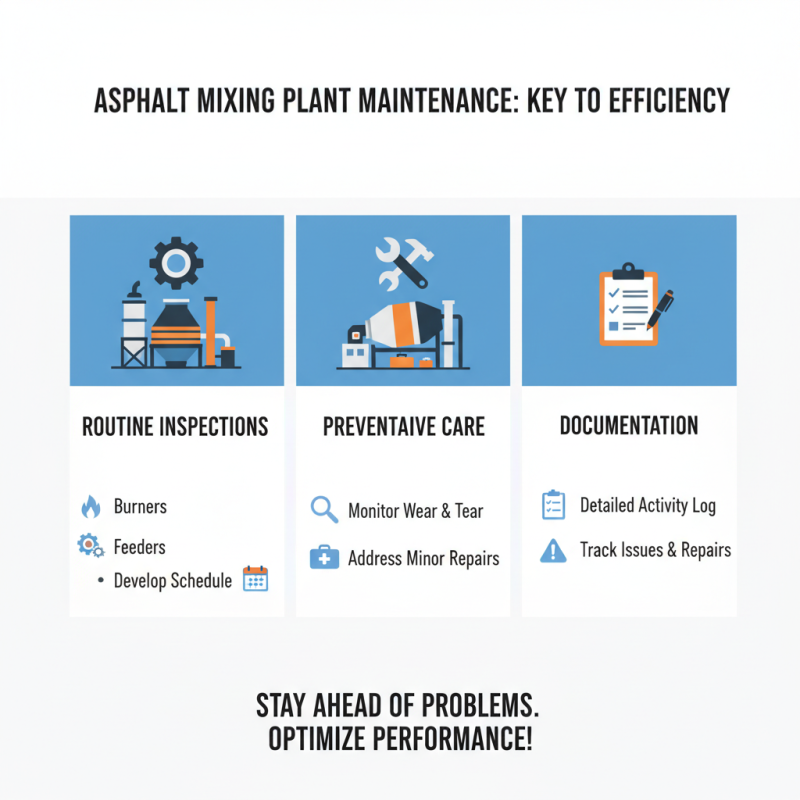
Maintaining an asphalt mixing plant is crucial for efficient operations. Regular inspection of components like burners and feeders is essential. These parts can wear out quickly, affecting performance. Operators should develop a routine schedule for checks. A detailed log helps track maintenance activities and any issues that arise. Ignoring even minor repairs can lead to bigger problems later.
Operational considerations also play a significant role. Proper calibration of mixing temperatures impacts asphalt quality. Inconsistent temperature can affect adhesion and durability. Operators need to ensure accurate monitoring of material feed rates. A slight miscalculation can result in insufficient mix. Moreover, when working with recycled materials, adjustments may be necessary. This adds complexity to the mixing process and requires careful attention.
Training staff is equally important. A well-informed team can identify issues quickly. They need to understand how each component operates and interacts. However, some operators may overlook basic training, assuming everyone knows the process. This common mistake can lead to inefficiencies. Regular workshops and refreshers can help keep everyone updated. Fostering a culture of continuous learning enhances overall plant performance.

 Concrete Mixing Plant
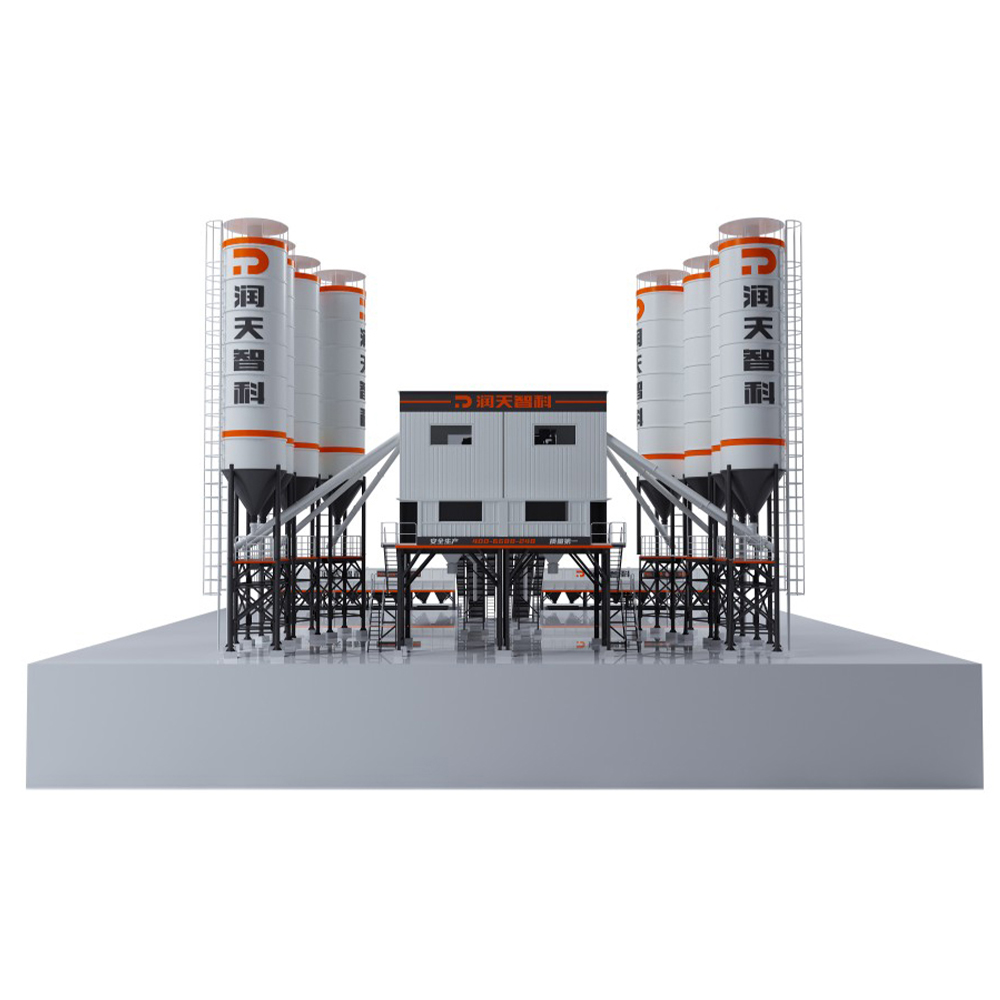 HZS Series Belt Concrete Mixing Plant
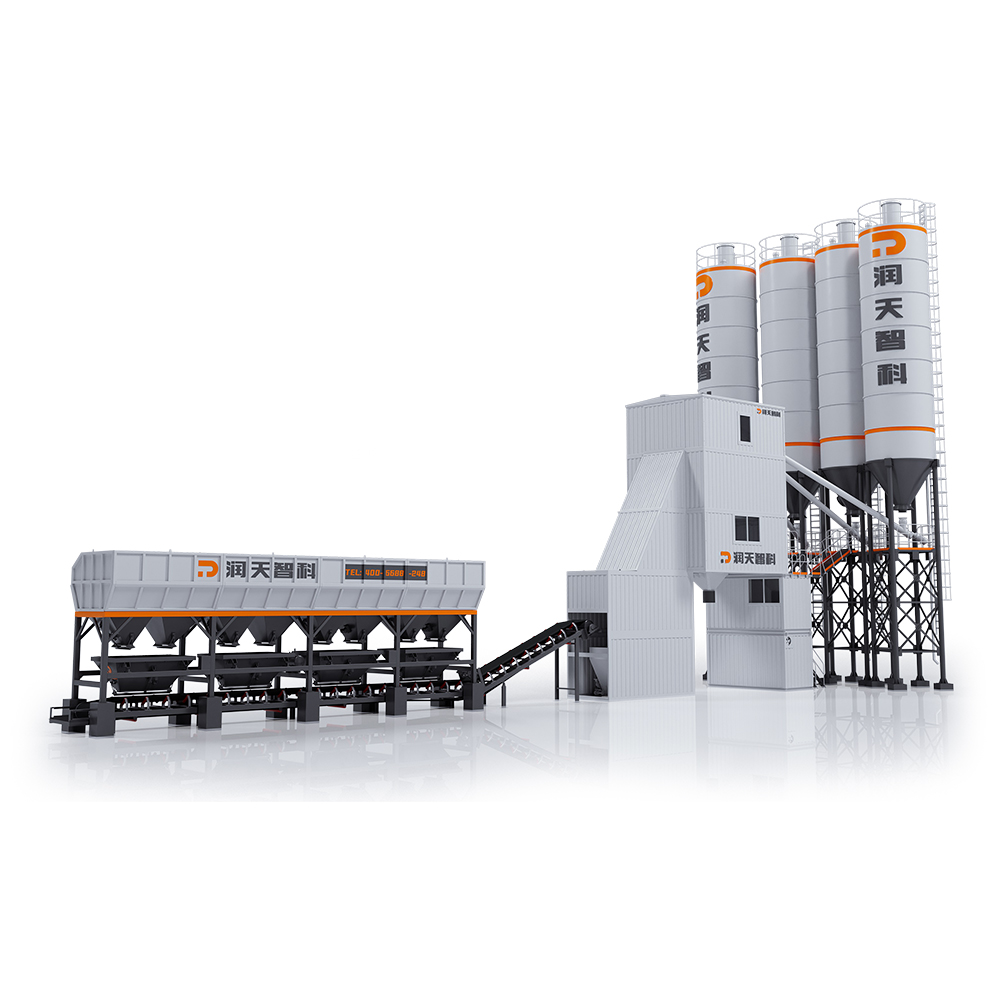 HZS Series Bucket-Lifting Type Container Concrete Mixing Plant
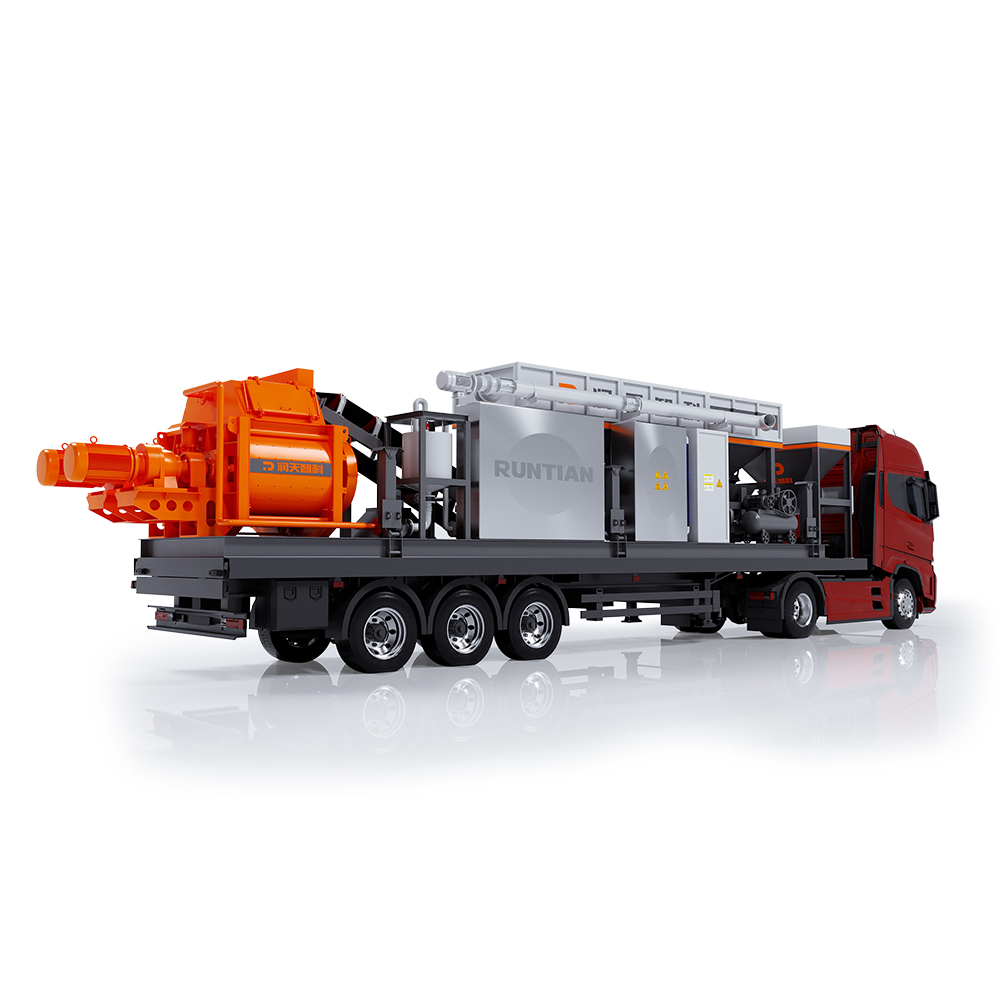 HZS60 Mobile Concrete Mixing Plant
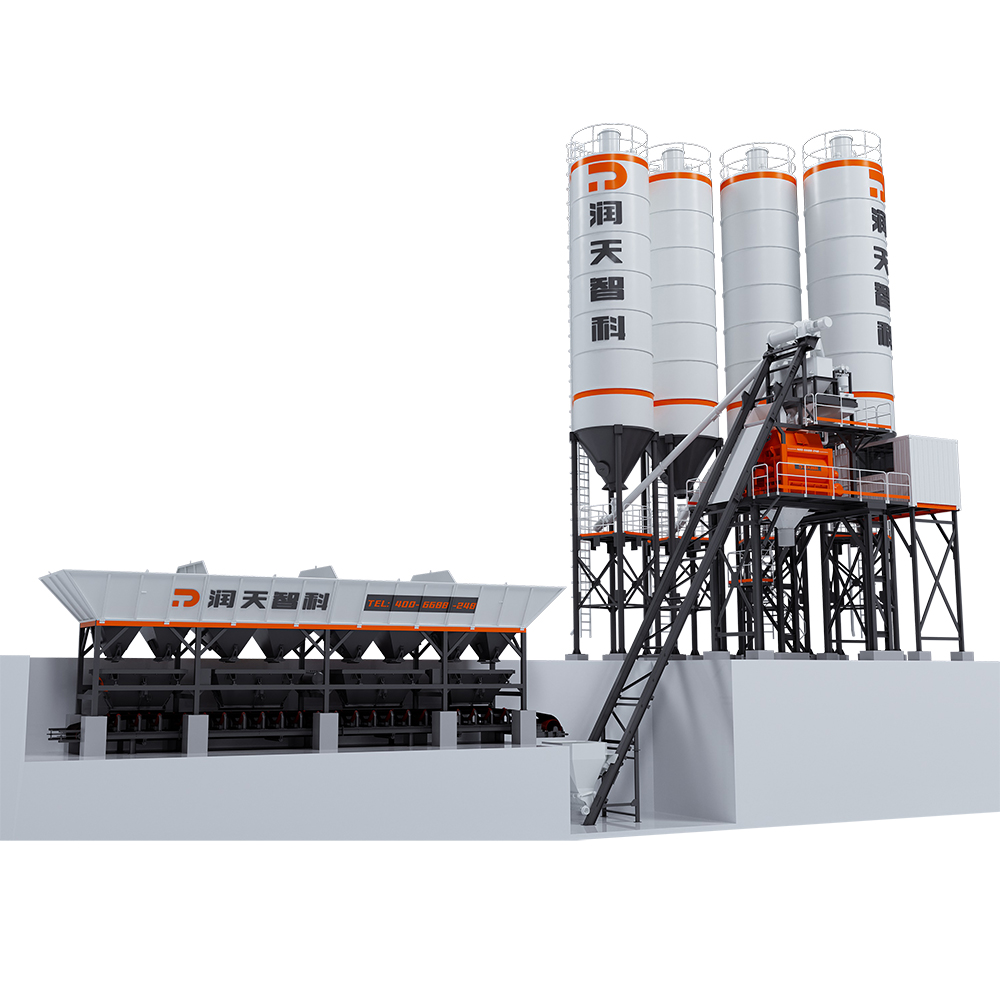 HZS Series Bucket-Lifting Type Concrete Mixing Plant
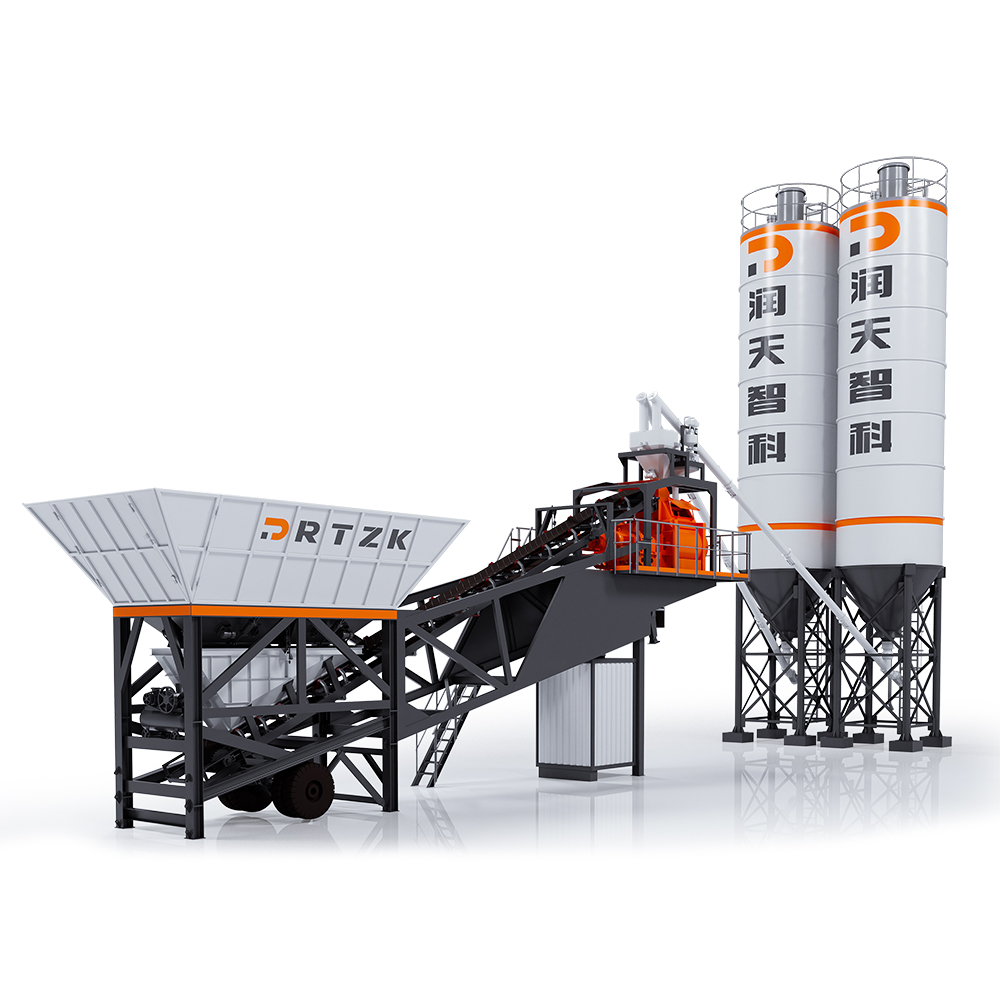 HZS Series Mobile Concrete Mixing Plant
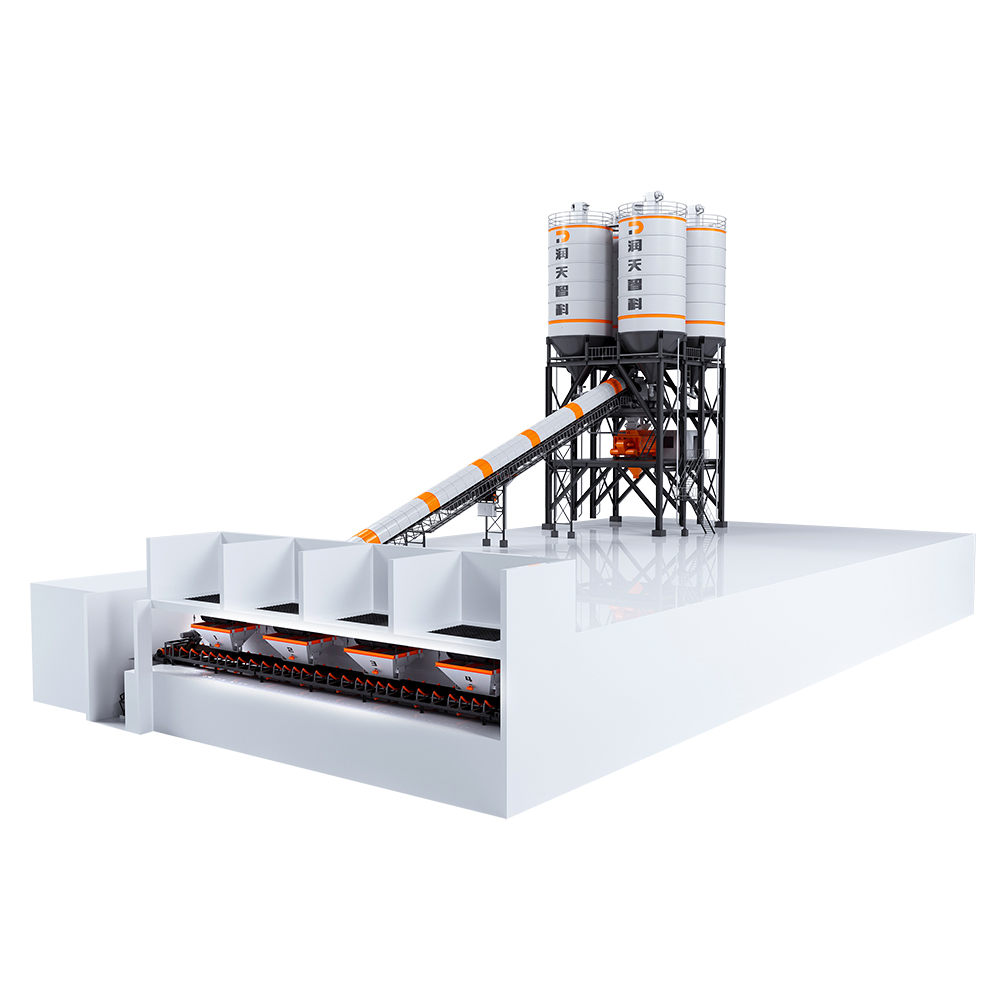 HZS Series Top-Mounted Concrete Mixing plant
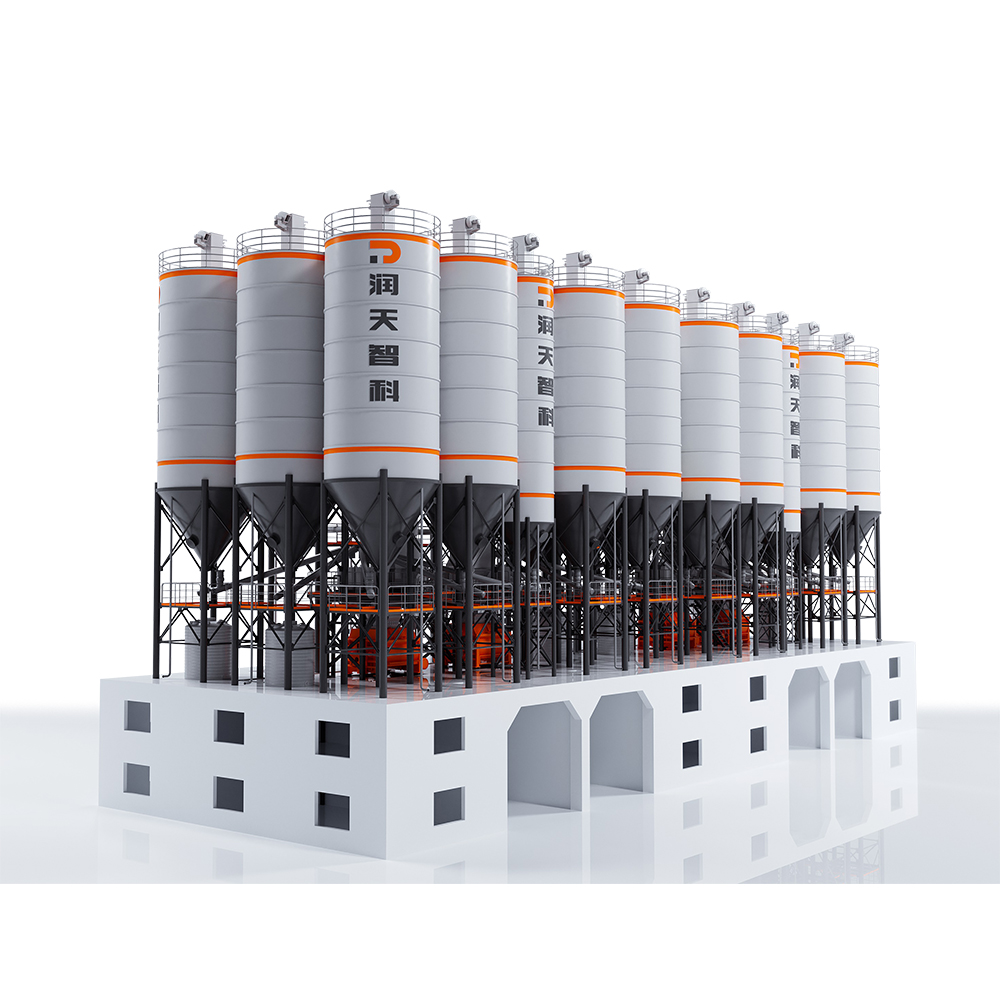 HZS Series Semi-Top Mounted Concrete Mixing Plant
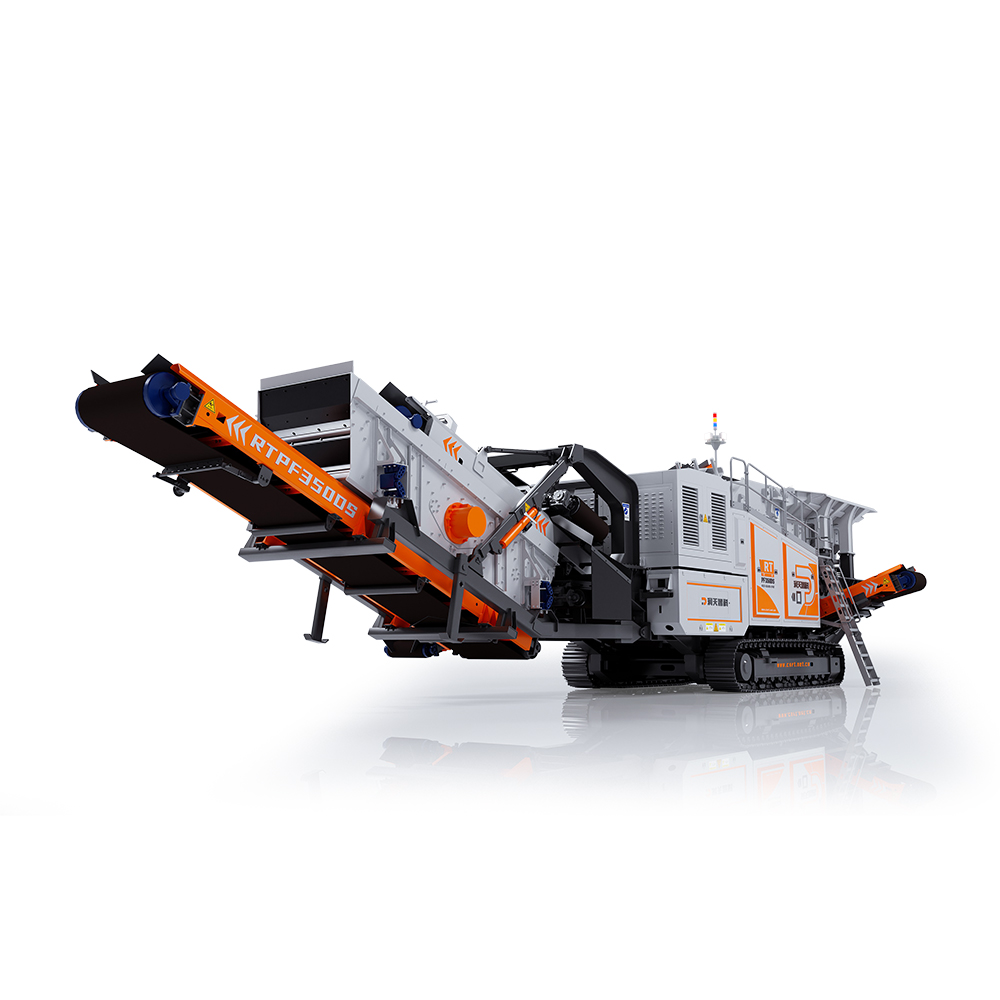 RTPF350DS Crawler Mobile Impact Crushing Plant
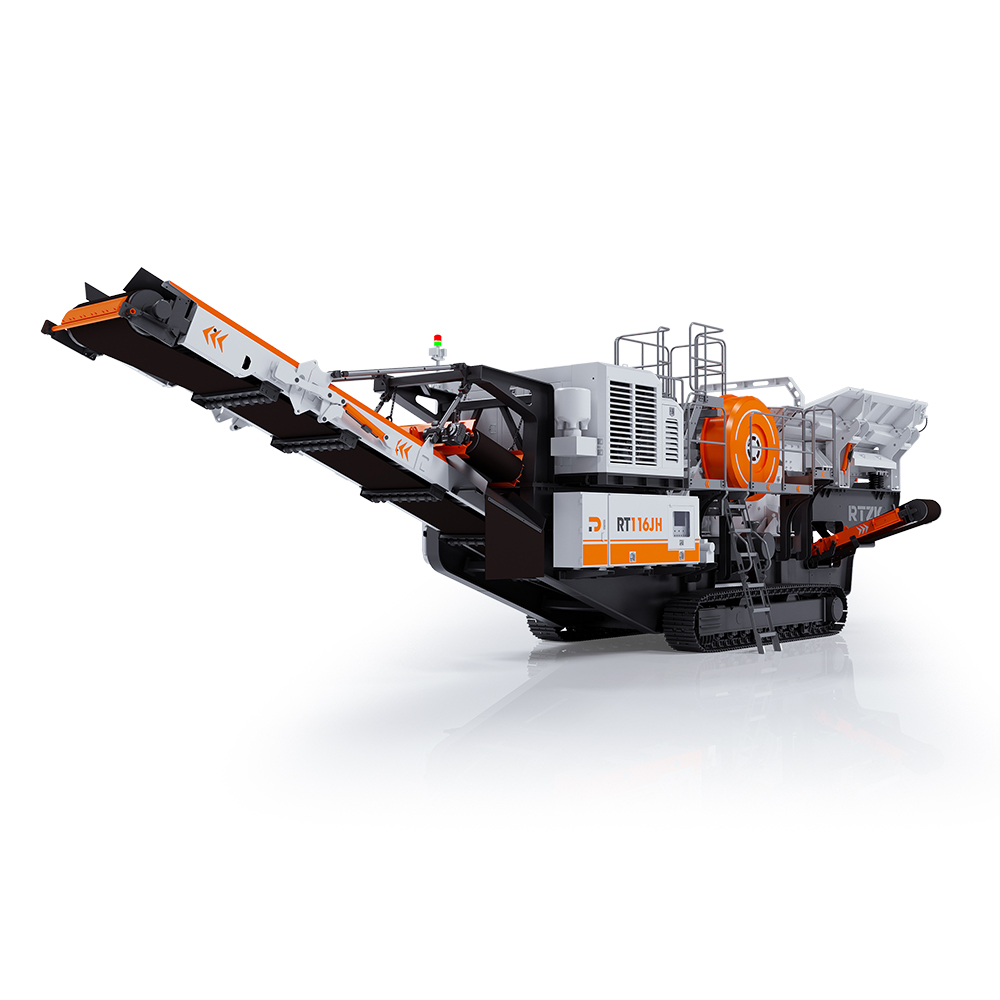 RT116JH Crawler Mobile Jaw Crushing Plant
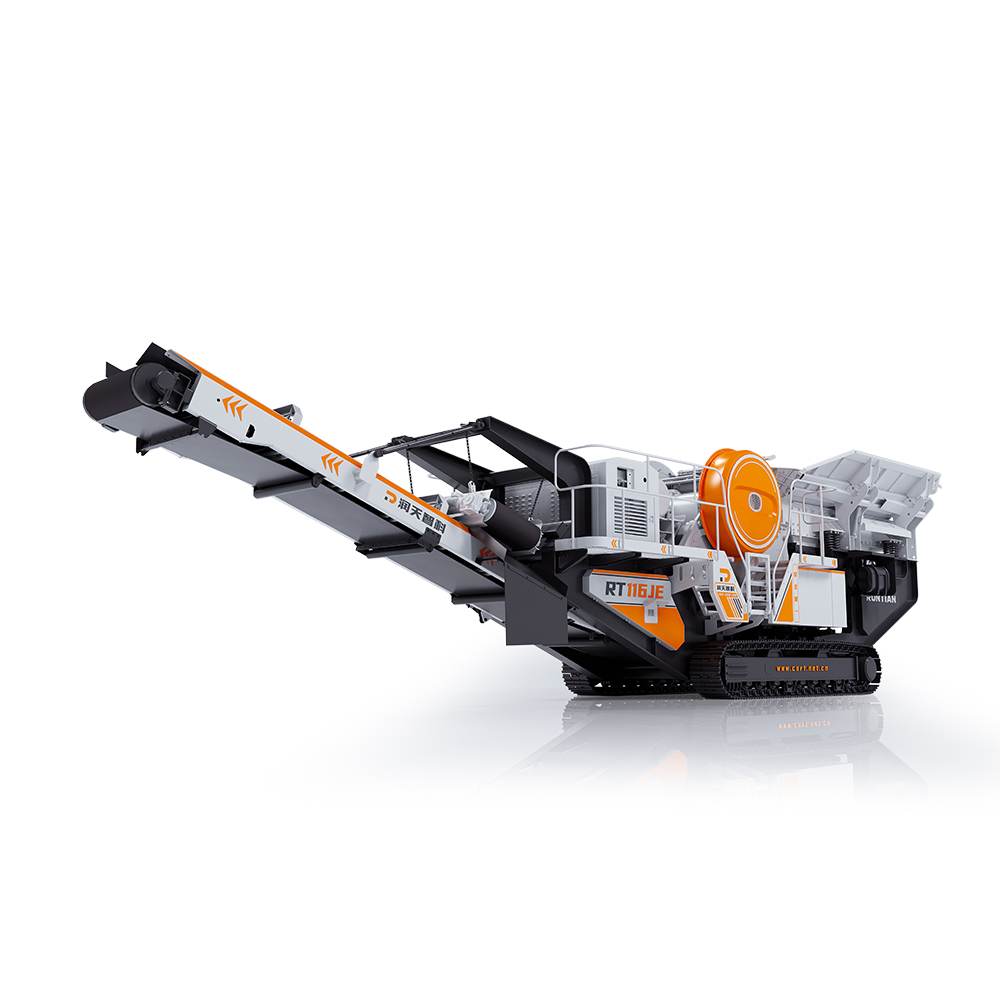 RT116JE Crawler Mobile Jaw Crushing Plant
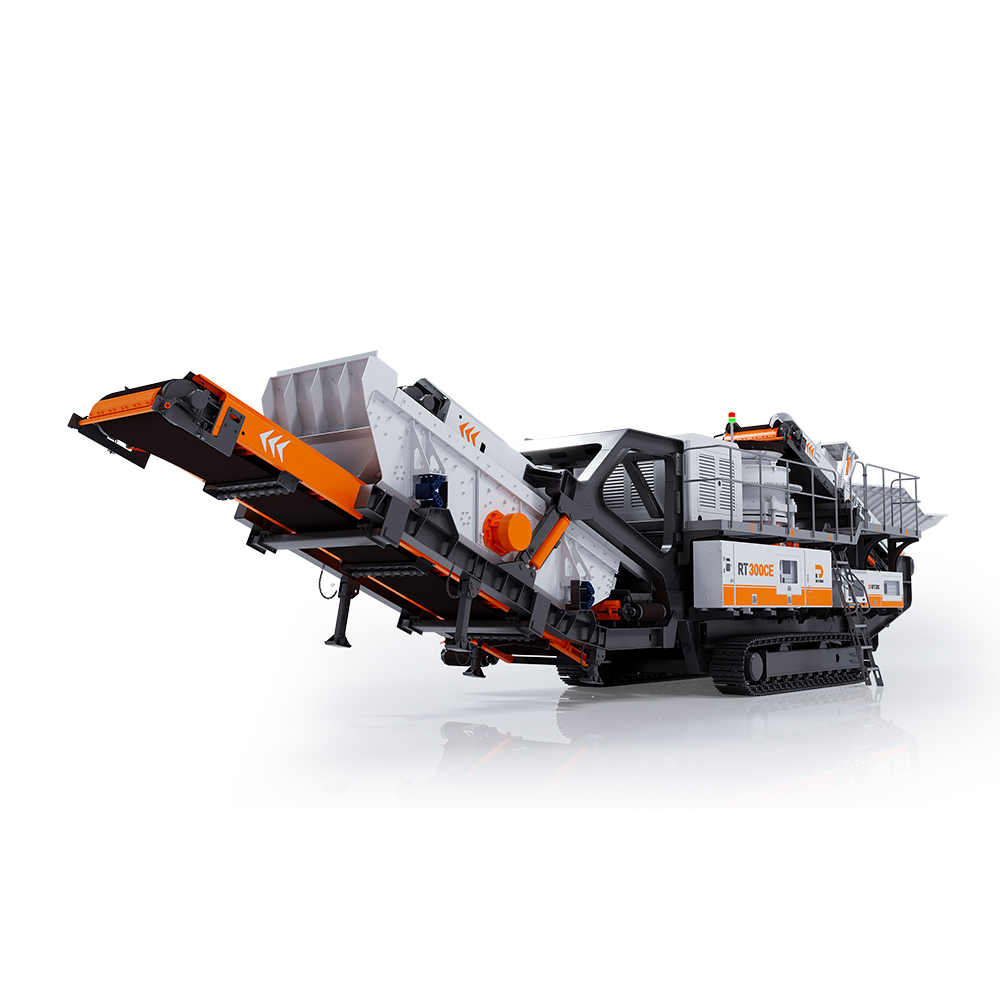 RT300CE Crawler Mobile Cone Crushing Plant
 RT300CH Crawler Mobile Cone Crushing Plant
 RT5015H Mobile Scalping Screen
 RT315VSIE Crawler Mobile Sand Maker
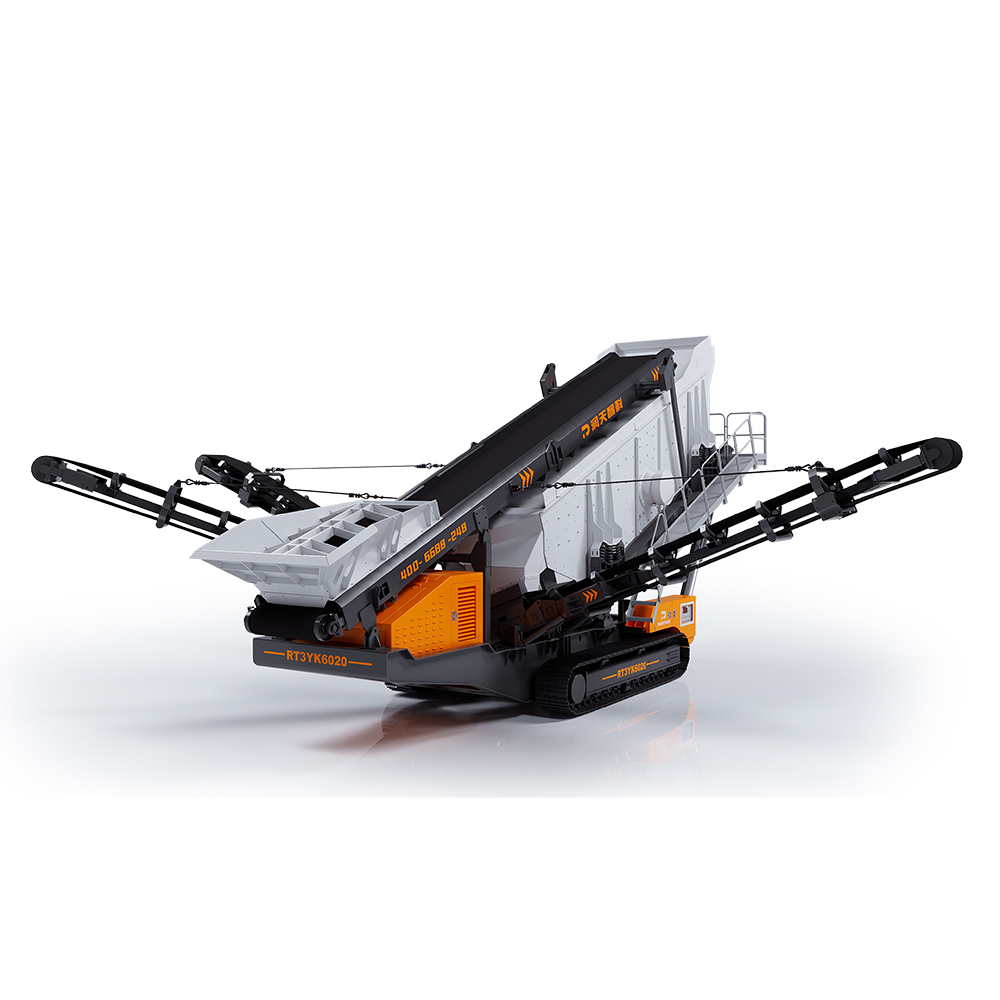 RT3YK6020 Crawler Mobile Screening Plant
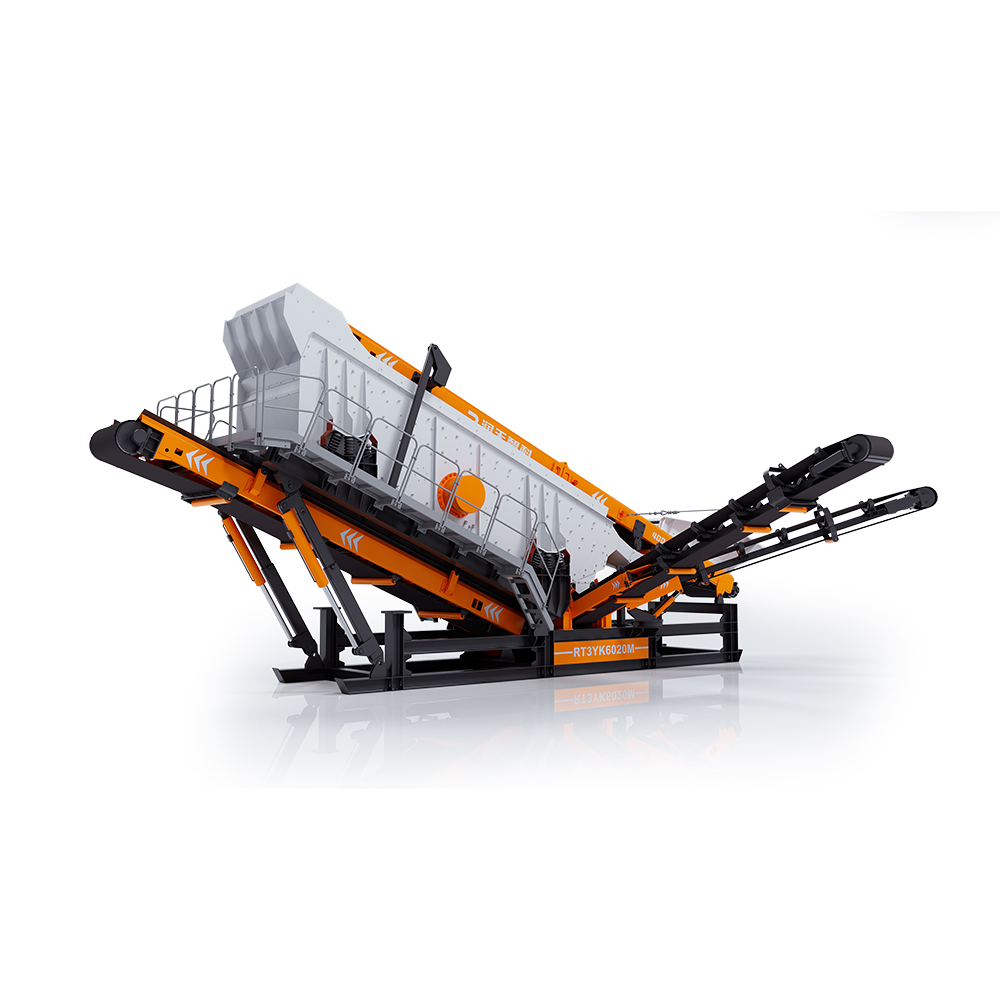 RT3YK6020M Modular Screening Plant
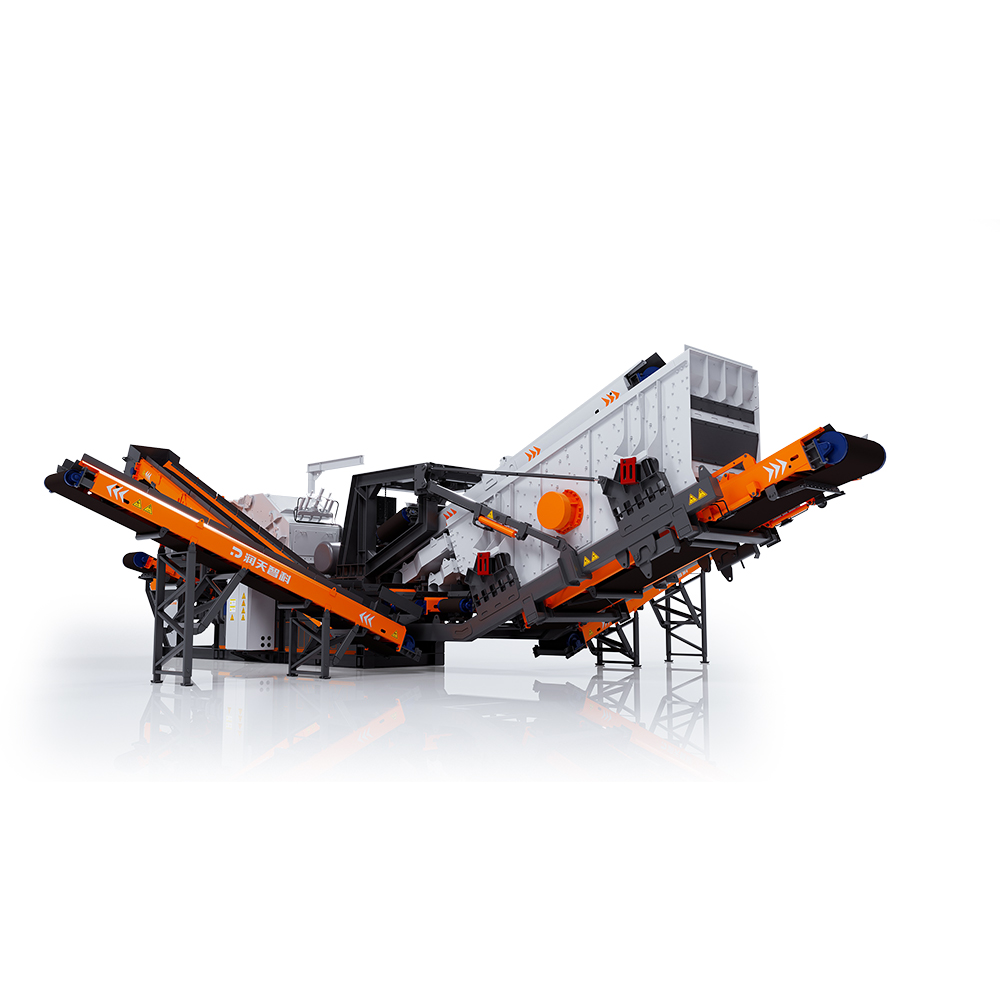 RTF260M Modular Counterattack Crushing and Screening Integrated Machine
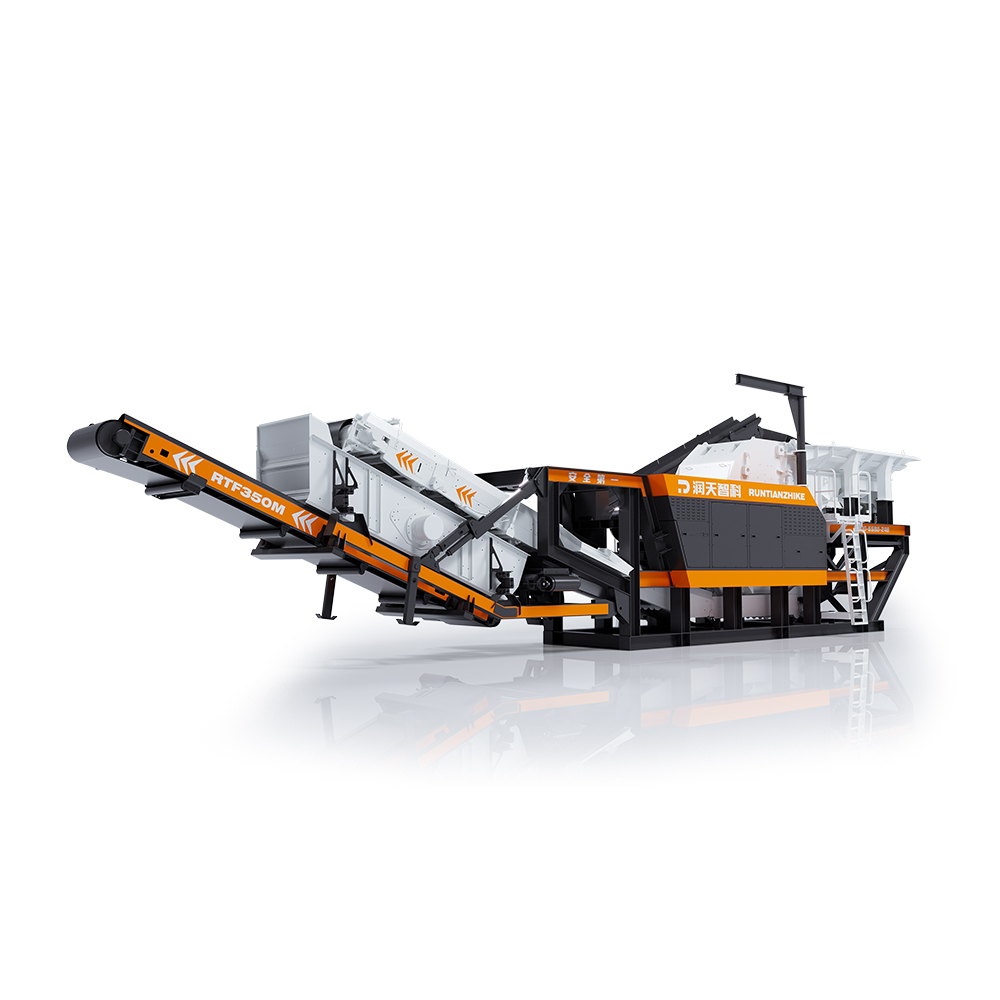 RTF350M Modular Impact Crushing Plant
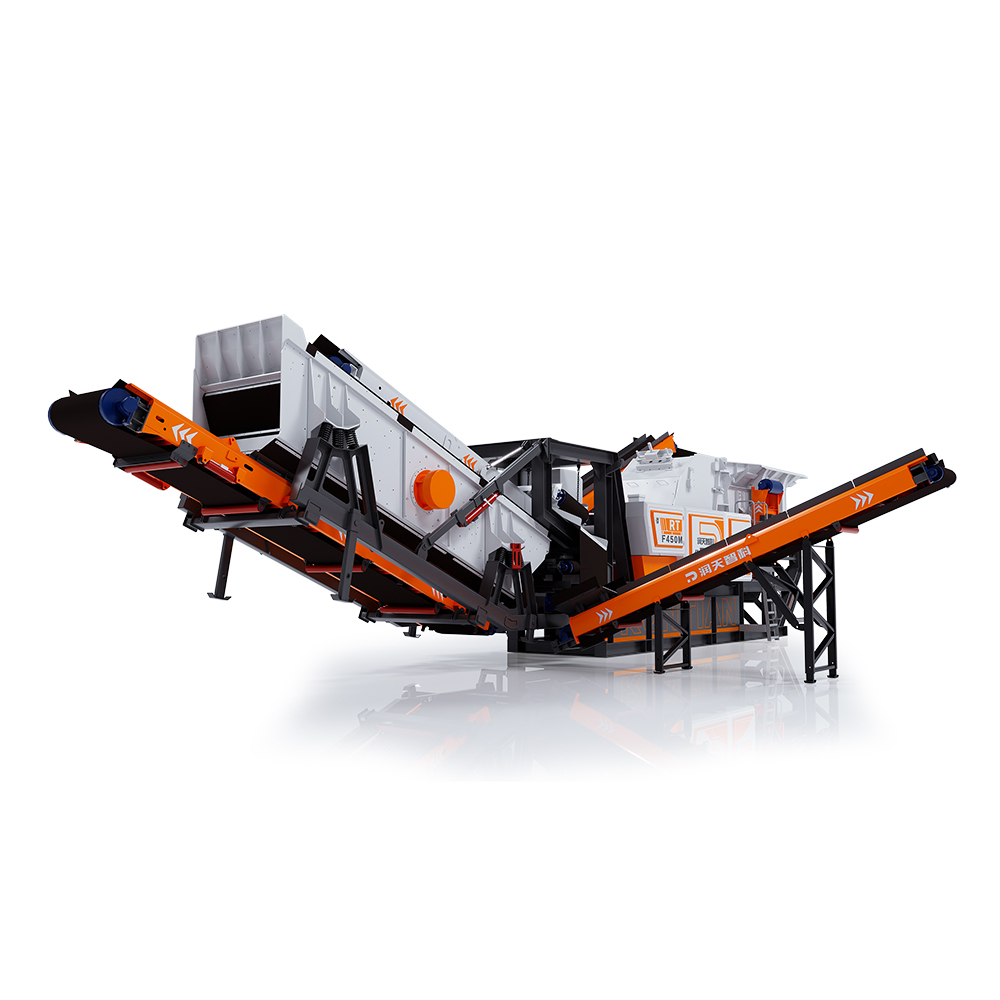 RTF450M Modular Impact Crushing Plant
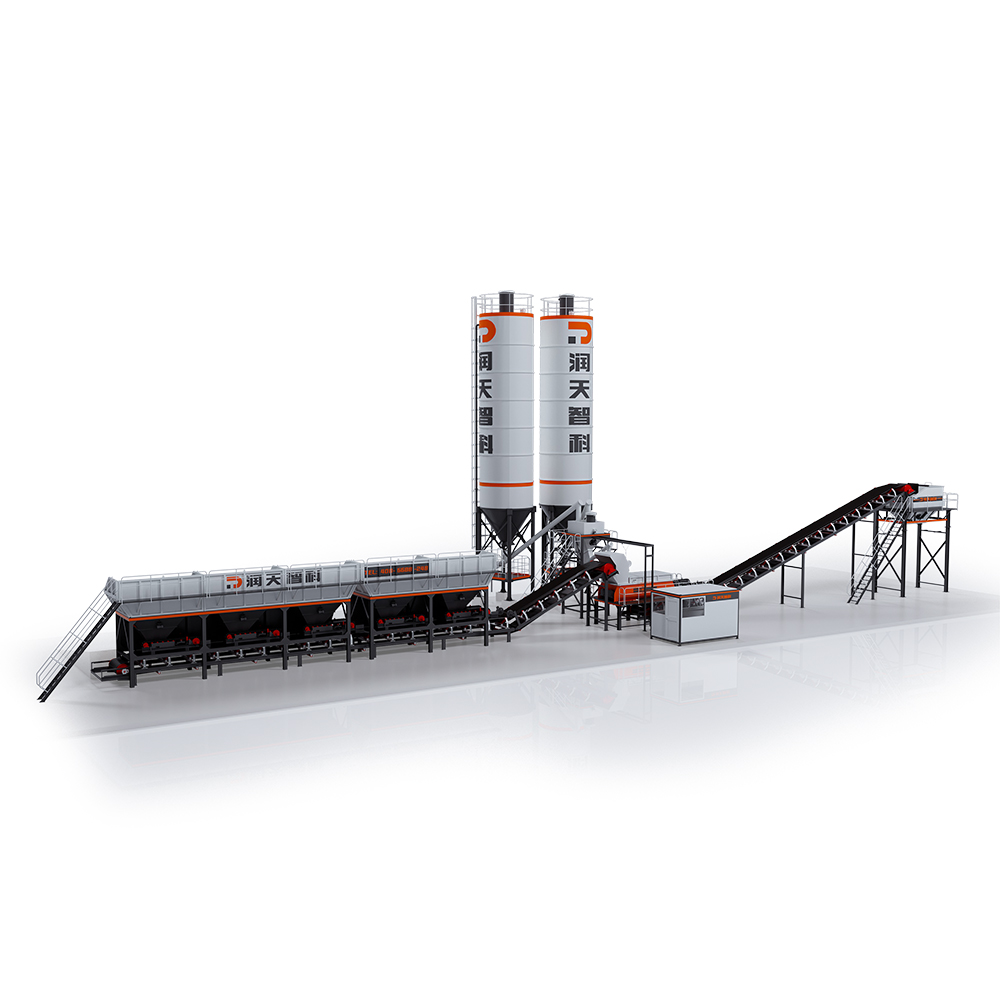 WDB Series Foundation-Free Stability Soil Mixing Plant
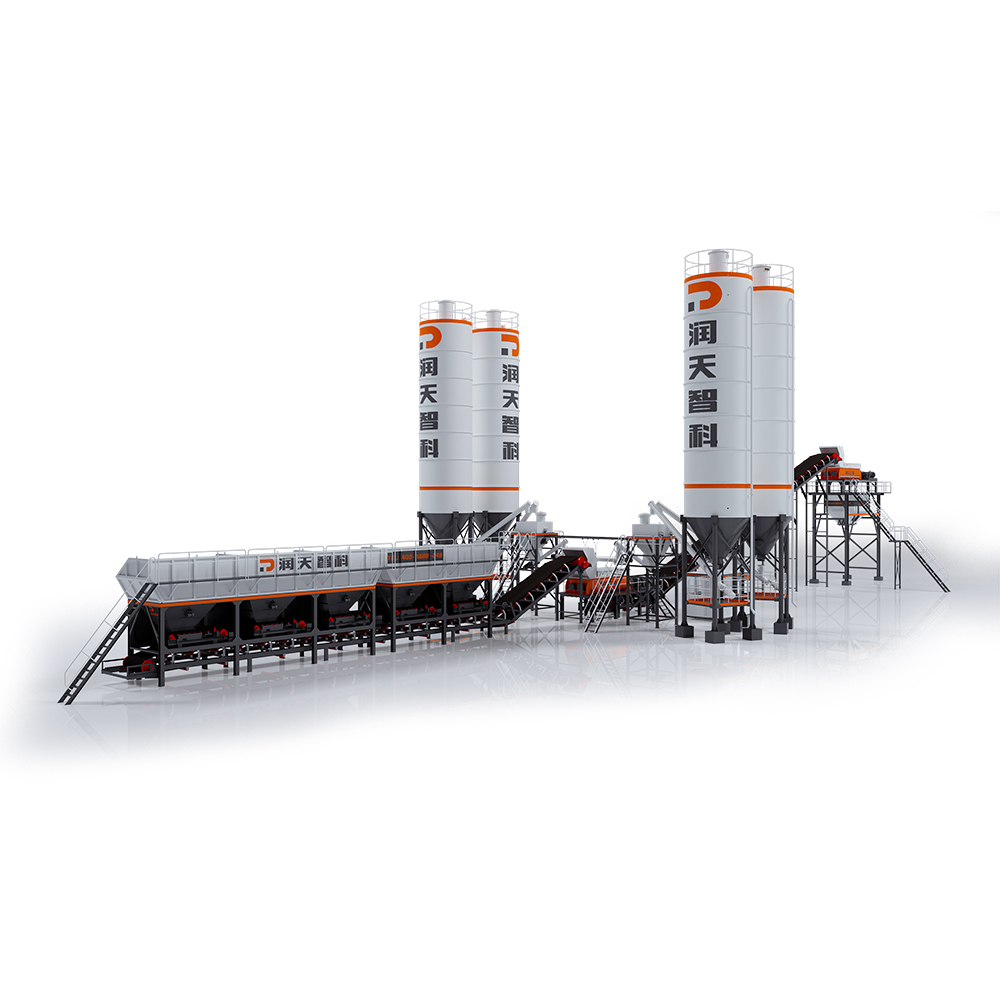 LCB Series Emulsified Asphalt Cold Regeneration Secondary Mixing Plant
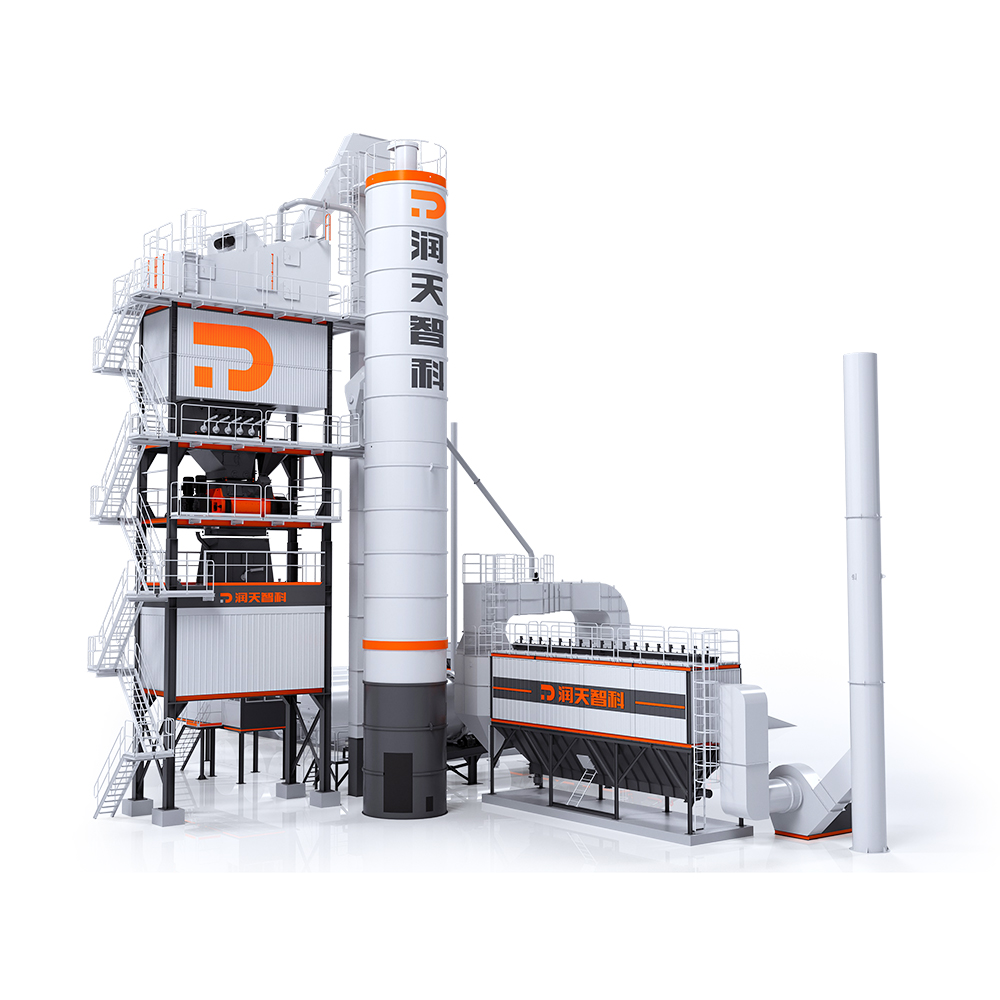 LB Series Asphalt Mixing Plant
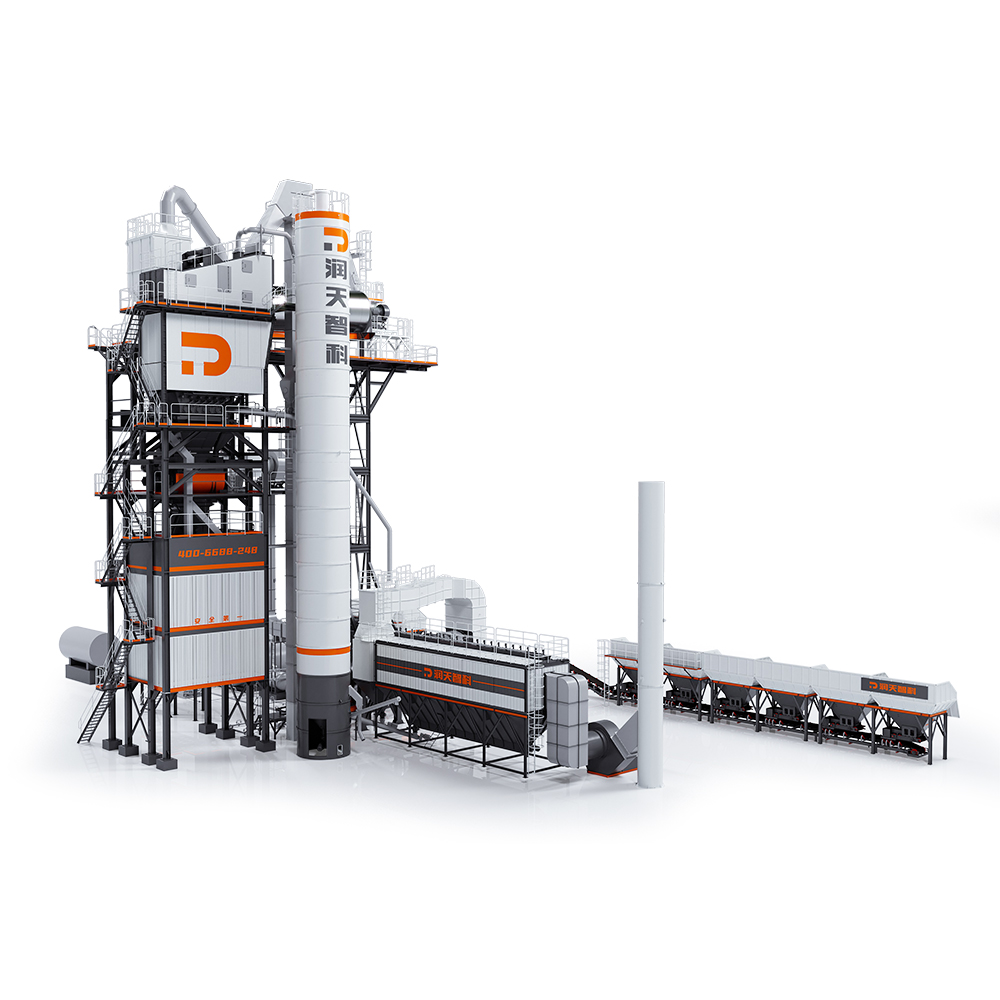 LBR Series Integrated Asphalt Mixing Plant
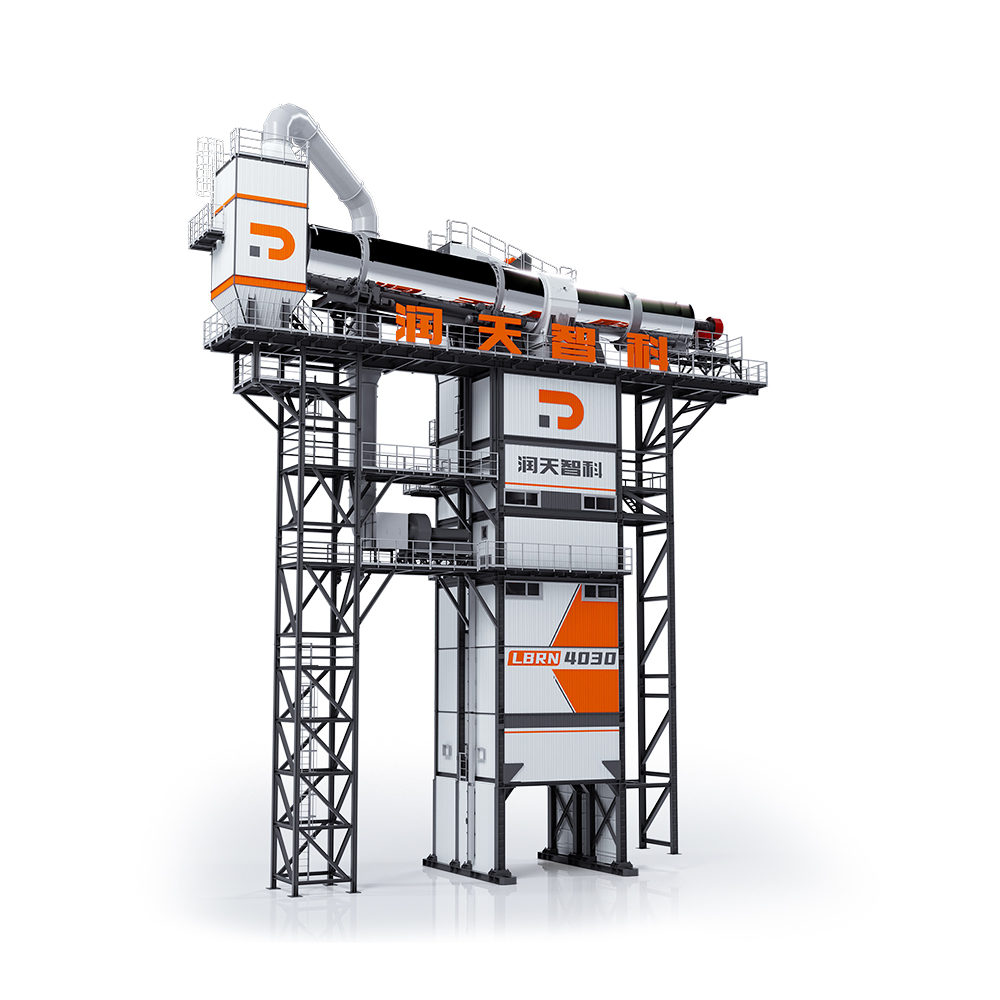 LBRN Series Counterflow Integral Asphalt Mixing Plant
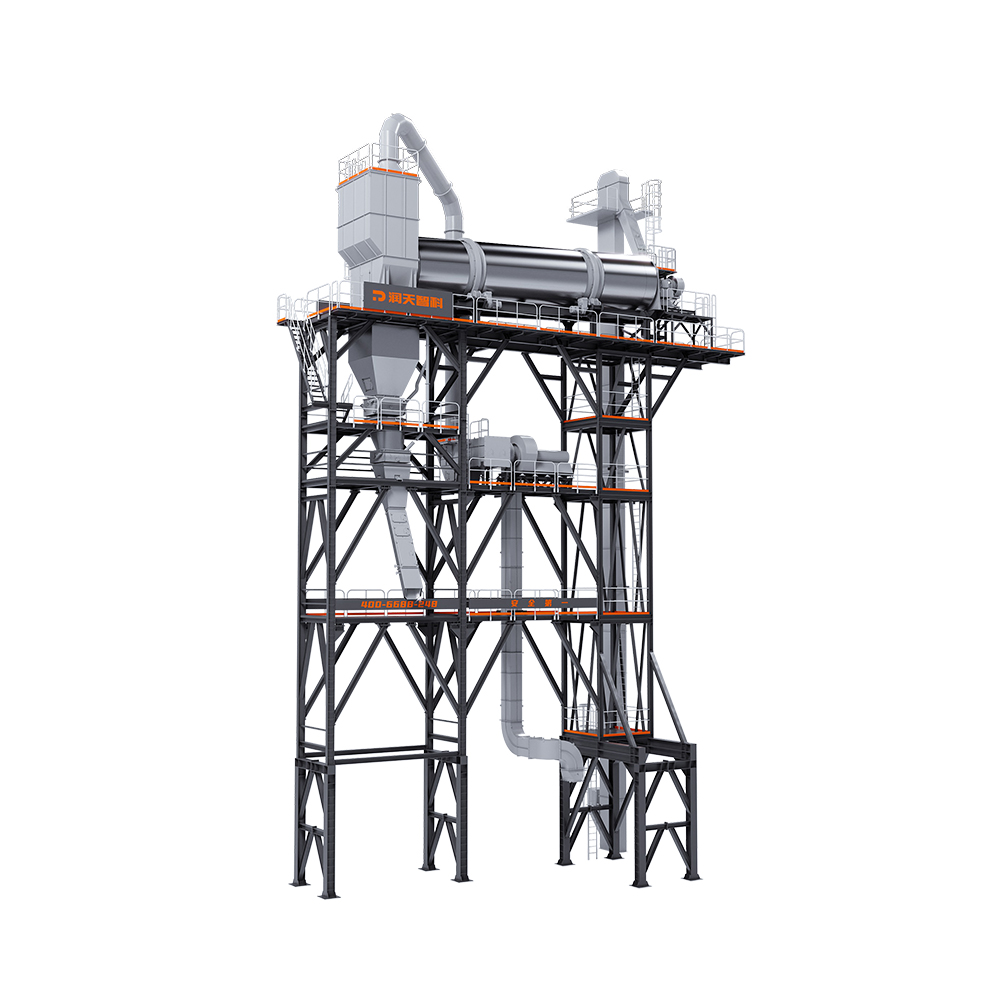 RZS Series Asphalt Mixing Plant
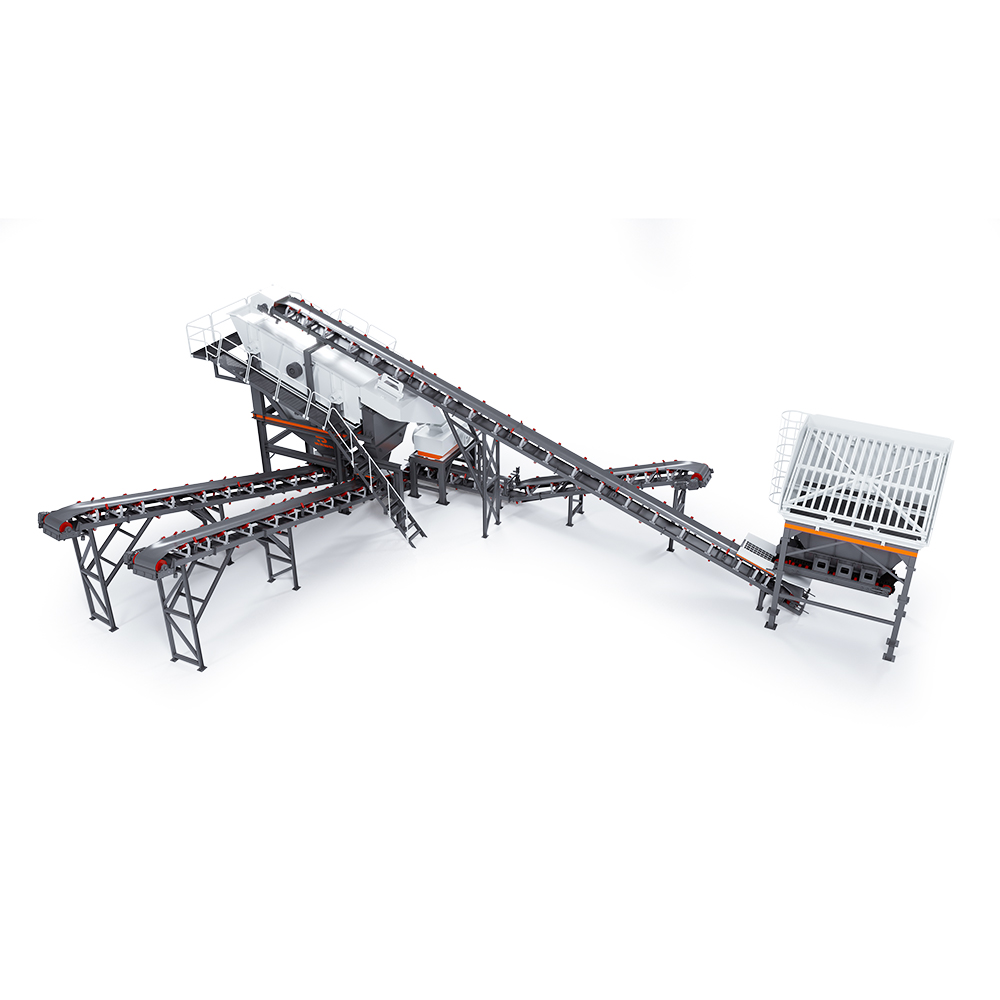 RTZS120 Series RAP Crushing & Screening Plant
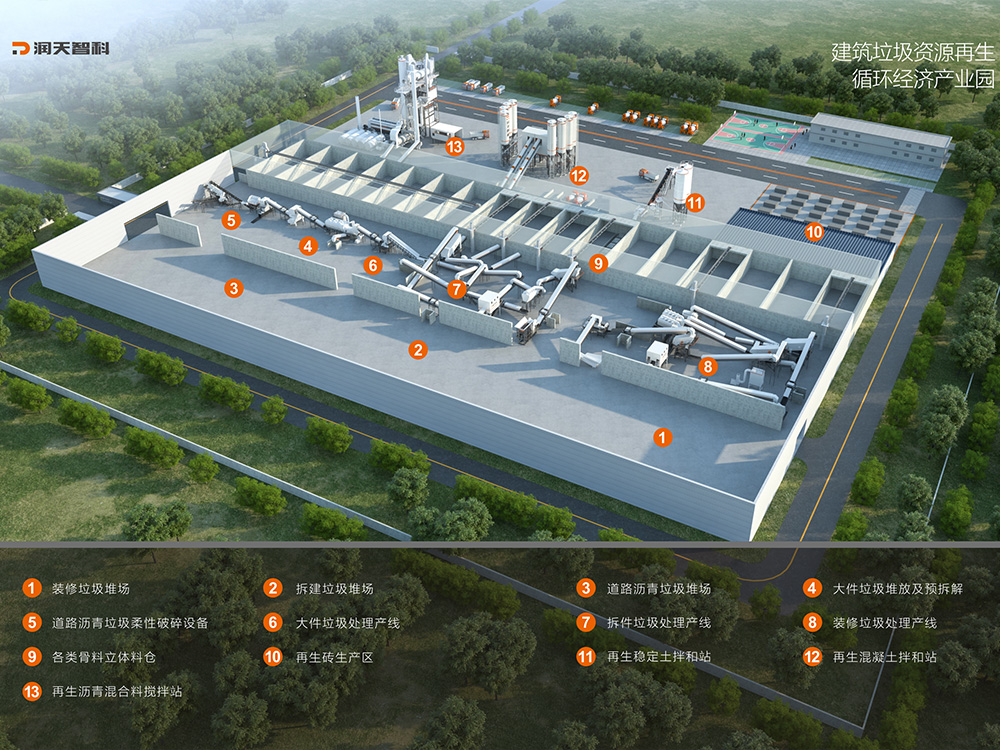 Construction Waste Resourceful Treatment Line