Top Asphalt Batching Plant Benefits and Applications in Construction Industry?
The construction industry heavily relies on efficient materials. Asphalt Batching Plant stands out for its benefits. According to John Smith, an expert in asphalt technology, "A well-functioning Asphalt Batching Plant can significantly enhance project efficiency." His words resonate in many construction panels today.
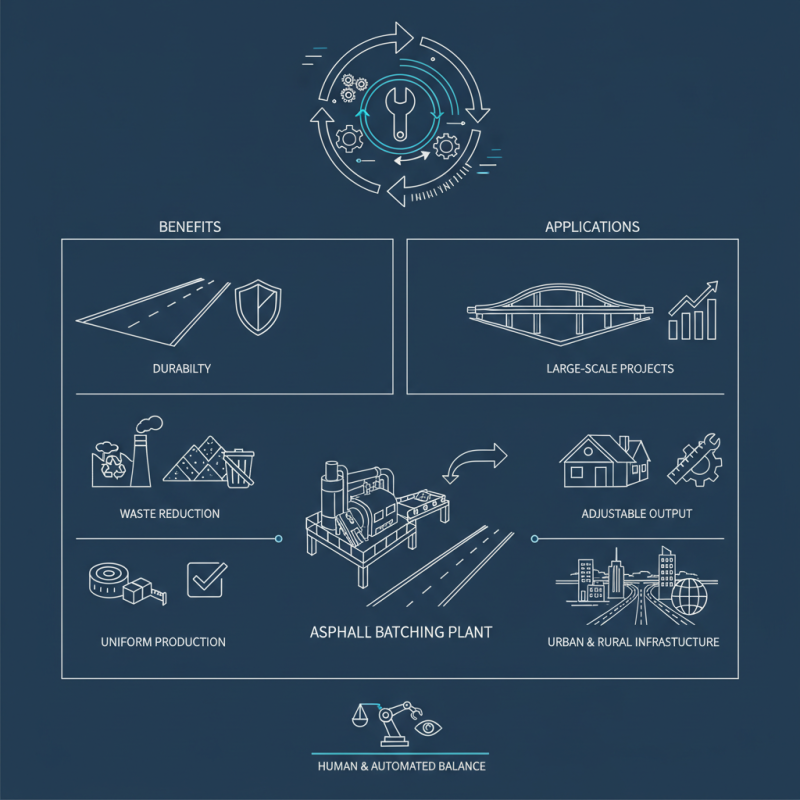
Asphalt Batching Plants ensure uniform production of asphalt mixes. This consistency is vital for road quality. The precision of these plants reduces waste and ensures durability. However, one cannot overlook the need for precise calibration and maintenance. Any oversight here could lead to inconsistent outputs.
Moreover, as projects scale, the adaptability of an Asphalt Batching Plant becomes crucial. It can adjust to varying project demands. Yet, a reliance on automated processes may cloud human oversight. Striking a balance is essential. The potential for technology to enhance production is vast, but it requires thoughtful integration.
Overview of Asphalt Batching Plants and Their Role in Construction
Asphalt batching plants play a vital role in the construction industry. These plants produce asphalt for road construction, maintenance, and repair. They allow for precise control over the quality and consistency of the asphalt mix. According to industry reports, the asphalt market is expected to reach $133.9 billion by 2026. This growth highlights the need for efficient and effective asphalt production methods.
The operations of asphalt batching plants involve several processes, including heating, mixing, and storage. Efficient heating is crucial to achieve the desired viscosity. Typically, asphalt mixes contain about 95% aggregates and 5% binder. This composition can vary based on project requirements. However, the challenge lies in ensuring that these ratios meet the specific standards required for different applications. This inconsistency can lead to quality issues on construction sites.
Moreover, the environmental impact of asphalt production is a growing concern. While modern plants implement techniques to reduce emissions, the industry still faces scrutiny. The focus should shift toward sustainable practices. Using recycled materials in asphalt production is becoming more prevalent. According to the National Asphalt Pavement Association, around 99% of asphalt pavement is recyclable. This statistic underscores the potential for minimizing waste while promoting a circular economy in construction.
Key Benefits of Using Asphalt Batching Plants in Road Construction
Asphalt batching plants play a crucial role in road construction. They ensure that asphalt is mixed thoroughly and consistently. This uniform quality leads to durable and long-lasting roads. Using these plants can save time and increase efficiency at job sites. Quick turnaround times help meet tight deadlines.
Tips: Regular maintenance is vital. Check your equipment often to avoid unexpected downtime.
Cost-effectiveness is another benefit. Using an asphalt batching plant reduces waste. It allows for precise control over materials. This control can lead to significant savings on large projects. However, improper mixing can lead to issues. It’s essential to monitor the process carefully.
Tips: Train staff regularly. Well-trained workers can spot potential issues early.
Applications of Asphalt Batching Plants in Various Construction Projects
Asphalt batching plants play a vital role in the construction industry. They are essential for producing asphalt mix used in road construction and maintenance. The plants ensure consistent quality and enhance the efficiency of projects.
In urban development, these plants supply asphalt for highways, parking lots, and driveways. The ability to produce various mix types makes them versatile for different projects. Local road repair projects also benefit. Fast production can minimize road closure times, which is crucial for urban areas.
Tip: Regular maintenance of the batching plant is key. When properly maintained, the plant works efficiently, reducing production delays.
Asphalt batching is also useful in airport runway construction. Airports require durable surfaces that withstand heavy traffic. A well-mixed asphalt can improve the longevity of runways. However, improper mixing can lead to rapid wear and dangerous conditions.
Tip: Consider the environment. Use recycled materials in your asphalt mix. This practice promotes sustainability and can lower costs.
Efficiency is important, but we must not overlook quality. Skimping on materials or processes can lead to significant issues later. Always prioritize thorough testing and quality control for the best results.
Environmental Considerations and Innovations in Asphalt Production
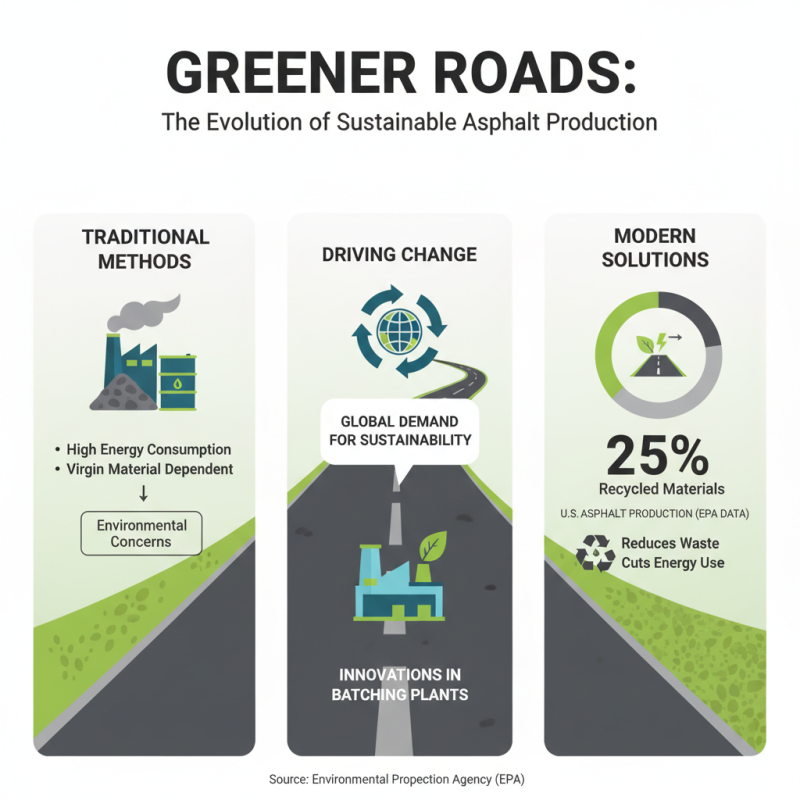
Asphalt production has evolved significantly in recent years, particularly in response to environmental concerns. The global demand for sustainable practices is driving innovations in asphalt batching plants. According to a report from the Environmental Protection Agency, about 25% of asphalt used in the United States comes from recycled materials. This recycling not only reduces waste but also cuts down on the energy needed for production.
Advancements in technology have led to improved methodologies for mixing and heating asphalt, ultimately lowering emissions. For example, warm-mix asphalt technology can reduce energy consumption by 20% compared to traditional methods. This reduces the carbon footprint of asphalt production, aligning with global initiatives for greener construction practices. Integrating these methods helps the industry meet stricter regulations while improving material performance.
**Tip:** Always consider the environmental impact of your materials. Seek suppliers who prioritize sustainability.
Despite technological progress, challenges remain. The volatile price of raw materials can hinder consistent adherence to eco-friendly practices. Fluctuations in oil prices may lead to cheaper, less sustainable options. This often forces contractors to reconsider their material choices. Awareness and education on sustainable options can help mitigate these issues.
**Tip:** Stay updated on industry reports. Knowledge can guide better decision-making.
Comparative Analysis: Asphalt Batching Plants vs. Traditional Methods
The construction industry has seen a shift towards asphalt batching plants over traditional mixing methods. Asphalt batching plants allow for precise control over mix formulations. This ensures consistency in quality and reduces material waste. Workers can easily adapt the mix based on project needs. Meanwhile, traditional methods often result in variability. This can lead to unexpected costs and delays.
However, asphalt batching plants aren’t without flaws. The initial setup costs can be high. Small contractors might find it challenging to invest in such technology. Moreover, the machinery requires regular maintenance. Neglect can lead to downtime, which affects project timelines. Traditional methods, while less efficient, may suit smaller projects better. They often require less upfront investment and can be more manageable for localized jobs.
In essence, the choice between asphalt batching plants and traditional methods can depend on the project's scale and budget constraints. It's important to consider both the benefits and the drawbacks of each approach. Balancing efficiency and practicality is essential in every construction project.

 Concrete Mixing Plant
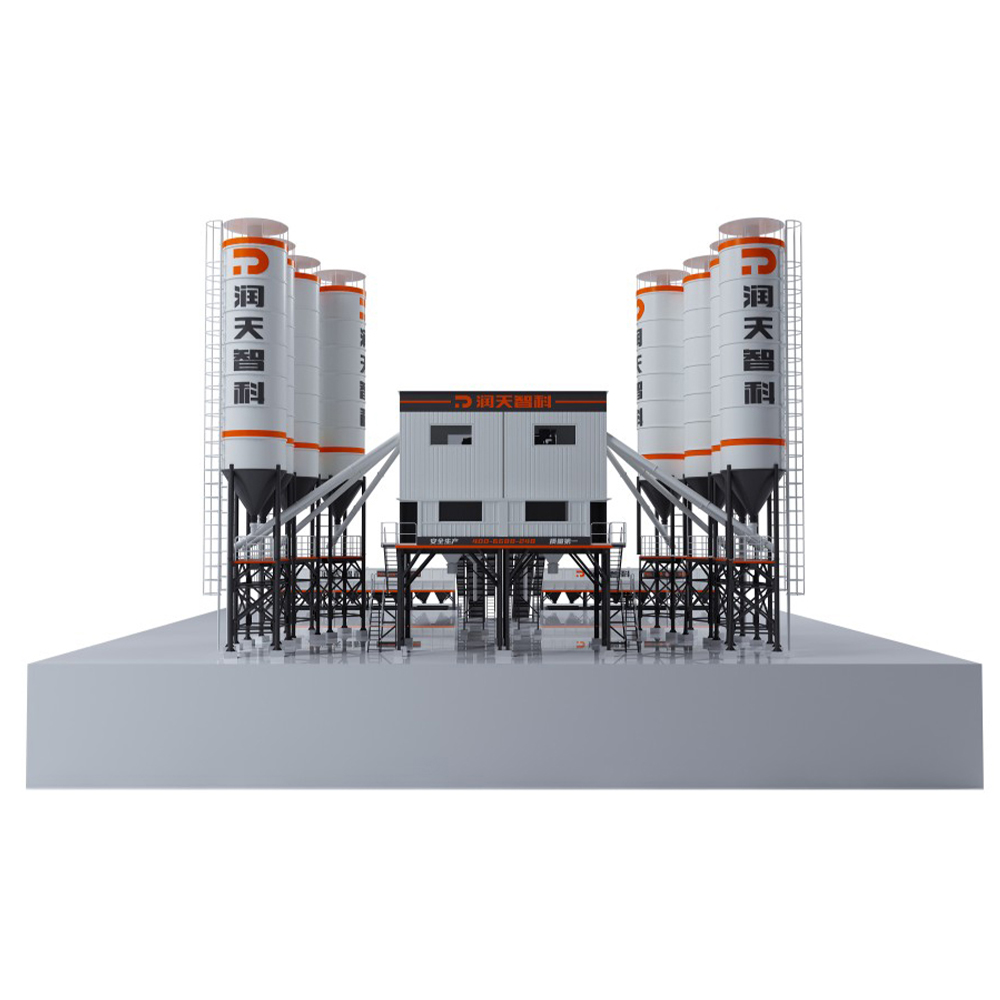 HZS Series Belt Concrete Mixing Plant
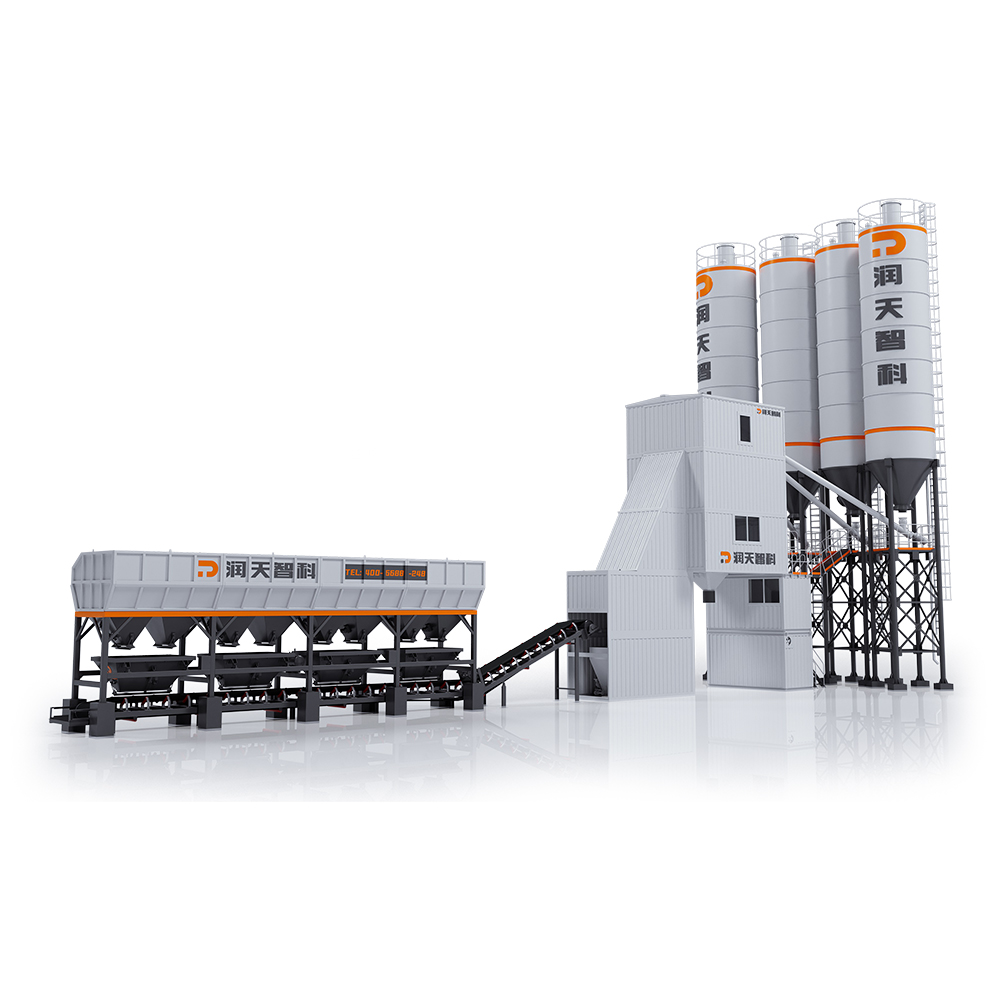 HZS Series Bucket-Lifting Type Container Concrete Mixing Plant
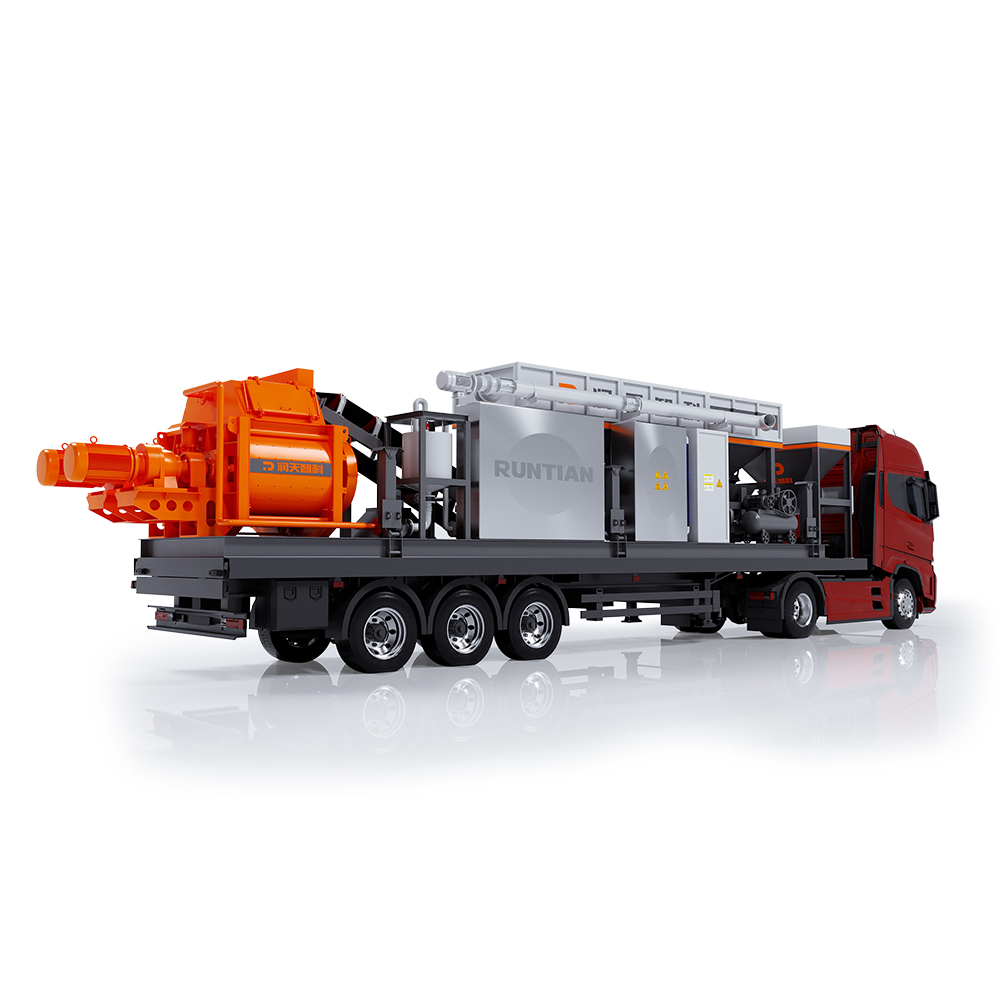 HZS60 Mobile Concrete Mixing Plant
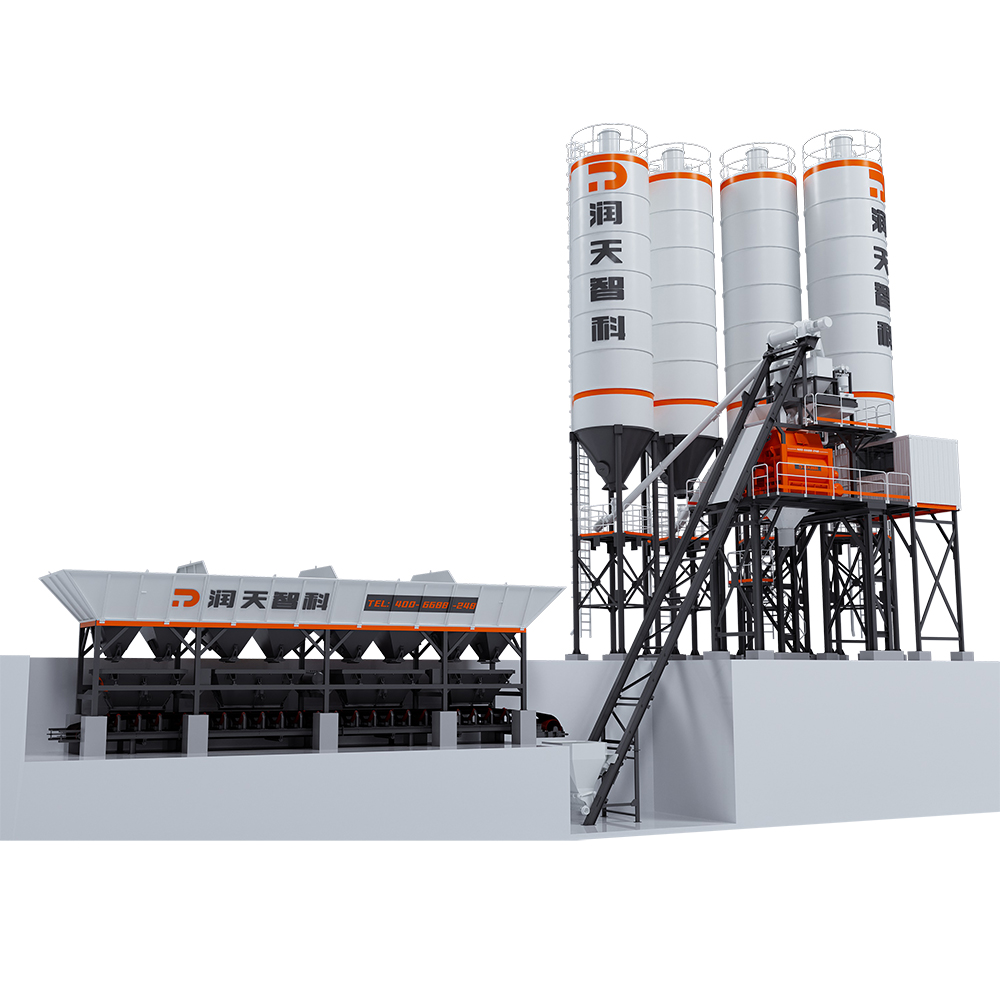 HZS Series Bucket-Lifting Type Concrete Mixing Plant
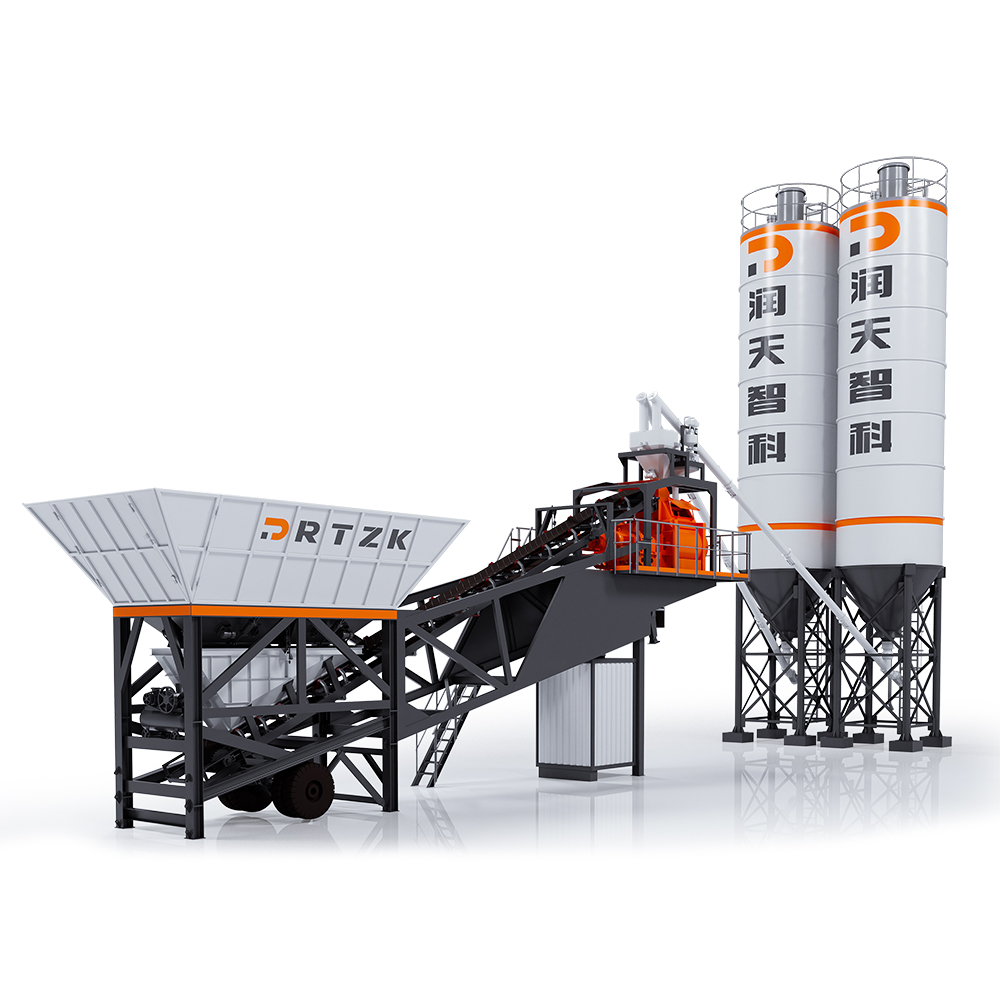 HZS Series Mobile Concrete Mixing Plant
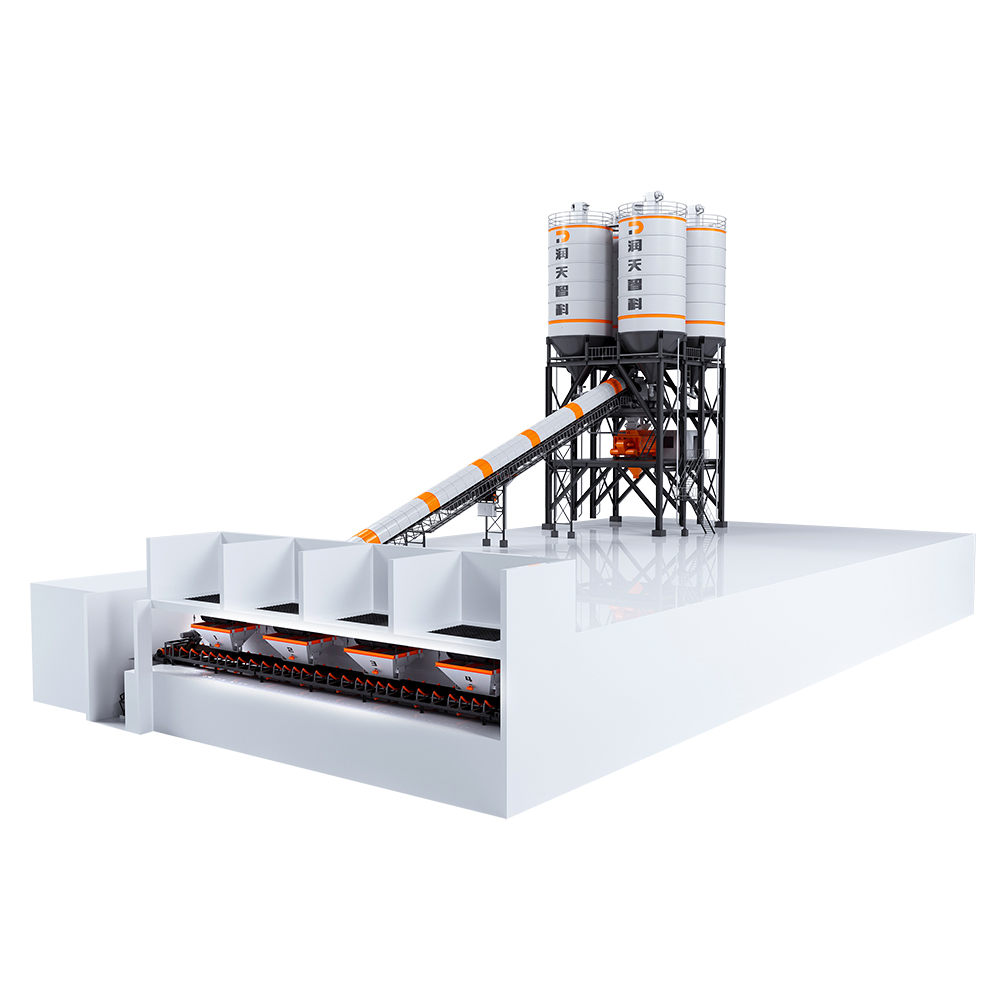 HZS Series Top-Mounted Concrete Mixing plant
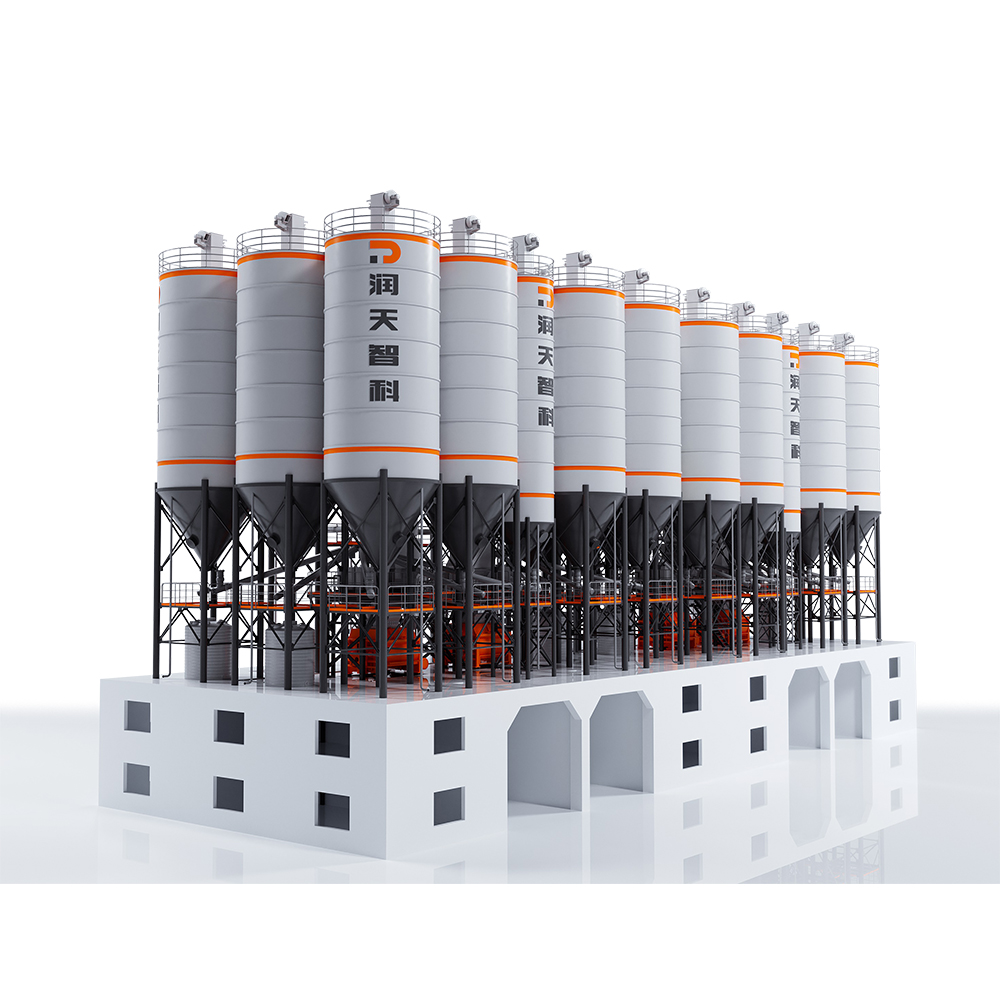 HZS Series Semi-Top Mounted Concrete Mixing Plant
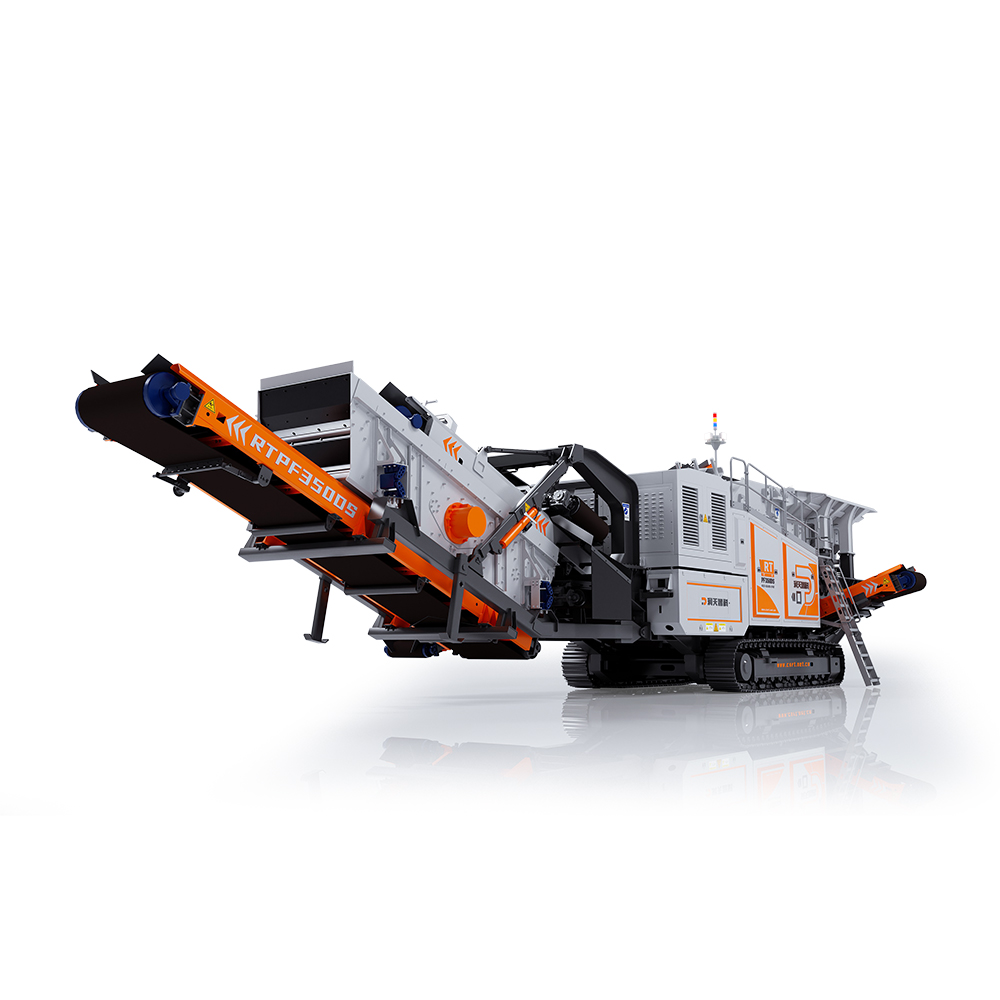 RTPF350DS Crawler Mobile Impact Crushing Plant
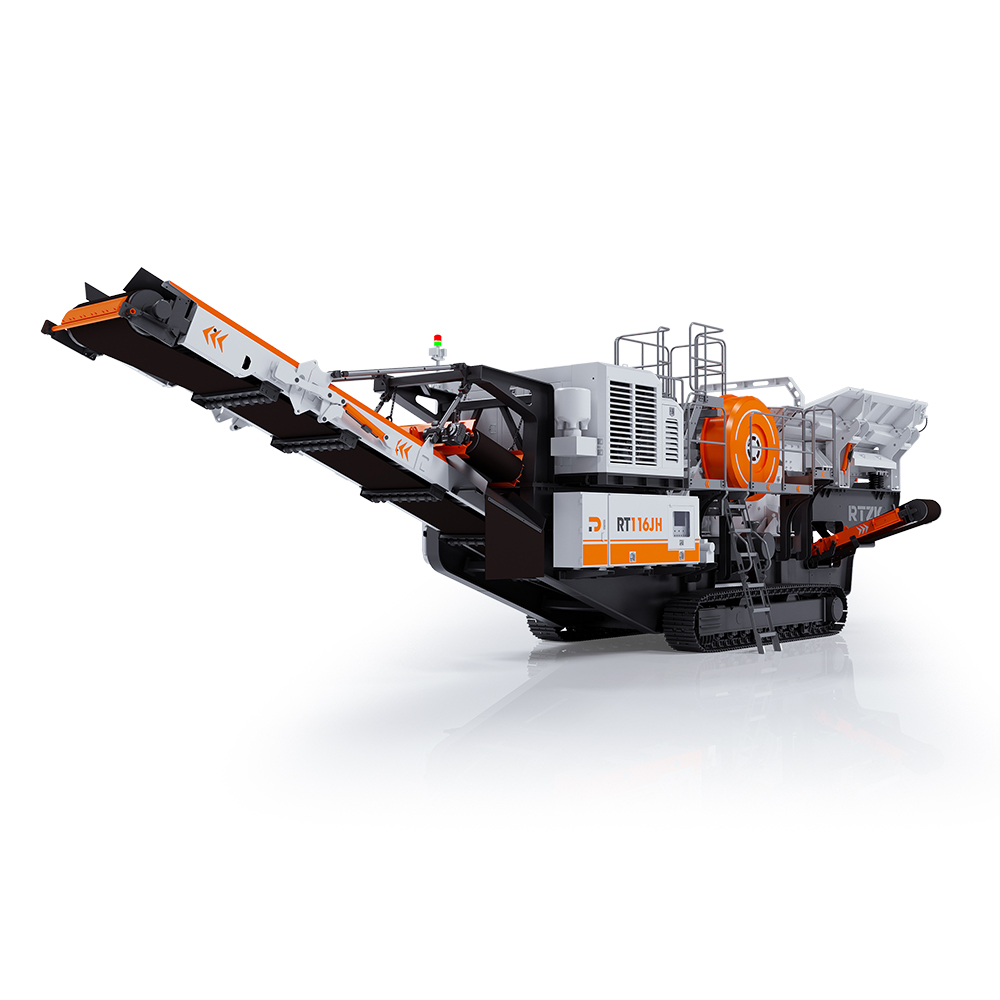 RT116JH Crawler Mobile Jaw Crushing Plant
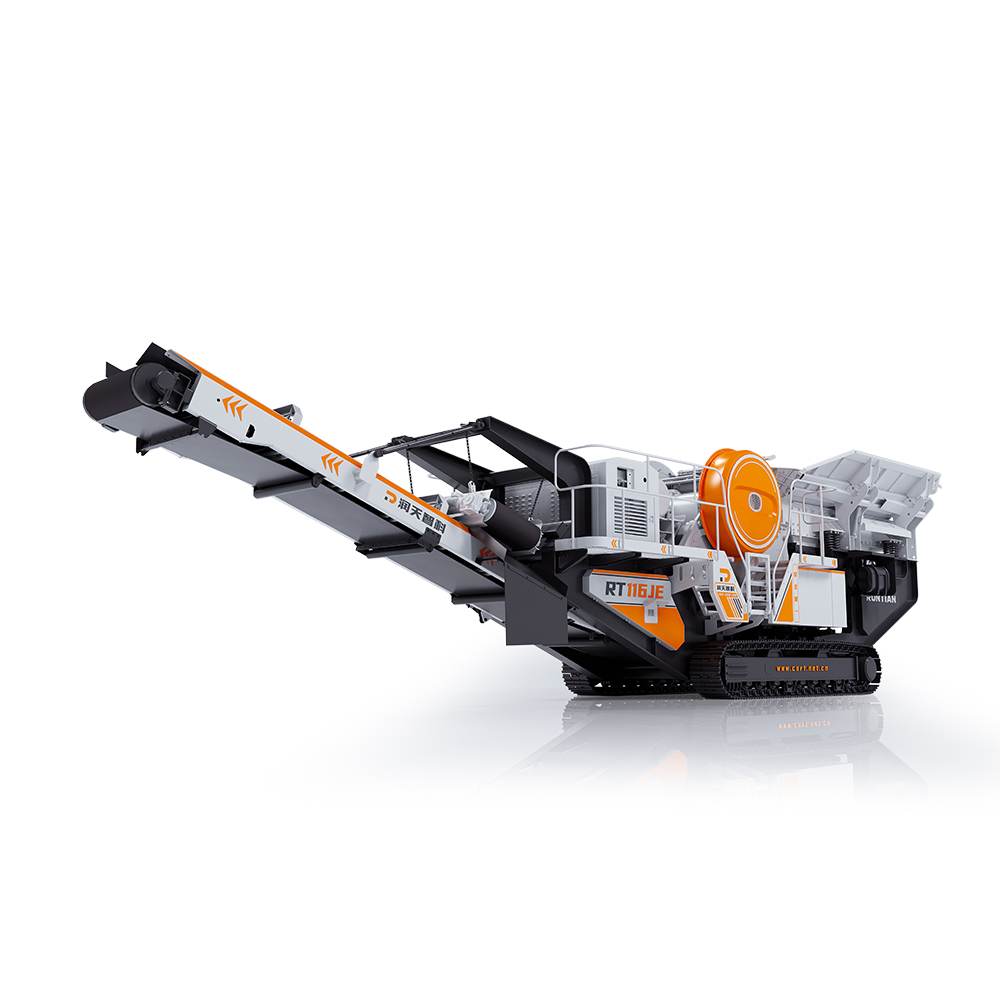 RT116JE Crawler Mobile Jaw Crushing Plant
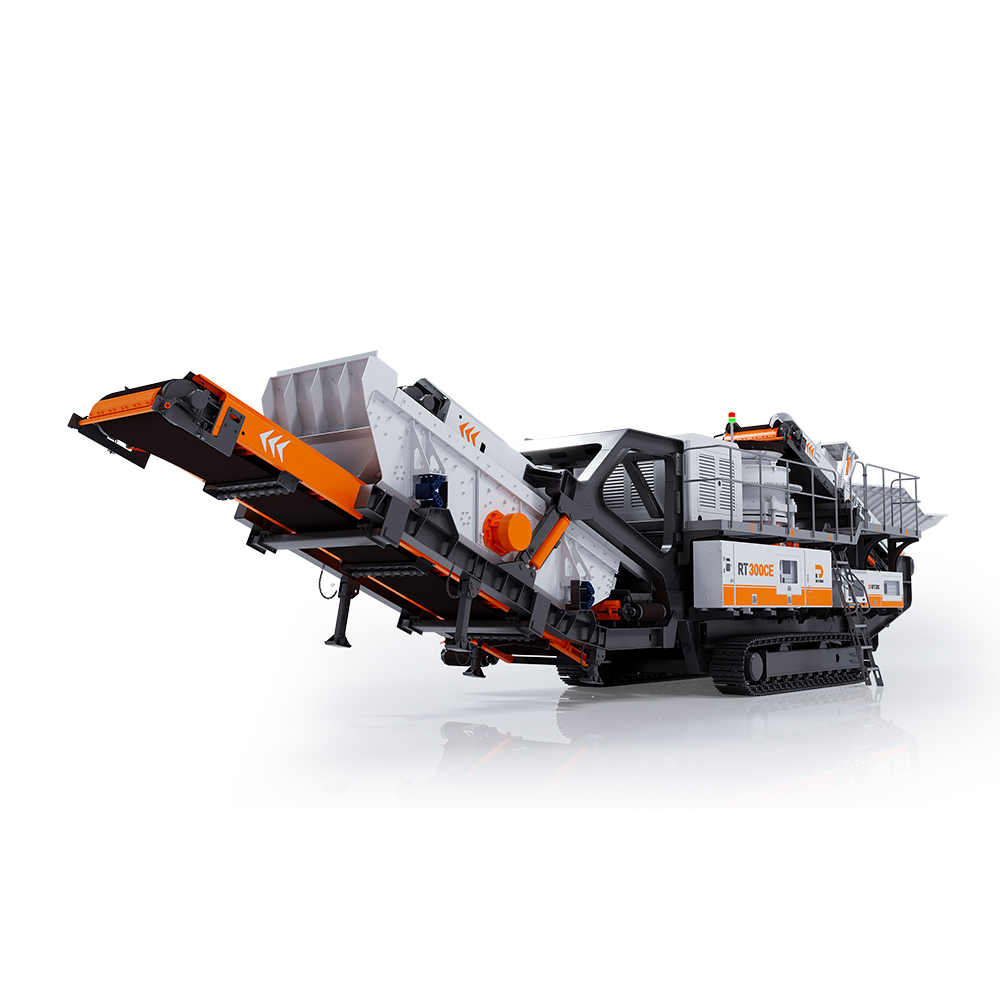 RT300CE Crawler Mobile Cone Crushing Plant
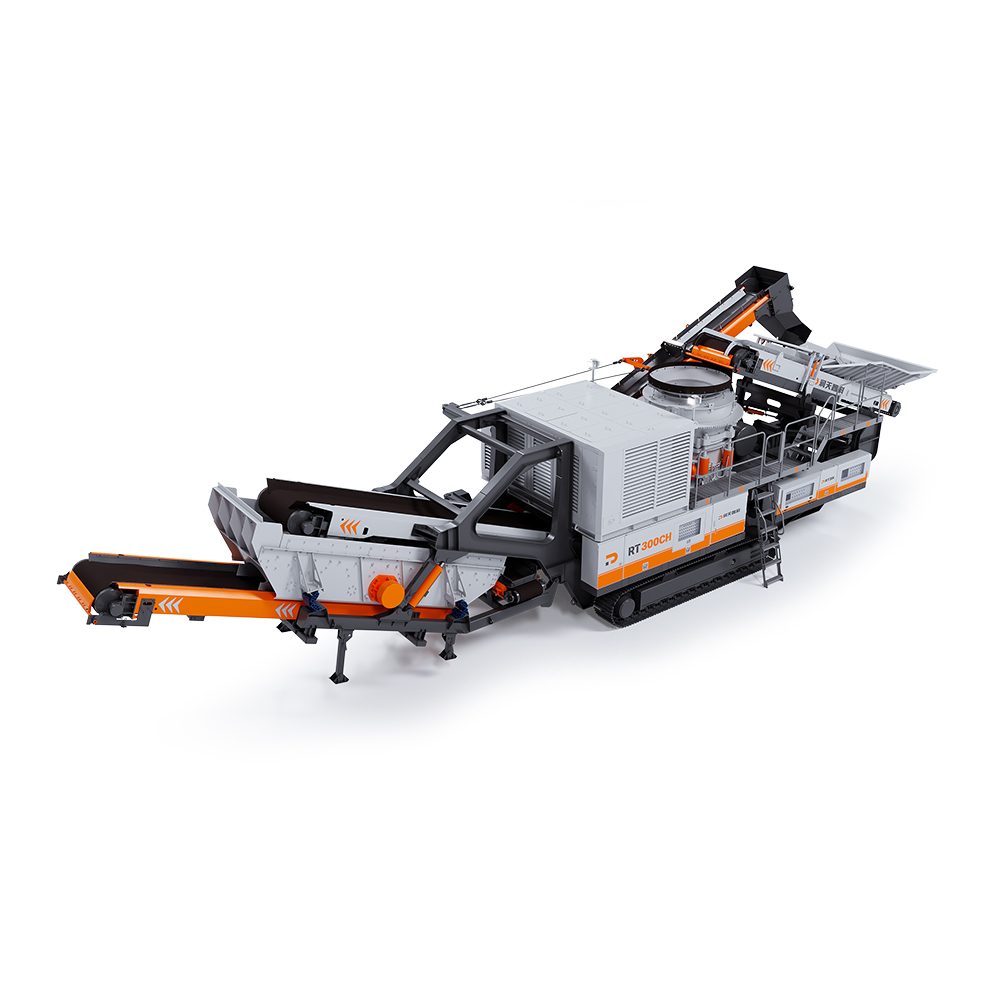 RT300CH Crawler Mobile Cone Crushing Plant
 RT5015H Mobile Scalping Screen
 RT315VSIE Crawler Mobile Sand Maker
 RT3YK6020 Crawler Mobile Screening Plant
 RT3YK6020M Modular Screening Plant
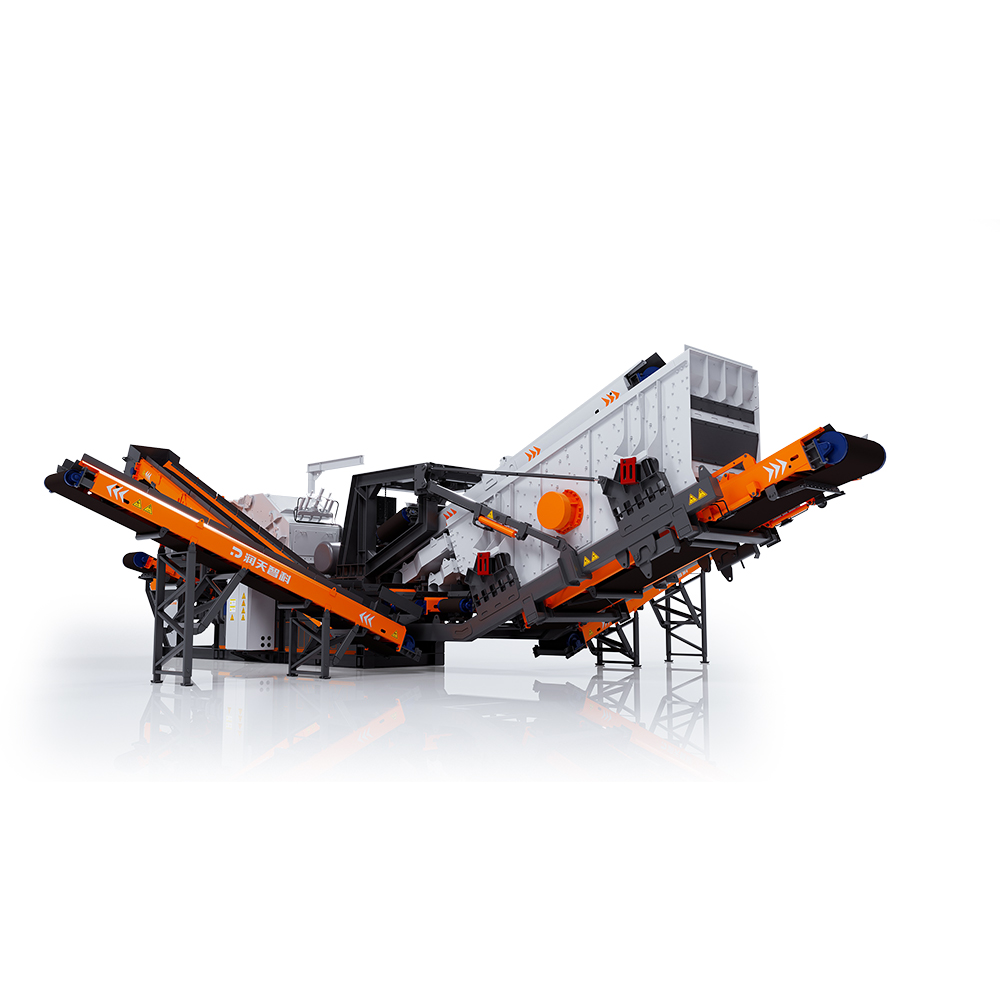 RTF260M Modular Counterattack Crushing and Screening Integrated Machine
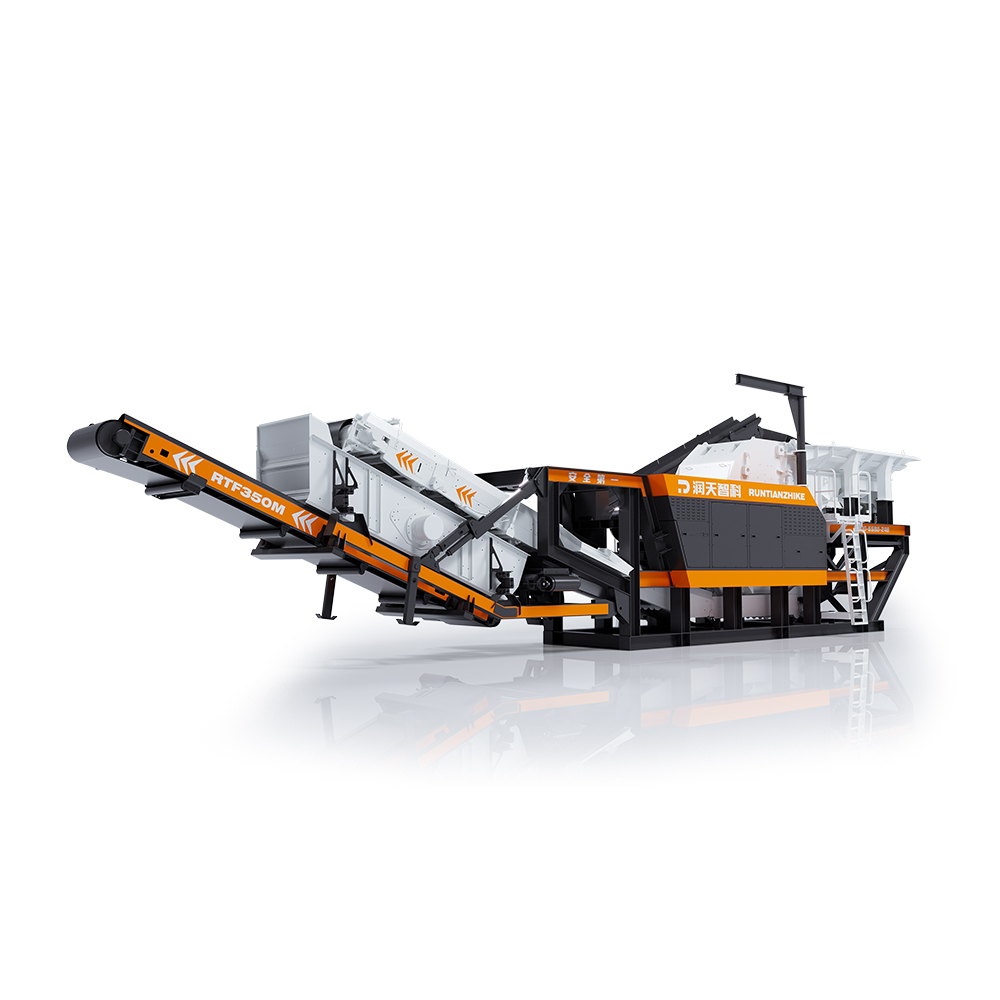 RTF350M Modular Impact Crushing Plant
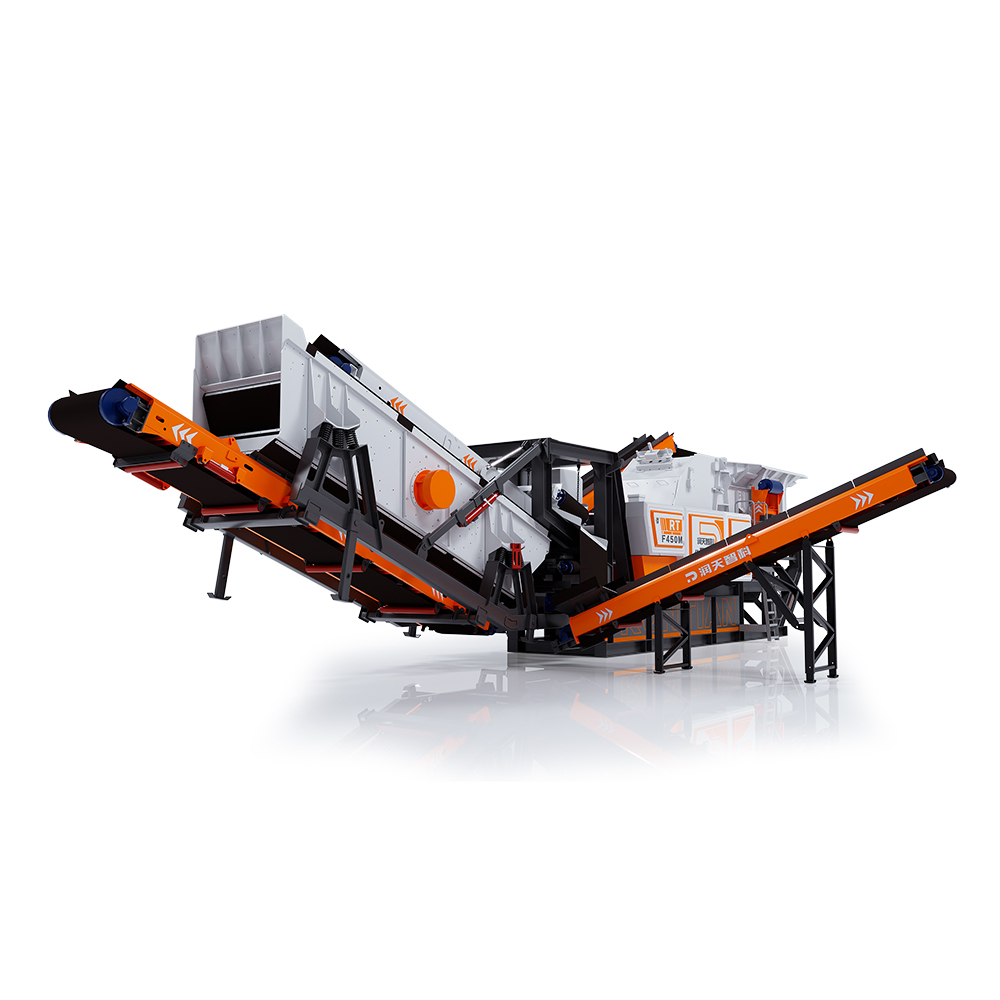 RTF450M Modular Impact Crushing Plant
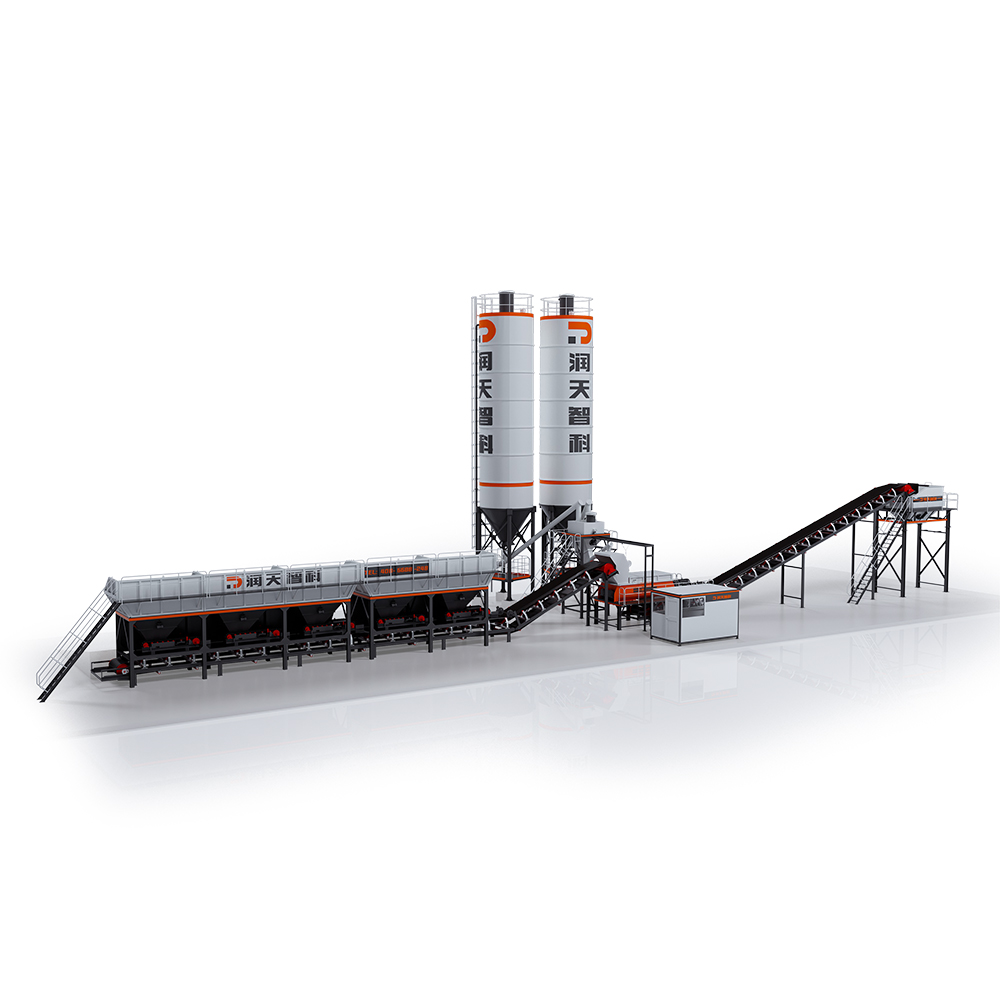 WDB Series Foundation-Free Stability Soil Mixing Plant
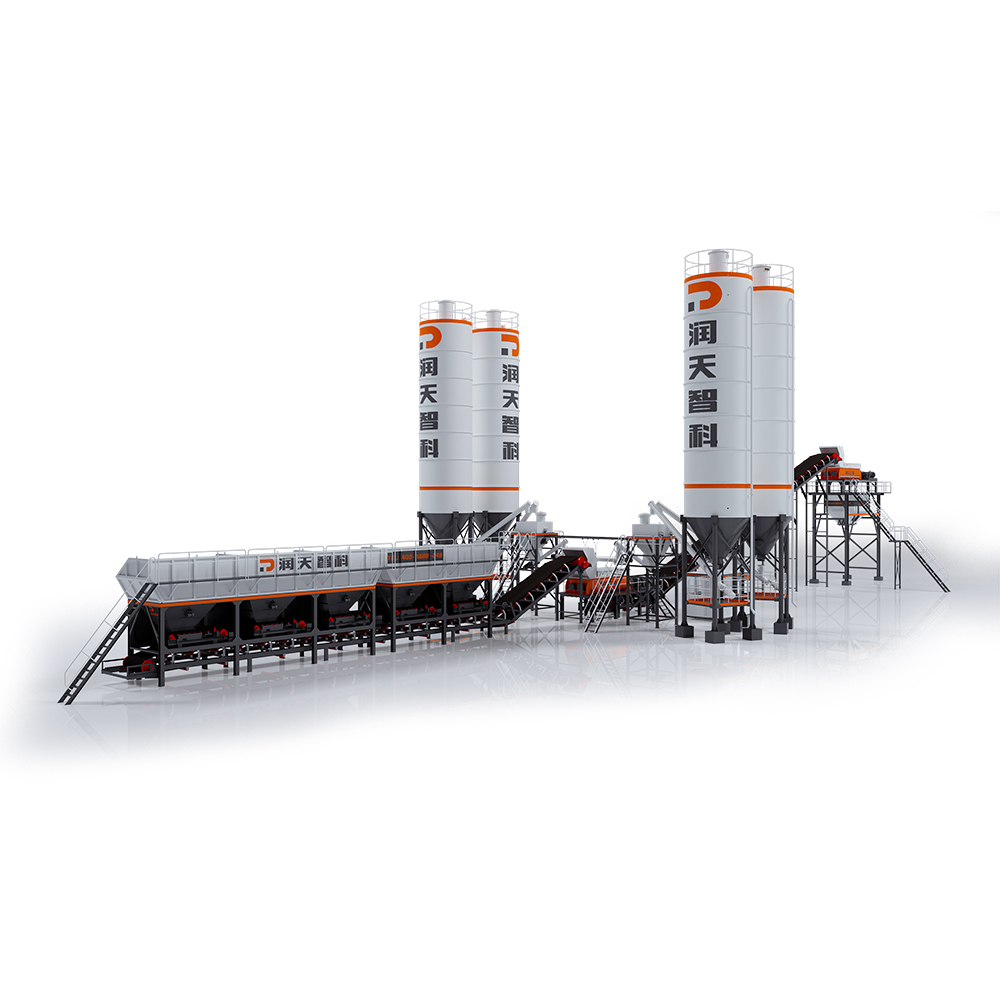 LCB Series Emulsified Asphalt Cold Regeneration Secondary Mixing Plant
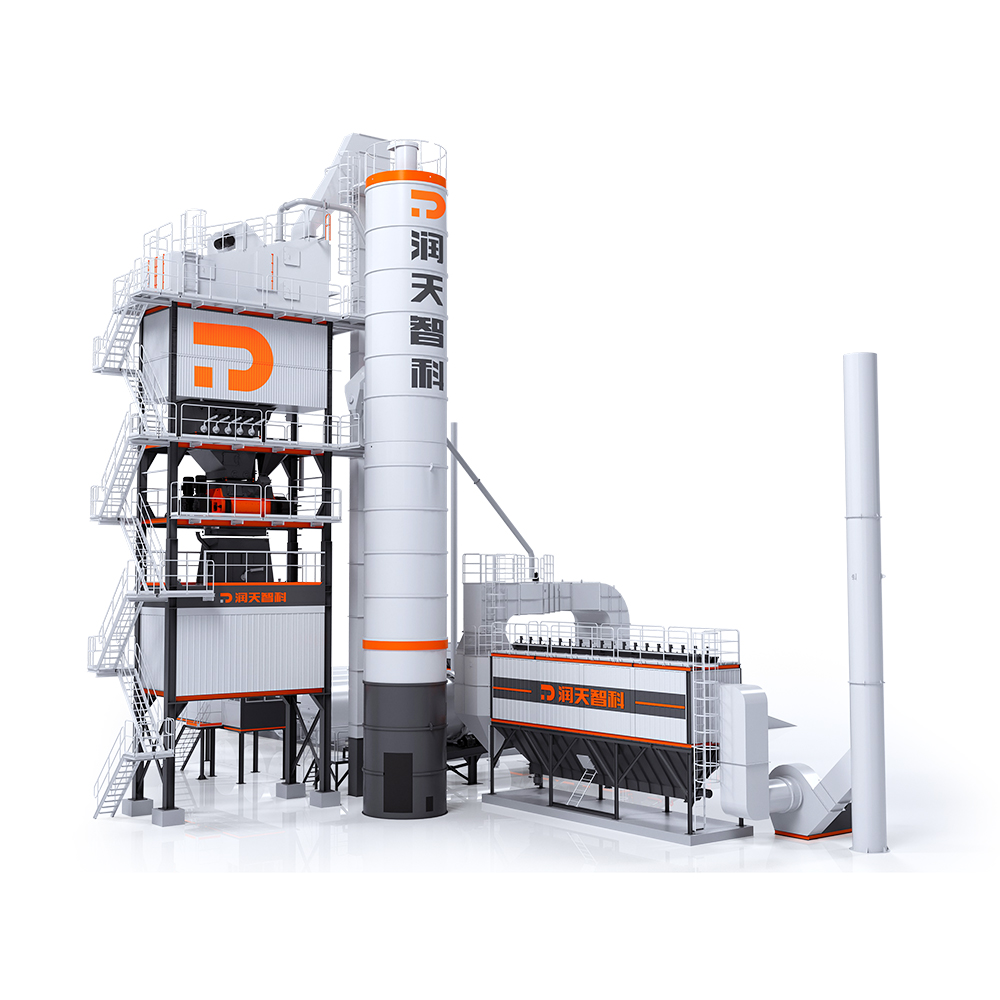 LB Series Asphalt Mixing Plant
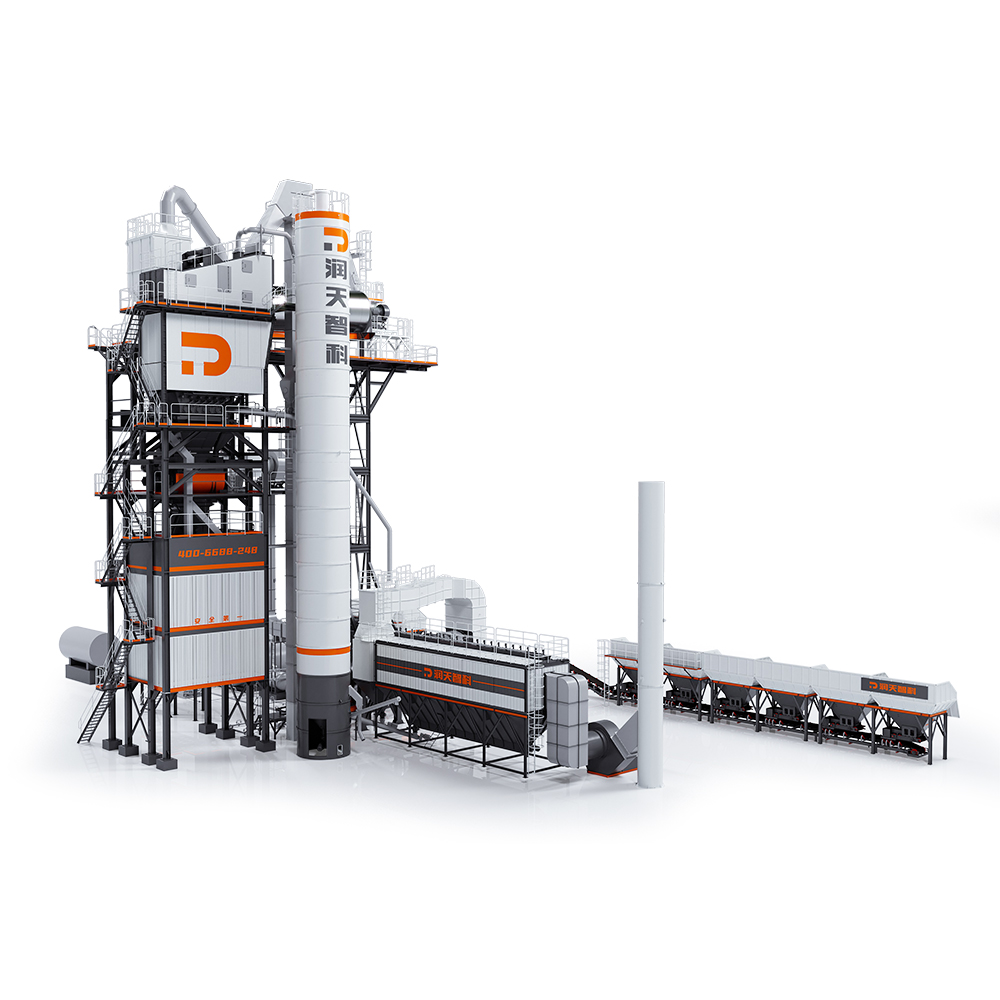 LBR Series Integrated Asphalt Mixing Plant
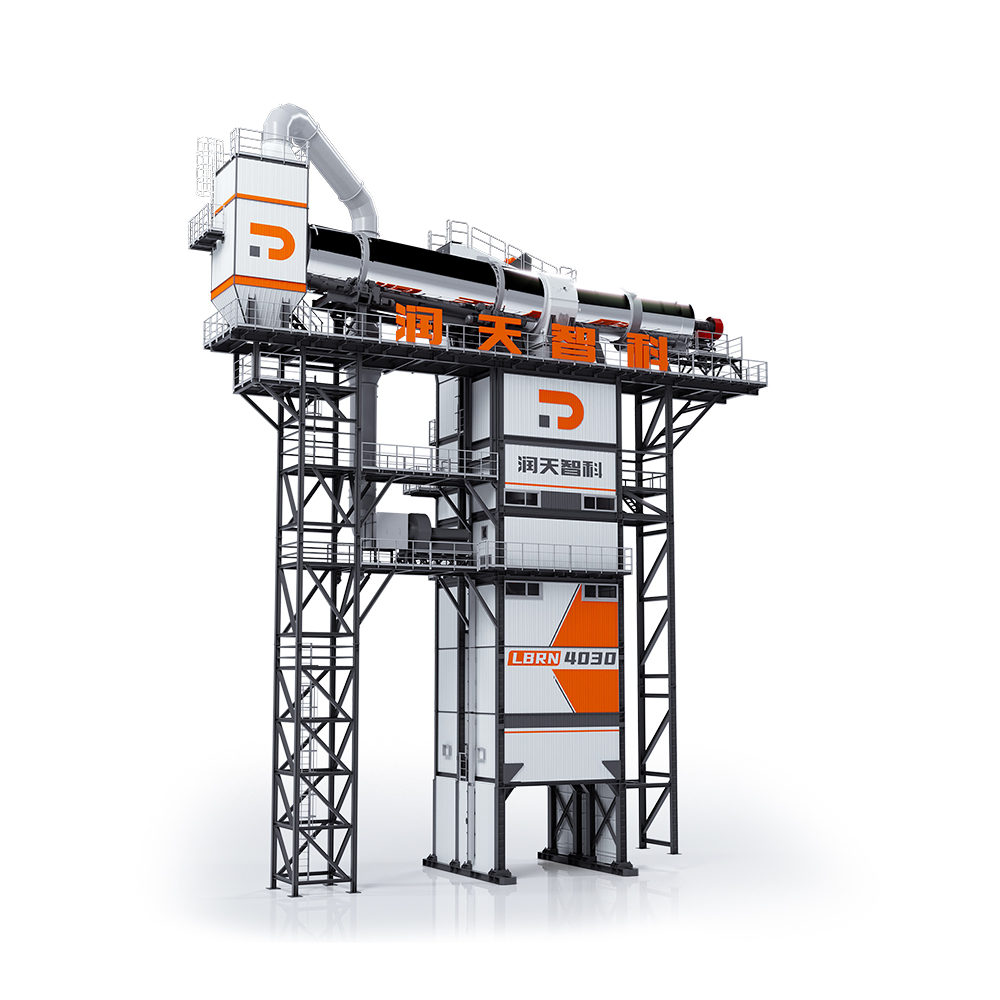 LBRN Series Counterflow Integral Asphalt Mixing Plant
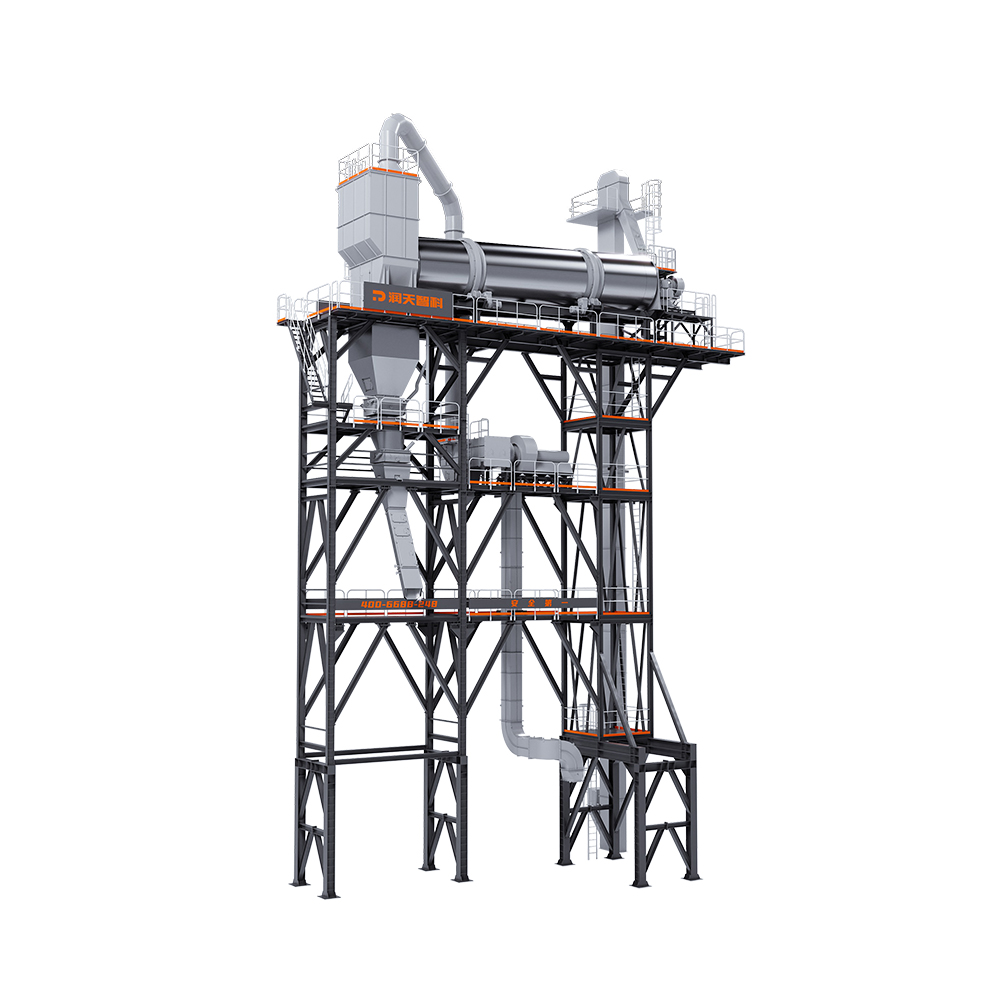 RZS Series Asphalt Mixing Plant
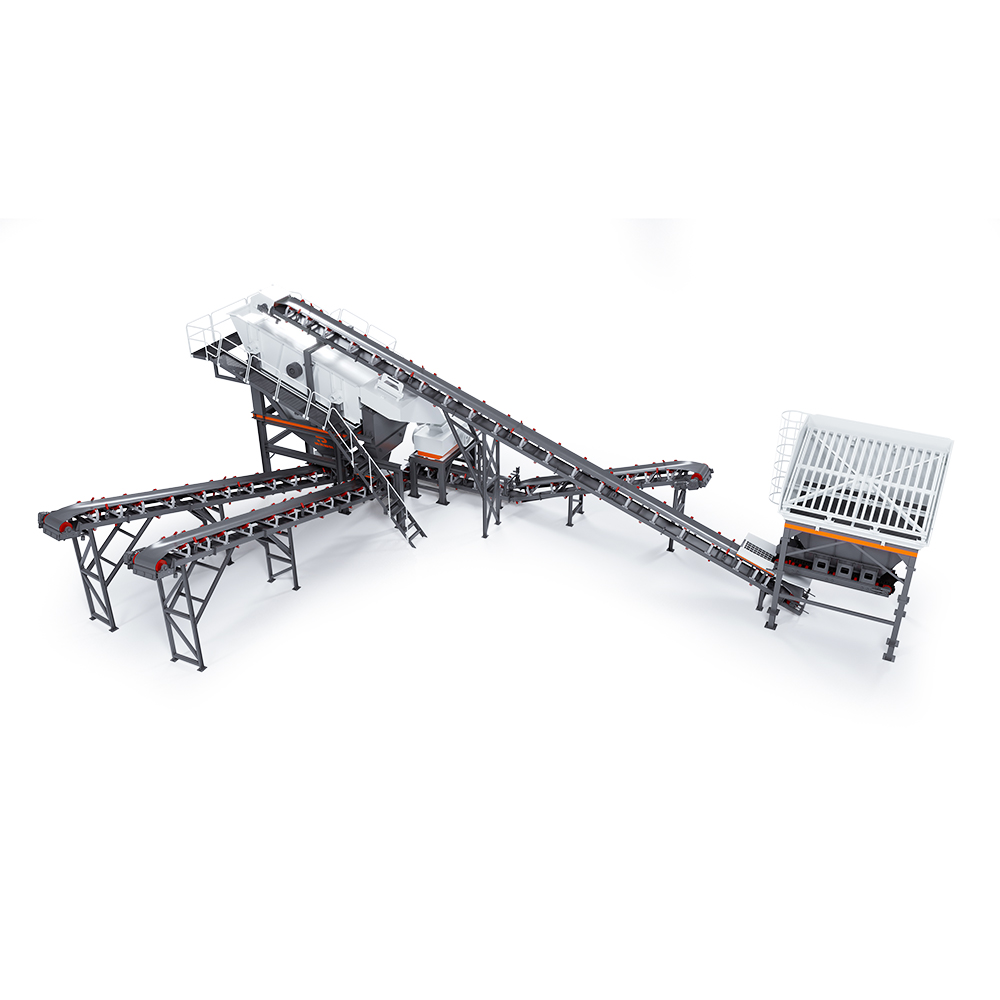 RTZS120 Series RAP Crushing & Screening Plant
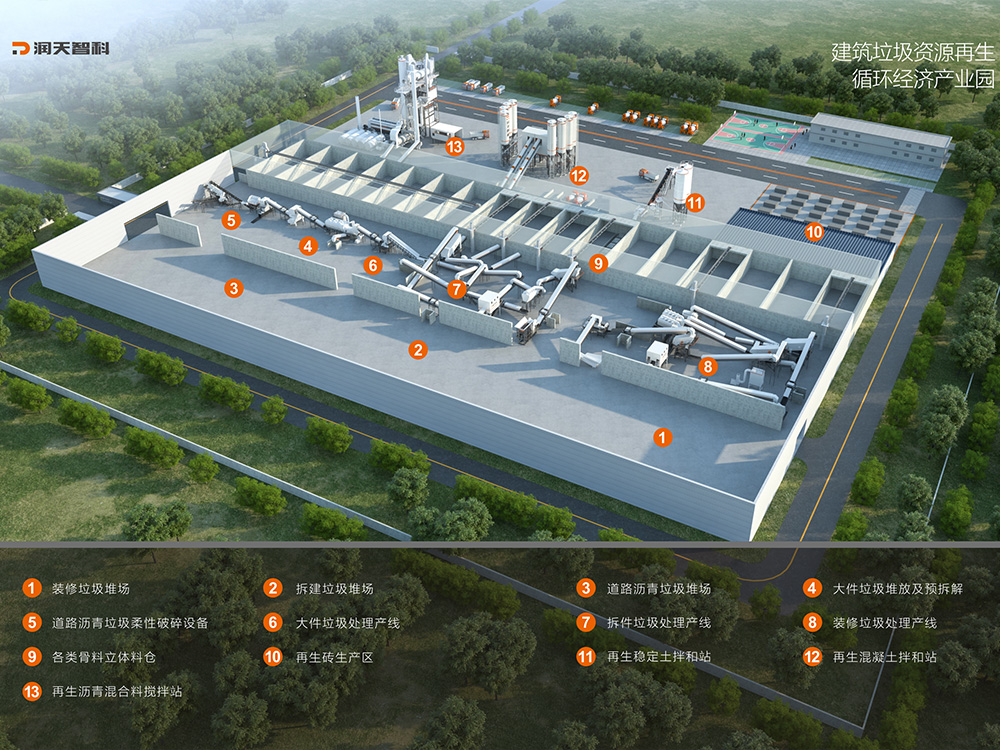 Construction Waste Resourceful Treatment Line