2026 Top Concrete Mixer Trends for Global Buyers?
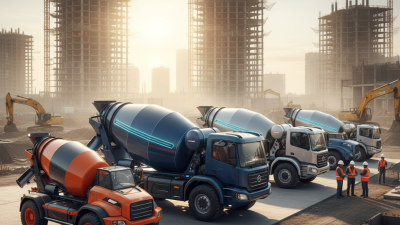
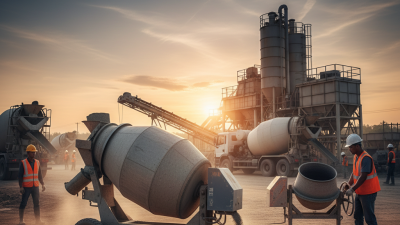
The construction industry is rapidly evolving. One significant component is the Concrete Mixer. As we look ahead to 2026, global buyers face many trends that will reshape this equipment. Understanding these trends is essential for making informed purchasing decisions.
Recent advancements focus on efficiency and sustainability. New concrete mixer models feature eco-friendly materials and energy-efficient technology. However, some innovations may not be practical for every project. It’s crucial to evaluate specific needs before embracing these trends.
Moreover, the demand for high-capacity mixers is increasing. Buyers must consider the balance between size and mobility. Not all concrete mixers can fulfill large-scale operations while remaining user-friendly. Keeping up with these trends will require careful thought and adaptability in the years to come. Embracing change is not easy, but it is necessary for success in the concrete mixing sector.
Emerging Technologies in Concrete Mixer Design for 2026
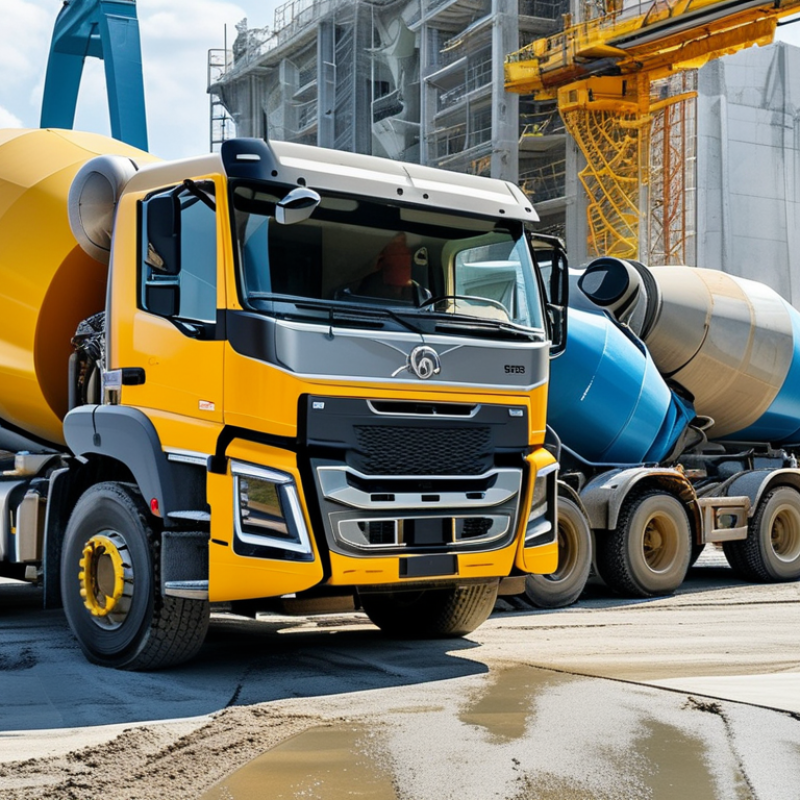
Emerging technologies in concrete mixer design for 2026 are redefining industry standards. The integration of smart sensors is one notable advancement. These sensors provide real-time data on the mixing process. This allows operators to adjust parameters instantly, leading to more consistent quality. This technology minimizes waste and optimizes resources, making operations more efficient.
Another important trend is the use of sustainable materials in mixer construction. As environmental concerns grow, manufacturers explore eco-friendly options. This shift not only aids in reducing carbon footprints but also enhances the durability of mixers. Incorporating recycled materials can be tricky. Yet, it often results in a more resilient product that withstands harsh conditions.
User interfaces are evolving as well. A focus on user-friendly designs simplifies the operation process. Many mixers are now equipped with touchscreen controls. This makes it easier for operators to monitor and adjust settings. However, reliance on technology may create challenges. If a system fails, the sudden change can disrupt quality control. Overall, these trends show promise yet require careful consideration and adaptation in practice.
Sustainable Materials and Their Impact on Concrete Mixers
The concrete mixer industry is evolving towards more sustainable practices. Global buyers are increasingly interested in eco-friendly materials. These materials reduce the carbon footprint and enhance overall performance.
Recycled aggregates and mineral admixtures are gaining traction. They influence the way concrete is mixed. Manufacturers must adapt their processes to accommodate these changes. However, the transition can be challenging. Mixing consistency may vary with different materials.
High-performance, sustainable concrete often requires innovative techniques. Many mixers now feature advanced automation to ensure proper proportions. There is still a learning curve for many professionals in the field. Embracing these trends can lead to better results, but it requires ongoing education and collaboration.
Automation and Smart Features in Concrete Mixer Operations
The concrete mixing industry is witnessing a significant shift towards automation and smart technology.
These advancements enhance efficiency and accuracy in concrete production.
Automation minimizes human error, ensuring consistent quality in every batch.
Using smart sensors, mixers can monitor material consistency and adjust operations in real time.
This leads to better performance and reduces waste.
Investing in automation can be financially beneficial.
Over time, operational costs decrease significantly.
When considering a transition, evaluate current mixing processes.
Identify areas where automation might enhance productivity.
Regular training for staff can ease this shift.
They will adjust better to new technology.
Data analytics is another crucial component.
Analyzing mixing patterns and output helps in making informed decisions.
Reviewing this data regularly reveals trends and potential improvements.
Even advanced systems may encounter challenges. Regular feedback loops are necessary to refine operations.
Promoting an open dialogue about issues can lead to better solutions.
Market Trends Influencing Concrete Mixer Sales Worldwide
The global concrete mixer market is undergoing significant shifts. These changes are largely driven by technological advancements and sustainability efforts. Eco-friendly materials are becoming essential for buyers. Companies are investing in energy-efficient models. The demand for hybrid mixers is rising among environmentally conscious consumers.
Tips: Focus on finding mixers that incorporate renewable resources. This not only helps the planet but can reduce costs in the long run.
Market trends show a growing interest in automation. Modern concrete mixers come with smart features that enhance efficiency. Automated systems minimize human error and ensure consistent quality. However, adapting to these new technologies can be challenging for some. There is still a learning curve involved.
Tips: Engage with training programs. They can help your team understand new technologies better. This investment pays off through improved productivity.
Consumer preferences are evolving. Buyers are increasingly seeking mixers that offer versatility. They want equipment that can handle various materials and projects. This adaptability is crucial in a competitive market. Reflecting on your specific needs will guide you in making informed decisions.
Regional Variations in Concrete Mixer Preferences and Demands
In 2026, concrete mixer preferences vary significantly across regions. North America shows a strong preference for versatile mixers that can handle diverse materials. According to recent industry reports, 70% of concrete contractors opt for innovative mixed-use designs. These preferences drive manufacturers to invest in multi-functional equipment with advanced technology.
In Europe, sustainability influences concrete mixer choices. Many buyers seek eco-friendly mixers that minimize waste and energy consumption. A study by the International Concrete Mixer Association revealed that 55% of European firms are transitioning to electric models to reduce carbon footprints. Local regulations also impact these trends, pushing for greater compliance and efficiency.
Asian markets, particularly in India and China, demonstrate a rising demand for cost-effective solutions. Local contractors prioritize affordability without compromising quality. A report by Asia Construction Insight indicated that around 65% of buyers prioritize economical mixers, reflecting budget constraints. This shifting landscape highlights the necessity for suppliers to adapt to regional demands while continuously advancing technology.

 Concrete Mixing Plant
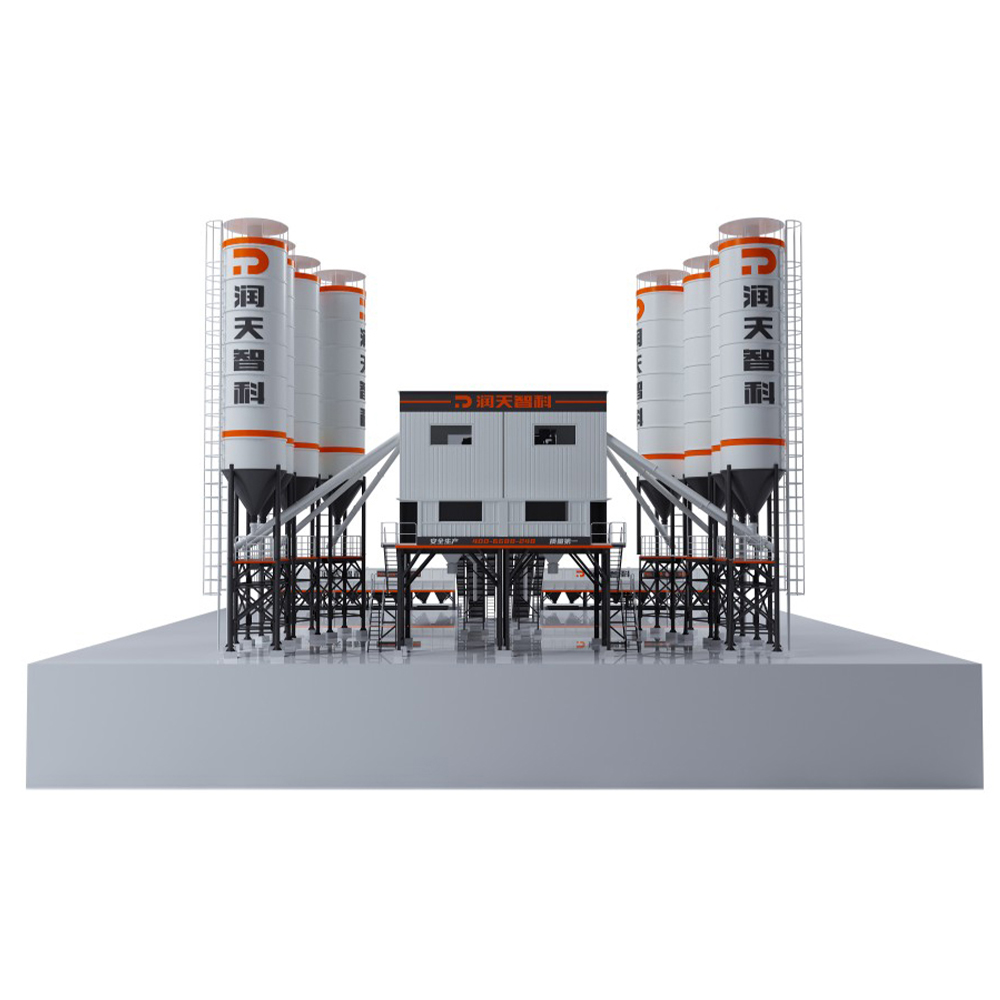 HZS Series Belt Concrete Mixing Plant
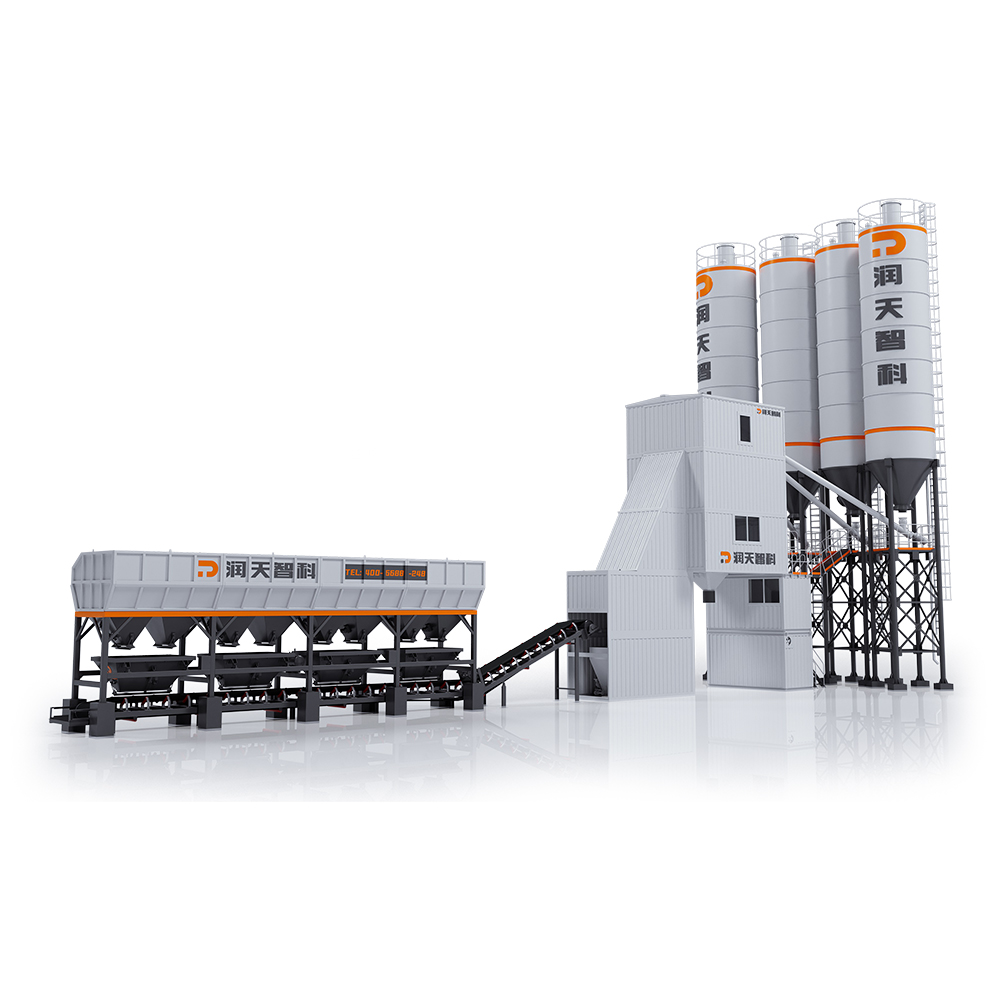 HZS Series Bucket-Lifting Type Container Concrete Mixing Plant
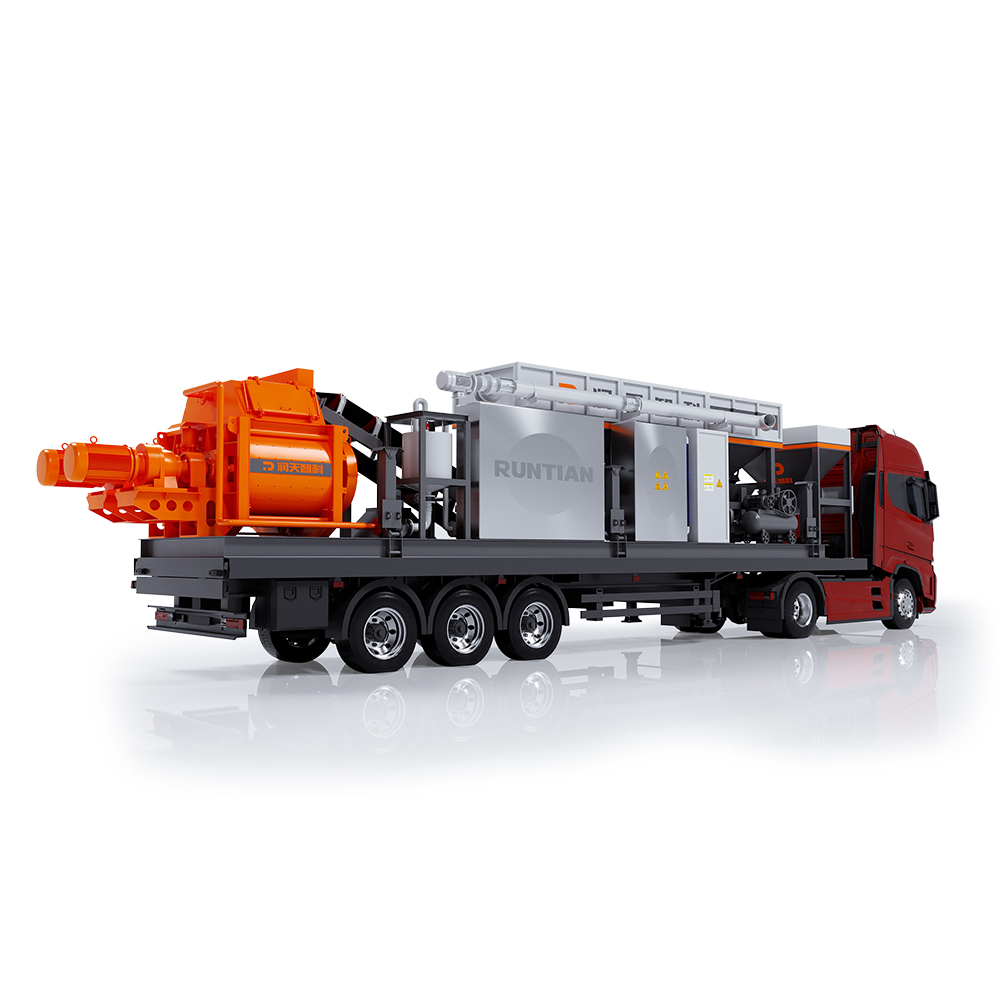 HZS60 Mobile Concrete Mixing Plant
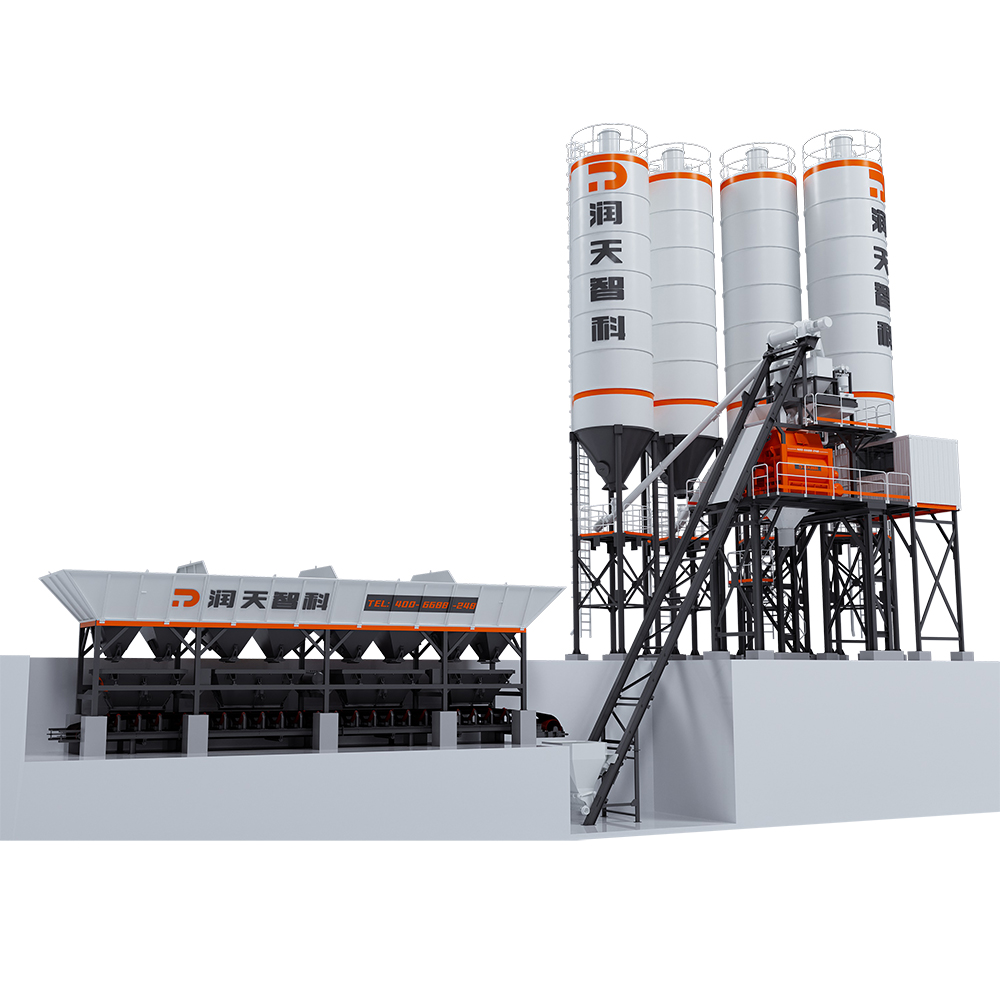 HZS Series Bucket-Lifting Type Concrete Mixing Plant
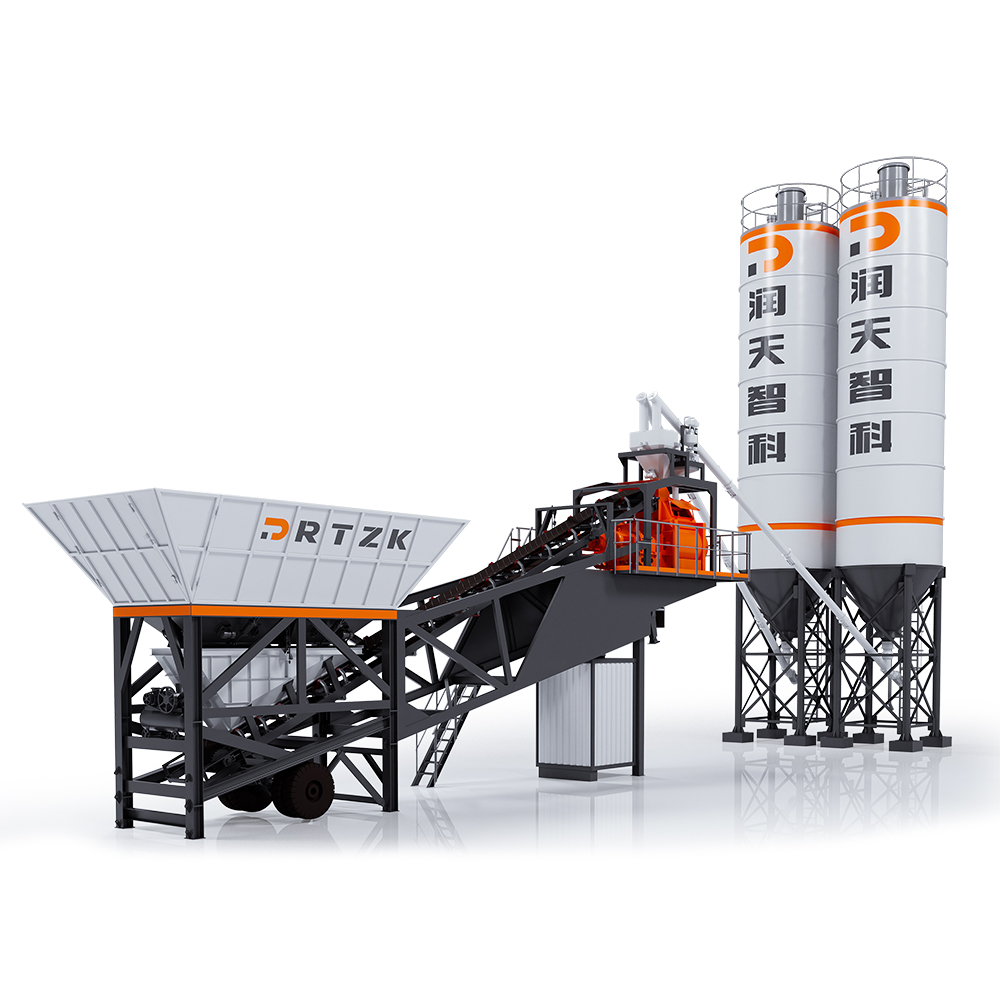 HZS Series Mobile Concrete Mixing Plant
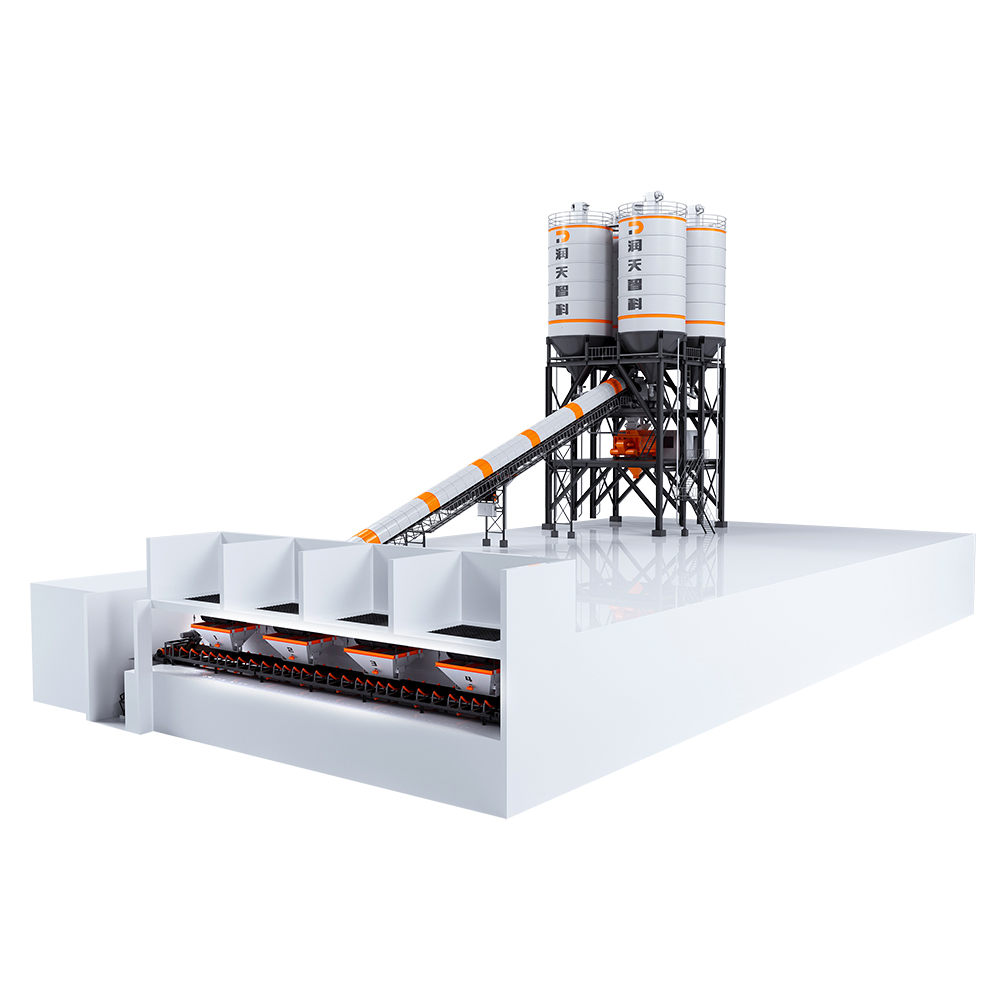 HZS Series Top-Mounted Concrete Mixing plant
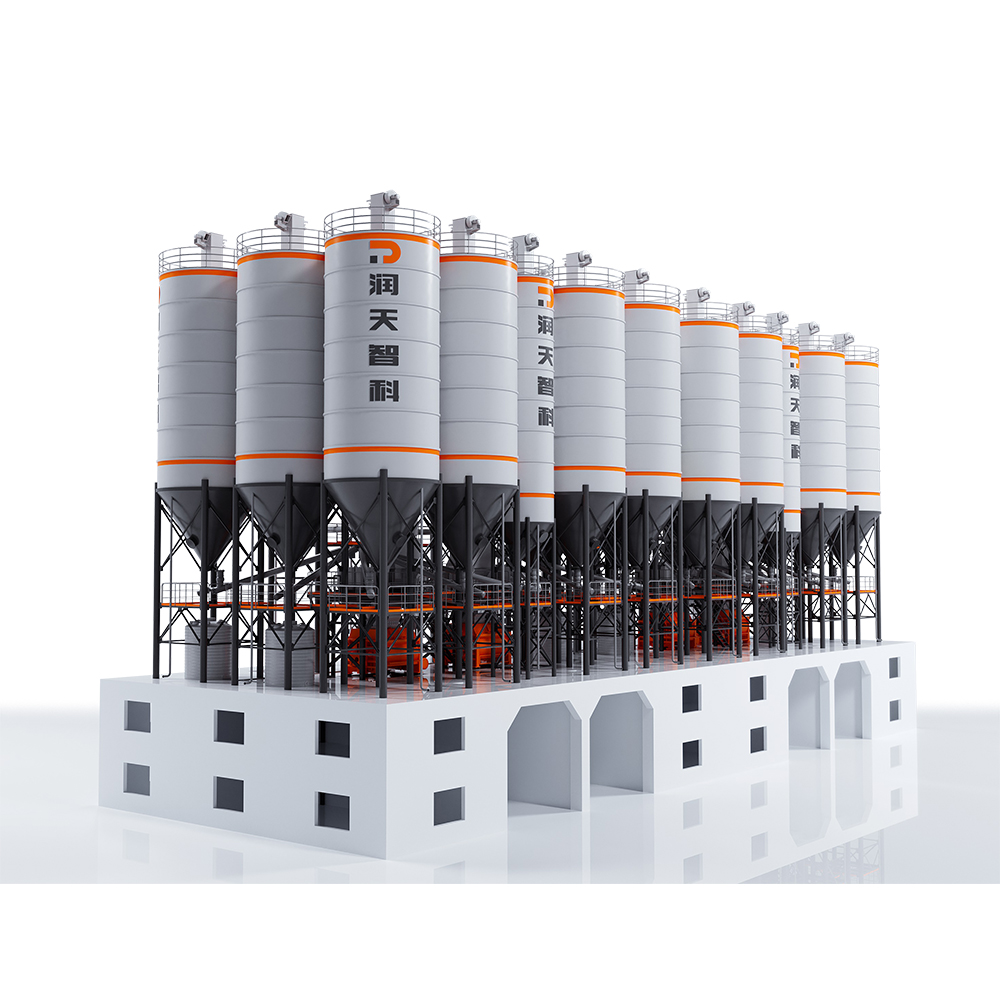 HZS Series Semi-Top Mounted Concrete Mixing Plant
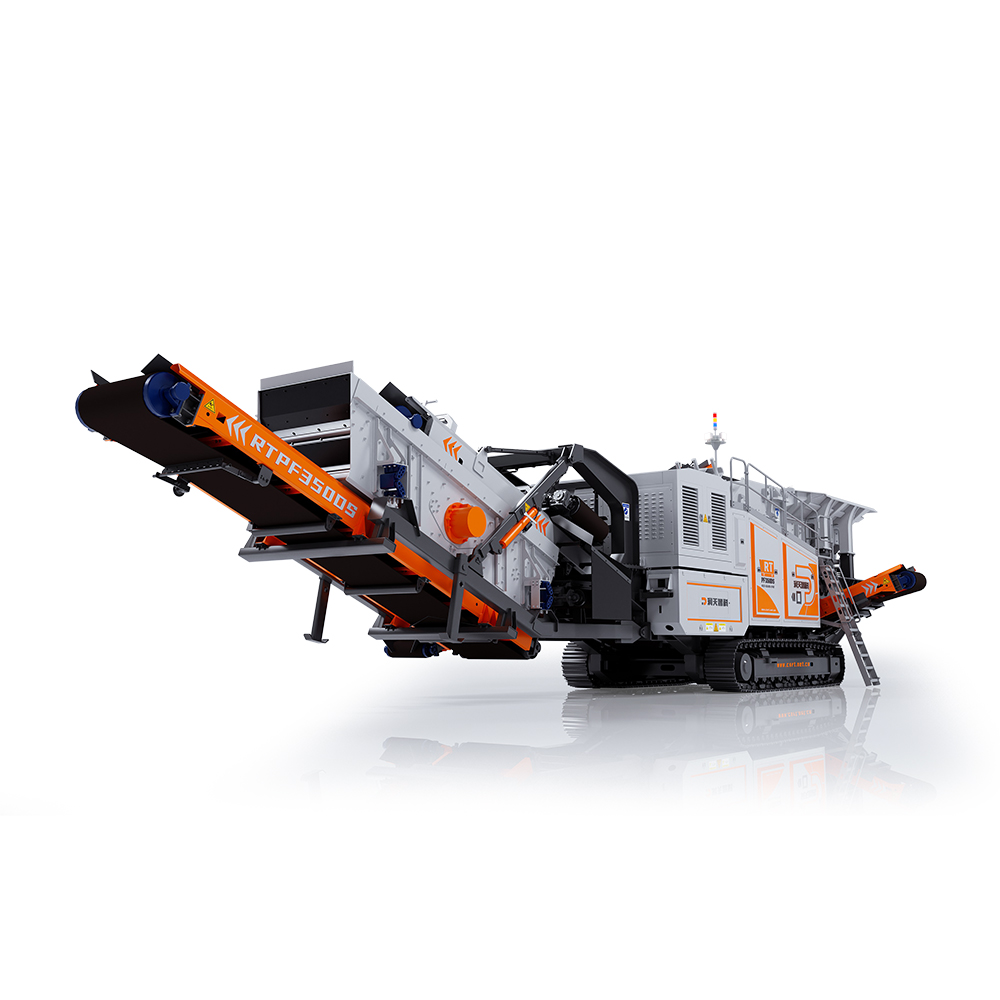 RTPF350DS Crawler Mobile Impact Crushing Plant
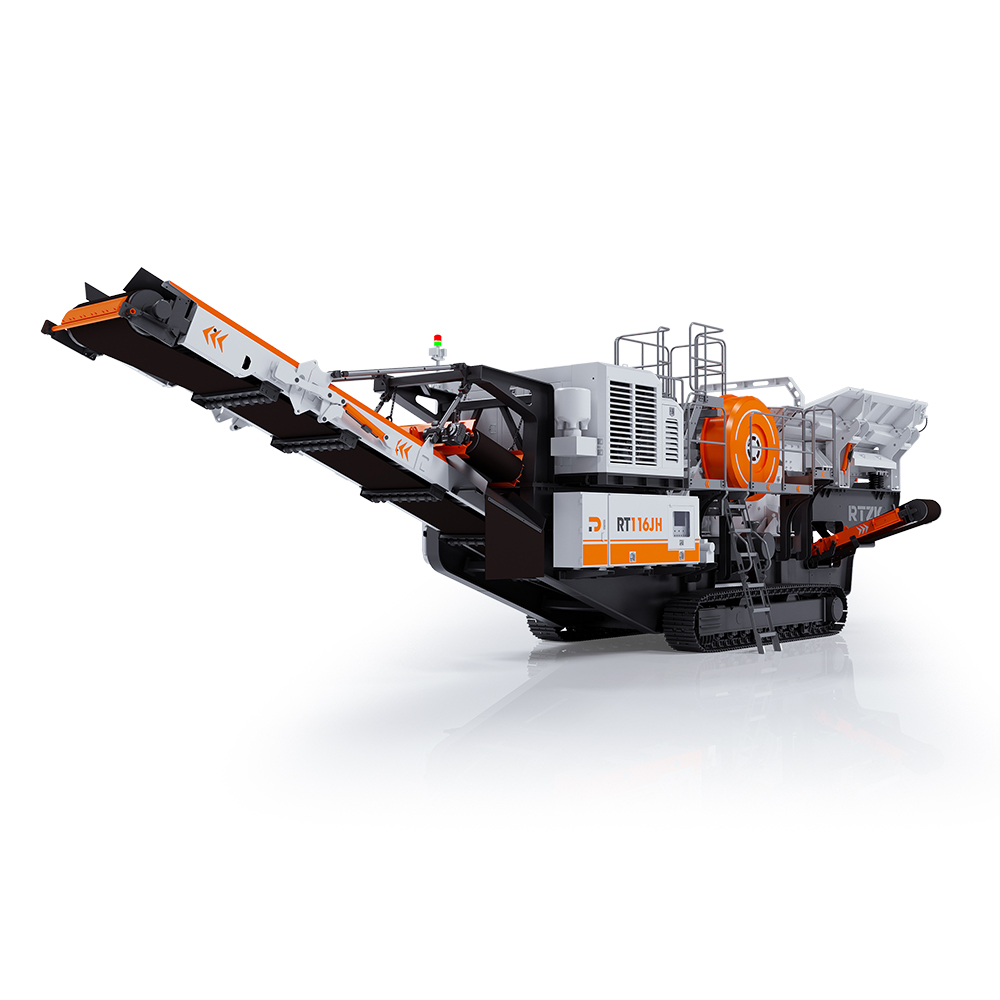 RT116JH Crawler Mobile Jaw Crushing Plant
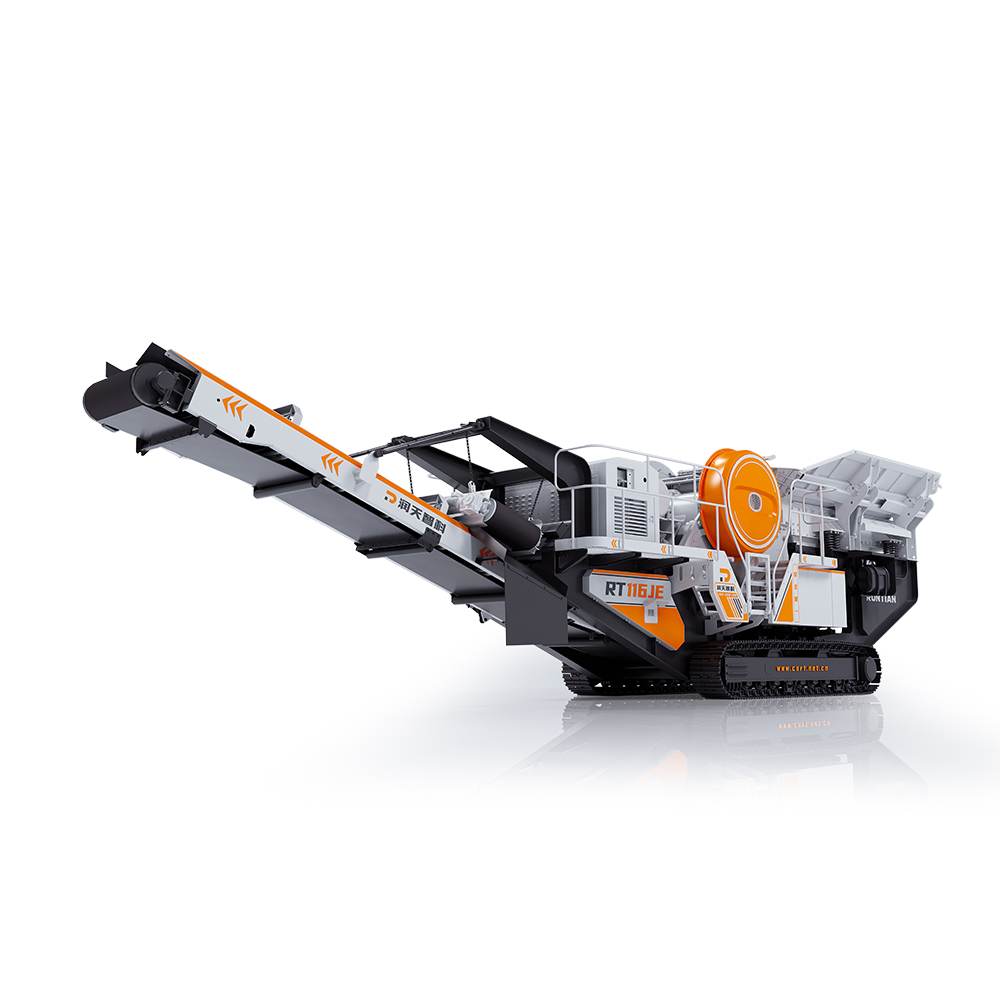 RT116JE Crawler Mobile Jaw Crushing Plant
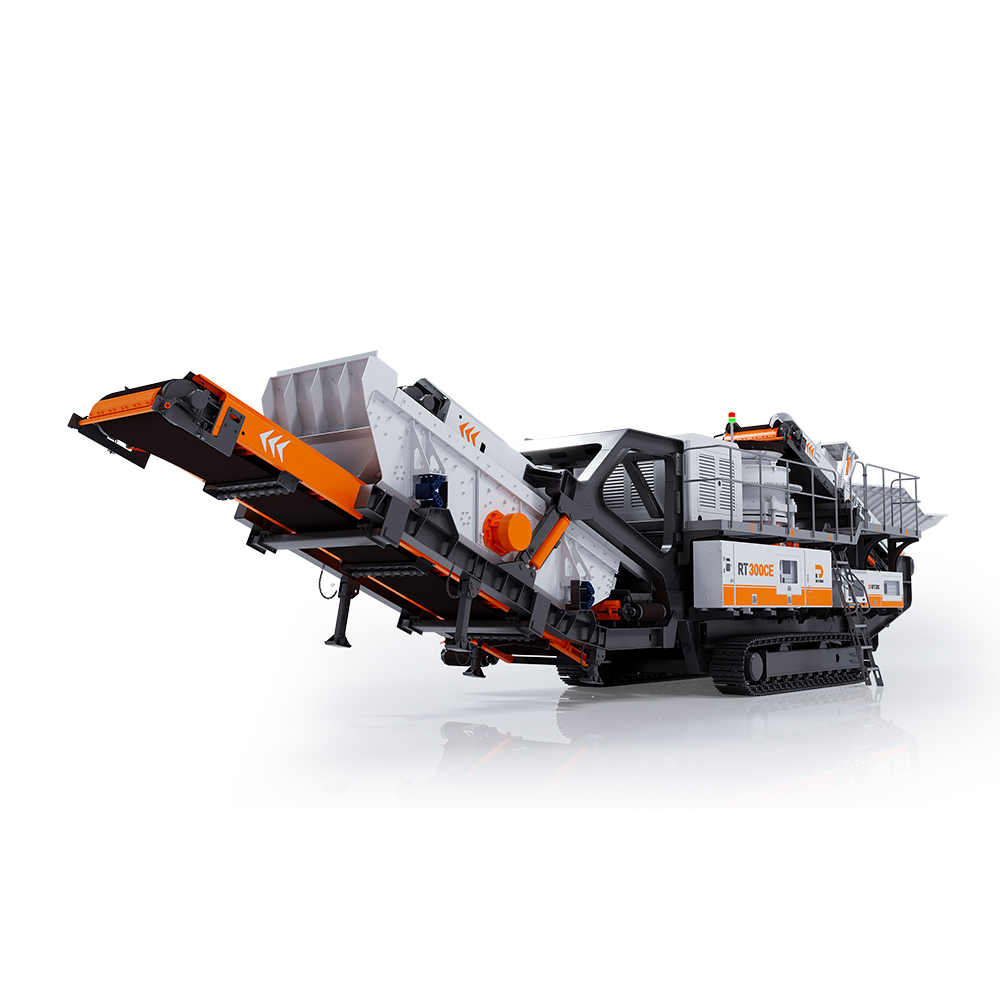 RT300CE Crawler Mobile Cone Crushing Plant
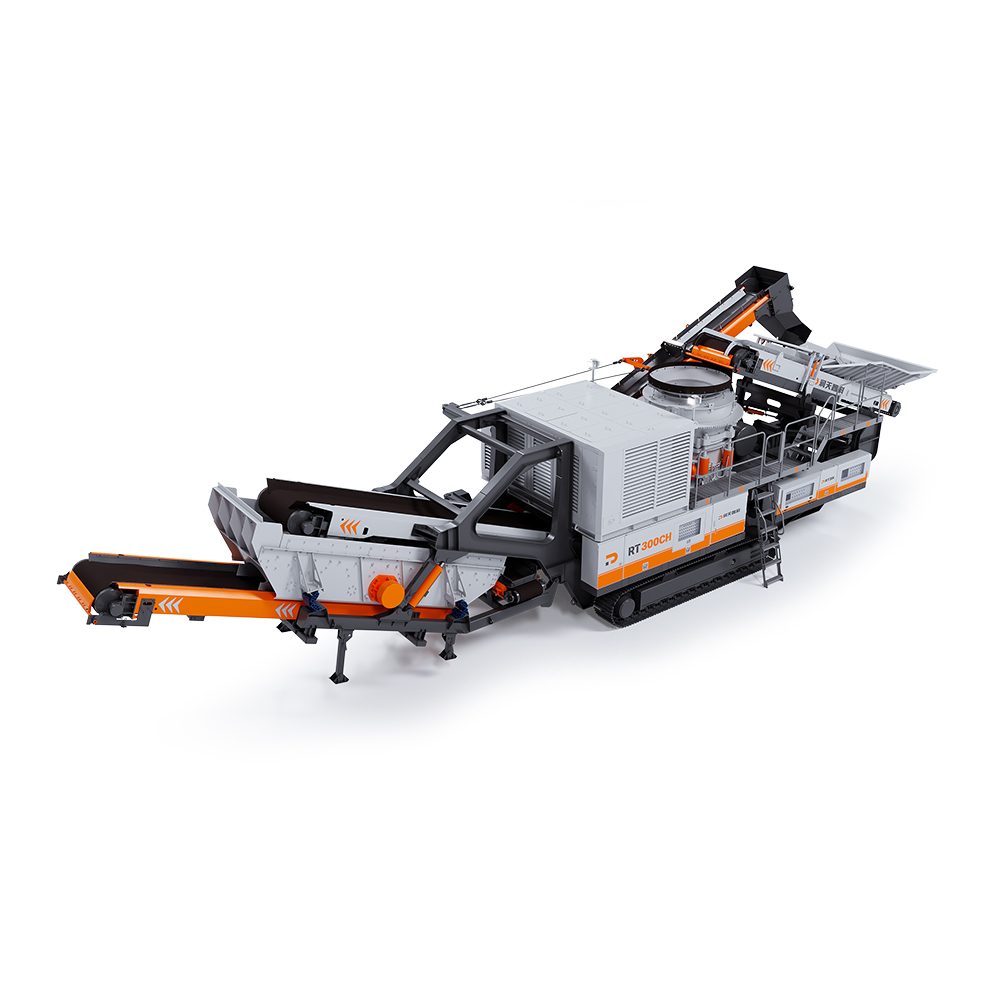 RT300CH Crawler Mobile Cone Crushing Plant
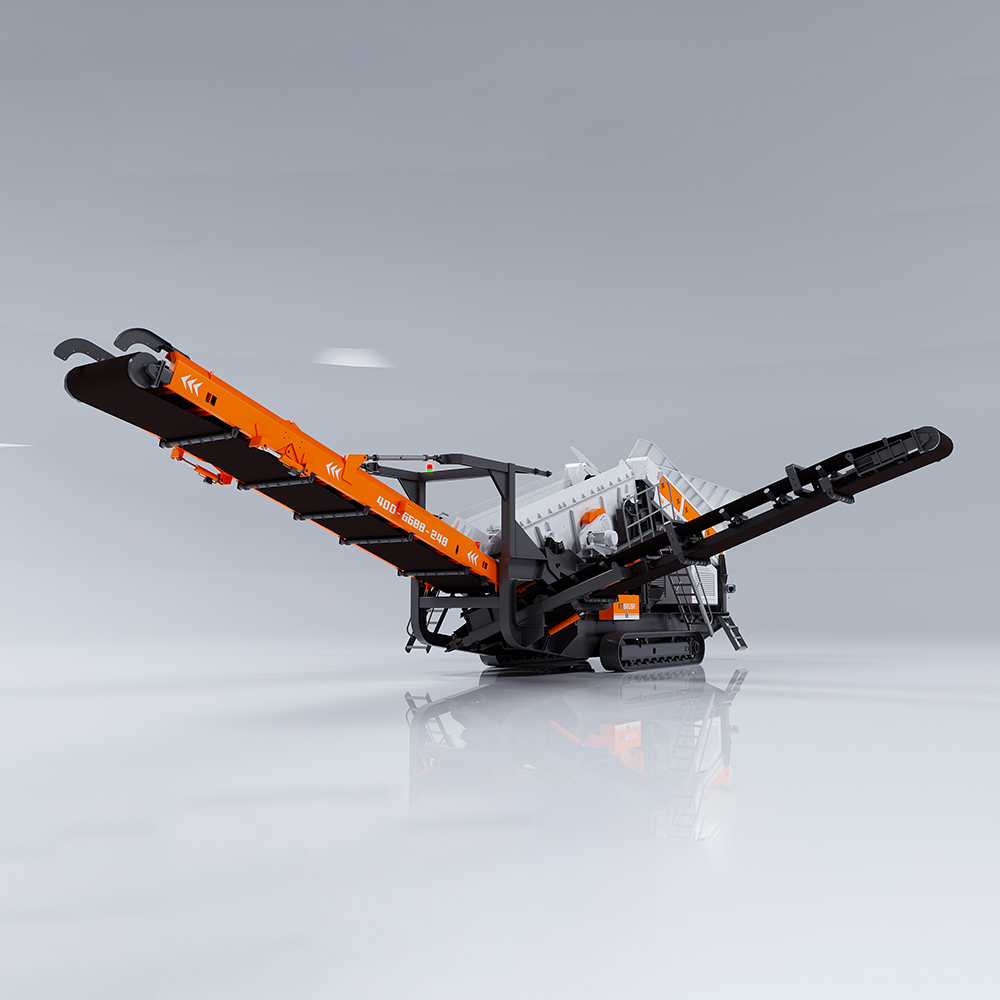 RT5015H Mobile Scalping Screen
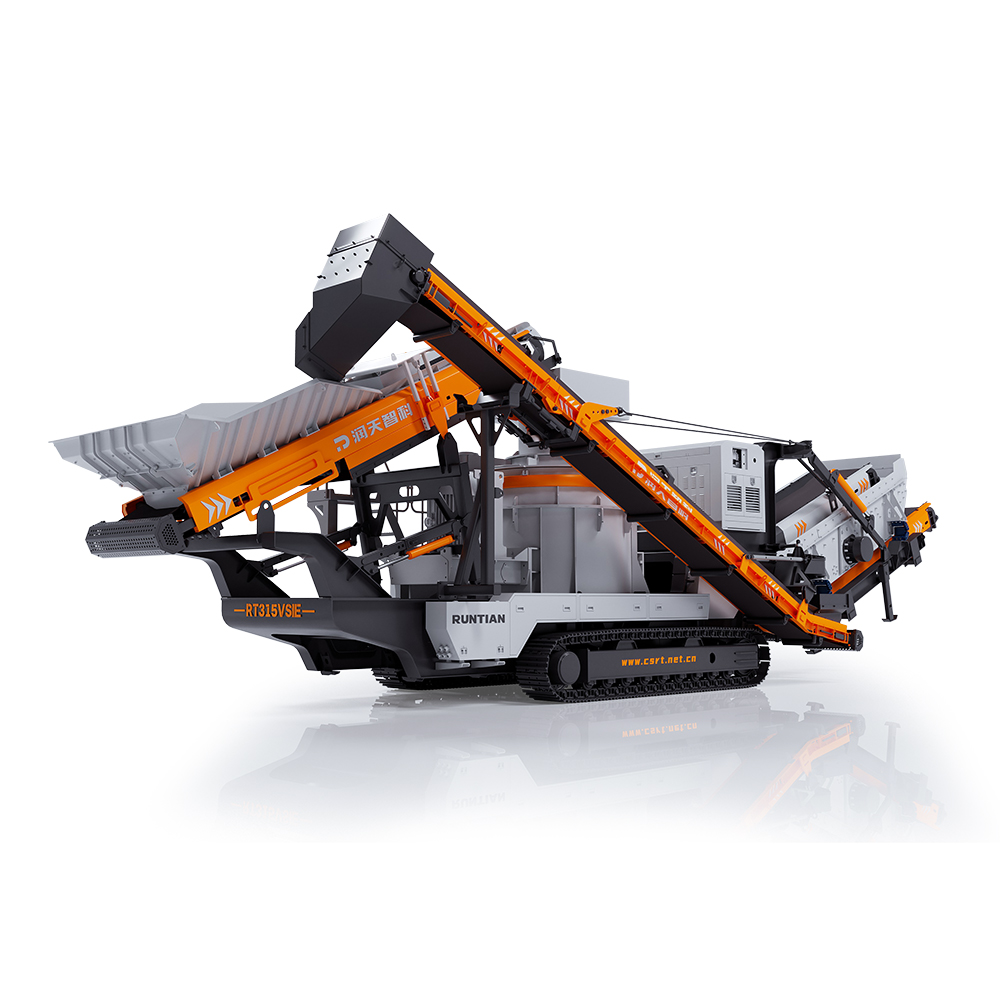 RT315VSIE Crawler Mobile Sand Maker
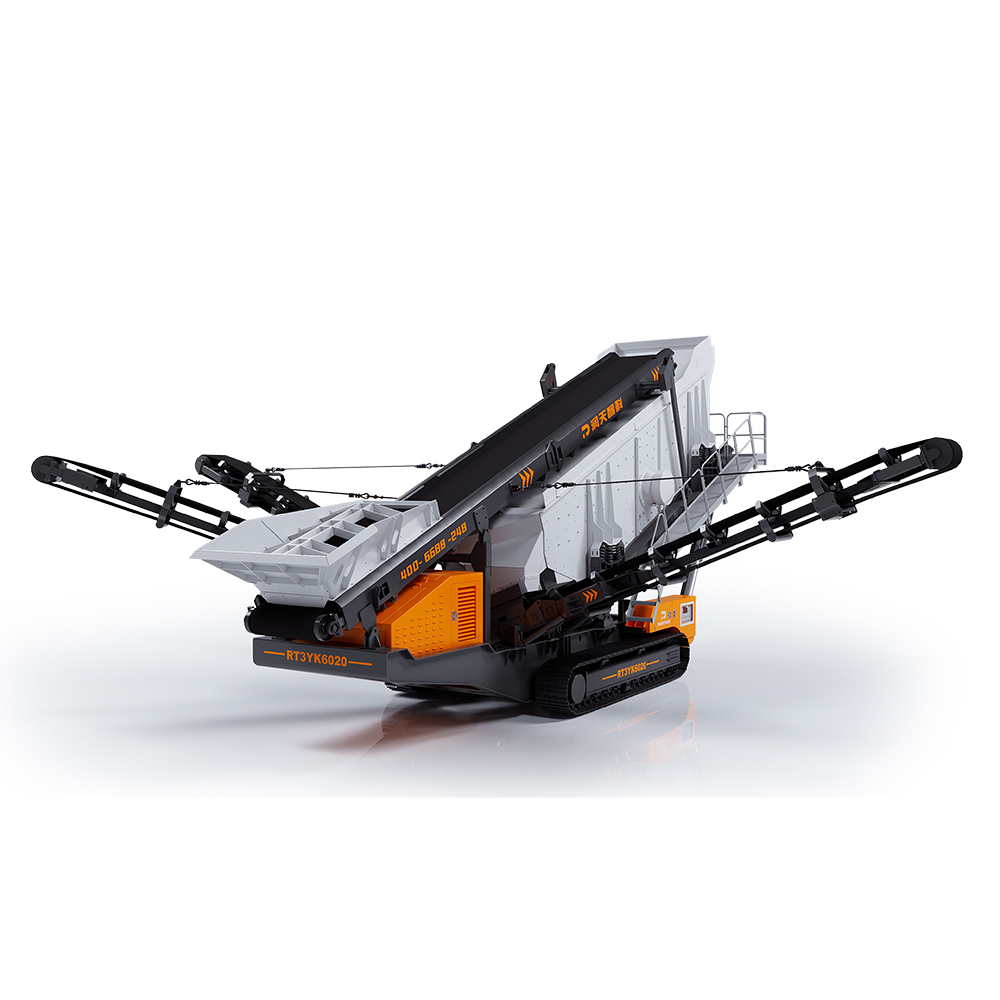 RT3YK6020 Crawler Mobile Screening Plant
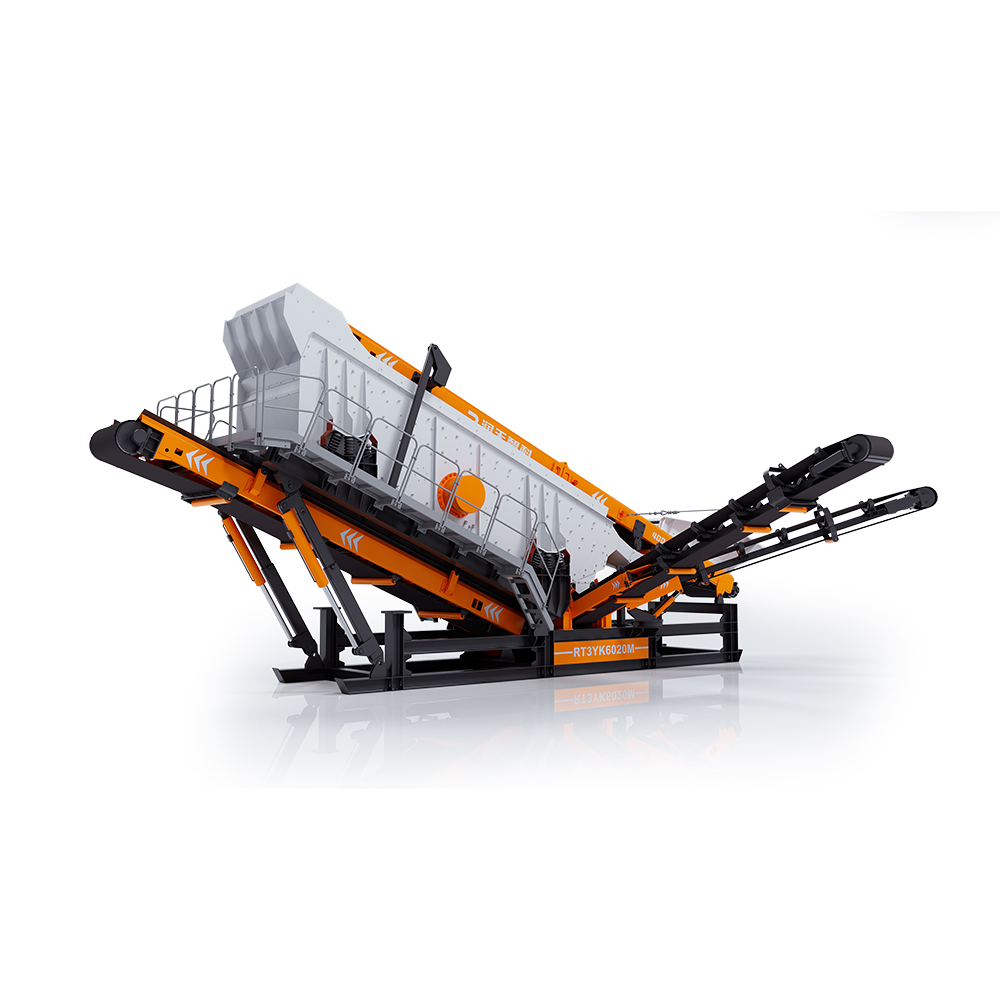 RT3YK6020M Modular Screening Plant
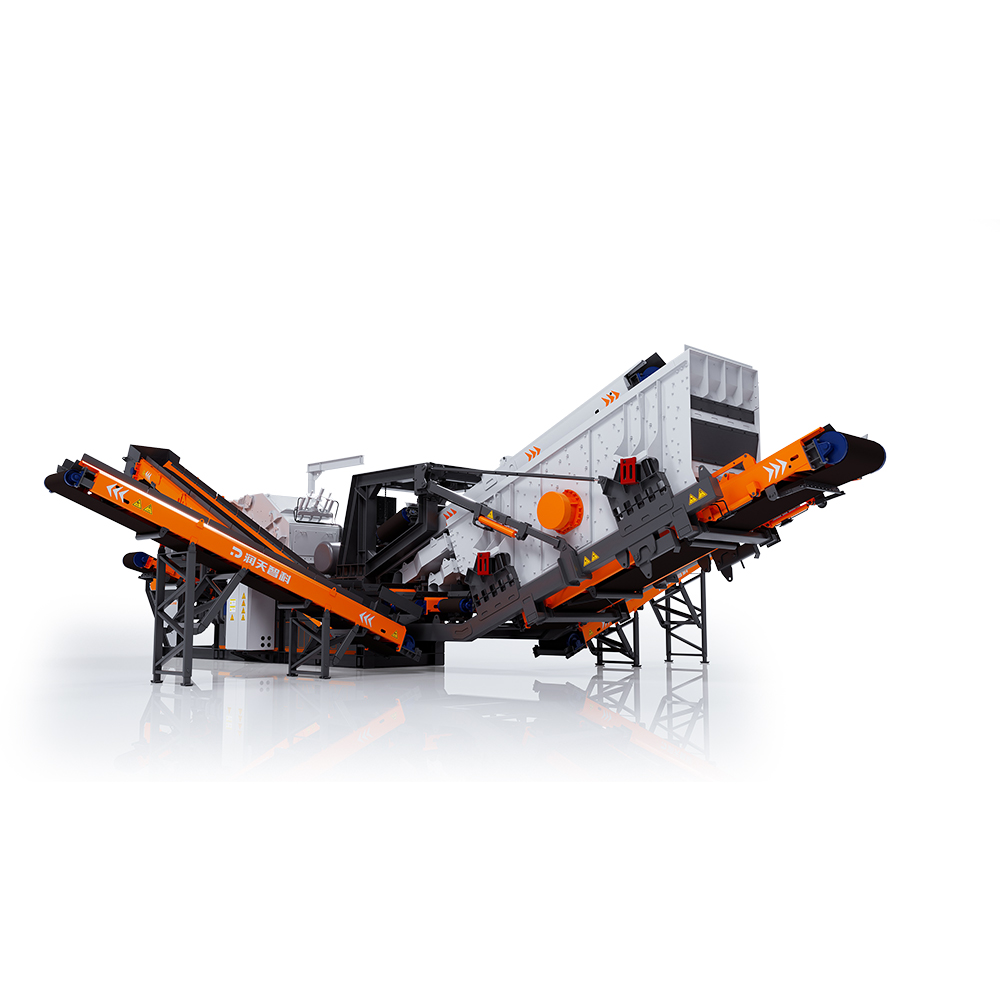 RTF260M Modular Counterattack Crushing and Screening Integrated Machine
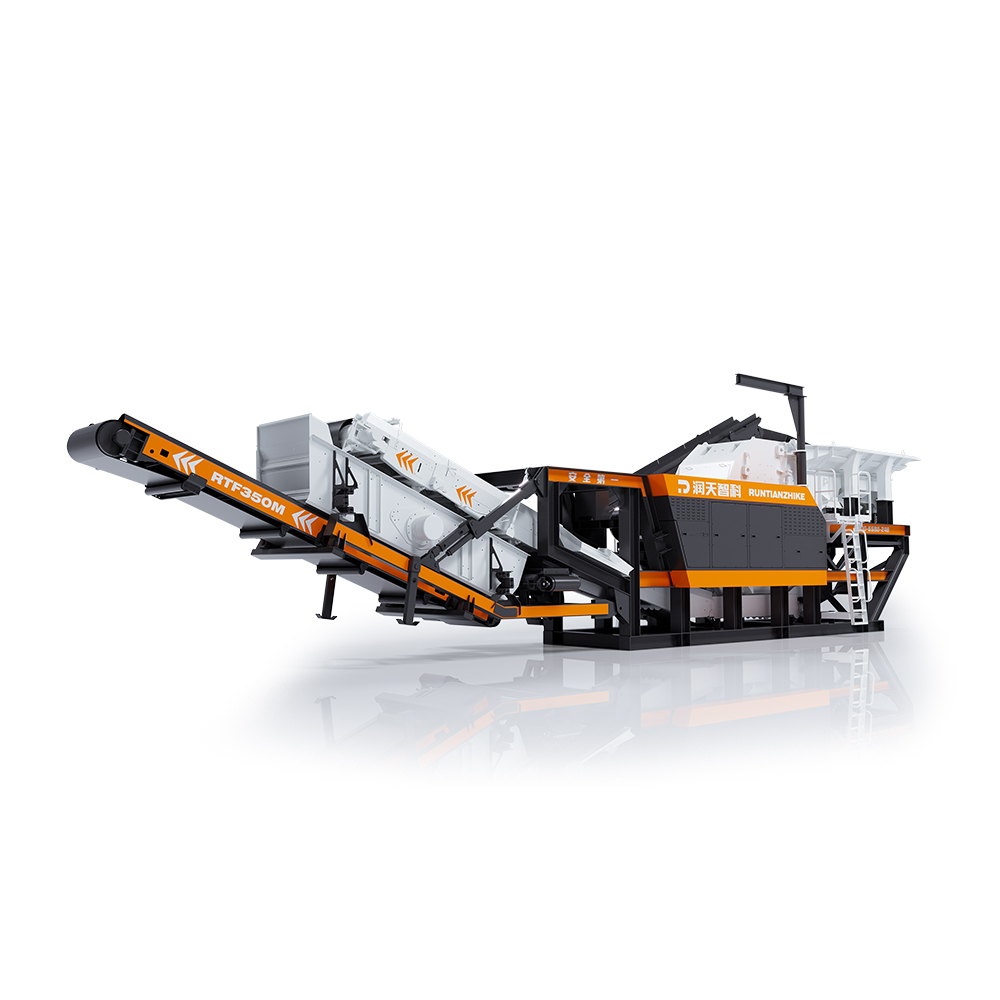 RTF350M Modular Impact Crushing Plant
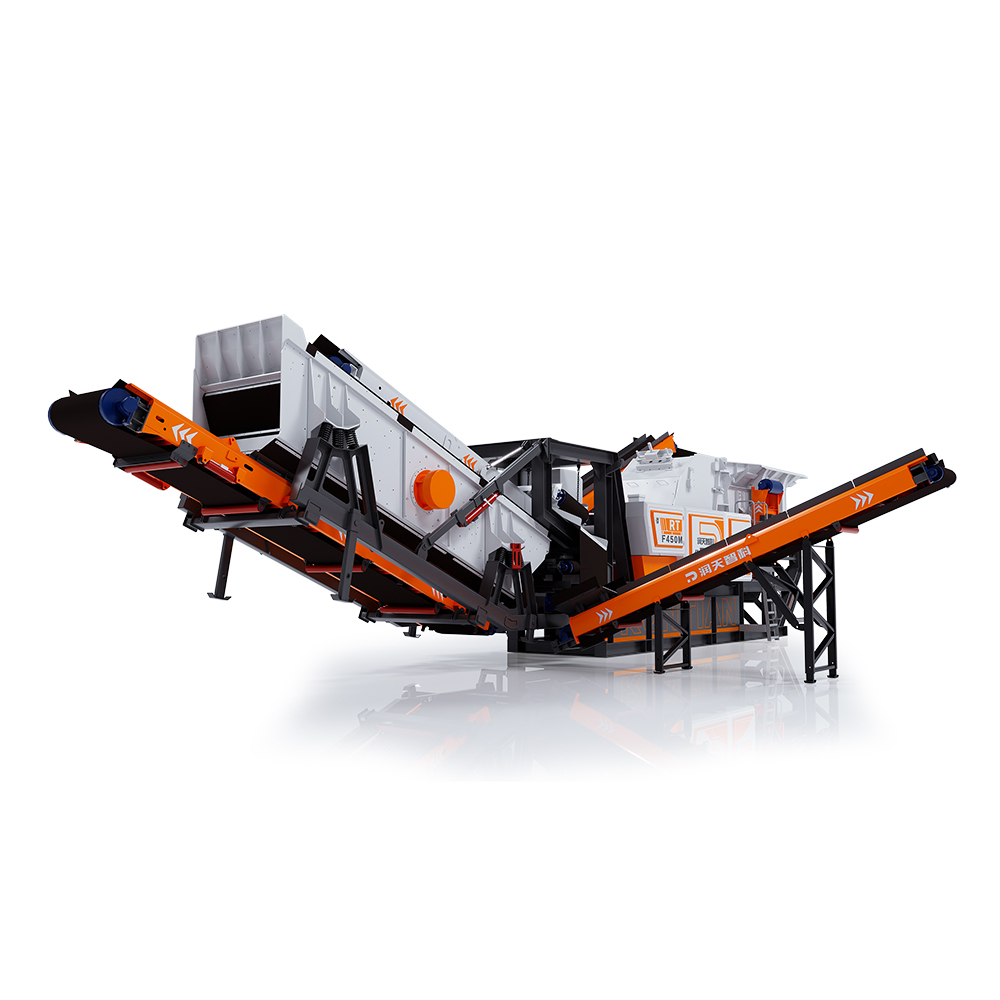 RTF450M Modular Impact Crushing Plant
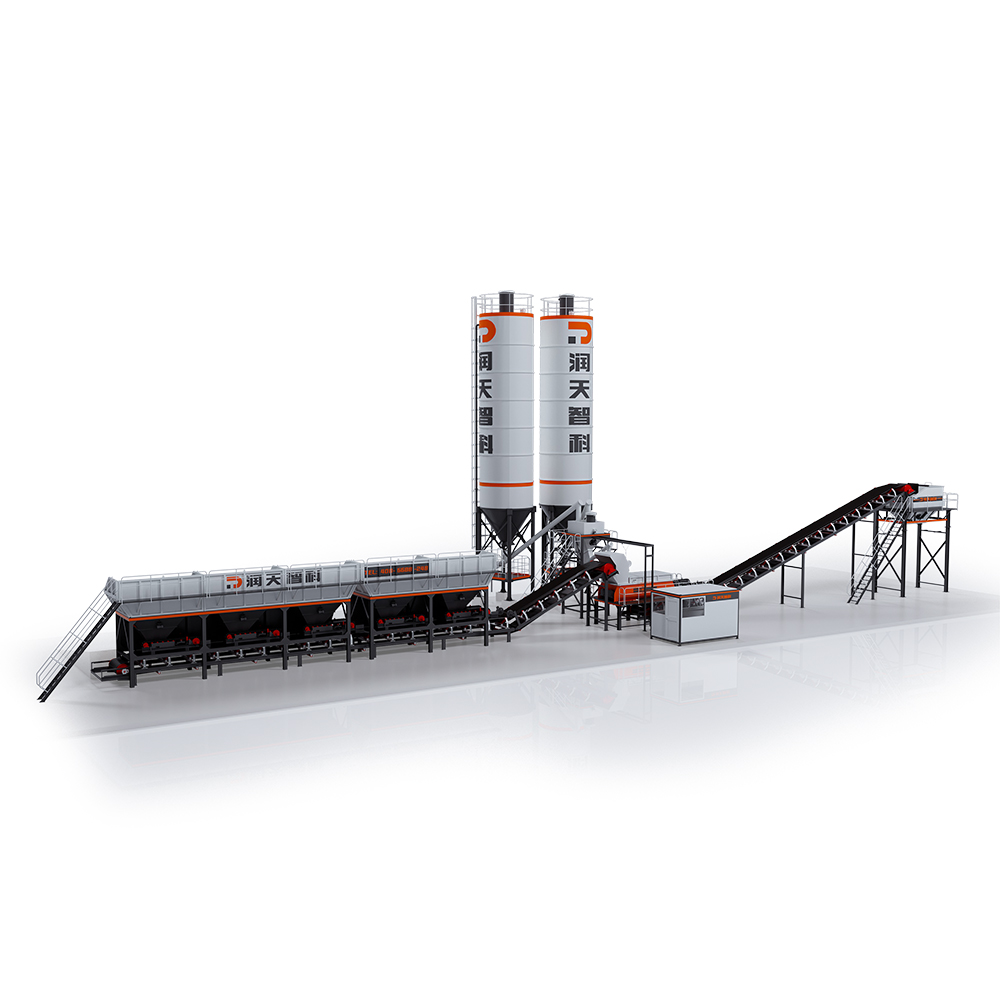 WDB Series Foundation-Free Stability Soil Mixing Plant
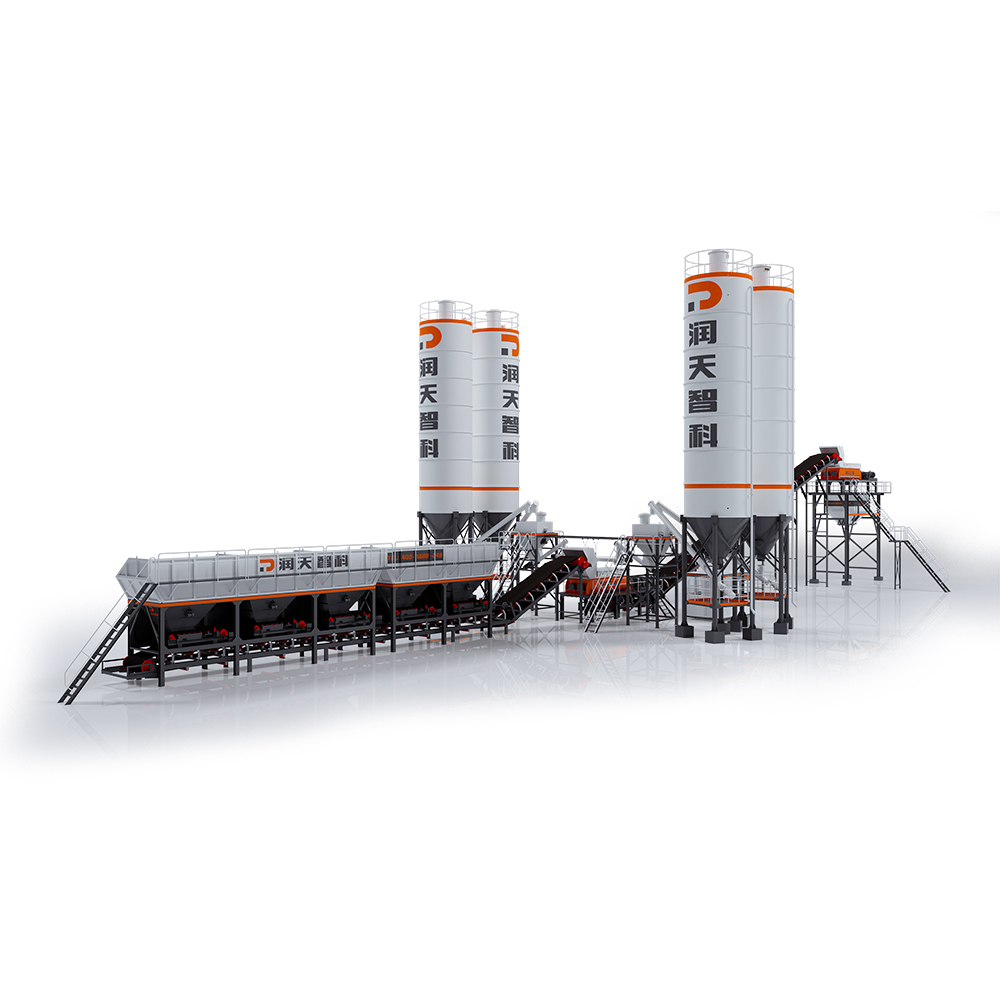 LCB Series Emulsified Asphalt Cold Regeneration Secondary Mixing Plant
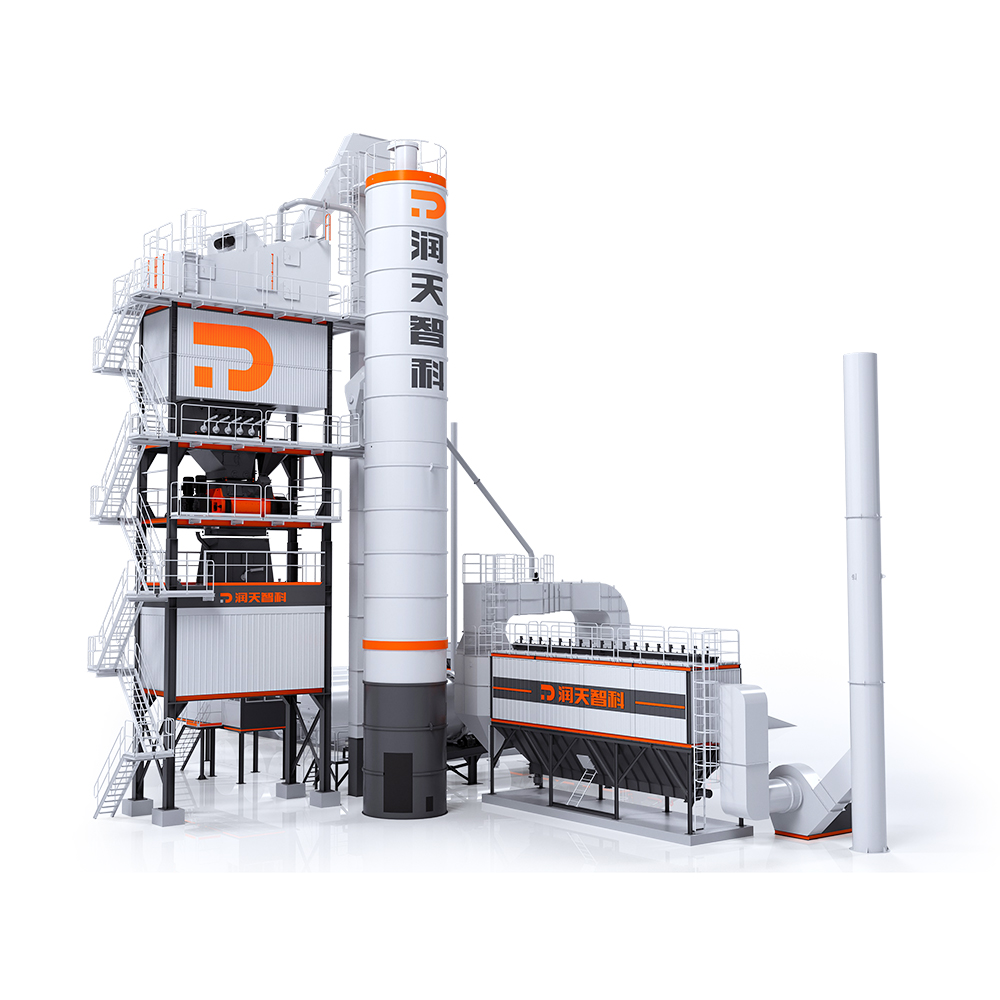 LB Series Asphalt Mixing Plant
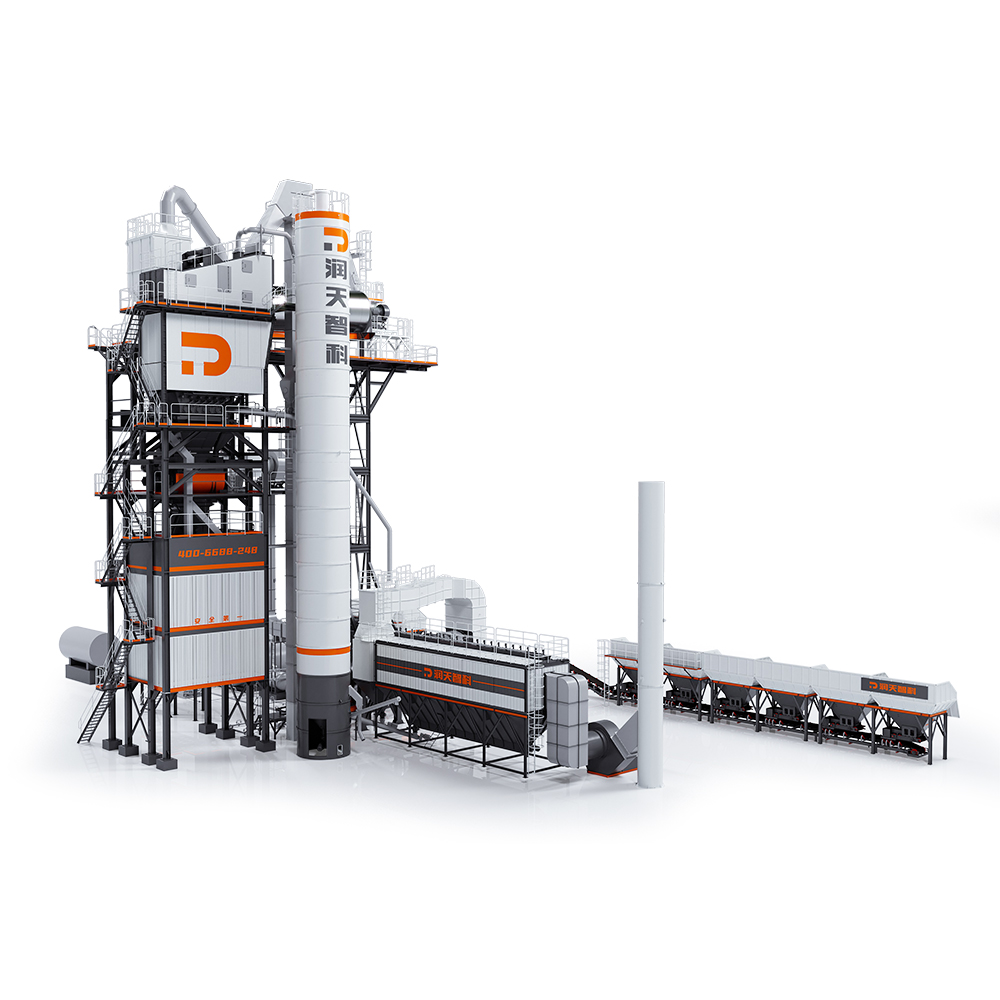 LBR Series Integrated Asphalt Mixing Plant
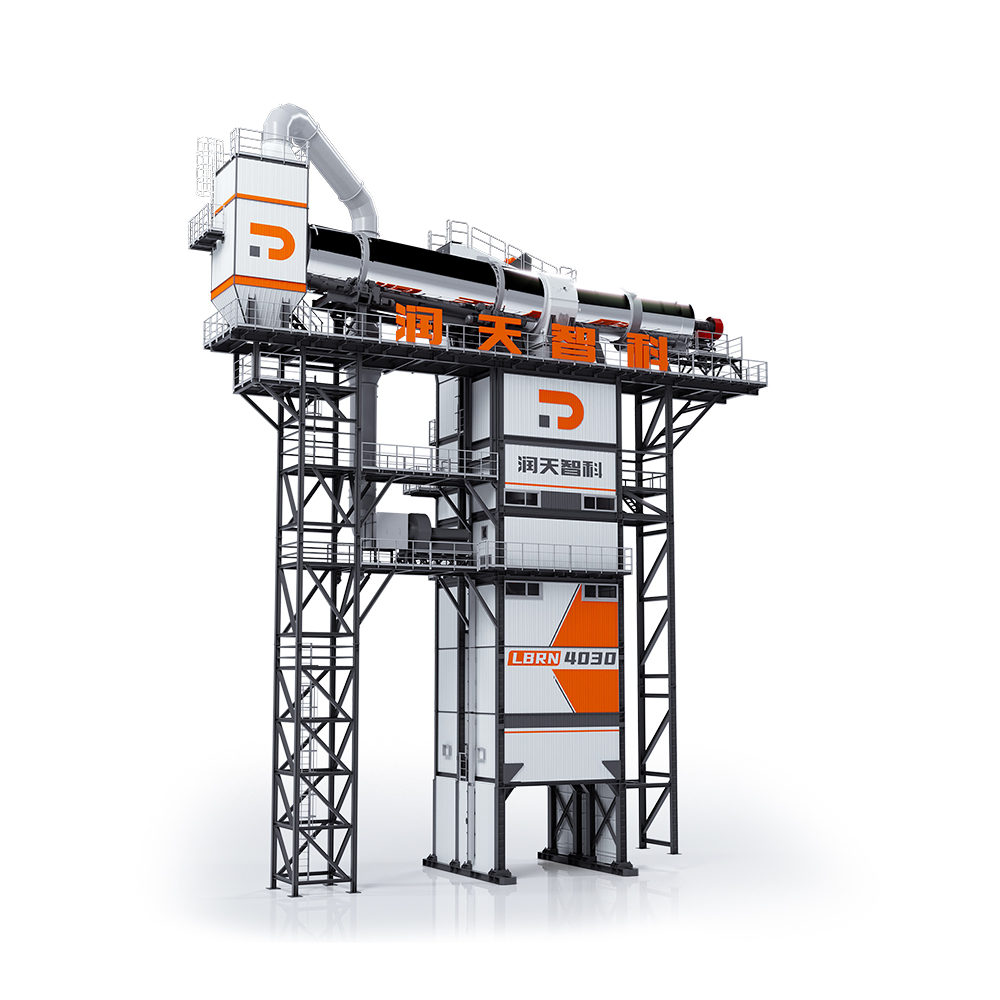 LBRN Series Counterflow Integral Asphalt Mixing Plant
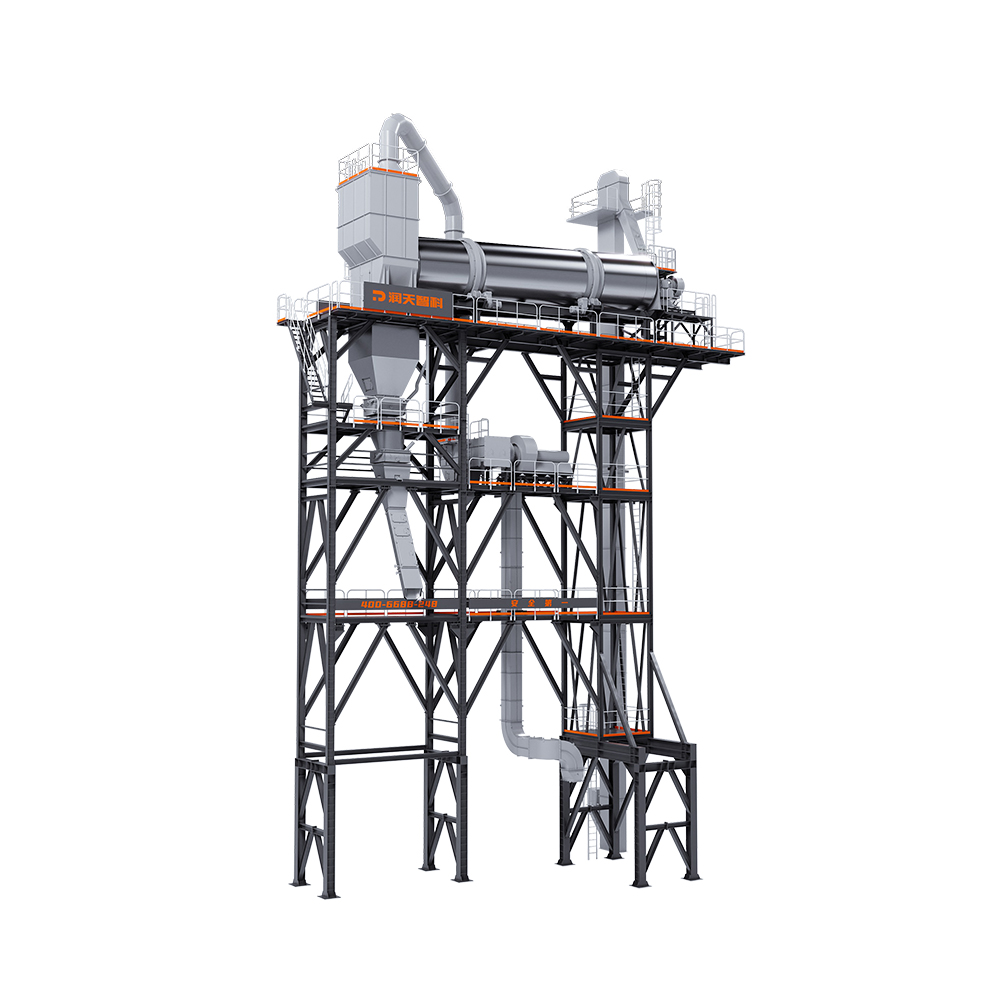 RZS Series Asphalt Mixing Plant
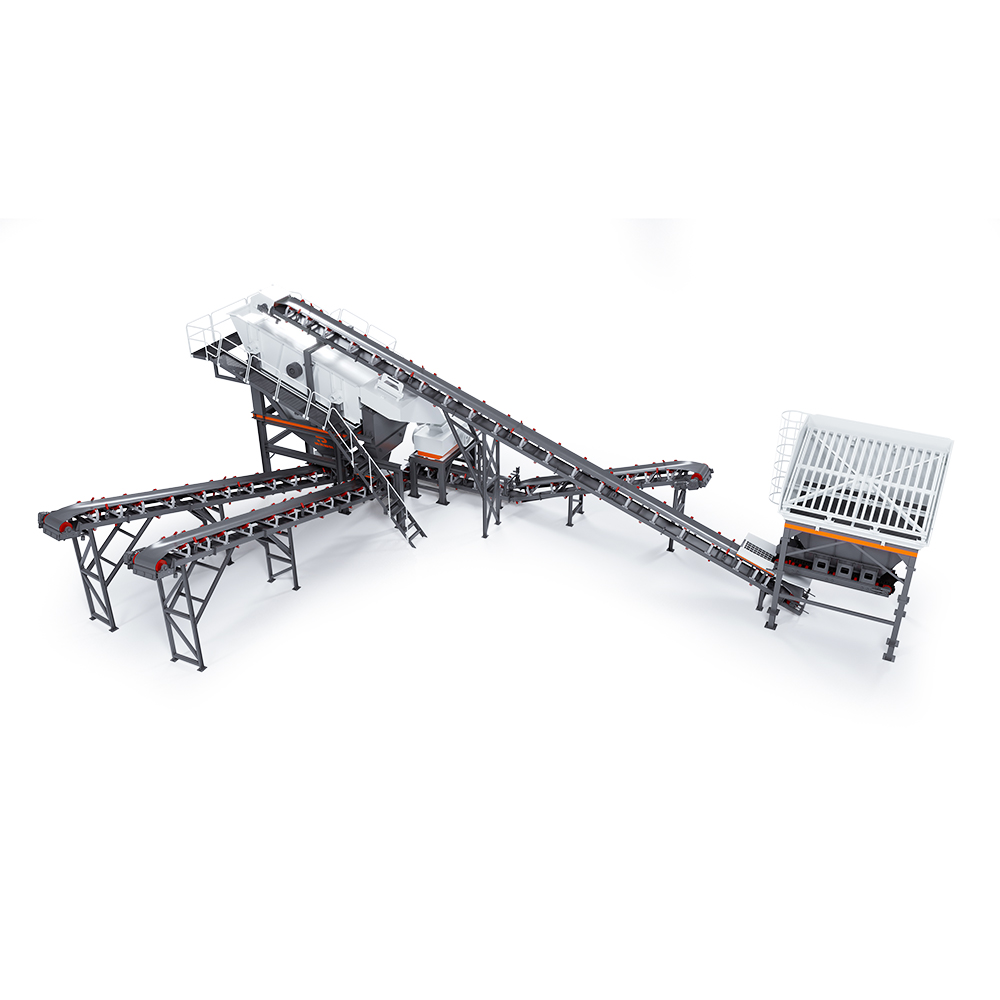 RTZS120 Series RAP Crushing & Screening Plant
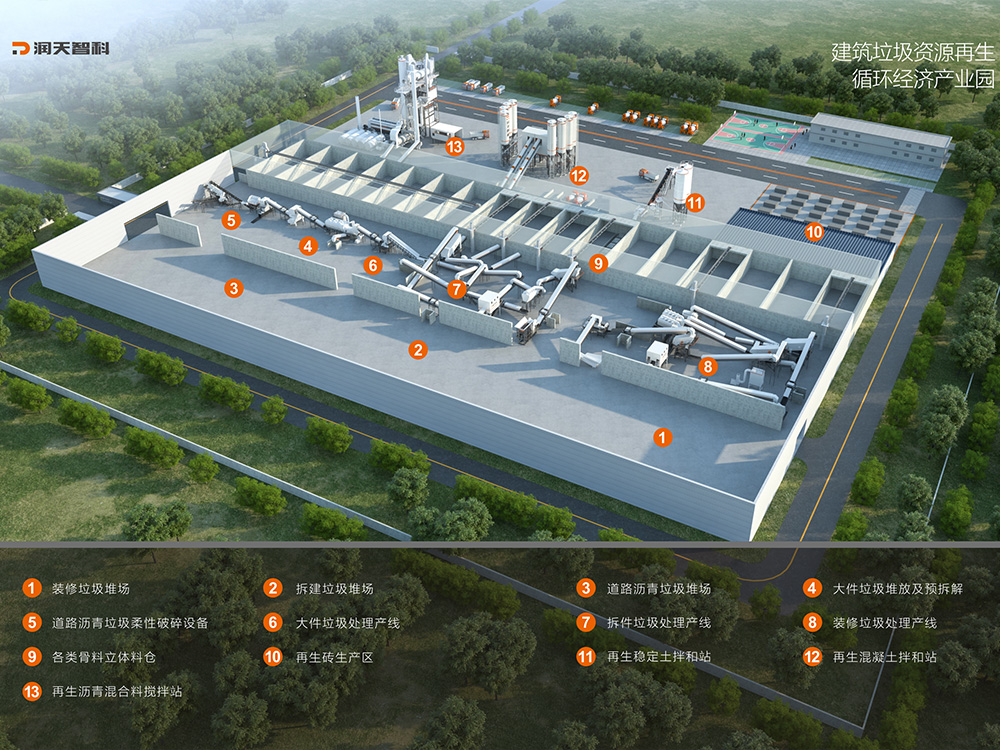 Construction Waste Resourceful Treatment Line