2026 Best Asphalt Mixing Plant Innovations and Trends to Watch?
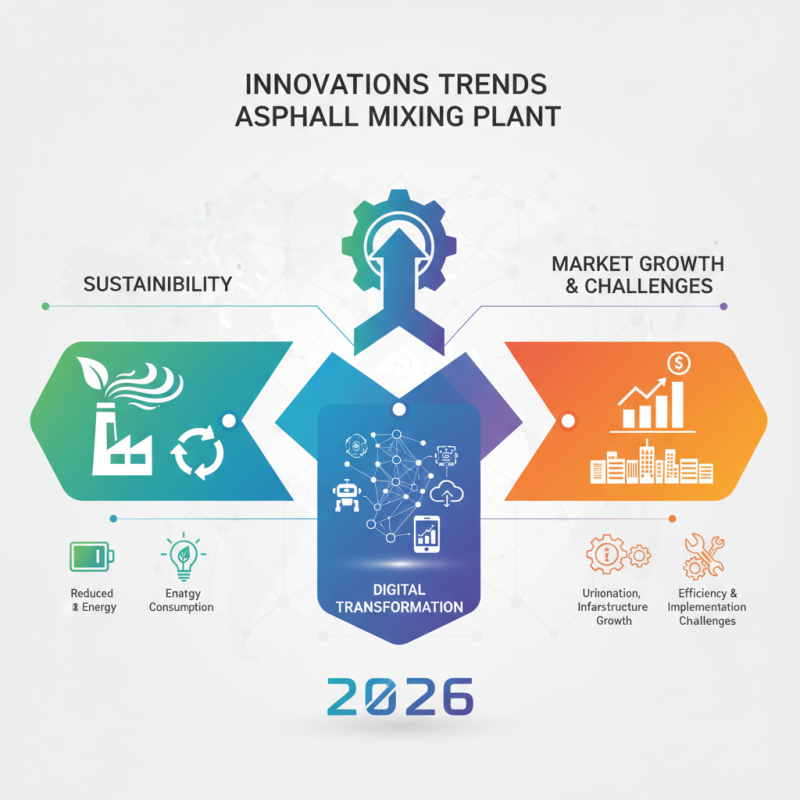
The asphalt mixing plant industry is constantly evolving. Innovations and trends emerge annually, shaping how asphalt is produced. According to a report by Market Research Future, the global asphalt mixing plant market is expected to reach USD 5.5 billion by 2026, driven by urbanization and infrastructure growth.
Sustainability is a significant trend. The demand for eco-friendly asphalt mixing plants is on the rise. New technologies are focusing on reducing emissions and energy consumption. However, many plants struggle to implement greener practices effectively. This raises questions about balancing efficiency with sustainability.
Additionally, digital transformation is impacting the asphalt mixing plant sector. Automation and IoT technologies improve production efficiency. Yet, some companies face challenges in integration and training. This situation highlights the need for continuous learning and adaptation in a rapidly changing industry. As we look ahead to 2026, these trends will shape the future of asphalt mixing plants significantly.
Emerging Technologies in Asphalt Mixing Plants for 2026
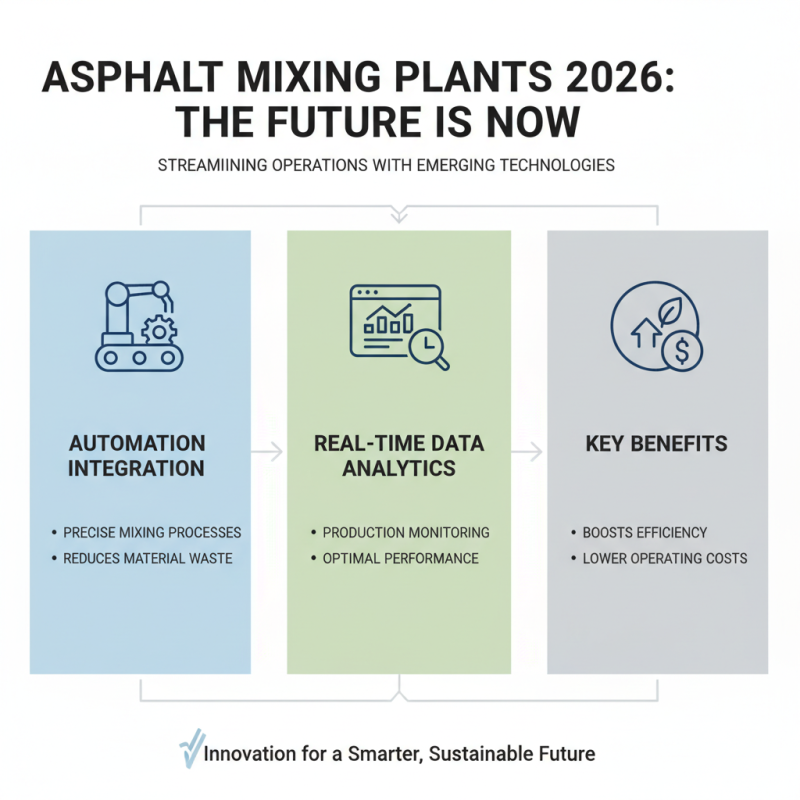
Asphalt mixing plants are undergoing significant transformations. The focus for 2026 is on emerging technologies that streamline operations. Many plants will integrate automation for precise mixing processes. This will reduce material waste and boost efficiency. Additionally, real-time data analytics will help monitor production, ensuring optimal performance.
Sustainability is also a key trend. Expect to see increased use of recycled materials. Plants that adopt warm-mix asphalt technology may reduce energy consumption significantly. This can lower the carbon footprint, making construction projects more eco-friendly. However, challenges persist. Not all regions are equipped for these advancements.
Innovation in safety measures is another area to explore. Enhanced features may protect workers during operations. However, the adoption rate varies. Some facilities may lag in implementing these safety upgrades. As the industry progresses, embracing these technologies will be essential for staying competitive.
Sustainable Practices in Asphalt Production: Trends to Adopt
Sustainable practices are vital in asphalt production. Recent reports indicate that the asphalt industry contributes about 6% to global greenhouse gas emissions. This highlight emphasizes the need for innovation. More companies are investing in technologies that reduce emissions and enhance recycling processes.
For instance, using warm mix asphalt (WMA) can lower production temperatures by 30-100°F. This helps to reduce energy consumption significantly. Some jurisdictions report WMA use has cut fuel usage by over 20%. However, the transition is not without challenges. Many plants lack the infrastructure for new materials, making it difficult to adopt these practices.
Recycling is another key trend. Over 90% of asphalt pavements are recycled in some regions, yet many facilities still struggle to reclaim old asphalt effectively. Integrating recycled materials requires careful planning. Engineers must balance performance and sustainability, which can often lead to trial and error. Adopting greener practices is not just a trend but a necessity for longevity and compliance.
Automation and Digitalization in Asphalt Mixing Processes
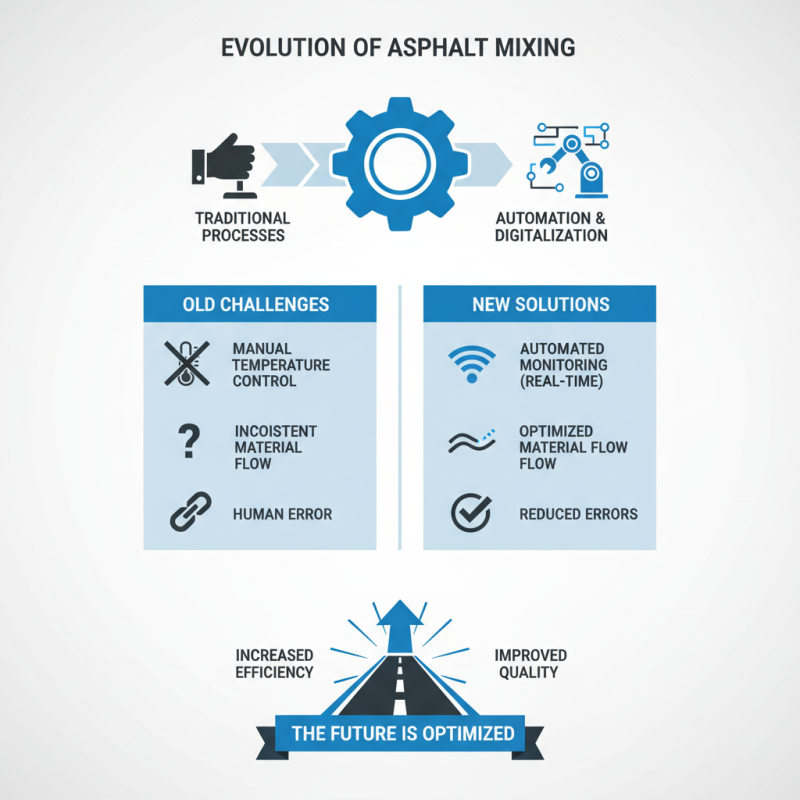
The asphalt mixing industry is undergoing significant changes, primarily driven by automation and digitalization. These advancements aim to optimize efficiency and reduce errors. Through automation, many processes are streamlined. For example, automated controls can monitor temperatures and material flow in real-time, thereby enhancing the quality of asphalt produced.
Digitalization plays a crucial role too. It allows for data collection and analysis, which can lead to insightful decisions. Asphalt plants can now utilize sensors to track performance metrics. However, the reliance on technology has its challenges. Cybersecurity risks are on the rise, and many facilities need better protection against potential breaches. Implementing these innovations requires careful planning and reflection on existing processes.
Moreover, training personnel to work with new technology is essential. Some staff may resist these changes, feeling overwhelmed by new systems. Continuous education can help bridge this gap. Overall, while automation and digitalization present powerful opportunities for improvement, the path to full integration can be complex. Each plant must weigh the benefits against the hurdles they face.
Enhancements in Energy Efficiency and Emission Control Technologies
The asphalt industry is moving forward with significant enhancements in energy efficiency and emission control technologies. According to a recent report by Research and Markets, energy-efficient asphalt mixing plants can reduce fuel consumption by up to 30%. This reduction leads to lower operational costs, which is essential for businesses aiming to remain competitive.
In addition to energy savings, emission control technologies are crucial. A study by the National Asphalt Pavement Association highlighted that modern plants equipped with advanced filtration systems can lower harmful emissions by as much as 40%. This is a remarkable improvement that meets stricter regulatory standards while promoting environmental sustainability.
However, not all innovations are flawless. Some technologies may increase complexity and maintenance needs. There’s also the concern that while emissions drop, energy use in other areas may rise. Companies must evaluate the entire lifecycle and cost-effectiveness of these innovations. Balancing the benefits with potential setbacks is critical as the industry progresses.
2026 Best Asphalt Mixing Plant Innovations and Trends to Watch
| Innovation/Trend |
Description |
Impact on Efficiency |
Emission Control |
| Warm Mix Asphalt |
Technology that lowers mixing temperatures, reducing energy use. |
Improves energy efficiency by up to 30%. |
Significantly reduces greenhouse gas emissions. |
| Recycled Asphalt Pavement (RAP) |
Utilizes old asphalt in new mix, promoting sustainability. |
Enhances material efficiency and cost-effectiveness. |
Reduces waste and lowers emissions during production. |
| Modular Asphalt Plants |
Portable designs for flexibility in operations and site changes. |
Minimizes setup time and energy consumption. |
Lower emissions due to reduced transport distances. |
| Digital Control Systems |
Smart technology for real-time monitoring and adjustments. |
Improves operational efficiency and reduces material waste. |
Helps in meeting compliance through better monitoring. |
| Energy Recovery Systems |
Systems that recover and reuse heat produced during mixing. |
Enhances energy efficiency significantly. |
Contributes to lowered total emissions from plants. |
Key Industry Players Driving Innovation in Asphalt Mixing Equipment
The asphalt mixing plant industry is witnessing significant innovation. Key players are driving this trend forward with enhanced technologies aimed at improving efficiency and sustainability. According to a recent report by the Global Asphalt Mixing Plant Market, the segment is expected to grow by 4.5% annually through 2026. This growth is fueled by a rising demand for eco-friendly solutions.
New developments focus on automation and data integration. Many companies are now implementing IoT technologies. This allows real-time monitoring of the mixing process, improves precision, and reduces waste. However, not all players are keeping pace. Some are still reliant on outdated methods, thus missing out on potential cost savings.
Furthermore, the shift towards warm-mix asphalt reflects a critical trend. This innovation can lower emissions by up to 30%. Yet, challenges remain in terms of widespread adoption. Some smaller operators struggle with initial investment costs for new equipment. Industry reports suggest that overcoming these hurdles is essential for maintaining a competitive advantage.

 Concrete Mixing Plant
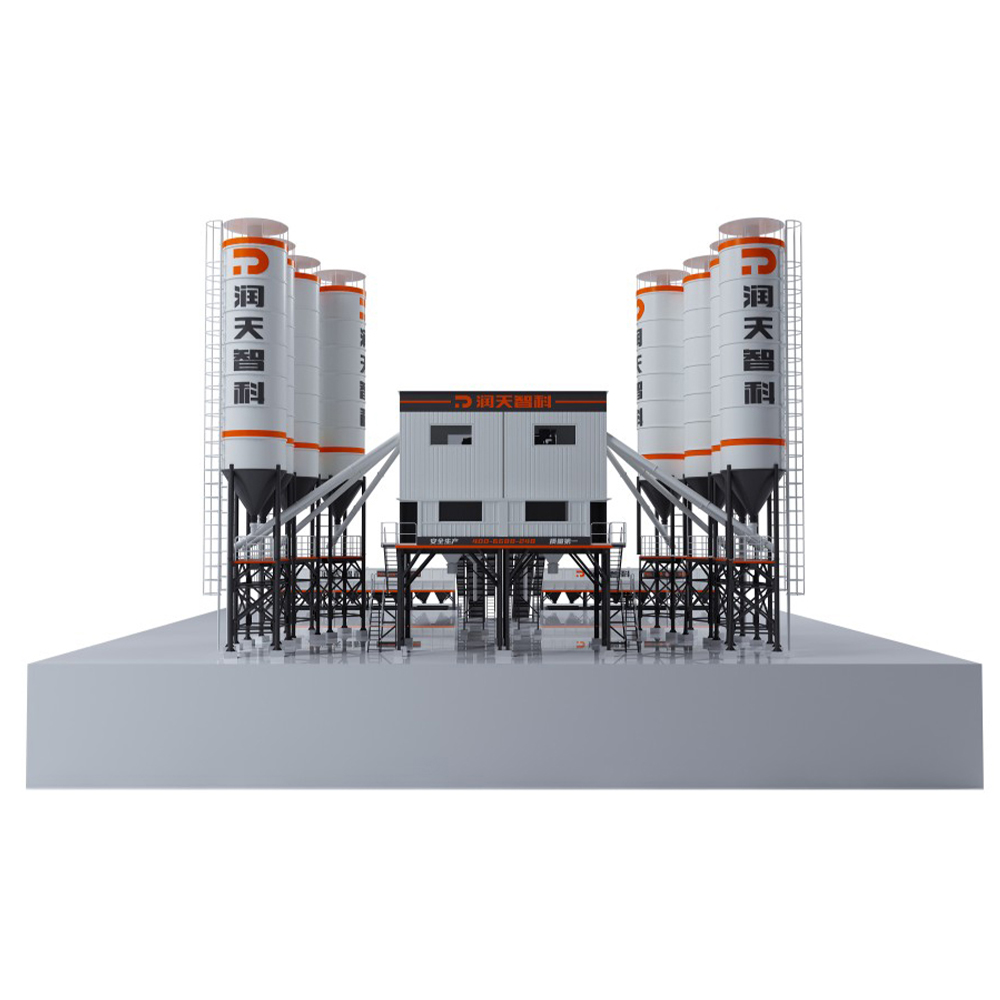 HZS Series Belt Concrete Mixing Plant
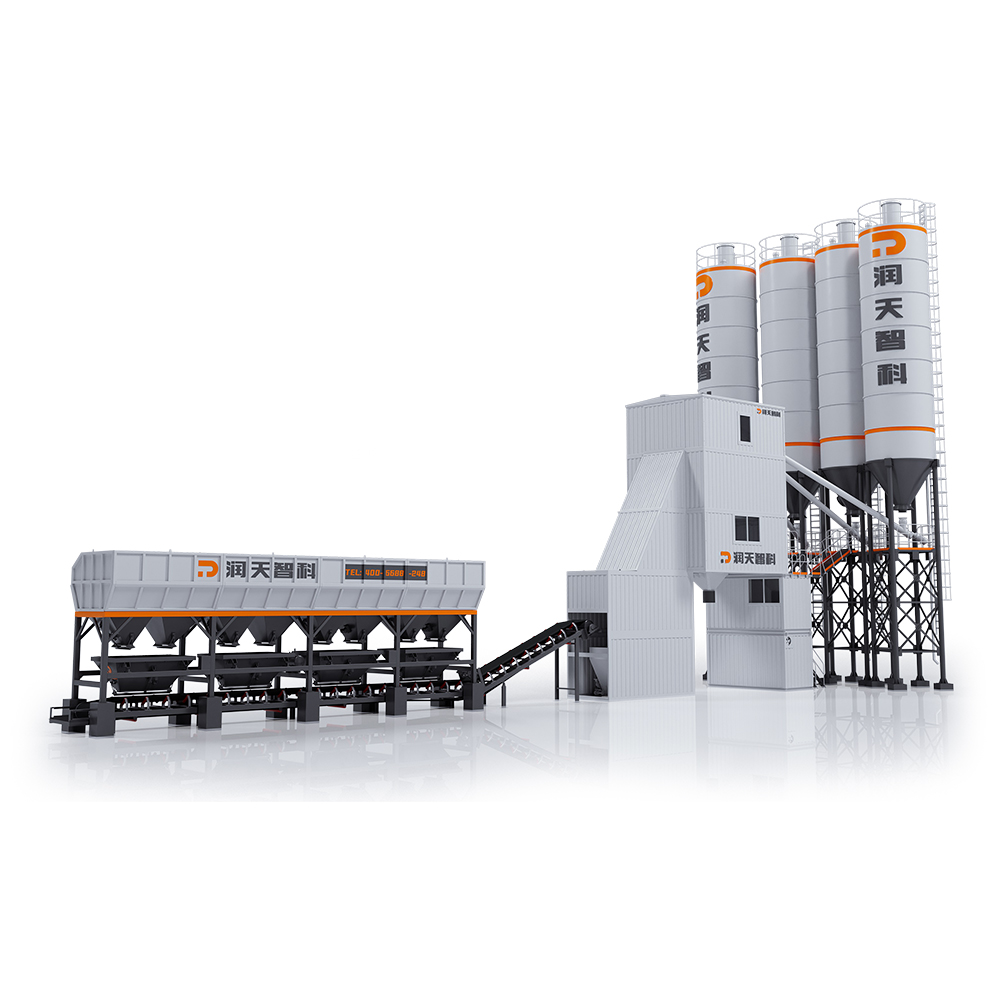 HZS Series Bucket-Lifting Type Container Concrete Mixing Plant
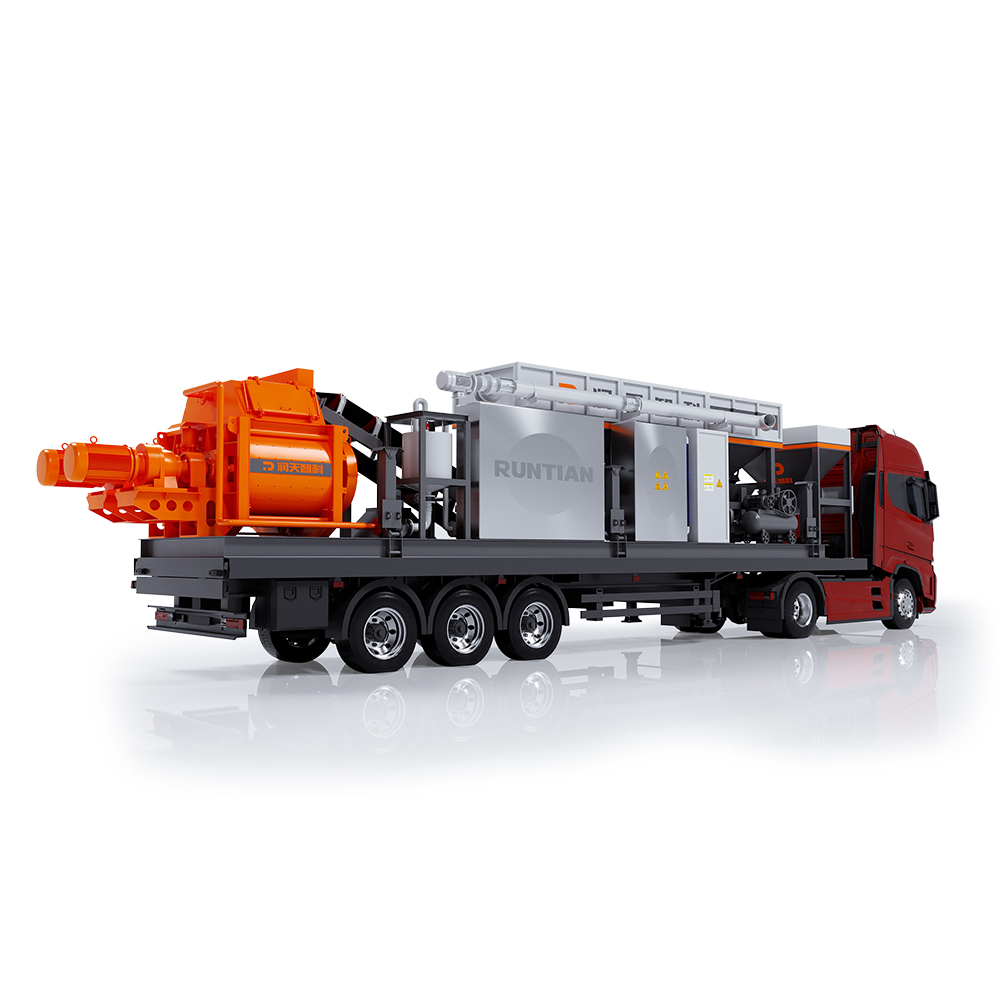 HZS60 Mobile Concrete Mixing Plant
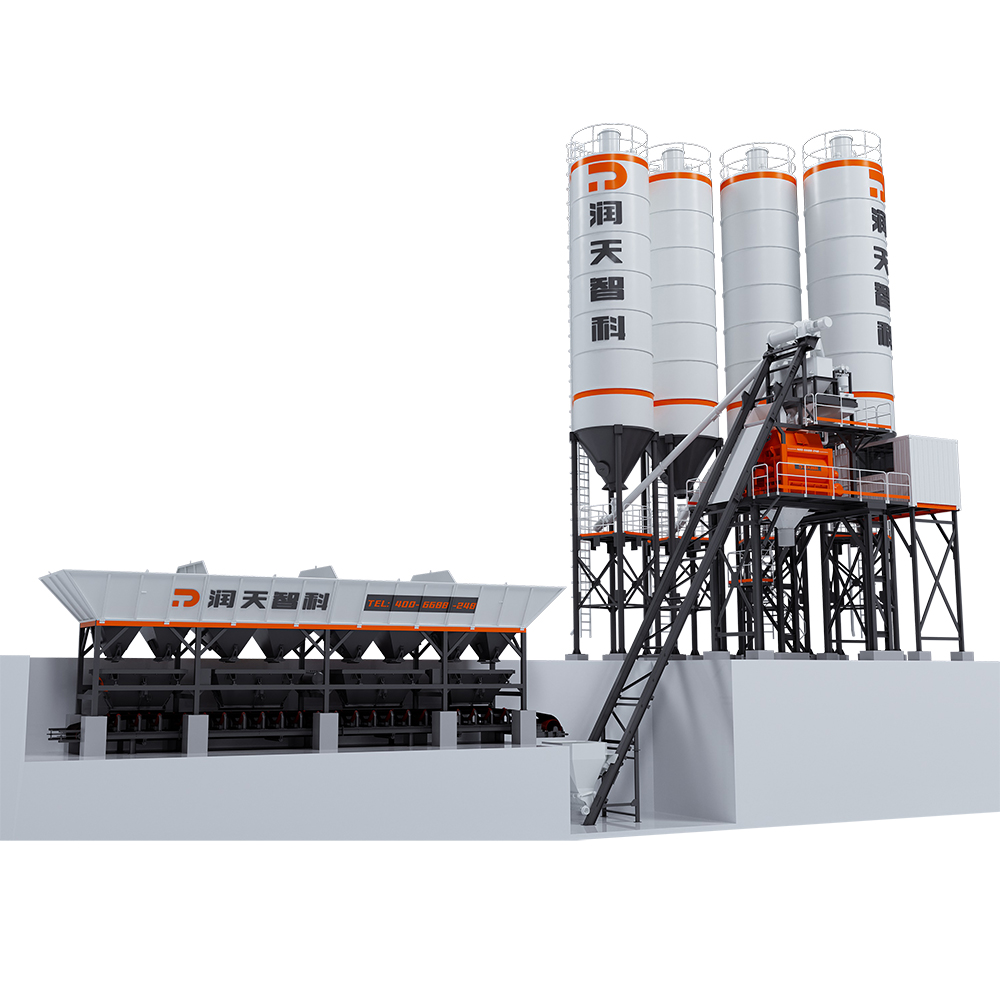 HZS Series Bucket-Lifting Type Concrete Mixing Plant
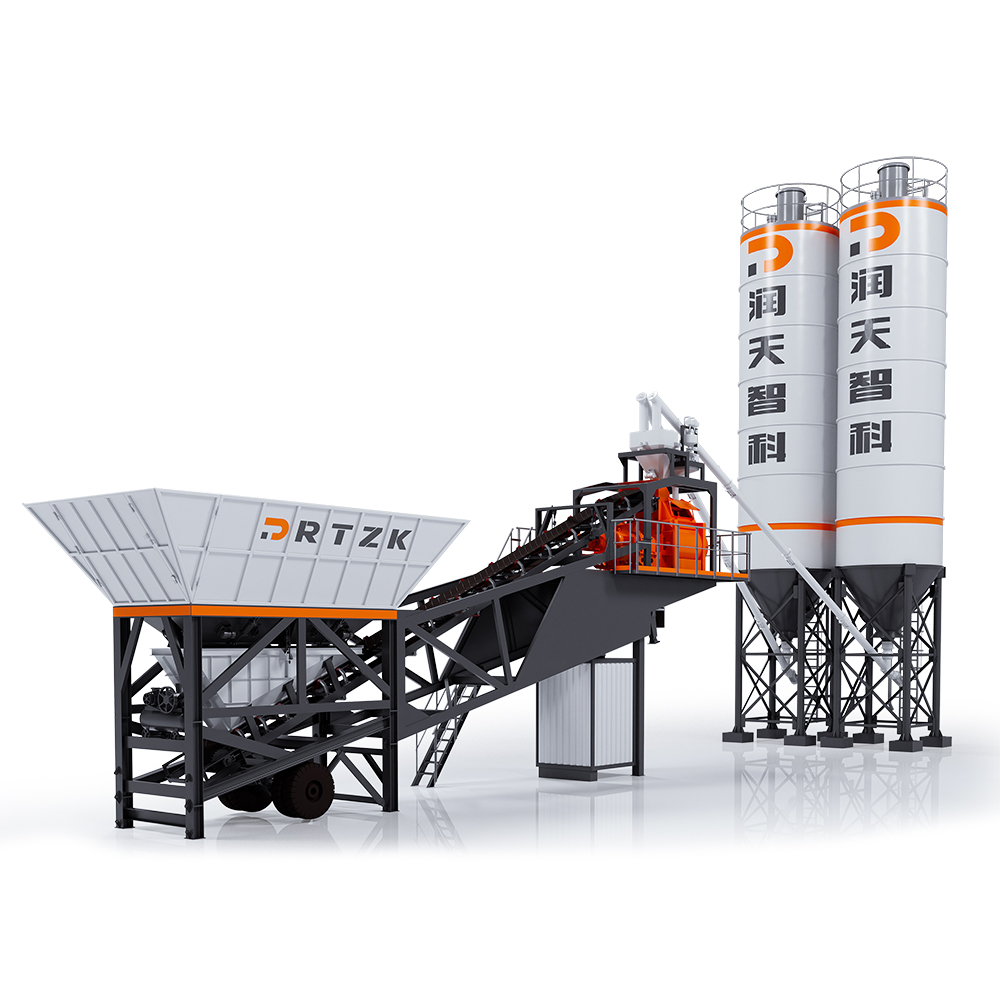 HZS Series Mobile Concrete Mixing Plant
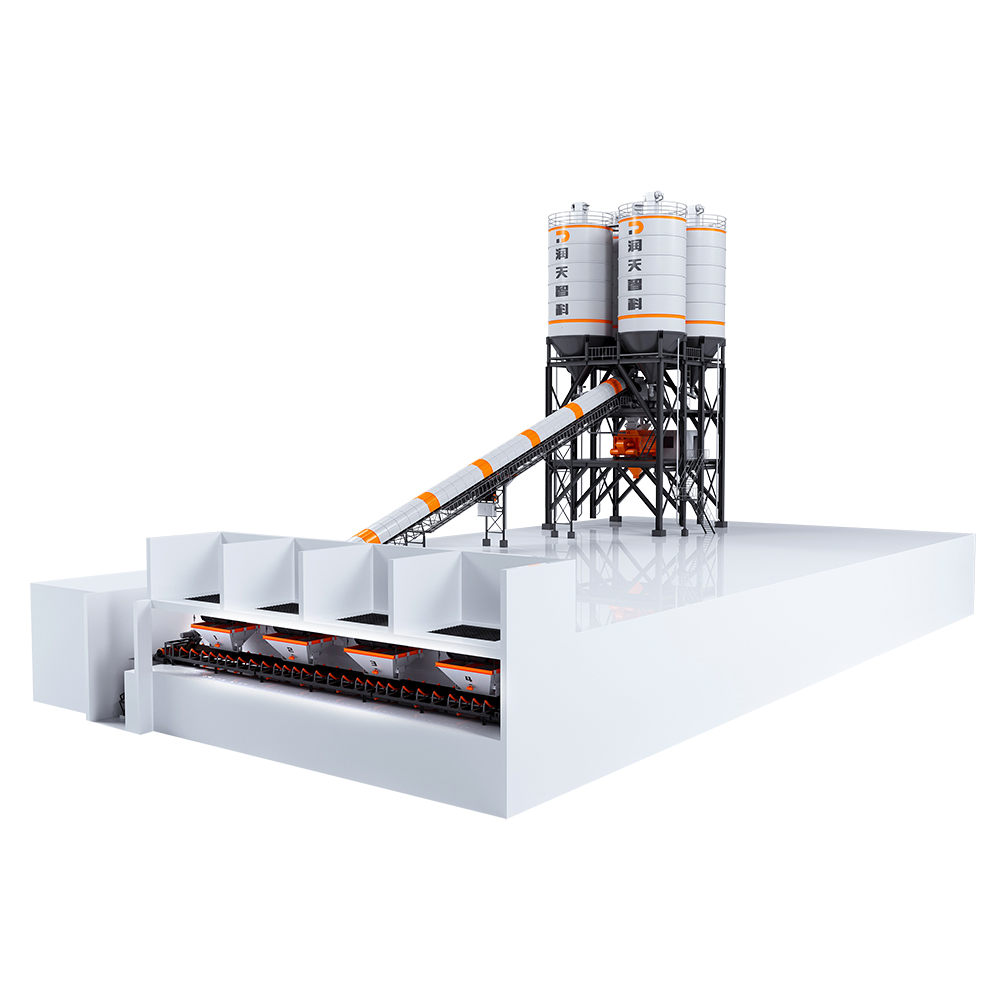 HZS Series Top-Mounted Concrete Mixing plant
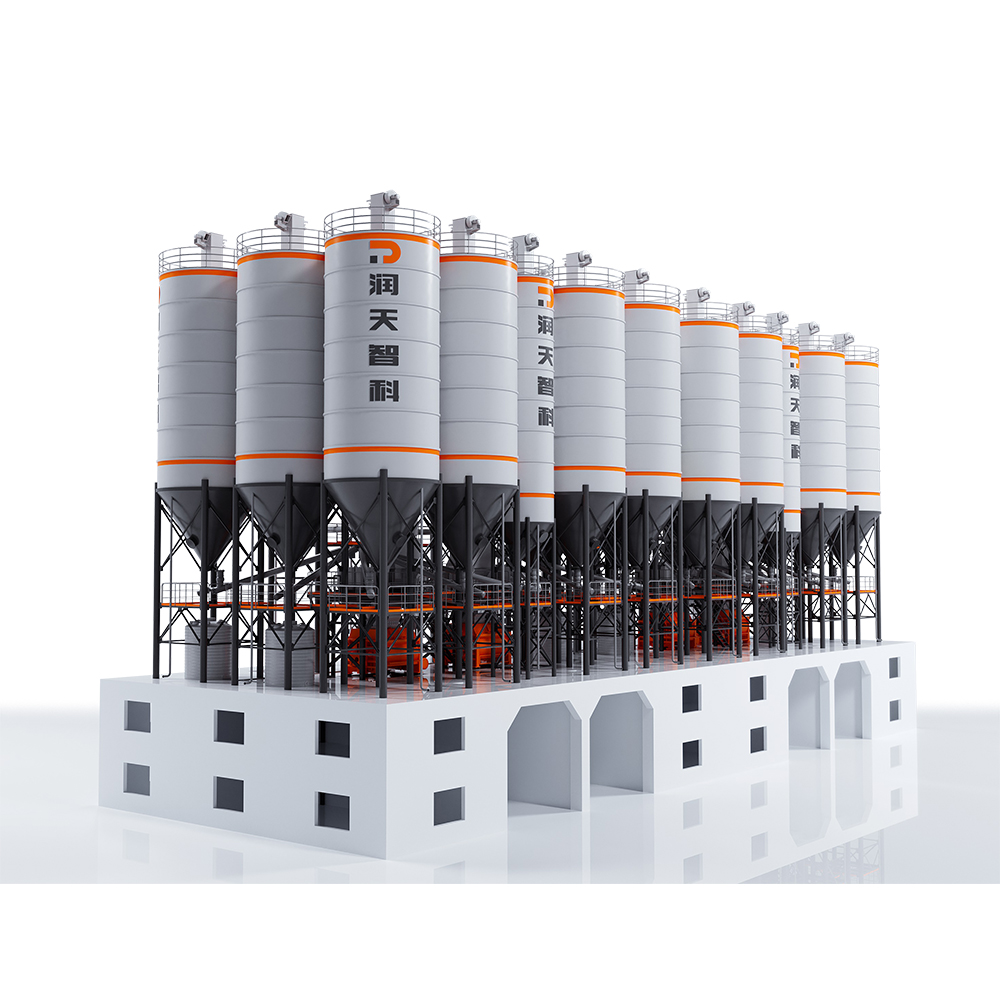 HZS Series Semi-Top Mounted Concrete Mixing Plant
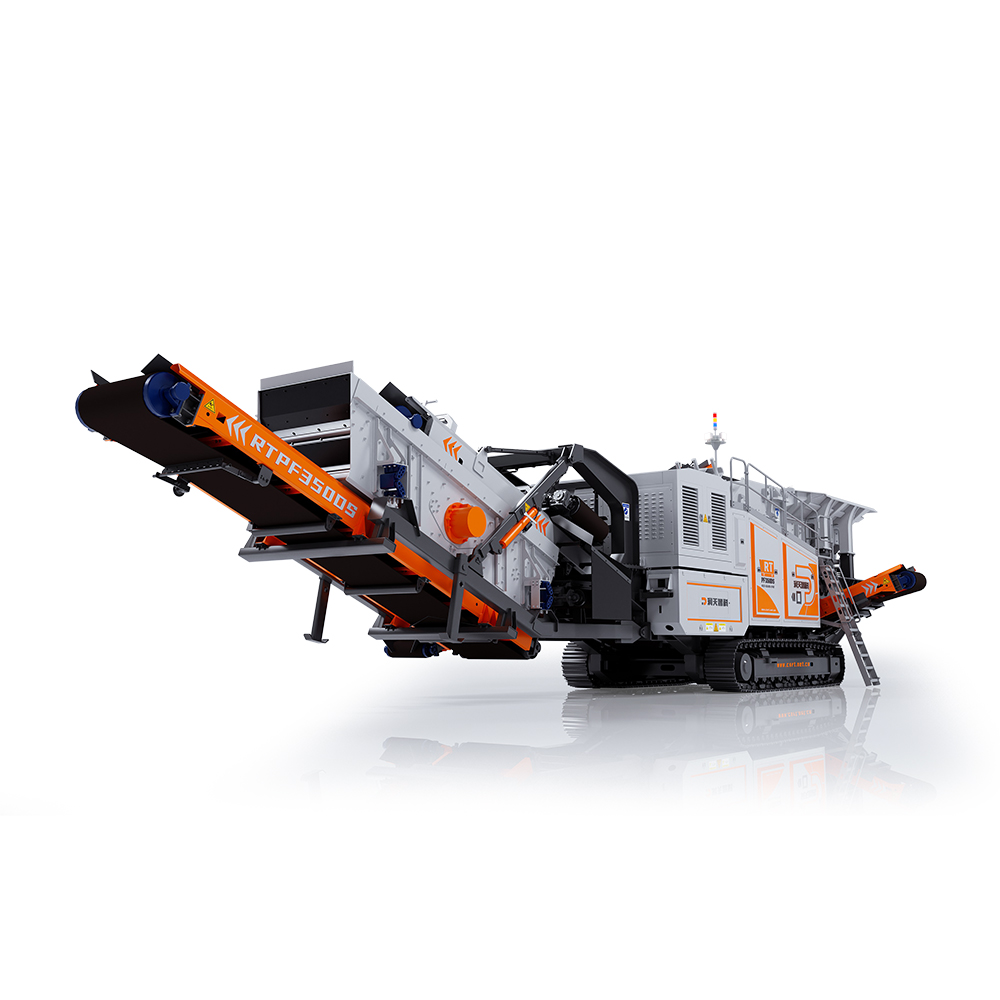 RTPF350DS Crawler Mobile Impact Crushing Plant
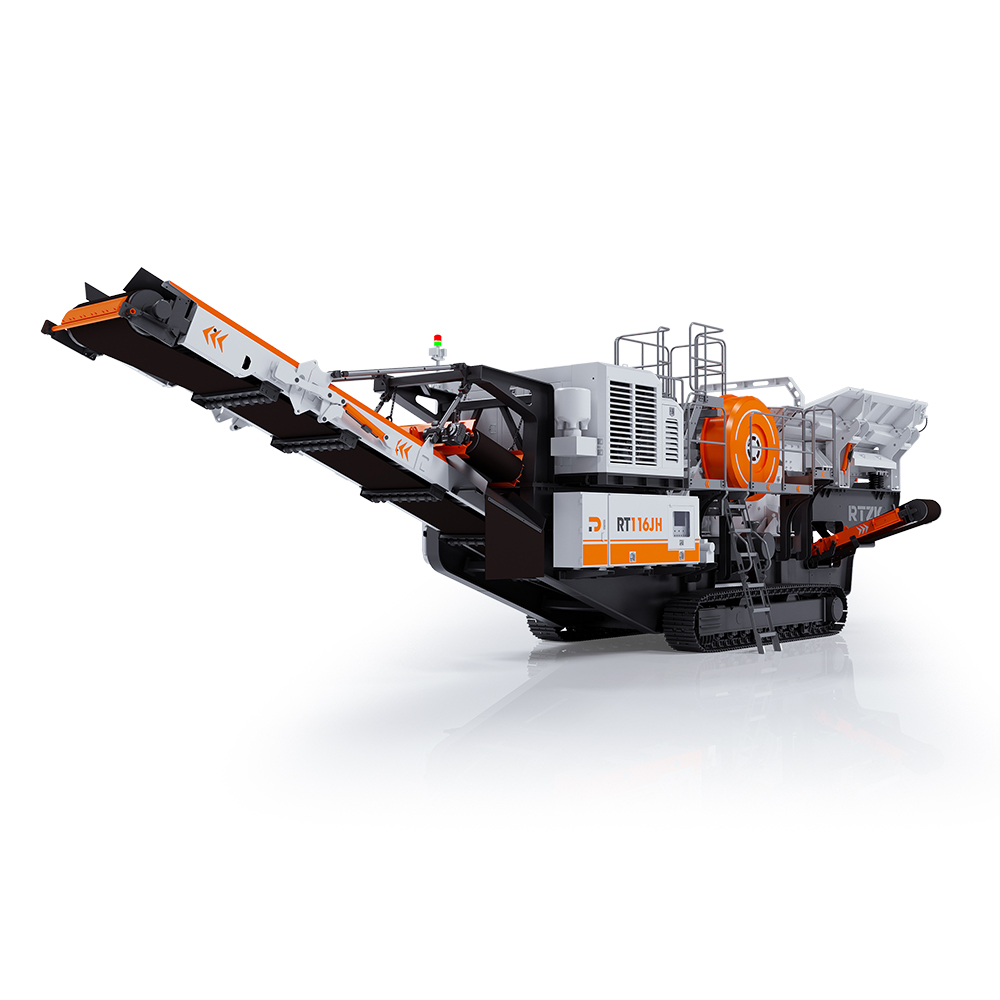 RT116JH Crawler Mobile Jaw Crushing Plant
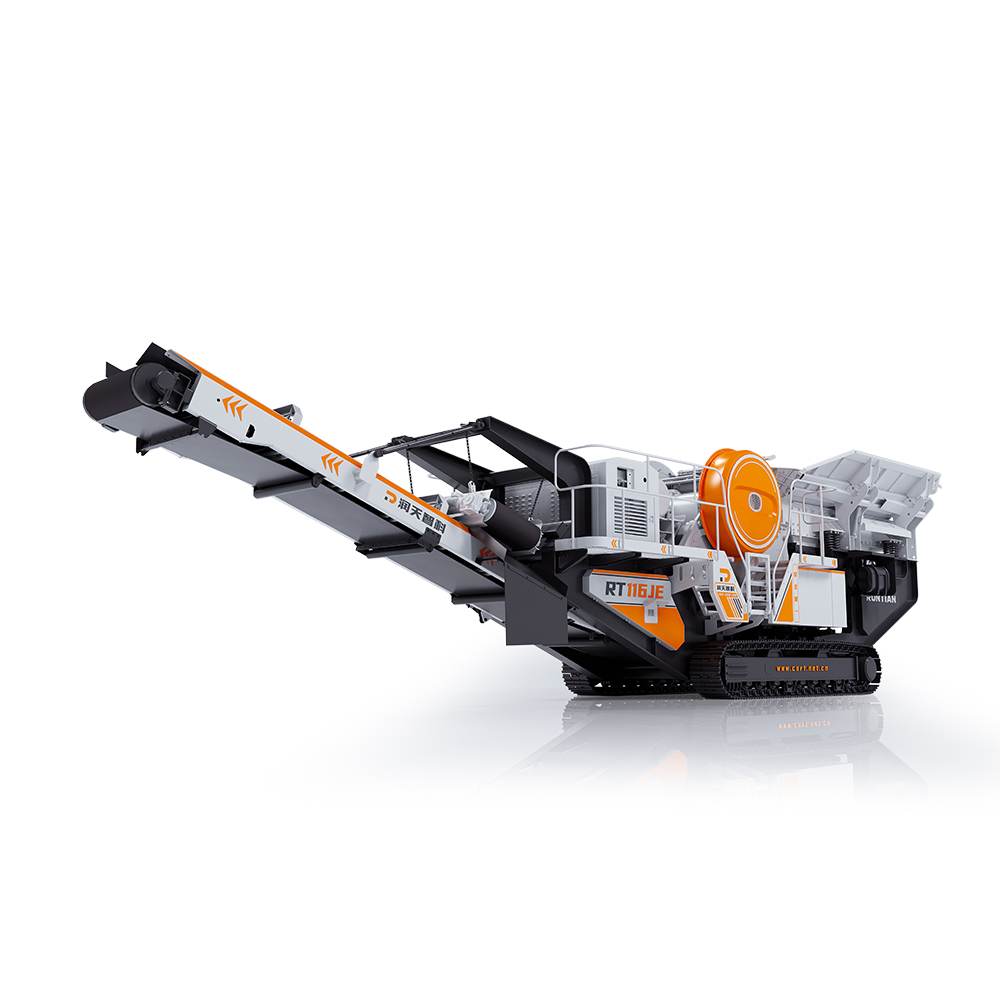 RT116JE Crawler Mobile Jaw Crushing Plant
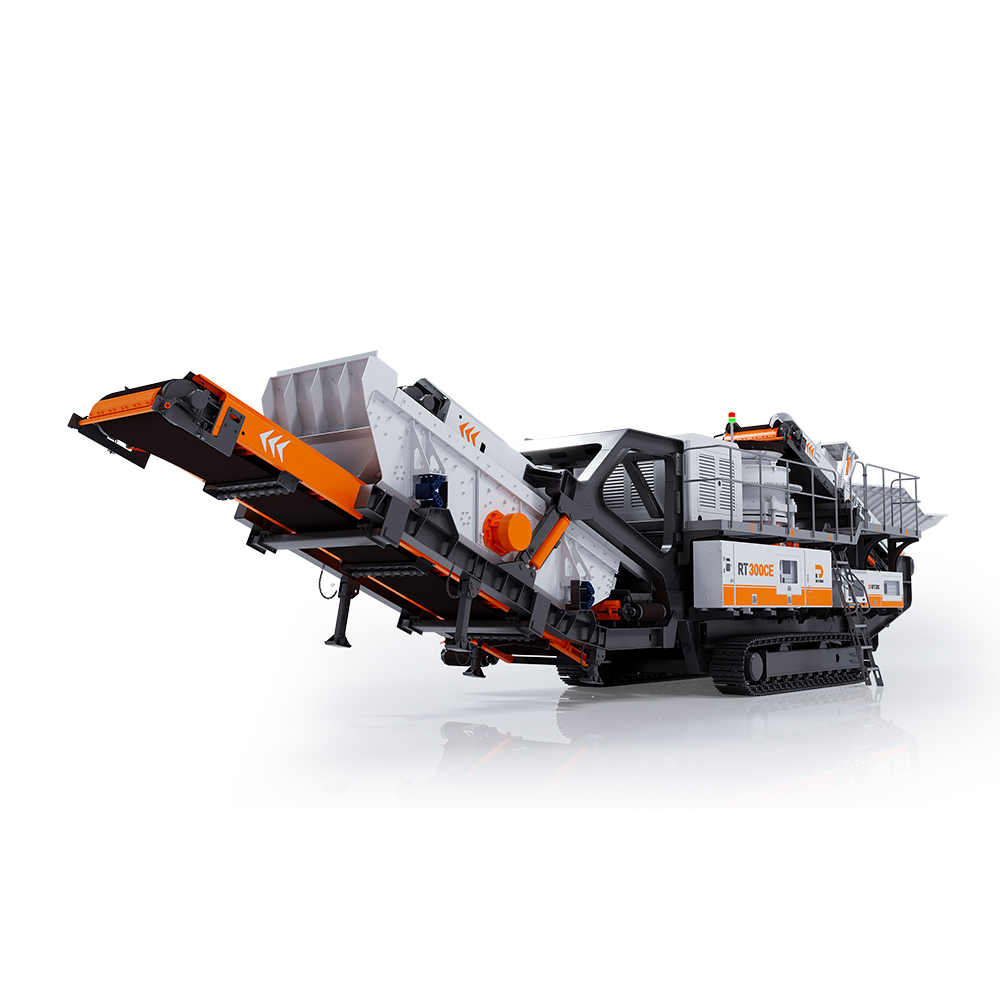 RT300CE Crawler Mobile Cone Crushing Plant
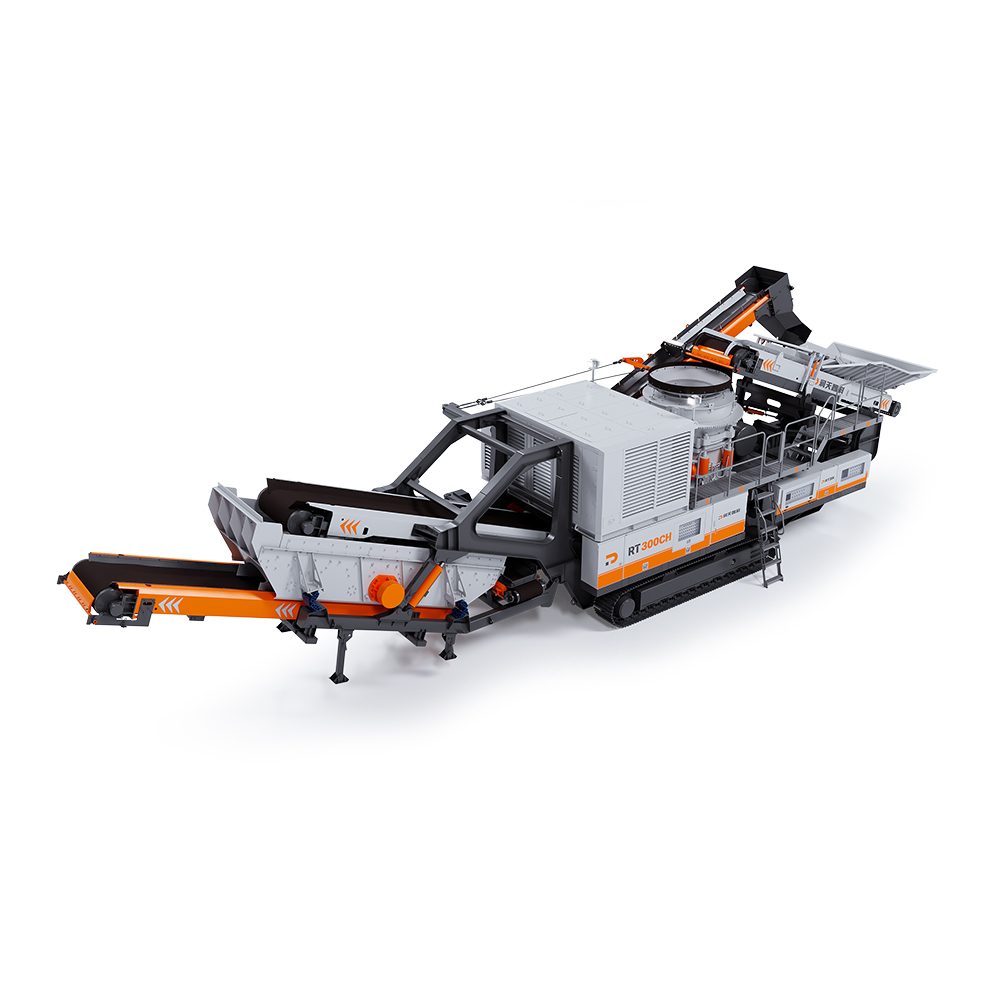 RT300CH Crawler Mobile Cone Crushing Plant
 RT5015H Mobile Scalping Screen
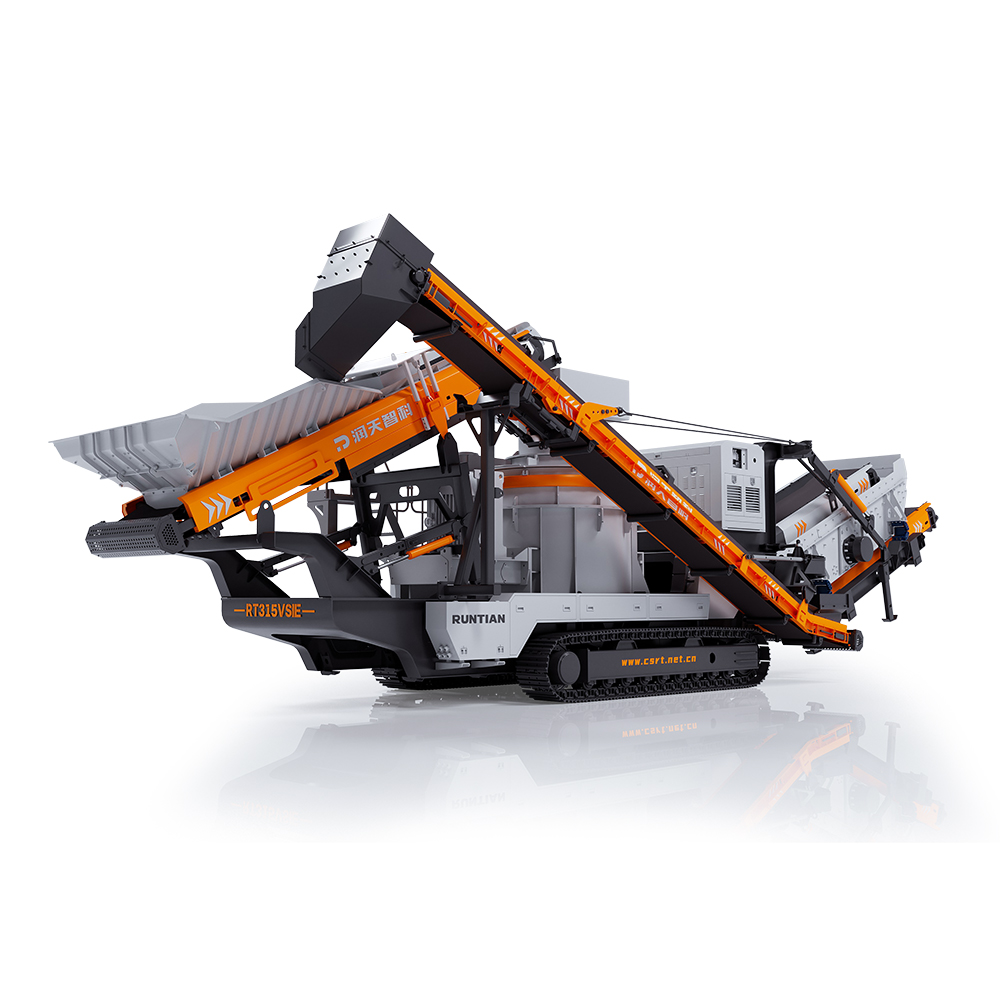 RT315VSIE Crawler Mobile Sand Maker
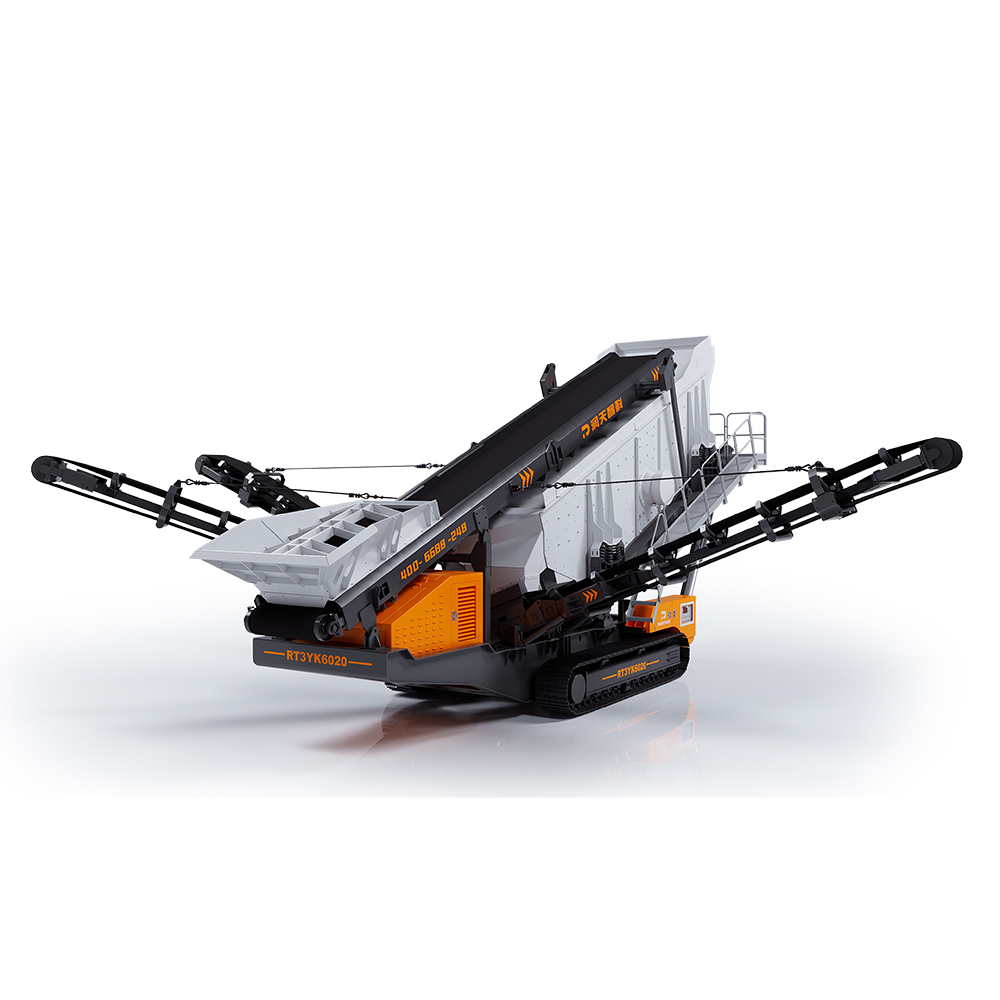 RT3YK6020 Crawler Mobile Screening Plant
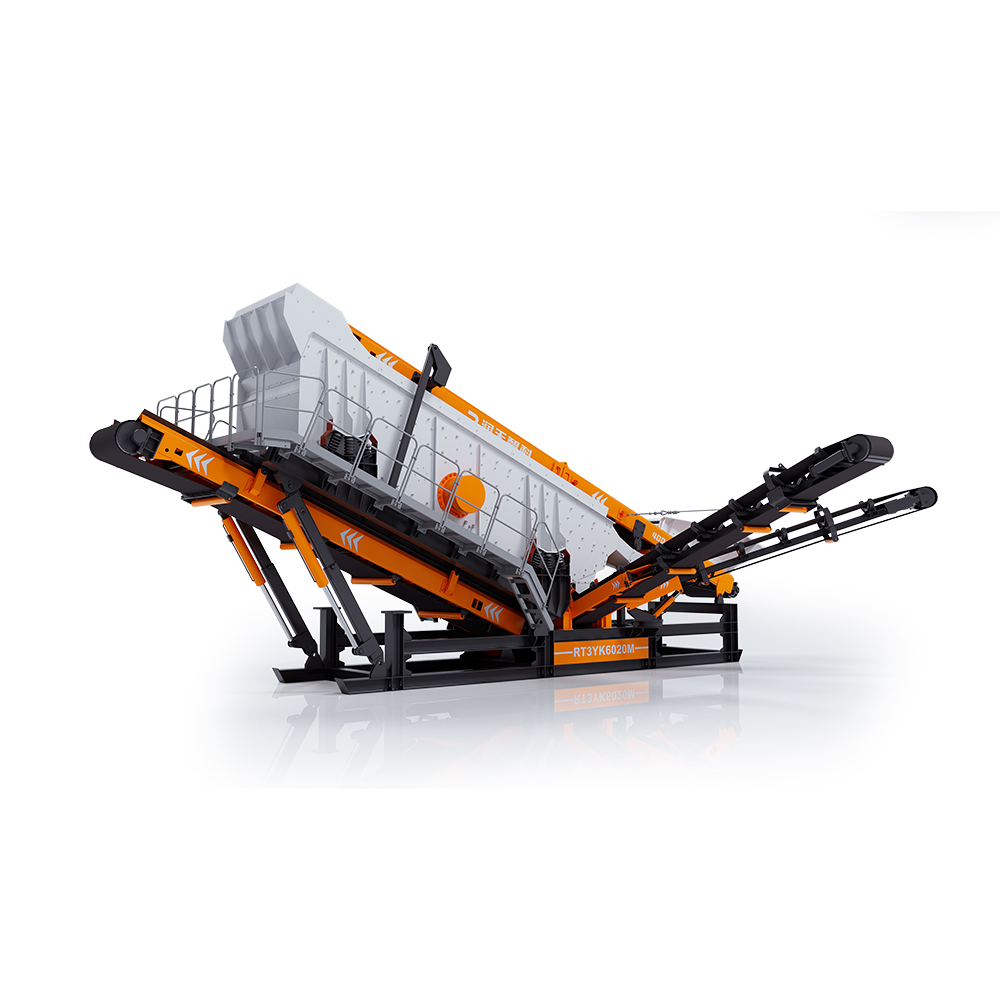 RT3YK6020M Modular Screening Plant
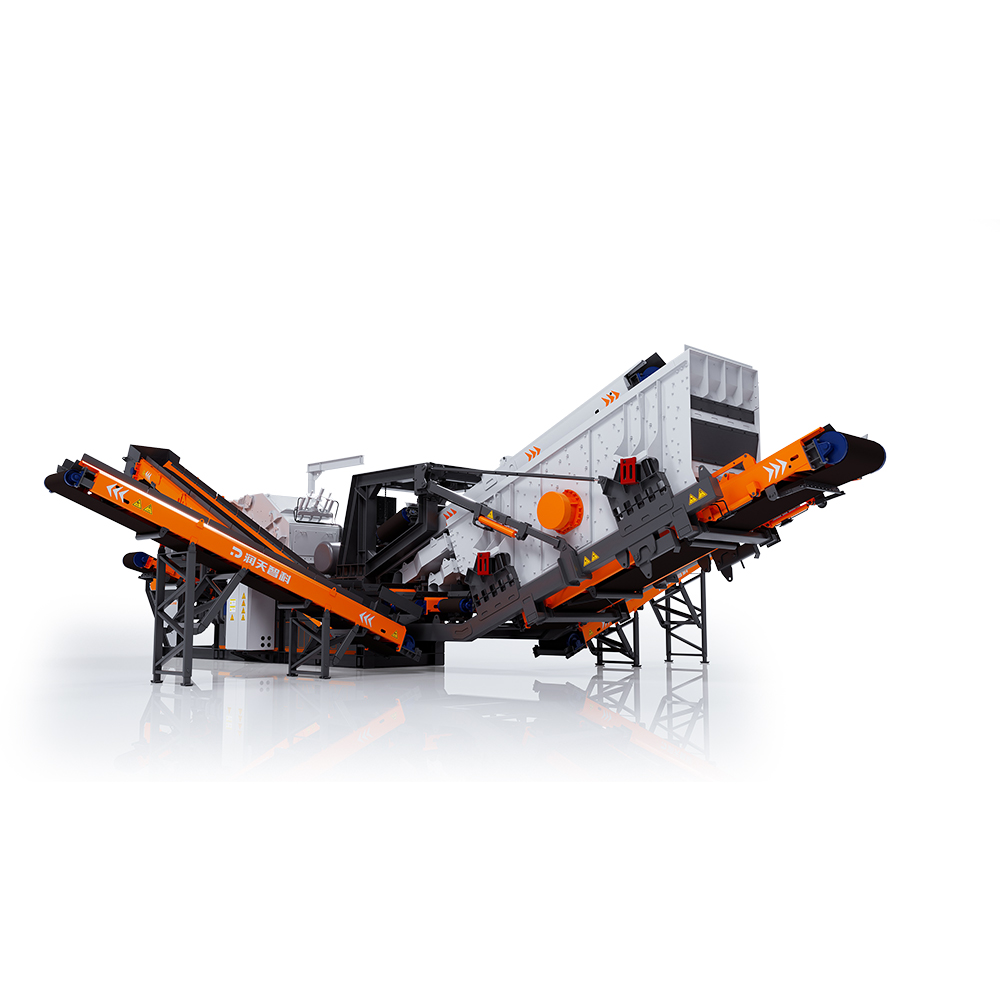 RTF260M Modular Counterattack Crushing and Screening Integrated Machine
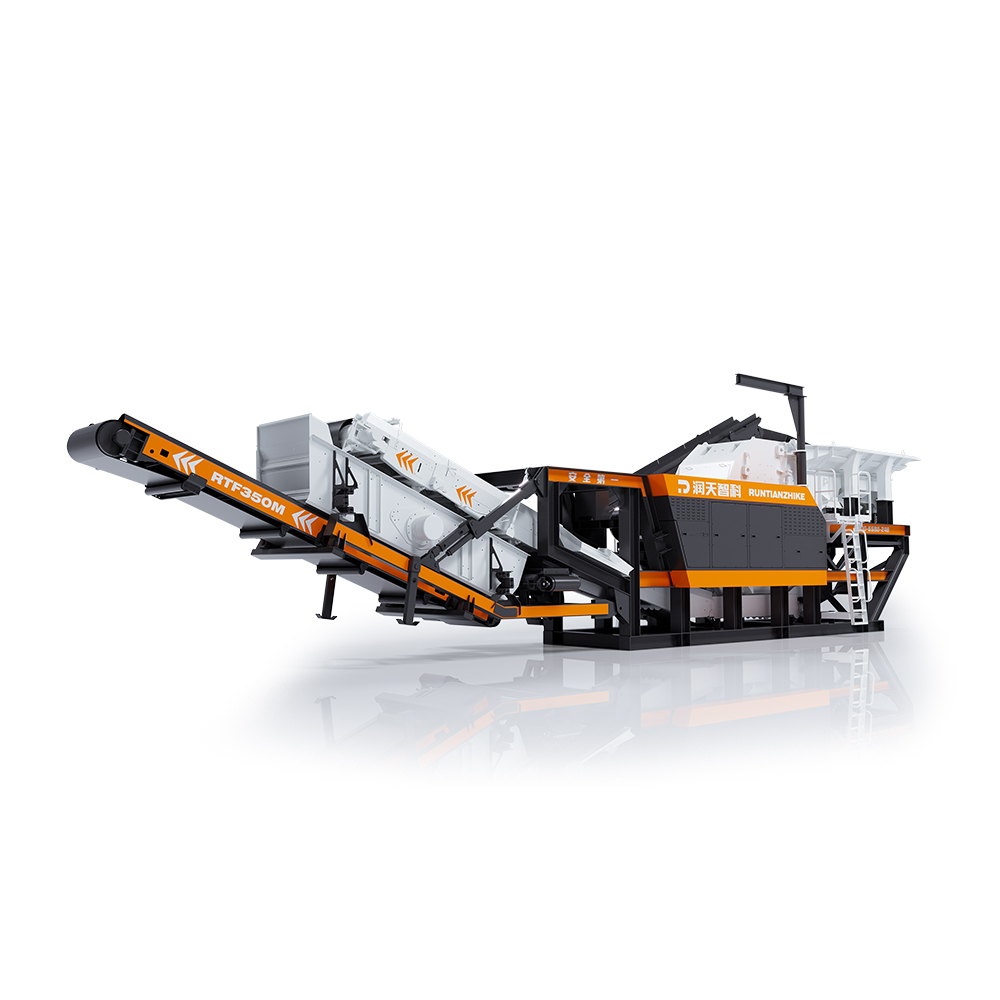 RTF350M Modular Impact Crushing Plant
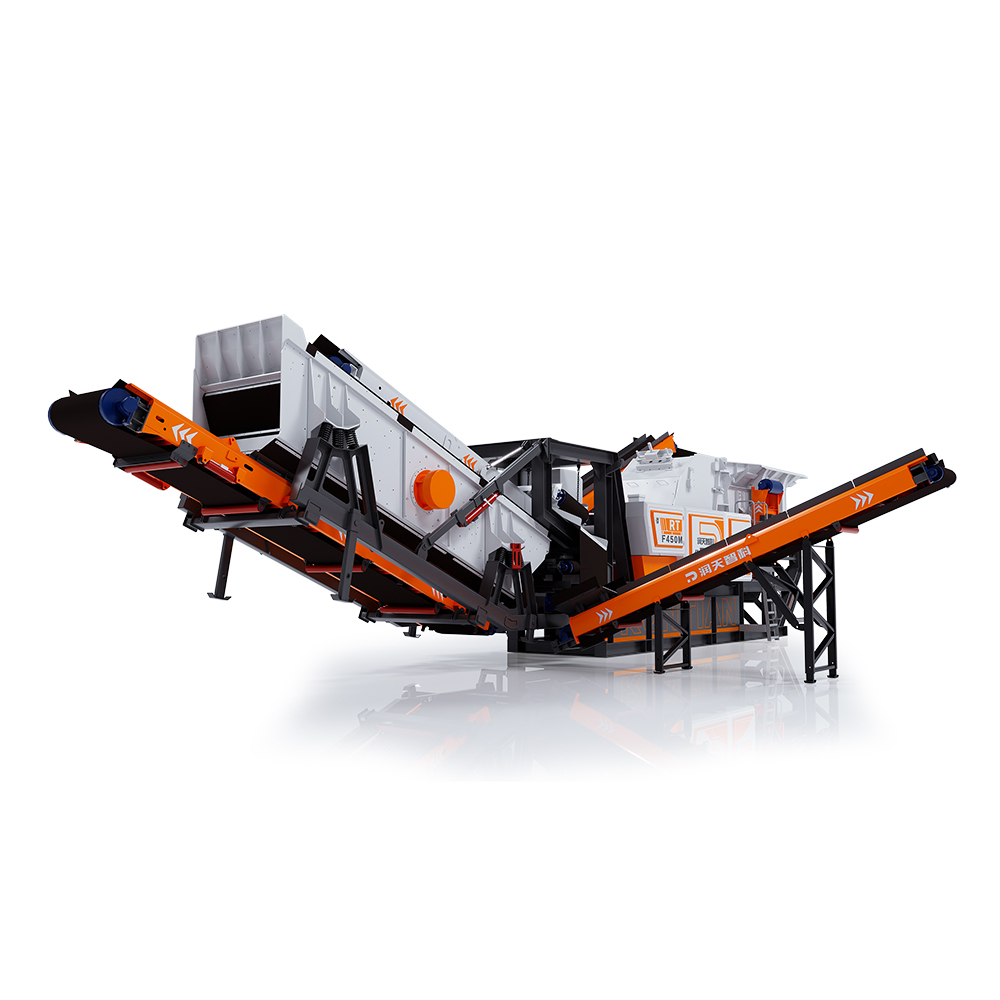 RTF450M Modular Impact Crushing Plant
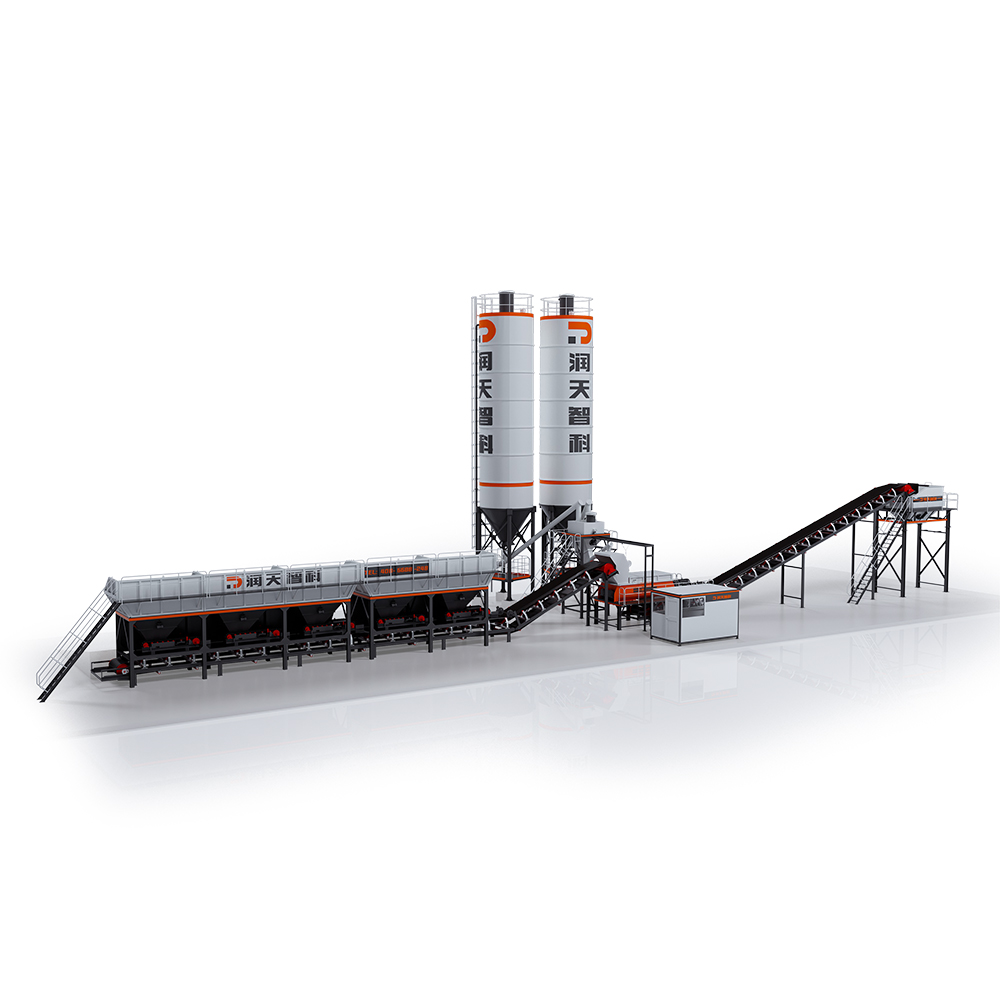 WDB Series Foundation-Free Stability Soil Mixing Plant
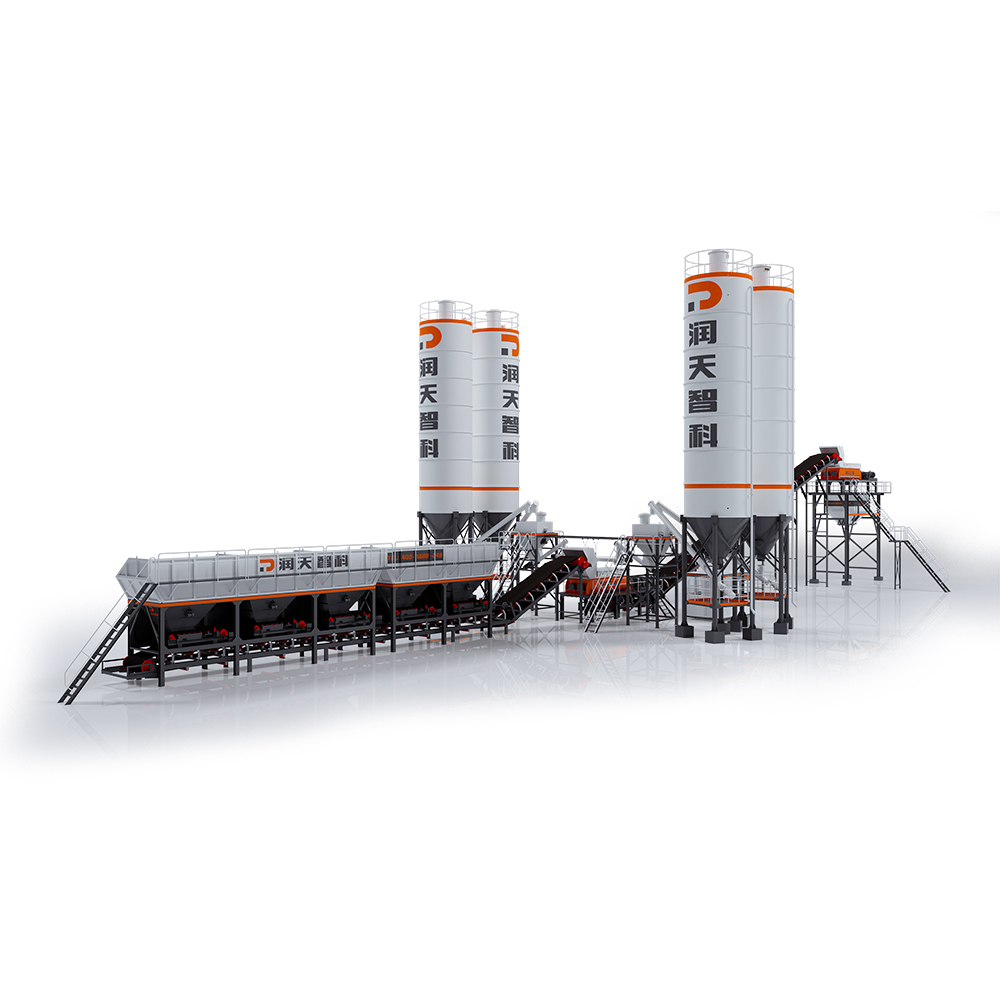 LCB Series Emulsified Asphalt Cold Regeneration Secondary Mixing Plant
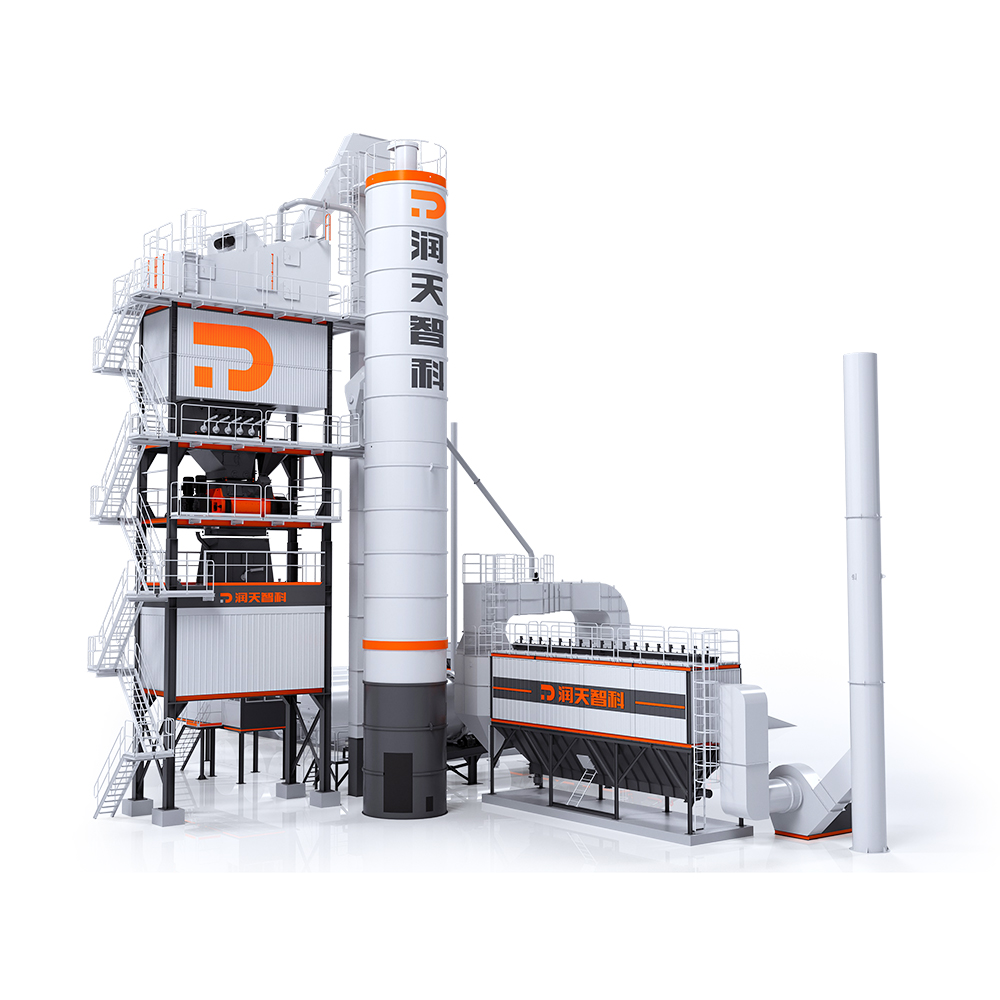 LB Series Asphalt Mixing Plant
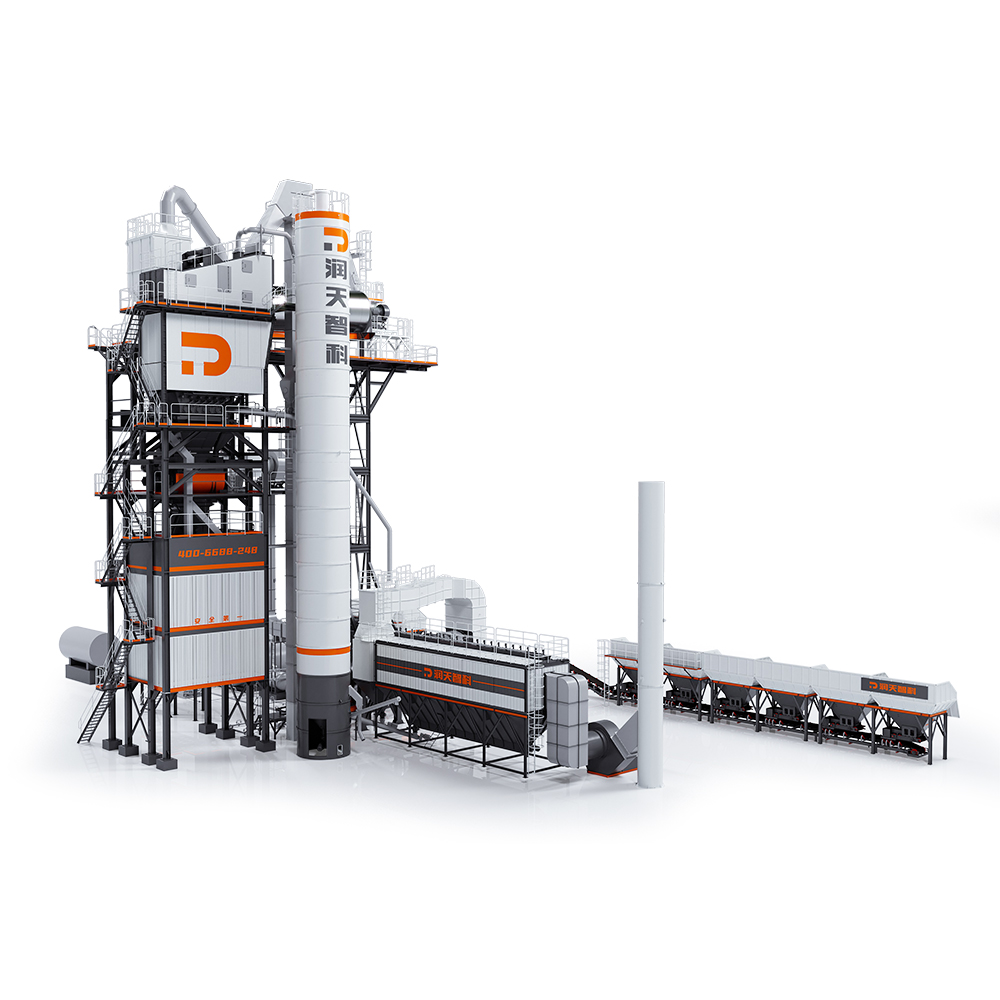 LBR Series Integrated Asphalt Mixing Plant
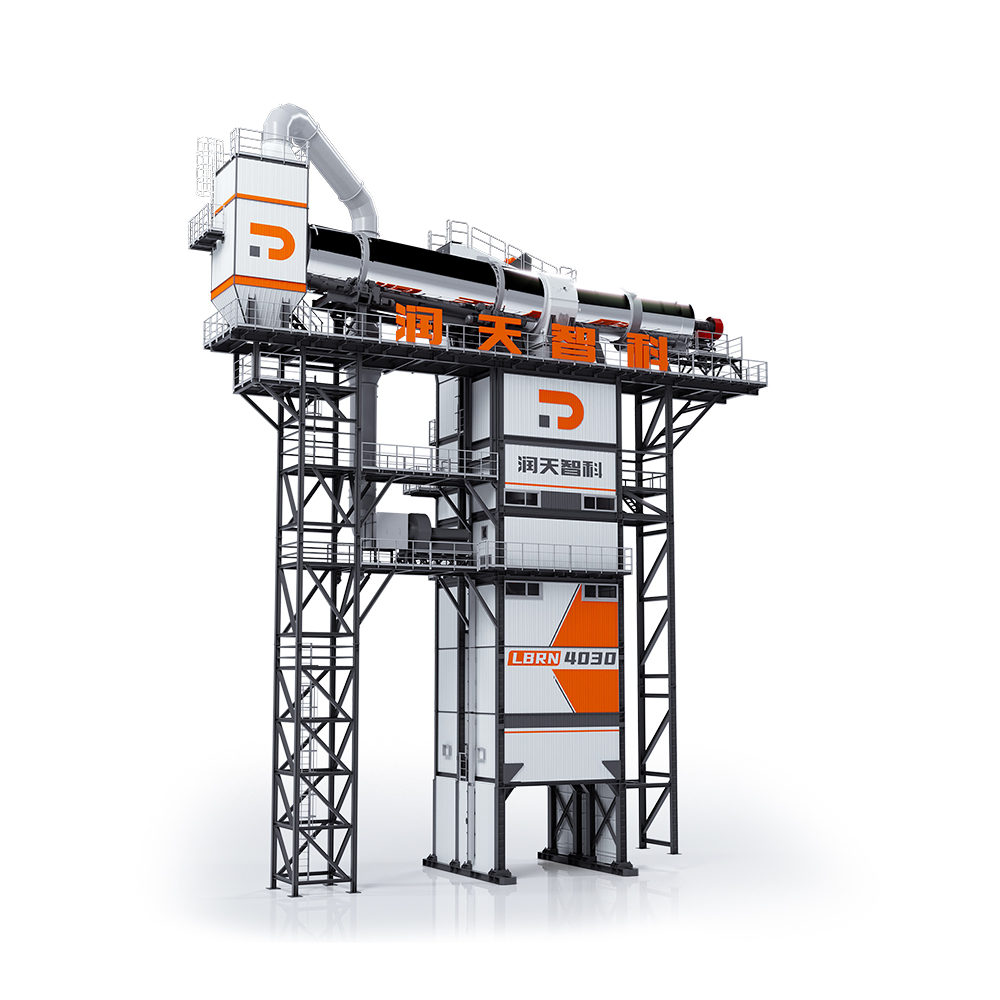 LBRN Series Counterflow Integral Asphalt Mixing Plant
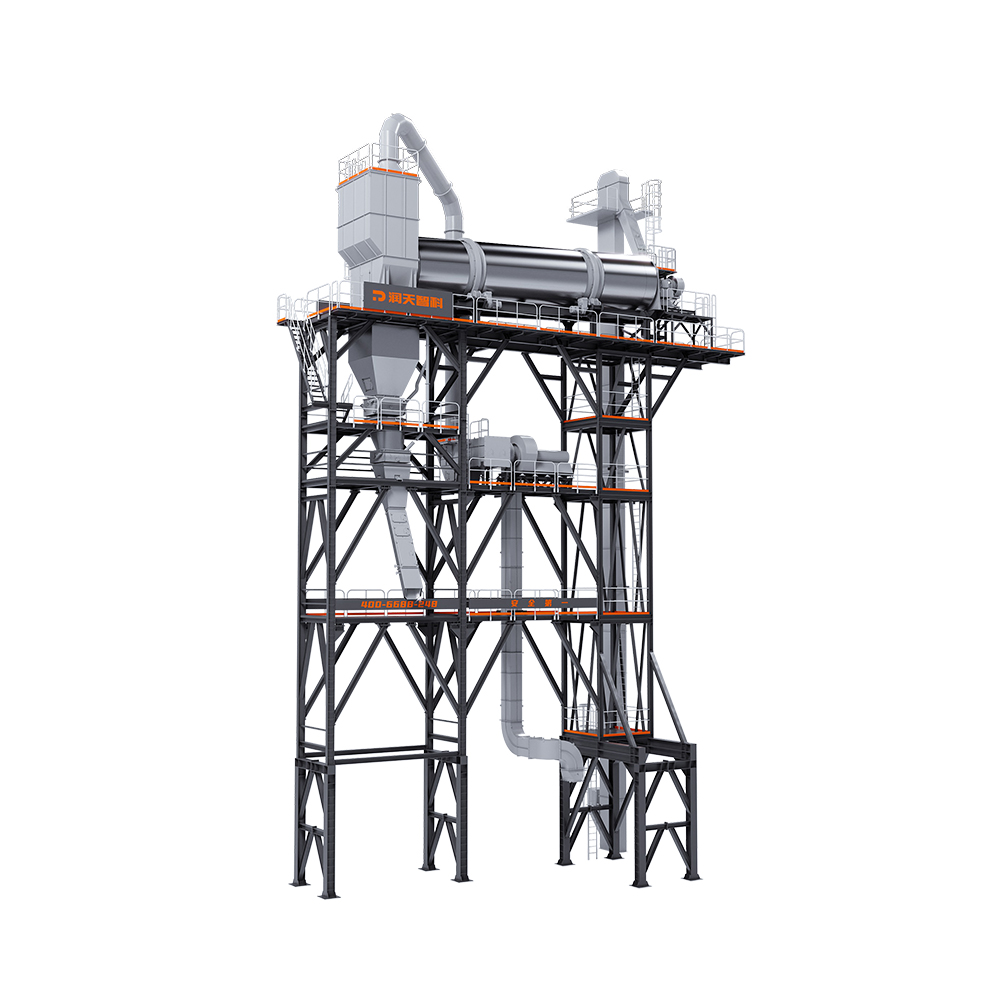 RZS Series Asphalt Mixing Plant
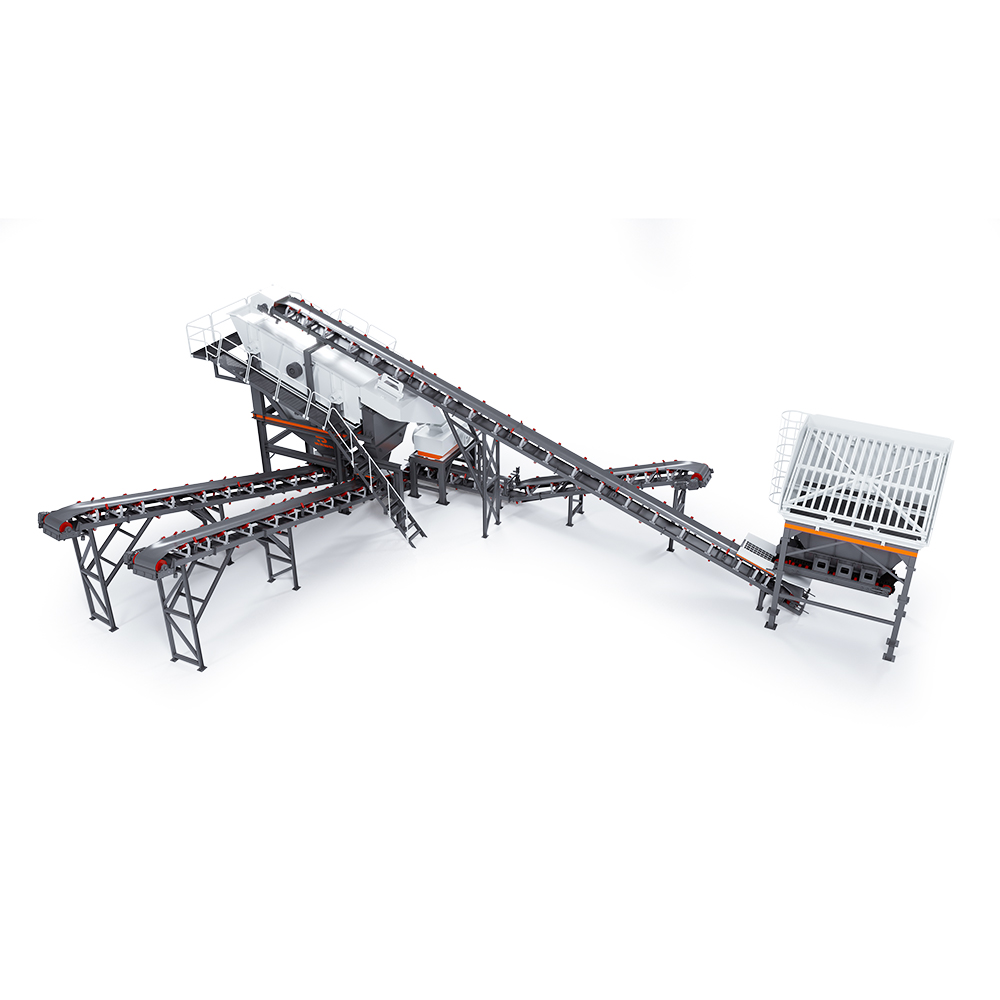 RTZS120 Series RAP Crushing & Screening Plant
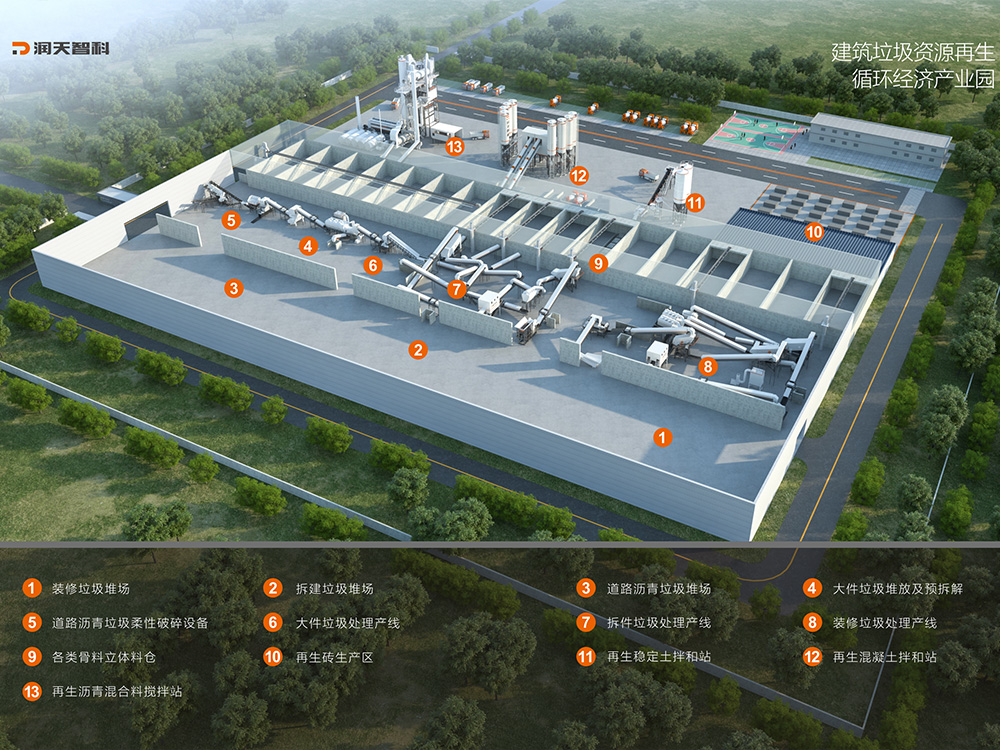 Construction Waste Resourceful Treatment Line